
Don't Think Too Hard...
Believe it or not, the mind-body connection is powerful enough that focused attention, worry, or repeated self-checking can amplify ordinary sensations into something that feels genuinely physical. You've probably experienced it first-hand dozens of times before, too: when was the last time you suddenly got a headache just because you read about it? If you’ve ever felt a new symptom right after coming across it, even briefly, you’ve seen how quickly the brain can tune the body’s volume knob. Here are 20 symptoms that can surprisingly manifest if you think hard enough.
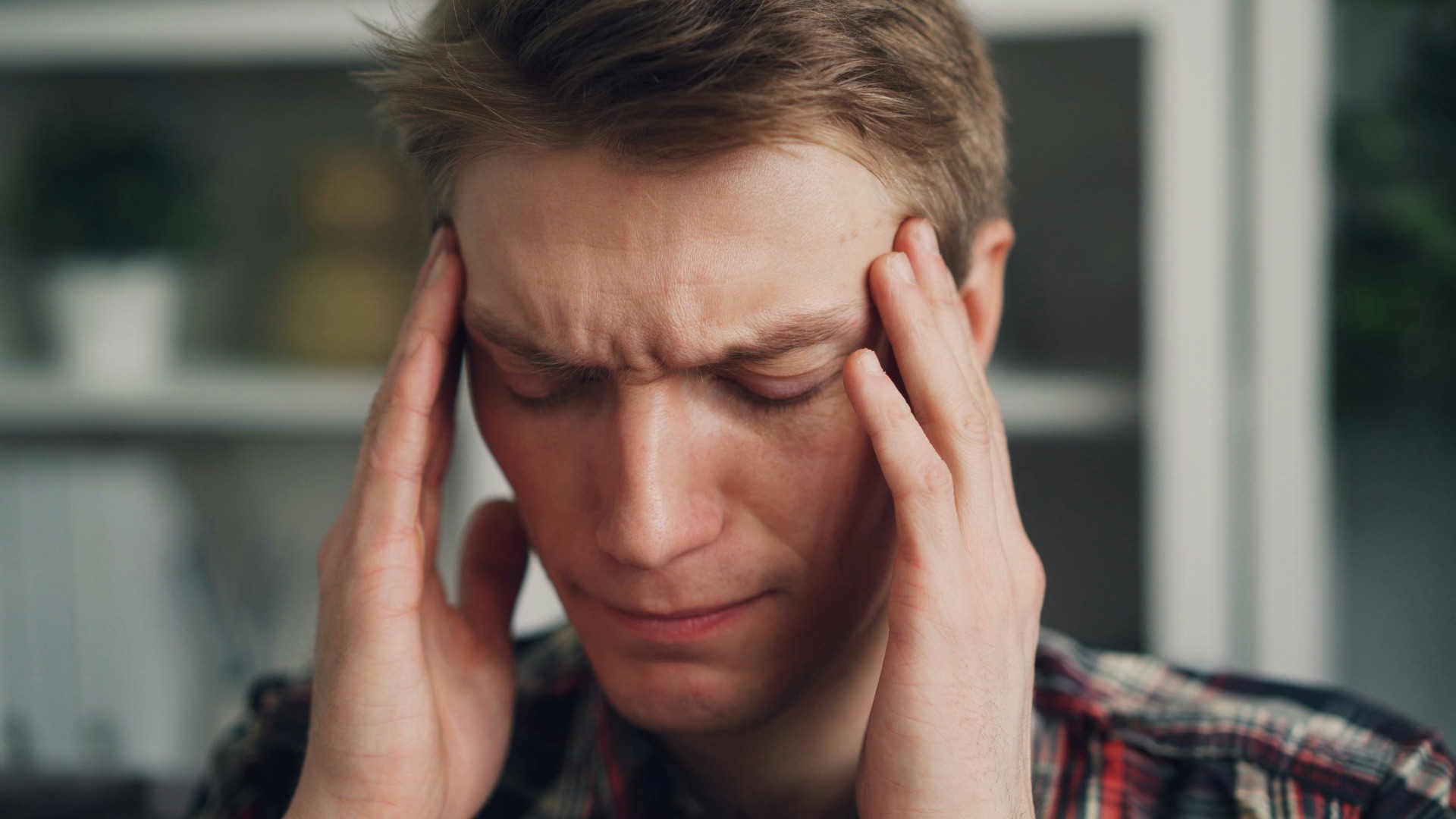
1. Headache
If you keep scanning for pressure in your head, minor tension can start to feel more intense than it otherwise would. Stress can tighten muscles in your scalp, neck, and jaw, which can add to the discomfort. When you treat every twinge as a warning sign, your body may respond by staying on high alert.
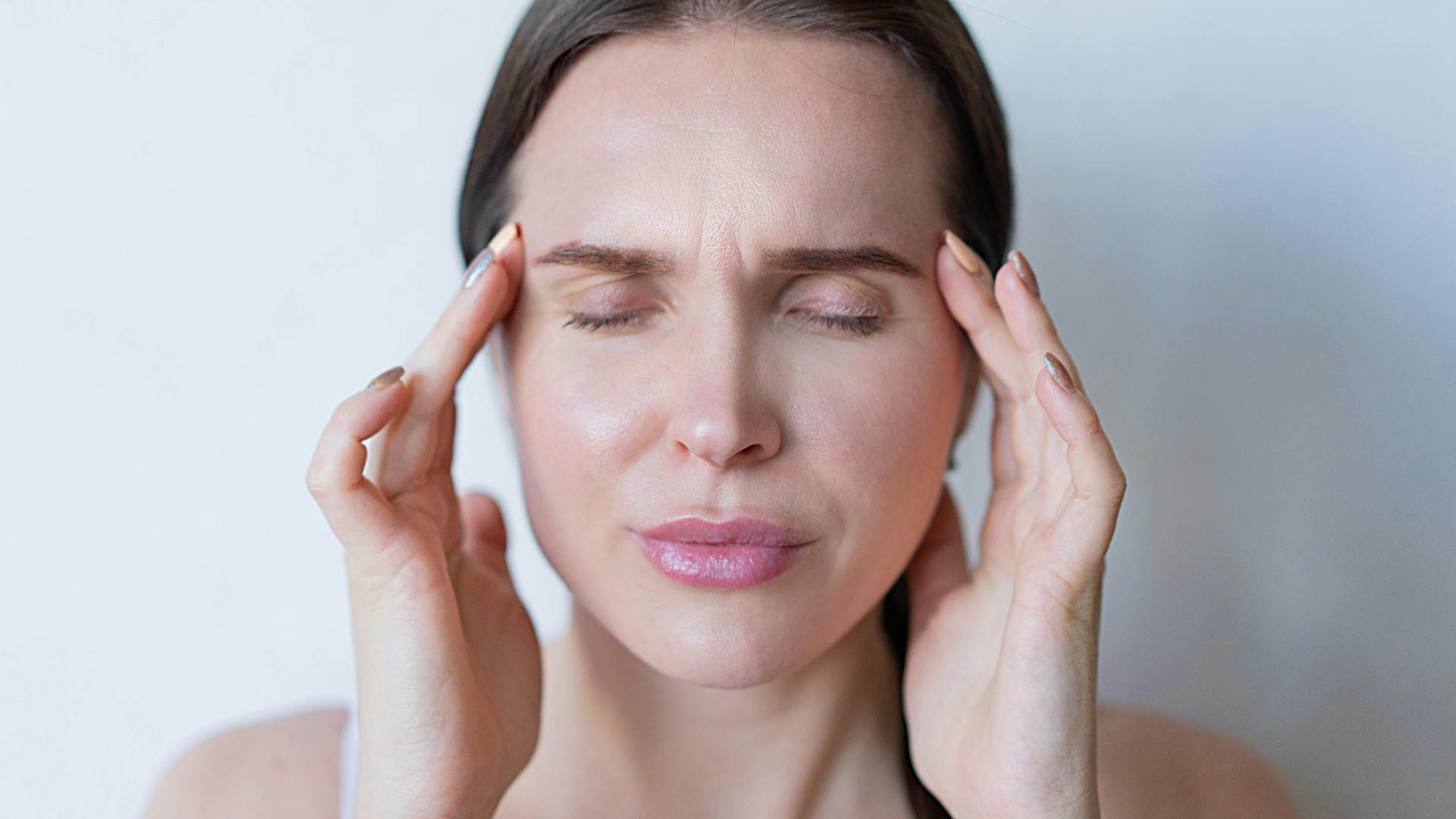
2. Tight Chest
Focusing on your breathing can make your chest feel restricted even when your lungs are working normally. Anxiety can also change breathing patterns, which sometimes creates a sensation of tightness or air hunger. The more you test your breaths, the easier it is to feel like something is off.

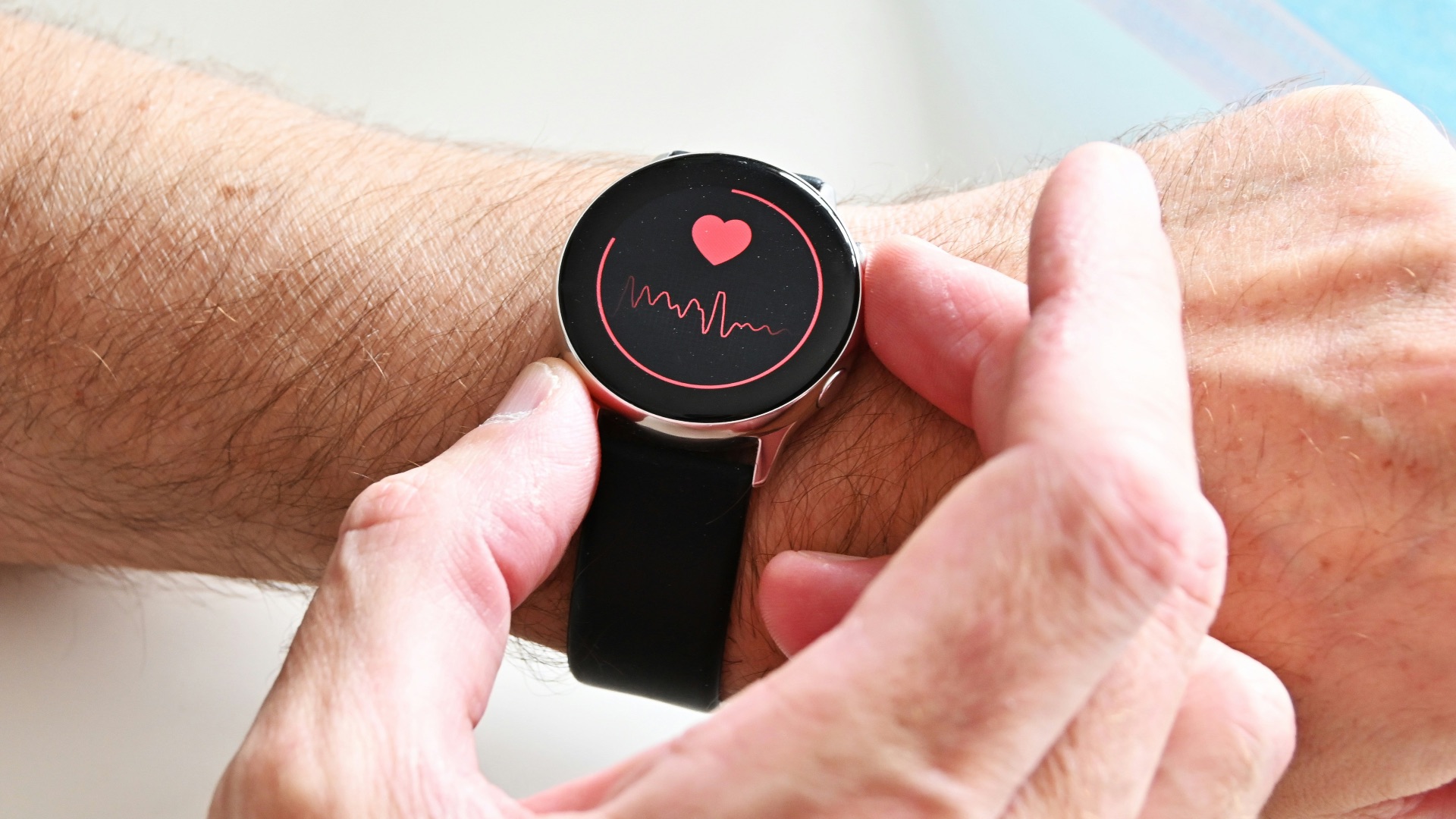
3. Racing Heartbeat
A heartbeat that’s slightly faster from caffeine, poor sleep, or stress can feel dramatic once you start monitoring it. Paying close attention can heighten your awareness of normal variations, like a stronger beat after standing up. If you keep checking your pulse, you may accidentally reinforce the sensation you’re trying to confirm.
4. Stomach Fluttering
Nerves can shift how your stomach feels, especially when your mind is stuck on what might happen next. Your gut has a strong connection to stress hormones, so anticipation can translate into real sensations. When you keep waiting for discomfort, even mild movement can start to register as a problem.

5. Nausea
Thinking about nausea can make you notice every small change in your stomach and throat. Stress can slow digestion and increase sensitivity to normal sensations after eating. Once you start watching for it, your appetite and body cues can get thrown off.

6. Dry Mouth
Anxiety can reduce saliva production, and then you notice your mouth feels sticky or parched. If you keep swallowing to test it, the dryness may feel even more obvious. Paying attention to the sensation can also make you breathe through your mouth more often, which doesn’t help.

7. Dizziness
If you’re repeatedly checking whether you feel steady, your balance system can start to feel unreliable. Stress and shallow breathing can contribute to lightheadedness, especially when you’re tense. When you fixate on it, normal shifts in posture can seem bigger than they are.

8. Tingling in Hands or Feet
Hyperventilation or rapid breathing can change carbon dioxide levels and trigger tingling sensations. Even without that, anxiety can increase your sensitivity to nerve signals you’d normally ignore. Once your attention locks on, the sensation can feel more prominent and persistent.
 Alejandro Diaz Osorio on Pexels
9. Muscle Twitching
Small muscle twitches are common, but they can feel unsettling when you track them closely. Stress and fatigue can increase muscle excitability, making twitches more likely. If you keep waiting for the next one, you might notice patterns that aren’t meaningful but still feel convincing.

10. Jaw Clenching
You may not realize you’re tightening your jaw until you start thinking about it, and then it becomes hard to stop. Stress can keep facial muscles braced, especially during work or screen time. The discomfort can build quietly, and the extra attention can make it feel like it arrived out of nowhere.

11. Neck and Shoulder Tension
Worry tends to recruit your shoulders, and your body can hold that tension for hours without asking permission. When you keep checking whether you’re tense, you may unintentionally tighten again while assessing it. That loop can turn a mild stiffness into a distracting ache.

12. Hot Flashes or Feeling Warm
Stress can activate the nervous system and make you feel suddenly warm, flushed, or sweaty. If you keep testing your temperature by tuning in to your skin, the sensation may intensify. It’s also easy to misread normal warmth from a room or clothing once you’re focused on it.

13. Chills or Feeling Cold
Anxiety can also swing the other direction and make you feel cold, shaky, or clammy. When you concentrate on whether you’re chilled, your body may tighten muscles and create more shivering sensations. The experience can be real even if the environment hasn’t changed.

14. Frequent Urination
Stress can increase the urge to urinate, especially if you’re anticipating being stuck without a bathroom. If you keep asking yourself whether you need to go, the signal can show up sooner and more often. The habit of preemptive bathroom trips can train your body to expect frequent emptying.

15. Shortness of Breath
Breath becomes harder to trust when you keep evaluating it, and that uncertainty can be uncomfortable. Anxiety can promote quick, shallow breaths, which may feel inefficient even if oxygen levels are fine. The more you try to force a satisfying breath, the more strained it can feel.

16. Throat Tightness
Stress can make throat muscles tense, creating a lump-in-throat sensation that feels surprisingly physical. If you repeatedly swallow to check whether it’s still there, the irritation can stick around longer. Focusing on the feeling can also make normal throat dryness feel more dramatic.

17. Back Pain
When your mind is busy scanning your body, you may notice ordinary stiffness from sitting, lifting, or sleeping in a strange position. Stress can increase muscle guarding, which can make soreness feel sharper. If you keep bracing in anticipation, the discomfort may last longer than it otherwise would.

18. Itching
Thinking about itching can bring it to the foreground, and then you start noticing tiny skin sensations constantly. Stress can heighten skin sensitivity and make you more reactive to minor irritation. Once you start scratching to test whether it’s real, the cycle can escalate quickly.

19. Fatigue
Hypervigilance is tiring, and your body can feel drained when your mind stays in problem-solving mode all day. Stress can interfere with sleep quality even when you technically slept enough. If you keep checking how tired you are, you may unintentionally reduce activity and feel even more sluggish.
 Vladislav Muslakov on Unsplash
20. Palpitations
Palpitations can show up when you become highly aware of your heartbeat, even if your heart rhythm is still within normal variation. Stress, caffeine, dehydration, or poor sleep can make beats feel stronger or more noticeable, and then your attention does the rest. If you keep checking for skips or thumps, you can accidentally train your brain to flag every little change as urgent.

KEEP ON READING

20 Things That Happen to Your Body at High Altitude