

Eating For A Sharper, More Resilient Mind
Brain health isn’t just about genetics or crossword puzzles, as what you eat plays a surprisingly large role in how your brain ages over time. Certain foods support memory, focus, and cognitive resilience by reducing inflammation, improving blood flow, and protecting neurons from oxidative stress. While no single ingredient is a magic shield against aging, consistent dietary patterns can meaningfully influence long-term brain function. These 20 foods stand out not because they’re trendy, but because science keeps circling back to them.

1. Fatty Fish
Fatty fish like salmon, sardines, and mackerel are rich in omega-3 fatty acids that are essential for brain structure. As these fats make up a significant portion of brain cell membranes, they help maintain communication between neurons. Regular intake is associated with slower cognitive decline as you age. The anti-inflammatory effects also support overall brain resilience.

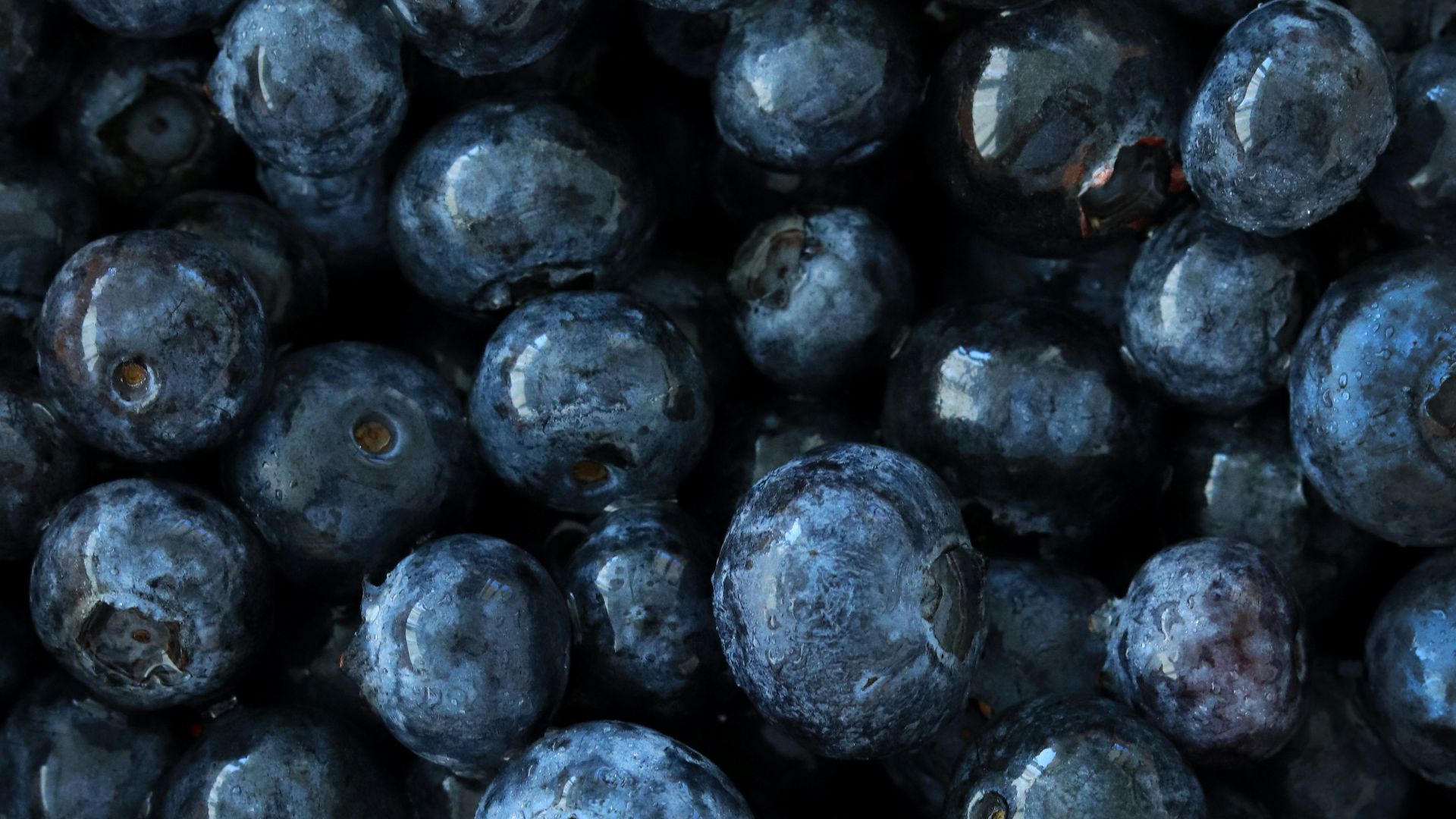
2. Blueberries
Blueberries are packed with antioxidants that protect brain cells from oxidative stress. These compounds help reduce inflammation linked to aging and neurodegenerative disease. Studies suggest blueberries may improve memory and learning over time. Their benefits come from consistency rather than large servings.
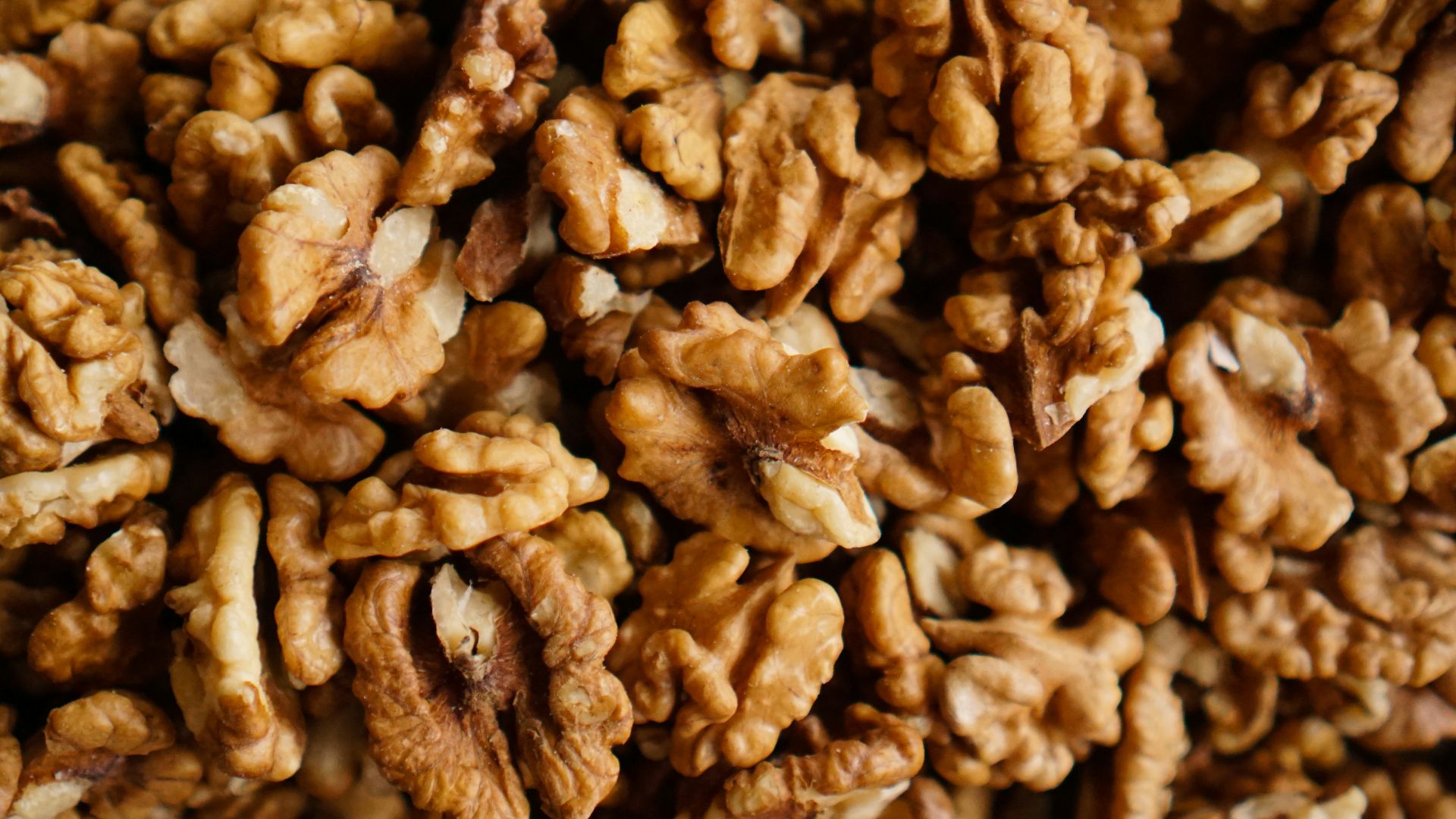
3. Walnuts
Walnuts resemble the brain for a reason, as they contain omega-3s, antioxidants, and polyphenols. These nutrients work together to support cognitive performance and reduce inflammation. Regular consumption has been linked to better memory and processing speed. They’re especially helpful when used to replace less nutritious snacks.
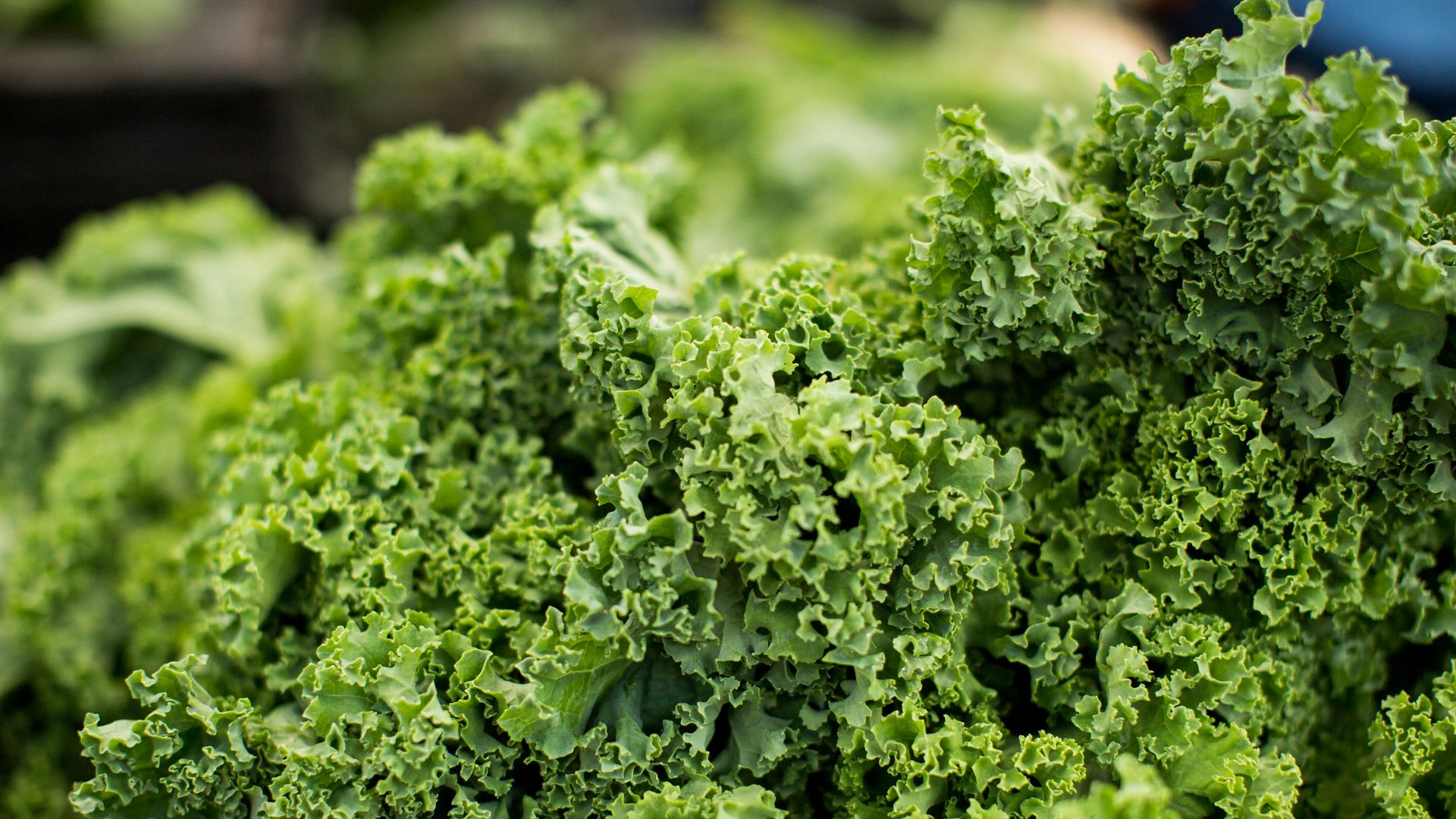
4. Leafy Greens
Spinach, kale, and Swiss chard deliver vitamins like folate, vitamin K, and lutein. These nutrients are associated with slower cognitive decline in older adults. Leafy greens also support blood flow to the brain. Even one serving a day can make a measurable difference over time.
5. Extra Virgin Olive Oil
Extra virgin olive oil contains powerful polyphenols that protect brain cells. As a staple of the Mediterranean diet, it’s associated with reduced risk of cognitive impairment. It also supports cardiovascular health, which directly affects brain function. Quality matters more than quantity here.

6. Eggs
Eggs provide choline, a nutrient critical for neurotransmitter production. As acetylcholine plays a role in memory and learning, adequate choline intake supports cognitive clarity. Eggs also offer B vitamins that help regulate homocysteine levels. Balanced cholesterol intake is key, but eggs remain valuable in moderation.

7. Dark Chocolate
Dark chocolate contains flavonoids that enhance blood flow to the brain. These compounds may improve attention and processing speed. As cocoa also influences mood-related neurotransmitters, it supports mental well-being. Higher cocoa content delivers more benefits with less sugar.

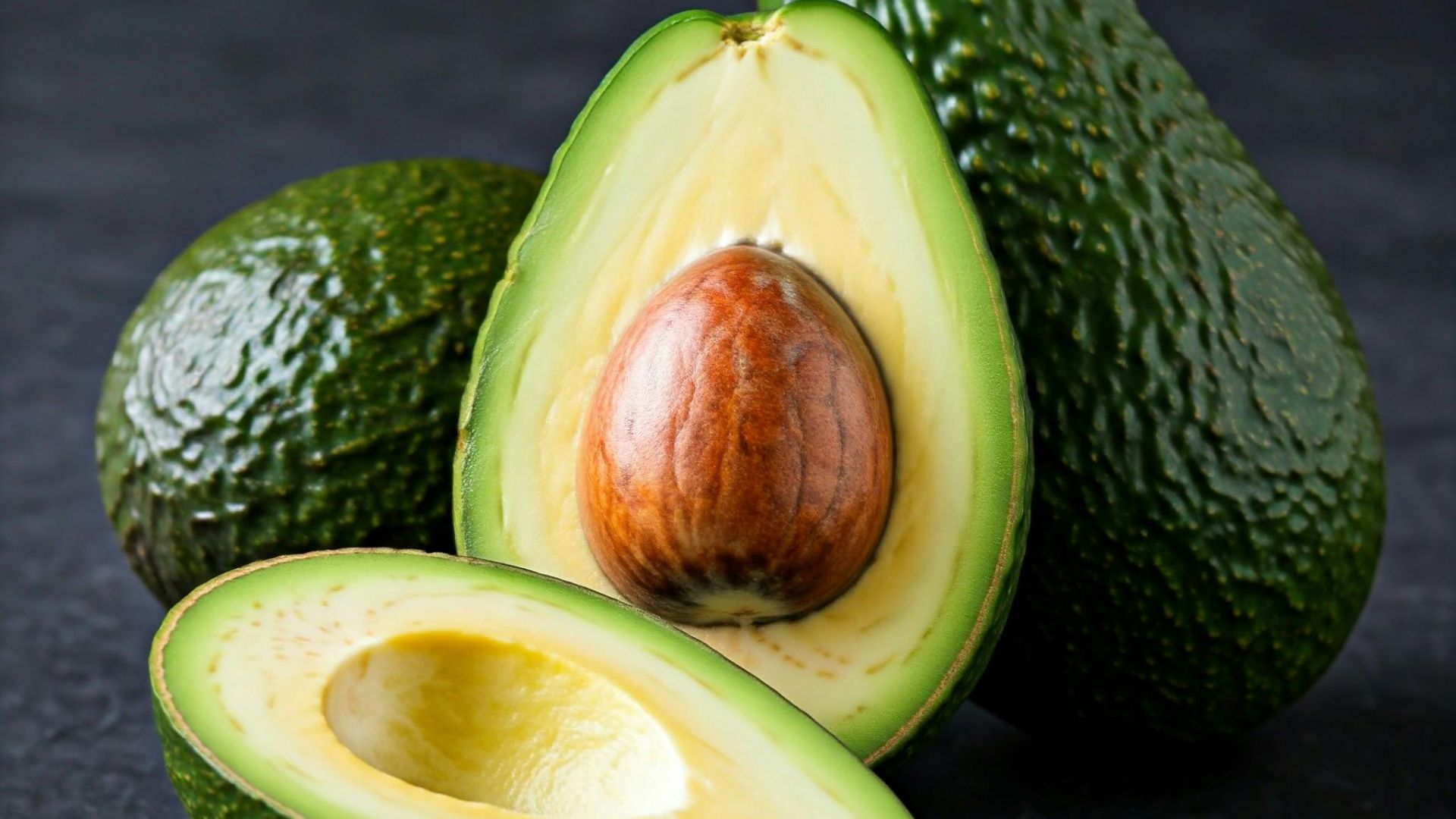
8. Avocados
Avocados supply healthy monounsaturated fats that support blood flow. Proper circulation ensures the brain receives oxygen and nutrients efficiently. They also contain vitamin E, which helps protect neurons from oxidative damage. The texture makes them easy to integrate into daily meals.
9. Turmeric
Turmeric’s active compound, curcumin, has anti-inflammatory and antioxidant properties. It may help reduce amyloid plaque buildup associated with Alzheimer’s disease. As absorption improves when paired with black pepper and fat, preparation matters. Small, regular amounts appear more effective than sporadic use.
 Md Shakil Photography on Unsplash
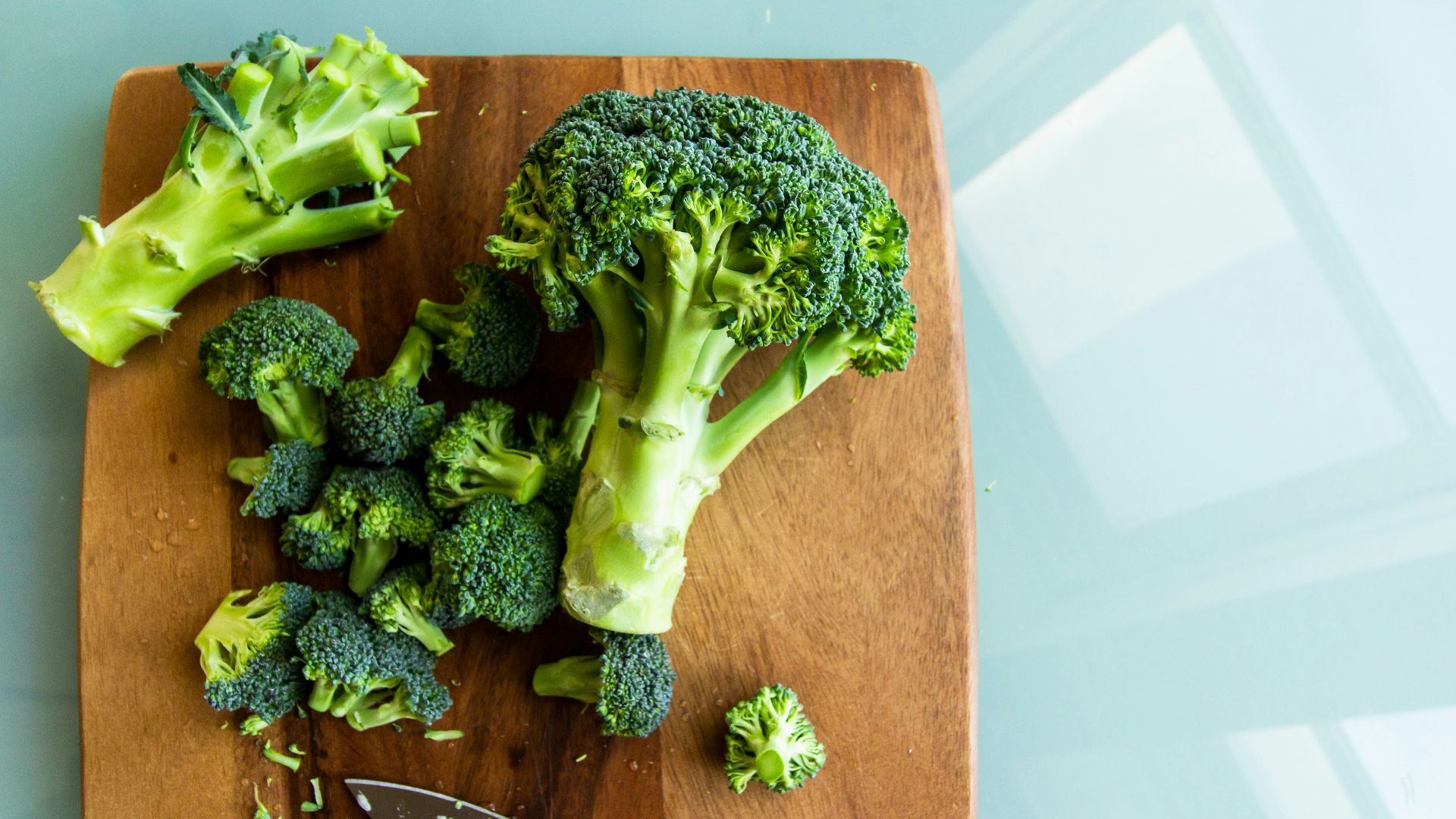
10. Broccoli
Broccoli provides antioxidants and vitamin K, which support brain cell structure. Its compounds help reduce inflammation and oxidative stress. Regular intake has been associated with better cognitive performance. Light cooking preserves most of its brain-supportive nutrients.
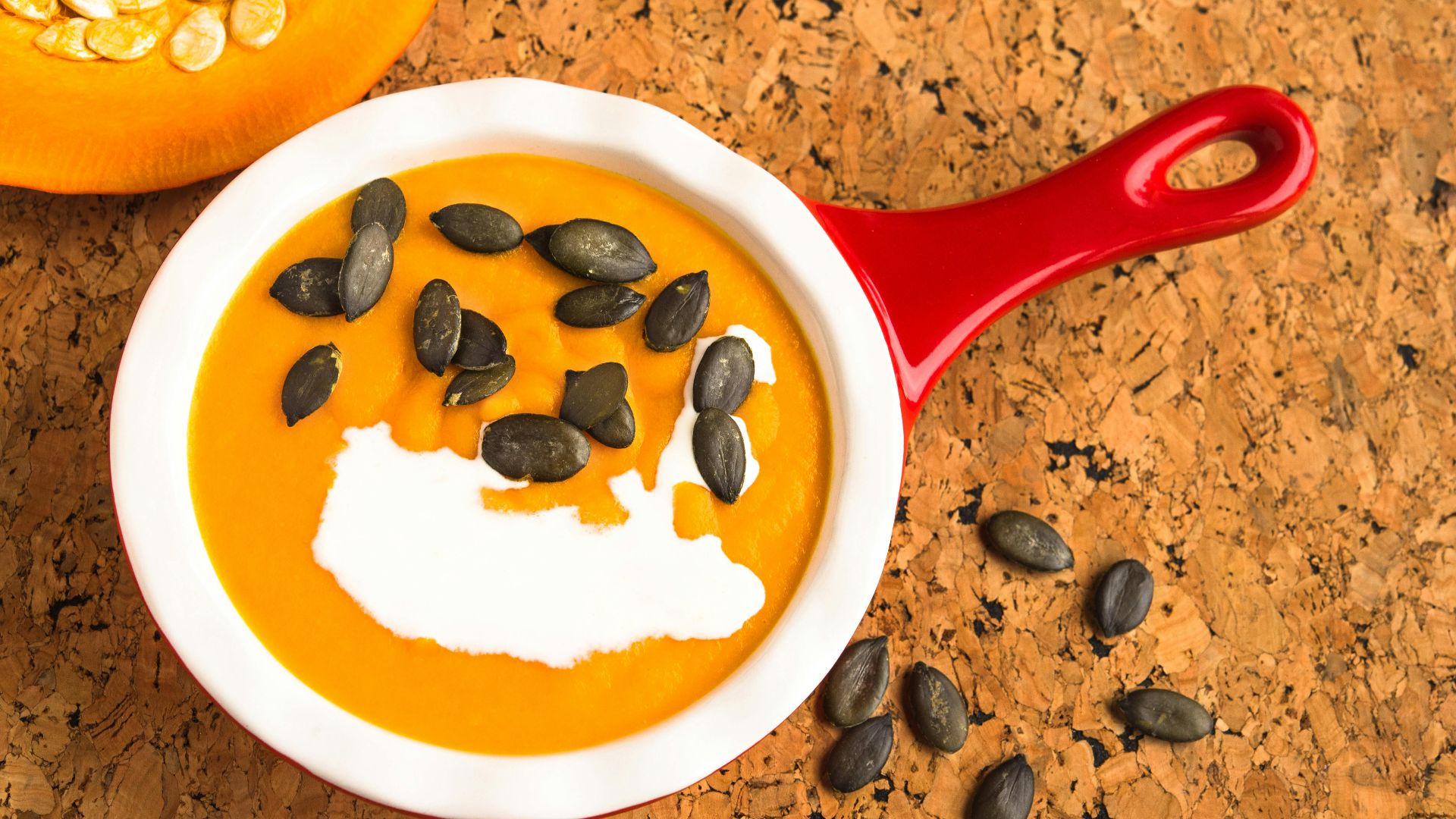
11. Pumpkin Seeds
Pumpkin seeds are rich in magnesium, zinc, iron, and copper, all important for brain signaling. Zinc supports nerve communication, while magnesium influences learning and memory. Deficiencies in these minerals are linked to cognitive decline. A small handful goes a long way.
 Mixshot Marcin Lampart on Pexels
12. Green Tea
Green tea contains caffeine and L-theanine, which work together to improve focus without jitters. It also offers antioxidants that protect brain cells. Regular consumption is associated with improved working memory. The ritual itself may also support mental clarity.

13. Whole Grains
Whole grains provide steady glucose, the brain’s primary energy source. As they digest slowly, they prevent energy spikes and crashes. They also support cardiovascular health, which is crucial for cognitive function. Fiber and B vitamins add additional protection.

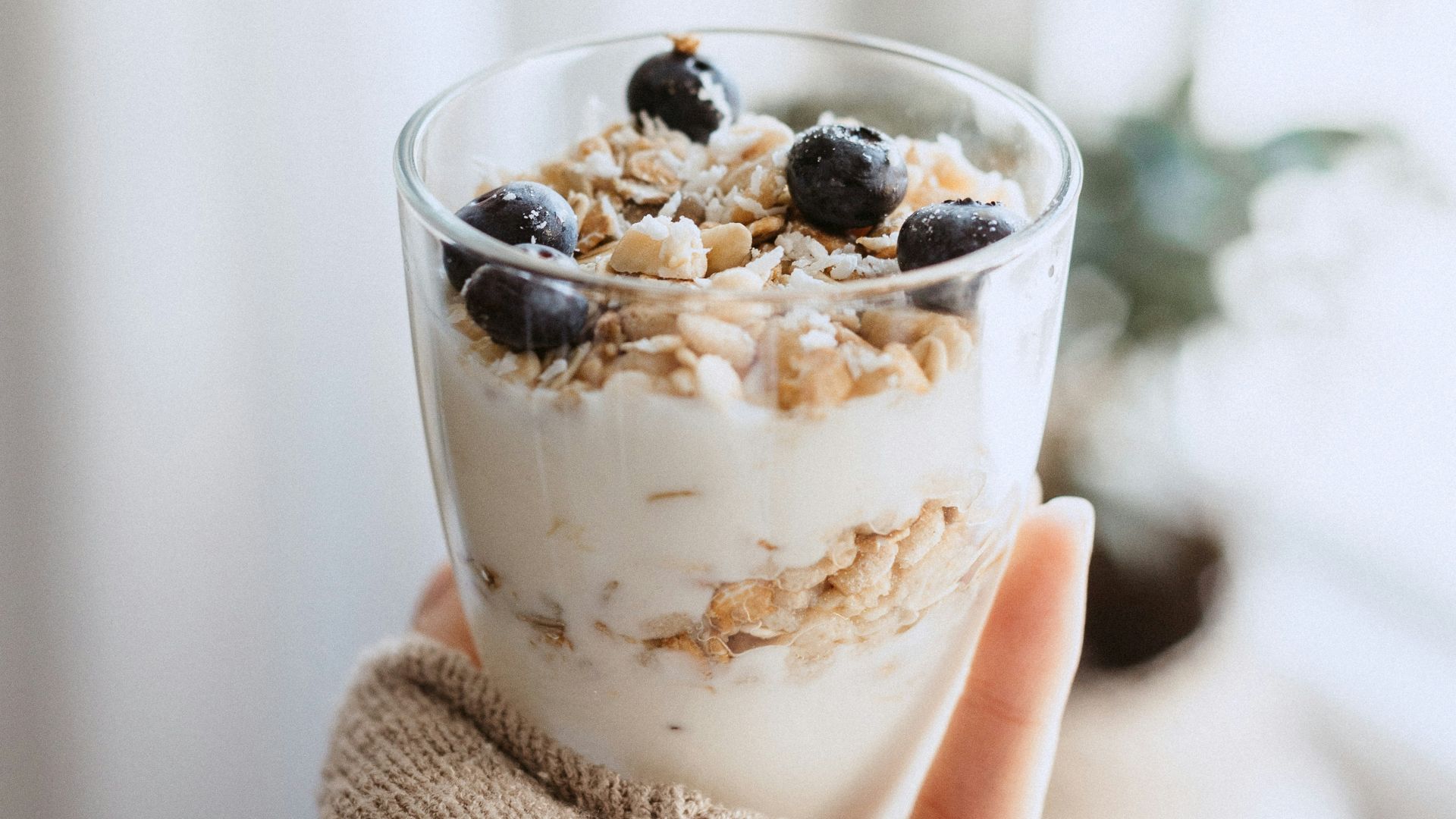
14. Yogurt
Yogurt supports gut health, which is increasingly linked to brain function. The gut-brain axis influences inflammation and neurotransmitter production. Probiotics may support mood and cognition over time. Plain, unsweetened varieties offer the most benefit.
15. Tomatoes
Tomatoes contain lycopene, an antioxidant linked to reduced oxidative stress. This compound may help protect brain cells from damage over time. Tomatoes also support vascular health, which benefits brain circulation. Cooking enhances lycopene absorption.

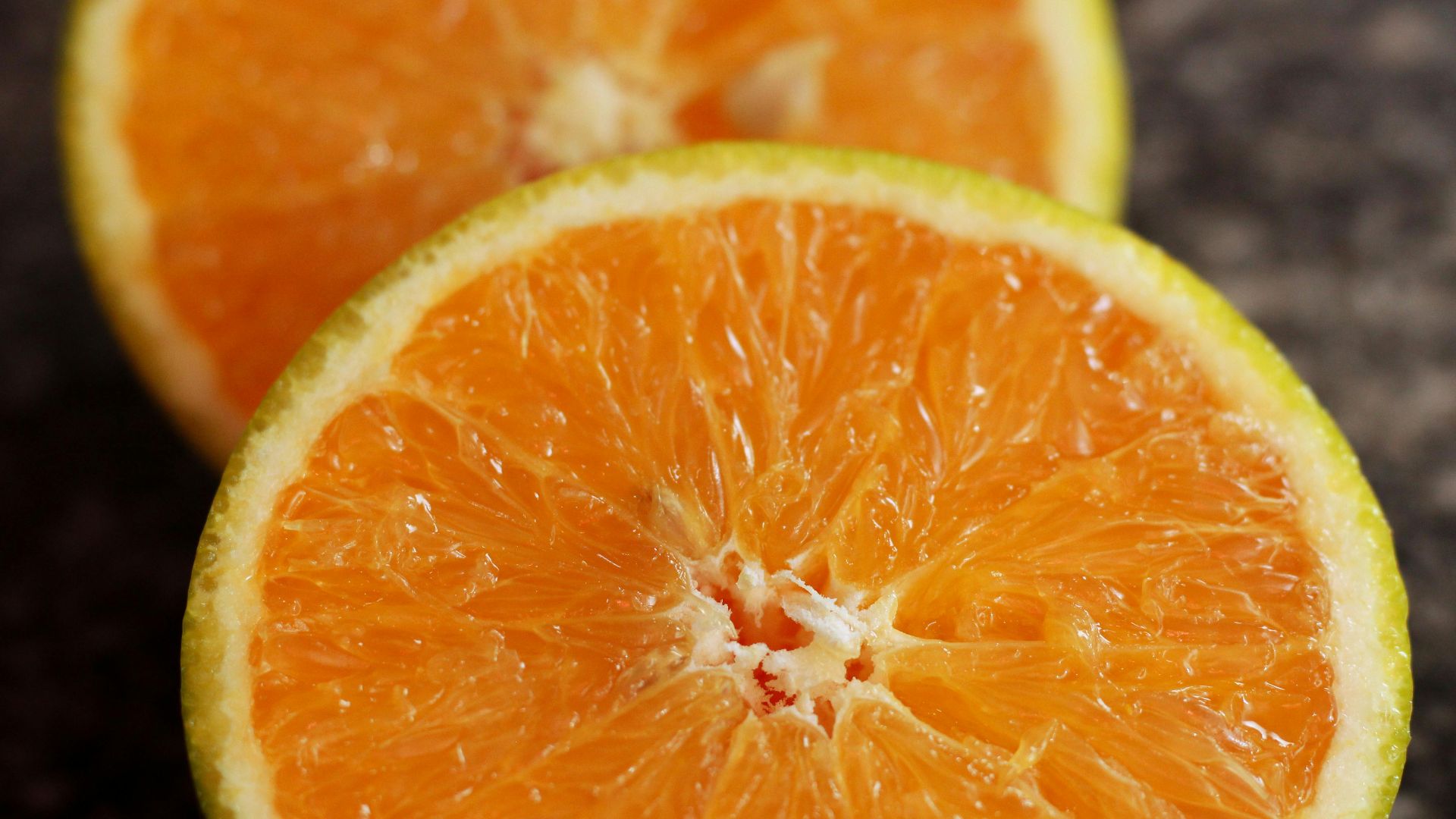
16. Oranges
Oranges provide vitamin C, which helps prevent mental decline. This vitamin protects against oxidative stress and supports neurotransmitter synthesis. Adequate intake is associated with better attention and memory. Whole fruit offers more benefits than juice alone.
17. Beans And Lentils
Legumes offer steady energy through complex carbohydrates and fiber. They also provide folate, iron, and magnesium, which support cognitive function. Their low glycemic impact helps stabilize blood sugar. Consistent intake supports long-term brain health.

18. Beets
Beets improve blood flow by increasing nitric oxide levels. Better circulation supports oxygen delivery to the brain. This can enhance focus and cognitive endurance. Their effects are subtle but meaningful over time.

19. Seaweed
Seaweed provides iodine, which is essential for thyroid function and brain development. Even mild iodine deficiency can affect cognitive performance. Seaweed also contains antioxidants and trace minerals. Moderation is important due to iodine concentration.

20. Coffee
Coffee contains antioxidants and caffeine that support alertness and mental performance. Long-term consumption is associated with reduced risk of neurodegenerative diseases. Timing and moderation matter to avoid sleep disruption.

KEEP ON READING



20 Natural Ways You Can Boost Your Immune System

20 Ways To De-stress & Relax After Work

The 10 Most Common Diseases & The 10 Most Rare