

The Hard Truth About Aging
Aging well isn’t about having no wrinkles or smile lines or looking youthful forever. Instead, it's more about the small habits that protect your body, brain, and overall well-being, such as making sure you get enough sleep each night and eating healthy. Sure, some influences are out of your control, but a lot of the biggest drivers are surprisingly practical and fixable. With that in mind, here are 10 signs you’re setting yourself up to age well, and 10 signs you might age poorly.

1. You Take Sun Protection Seriously
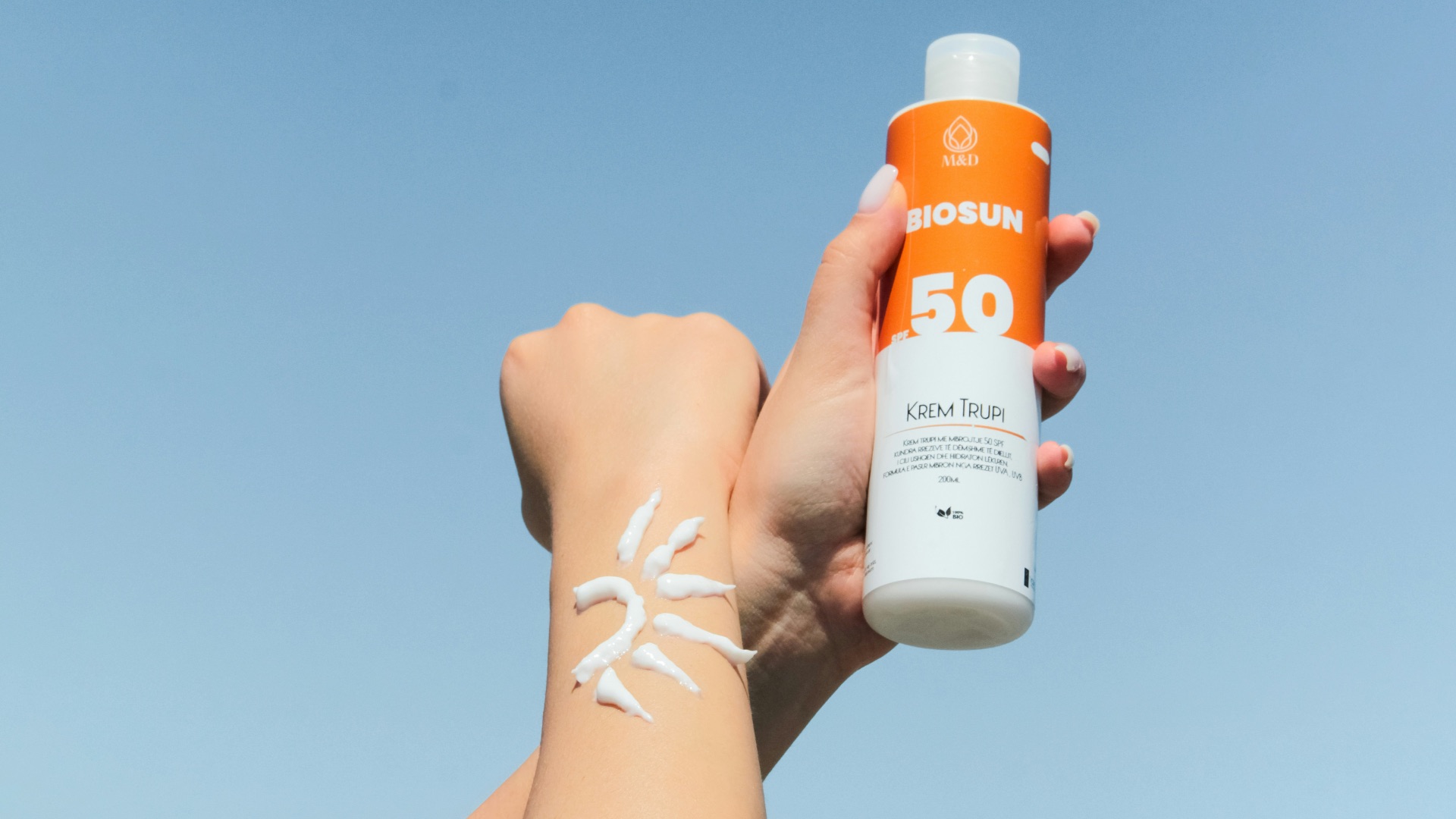
How diligent are you with sun protection? If you’re always consistent with sunscreen, hats, and shade rather than saving it only for beach days, you're doing yourself a big favor. Sun protection helps shield your skin from harmful UV rays, lowering your risk of sun-related damage that can show up later and be tougher to manage.
2. You Make Sure to Get Enough Sleep
Most nights, you give yourself enough time to actually recover, not just collapse. Good sleep supports mood, immune function, and your ability to make decent choices during the day. When you prioritize it early, you’re less likely to spend years trying to “catch up” later.

3. You Keep Strength and Mobility in Your Routine
When you head to the gym, you do some form of resistance work and you don’t ignore flexibility and balance. This protects joints, helps maintain independence, and supports a steadier metabolism. It also makes everyday tasks easier, which is the kind of advantage you notice more with each decade.

4. You’re Proactive About Preventive Care
You get regular checkups, screenings, and dental visits instead of waiting for a crisis or someone to remind you. That habit catches small issues before they become expensive, painful, or complicated. It also gives you more options when you do need treatment.

5. You Know How to Manage Stress
When you’re overwhelmed, you’ve got tools that don’t rely on chaos, withdrawal, or blowing up your schedule. You might still feel stressed, but you don’t let it overpower you and have healthy coping mechanisms in place to help you get through it. Over time, that reduces wear and tear on both your body and your relationships.
 ANTONI SHKRABA production on Pexels
6. You Treat Hydration and Nutrition as the Baseline
You’re not chasing extreme diets, but you eat in a way that supports energy, digestion, and stable blood sugar. You get enough protein, fiber, and a variety of foods rather than living on convenience, and that steadiness tends to show up in skin, muscle maintenance, and overall resilience.

7. You Keep Learning and Stay Mentally Active
Instead of just doomscrolling on your phone, you read, take classes, build skills, or regularly challenge your brain in a structured way. That mental engagement supports cognitive health and keeps you sharper in daily life. It also makes transitions, like career changes or retirement, feel less disorienting.

8. You Nurture Friendships and Social Routines
You don’t let every relationship fade just because you’re busy. You make plans, follow up, and carve time in your calendar for the people who matter. Studies have shown that strong social ties are linked to better mental health and healthier daily behaviors over time.

9. You Don’t Smoke and You’re Mindful with Alcohol
If you don’t smoke, you’ve already removed a major factor that accelerates visible and internal aging. Even if you drink, you know to keep it moderate and to control your intake. That combination supports better skin, better sleep, and better long-term health outcomes.

10. You Can Adapt Your Habits as Life Changes
When your schedule, hormones, job, or family responsibilities shift, you adjust instead of quitting. You’re willing to modify workouts, meals, and routines so they still fit your reality. That flexibility is a quiet superpower because it keeps progress going even when things get messy.
Now that you've read through the first part of the list, how are you faring? Have you been following these healthy habits that'll help you age well? If not, let's jump into the next section and see if you may be making mistakes and setting yourself up to age poorly.

1. You Spend Most of the Day Sitting Without Breaks
If hours go by without you standing, walking, or changing position, your body pays for it in stiffness and reduced circulation. Over time, that pattern can chip away at mobility and everyday comfort. Even if you do light stretches in the morning or evening, the rest of the day still matters more than people like to admit.

2. You Skimp on Protein and Fiber Without Realizing It
A lot of people eat enough calories but not enough of what supports muscle, digestion, and stable energy. When protein and fiber are consistently low, you may notice more cravings, less satiety, and a harder time maintaining strength. It’s an issue because the consequences build gradually.

3. You Let Minor Pain Become Your New Normal
When aches or nagging discomfort stick around, you ignore them, and that means they often limit your movement little by little. That can lead you to avoid activity, which then makes your body feel even less capable later on.

4. You Don’t Take Hearing and Vision Changes Seriously
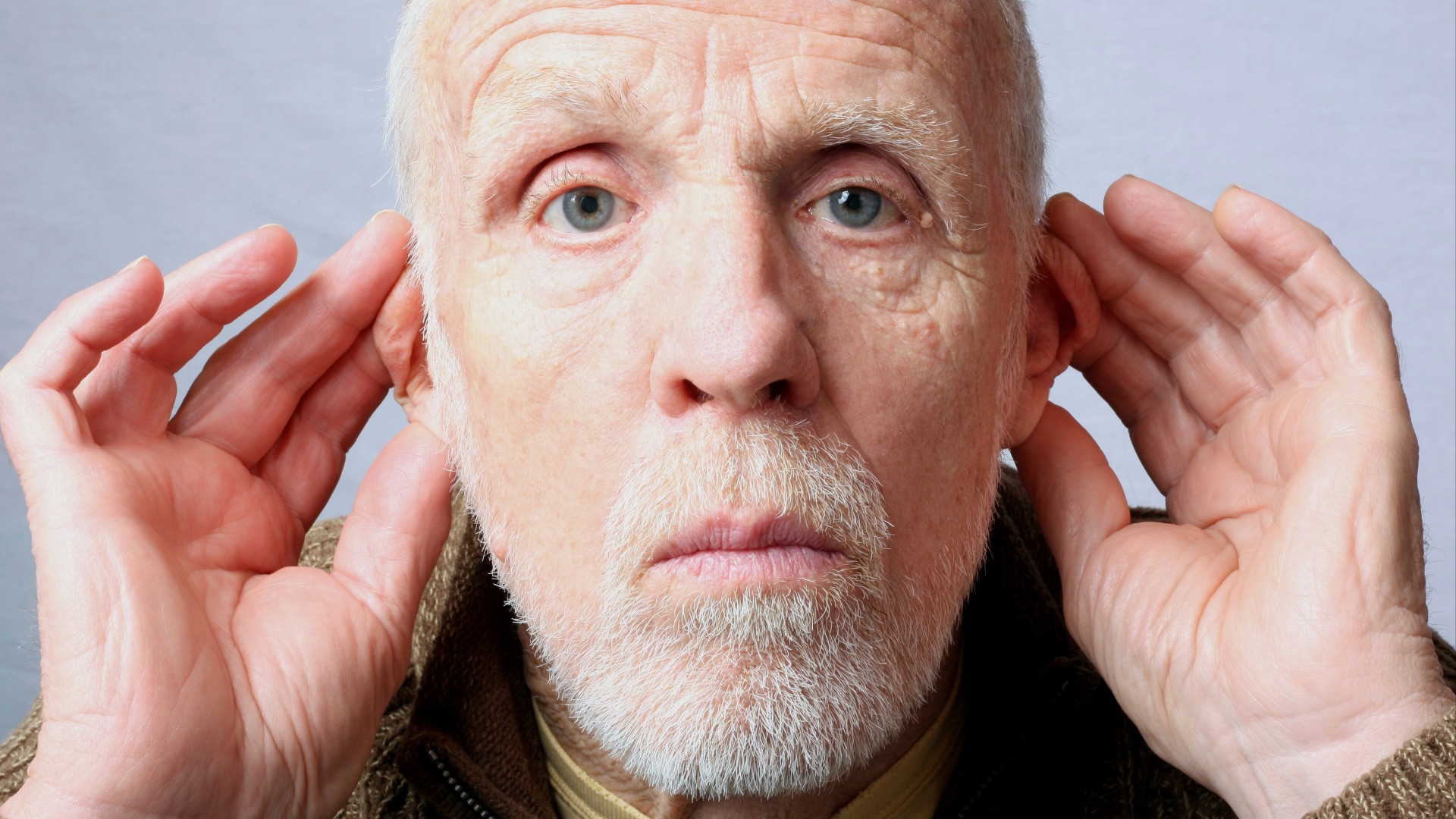
Putting off a hearing test or ignoring worsening vision can affect safety, mood, and even social connection. Small sensory losses can subtly increase fatigue as well because your brain has to work harder to keep up. The longer you wait, the more likely you are to adjust your life around the problem instead of fixing it.
5. You Rely on Ultra-Processed Convenience Meals Most Days
If most of your meals come from packages or takeout, it’s easy to drift toward high sodium, low fiber, and inconsistent nutrients. That can affect blood pressure, blood sugar levels, energy, and how you feel day to day, which isn't good.

6. You Keep a Chronically Late, Unpredictable Schedule
A routine that swings wildly can disrupt appetite cues, sleep quality, mental health, and your ability to stay consistent with habits. Your body tends to do better when it can anticipate when you’ll eat, move, and rest. If every week feels like a new time zone, it’s tough to build momentum and that'll end up hurting your well-being.

7. You Treat Loneliness as Something You’ll Handle Later
Waiting until you “have more time” to catch up with friends often means it won't happen. Chronic loneliness is linked to higher stress and poorer mental health, which can spill into physical health choices. Staying connected takes effort, sure, but the alternative usually costs more.

8. You Avoid Strengthening Your Balance and Coordination
People often focus on cardio and forget that stability skills protect independence as you age. Poor balance, on the other hand, can raise injury risk and make you hesitant to stay active. Working on it now is far easier than trying to rebuild confidence after a bad fall.

9. You Stay in a Constant State of Under-Recovery
If you’re always exhausted, always sore, or always pushing through, your body doesn’t get a chance to adapt in a healthy way. That can lead to burnout, more frequent illness, and worse workouts despite working harder. Give yourself ample time to recover, or it'll cost you later on.

10. You Let Screen Time Crowd Out Real Downtime
If your default way to wind down is scrolling on your phone, you'll age poorly. Not only can constant screen time harm mental (and physical) health, it can also make it harder to head to bed at night, which means you'll feel mentally fried during the day. Over time, you may notice your attention span and mood getting less steady, especially when you never give yourself a real break.

KEEP ON READING


20 Natural Ways You Can Boost Your Immune System
20 Ways To De-stress & Relax After Work

The 10 Most Common Diseases & The 10 Most Rare