20 Healthy Environment Tweaks That Make Good Habits Feel Better
Eco-Friendly, One Toothbrush At A Time
Switching to eco-friendly products has been a popular trend in recent years, but many still find that the products advertised are too expensive. While it can be difficult to fork up the money up front for some of these items, they do tend to save you time and money in the long run. Living with fewer disposable items often clears up clutter and also reduces your impact on the environment. Really, it’s a win-win for everybody.
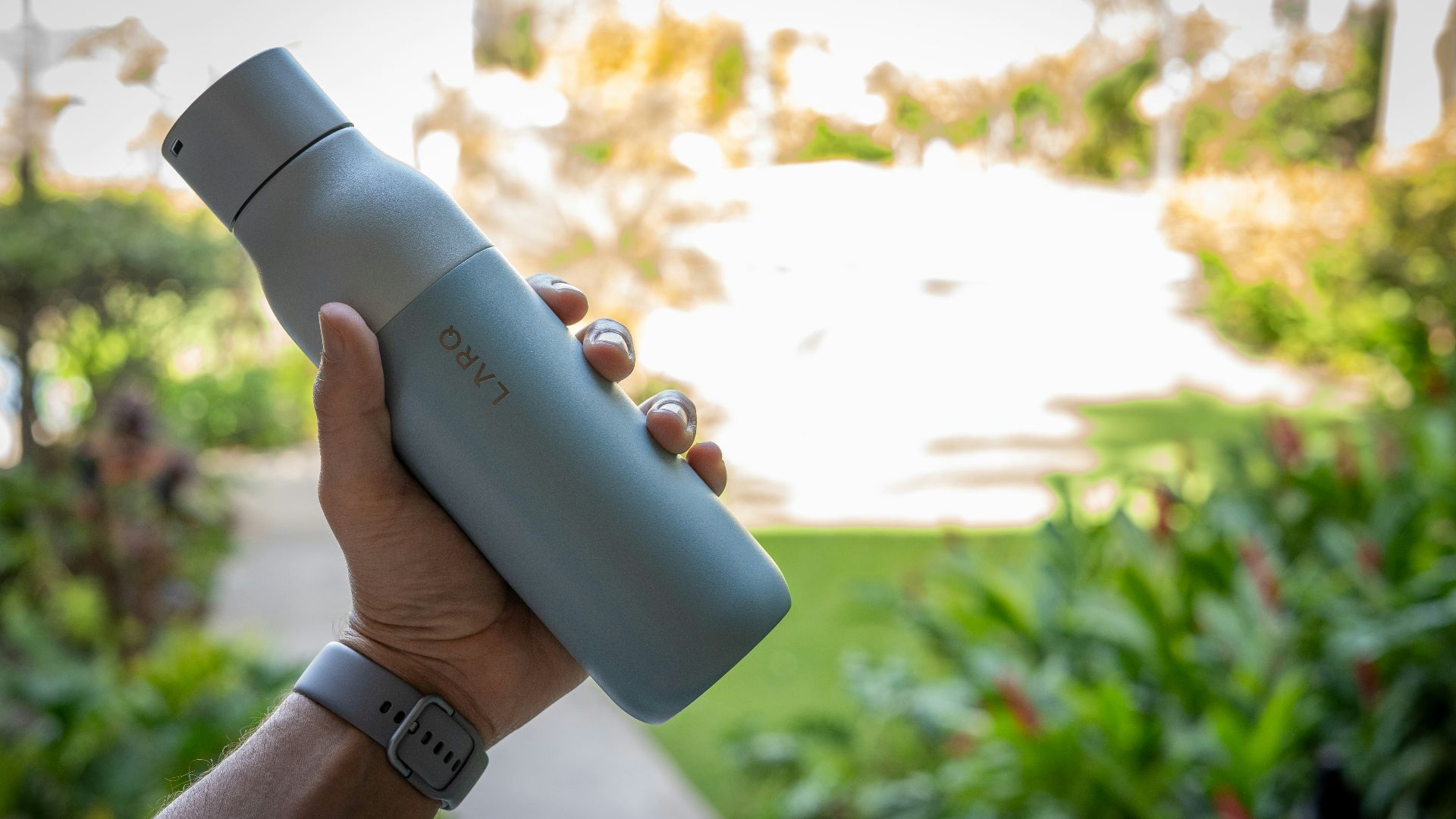
1. Refillable Water Bottles
A reusable bottle makes staying on top of drinking water easier, cost-effective, and less plastic-focused. Stainless steel options also keep drinks colder longer, which is a small detail that makes you reach for it more often. It's one of the easiest starting points in your journey towards eco-friendly habits.
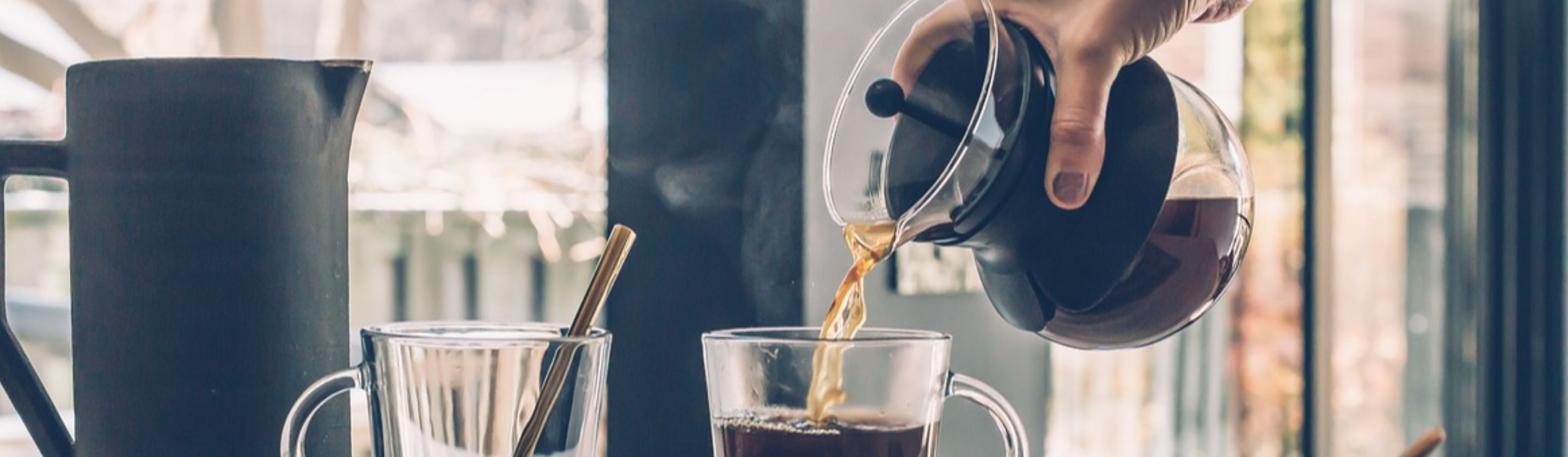
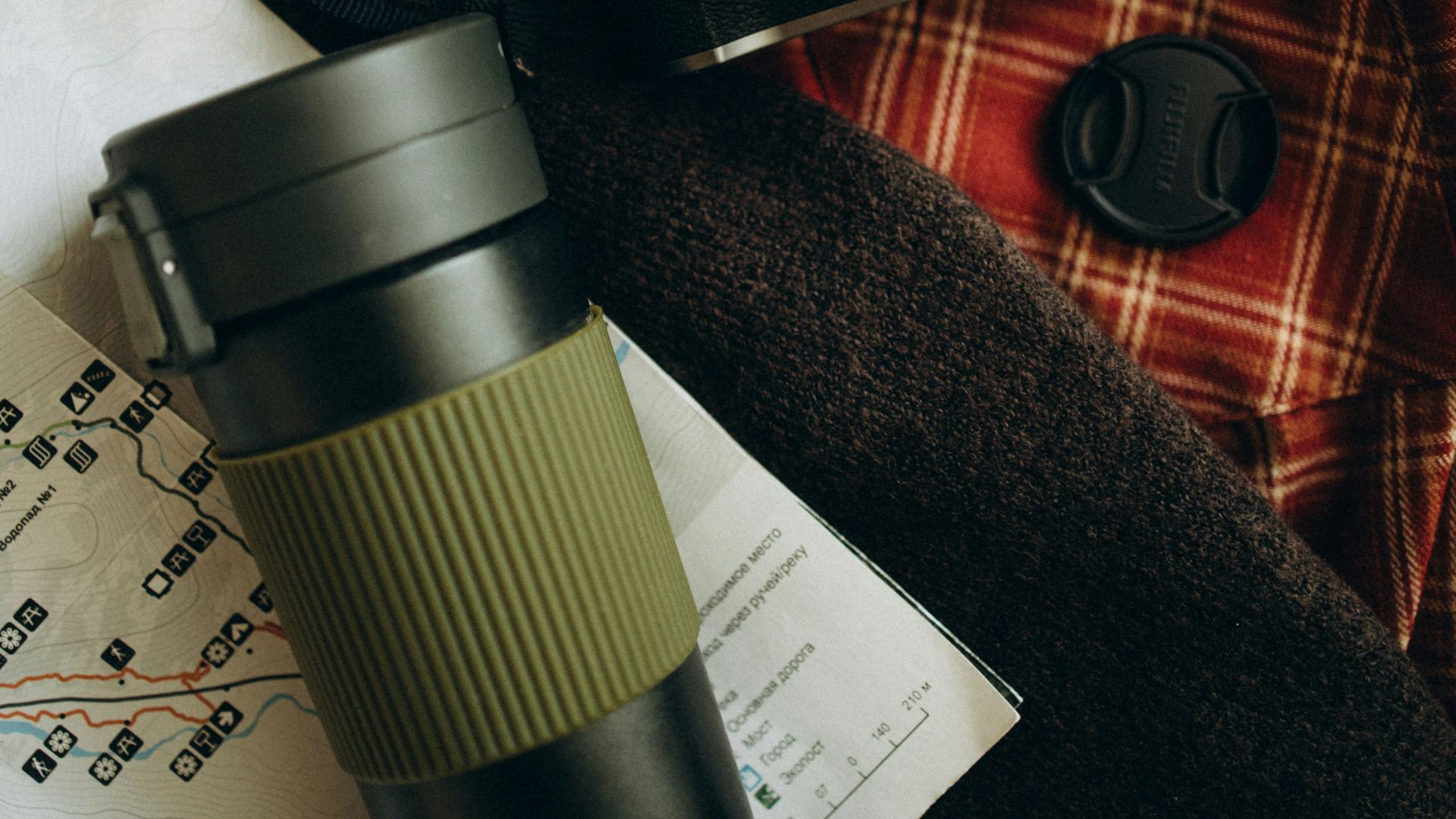
2. Reusable Coffee Cups
Getting a decent travel mug makes your morning coffee trips feel just a little bit cleaner, while still providing you with your morning java. Many cafes will fill a clean personal cup, and that one behavior can cut down on single-use waste without any extra effort once the mug lives by the door.
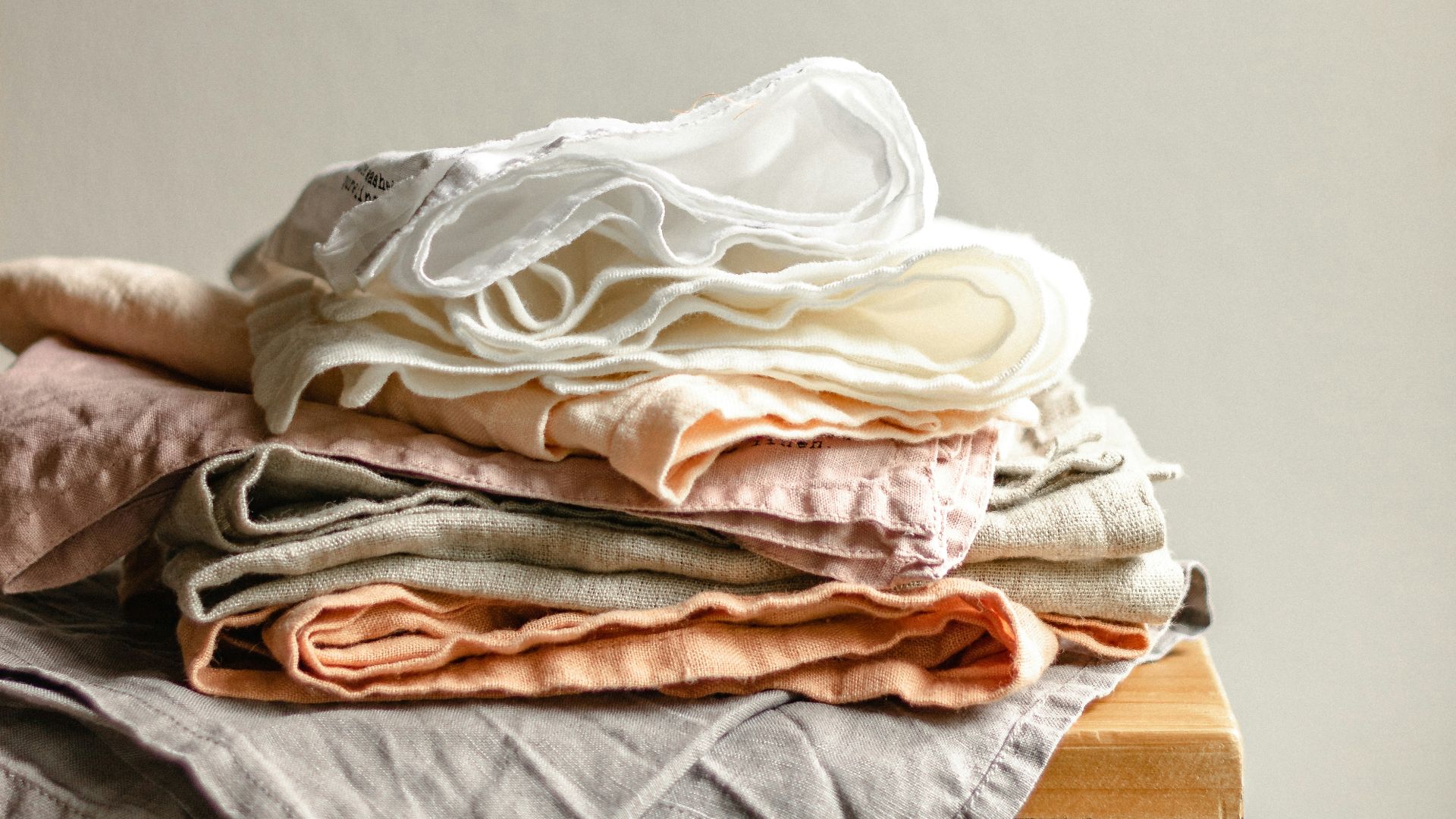
3. Cloth Napkins
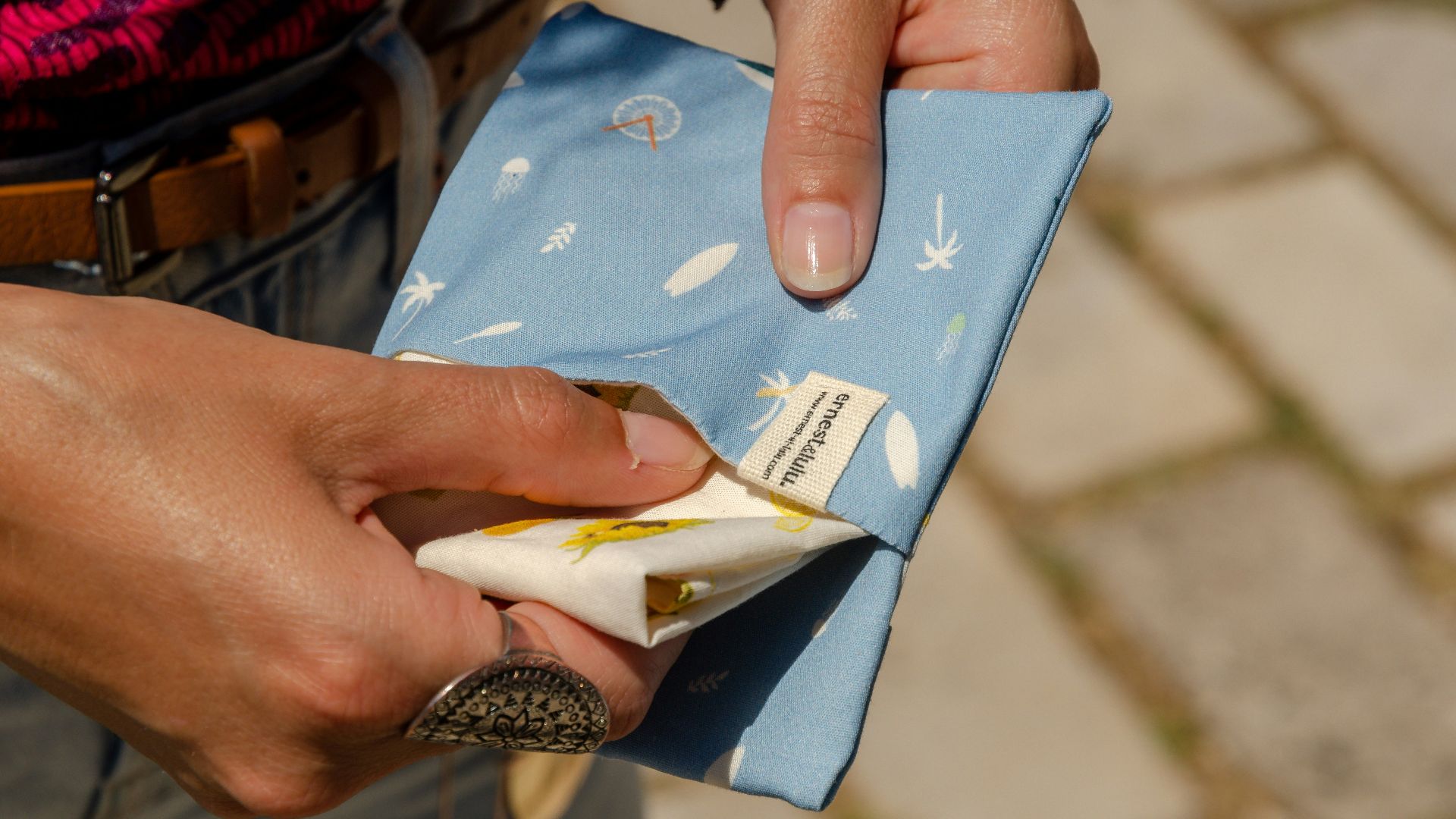
Paper towels and napkins disappear fast, and you barely notice until you’re buying them again. Cloth napkins help keep spending down, and they’re easy to wash with your regular laundry.
4. Handkerchief Or Reusable Tissues
A soft cotton handkerchief feels nicer than scratchy tissues, especially in winter, and it doesn’t leave you hunting for a box. Keeping one in your bag makes you less likely to grab extras you don’t need at a coffee shop or airport. You know they’ll just end up in a bin somewhere anyway.
5. Bar Soaps
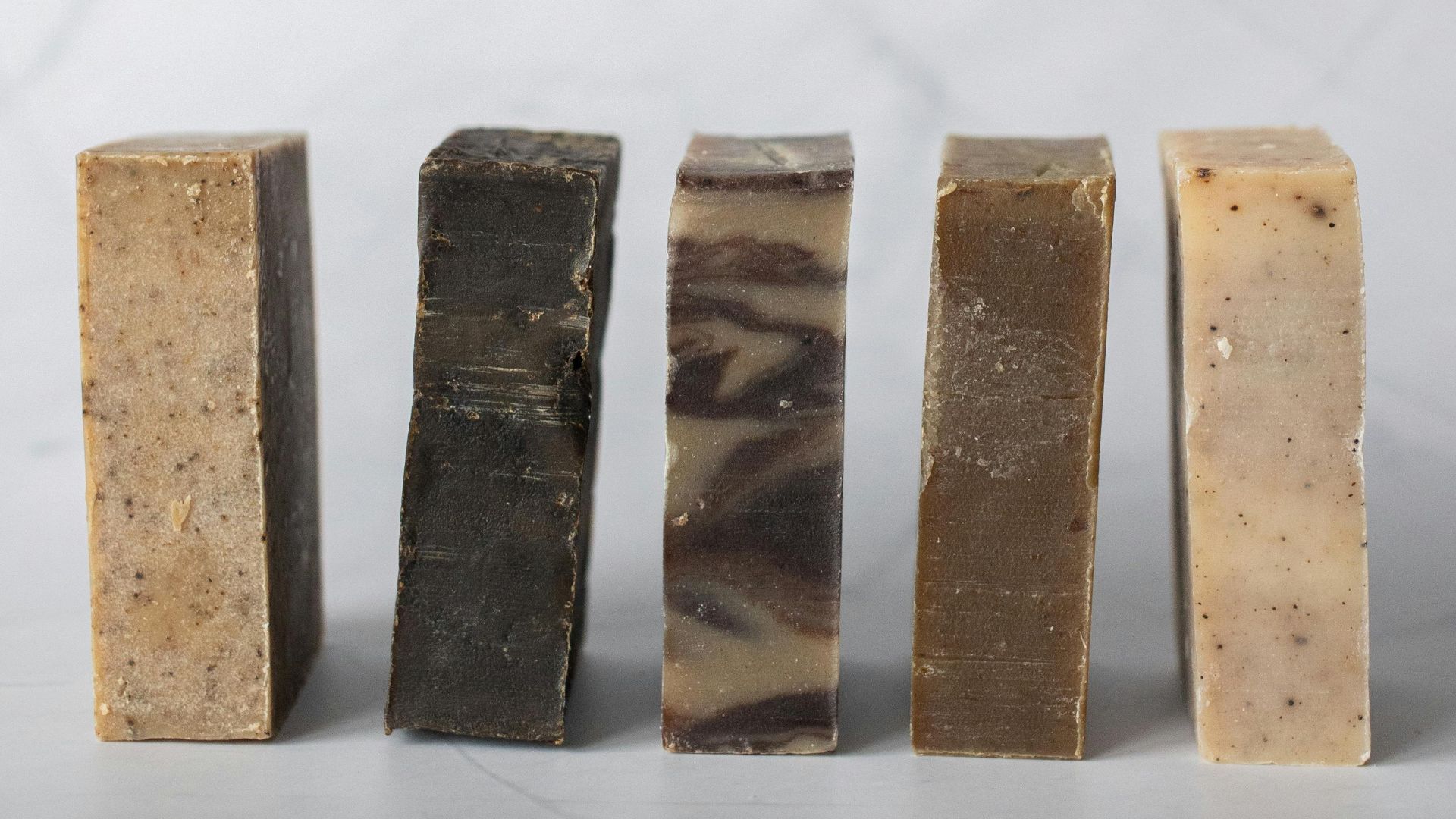
Bar soap cuts plastic packaging, and it removes the “almost empty bottle” problem that leads to awkward half-pumps. Many dermatologists also point out that gentle soap and proper rinsing do more than fancy fragrances ever will.
6. Shampoo Bars
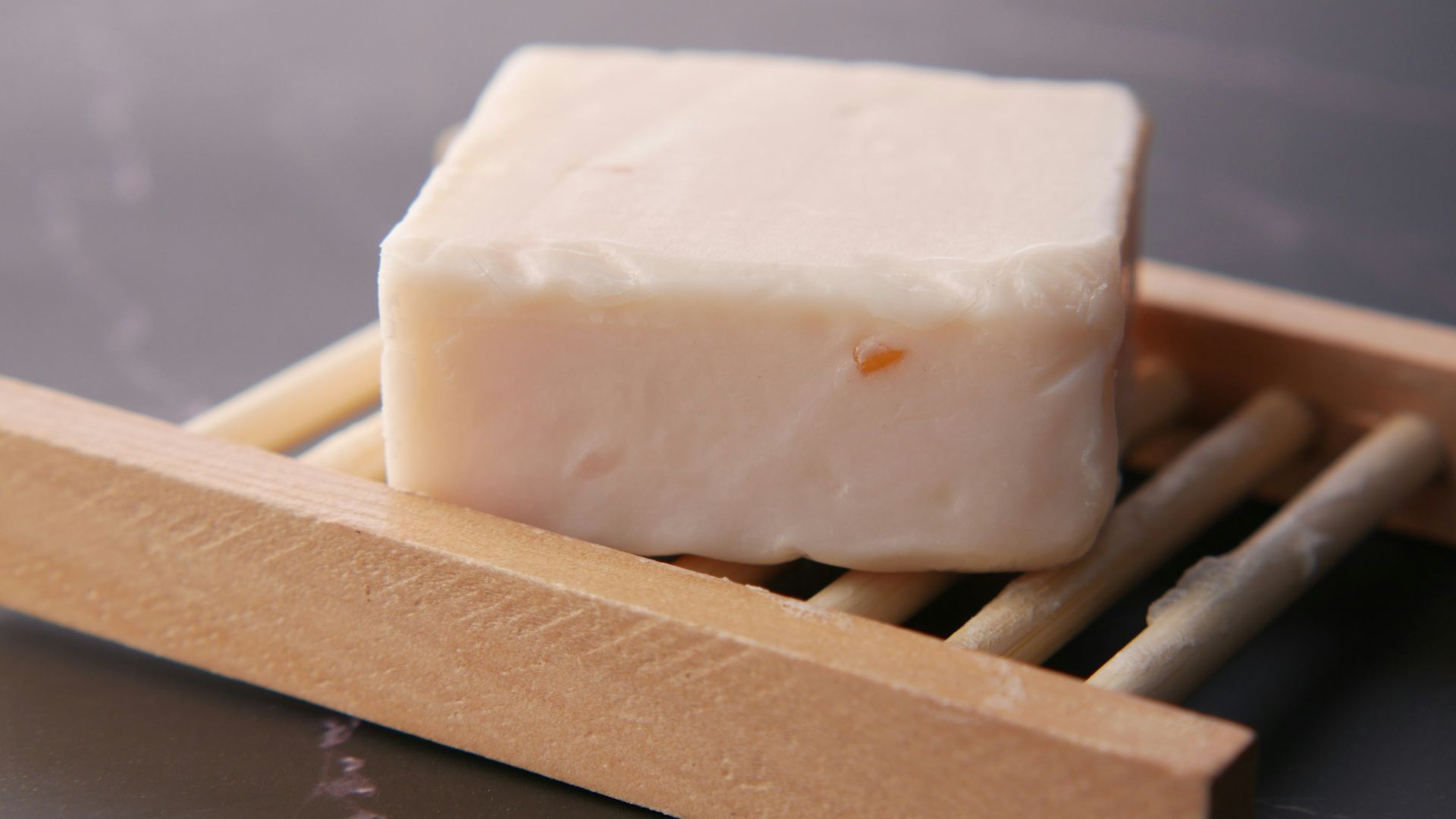
Shampoo bars can last longer than you expect, and they’re easy to travel with since you’re not dealing with liquid limits. Once you find one that works for your hair, you’ll be surprised how infrequently you’ll have to stock up on a new one.
7. Safety Razors
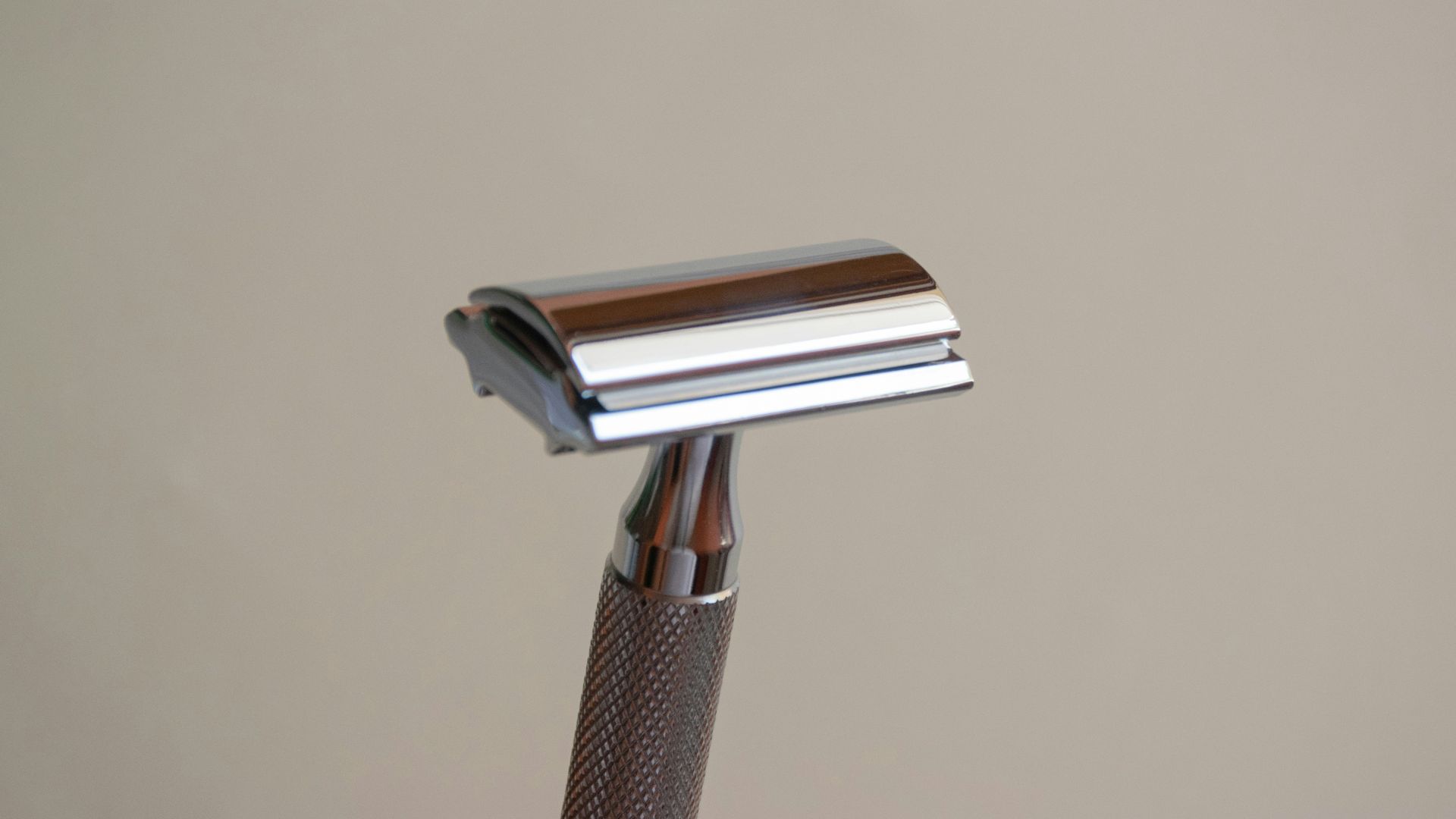
Disposable razors rack up waste quickly, and they rarely feel great on your skin after just a few uses. A metal safety razor uses replaceable blades and can give a smoother shave when you go slowly and use a good lather. You’ll cut down on plastic and nicking your skin.
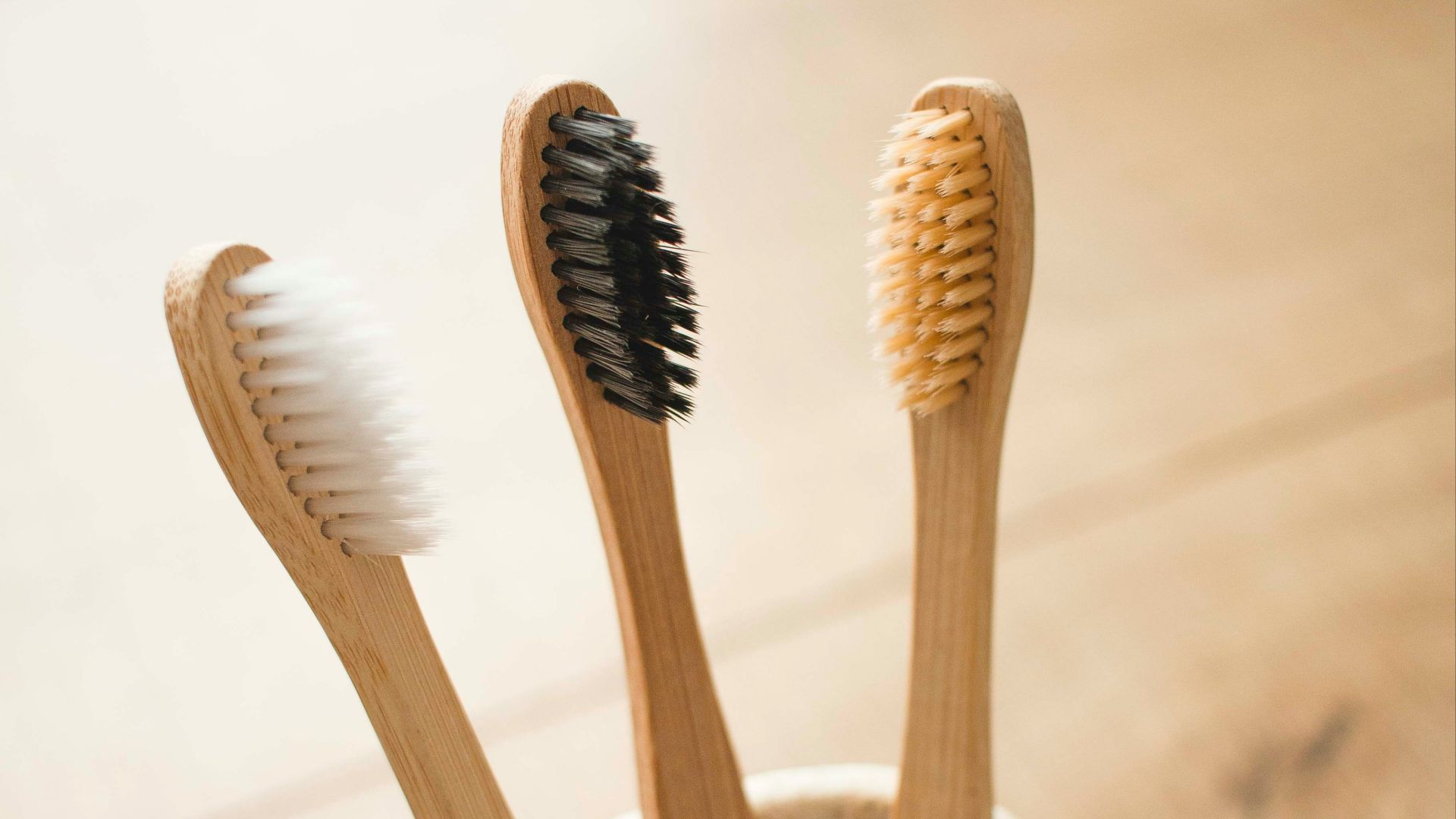
8. Bamboo Toothbrush
Plastic toothbrushes are convenient, but the amount of plastic getting tossed adds up. A bamboo handle reduces plastic use and only requires you to remove the head when it's time for new bristles.
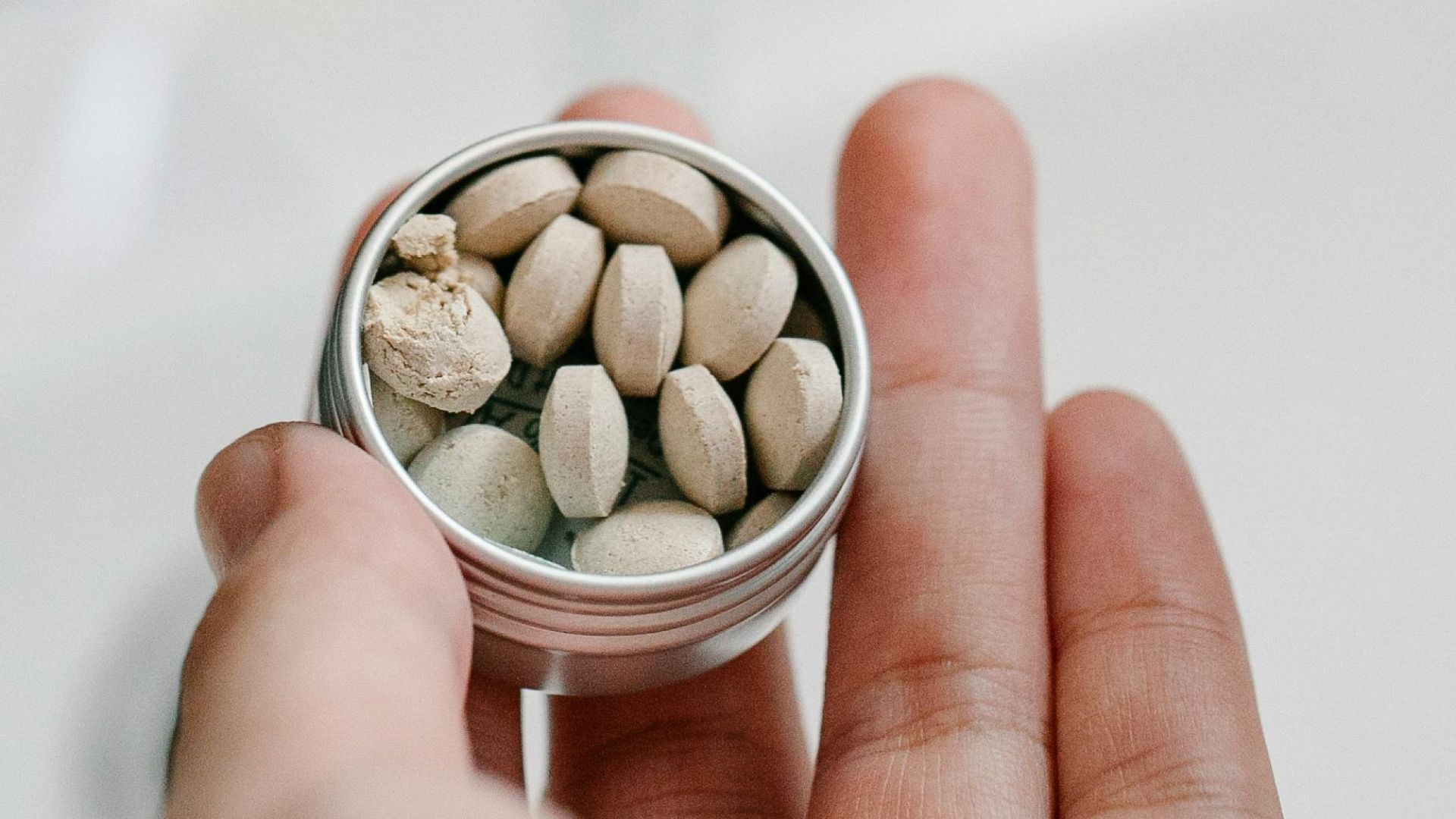
9. Toothpaste Tablets Or Refills
Toothpaste tubes are hard to recycle in many places, and they pile up quietly over time. Tablets or refill systems fix this issue, and are usually available to be refilled at eco-friendly stores.
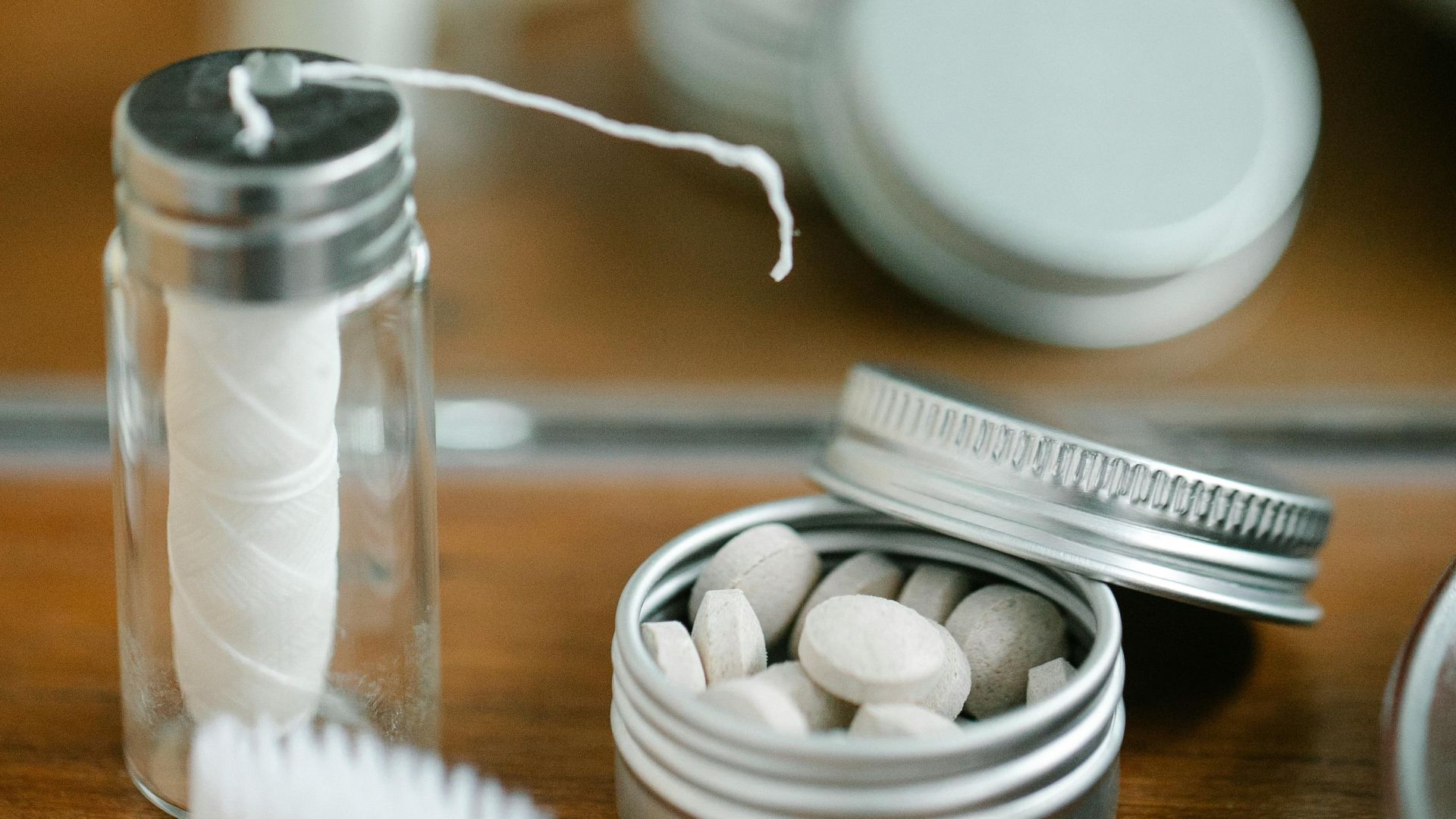
10. Refillable Floss Container
Flossing often fails because the container disappears, breaks, or is out of pure laziness. Refillable floss in a durable case stays put, and that helps the habit happen more often. Gum health is strongly tied to overall health, and dental associations have been clear that daily cleaning between teeth matters.
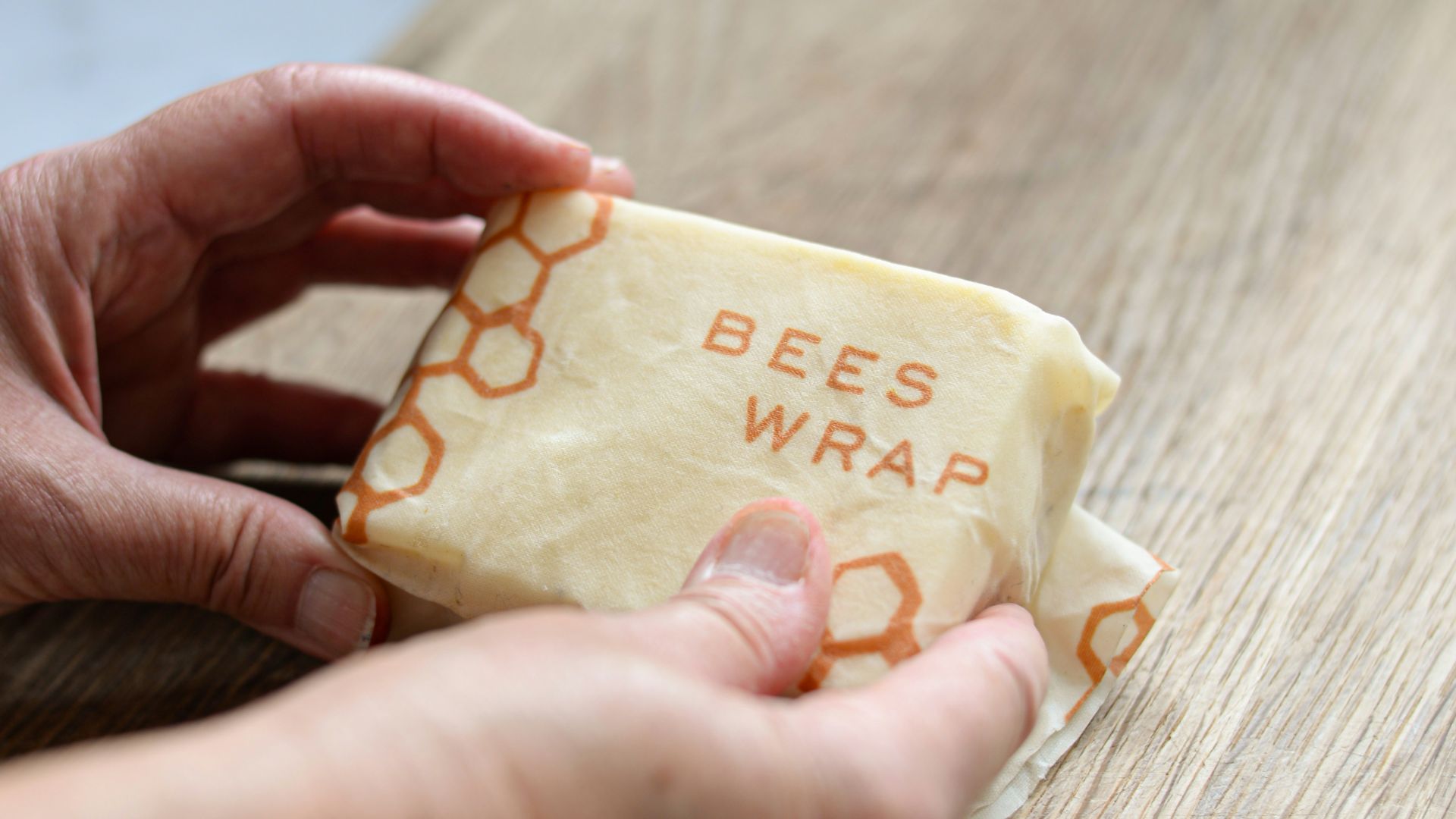
11. Beeswax Wraps
Plastic wrap makes packing food quick, and it also makes waste quick. Beeswax wraps work especially well for a sandwich or cut fruit, and they’re easier to reuse than people expect. They’re easy to clean, usually just requiring a bit of cold water to wash away any residue.
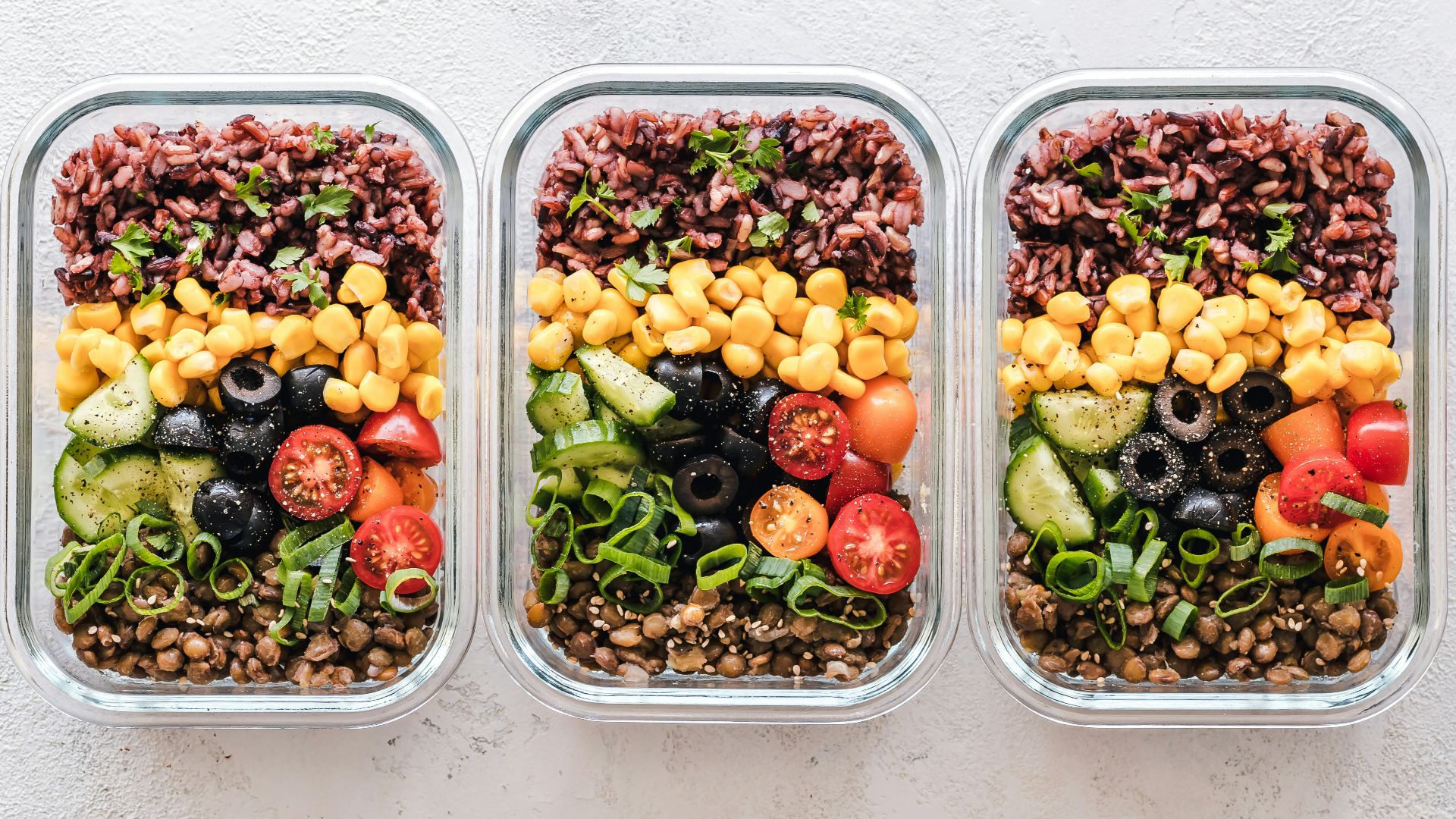
12. Glass Or Steel Food Containers
Sturdier containers not only help to save the planet, but also keep your food feeling fresher. Glass tends to resist stains and odors, and any hot food you store won’t run the risk of interacting with any microplastics.
13. Reusable Produce Bags
Thin bags tear, knot badly, and end up used once, even when you planned to reuse them. A washable mesh bag makes grocery shopping calmer, and it keeps delicate produce from getting crushed in the cart.
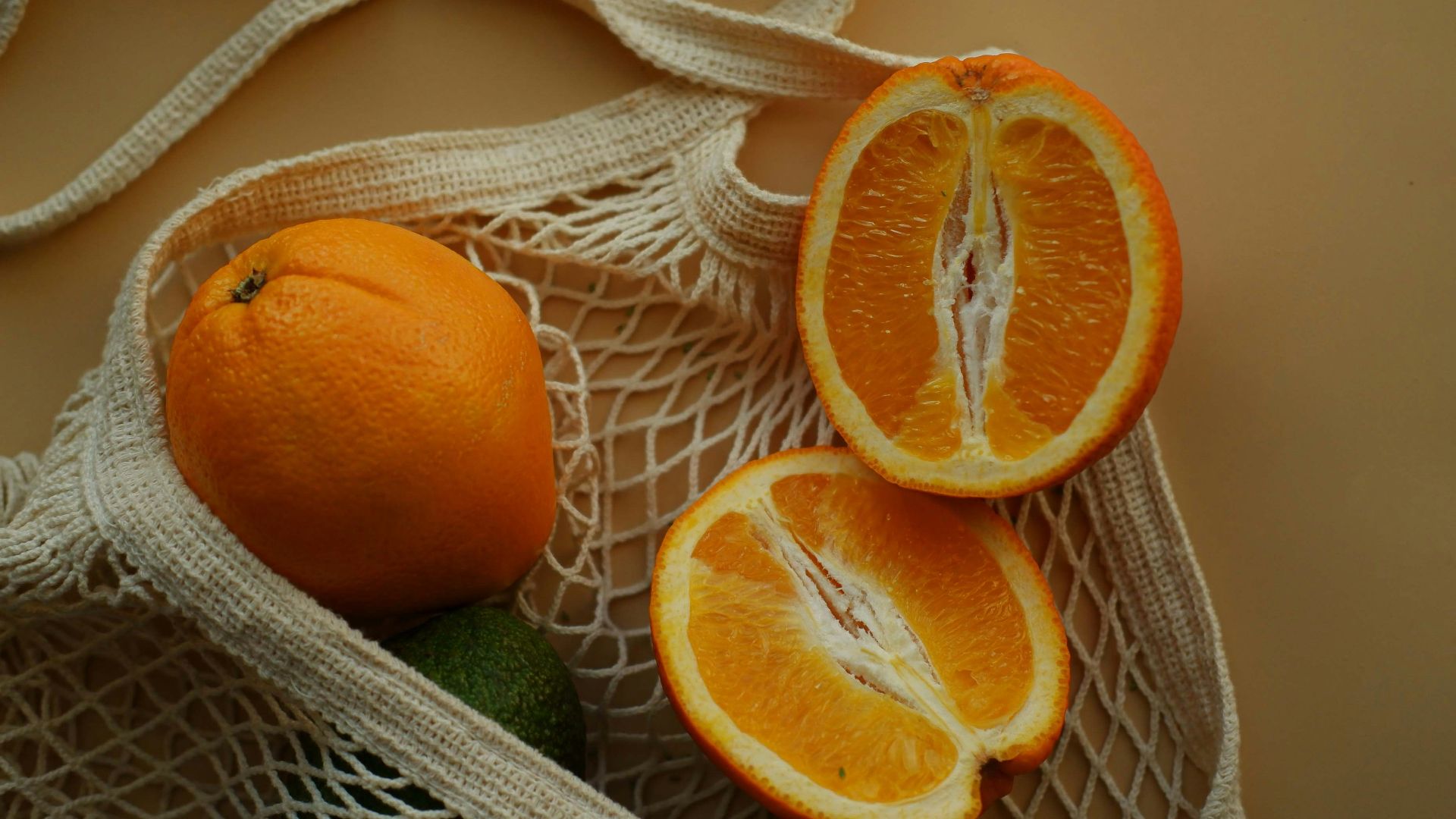 Mary Skrynnikova 💛💙 on Unsplash
14. Concentrated Cleaning Refills
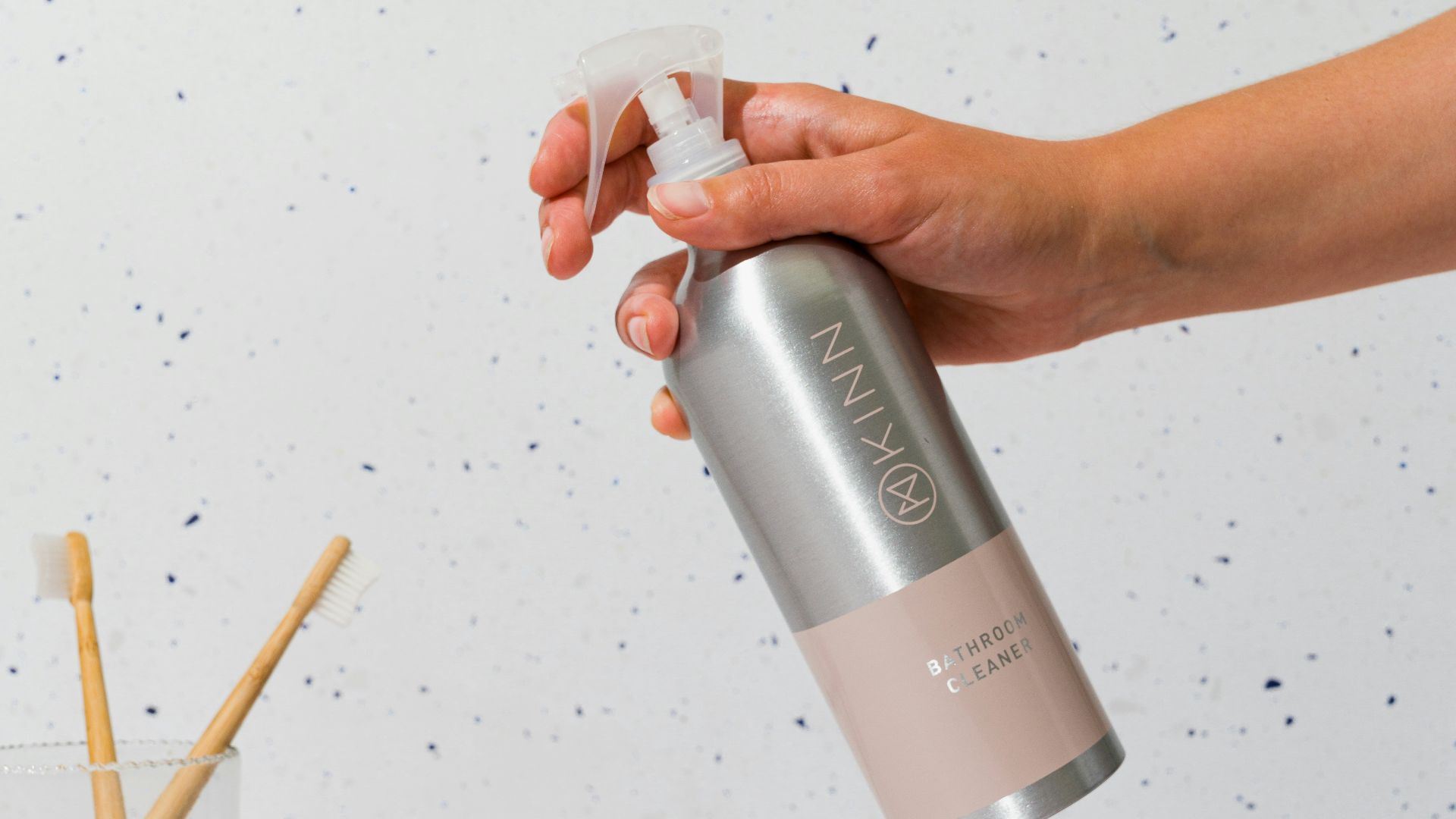
Big cleaning bottles take up space, and they encourage buying duplicates because you can’t remember what’s under the sink. Concentrate refills or tablets let you reuse the same spray bottle, which is easier to store and easier to grab when it’s time to clean. Double up on this eco-friendly hack by opting for stainless steel or glass bottles.
15. Microfiber Cloths
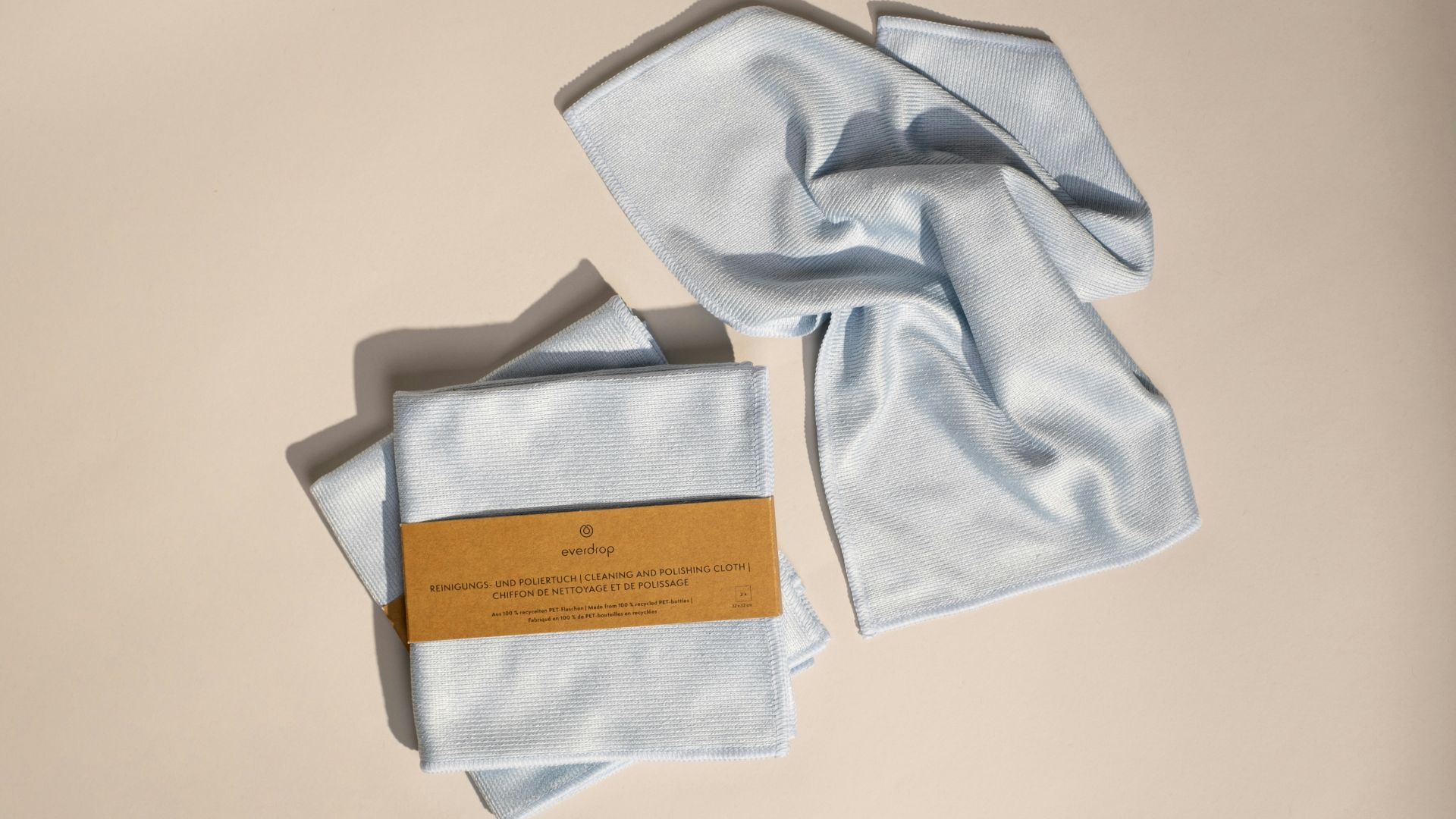
Paper towels feel convenient until you’re spending a chunk of change at the grocery store. A small pile of washable clothes makes cleaning easier and much more eco-friendly, and you stop treating cleaning as a supply-based activity.
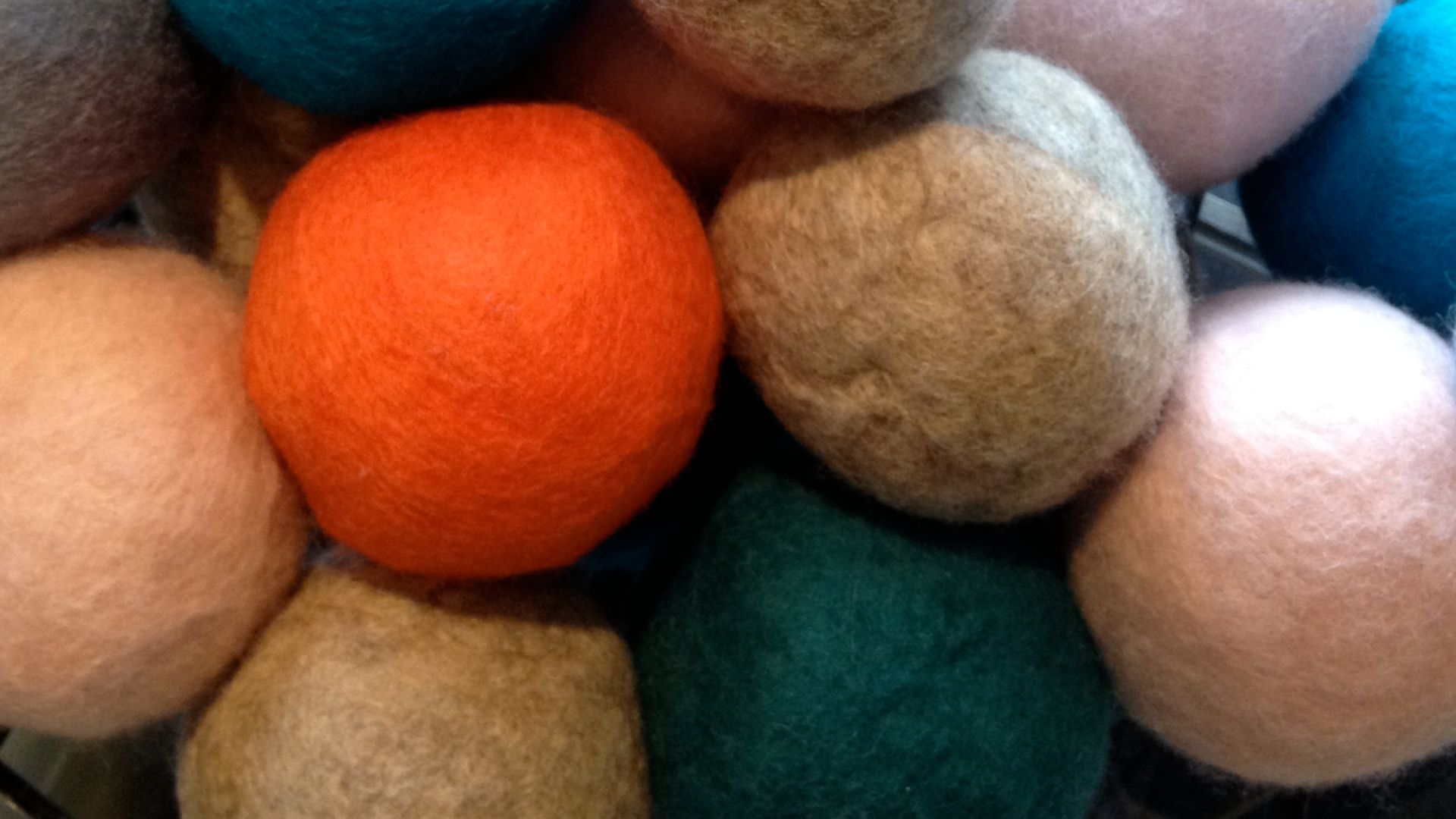
16. Wool Dryer Balls
Fabric softener sheets are easy to buy, but they add unnecessary waste and fragrance residue. Wool dryer balls can reduce static for many loads and shorten drying time in some cases, which may save energy depending on your dryer and laundry habits.
 Christine Rondeau on Wikimedia
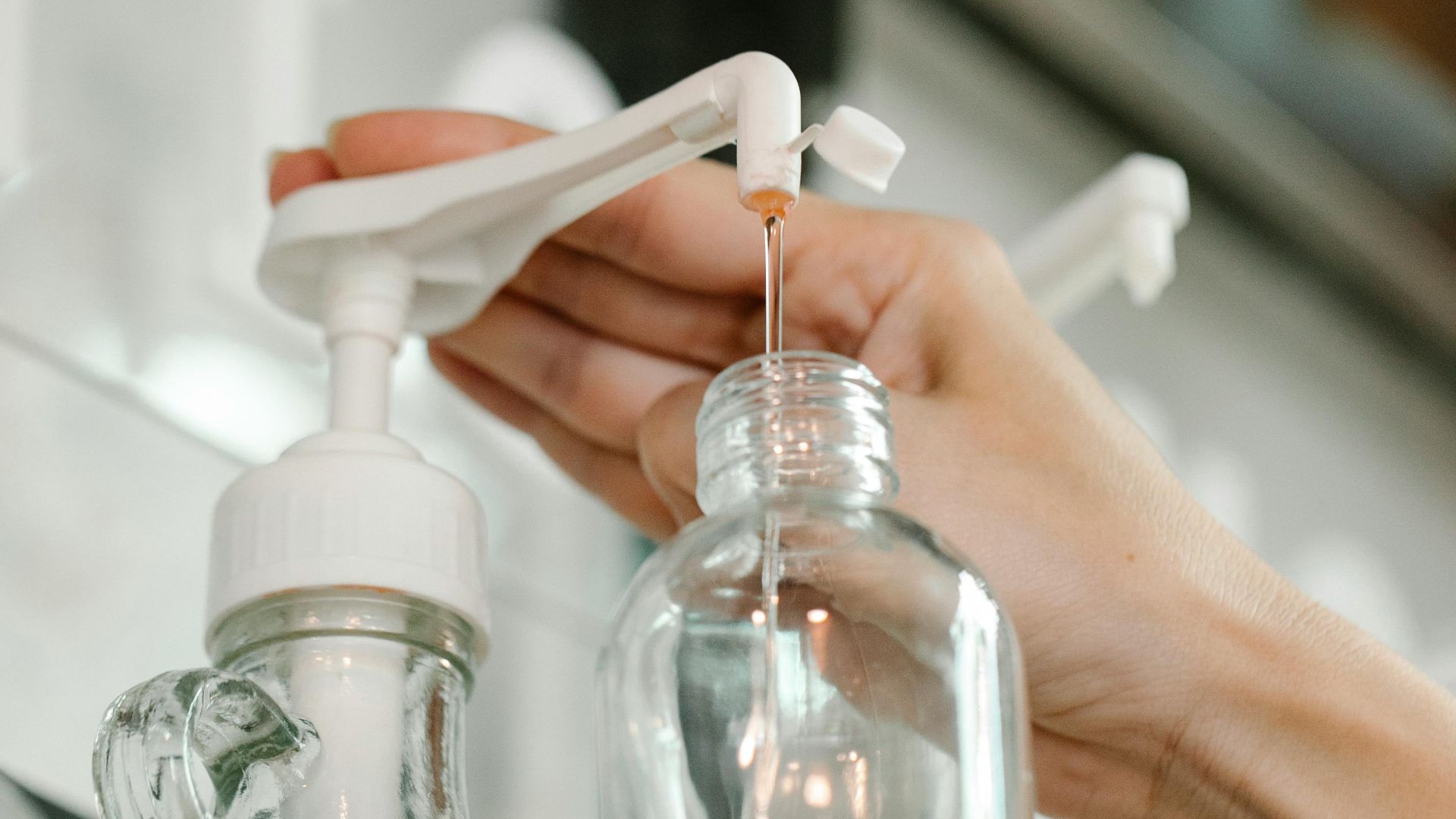
17. Refillable Dish Soap
Dish soap bottles get replaced often, and they create a constant cycle of plastic and shopping trips. Refillable soap stations or bulk buying cut down on packaging and make it easier to keep your sink area stocked.
18. Small Compost Bin
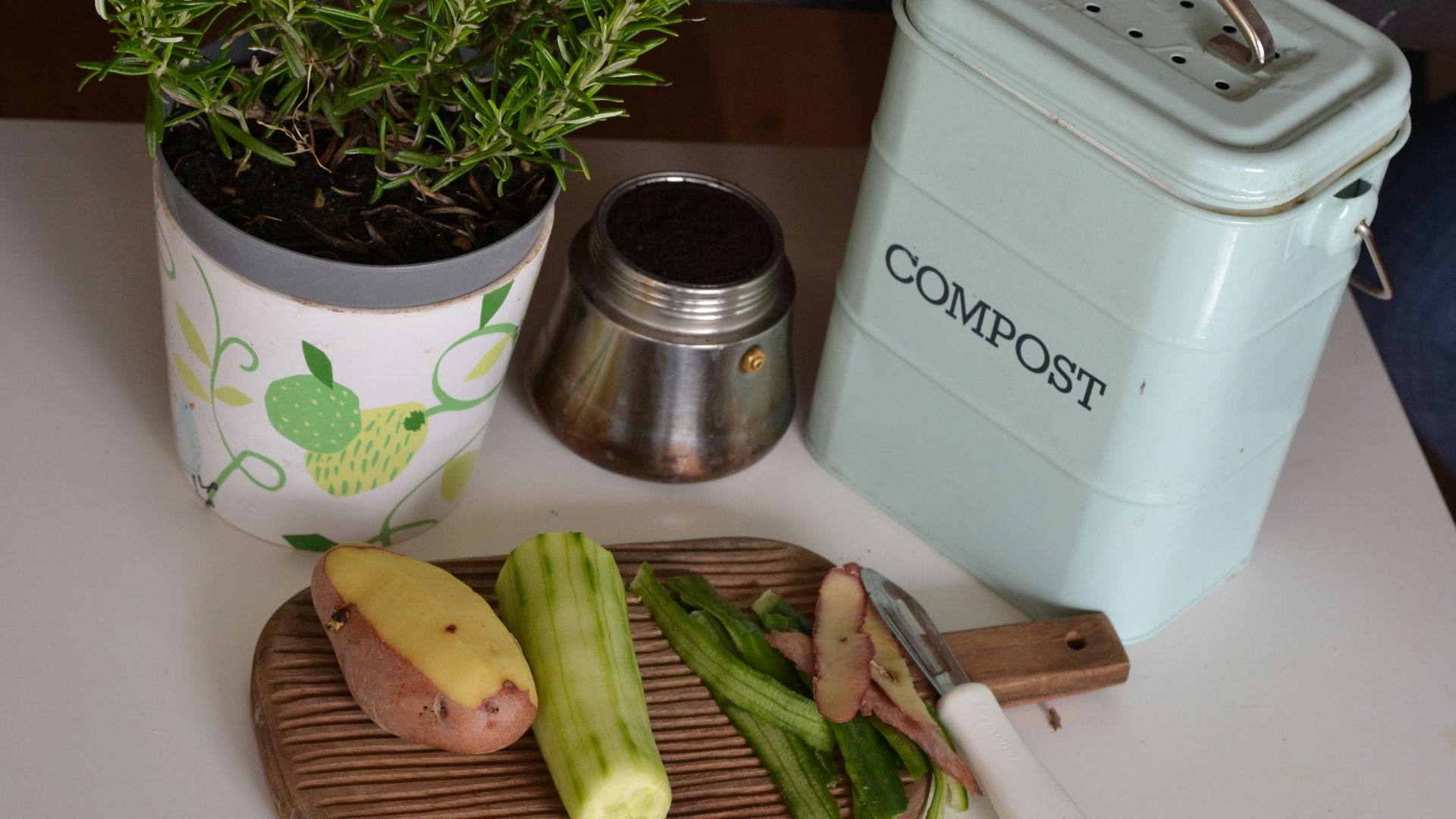
Food scraps and they often end up in the trash because composting seems to feel like a big lifestyle change. A small, lidded bin makes separating scraps feel easier, and it reduces the stink factor.
19. Rechargeable Batteries
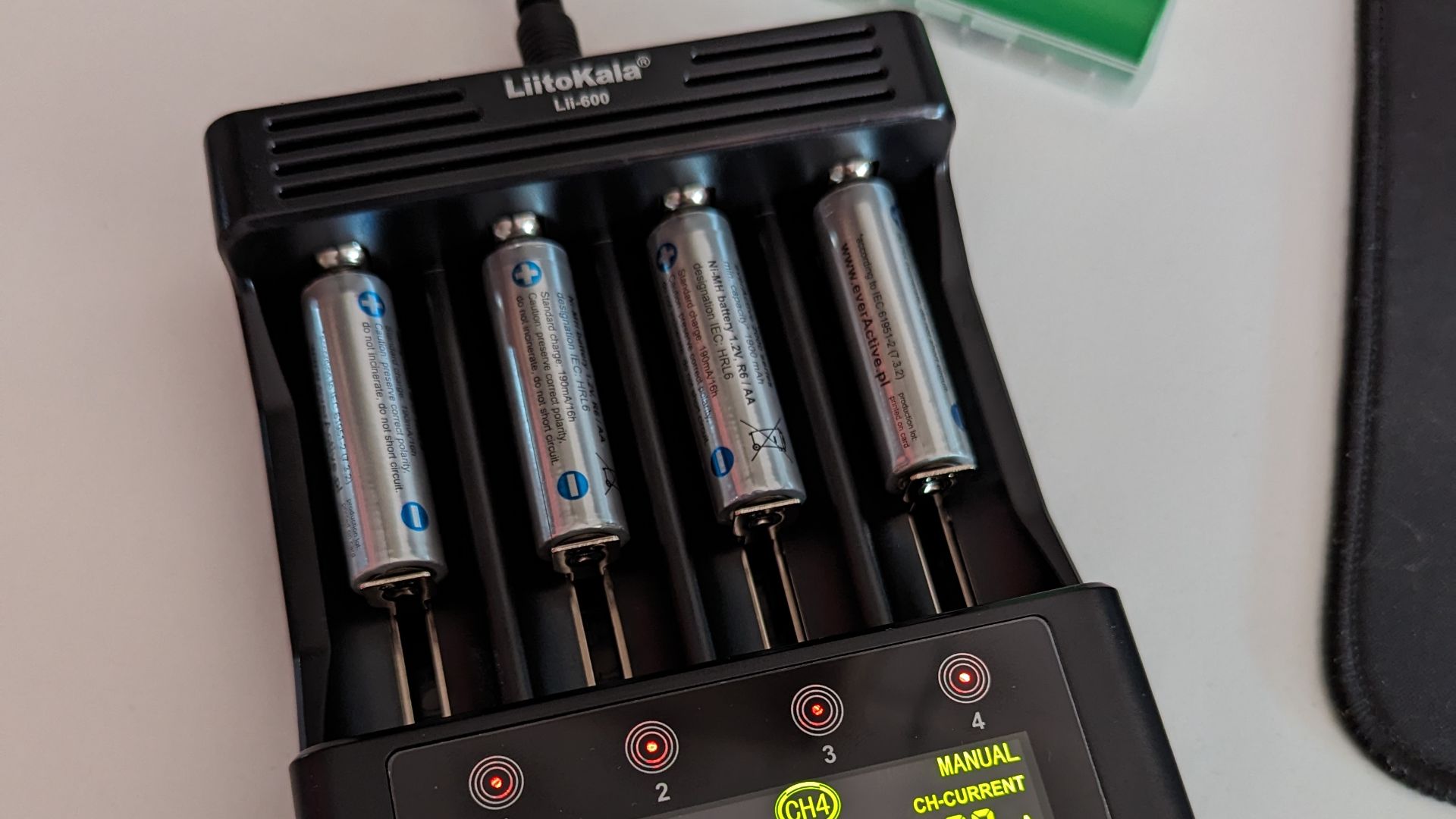
Single-use batteries create waste and encourage the worst kind of last-minute shopping. Rechargeables work well for common items like a TV remote, and they simplify life when you keep a charger in one consistent spot. Over time, this swap tends to save money as well.
 rail fox (flufftech.net) on Wikimedia
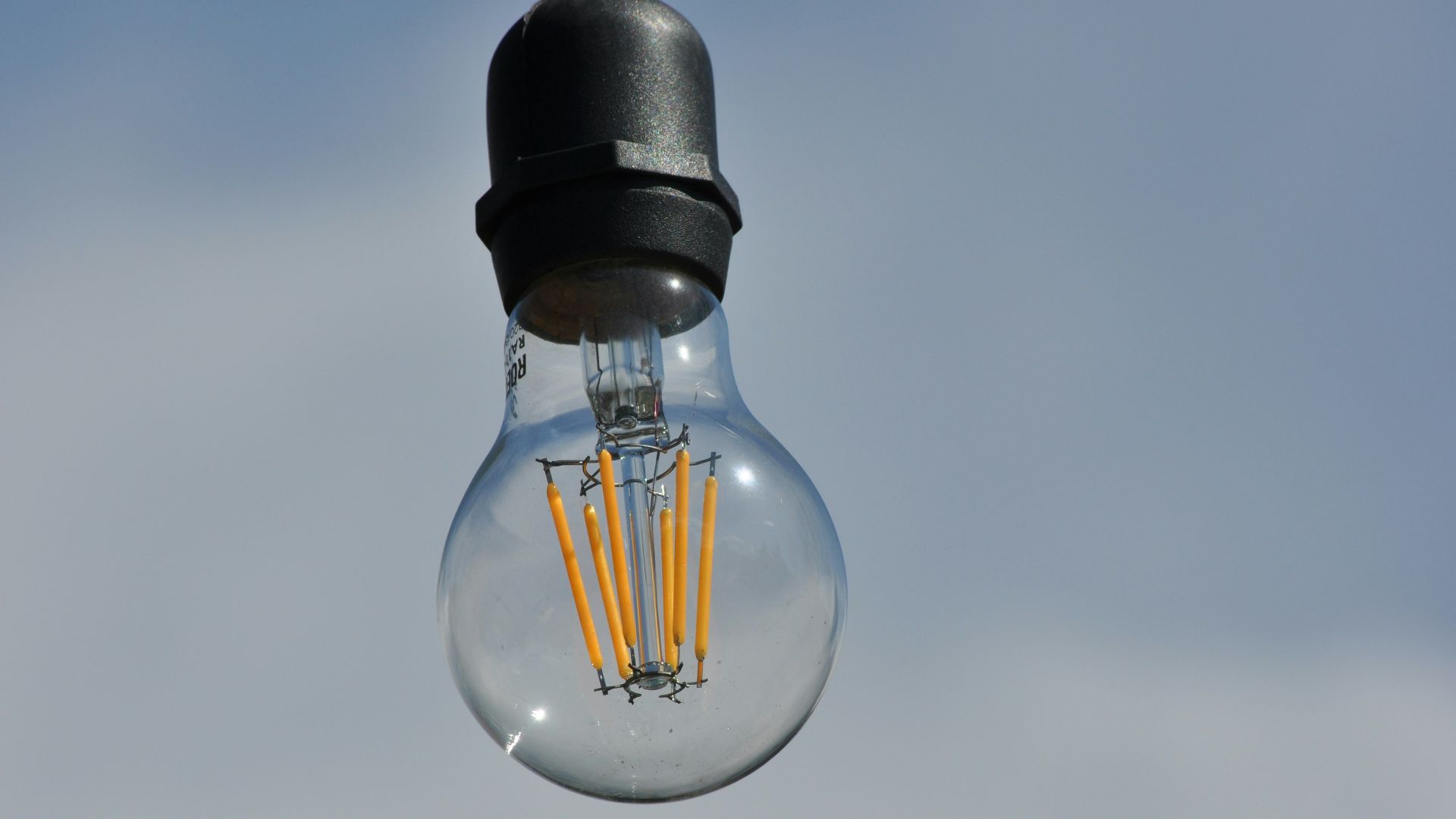
20. LED Bulbs
Look, we all need light bulbs, but how many of us are thinking about their environmental impact? Investing in good-quality LED bulbs will make you use less energy and less money in the long run, and also let you pick what kind of lighting you want to use within your home.