
Simple Lifestyle Changes
Inflammation is your body’s normal defense response, but it can start working against you if you’re not careful. That long-lasting, low-grade inflammation is linked with a range of chronic health problems, which is why everyday habits matter more than most of us want to admit. Not every study proves cause and effect, but the patterns are consistent enough that small changes can be worth it.
 Karolina Grabowska www.kaboompics.com on Pexels
1. Short Sleep Nights
Regularly sleeping too little can push your immune system toward a more reactive state, which can put your body into a “survival” mode. This makes it harder to settle or destress on a day-to-day basis.

2. Unsteady Sleep Schedule
An irregular bedtime can throw off your circadian rhythm, which helps to regulate your immune activity. Sleep inconsistency may be tied to less favorable inflammation signaling, even when your total sleep time looks decent on paper. If you’re able to, it’s best to keep to a regular sleep schedule.

3. Long Sitting Streaks
Sitting for hours at a time is linked with a negative inflammation profile, and that doesn’t change even if you exercise. Regardless of physical fitness, long unbroken sedentary stretches can still be a problem. Brief movement breaks help because they get muscles and circulation working again.
 Arlington Research on Unsplash
4. Too Much Screen Time
Lots of screen time often means lots of stillness, especially if it crowds out sleep or movement. One study found that leisure screen time was associated with higher Interleukin-six in adults, a small protein your body makes during injury, infection, or in times of stress.

5. Training Without Rest
While hard workouts can be healthy, doing multiple without recovery days can strain the body. This can cause a dysregulated cytokine response, meaning the immune signals (called cytokines) are out of balance, so inflammation may stay higher than it should.

6. Extra Belly Fat
Carrying more body fat, especially around the belly, is linked with higher background inflammation. A higher CRP, another anti-illness protein, usually means your liver is making more CRP because there’s inflammation happening somewhere in your body.
 PublicDomainPictures on Pixabay
7. Ultra-Processed Routine
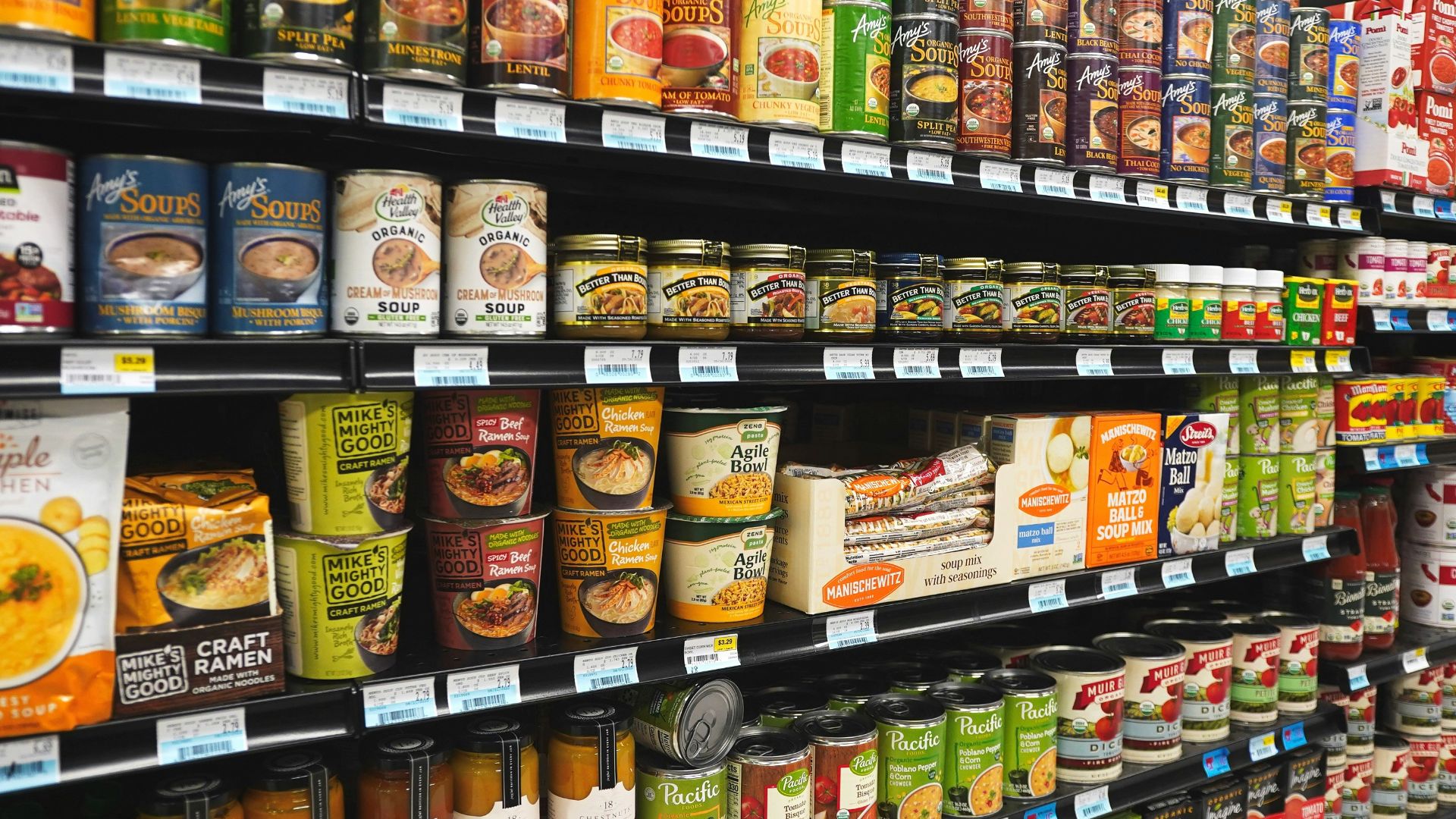
Ultra-processed foods are often low in fiber and high in refined starches, added sugars, and additives. Reviews of human evidence have linked higher ultra-processed intake with higher systemic inflammation biomarkers. You don’t need to eat perfectly, but it’s definitely best to assess how frequently you’re ordering takeout.
8. Sugary Drink Habit
Sugar-sweetened beverages deliver a lot of added sugar without making you feel full. Studies have found associations between higher sugary drink intake and higher inflammation markers. Swapping a daily soda or sweetened coffee for an unsweetened option is a simple change that can do better for you in the long run.
 Karolina Grabowska www.kaboompics.com on Pexels
9. High-Glycemic Snacking
Foods that digest quickly can spike blood sugar and then drop it fast, which can stress the body over time. Research has linked higher dietary glycemic load with higher hs-CRP. Building snacks around protein and fiber, like yogurt with nuts or hummus with veggies, will keep your body from yo-yoing.
10. Fiber-Light Meals
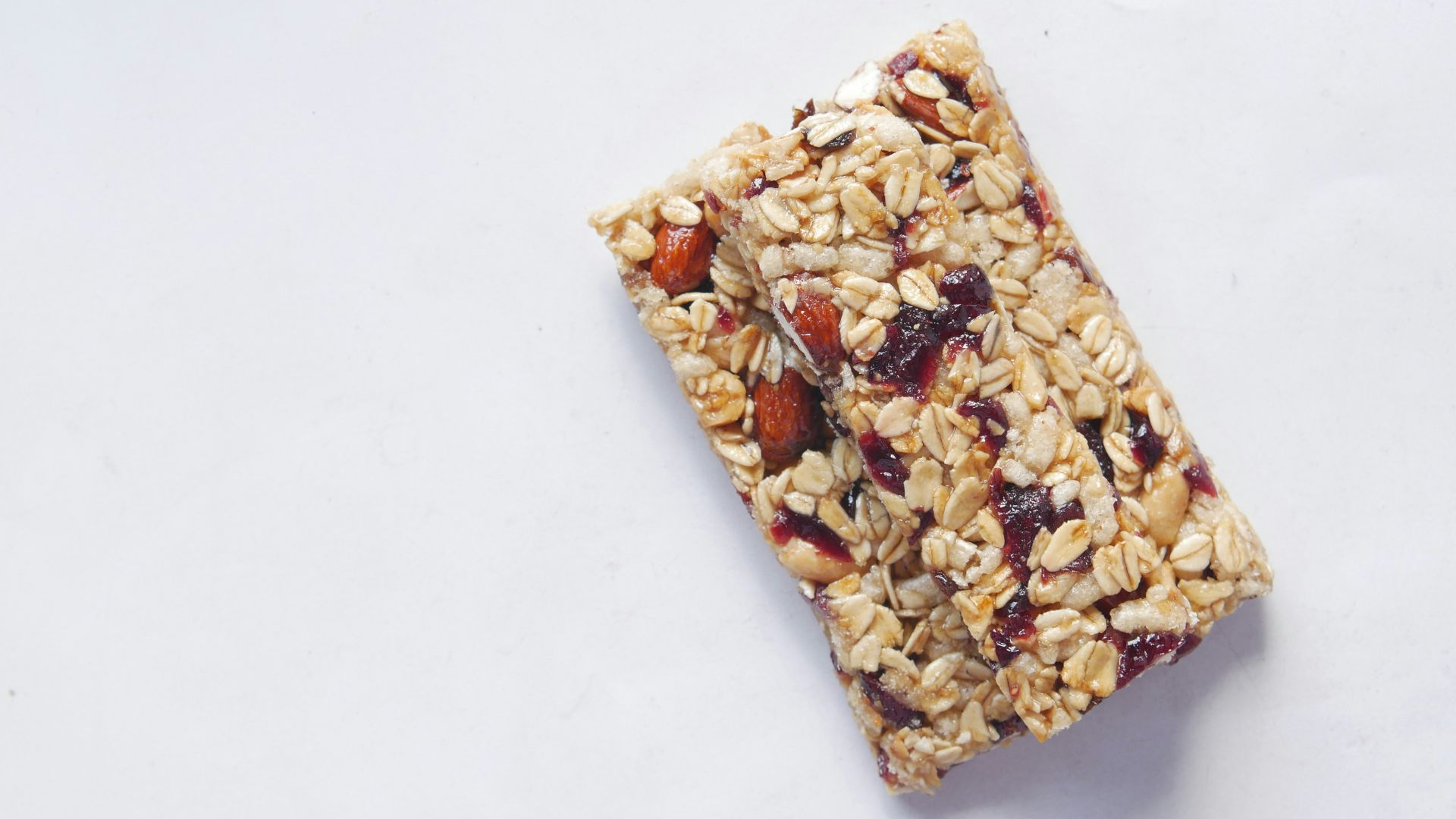
Fiber supports gut bacteria and helps digestion run more smoothly, which matters because the gut plays a big role in immune activity. Diet pattern research often finds that higher-quality, fiber-rich eating is associated with more favorable inflammation markers.

11. Too Many Refined Grains
Refined grains show up in a lot of everyday foods like white bread, pastries, and crackers. A study found refined grain intake was associated with higher hs-CRP, while whole grain intake was associated with lower hs-CRP. If you’re choosing grains, sliding toward whole grains more often is often the better choice.

12. Hidden Trans Fats
Even with major reductions in trans fats over the years, they can still appear in some processed or fried foods. Research has linked trans fat intake with higher inflammatory biomarkers, including IL-6 and CRP. Checking labels for “partially hydrogenated oils” may help to keep you from accidentally eating something you shouldn’t.

13. Fried Food Frequency
Fried foods tend to combine refined carbs and fats in a way that’s easy to overeat, and they’re often tied to inflammation. Like super-processed foods, fried foods are best enjoyed as a special treat and not an everyday thing.

14. Charred Foods
Cooking methods that heavily brown or char foods can increase advanced glycation end products (AGEs). Reviews describe AGEs as contributors to oxidative stress and inflammation, in part through the AGE-RAGE pathway. Mixing in gentler cooking methods, like baking, steaming, or sautéing, can reduce that exposure over time.

15. Processed Meat Default
Processed meats like bacon, sausage, and deli meat come with preservatives and tend to be high in sodium. Research reviews discuss mixed findings across studies, but processed meat is often the type more consistently linked with higher inflammation markers compared with unprocessed options. Treating it as an occasional food instead of a daily staple is a reasonable middle ground.

16. Alcohol
Alcohol can affect the gut barrier and microbiome, which can promote inflammation when intake is heavy or frequent. If you’re a frequent drinker, it may be a good idea to lessen your intake and see how you feel.

17. Smoking or Vaping
Cigarette smoke is linked with chronic inflammation and immune disruption. Reviews note that CRP is often used as a marker of smoke-related inflammation, and inflammatory cytokines may be elevated in smokers. If you use nicotine, quitting can be one of the most powerful anti-inflammatory steps available.

18. Secondhand Smoke Exposure
Secondhand smoke can still affect inflammatory biology, even if you never smoke yourself. Secondhand smoke exposure (measured by cotinine) was associated with higher hs-CRP in a group of nonsmoking workers. Smoke-free home and car rules protect your baseline health in a very real way.

19. Ignoring Gum Health
Gum disease is an ongoing inflammatory condition in the mouth, and it can be linked with systemic inflammation markers in research. A systematic review found that periodontitis is associated with higher serum CRP, and periodontal treatment can reduce it over time. Brushing, flossing, and dental checkups are not just cosmetic; they’re immune support.

20. Inflamed Bodily Tissue
Adipose tissue is the medical name for body fat. In simple terms, it stores energy, but it also releases hormones and chemicals that can influence inflammation throughout your body. When adipose tissue gets larger than your body can handle well, it can release more inflammatory signals like IL-6 and TNF.

KEEP ON READING



20 Natural Ways You Can Boost Your Immune System

20 Ways To De-stress & Relax After Work

The 10 Most Common Diseases & The 10 Most Rare