A Healthier, Happier Bedroom at Any Age
Intimacy can stay enjoyable and supportive of your well-being for decades, and getting older doesn’t change that basic truth. What often changes is what your body responds to, how quickly it warms up, and which habits help you feel comfortable and confident. These tips are meant to help you protect your health and keep time in the bedroom feeling good—all without making it a big project.

1. Treat Comfort as a Priority, Not a Bonus
You’ll enjoy intimacy more when your body feels supported and at ease. A few small adjustments—like pillows for joints or a warmer room—can reduce strain. When comfort is handled first, it’s easier to relax and focus on pleasure.

2. Make Time For a Slower Warm-Up
Aging bodies often need more time to respond, and that’s completely normal. Longer foreplay can increase arousal and make touch feel better. If you permit yourself to take your time, the whole experience tends to improve.

3. Use Lubricant Without Overthinking It
Lubricant can help prevent irritation and make your time together more comfortable, especially if dryness is an issue. Water-based options are widely compatible, while silicone-based formulas tend to last longer. Keep it within reach to make things go a lot smoother!

4. Talk About What Feels Good in Real Time
Your partner can’t read your mind, and you shouldn’t have to guess either. Saying what you want and what you don’t want can prevent discomfort and build trust. Now definitely isn’t the time for communication to break down! The more specific you are, the more satisfying things become.

5. Check in With Your Doctor About Side Effects
Many common medications can affect desire or arousal. It’s worth asking whether there are alternatives, dose adjustments, or timing changes that might help, especially when they impede your pleasure. You deserve clear answers, and this is a normal topic for a medical visit.

6. Keep an Eye on Heart Health and Stamina
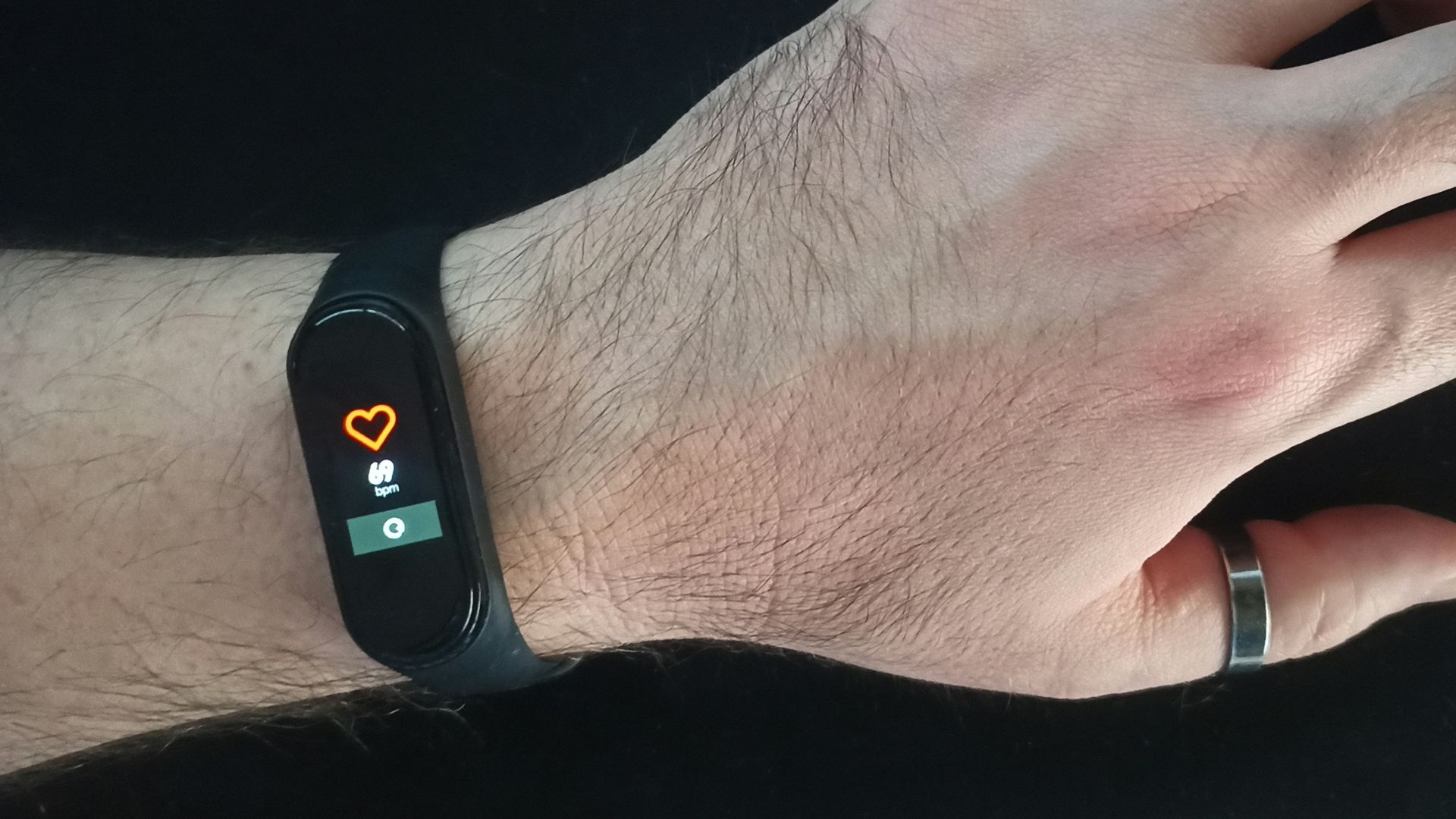
Intimacy can be physical, and it’s smart to consider your overall conditioning. Gentle cardiovascular activity can support circulation and energy, which may also help your time in the bedroom. Remember: if you have chest pain or shortness of breath, get medical guidance before pushing through.
7. Protect Your Pelvic Floor
Pelvic floor strength can affect sensation, comfort, and bladder control—all of which are important for a good time together! Simple exercises can improve muscle tone and reduce leakage during intimacy. If you’re unsure how to do them correctly, physical therapy can be a game-changer.

8. Don’t Ignore Pain, Even if It’s Mild
Discomfort is a signal, not something you should “just deal with.” Pain can come from anything like dryness, inflammation, positioning, or a treatable condition—and you’ll never get answers if you sit on discomfort. Getting it evaluated can lead to quick fixes and a much better experience.

9. Consider Positioning That Supports Joints
Hips, knees, shoulders, and backs age right along with us, and a roll in the hay doesn’t need to aggravate that. Positions that reduce weight-bearing or bending can keep things enjoyable, so if something twinges, switch it up rather than grinning and bearing it.

10. Keep Intimacy on the Calendar if Life Gets Busy
Routine can be surprisingly helpful when energy is lower or schedules get complicated. Contrary to popular belief, planning doesn’t ruin the mood; it often reduces pressure because you’re not scrambling. Anticipation can also add a pleasant sense of momentum, so don’t be afraid to pencil in your partner!

11. Stay Current on STI Prevention
STIs don’t retire, and seniors aren’t automatically low risk. It’s also not fair to assume that seniors aren’t capable of playing the field, so keeping up with protection and testing is a must. A quick conversation about protection is also far less awkward than dealing with an infection.

12. Focus on Flexibility
Body changes are common, and they don’t have to derail intimacy. Many couples find that taking pressure off performance improves arousal naturally. Medical options exist, too, and it’s worth exploring them if it affects your confidence.
13. If Arousal Feels Different, Expand What “Works” Means
Hormonal changes can shift what you enjoy and what your body responds to. Trying new types of touch, different pacing, or more direct stimulation can help you reconnect with pleasure. Staying curious is also more useful than chasing a past version of yourself!

14. Pay Attention to Hydration, Sleep, and Stress
Hanky panky is connected to your overall health in very practical ways. Dehydration, fatigue, and chronic stress can lower desire and even make touch feel less enjoyable, so a little self-care is in order. Even modest improvements can raise the baseline and make intimacy more appealing.

15. Make the Bathroom Part of the Plan
A quick bathroom break beforehand can reduce worry about urgency or leaks; it’s a simple step that can help you feel more relaxed and present. If urinary symptoms are frequent, bring them up with a clinician since treatments are available.

16. Keep Communication Kind When Preferences Change
Bodies change, and so do turn-ons, boundaries, and comfort levels. Talking with respect keeps intimacy from turning into a negotiation you dread. If something stops working, you can treat it as information, not a personal failure. It also allows you to explore new things together.

17. Think About Health Proactively
Regular care can help prevent dryness, so you need to stay on top of it! Some people benefit from moisturizers, topical therapies, or other clinician-recommended treatments, which means it’s worth addressing early.

18. Make Privacy and Safety Part of the Setup
Feeling secure is a real ingredient in arousal, especially if you live with other people. You need all the basics: a locked door, a predictable time window, and a simple agreement about interruptions. All that stuff helps to reduce tension. When you’re not worried about being disturbed, you’re more likely to enjoy yourself.

19. Consider Devices as Helpful Equipment
Toys can support stimulation, and they’re nothing to be ashamed of! They also reduce pressure on joints and help you reach the big O more reliably. If you choose to use them, cleaning and safe materials matter, and following directions is definitely worth it.

20. Know When Extra Support Could Help
Intimacy is exactly that: intimate. That means anything from anxiety to relationship tension can creep in from past experiences and get in the way. But that doesn’t mean you have to handle it alone. Couples counseling can offer practical strategies without judgment—and getting support is often the fastest route back to feeling connected and confident.