
10 Foods Ruining Your Calorie Deficit & 10 Reasons Why You Should Be In One When Dieting
10 Foods Ruining Your Calorie Deficit & 10 Reasons Why You Should Be In One When Dieting
Calories Exposed And Explained
You're tracking everything, hitting the gym, and still not losing weight. Frustrating, right? The culprit might be hiding in your pantry disguised as health food. Those "clean eating" staples you grab without thinking could be quietly wrecking your calorie deficit every single day. Understanding what sabotages your progress, and why deficits actually work, changes everything. First, let's look at 10 foods that ruin your calorie deficit.

1. Granola
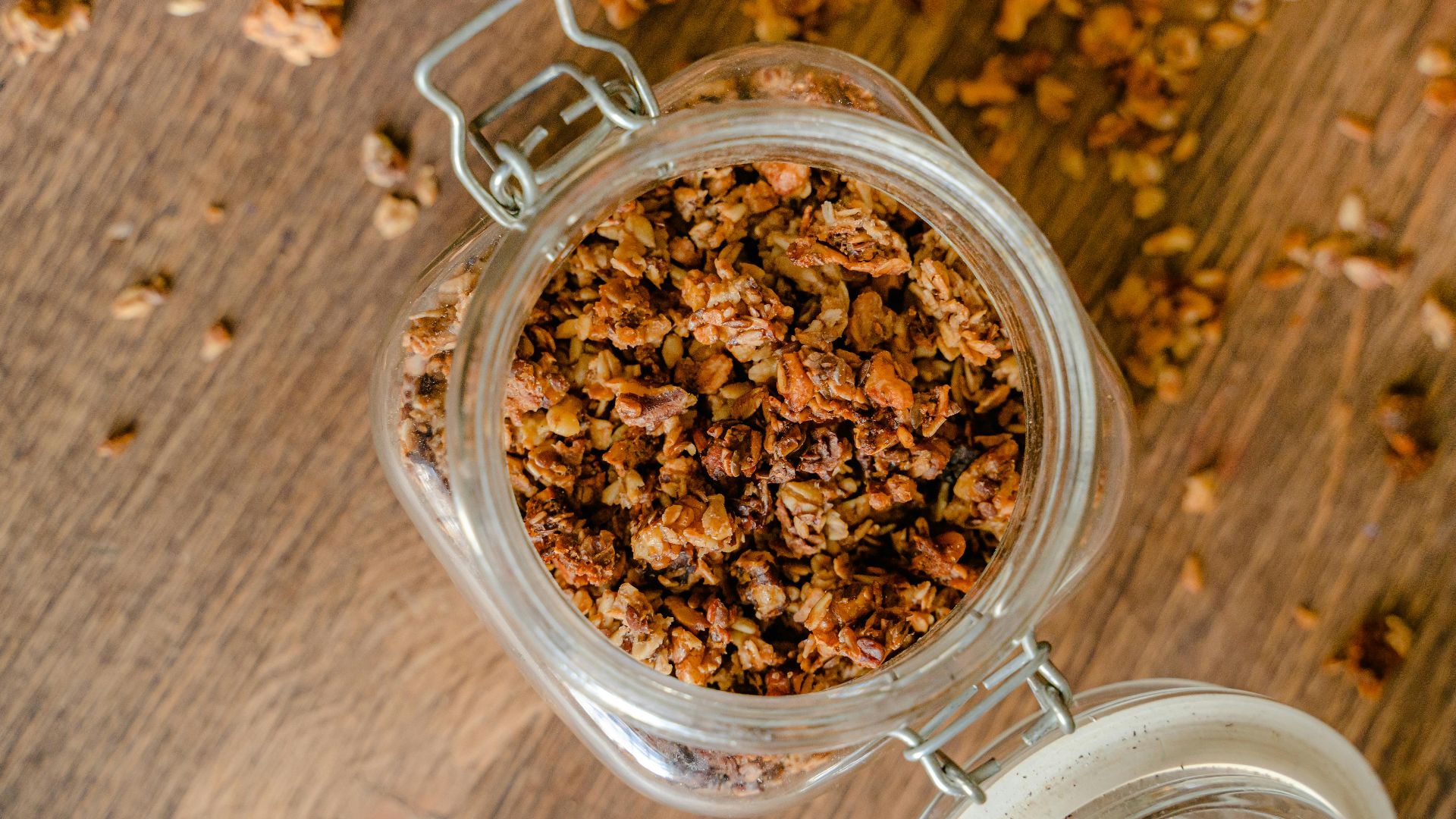
That crunchy, wholesome-looking cereal sitting in your pantry is basically candy in disguise. Granola earns its health halo from oats and nuts, but manufacturers drown those ingredients in honey, maple syrup, and oils during the baking process.
 Antoni Shkraba Studio on Pexels
2. White Bread
White bread is made from highly processed flour, which is low in fiber and nutrients. It causes rapid blood sugar spikes. This can trigger hunger and cravings soon after eating. Hence, you’re more likely to snack or overeat between meals.

3. Trail Mix
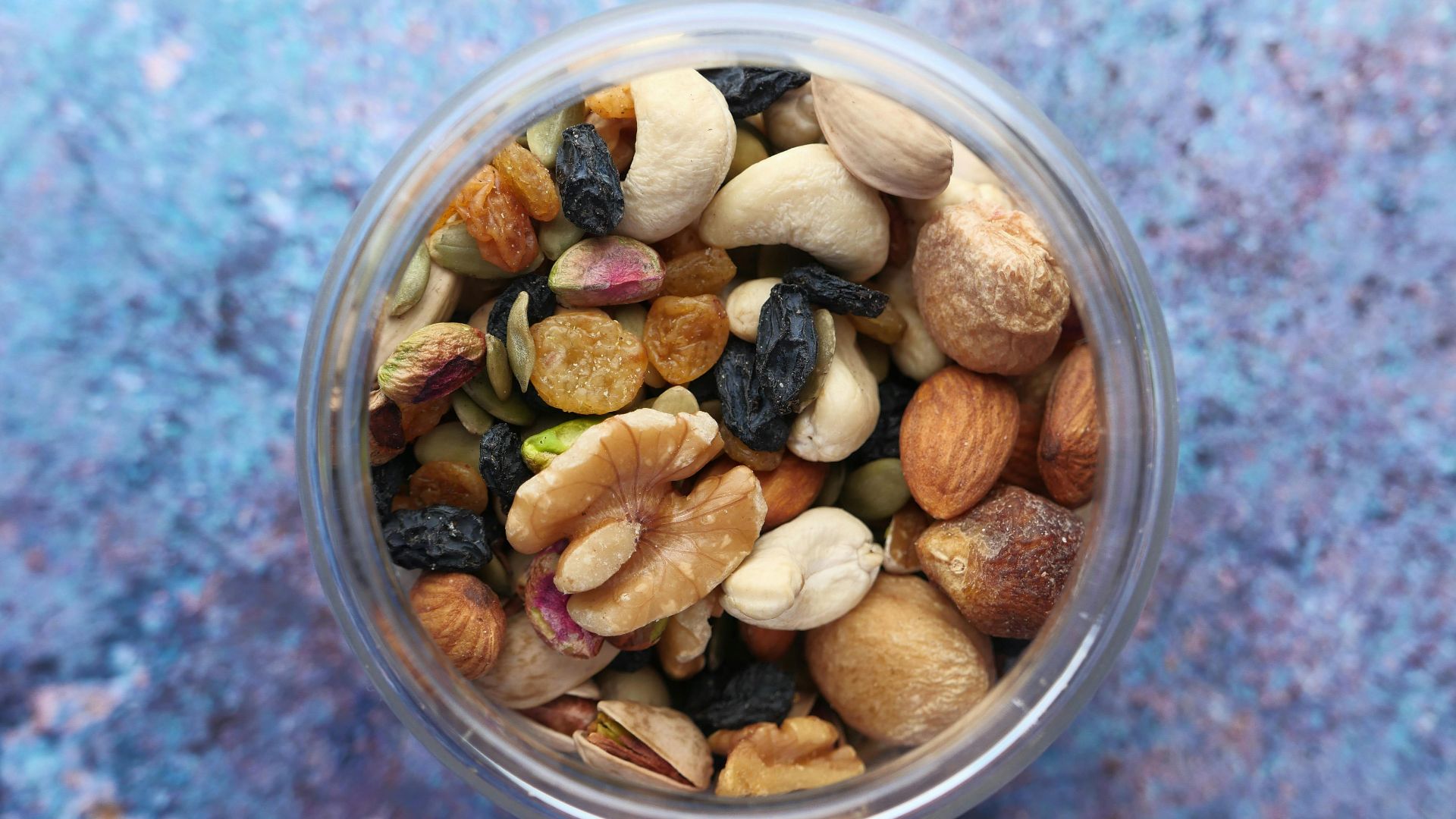
Well, raisins are just grapes with all the water removed, concentrating their sugar into calorie-dense nuggets. Nuts deliver heart-healthy fats but contain nine calories per gram, making them twice as energy-dense as protein or carbs. Put in chocolate chips, and it gets worse.
4. Peanut Butter
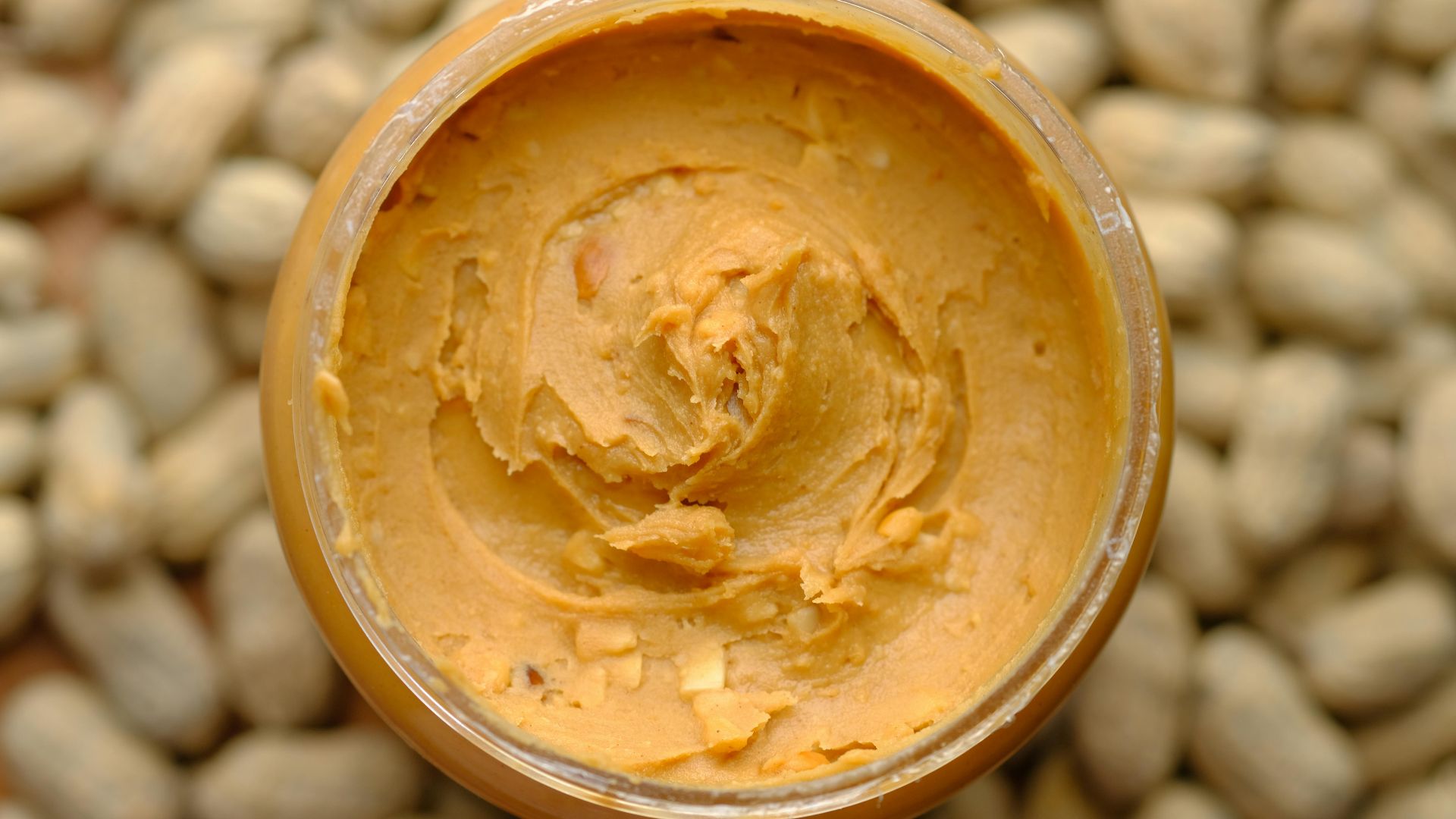
Two tablespoons of peanut butter come with about 190 calories, yet most people slather triple that amount on toast or celery without measuring. The creamy texture makes it pretty easy to overapply. Eating straight from the jar proves especially dangerous.
5. Pancakes
A stack of three medium pancakes can easily surpass 350 calories before syrup or toppings. Pancakes are calorie-heavy due to refined flour, butter, and sugar. They digest quickly, spiking blood sugar and leaving you hungry soon after.

6. Avocado
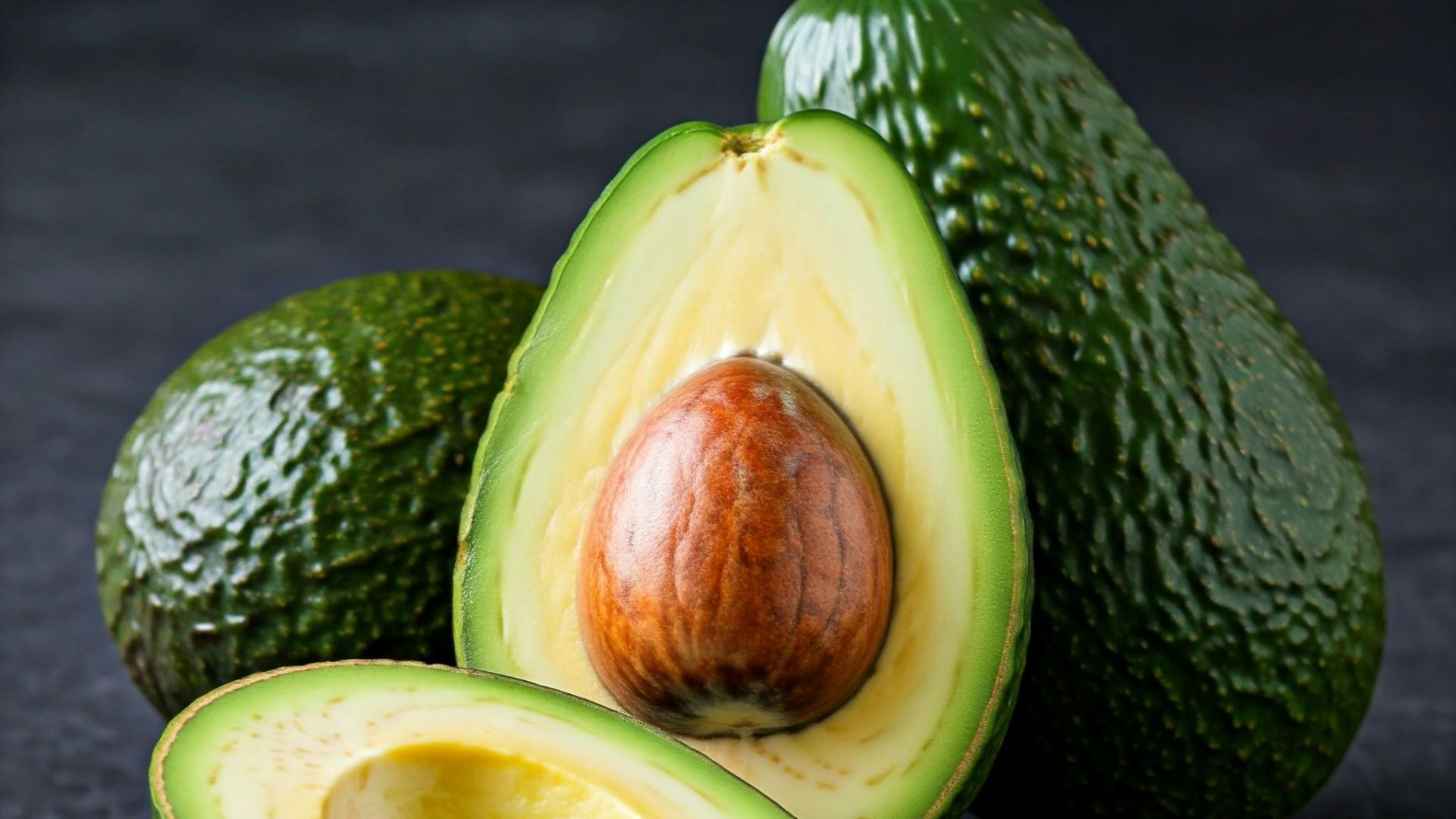
Social media convinced everyone that avocados are a weight-loss superfood, leading people to add entire avocados to every meal without a second thought. One whole avocado is said to contain about 240 calories and 21 grams of fat.
7. Salad With Rich Dressing
You choose salad because you're being good, right? Then you drown it in ranch dressing that contains 140 calories per two tablespoons, and restaurant portions typically use half a cup. Creamy dressings pack mayonnaise, sour cream, and oils.

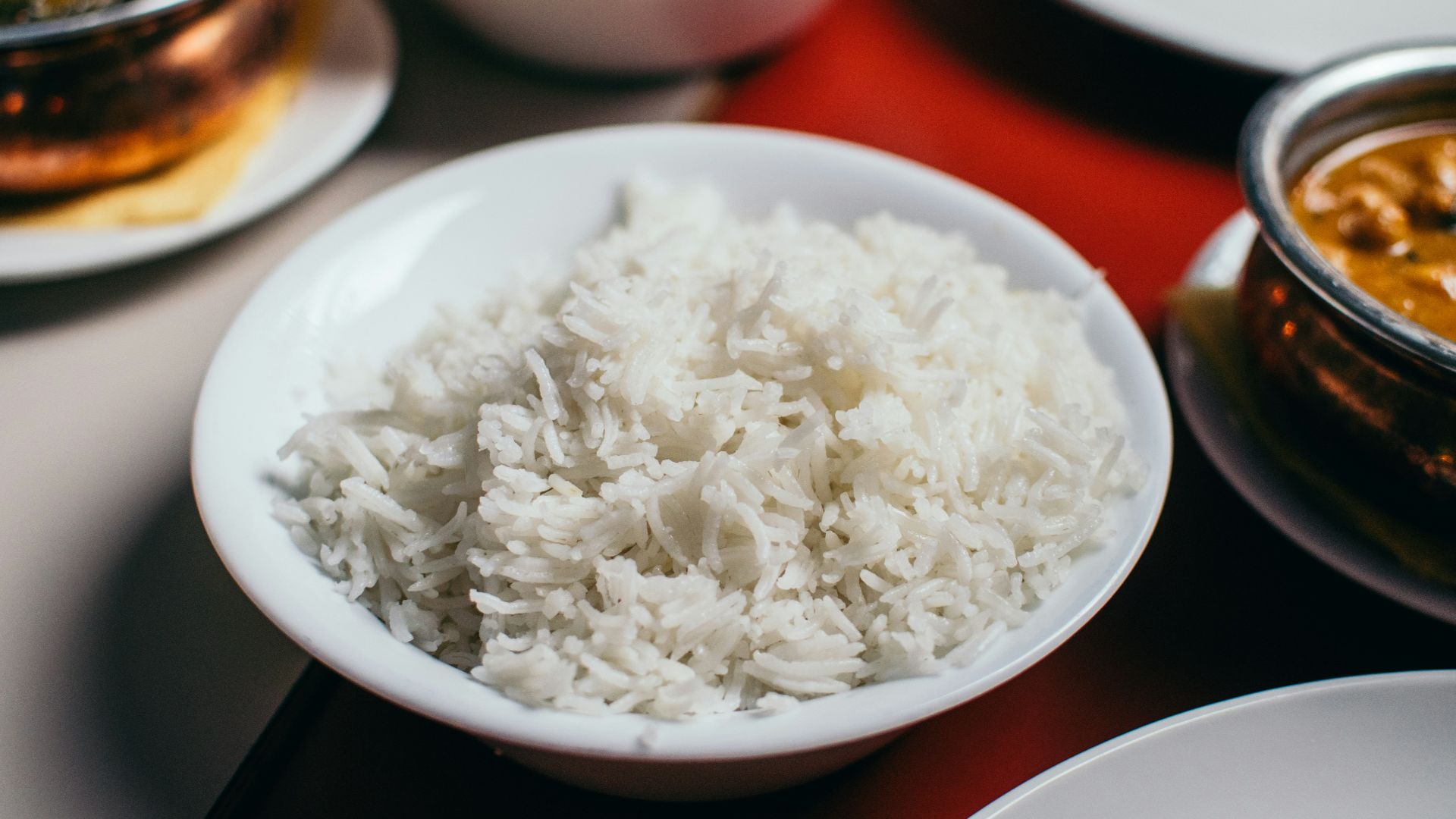
8. White Rice
High in refined carbs and low in fiber, it won’t keep you full for long. White rice is a staple in many diets, but it’s easy to overeat because servings look small. A large bowl can easily add 200–300 calories.
9. Cheese
Cheese is deceptively calorie-dense. It packs fat and sodium into small servings. A single slice can contain over 100 calories, and it’s rarely eaten alone. Grated cheese piles up quickly, turning salads, sandwiches, and snacks into high-calorie meals without providing much lasting fullness.
 David Foodphototasty on Unsplash
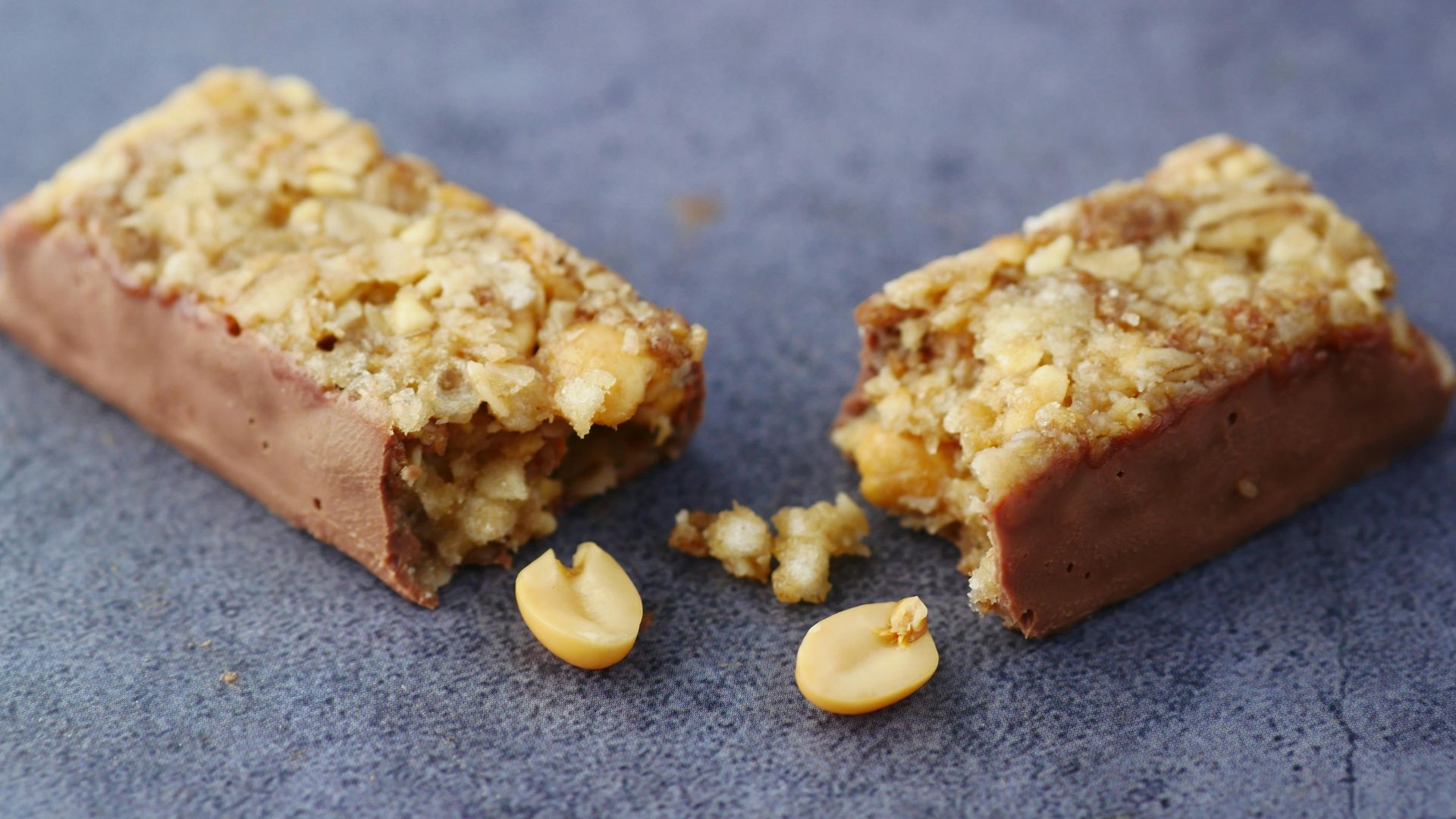
10. Energy Bars
Marketing convinced us that energy bars are healthy alternatives to candy bars, but check the nutrition label. Many have similar calories and sugar content. Brands load these bars with dates, honey, and chocolate chips to improve taste, pushing calories to 250.
Now, let's talk about why getting into a calorie deficit matters in the first place.
1. Triggers Fat Mobilization (Lipolysis)
In a calorie deficit, lowered insulin levels allow hormone-sensitive lipase to break down triglycerides into free fatty acids that your body can actually use for energy. This metabolic process directly supplies roughly 70–90% of your energy needs from stored body fat.

2. Reduces Overall Body Weight And Fat Mass
A sustained 500-calorie daily deficit typically produces 0.5–1 pound of weekly loss, with most of it coming from fat rather than muscle, thanks to the basic thermodynamics of energy balance. The first documented calorie-counting diet book appeared way back in 1825.

3. Improves Insulin Sensitivity
Calorie deficit lowers chronic insulin levels, enhancing your cells' glucose uptake and reducing resistance, which is particularly important for overweight individuals struggling with metabolic dysfunction. Insulin sensitivity improvements from deficits were actually key in early diabetes research around 1921.
 AllGo - An App For Plus Size People on Unsplash
4. Preferentially Reduces Visceral Fat
Moderate calorie deficits target visceral fat, the dangerous kind wrapped around your organs, more aggressively than subcutaneous fat due to higher metabolic activity and blood flow in abdominal tissue. Visceral fat earned the nickname "toxic fat" in medical literature starting in the 1980s.

5. Lowers Systemic Inflammation
Weight loss consistently lowers pro-inflammatory cytokines in clinical trials, creating a measurable reduction in your body's chronic inflammatory state. The anti-inflammatory effects of caloric restriction were first noted in animal longevity studies from the 1930s, sparking research into how eating less could extend healthspan.

6. Improves Lipid Profile
Deficit-induced weight loss raises HDL cholesterol—the "good" kind that helps clear arterial plaque and protect heart health. Early 20th-century observations linked low-calorie diets to better blood lipids even before modern cholesterol testing existed. This showed that doctors recognized such patterns long ago.
7. Enhances Cardiovascular Markers
Heart disease risk factors improve via reduced inflammation and better lipid handling throughout your circulatory system. These benefits arise specifically from lowered energy intake relative to expenditure in dieting contexts.

8. Activates Healthy Aging Pathways/Genes
Moderate deficit upregulates sirtuins and AMPK pathways linked to cellular repair and longevity in human models, essentially flipping genetic switches that promote cellular maintenance and survival. Calorie restriction's longevity effects were first proven in rats back in 1935.

9. Supports Muscle Preservation (With Adequate Protein)
Resistance training during deficit enhances muscle protein synthesis, actively preserving strength and metabolism even as the scale drops and body composition improves. This careful balance allows fat-specific loss while maintaining the lean mass essential for long-term dieting success and metabolic health.

10. Reduces Oxidative Stress
Calorie deficit lowers reactive oxygen species production by reducing metabolic overload in cells—essentially, your cellular machinery runs cleaner when it's not constantly processing excess energy. Fat mobilization shifts energy sources, decreasing mitochondrial stress linked to aging and disease.

KEEP ON READING



20 Natural Ways You Can Boost Your Immune System

20 Ways To De-stress & Relax After Work

The 10 Most Common Diseases & The 10 Most Rare