Eat Smart, Train Smarter
Workout for a purpose? Absolutely. But what you fuel your body with is equally as important as how you move it. Eating the correct nutrients for specific muscle groups you train will help shape and define your muscles, keep your joints healthy and speed up recovery time, so check out this handy guide to properly fuel every inch of your body.

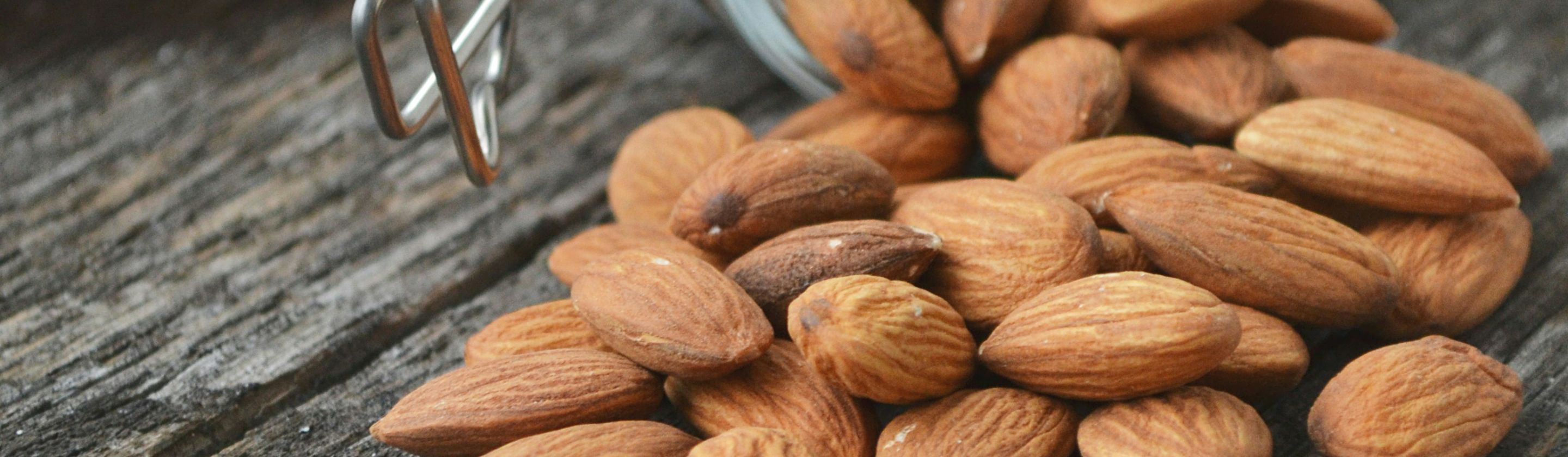
1. Arms - Almonds
Almonds are delicious and high in vitamin E and protein that repairs microscopic tears in your biceps and triceps muscles. Eat a small handful post-workout to help reduce recovery time and prevent stiffness. They’re also crunchy, which makes them convenient to snack on while you’re using your smartphone.
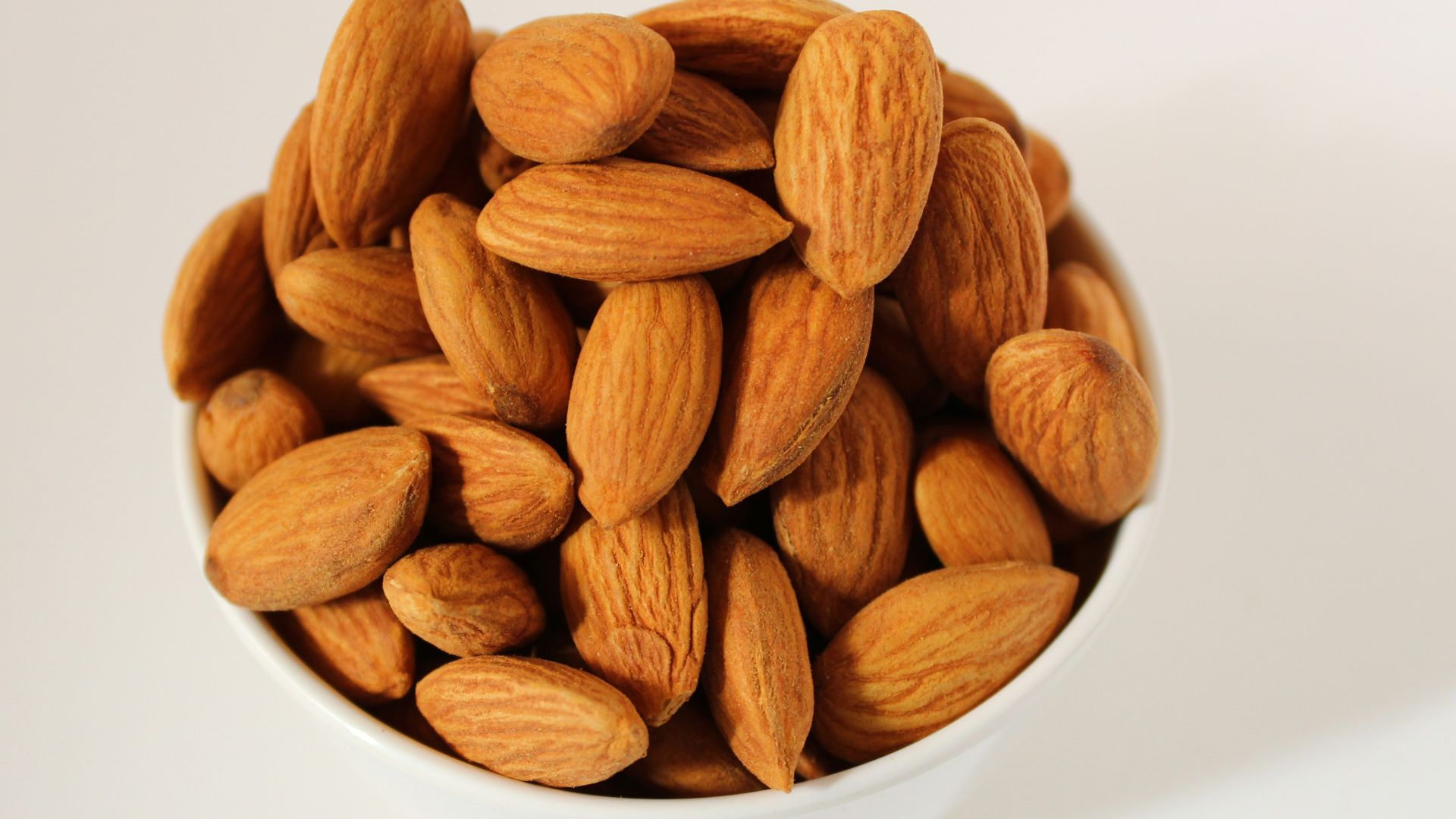
2. Shoulders - Salmon
Salmon contains omega-3 fatty acids that will help reduce inflammation in your shoulders following overhead presses or lateral raises. The fatty acids will help prevent joint pain and keep your mobility levels high. Throw a salmon filet on the grill with some lemon for the perfect reward you deserve after making it to the gym.
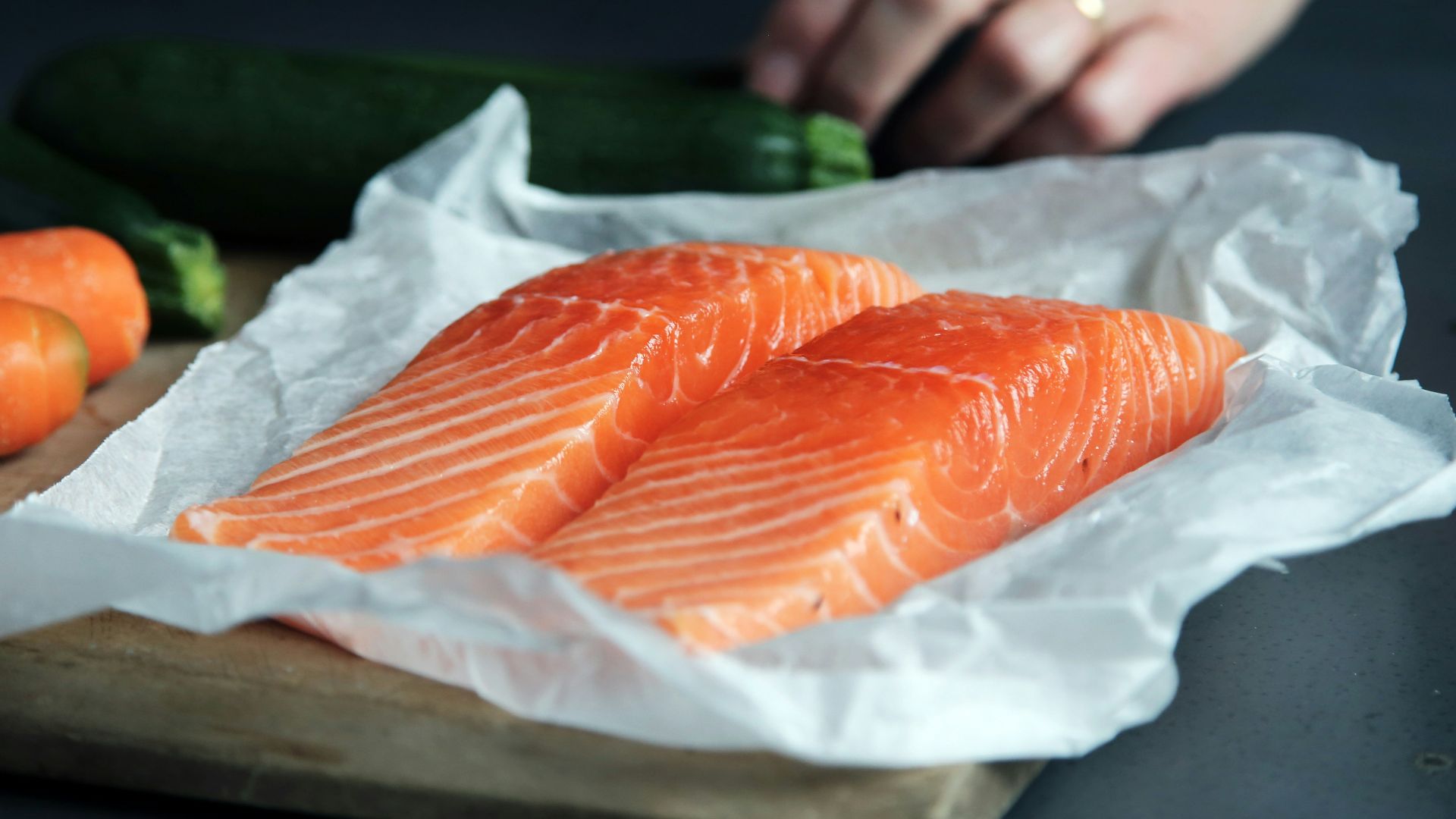
3. Chest - Eggs
Packed with protein, eggs will help rebuild your pectoral muscles following chest day at the gym. Eggs contain high-quality amino acids to ensure your chest is repaired properly from push-ups or bench presses. Don’t sleep on the yolks, as they contain valuable nutrients that your body needs.
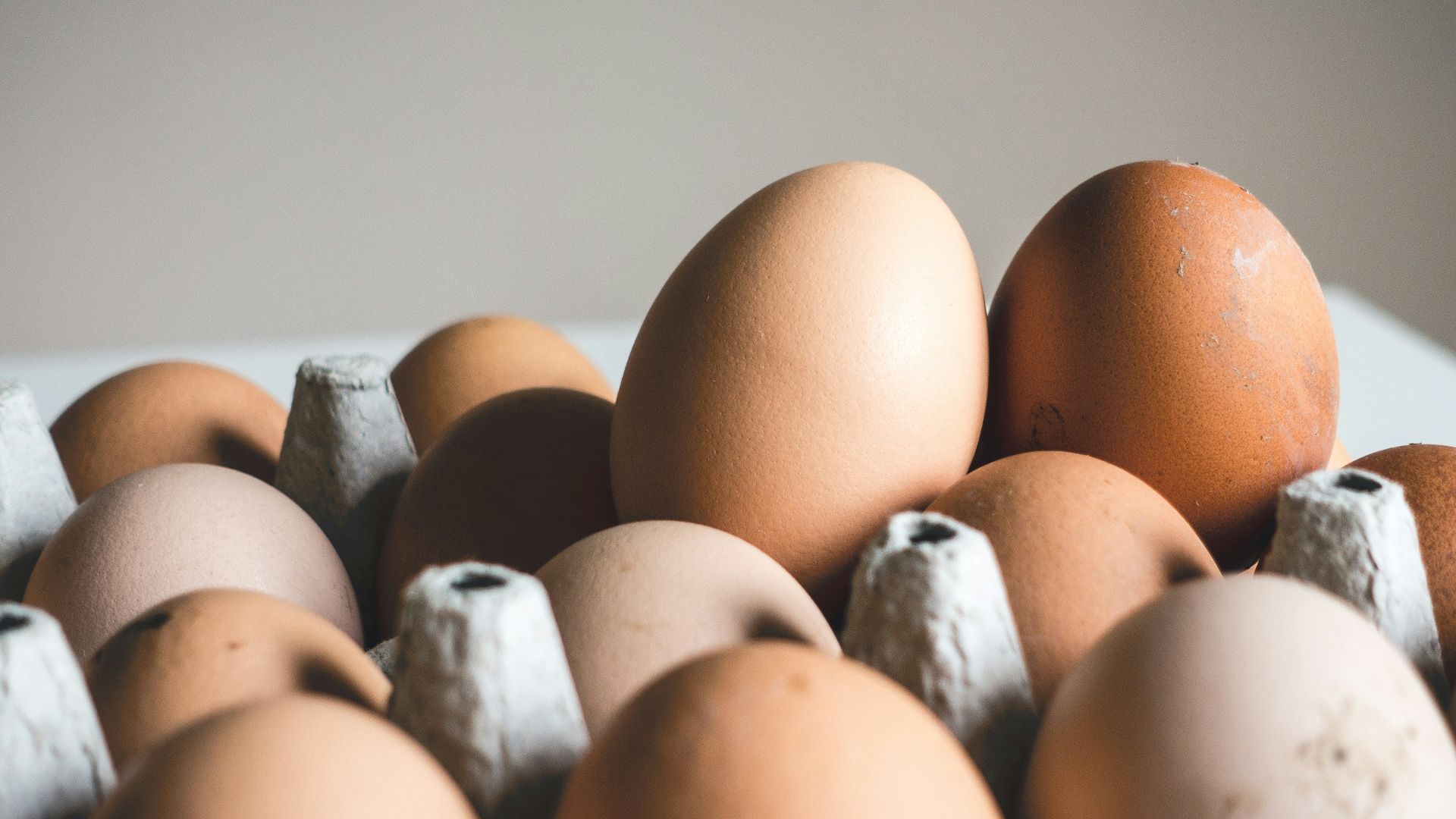
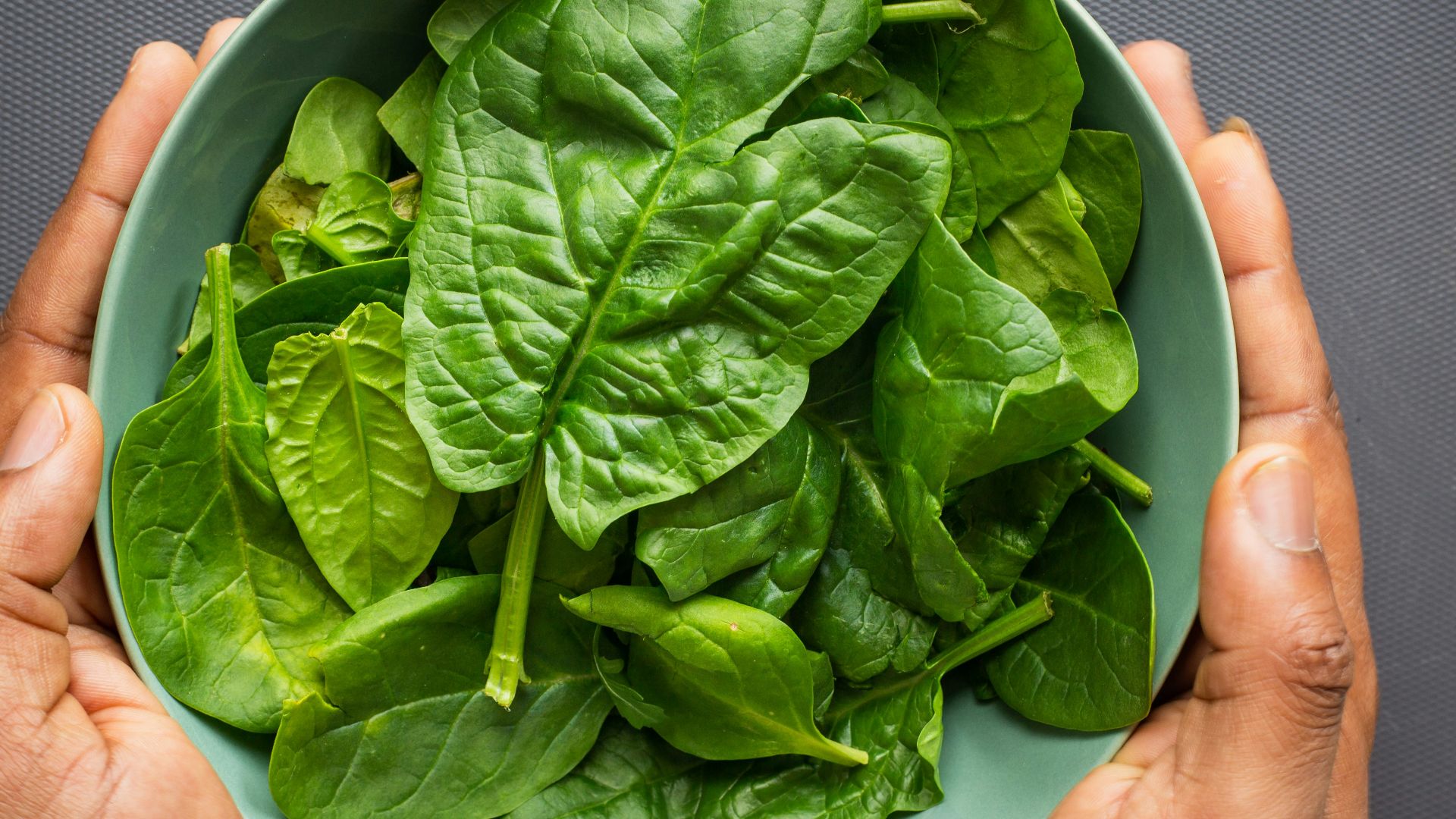
4. Back - Spinach
Spinach contains high levels of magnesium which is beneficial for your back muscles and energy levels. It also includes antioxidants that can reduce muscle soreness following deadlifts or pull-ups. Throw it in a smoothie or sauté it with garlic for an easy post-workout snack.
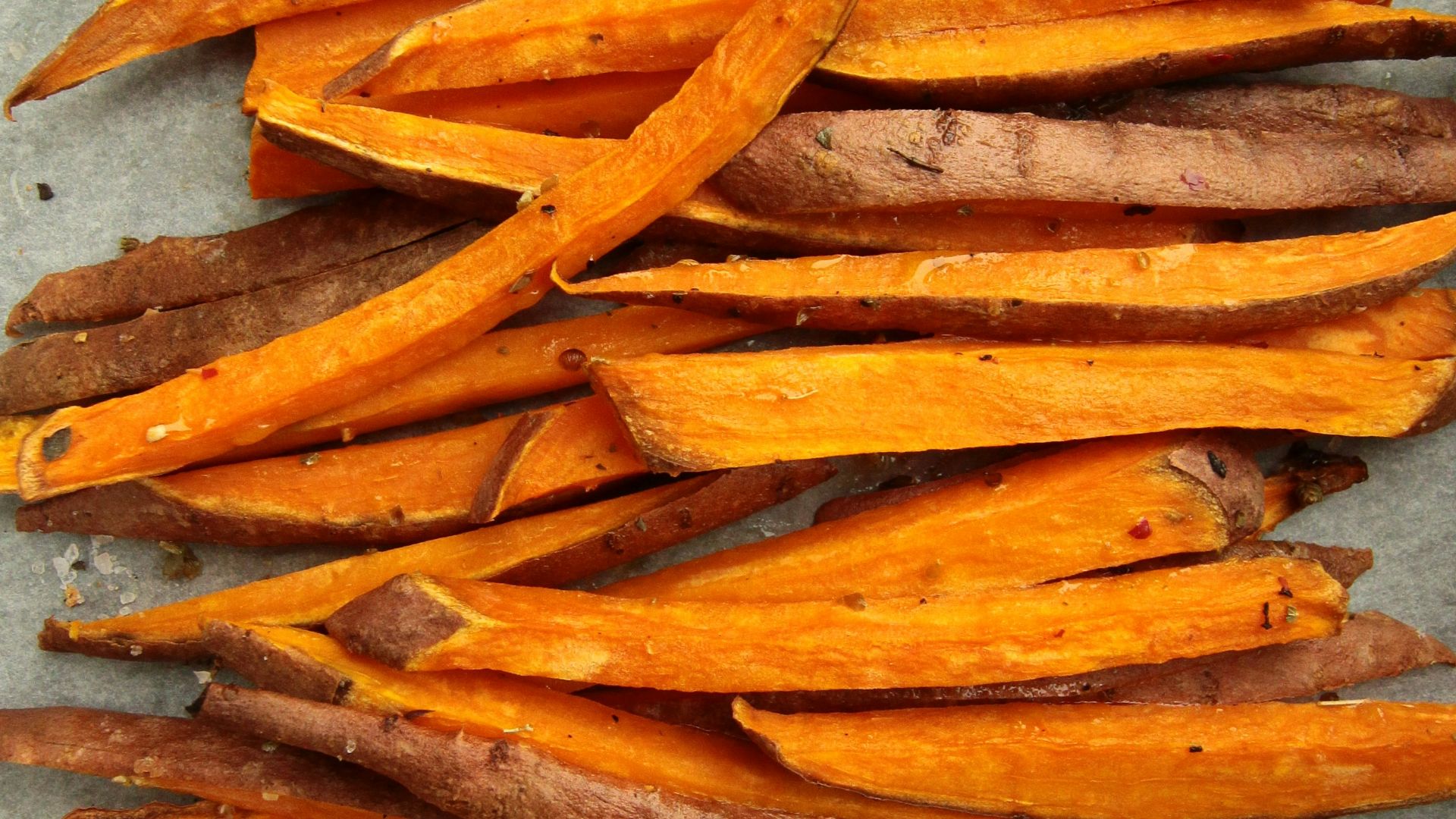
5. Legs - Sweet Potatoes
Sweet potatoes contain complex carbohydrates that fuel your legs for squats and lunges. They’re also high in potassium, which will help your calves and hamstrings from cramping up. Bake one with a little olive oil for a delicious reward after owning it on leg day.
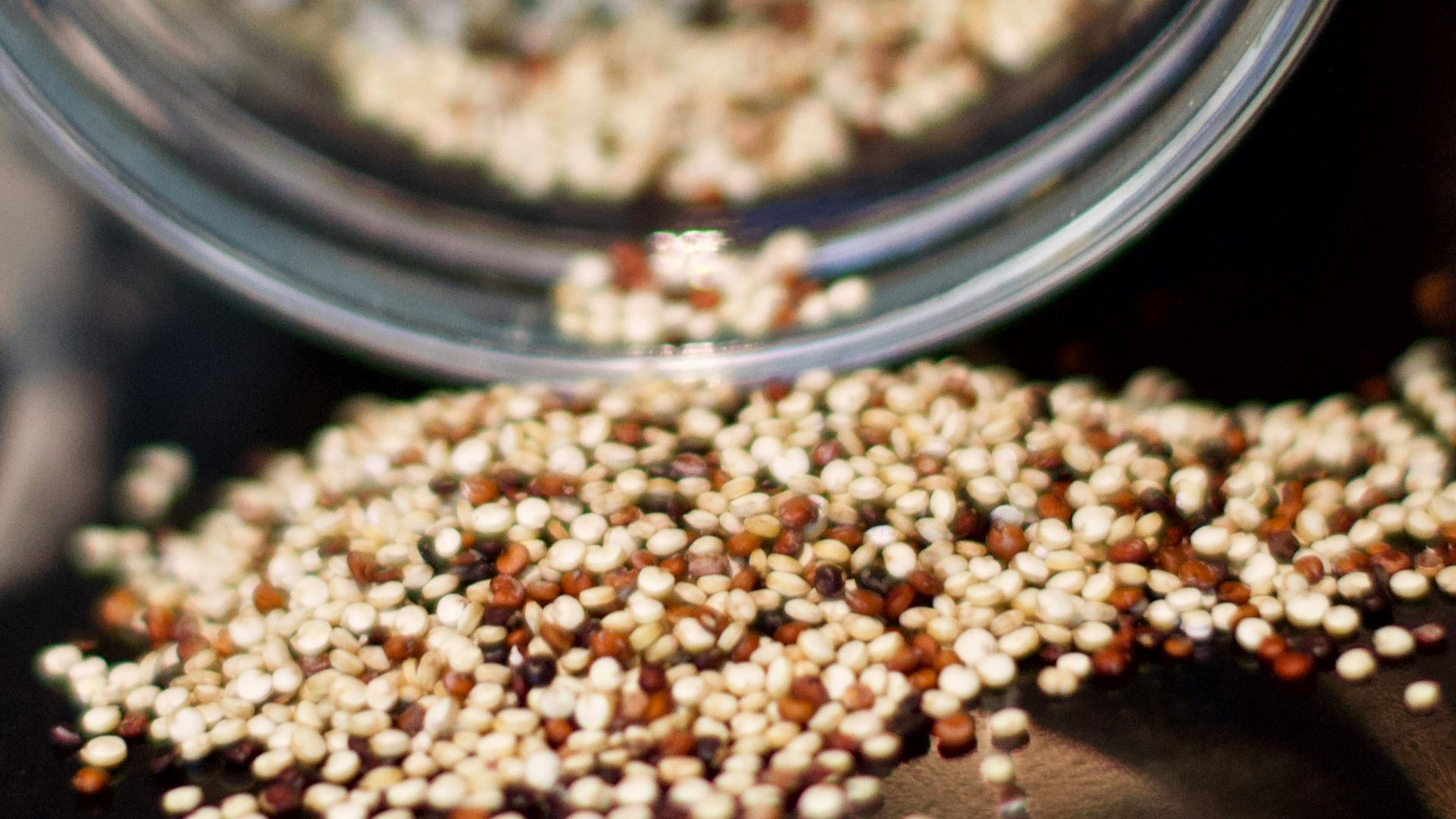
6. Glutes - Quinoa
Quinoa is high in complete protein to build and tone your glutes. Not only that, but it’s high in fiber, which will keep your digestive system happy while your muscles are recovering. Mix cooked quinoa with roasted vegetables for a balanced meal to refuel with.
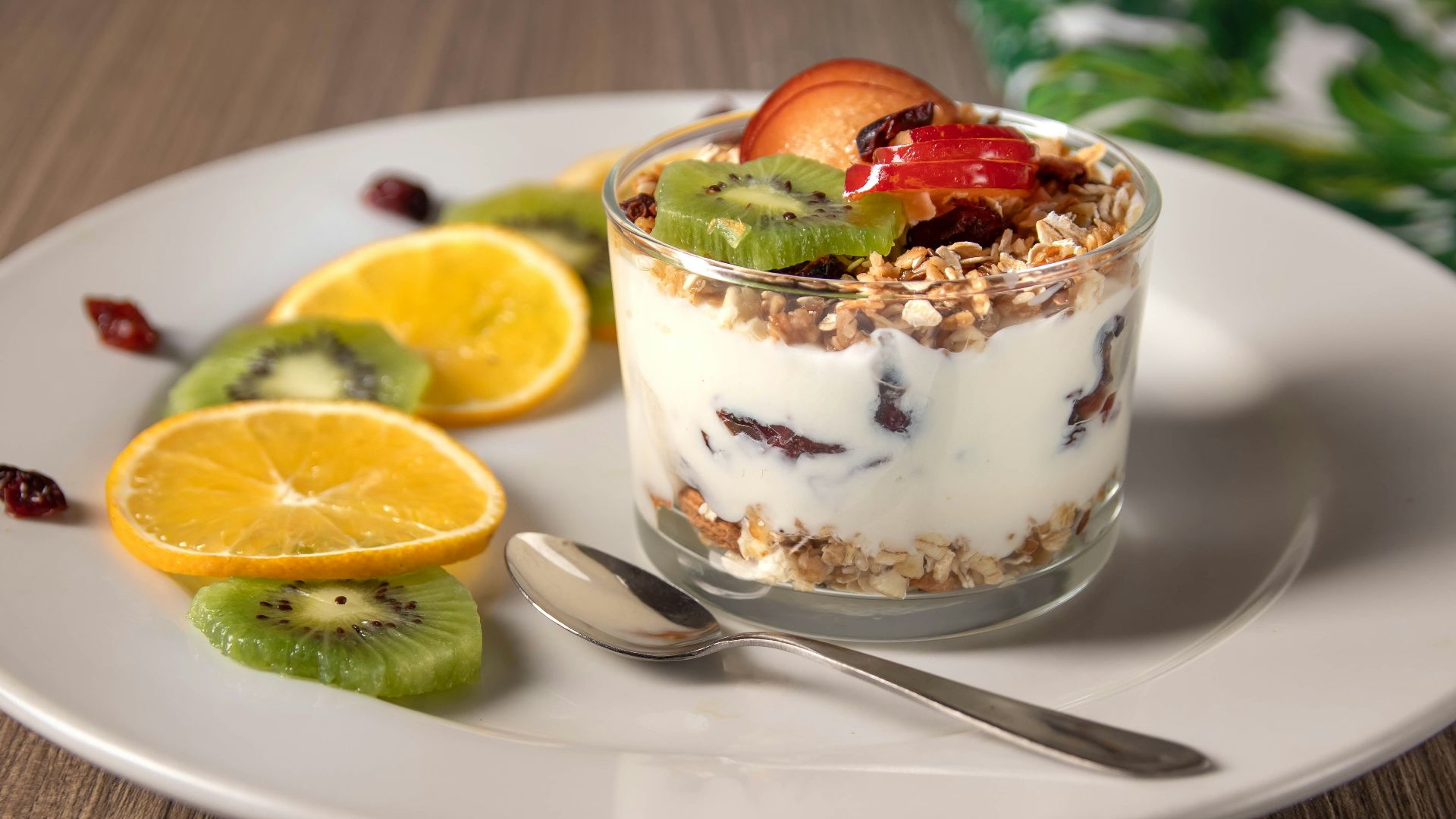
7. Abs - Greek Yogurt
Greek yogurt has plenty of protein and probiotics that are good for your abdominal muscles and gut. Having a healthy gut will reduce bloating and allow your abs to look ripped. Layer with berries for a sweet treat.
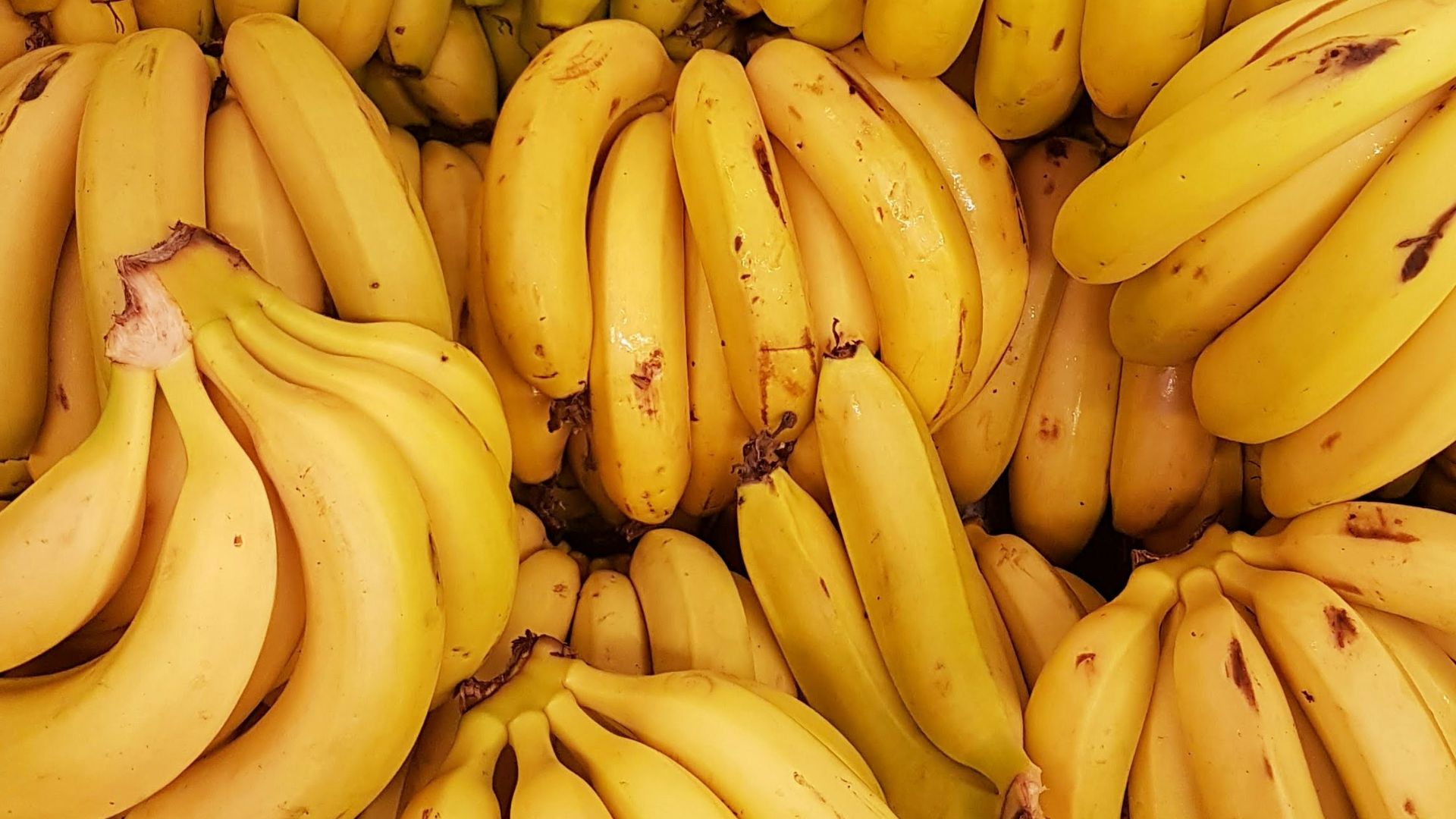
8. Calves - Bananas
Bananas are packed with potassium, which will calm down your calves and keep them from cramping up. They’re convenient enough to eat before a workout or after a run or jumping heavy session. Top with peanut butter for a snack that will stick to your ribs.
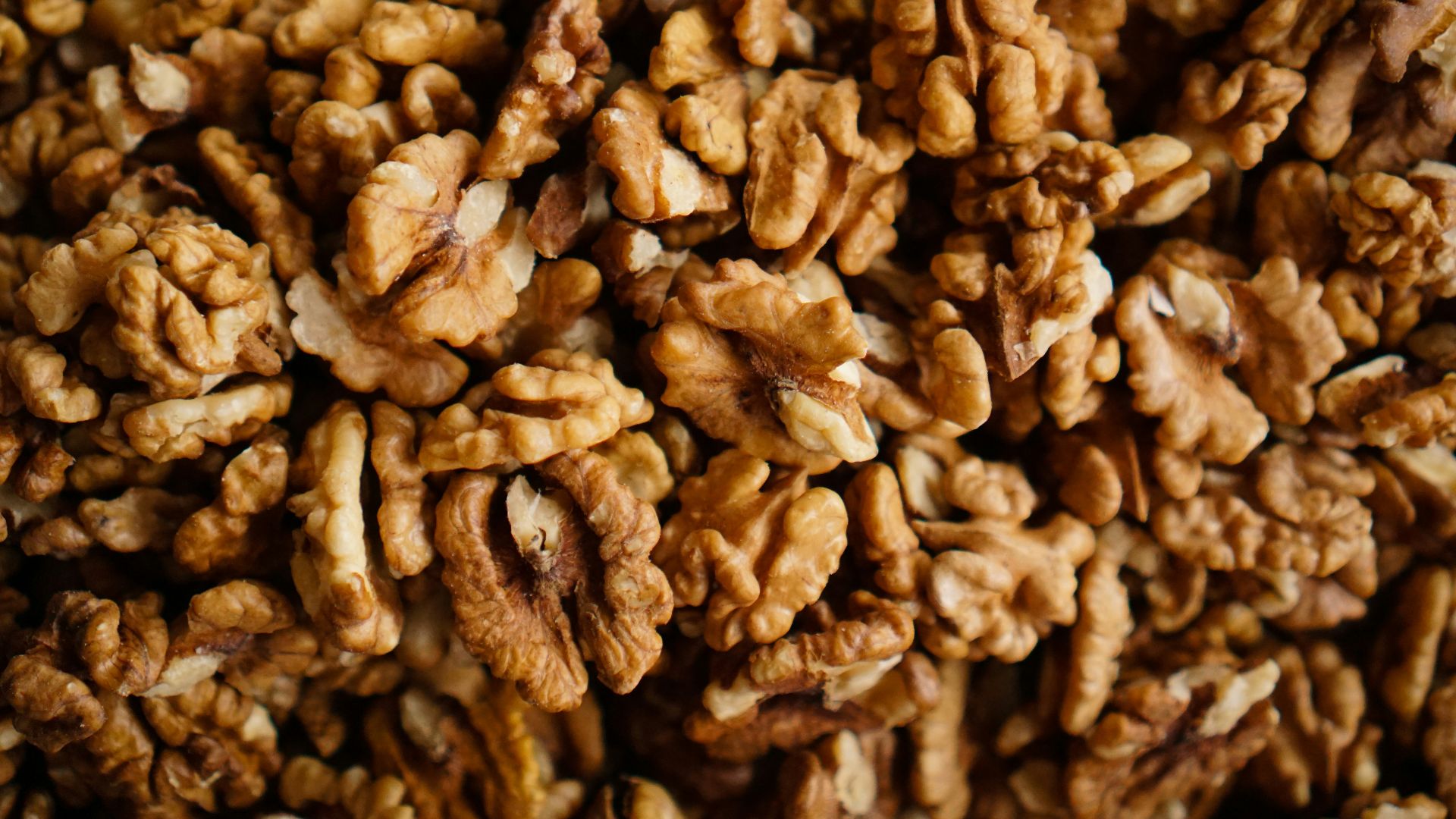
9. Neck - Walnuts
Walnuts contain omega-3 fatty acids that help build your neck muscles and improve your spinal health. Having a healthy neck prevents stiffness and soreness following exercises like heavy cleans. Add them to your salad for an extra crunch.
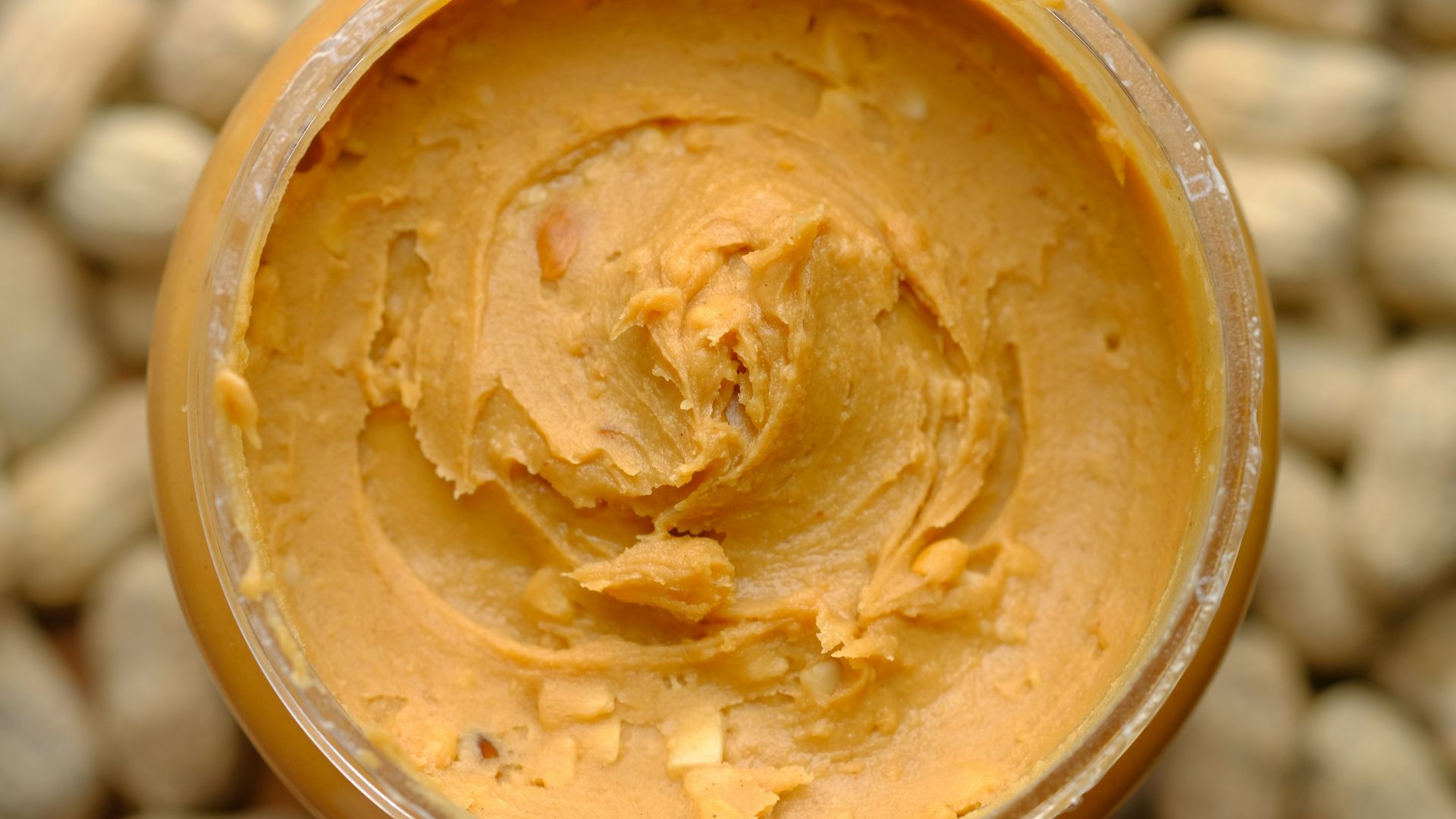
10. Forearms - Peanut Butter
Grab a spoon and smear some peanut butter on toast for your forearm muscles. Not only will you get a healthy serving of protein, but your muscles will also receive healthy fats for grip strength and endurance. Peanut butter makes any meal taste like dessert.
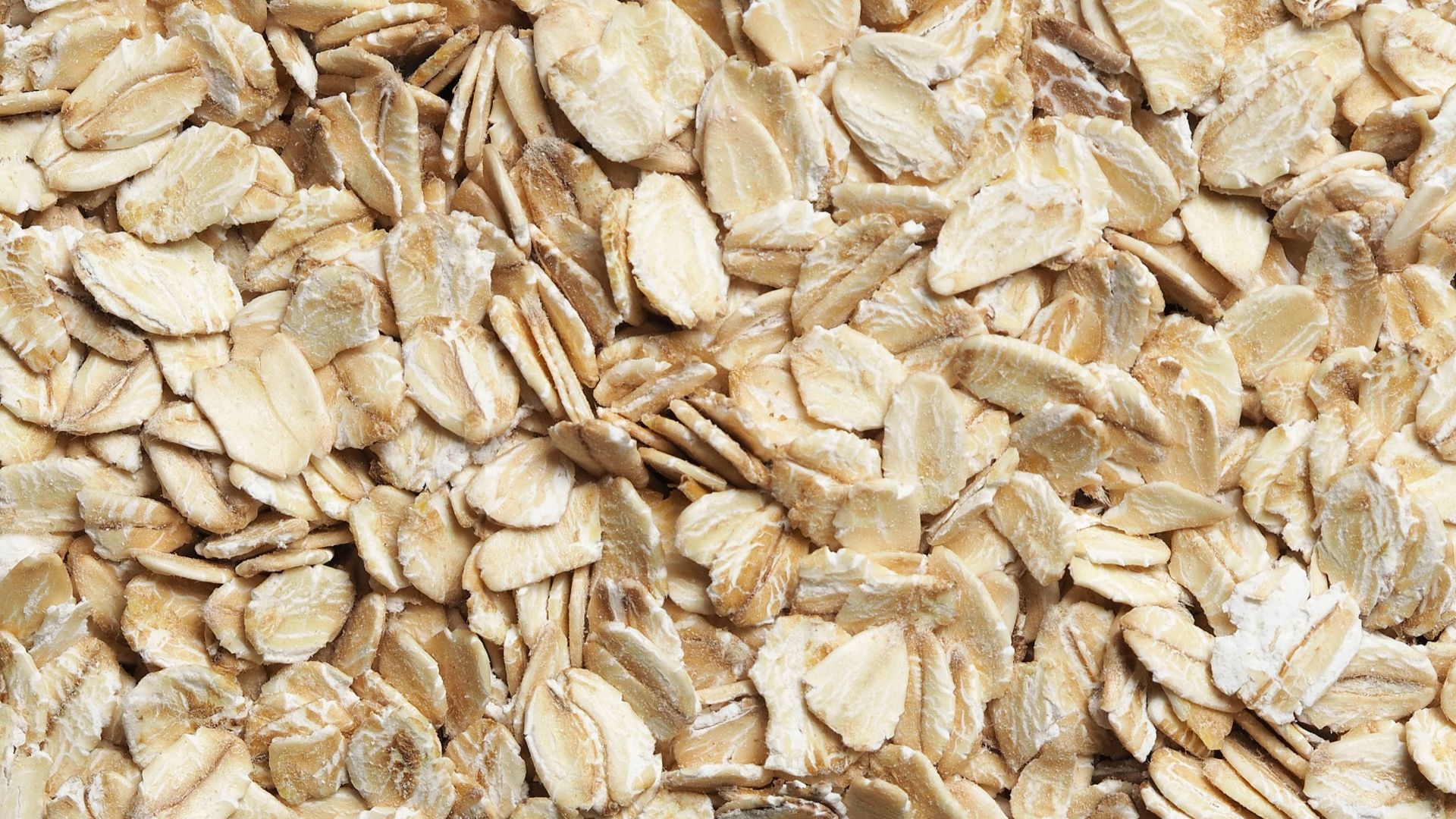
11. Lower Back - Oats
Like peanut butter, oats are easy on your stomach but will provide your lower back with carbohydrates that sustain your energy. They also help support your core during heavy movements such as deadlifts or rowing. Top with cinnamon and honey to make breakfast enjoyable again.
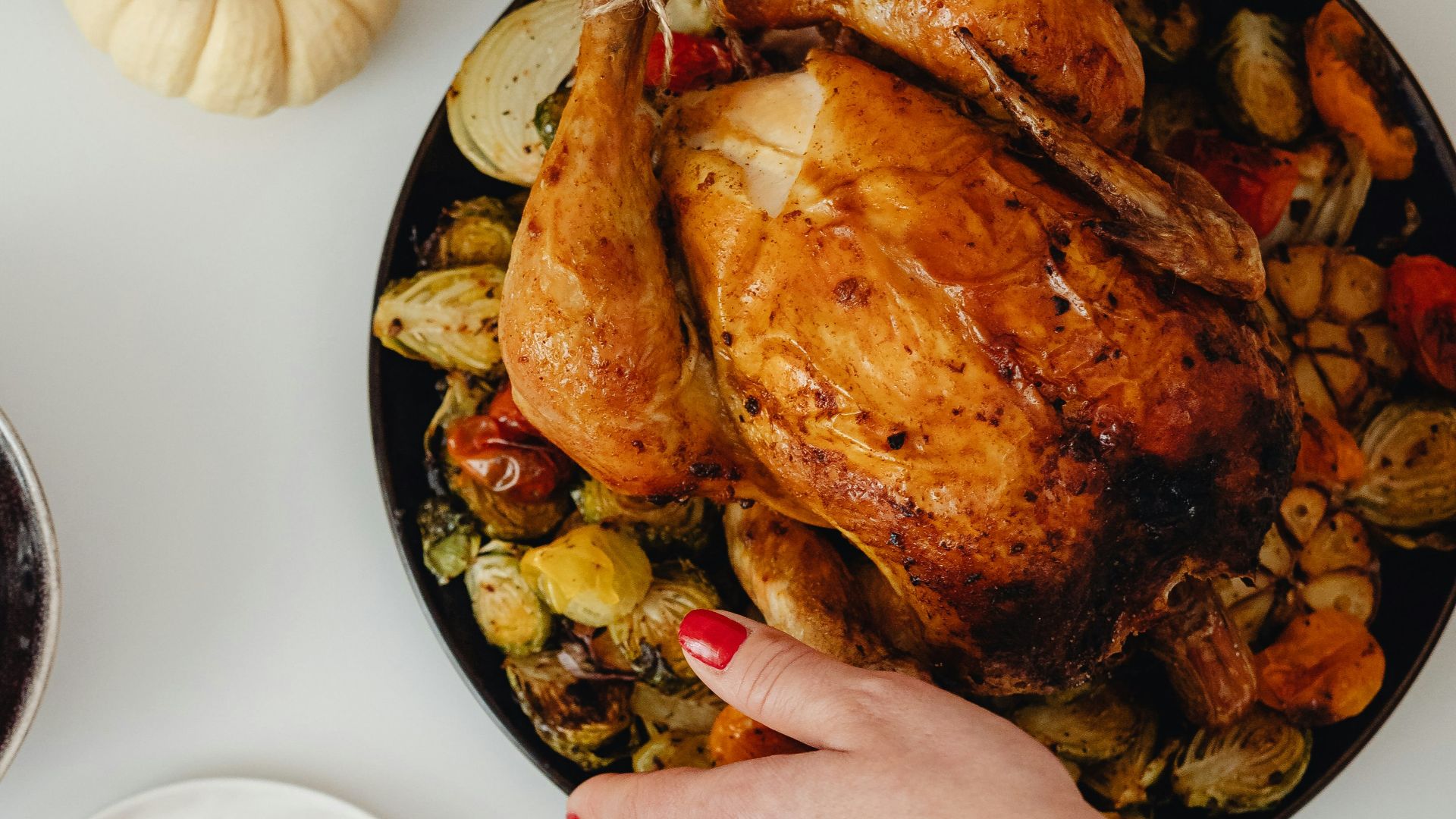
12. Traps - Chicken
Chicken breast is great for your trap muscles following overhead shrugs or upright rows. Chicken provides your body with lean protein that doesn’t have excess fat. Eat grilled chicken to let your traps shave and show off that hard work you put in at the gym.
13. Biceps - Cottage Cheese
Similar to Greek yogurt, cottage cheese has protein your body can access slowly while you sleep to repair your muscles. Make sure you eat it after arm day so that your biceps can recover overnight. Add some fruit on top to make it sweet and nutritious.
 Aleksey Melkomukov on Unsplash
14. Hamstrings - Lentils
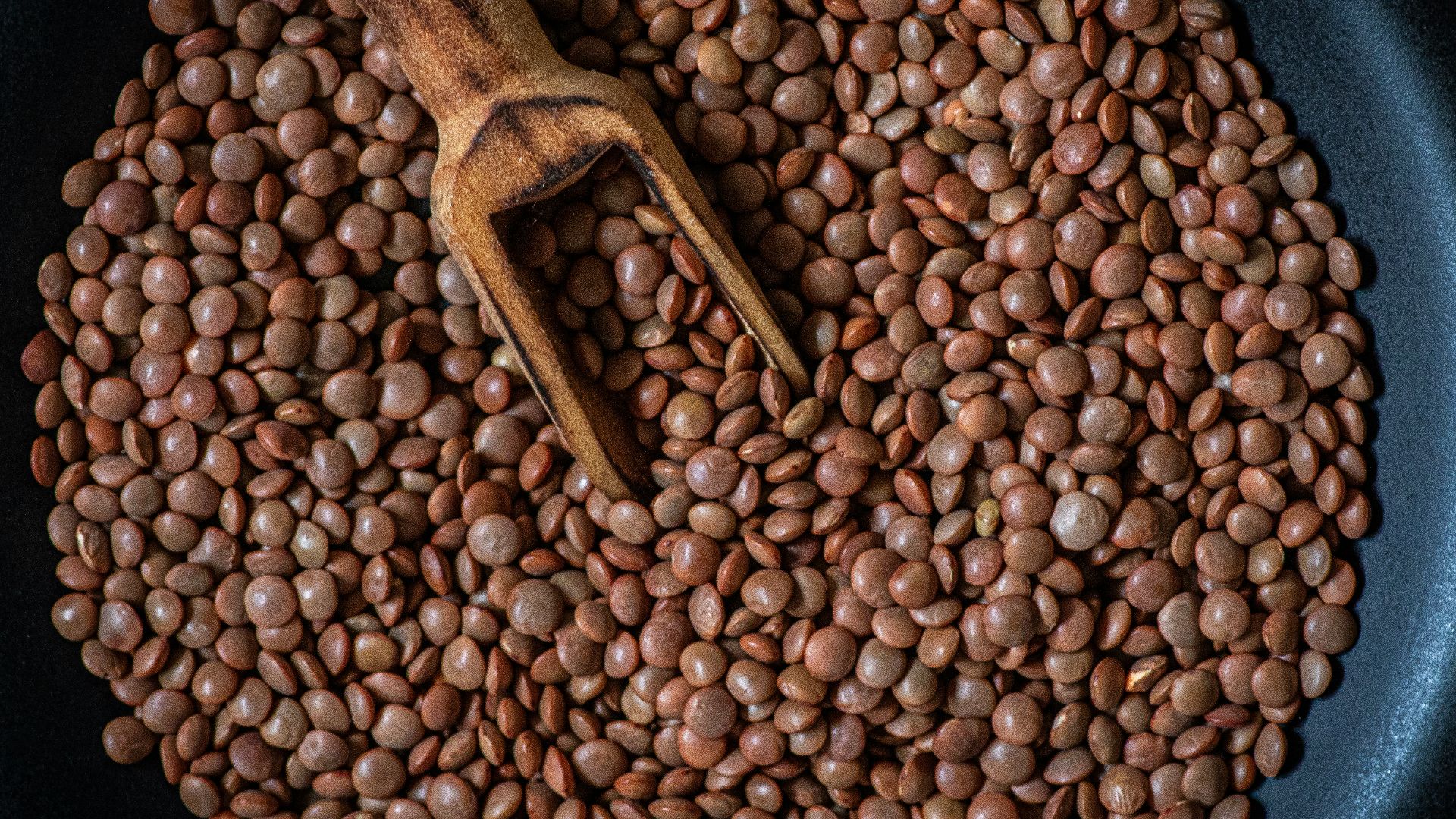
Lentils are an alternative to animal protein that will help your hamstring muscles recover from heavy squats or deadlifts. They’re also loaded with iron, which is key to increasing energy and endurance. Make a warm lentil stew to make your post-workout meal feel comforting.
15. Quads - Brown Rice
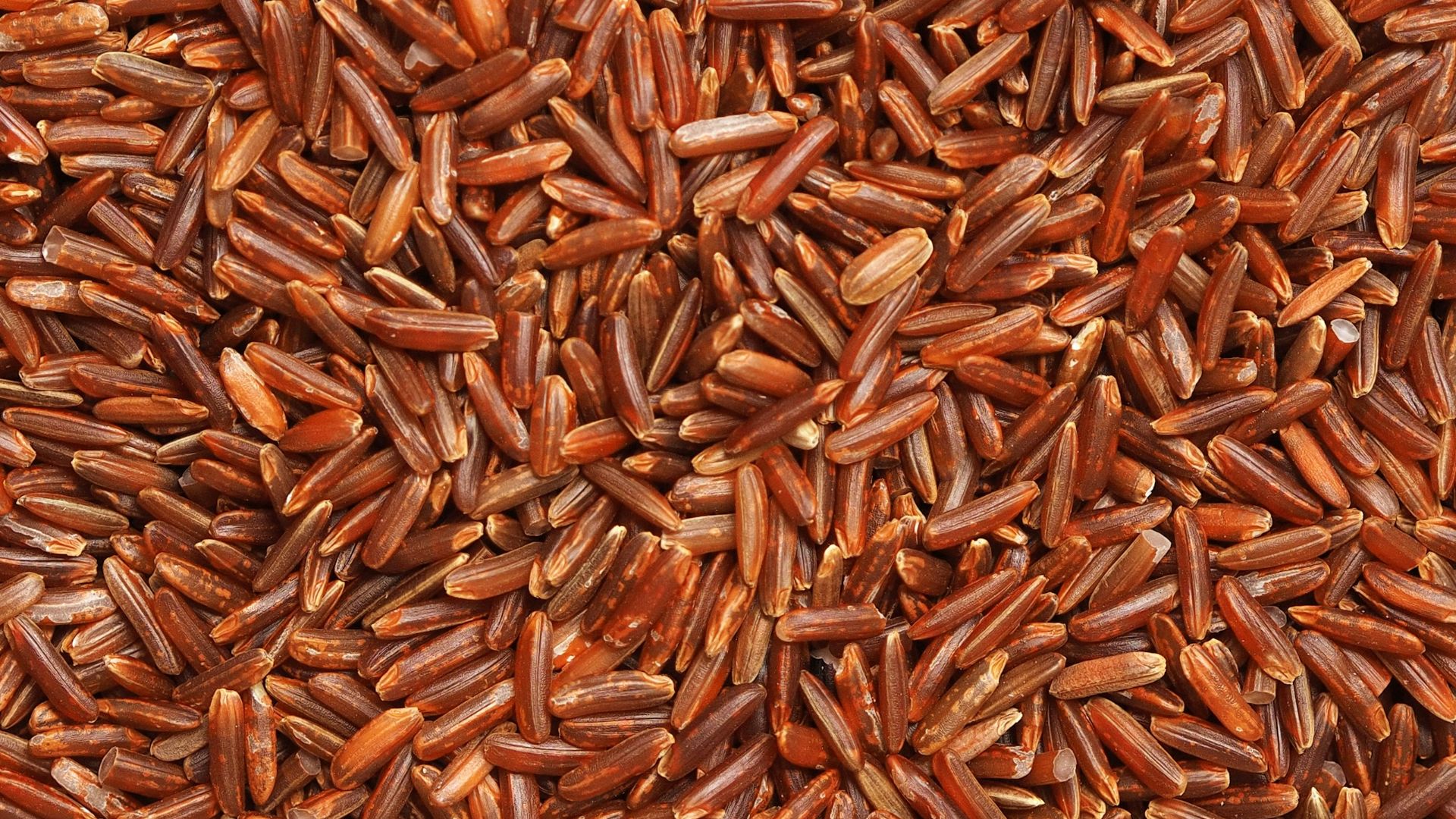
Similar to sweet potatoes, brown rice is a complex carb that won’t overload your body with sugar. Your quadriceps muscles use glycogen as fuel during explosive leg movements. Replenish your glycogen stores with brown rice.
16. Glute Medius - Edamame
Edamame contains both protein and fiber to help shape and build your glute medius. Consuming edamame can help increase hip stability and balance, allowing you to lift heavier with better form. You can lightly salt or steam your edamame for a tasty snack.

17. Obliques - Avocado
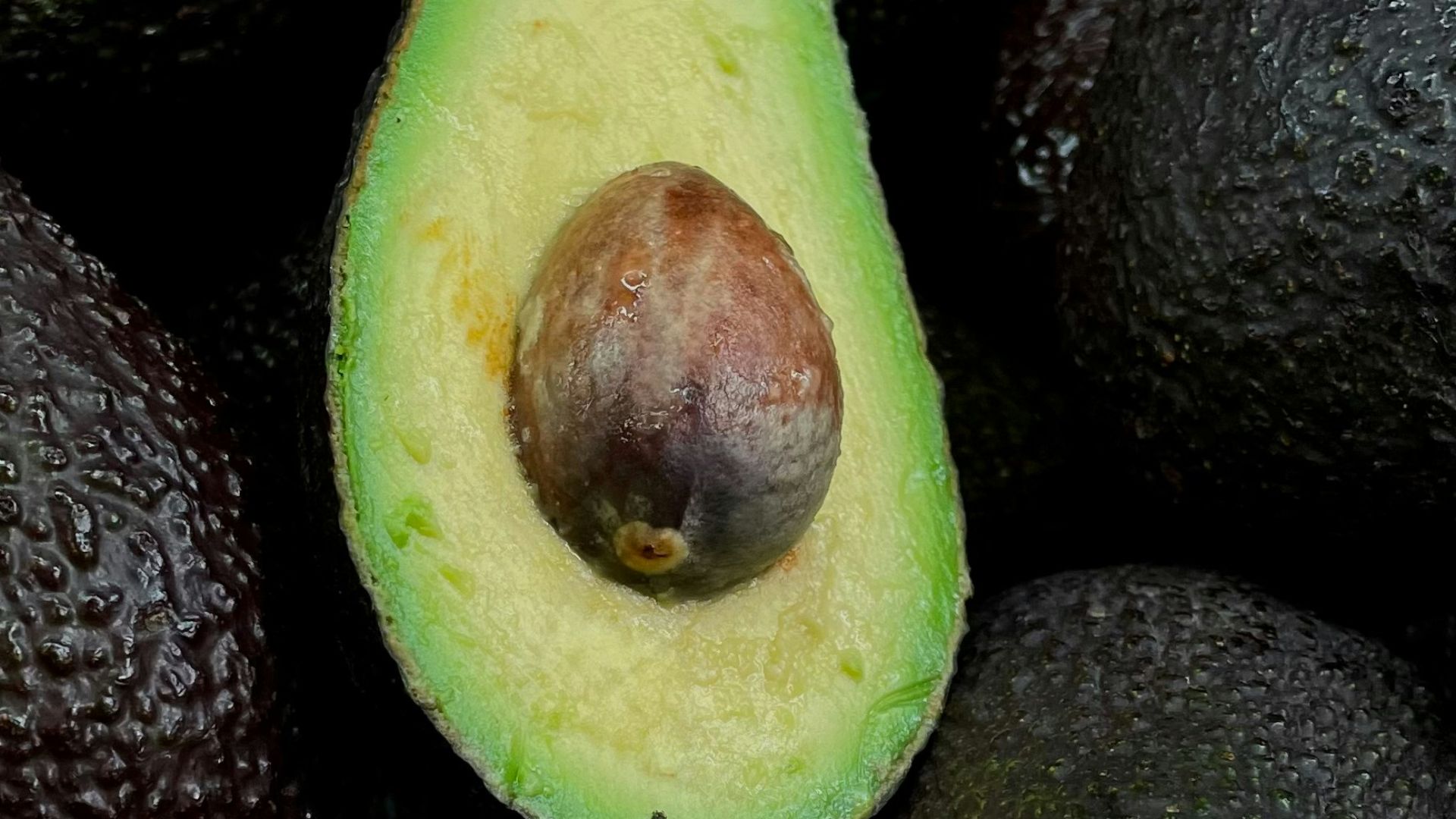
Avocadoes help your obliques recover from twisting motions and rotational exercises. They also contain healthy fats that support your joints and allow you to feel strong in your core. Smash it onto toast or add it to your salad for some creamy goodness.
18. Triceps - Turkey
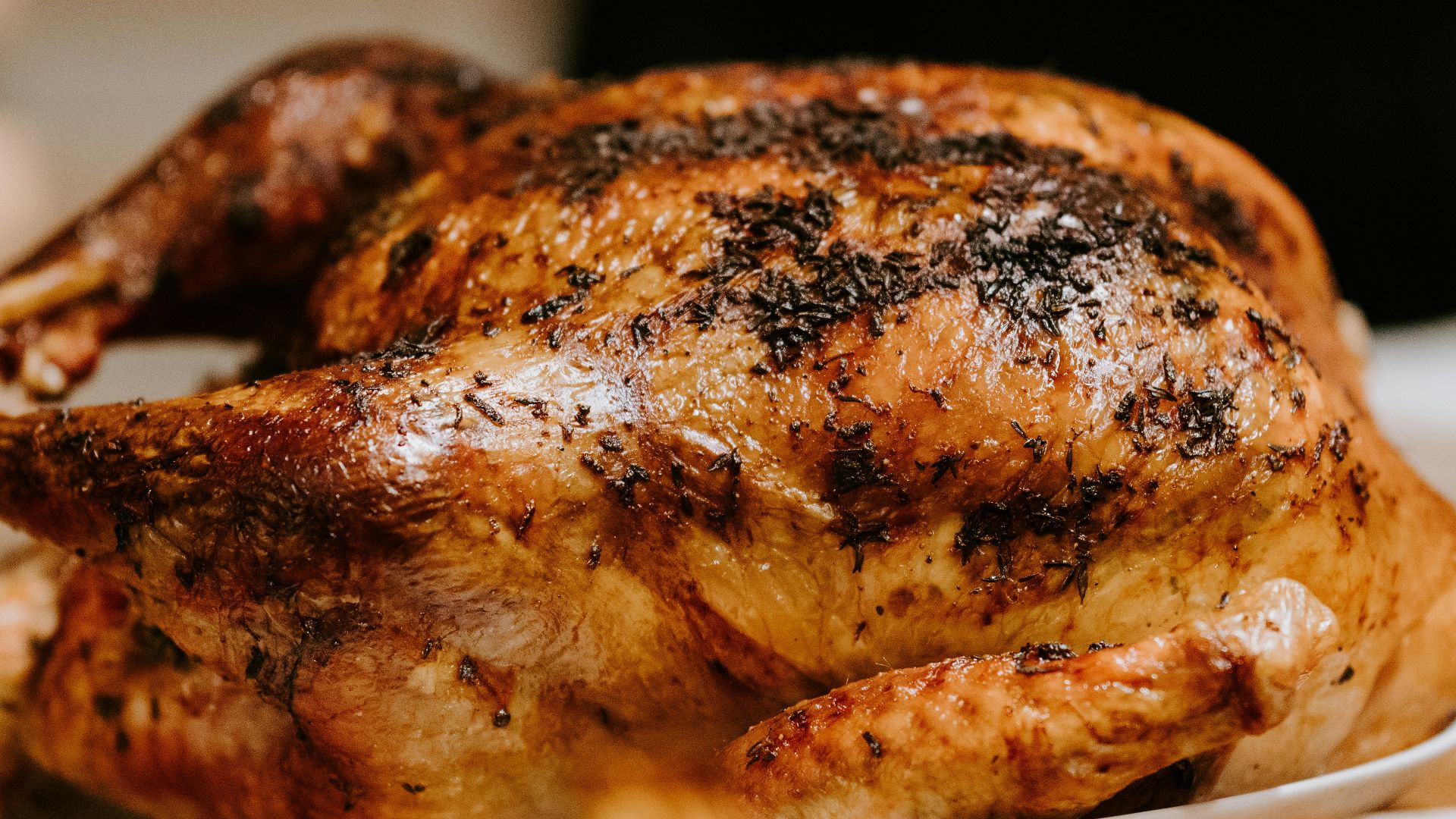
Turkey helps your triceps recover from doing push-ups or tricep dips. It contains amino acids that repair tears in your muscles to allow them to rebuild stronger than before. Make a sandwich or wrap with turkey for a quick and simple meal on the go.
 Karolina Grabowska on Unsplash
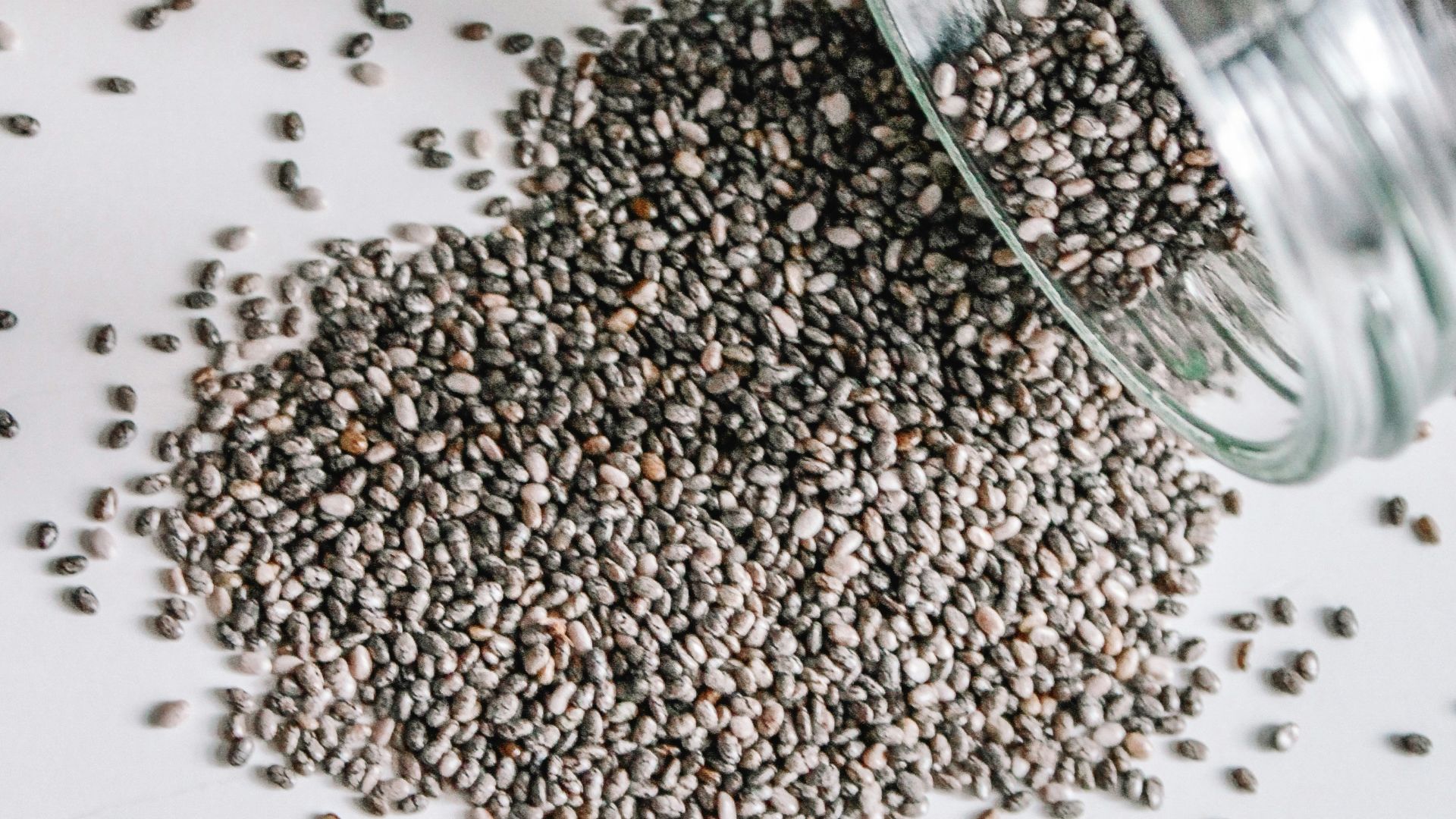
19. Hip Flexors - Chia Seeds
Chia seeds help your hip flexors stay limber and strong. They’re high in omega-3 fatty acids and fiber to help prevent your hip flexors from tightening up. Add them to your yogurt or smoothie to give your body what it needs.
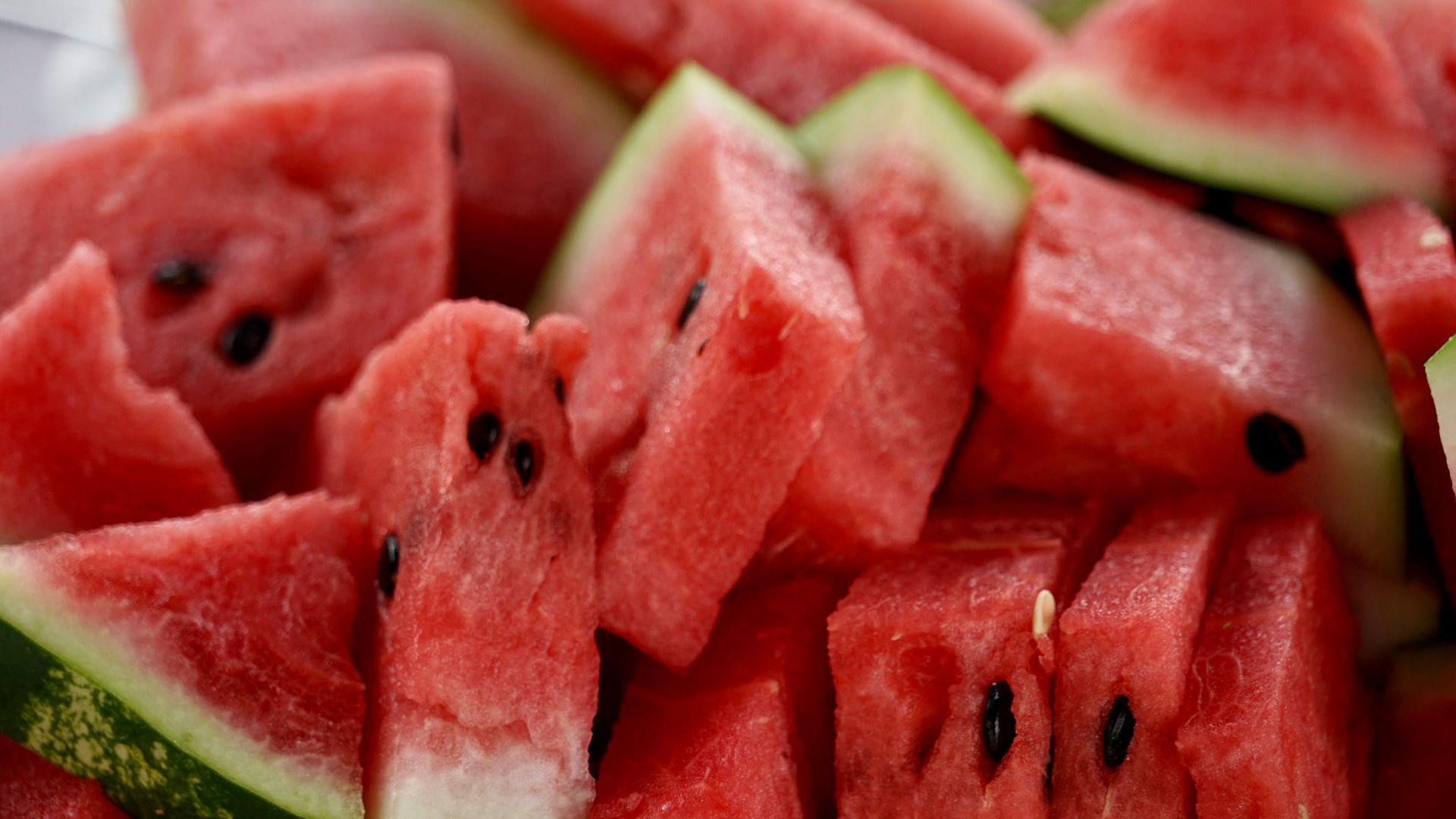
20. Full Body - Watermelon
Last but not least, watermelon helps your entire body recover from exercising. It’s refreshing, hydrates you, and contains tons of vitamins your muscles need to recover. Top it with some salt for a sweet reward you deserve.
KEEP ON READING

20 Things Your Body Is Secretly Doing Right Now

20 Reasons You Might Wake Up With a Headache