
Why Your Numbers Can Creep Up
Anger and salt aren't the only two things that spike your blood pressure; in fact, many things can affect readings, and that’s exactly why it catches so many people off guard. Everyday habits, common medications, and even the way you schedule your day can pitch your readings higher than you’d expect. Curious to see what you might be doing right or wrong? Here are 10 surprising things that influence your blood pressure, plus 10 foods to avoid.
1. Rushing Through Your Morning
When you sprint from bed to email to traffic, your body responds as if it’s under threat and your blood pressure can jump quickly. That surge often shows up even if you feel “fine” emotionally, because stress hormones still rise. Building in a small buffer of time can make your readings more stable across the day.
2. Overusing Pain Relievers Like NSAIDs
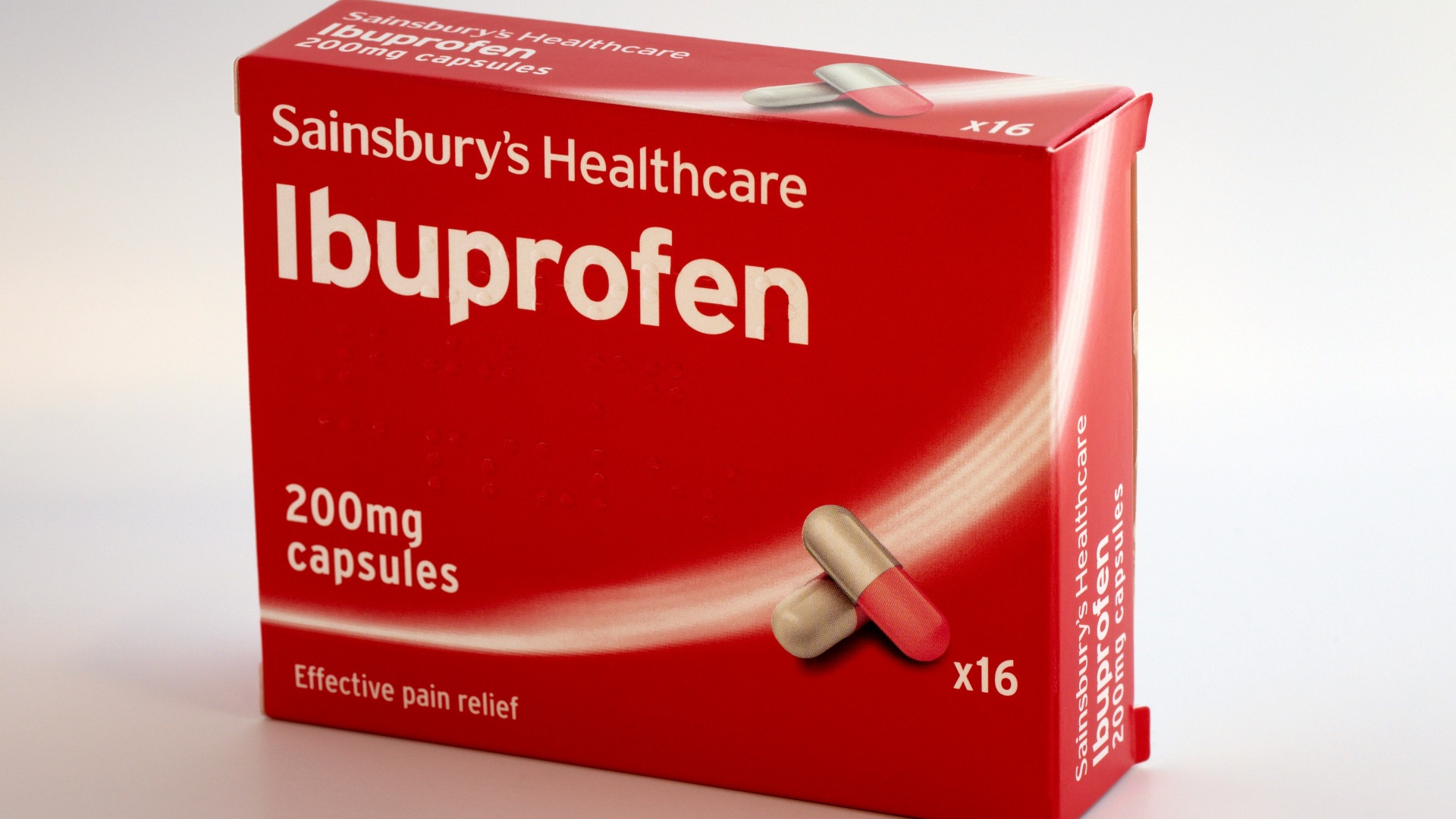
Common anti-inflammatory pain medications can cause your body to retain sodium and water, which raises blood pressure in some people. They may also reduce kidney blood flow, making it harder to regulate fluid balance. If you use these often, it’s worth discussing safer options with a clinician.
3. Poor Sleep
A short or restless night can increase sympathetic nervous system activity, which tends to push blood pressure upward. Your appetite hormones can also shift, making salty or sugary foods more tempting the next day. If your readings look random, sleep quality is a smart place to check.

3. Dehydration
When you’re mildly dehydrated, blood vessels can narrow and your heart may work harder to maintain circulation. That combination can lead to a noticeable bump in blood pressure, especially during exercise or hot weather. Keeping fluids steady throughout the day is often more effective than chugging water at night.
5. Too Much Caffeine at the Wrong Time
Caffeine can temporarily increase blood pressure by stimulating your nervous system and tightening blood vessels. Some people metabolize it slowly, so the effect lasts longer than they expect. If you monitor at home, try measuring before and after coffee to see your personal pattern.

6. Loneliness
Loneliness doesn’t just affect your mood; it can push your blood pressure higher by keeping your body in a more activated stress state. It’s also tied to poorer sleep and less consistent routines, which makes it easier for your numbers to drift upward over time. If this feels familiar, small, regular social touchpoints and supportive conversations can be a practical part of your blood pressure plan, not an optional extra.

7. Skipping Meals and Then Eating Big
Going too long without food can stress your system and raise certain hormones that influence blood pressure. Then, when you eat a large meal, especially a salty one, that can add an extra push upward. Regular, balanced meals tend to support steadier readings.

8. A Full Bladder
It might sound surprising, but studies have shown that holding your urine can measurably increase blood pressure for a short period of time. There's a simple solution, of course, but it can make home readings look worse than they really are if you're not emptying your bladder beforehand.
9. Talking While You Measure
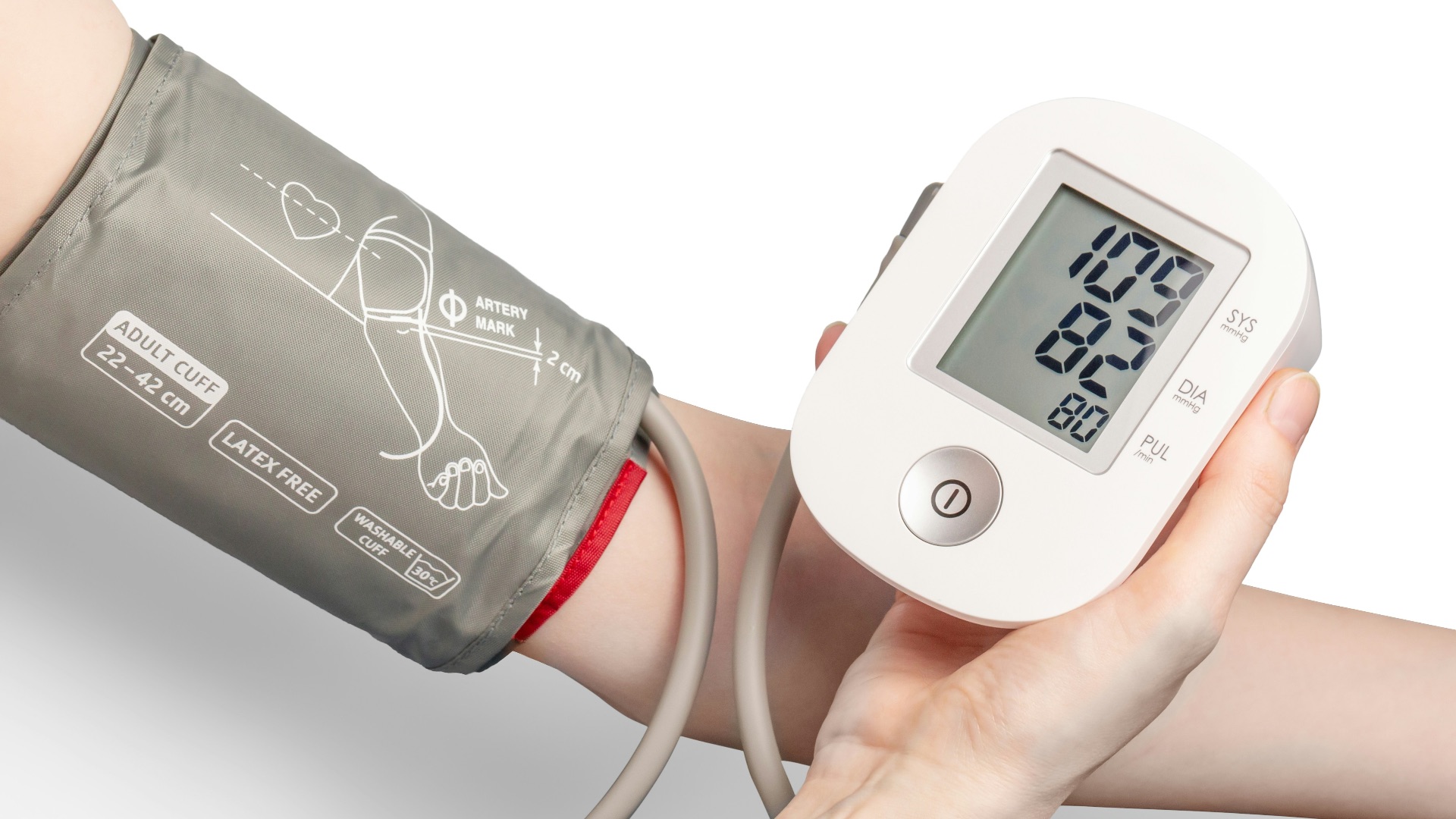
Blood pressure readings are sensitive to movement and stimulation, even if it seems minor. Speaking can raise your numbers because it activates your nervous system and changes breathing patterns; the topics you discuss may affect your readings as well, depending on the emotional content. Sitting quietly with your feet flat for a few minutes gives you a more accurate result.

10. Certain Decongestants and Cold Medicines
Many decongestants, especially those with ingredients like pseudoephedrine and phenylephrine, can tighten blood vessels to reduce nasal swelling, and that same action can raise blood pressure. The effect can be stronger if you already have hypertension or you’re sensitive to stimulants. Reading labels carefully and asking a pharmacist for alternatives can save you frustration.
Wondering how you can steady your blood pressure? You might have to make some lifestyle changes elsewhere, but food is a big one, and that's what we'll cover next. Read on for what you should avoid on your plate.

1. Processed Meats
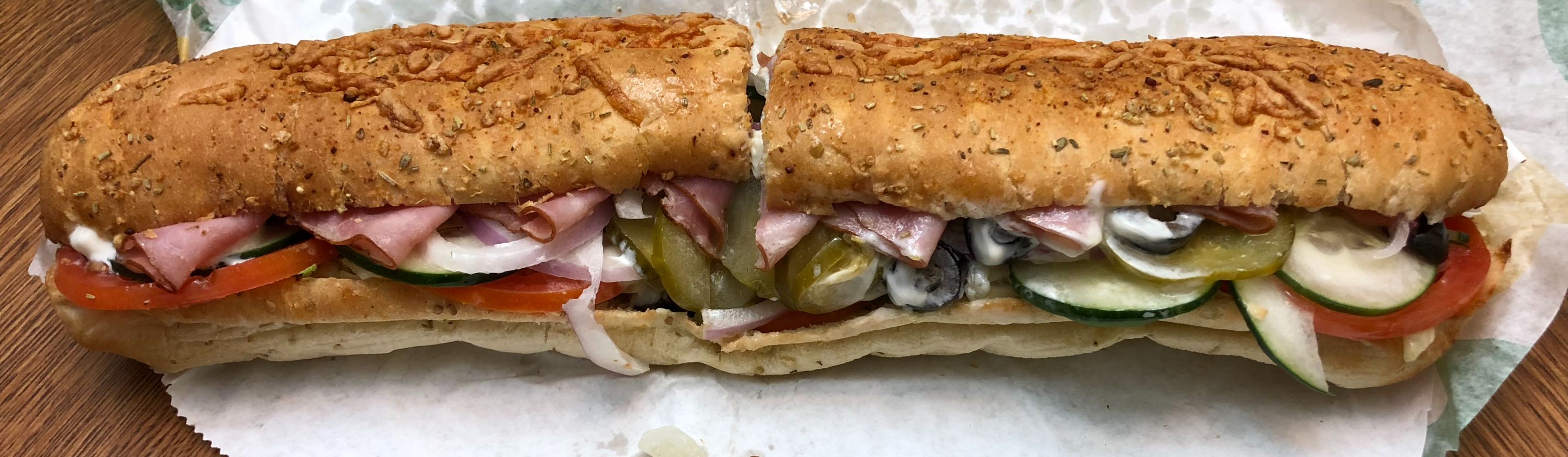
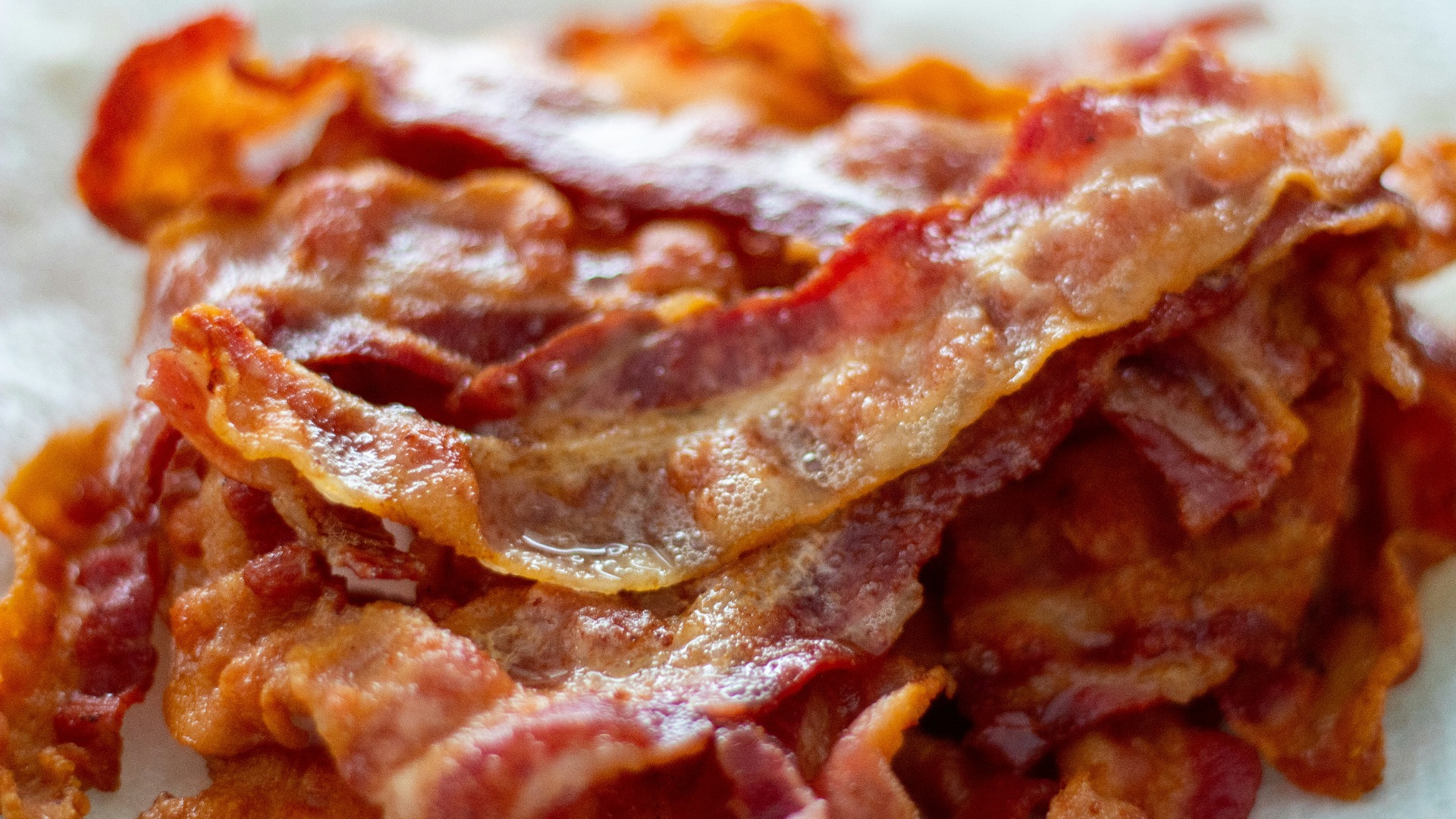
Processed meats like bacon, hot dogs, and deli slices often contain high sodium levels that pull water into your bloodstream and increase pressure. Preservatives and added salts can add up quickly, even when the portion looks reasonable on the plate. Choosing fresh proteins more often can make a noticeable difference.
2. Canned Soups and Broths
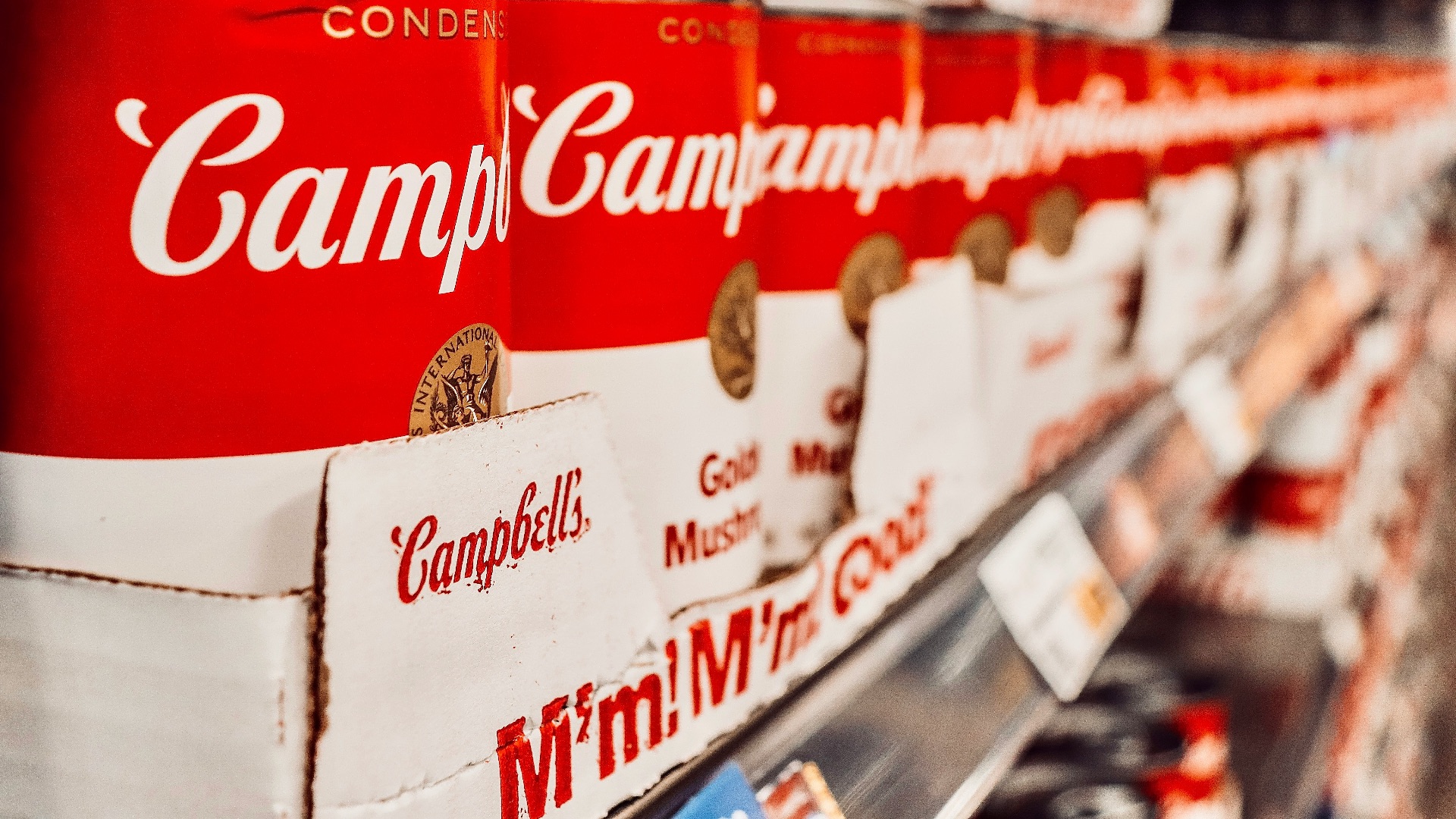
You might think soup is harmless, but many canned versions are loaded with sodium for flavor and shelf life. A single serving can contain a large share of your daily sodium limit, and it’s easy to eat more than one serving. Low-sodium options help, but checking the label matters.
3. Fast Food Meals
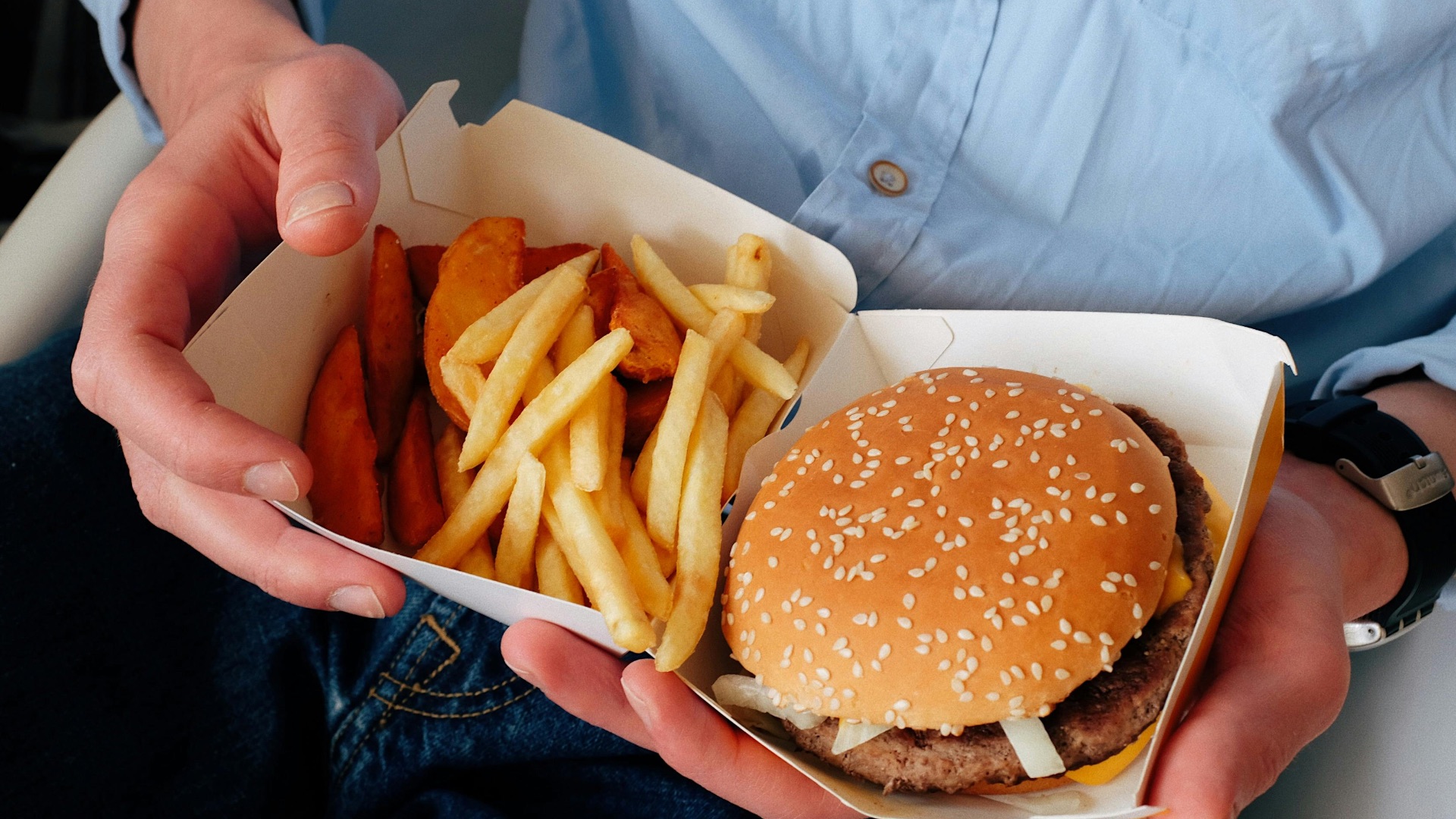
Fast food commonly combines high sodium, saturated fat, and large portions, which can strain blood pressure control. Sauces, buns, and sides often contribute as much salt as the main item. If you do eat it, ordering smaller portions and skipping extra sauces can reduce the impact.
4. Pickles and Pickled Vegetables
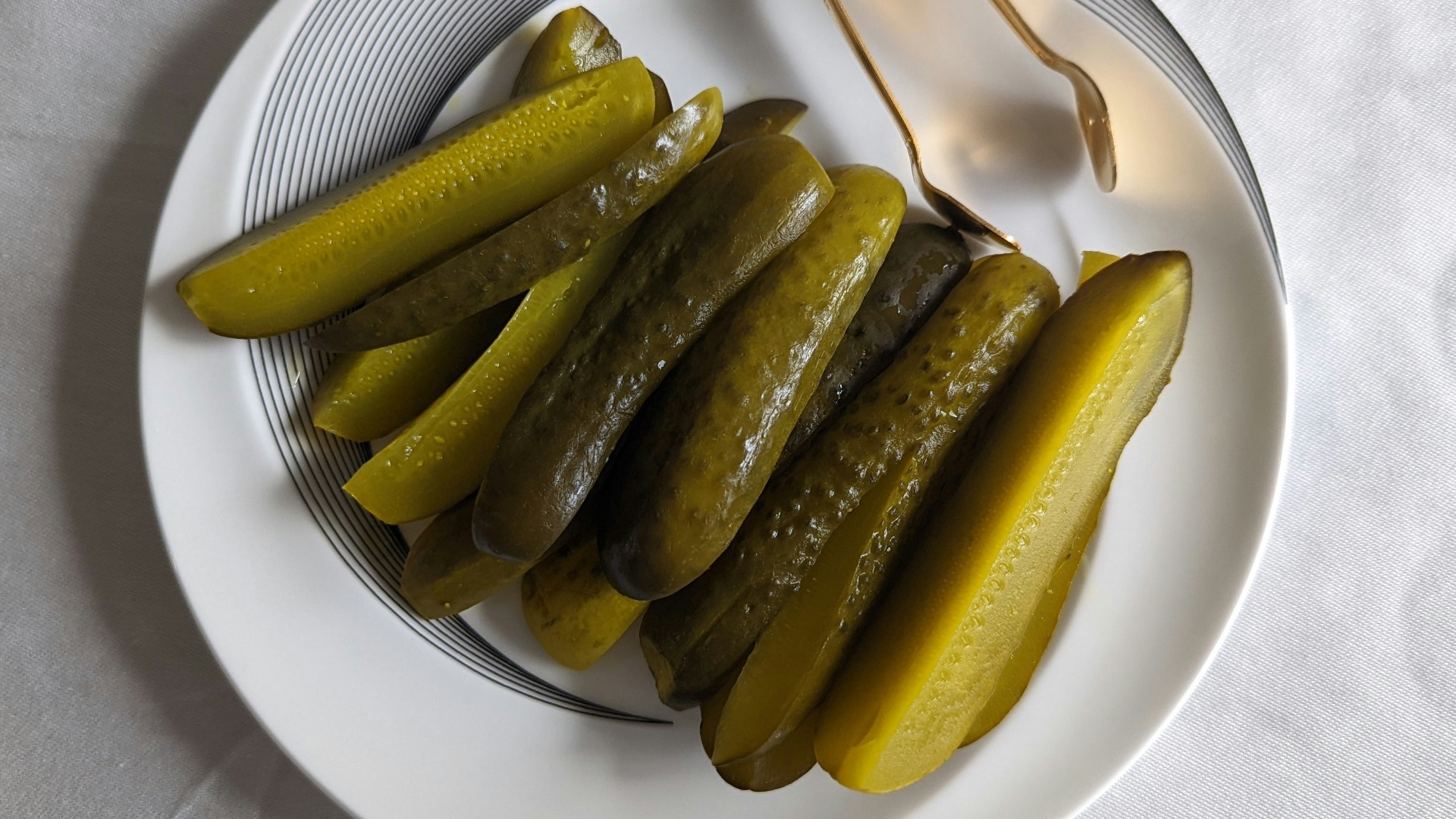
If you're someone who (surprisingly) enjoys eating pickles, be careful: pickling typically relies on salt, and that can drive sodium intake up fast. Even a few pieces can push your daily total higher than you realize. If you love the flavor, look for lower-sodium versions or keep servings small.
5. Salty Processed Snacks
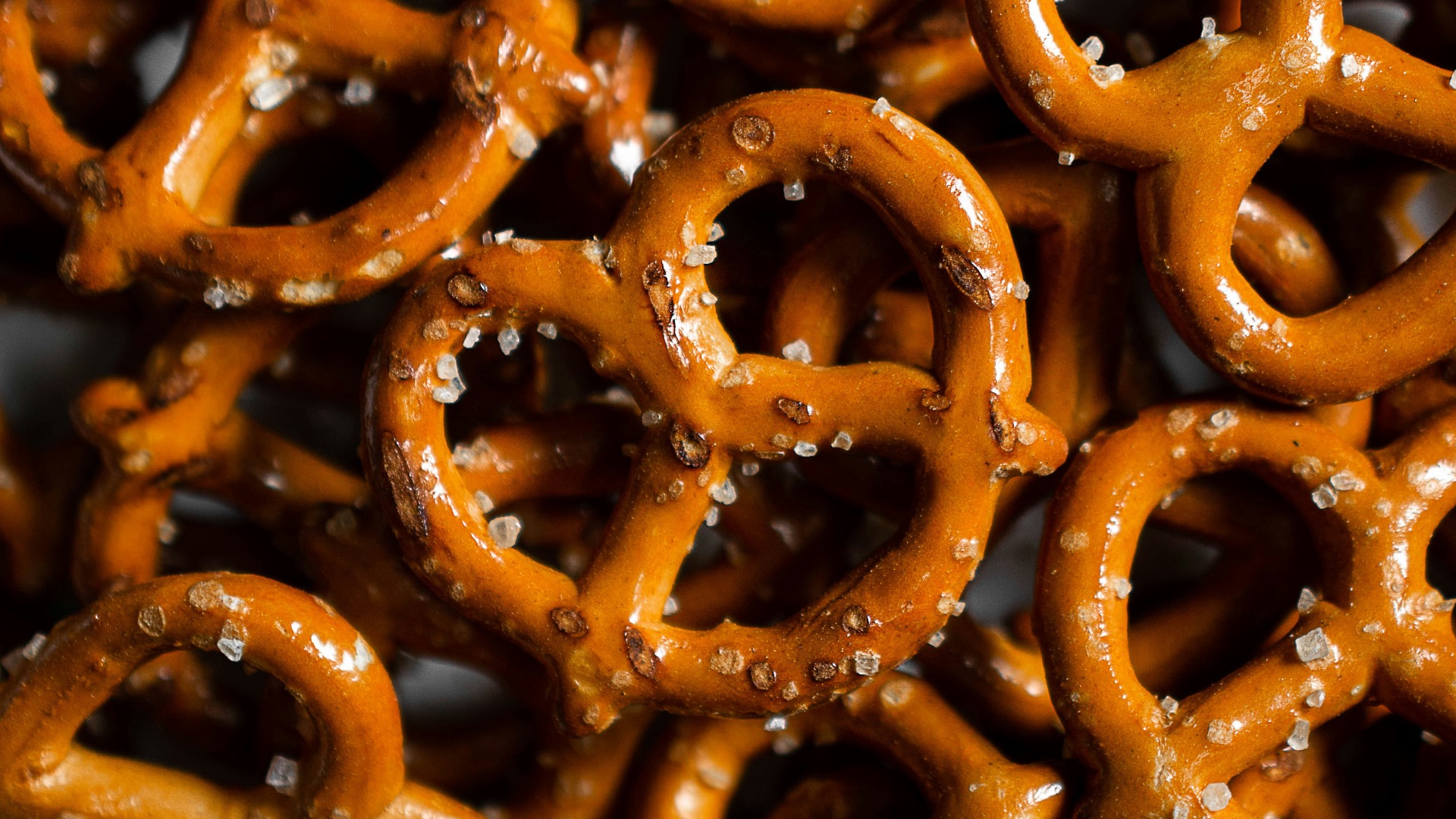
Processed snacks, like chips, crackers, and pretzels, are engineered to be easy to overeat, and sodium is a big part of that design. Eating them mindlessly can lead to a sudden sodium load that affects blood pressure later in the day. Swapping in unsalted nuts or fresh options can be an easy win.
6. Frozen Dinners
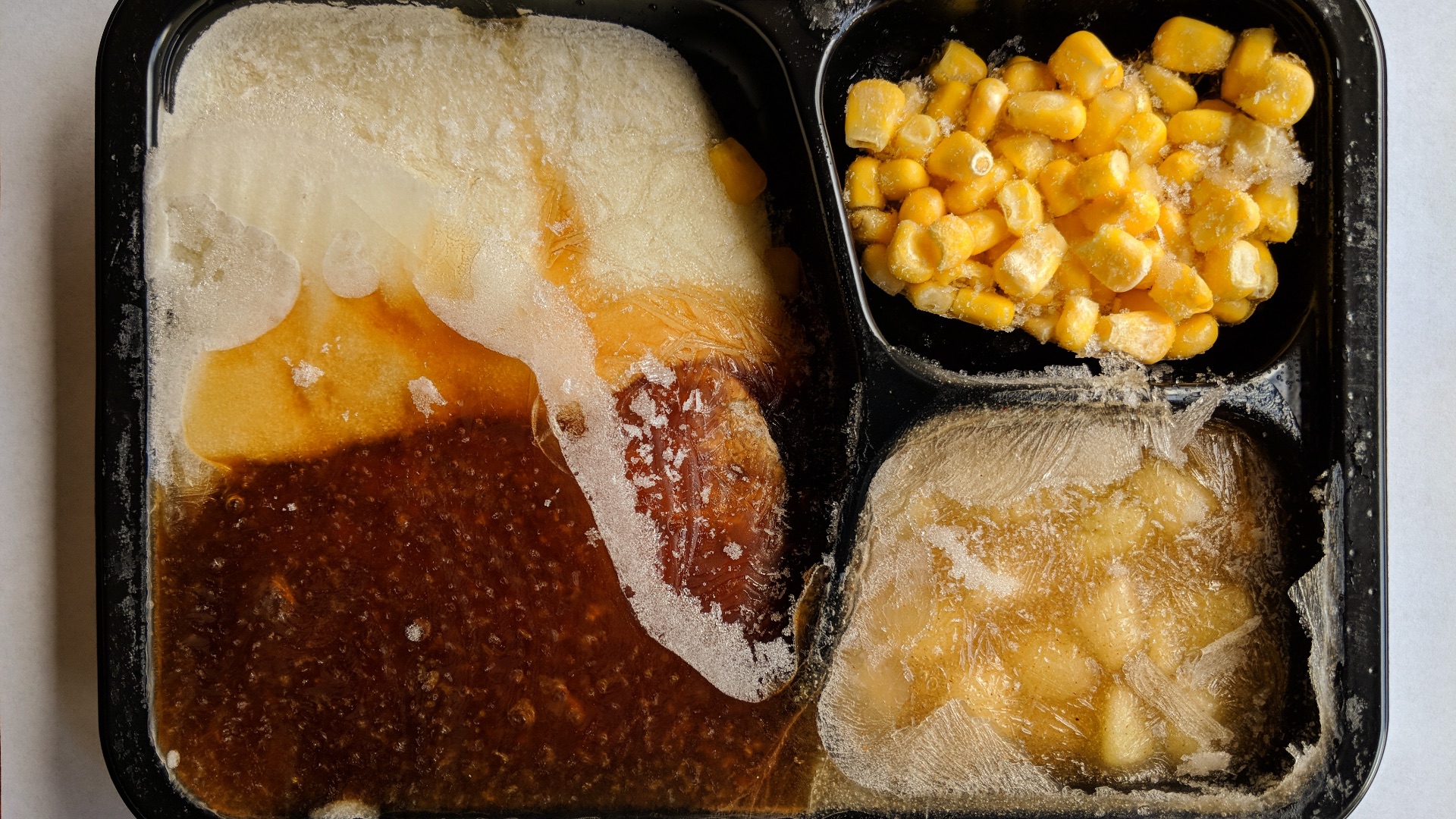
Many frozen meals are convenient, but sodium is often used to keep flavor intact after freezing. Even “healthy” labels can hide surprisingly high amounts. Scanning nutrition facts for sodium per serving helps you avoid accidental spikes.
7. Restaurant Sauces and Condiments
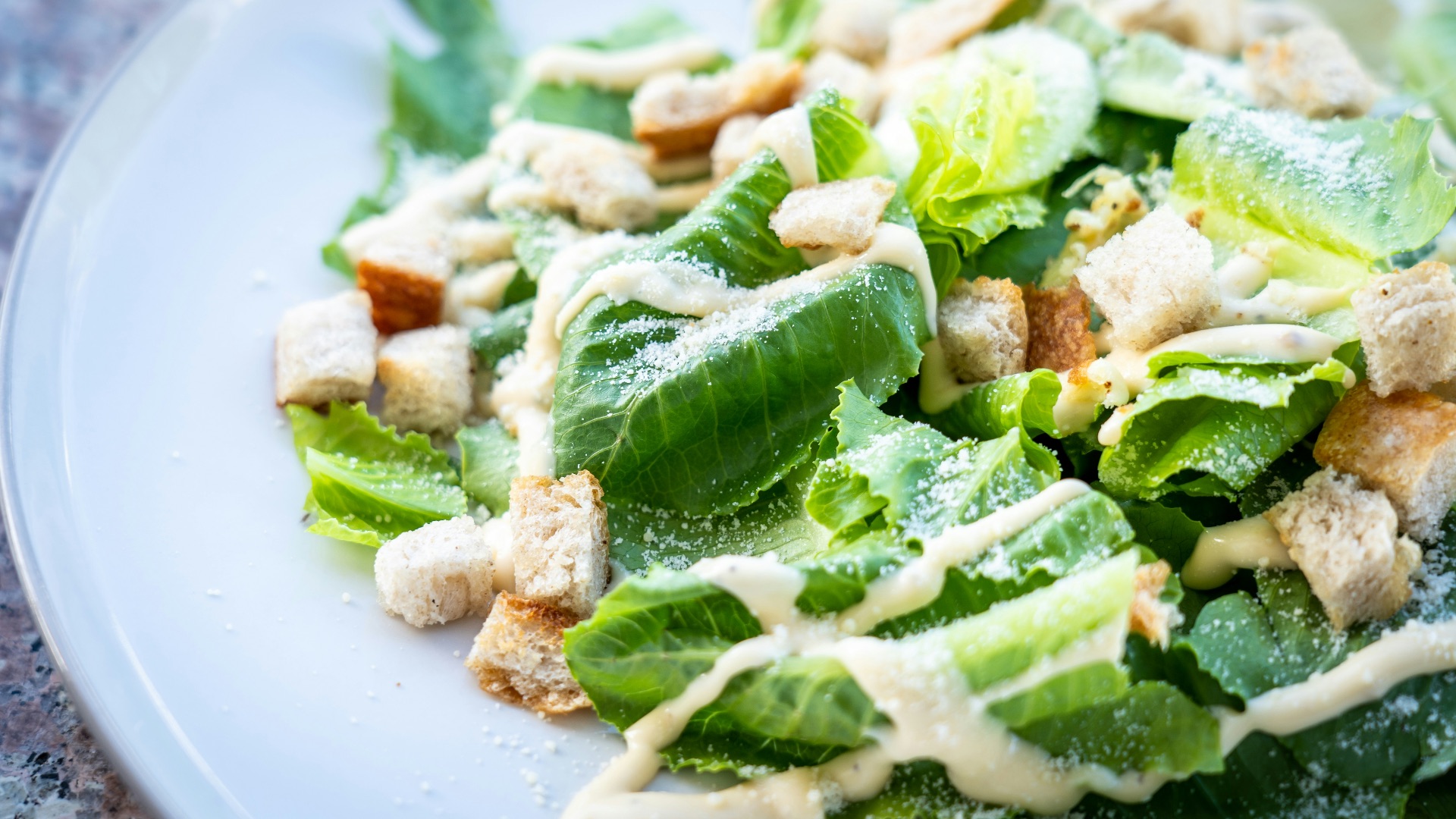
Sauces, dressings, and marinades can contain concentrated sodium, and they’re often added generously. You might choose a reasonable entrée and still end up with a high-salt meal. Asking for sauces on the side gives you control without making the meal awkward.
8. Cheese, Especially Processed Varieties
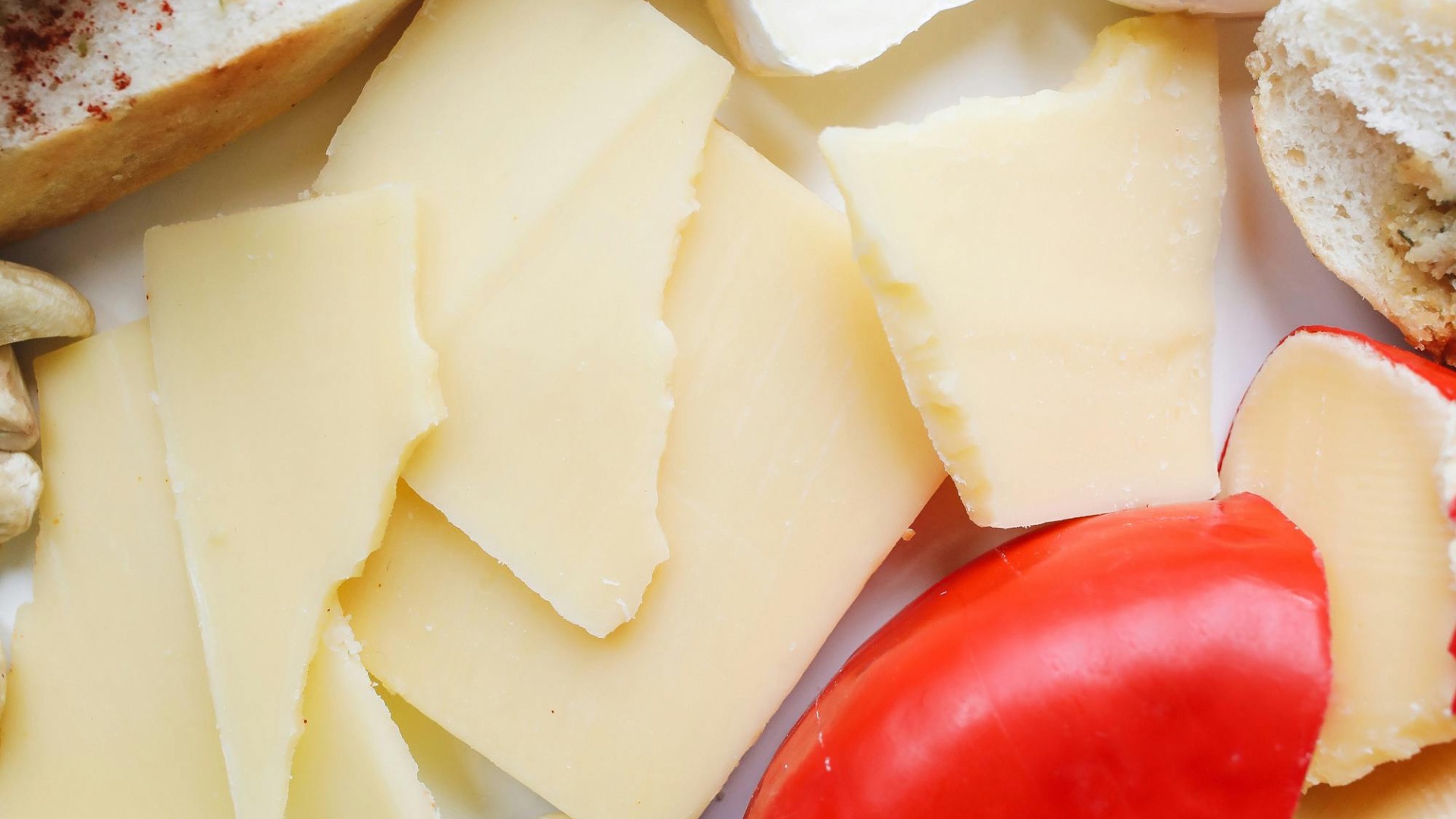
Cheese can be high in sodium and saturated fat, and processed slices or spreads tend to be worse. Portions often creep up because it’s easy to add extra without thinking. If you eat cheese regularly, choosing lower-sodium varieties and sticking to smaller servings can help.
9. Baked Goods with Hidden Sodium
Bread, muffins, and pastries can contain more sodium than you’d expect because salt and leavening agents add up. This can quickly become a problem if you eat several servings across the day. Before you dig in, reading labels on everyday staples like bread can reduce your baseline intake.
10. Sugary Drinks and Sweetened Coffee Drinks
High sugar intake can contribute to weight gain and insulin resistance, both of which are tied to higher blood pressure over time. Some sweetened drinks also contain caffeine, which can add a short-term bump. Switching to unsweetened beverages more often supports steadier numbers without feeling restrictive.