

Smart Tools That Work With Your Body, Not Against It
Fitness after 40 isn’t about punishment or chasing extremes. It’s about protecting joints, maintaining strength, improving recovery, and staying consistent without burning out. The right gadgets can help you train smarter, not harder, especially when your body needs more feedback and less guesswork. These 20 tools earn their place by supporting longevity and comfort, and by delivering real results.
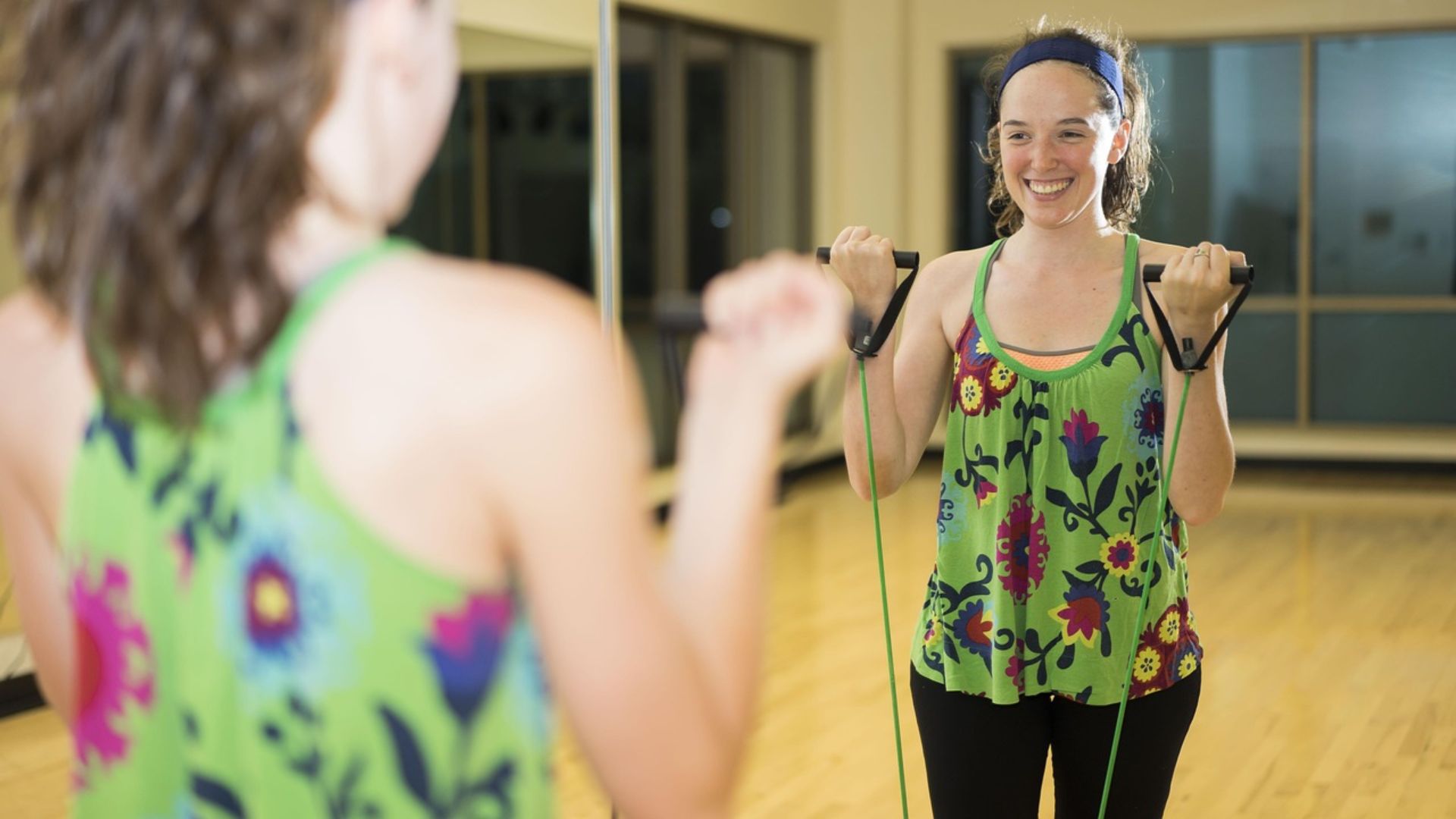
1. Adjustable Dumbbells
Adjustable dumbbells save space and reduce setup time. They allow gradual strength progression without clutter. You can train effectively without hauling heavy equipment around, and they’re especially helpful when you want flexibility without committing to a full rack.
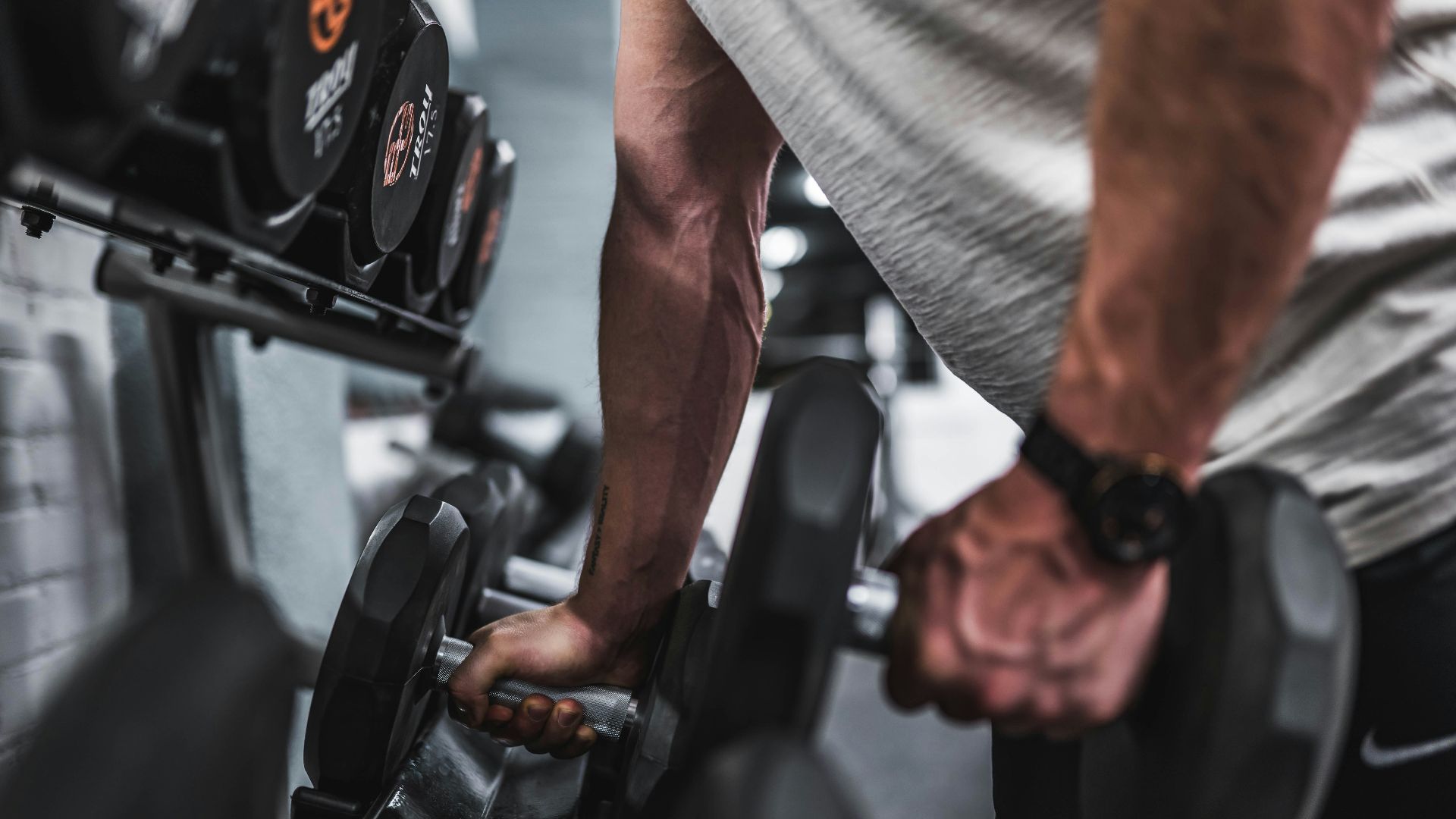
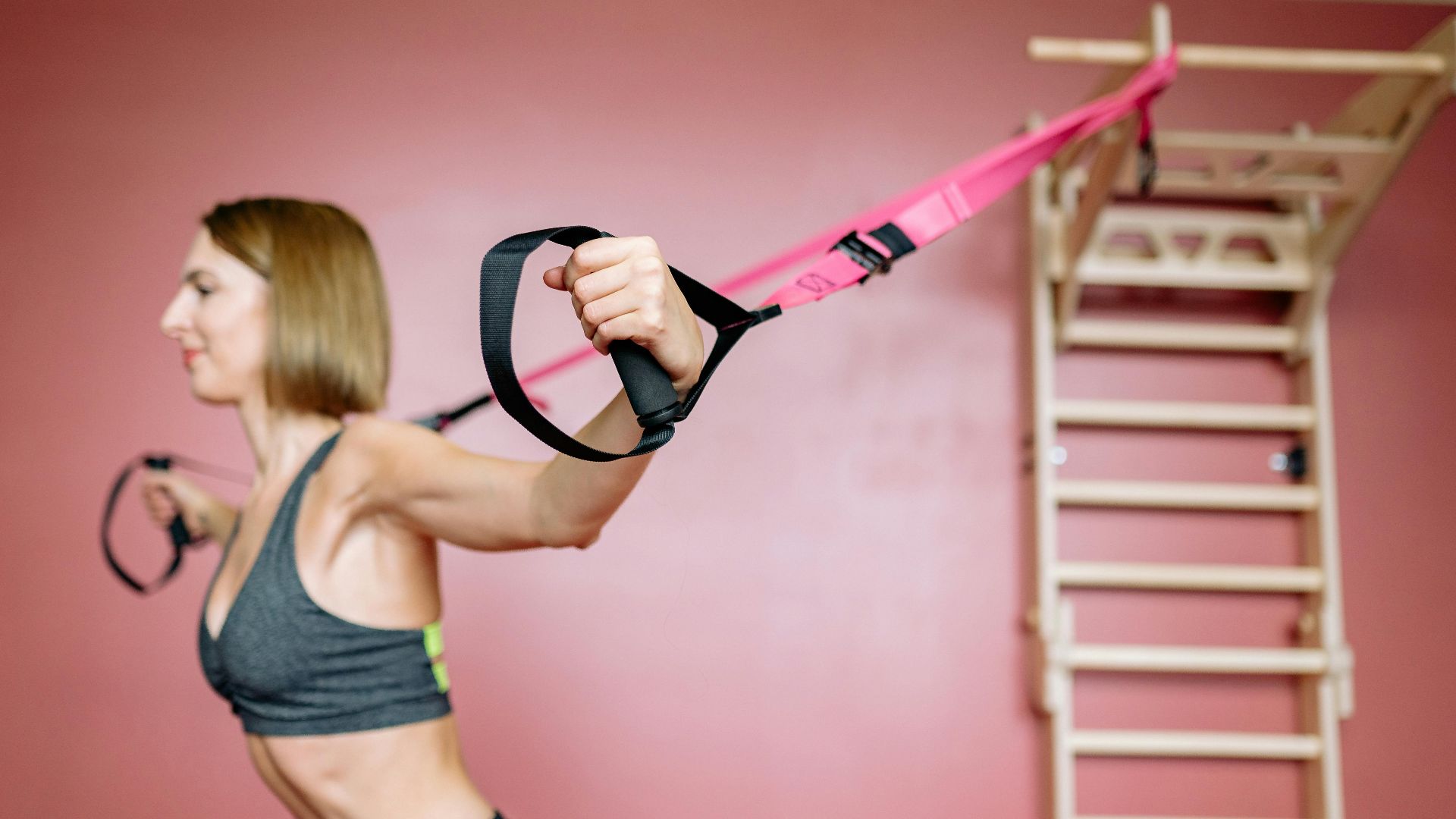
2. Resistance Bands With Handles
Resistance bands are joint-friendly and versatile. They’re excellent for warm-ups, rehab, and strength work. Tension can be adjusted easily without strain. They’re especially useful on days when heavy weights feel like too much. They also travel easily, which helps maintain consistency, even when your schedule doesn't allow for exercise.
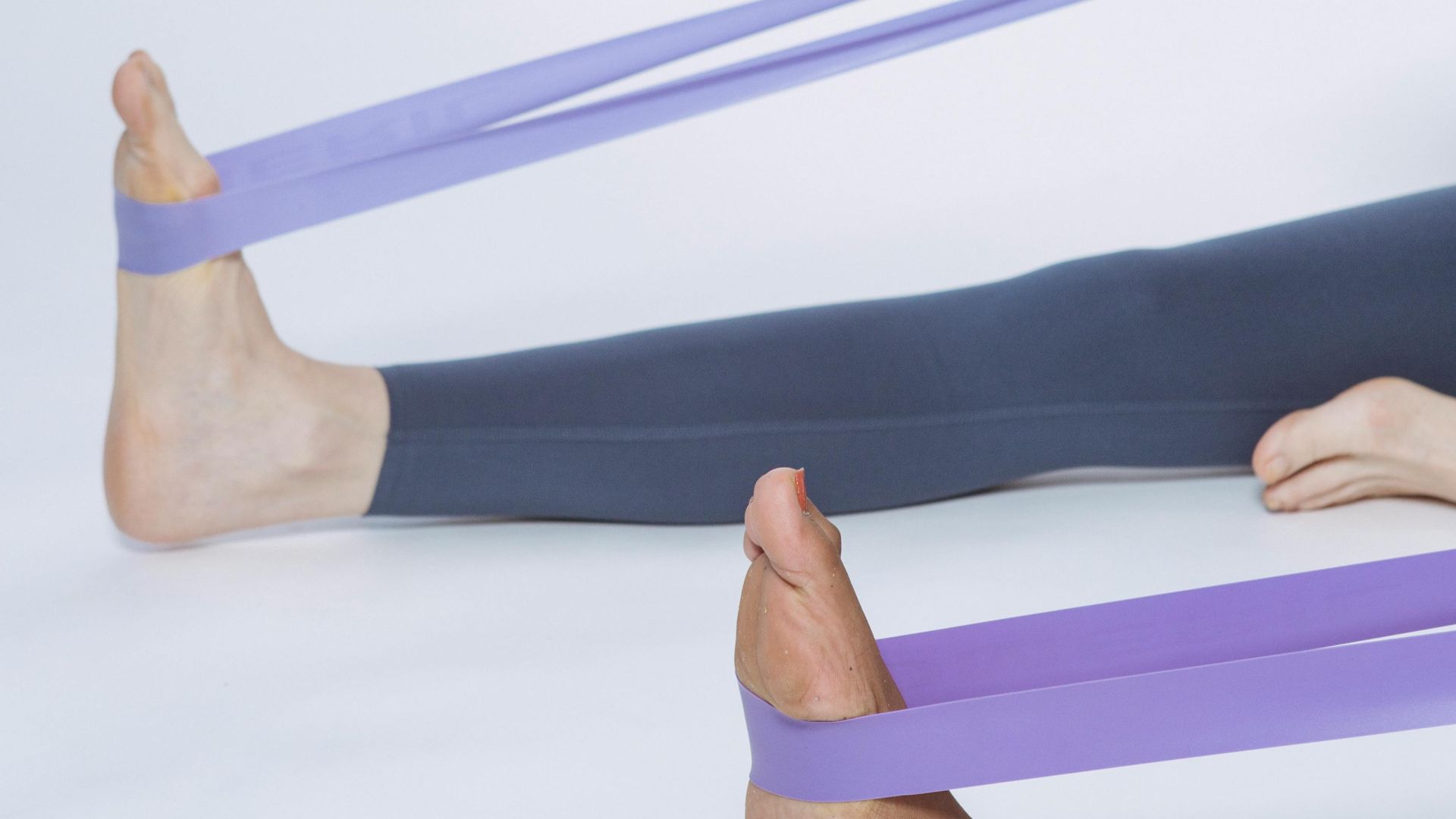
3. Foam Roller
Foam rolling improves circulation and reduces muscle stiffness. It helps with recovery between workouts. Regular use can improve mobility over time, and it’s simple but surprisingly effective. Even short sessions can make a noticeable difference.
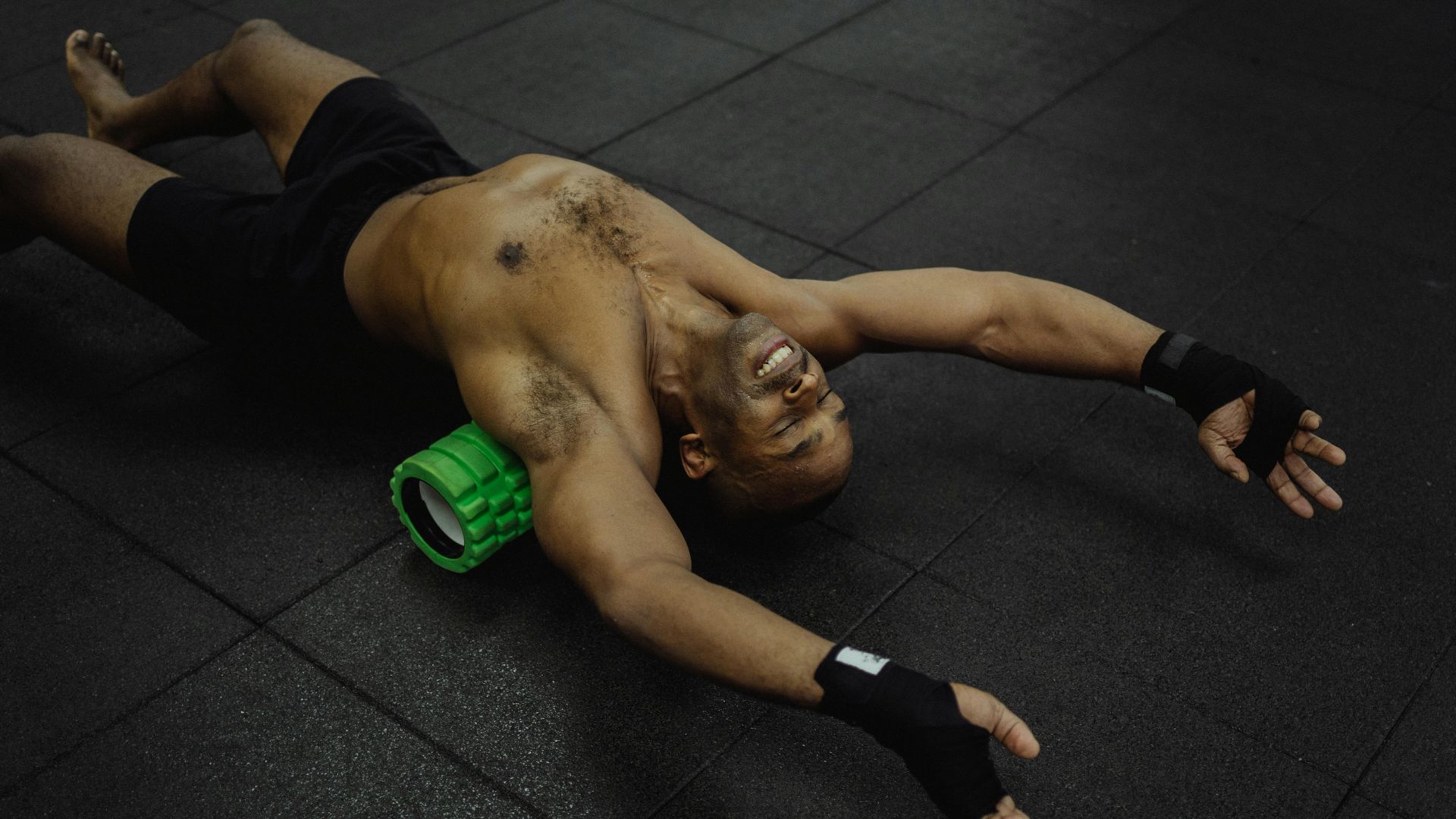
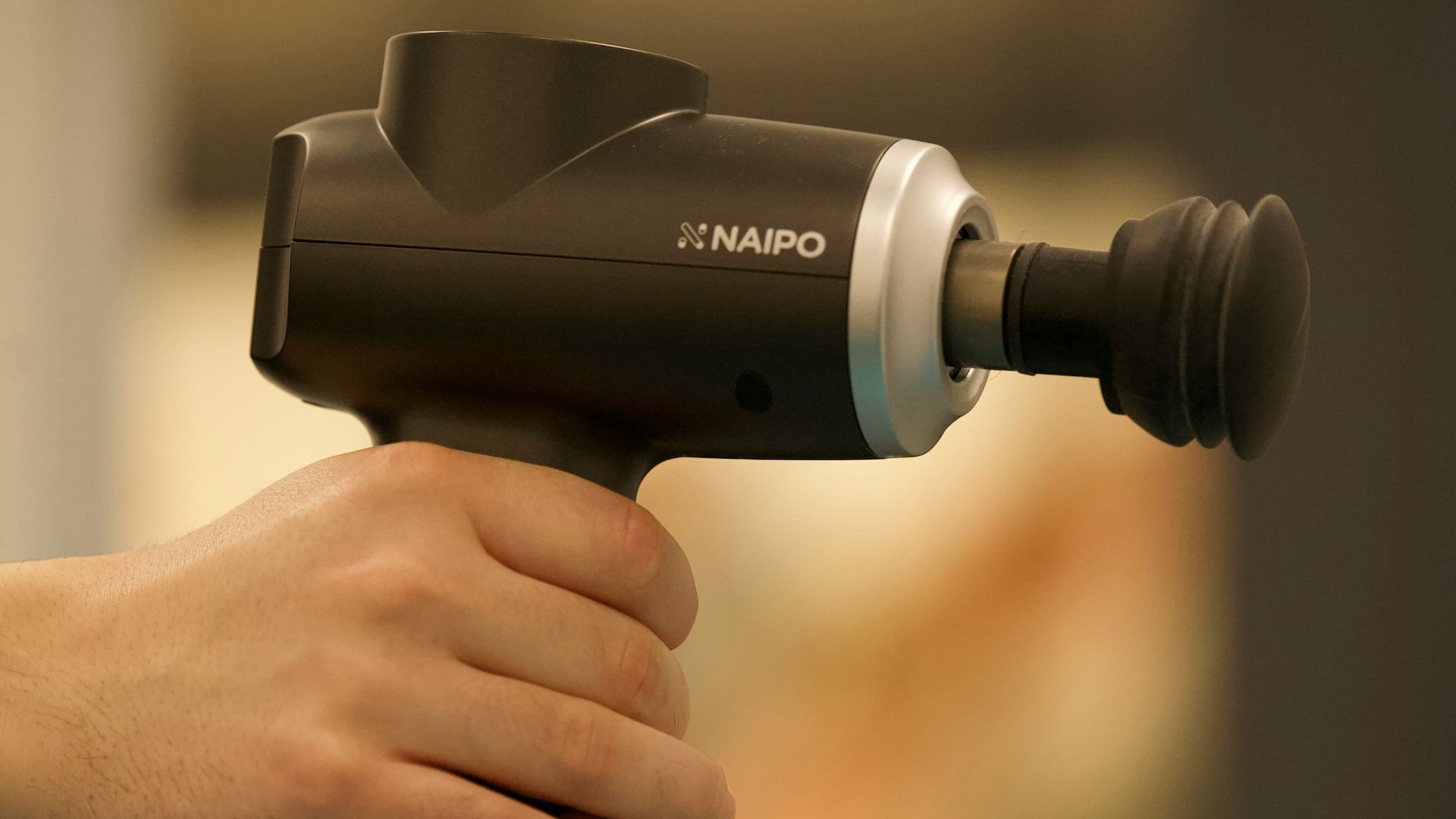
4. Massage Gun
Massage guns target deep muscle tension quickly. They’re useful for post-workout recovery or general stiffness. Intensity settings make them adaptable, and you control how much pressure your body gets. This control helps avoid overdoing it.
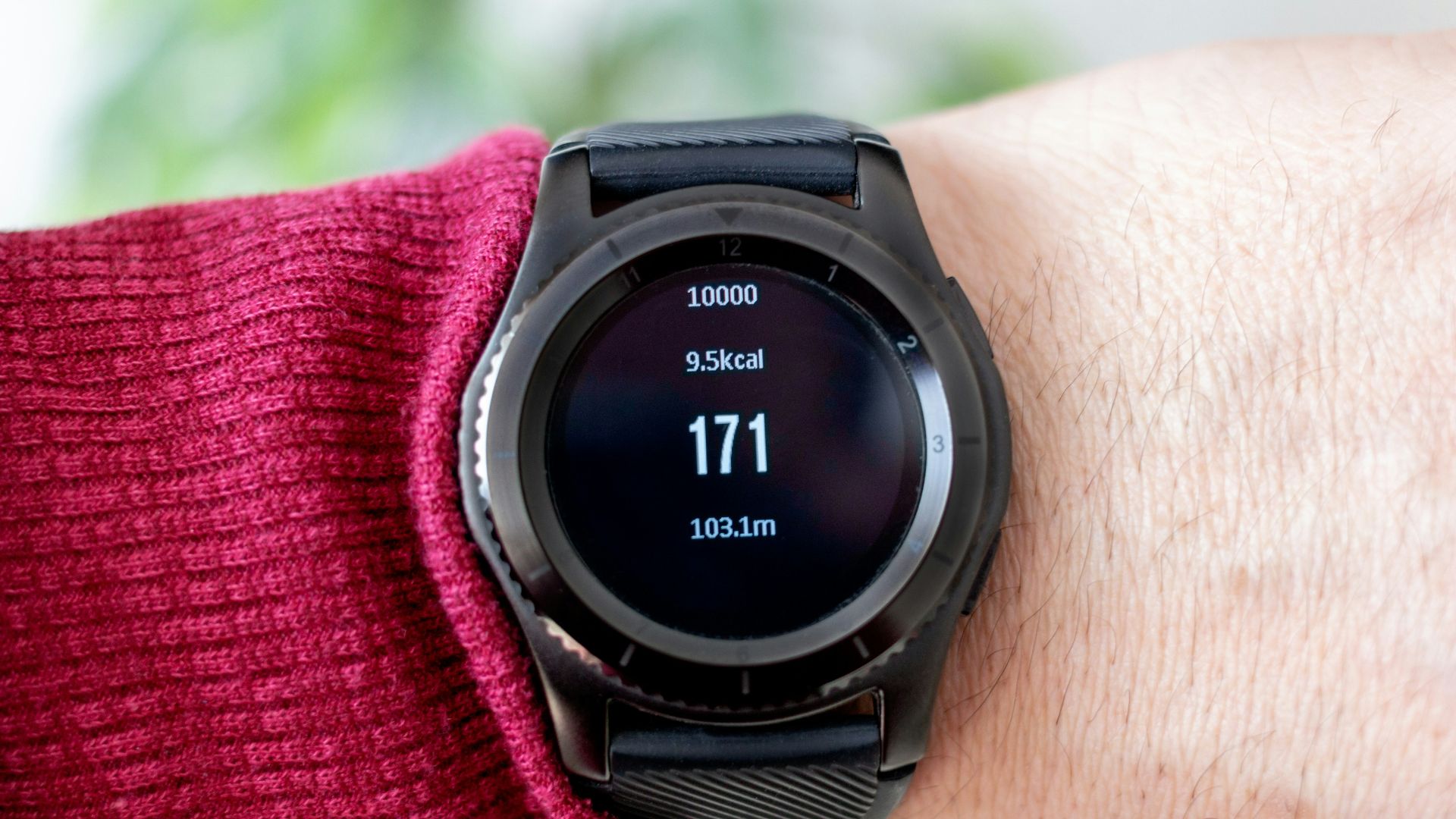
5. Heart Rate Monitor
Heart rate monitors help prevent overtraining. They give real-time feedback during cardio and workouts. That’s valuable when recovery isn’t instantaneous anymore. Training within the right zones matters more now, as guesswork becomes less reliable with age.
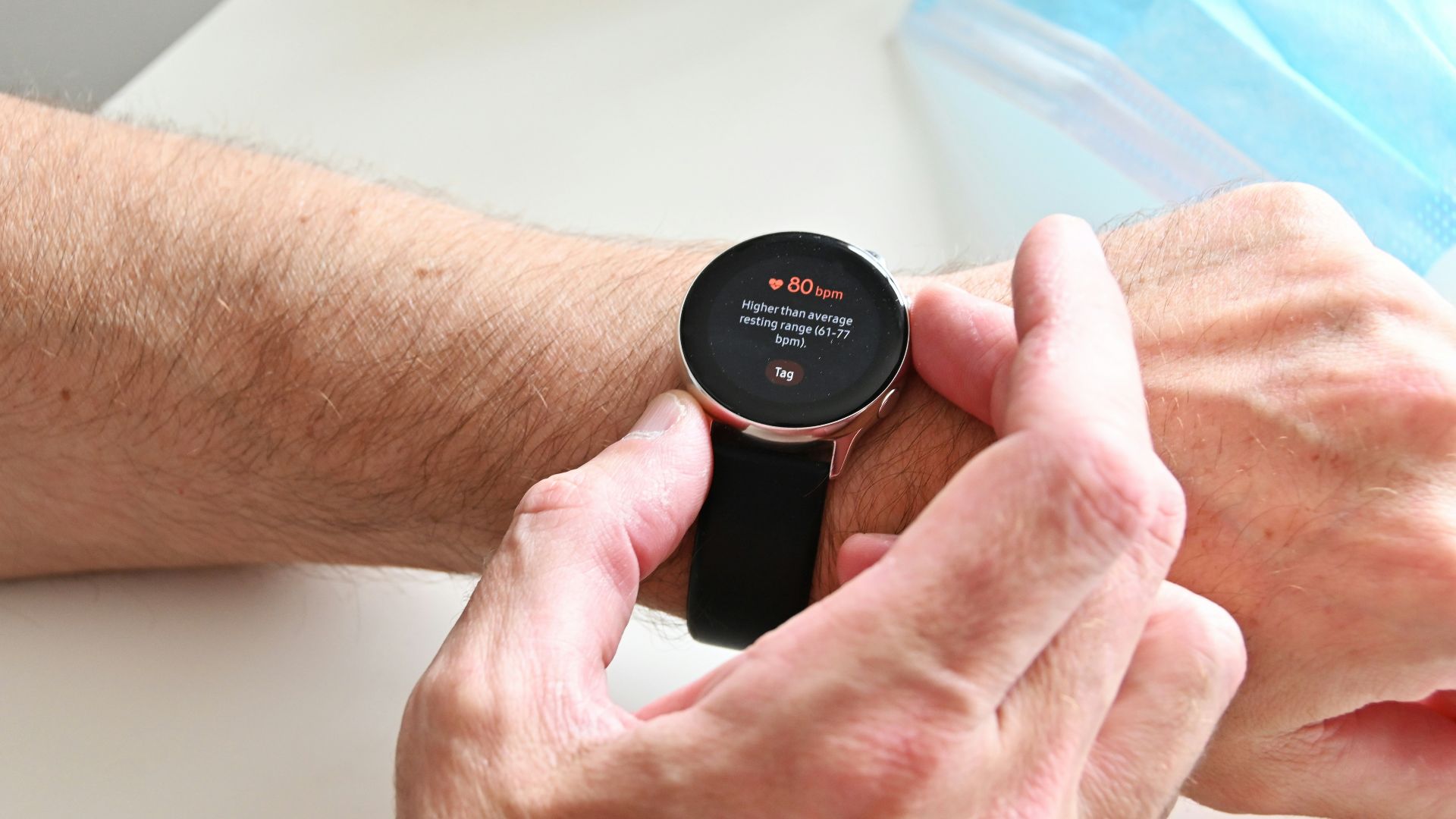
6. Smartwatch With Health Tracking
Modern smartwatches track sleep, steps, and activity levels. They help identify patterns rather than pushing extremes. Recovery metrics are often more useful than calorie counts. Awareness alone can improve consistency, and small insights add up over time.
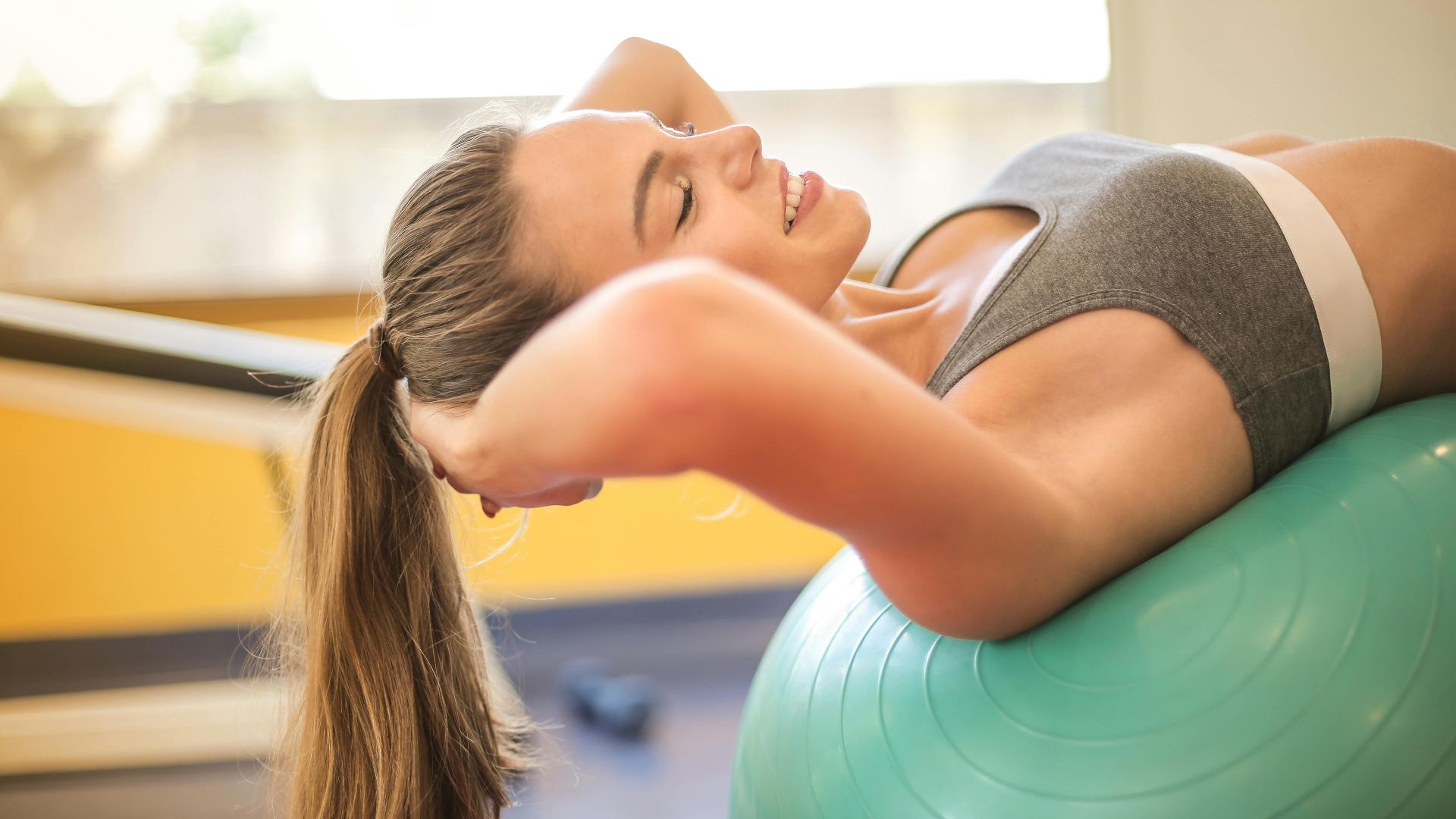
7. Stability Ball
Stability balls strengthen core muscles gently. They improve balance and posture. Exercises can be scaled easily. This matters as stability becomes a bigger focus than raw power as you age. They also encourage better movement awareness.
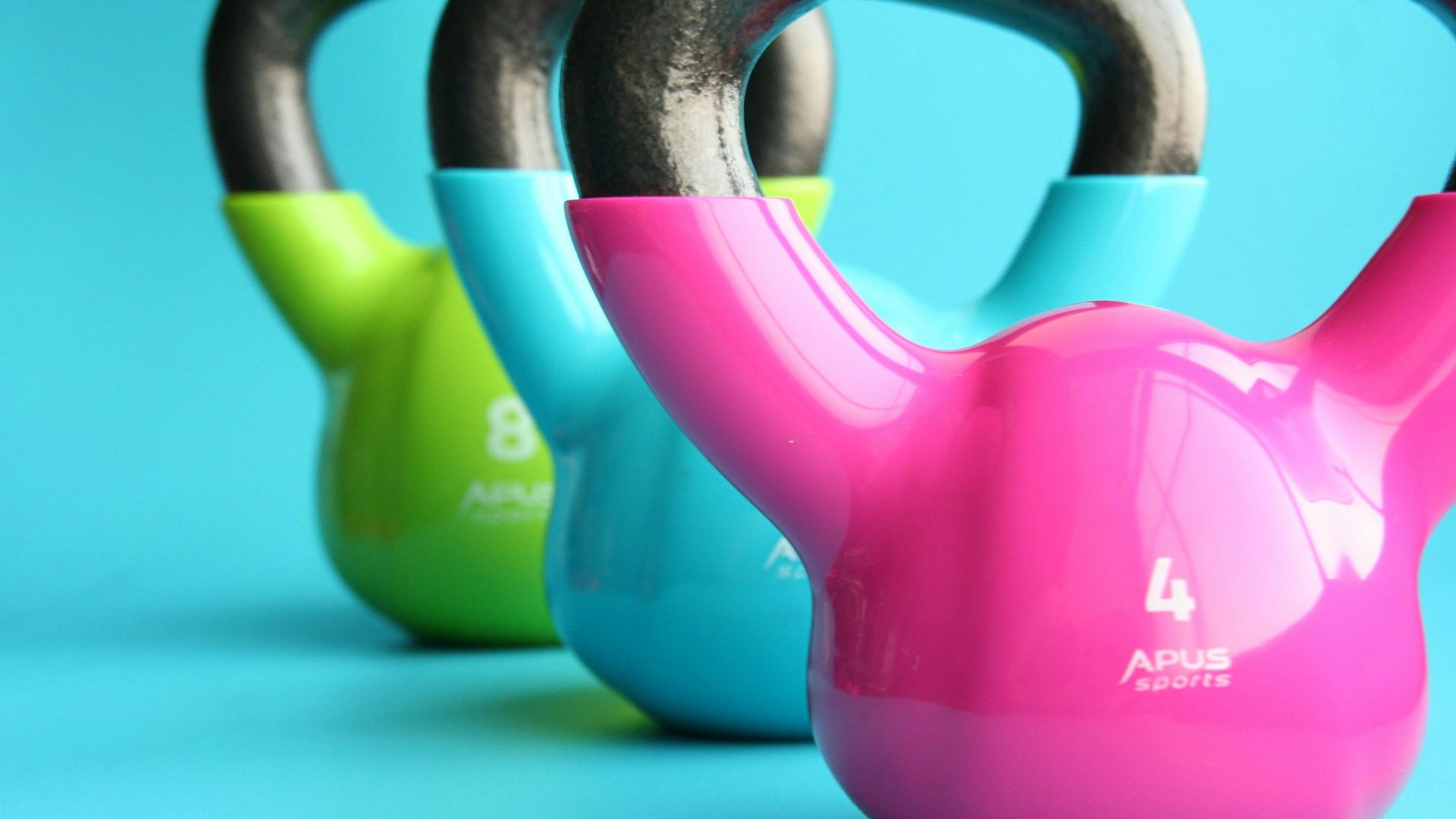
8. Adjustable Kettlebell
Kettlebells build functional strength and coordination. An adjustable version allows progression without overload, allowing movements to be dynamic but controlled. It’s efficient and joint-conscious, and you can train without unnecessary strain.
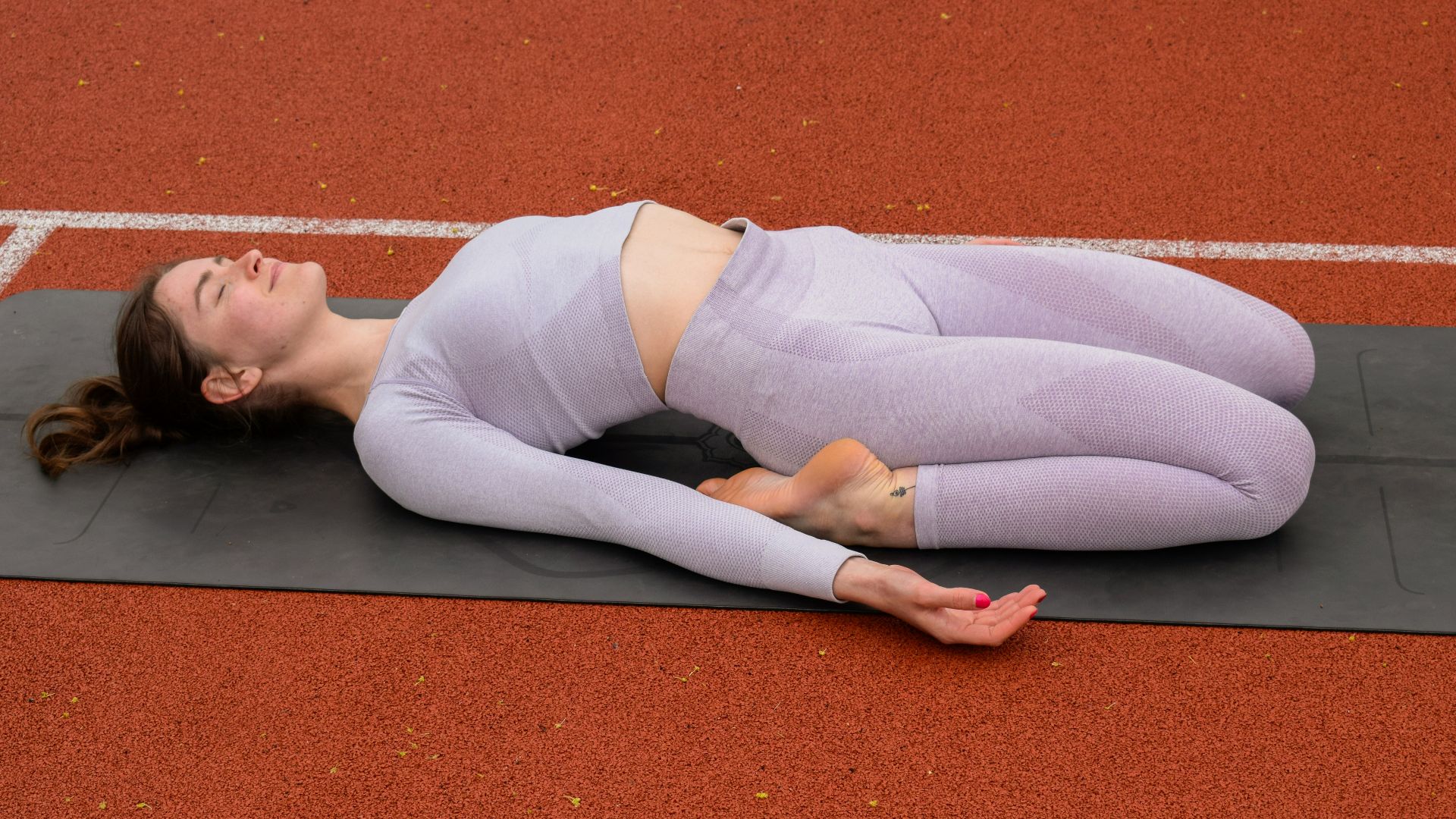
9. Yoga Mat With Extra Cushioning
Cushioned mats protect knees, hips, and wrists. Comfort encourages consistency. Furthermore, thin mats stop working well over time, whereas extra padding mathe kes floor work sustainable. It also reduces hesitation around mobility work.
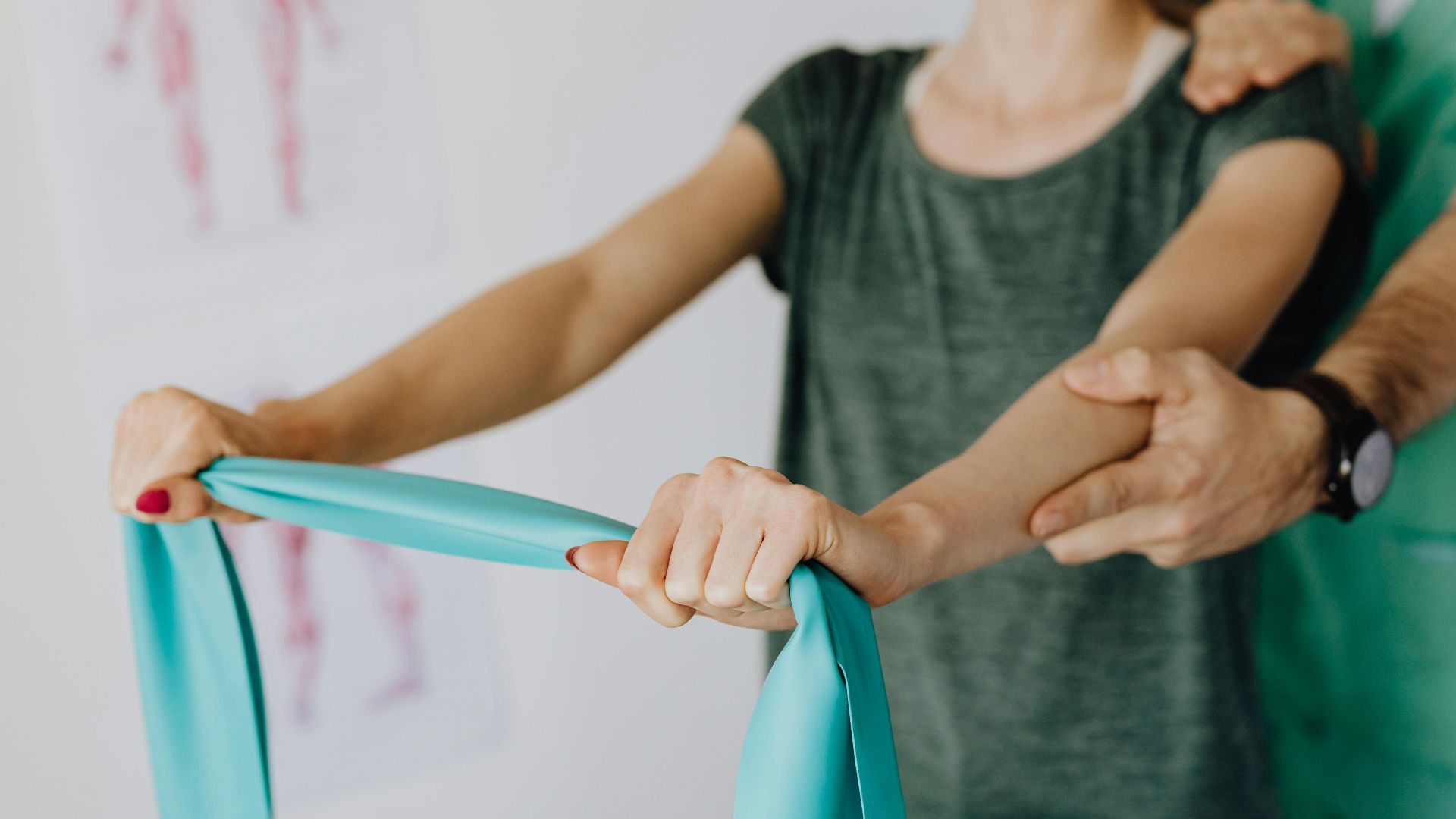
10. Pull-Up Assistance Bands
Assistance bands make pull-ups accessible again. They reduce strain while preserving movement patterns. Strength builds gradually instead of abruptly. That progression matters more than ego. They help rebuild confidence along with strength.
 Karolina Grabowska www.kaboompics.com on Pexels
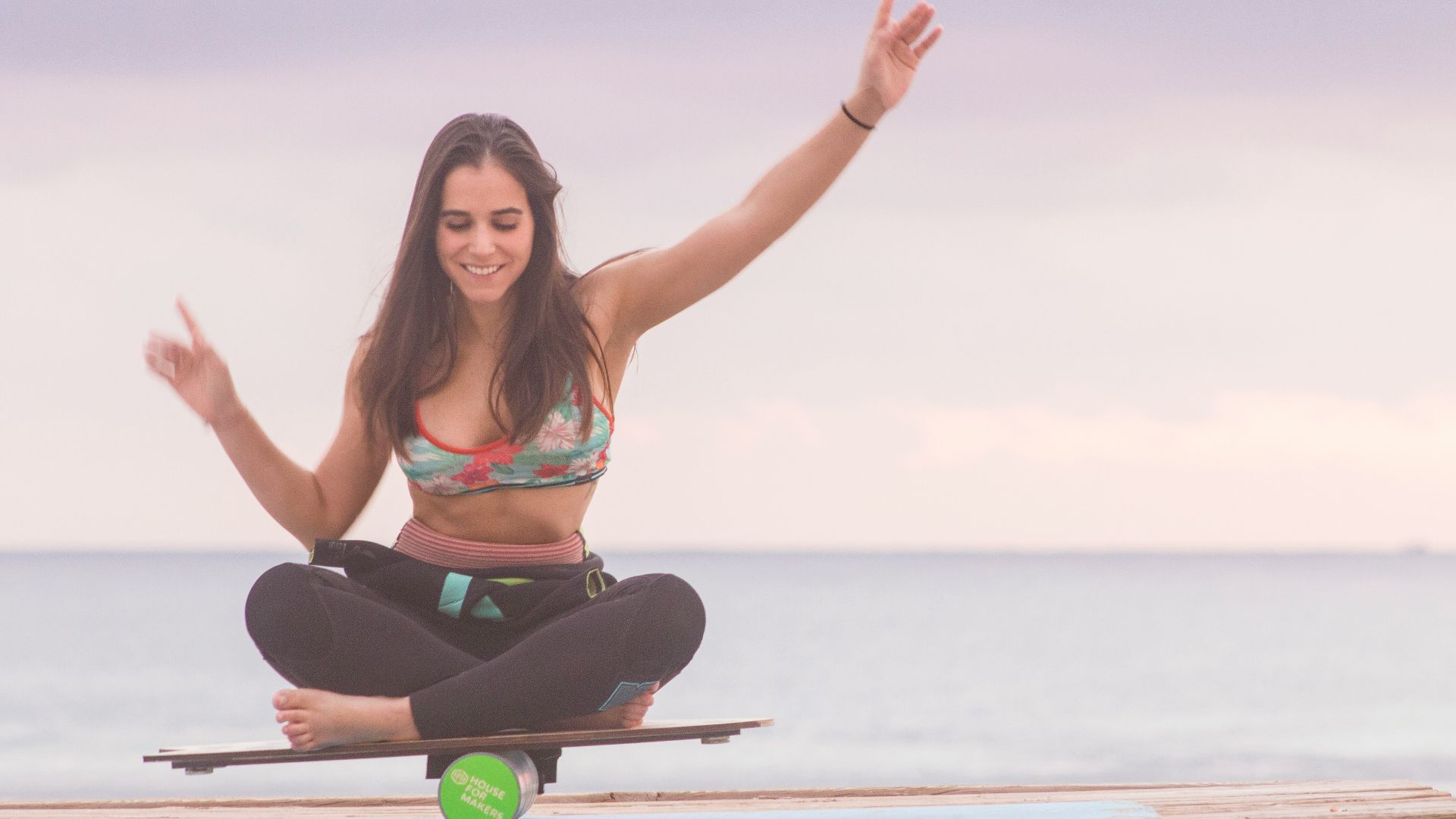
11. Balance Board
Balance boards improve coordination and ankle stability. They help prevent falls and injuries. Sessions don’t need to be long, as the quality of the workout is what matters. This kind of training often gets overlooked until it’s needed.
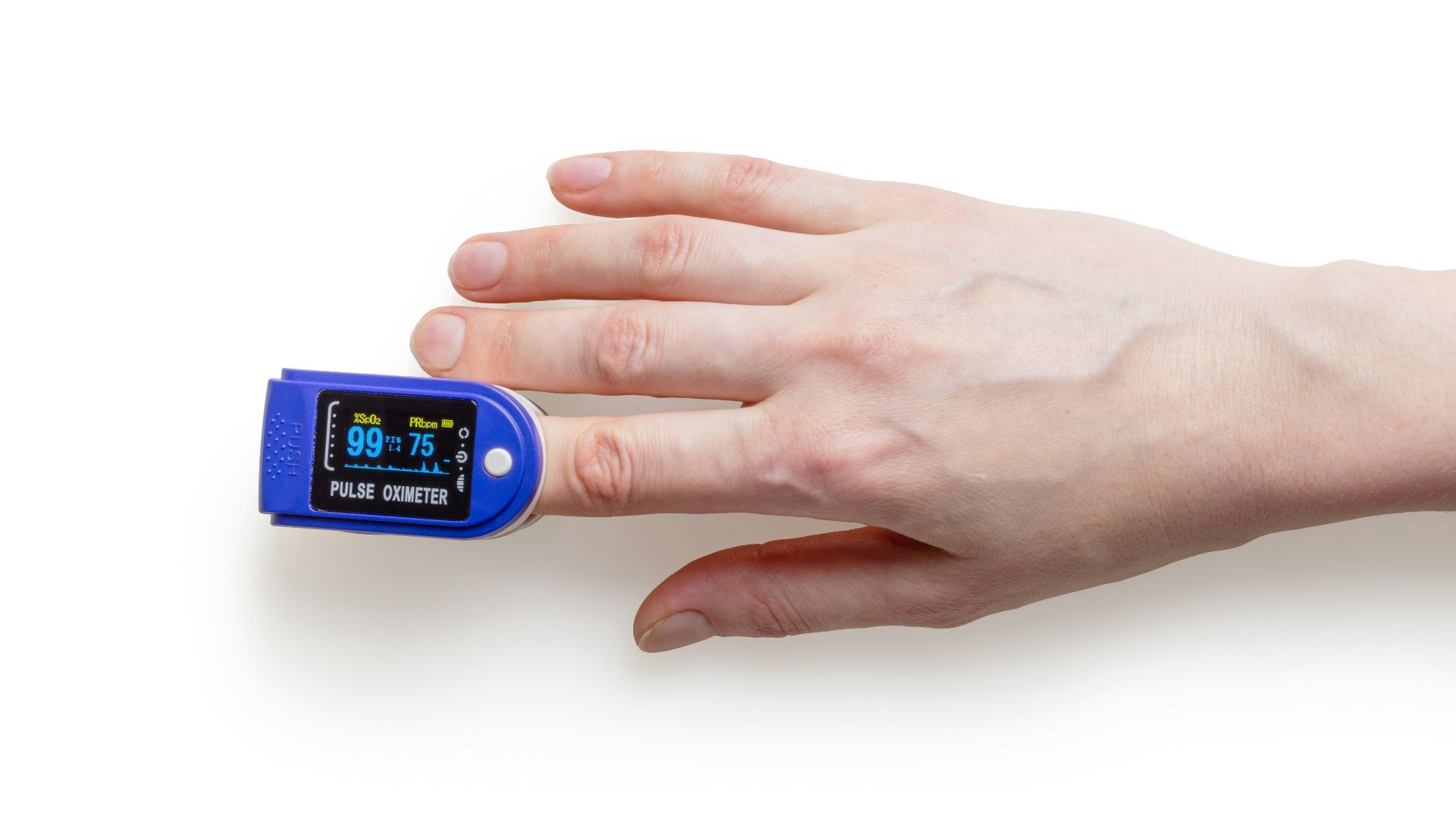
12. Blood Pressure Monitor
Tracking blood pressure at home provides a useful health context. It helps connect fitness habits to cardiovascular health. This awareness becomes more important with age. It’s a preventative tool, not just medical equipment. Make sure you focus on trends, as they matter more than single readings. That long-term view supports smarter health decisions.
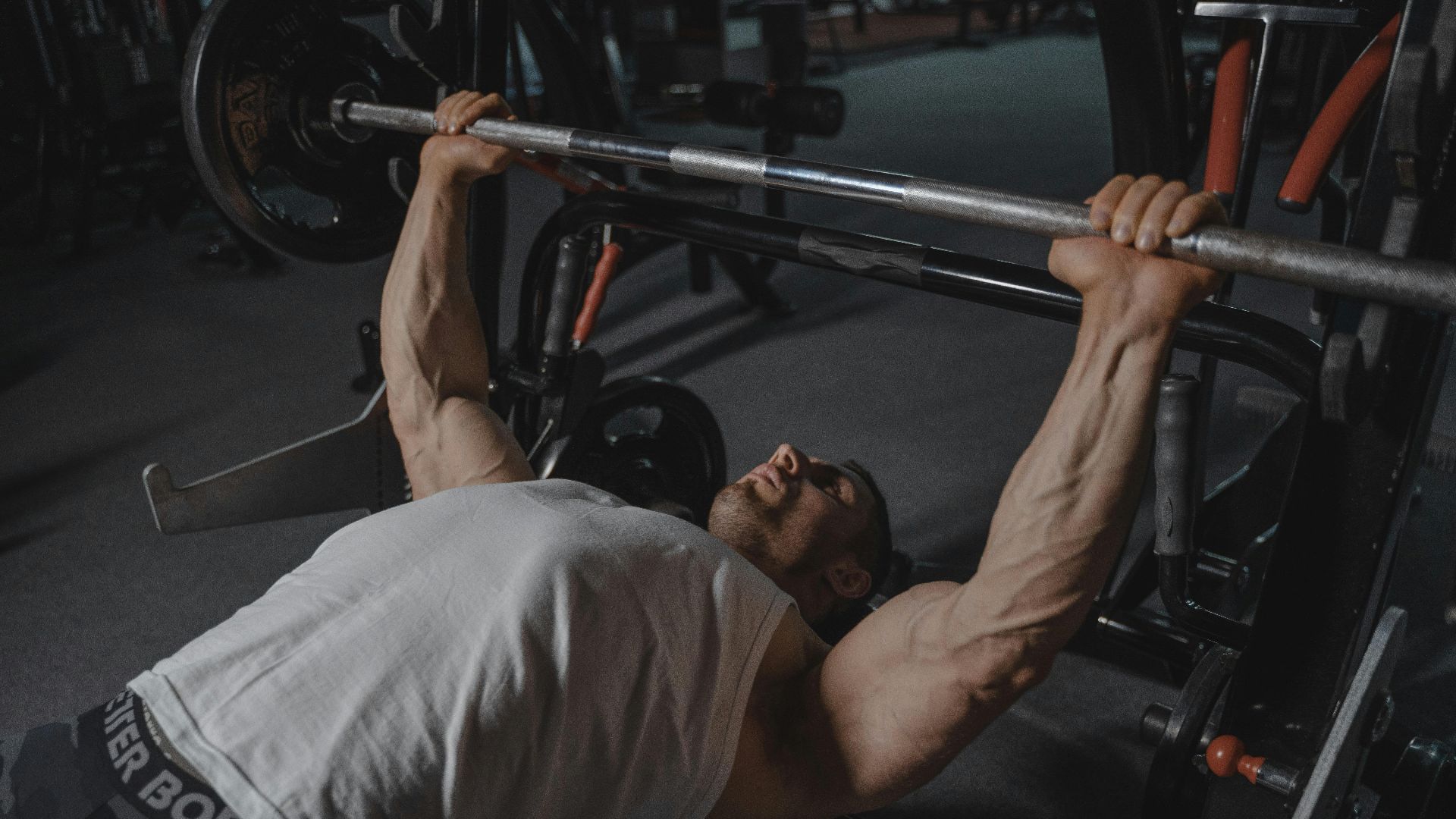
13. Adjustable Bench
An adjustable bench increases exercise variety. It supports better positioning and form, reducing unnecessary joint stress. It turns a basic setup into a full routine. Small angle changes can significantly alter muscle engagement.
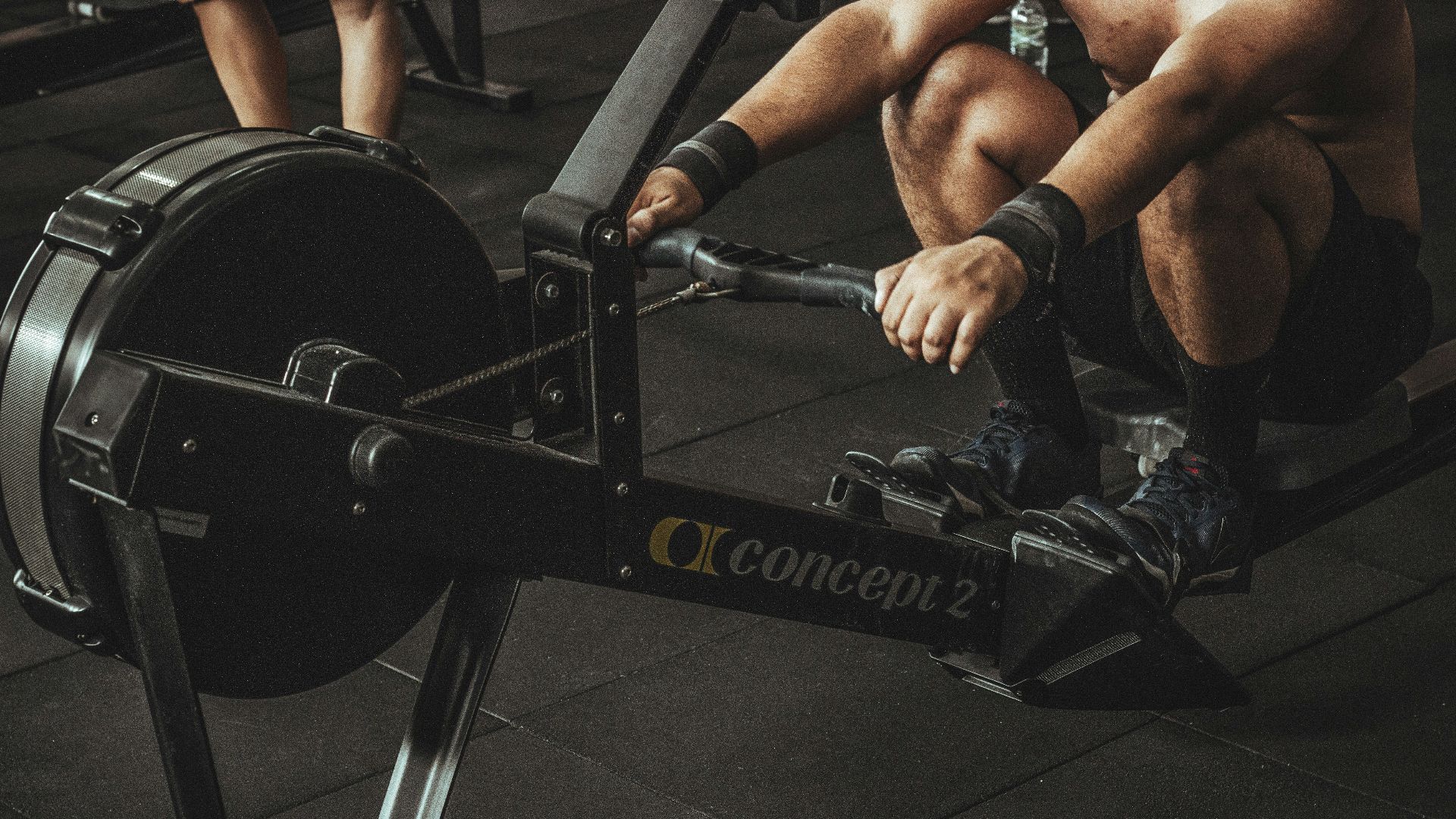
14. Rowing Machine
Rowers provide low-impact, full-body workouts. They’re easier on joints than running. Resistance is adjustable and smooth, so cardio doesn’t have to feel punishing. Rowing also builds strength alongside endurance. That combination becomes increasingly valuable.
15. Percussion Stretch Strap
Stretch straps improve flexibility without forcing the range of motion. They allow for controlled stretching, which is safer than pushing cold joints. Mobility work becomes more consistent this way, and this matters more than intensity. Gentle progress protects long-term movement.
16. Posture Trainer
Most people don’t realize how often they slump. Posture trainers provide gentle reminders rather than rigid correction. They increase awareness during daily activities, and better posture reduces neck and back pain. Small cues can lead to lasting changes.
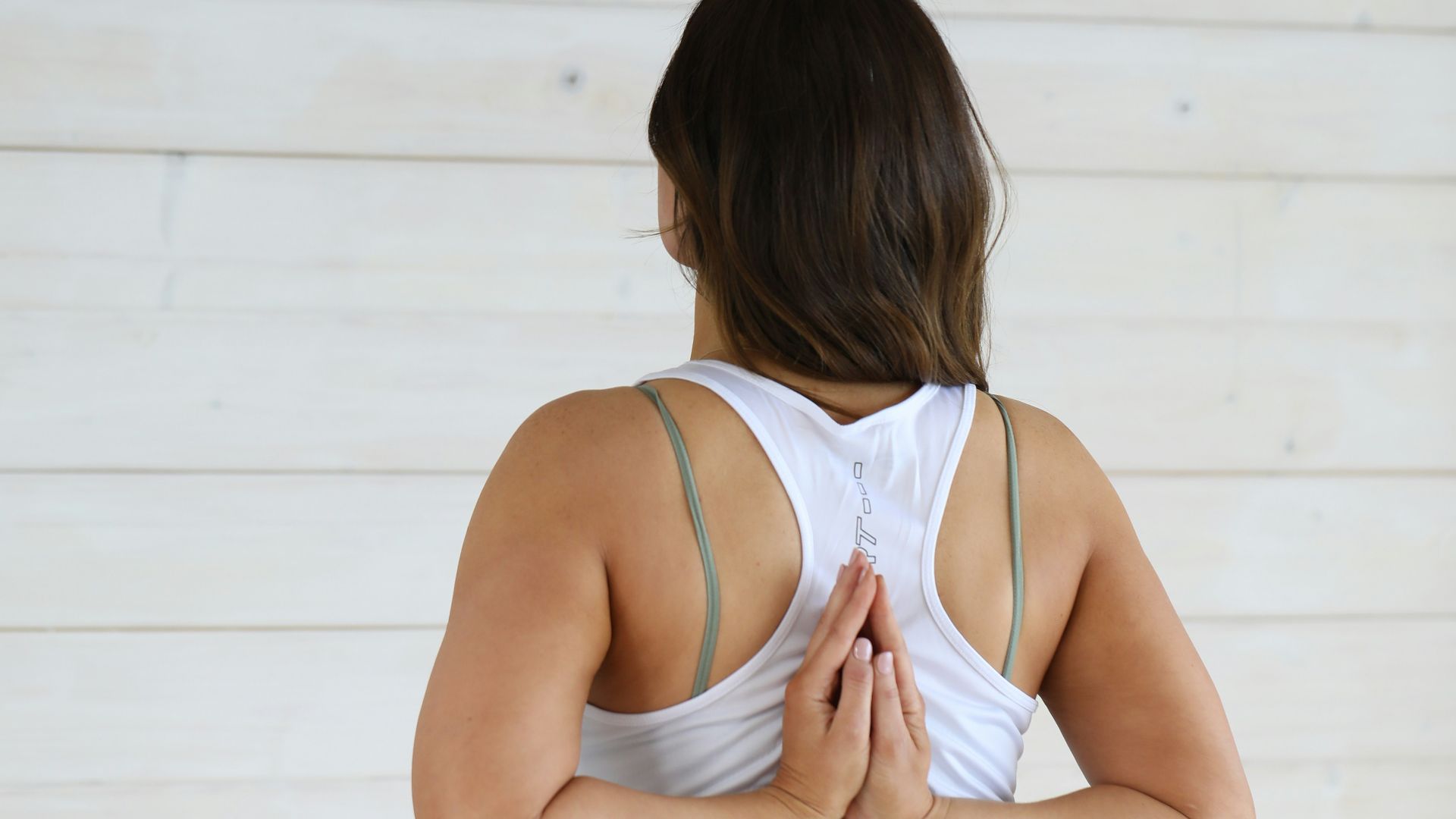
17. Weighted Vest
Weighted vests add resistance without stressing joints, turning walking into strength training. The load can be adjusted gradually. It’s a low-impact way to maintain bone density. Every day movement becomes more productive. The effort feels natural rather than forced.
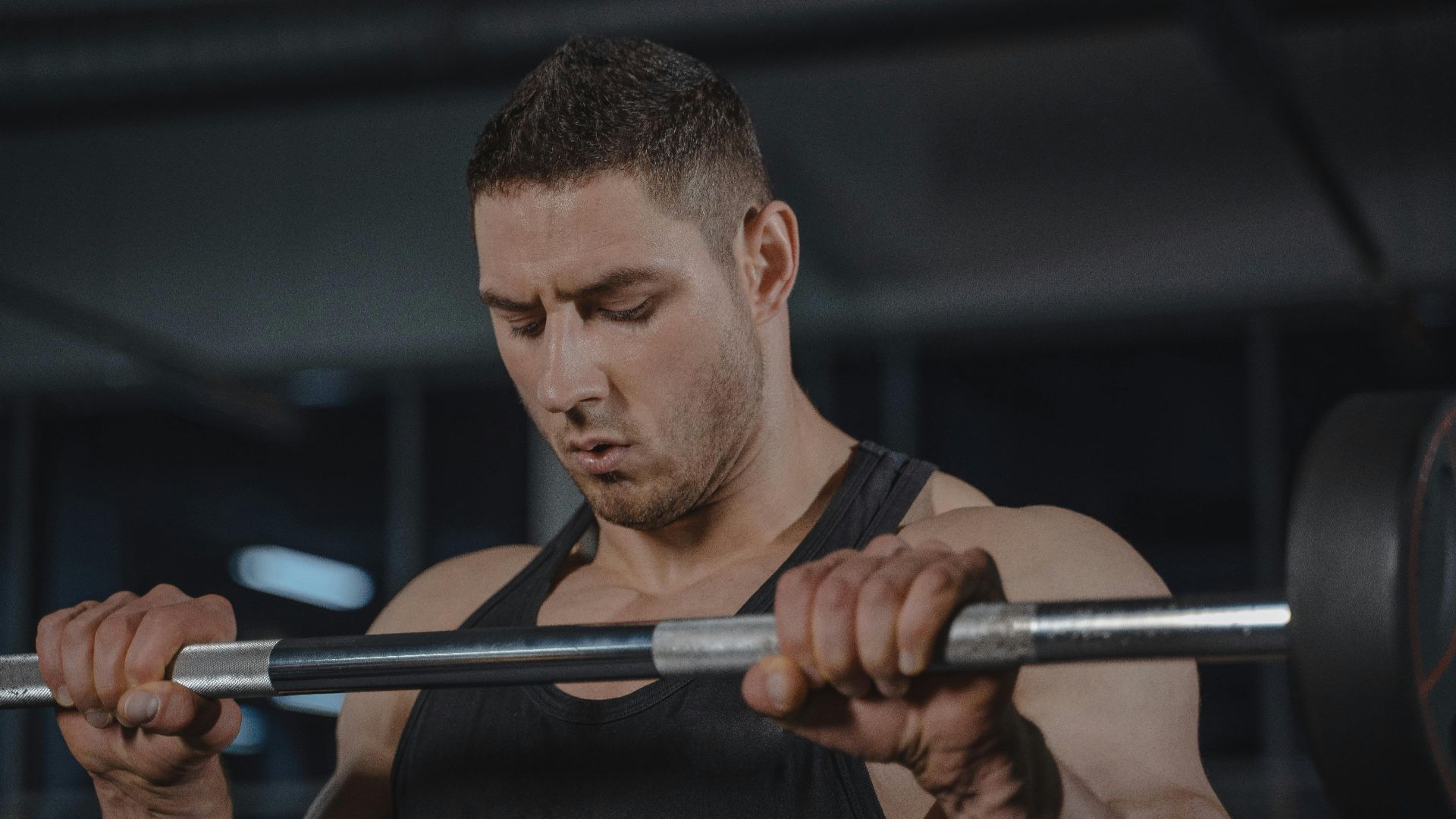
18. Vibration Plate
Vibration plates activate muscles with minimal joint strain. Sessions are short but effective, and they’re useful for circulation and balance. Not every workout needs to be intense, and these plates work well on recovery-focused days.
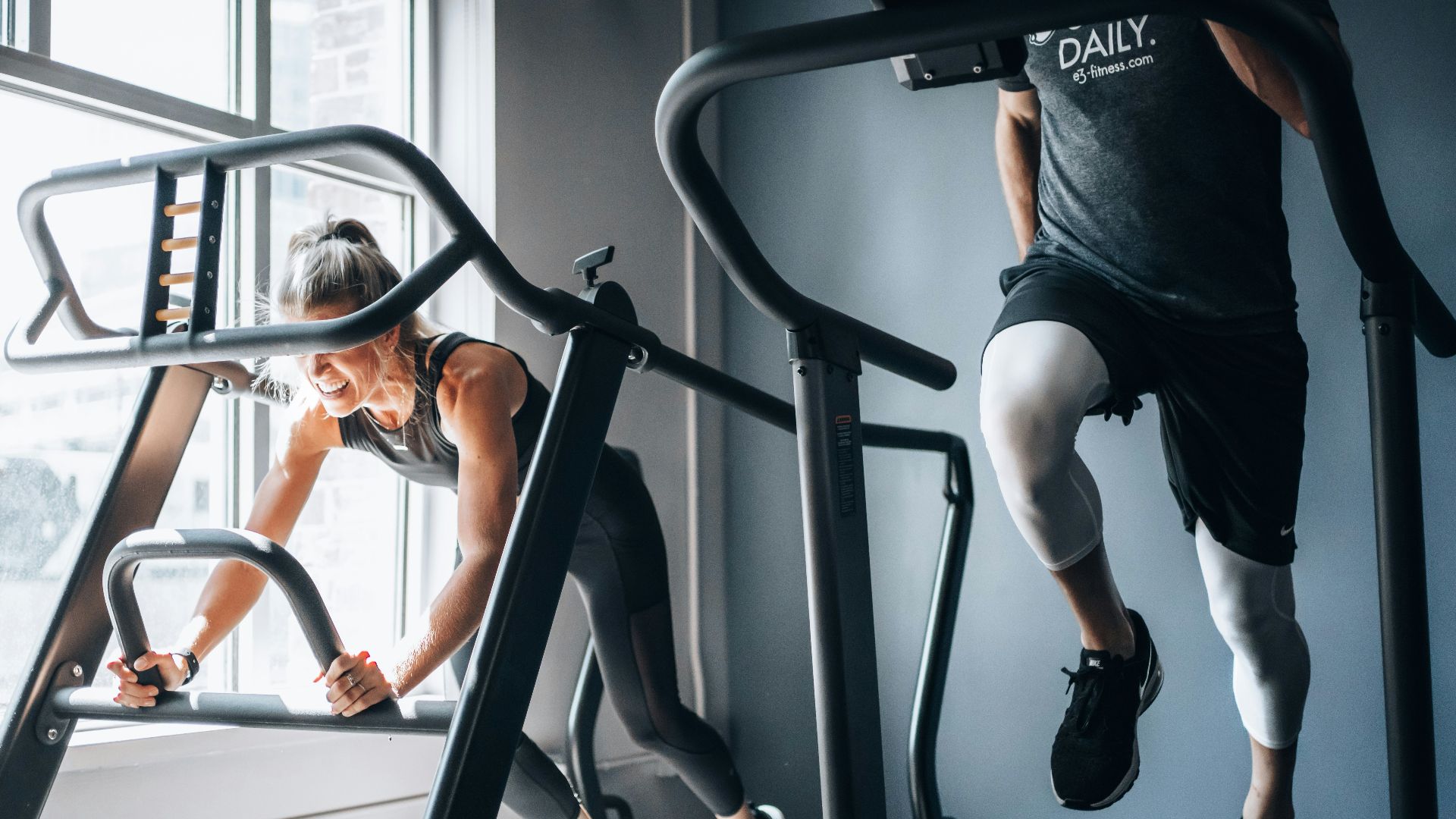
19. Sleep Tracking Device
Sleep quality affects recovery more than workout intensity. Tracking patterns helps identify habits that interfere with rest, and better sleep supports better training. Recovery starts at night, not in the gym, and data helps make that connection clear.
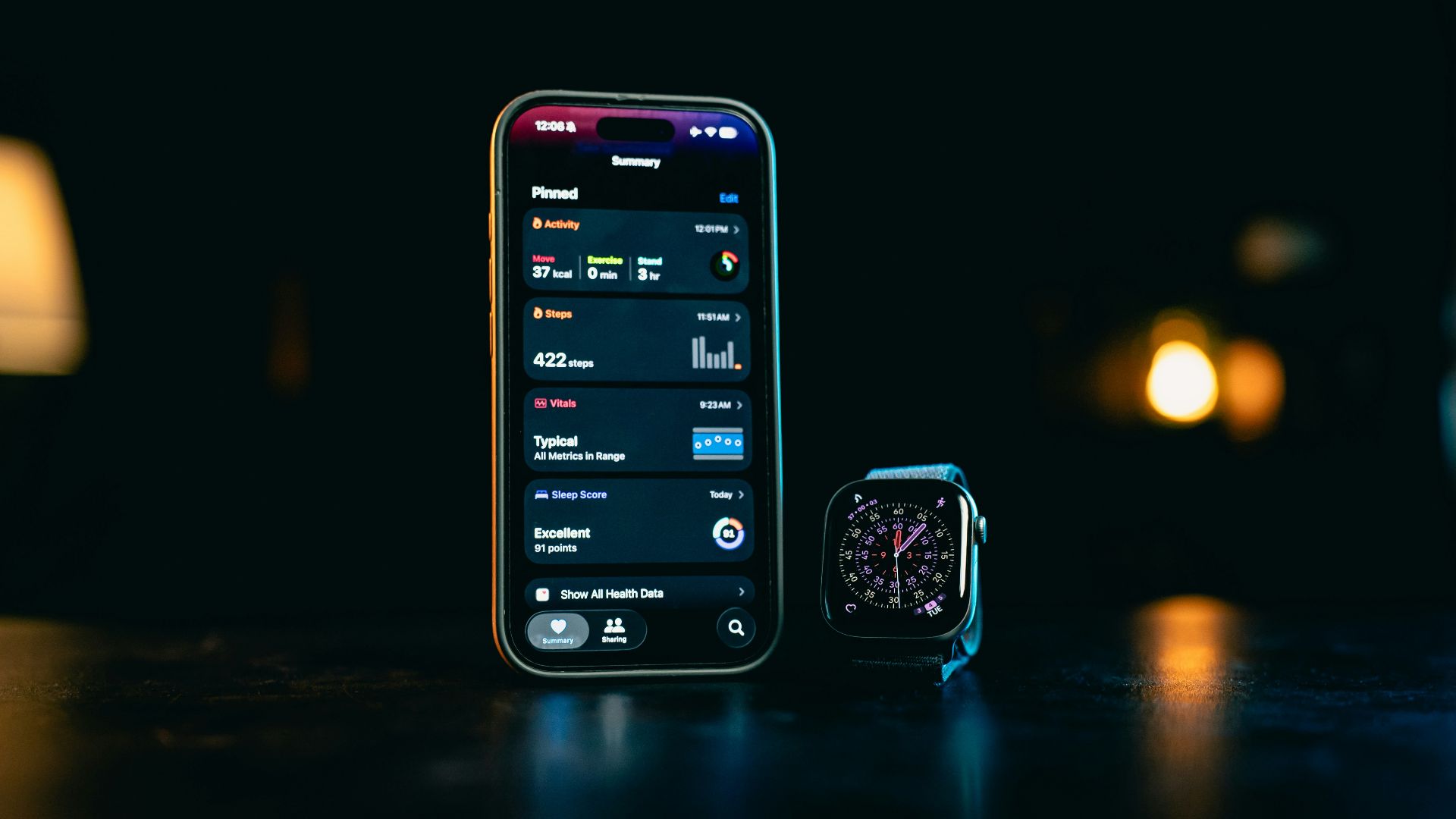
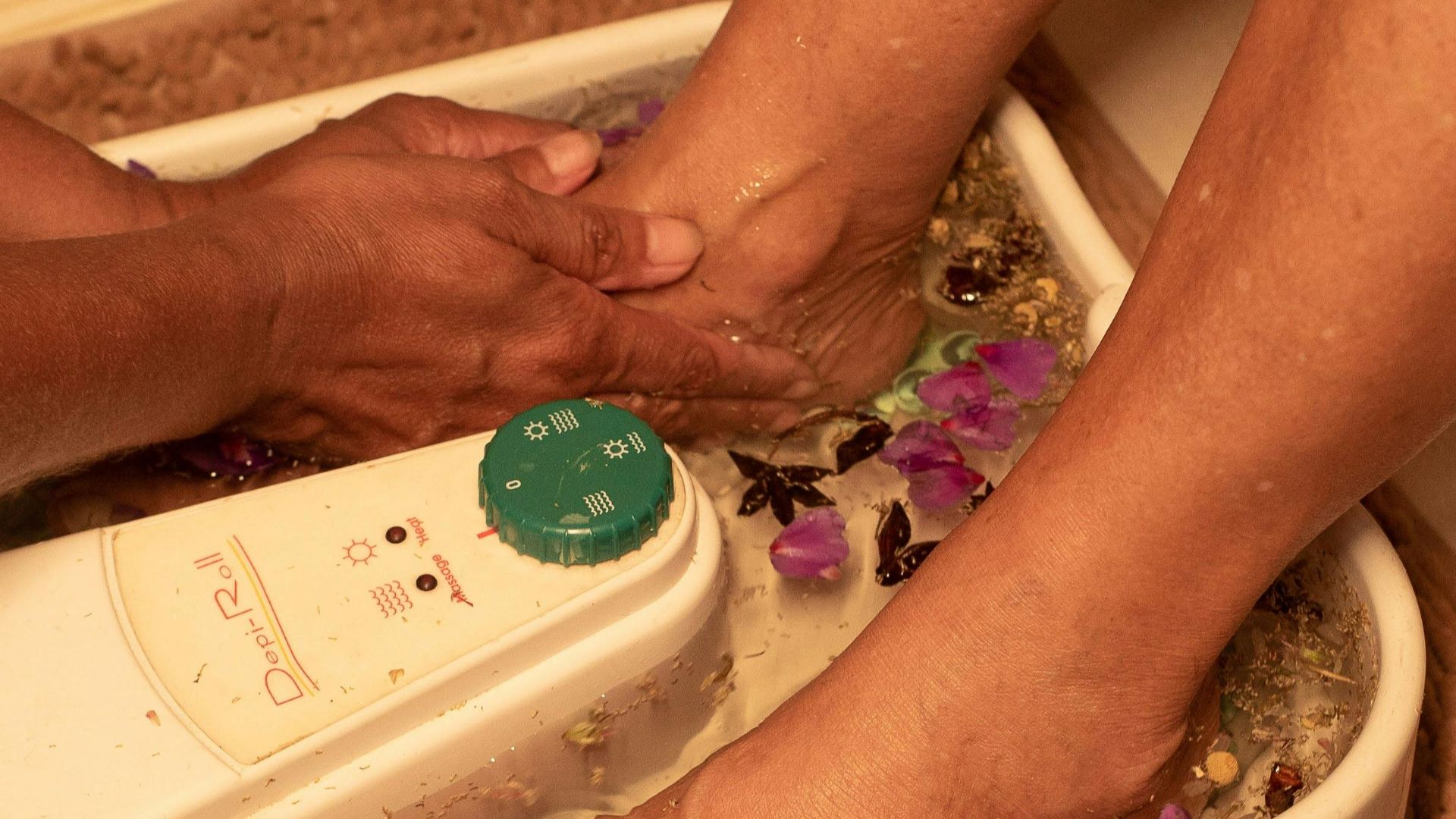
20. Foot Massager Or Recovery Boots
Foot and leg recovery tools improve circulation by reducing soreness after long days or workouts. Consistent recovery improves training longevity, and feeling better makes it easier to stay active. Comfort encourages adherence more than discipline alone. Recovery tools like these support that mindset.
KEEP ON READING


20 Natural Ways You Can Boost Your Immune System

20 Ways To De-stress & Relax After Work

The 10 Most Common Diseases & The 10 Most Rare