Subtle Clues That Your Body’s Changing
Weight loss doesn’t always announce itself with dramatic scale drops or obvious mirror moments—and that disconnect can make you feel like nothing’s happening. The truth is, your body often shows progress through small, practical changes that are easy to dismiss when you’re focused on one number. If you’ve been consistent and still feel unsure, these signs can help you spot momentum you might be overlooking.

1. Your Clothes Fit More Comfortably
Have you noticed that your waistband doesn’t dig in the way it used to, even at the end of the day? That shift usually means your body composition is changing, regardless of what the scale says. When you can move more freely in the same outfit, it’s a real signal that something’s working.

2. The Scale Fluctuates Less
It’s always good when your weigh-ins start to look steadier instead of bouncing all over the place. That can happen when your routine, sleep, hydration, and sodium intake get more consistent. Even if the number isn’t dropping fast, the calmer pattern is often progress.
3. You Feel Less Puffy in the Morning
Waking up feels a little lighter, and your face or hands don’t look as swollen. That’s not just a loss of body fat; reduced bloating also reflects improved hydration habits and less inflammation. It’s not “just water weight” in a dismissive way! It’s still a meaningful change in how your body functions.

4. Hunger Cues Make More Sense
You’re hungry when it’s actually time to eat, not because you’re bored or stressed. That’s often a telltale sign that your meal timing and protein intake are supporting better appetite regulation. And hey, who doesn’t like fewer cravings throughout the day?

5. You Stop Thinking About Snacks All Day
Speaking of which, it’s not just hunger cues that stop in their tracks. During weight loss, your brain isn’t constantly negotiating with you about what you should grab next. If you’re not “white-knuckling” between meals, you’re doing something right.
6. Faster Recovery After Workouts
Soreness still happens after a good burn, but it won’t linger as long as it used to. Better recovery comes from improved conditioning, adequate protein, and stronger sleep habits. Keep track of your muscles; when your body bounces back more quickly, you’re looking at fat loss.
7. You’re Getting Stronger in Simple Ways
Carrying groceries, walking upstairs, or lifting laundry no longer feels like a project! Strength gains can happen even while you’re losing weight, especially if you’re doing resistance training. It might not feel like it right away, but trust us, you’ll notice.

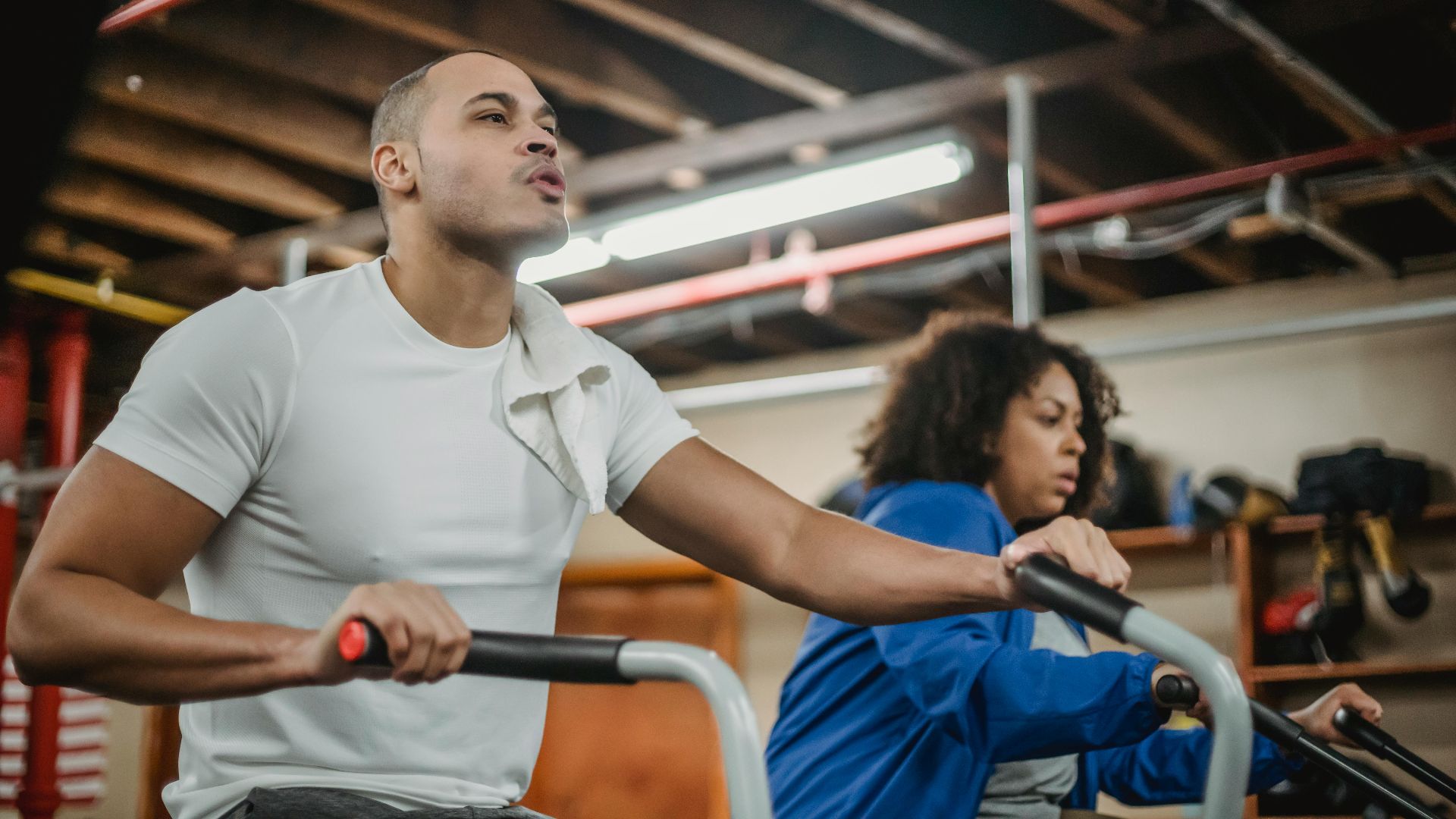
8. Workout Endurance Has Improved
What used to feel like a nightmarish 30 minutes now feels like a routine—and that’s a good thing! Increased endurance usually means your cardiovascular system is adapting to your routine, and that kind of progress shows up before major visual changes do.
9. Your Resting Heart Rate Goes Down
Over time, your morning heart rate may be a little lower than it used to be, and that can be a sign of improved fitness. It doesn’t guarantee weight loss on its own, but it often travels with healthier habits that support it.
10. Deeper Sleep
Weight loss impacts us in ways we don’t always spot, especially when we’re accustomed to nasty habits. But when you fall asleep more easily, you’ll wake up feeling more restored. Better sleep supports hunger hormones, recovery, and stress management, which can all influence fat loss, too.

11. You Don’t Feel Tired in the Afternoon
Of course, it’s not just your nighttime routine that’s impacted. When losing weight, you’ll also notice that mid-day crashes soften, even on busy days. More stable energy can reflect better meal balance, hydration, and improved activity levels. When you’re not chasing quick fixes to stay awake, your routine is probably more aligned.

12. Regular Digestion
Have bathroom habits become more predictable? Did bloating ease up? Good! That often comes from eating more fiber, drinking more water, and moving your body consistently. Calmer digestion reflects changes that support sustainable weight loss.

13. Your Face Looks a Bit More Defined
You might notice cheekbones showing up more clearly or a softer jawline becoming sharper. Fat loss can appear in the face before you fully notice it elsewhere. It’s a subtle shift, but it’s often one of the first visual clues!

14. New Definition in Your Shoulders or Arms
Remember what we said about small changes? Your arms and shoulders are another good place to look. Sleeves might fit differently, and you may even spot a little more shape when you move. This can happen from fat loss, muscle gain, or both working together.

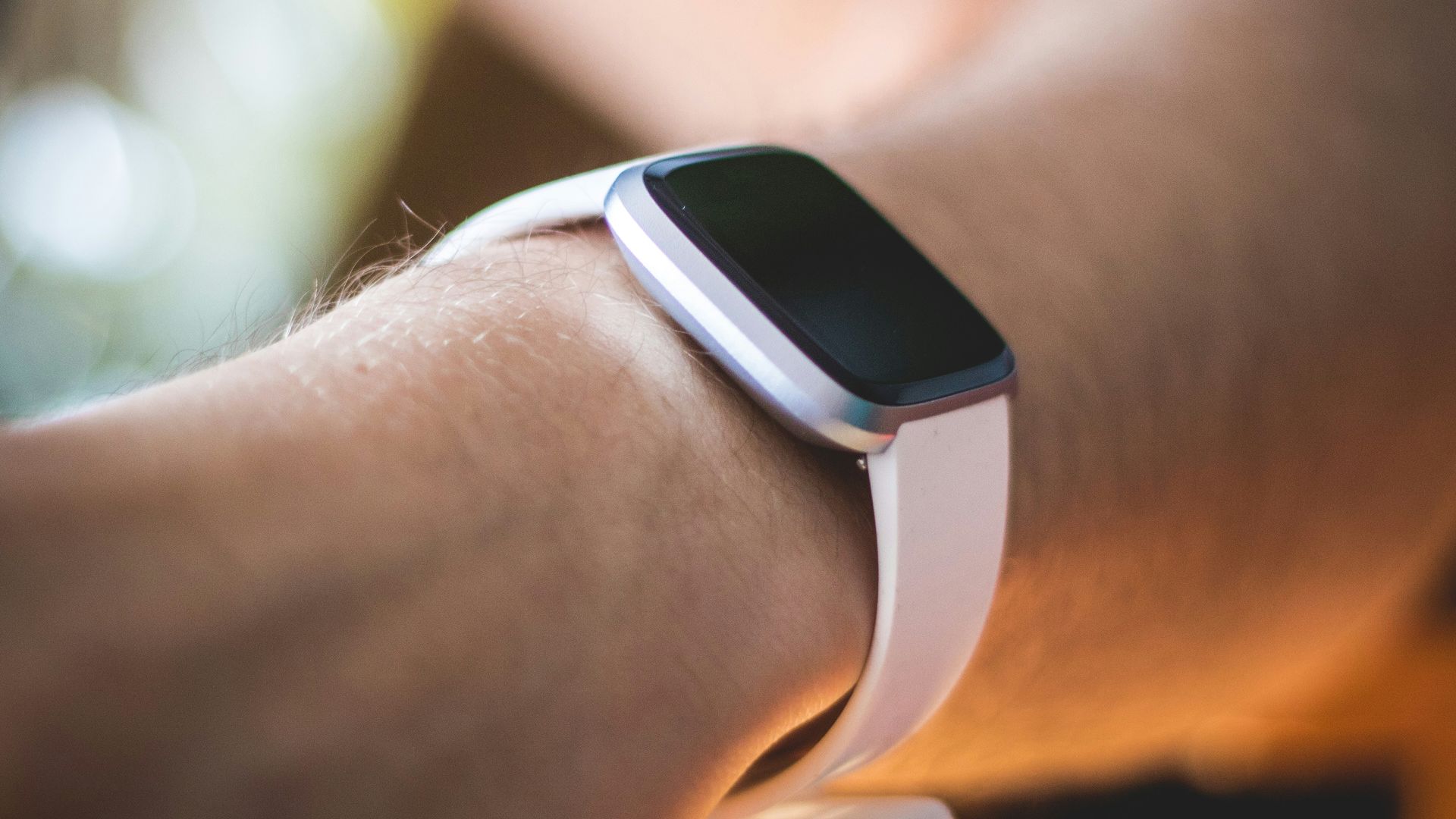
15. Jewelry Fits Differently
A ring slides more easily. Your watch feels loose on the same notch. Hands and wrists are small areas as well, so small changes show up there sooner than you’d expect. If accessories keep shifting, it’s worth taking as a real data point.

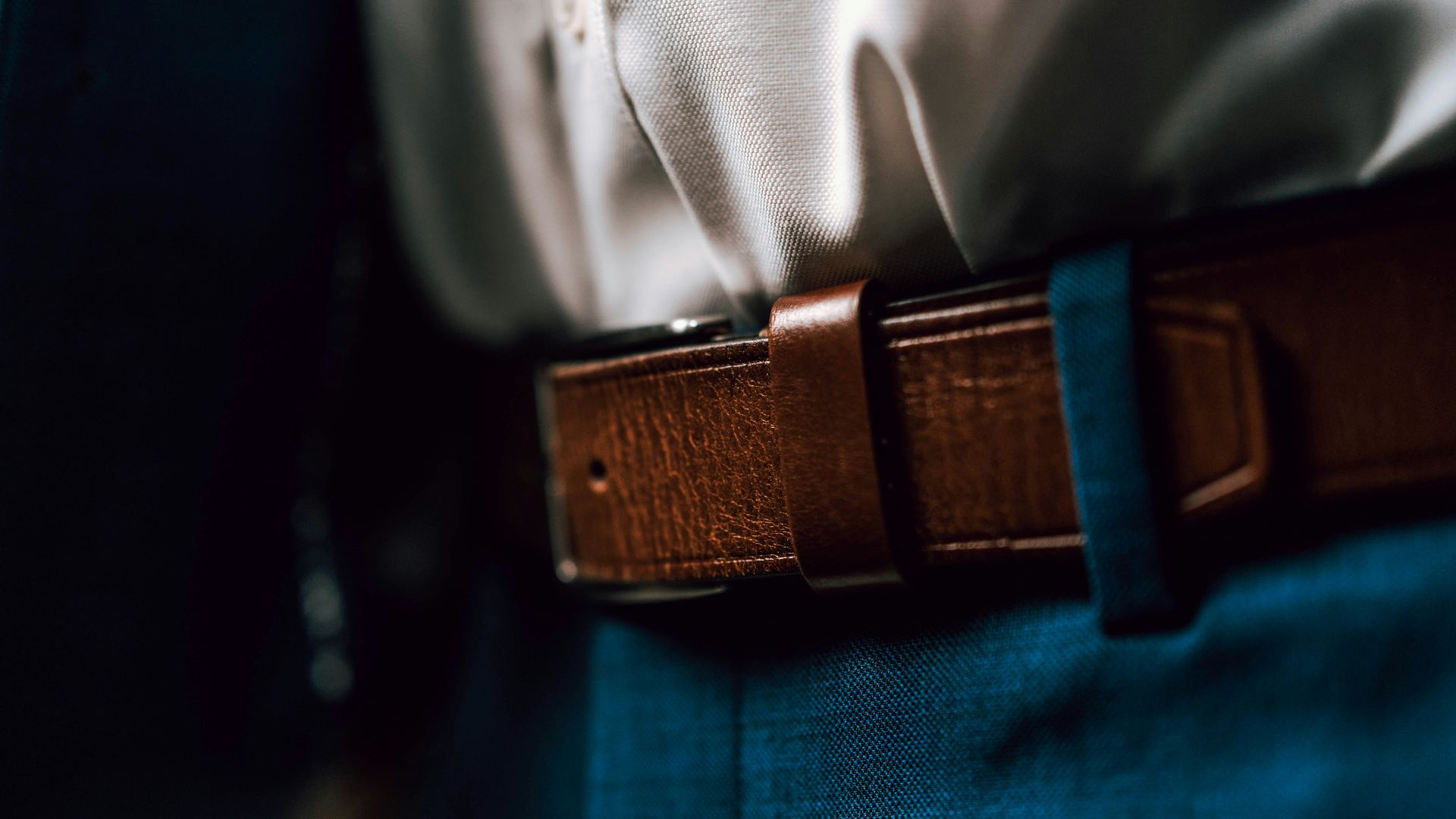
16. You Need to Adjust Your Belt
Congratulations—that belt notch that used to feel tight is suddenly your default! That’s a straightforward sign that your waist measurement is changing. Even if the scale’s stubborn, fit changes are hard to argue with.
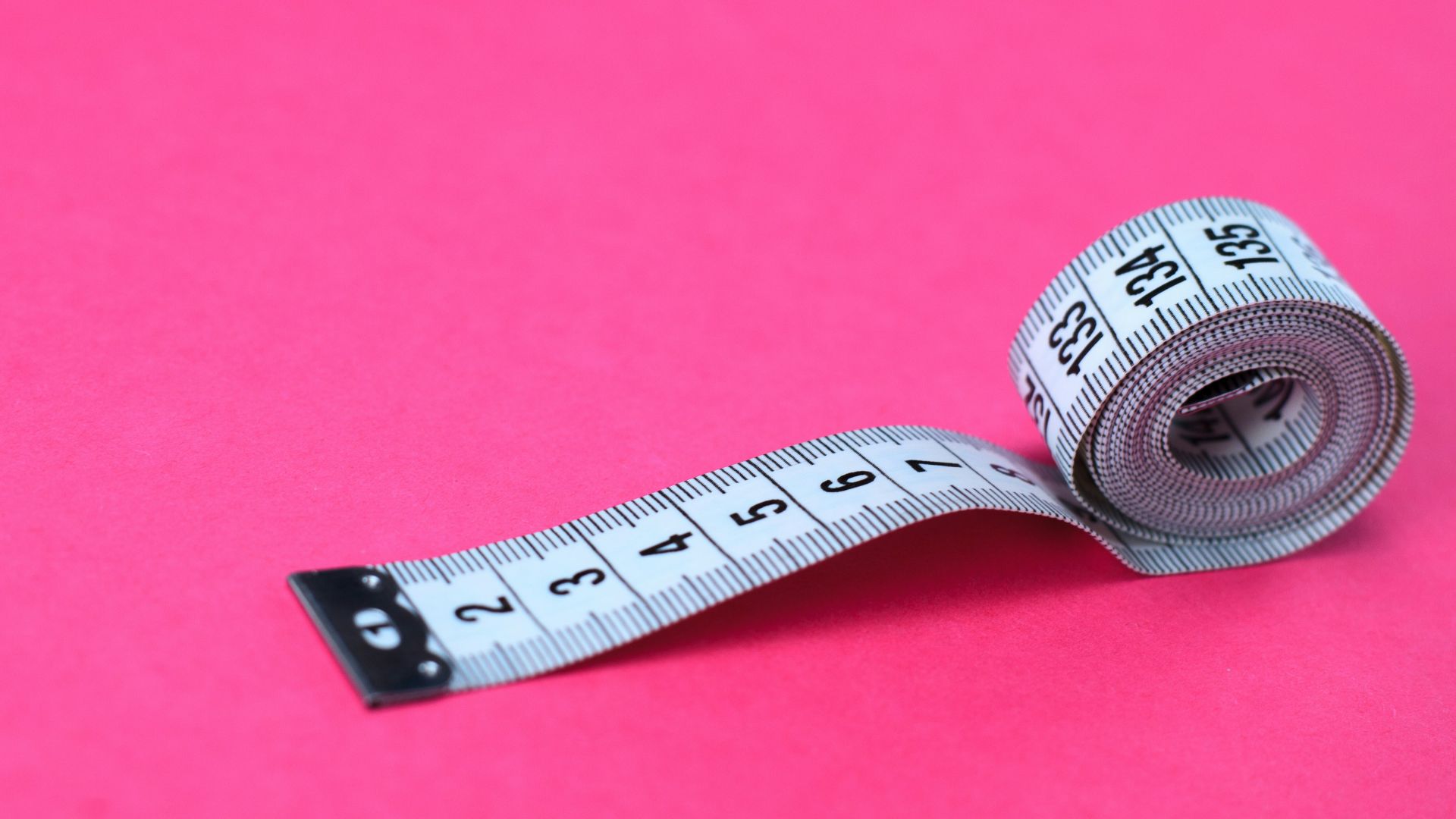
17. Your Overall Measurements Go Down
When you measure your waist, hips, or thighs, the numbers move in the right direction over time. Measurements often capture fat loss that the scale can miss during muscle gain or water shifts, so don’t be afraid to trust a different set of numbers.
 Ekaterina Grosheva on Unsplash
18. Photos Look Different Than You Expected
Side-by-side photos show changes you don’t always notice in the mirror! Daily reflection can blur progress because you’re used to your face and shape; a photo comparison provides the reality check your brain refuses to give you.

19. You’re Less Reactive to Stress Eating
You’ll still have stressful days, but food won’t be your automatic solution anymore. That kind of shift reflects better coping skills and more stable routines, which are both signs of stable progress. When emotional eating loses its grip, it’s easier to maintain the deficit that drives weight loss.

20. Higher Confidence
Once you stop obsessing over the scale, you’ll make decisions that feel more intentional and trust yourself a bit more. Confidence only rises when habits become consistent, not perfect, and that consistency is exactly what leads to results!