
Protect Your Joints Before It's Too Late
Joint pain becomes more common with age, but a lot of everyday choices can lower your risk or delay problems by years. Maintaining a healthy weight, staying active, and paying attention to posture and movement all help reduce stress on joints and protect cartilage. Here are 20 preventative measures to avoid joint pain.

1. Maintain A Healthy Weight
Extra body weight increases the load on weight-bearing joints like your knees, hips, and spine, which speeds up wear and tear. Losing even a modest amount of weight can significantly reduce pressure on those joints and lower your risk of osteoarthritis.
 Christopher Campbell on Unsplash
2. Move Your Body Every Day
Joints actually get stiffer when you avoid movement, even if you’re trying to “protect” them. Regular activity improves circulation to cartilage, moves fluid through the joint, and helps clear waste products that can contribute to inflammation. Short walks, gentle stretching, and simply not sitting for hours on end all add up.

3. Prioritize Low-Impact Exercise
High-impact workouts like running stairs or jump-heavy classes can be tough on vulnerable joints. Low‑impact options such as walking, swimming, cycling, and water aerobics build strength and endurance without pounding your knees and ankles.

4. Strengthen The Muscles Around Joints
Strong muscles act like built-in shock absorbers, reducing the load your joints have to bear with every step or lift. Targeted strength training for hips, thighs, core, and shoulders can improve alignment and stability so joints track properly.

5. Work On Flexibility And Range Of Motion
When muscles and connective tissues get tight, joints are forced to move in limited or awkward patterns. Gentle stretching and range‑of‑motion exercises help keep joints moving through their full, comfortable arc and can reduce stiffness. Yoga, Pilates, or simple daily stretches at home support long-term joint mobility.

6. Watch Your Posture
Slouching at a desk or standing with poor alignment puts uneven stress on joints in your neck, shoulders, hips, and knees. Over time, that strain can contribute to pain and early joint degeneration.

7. Lift And Carry The Right Way
Improper lifting techniques can injure joints in your back, knees, and shoulders quickly. Bending at the hips and knees, keeping loads close to your body, and avoiding twisting while holding something heavy all protect your joints.

8. Avoid Repetitive Joint Strain
Jobs or workouts that involve the same motion repeatedly—like frequent kneeling, heavy gripping, or repeated jumping—raise the risk of joint problems. Building in breaks, rotating tasks, and using tools or padding can reduce strain on specific joints.

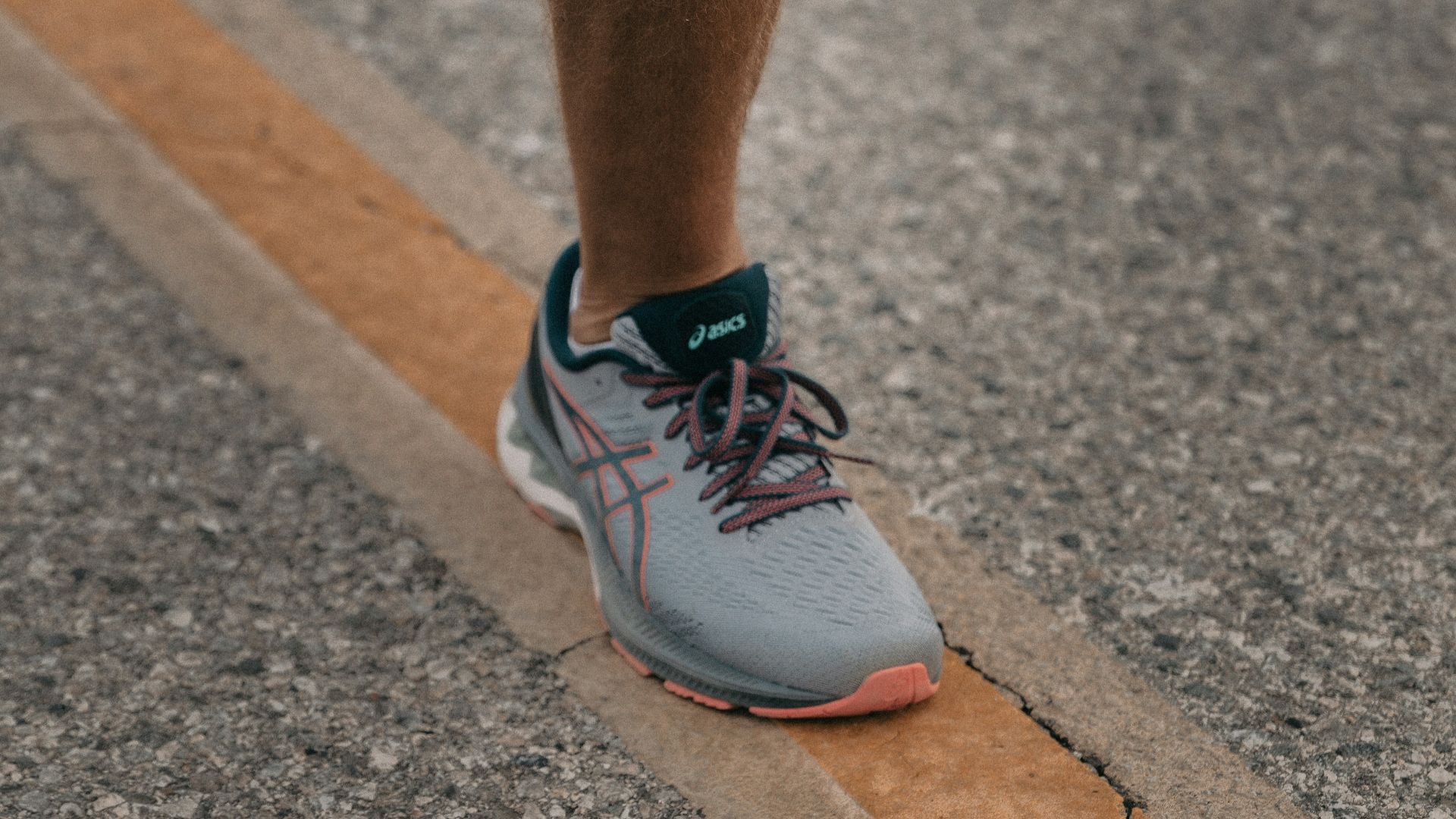
9. Choose Joint-Friendly Footwear
Your shoes affect alignment all the way up the kinetic chain, from ankles to knees, hips, and spine. Supportive, well-fitting shoes with adequate cushioning reduce impact and help keep joints in better alignment.
10. Make Anti-Inflammatory Food Choices
Diet influences systemic inflammation, which in turn affects joint health. Omega‑3 fatty acids from sources like fish, walnuts, and chia seeds, plus plenty of fruits and vegetables rich in antioxidants, are linked with reduced inflammation and joint symptoms.

11. Stay Hydrated
Cartilage contains a lot of water, and staying hydrated helps keep it cushioned and resilient. While hydration alone won’t prevent arthritis, not drinking enough can contribute to fatigue and make joints feel more creaky. Keeping a water bottle nearby is a simple habit with tons of benefits.

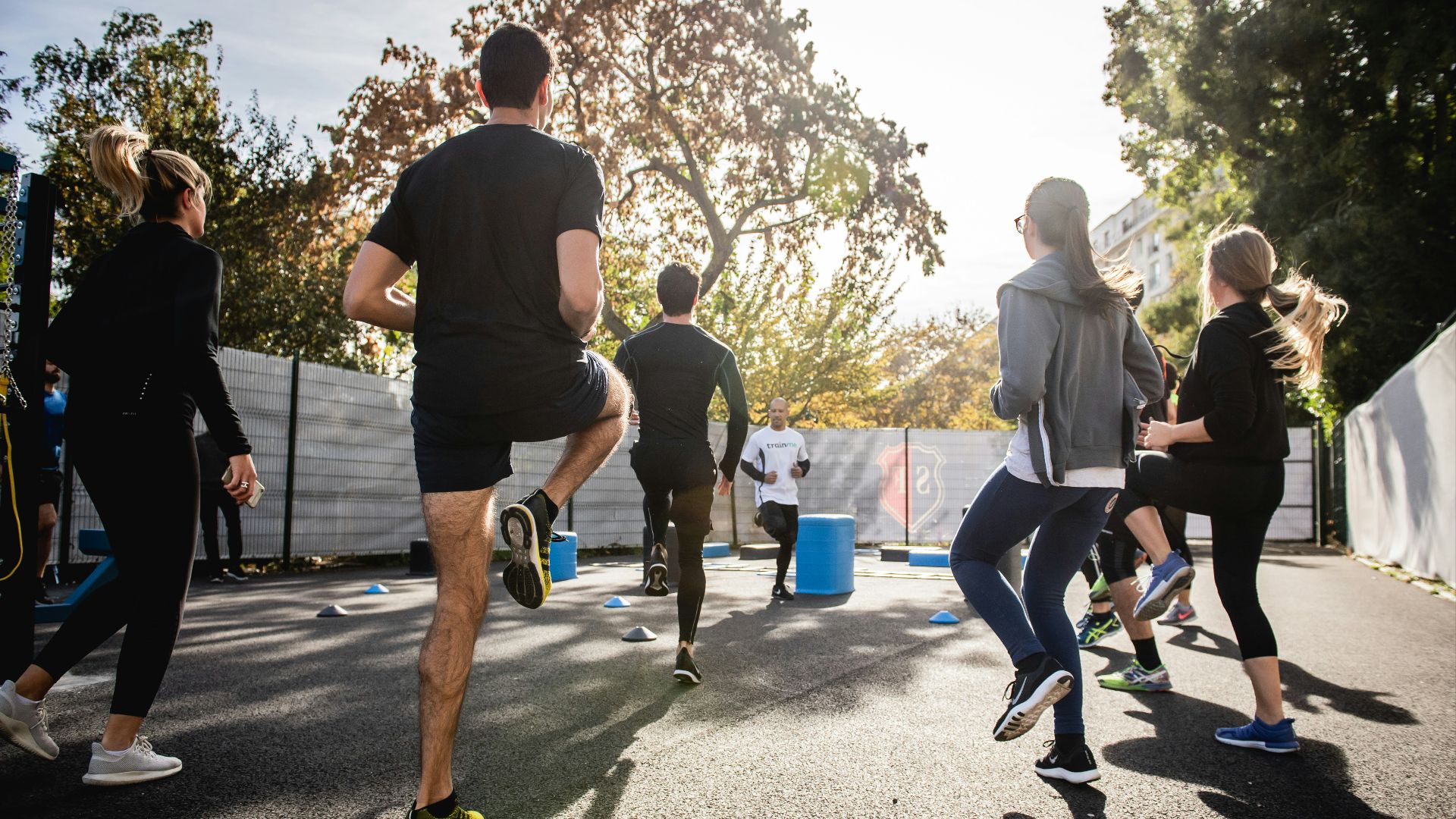
12. Warm Up Before You Exercise
Cold, tight muscles and joints are more prone to minor injuries that can add up over time. A few minutes of light cardio and dynamic stretches before workouts helps increase blood flow and loosen tissues.
13. Cool Down And Stretch After Activity
Ending activity abruptly can leave muscles shortened and joints feeling tight. A short cool‑down with gentle stretching helps maintain flexibility and may ease post‑exercise soreness around joints. You’re essentially reminding your body of its full, comfortable range after demanding more from it.

14. Use Heat And Cold Strategically
Heat can relax tight muscles and increase circulation before movement, while cold can reduce swelling and discomfort after overuse. Taking a warm shower or using a heating pad before activity and an ice pack afterward can help protect joints from flare‑ups.

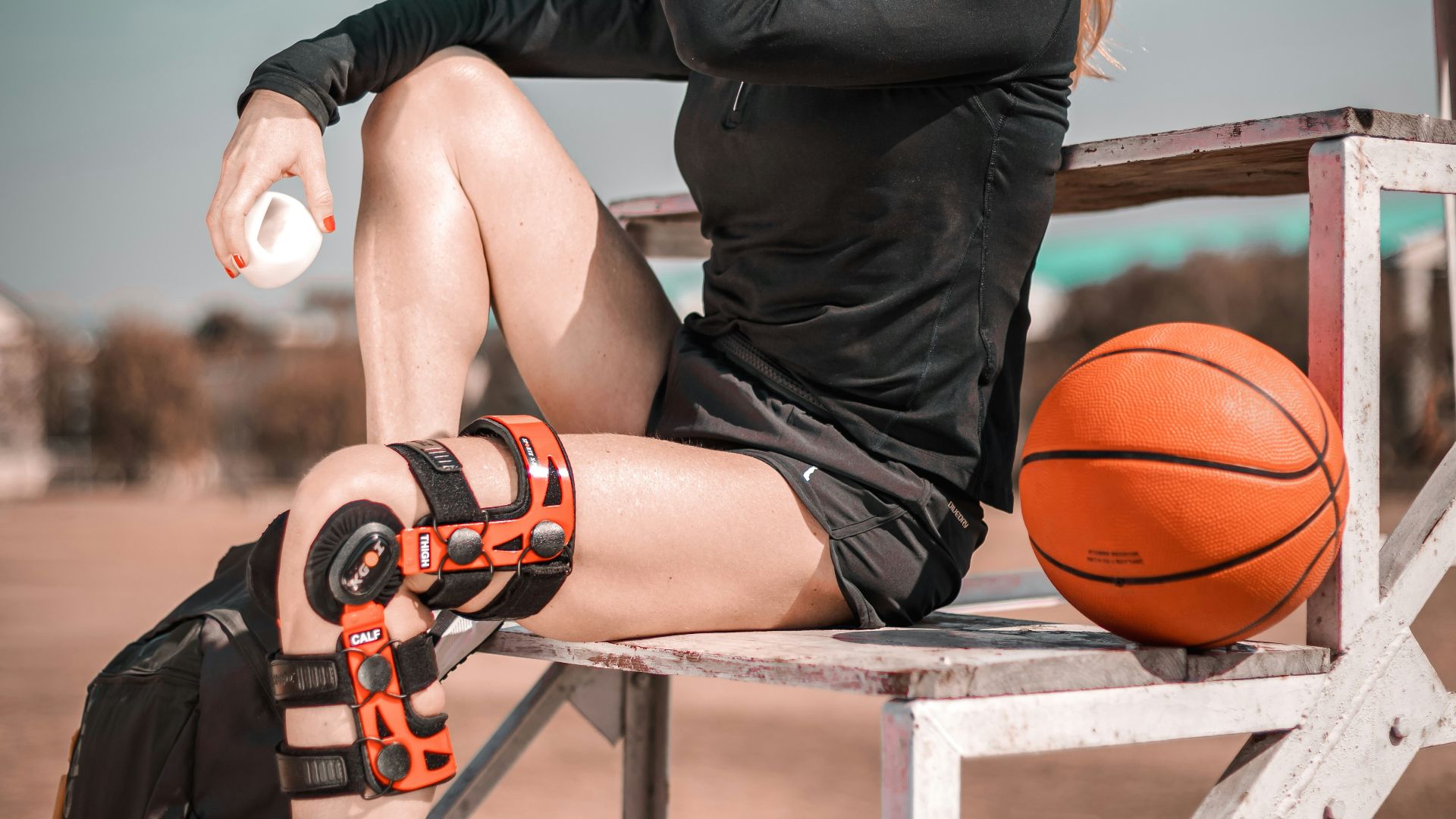
15. Protect Joints With Braces Or Supports (When Needed)
In some situations, temporary use of braces, splints, or taping can help support vulnerable joints during activities. These tools can limit excessive motion, improve alignment, and reduce pain, especially after an injury or surgery.
16. Build Core Strength For Better Balance
A strong core supports your spine and improves overall balance, which lowers your risk of falls and awkward landings that can damage joints. Exercises that strengthen your abdomen, back, and hips make everyday movements like climbing stairs or lifting easier on your knees and ankles.

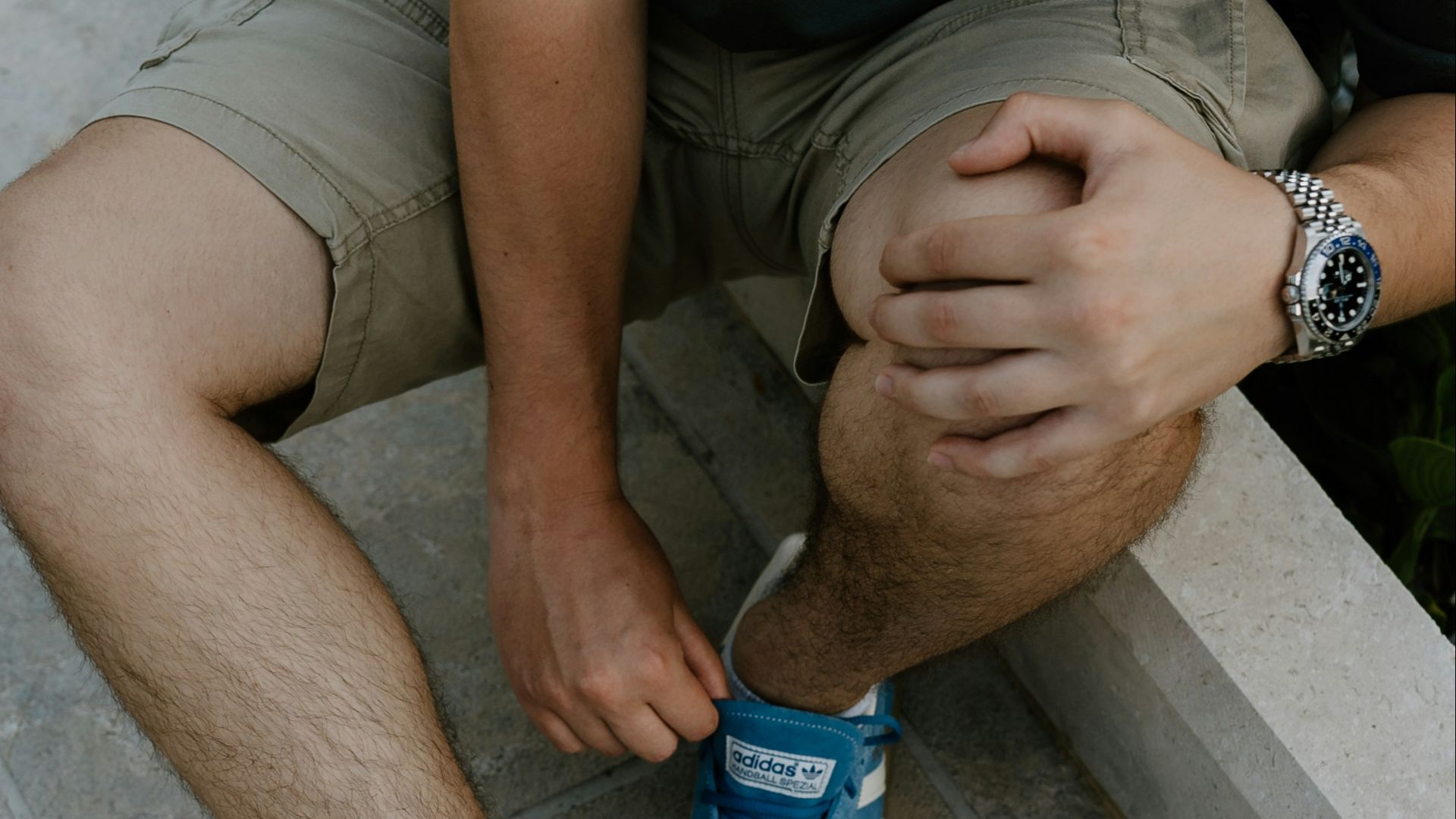
17. Respect Pain Signals
Occasional mild discomfort can be normal with new or harder activity, but sharp or persistent pain is a signal, not a challenge. Ignoring that feedback and pushing through can turn minor irritation into a more serious joint problem.
18. Get Enough Restful Sleep
Sleep is when your body handles a lot of repair and recovery work, including in joints. Poor or short sleep is associated with higher perceived pain levels and more inflammation. Protecting your sleep routine indirectly helps your joints feel better during the day.

19. Don’t Smoke
Smoking is linked with increased inflammation and impaired blood flow, both of which can affect joint health and healing. It’s also associated with a higher risk of certain forms of arthritis and slower recovery from injuries. Quitting supports almost every system in your body, joints included.

20. Check In With Professionals Early
If you notice recurring stiffness, swelling, or joint pain, talking to a doctor or physical therapist sooner rather than later can really change the trajectory. Early evaluation can uncover issues like early arthritis, alignment problems, or muscle imbalances while they’re still easier to manage.