Staying Strong, No Matter Your Age
Building arm strength after 50 is absolutely doable, and the secret to success often comes down to consistency. Age-related muscle loss can happen if you don’t challenge your muscles, but preserving and rebuilding strength is possible when you have a good program to follow. The goal is to train your biceps, triceps, shoulders, and grip while also protecting your joints and tendons, which may need a little more patience than they did years ago.
1. Train Arms Twice Weekly
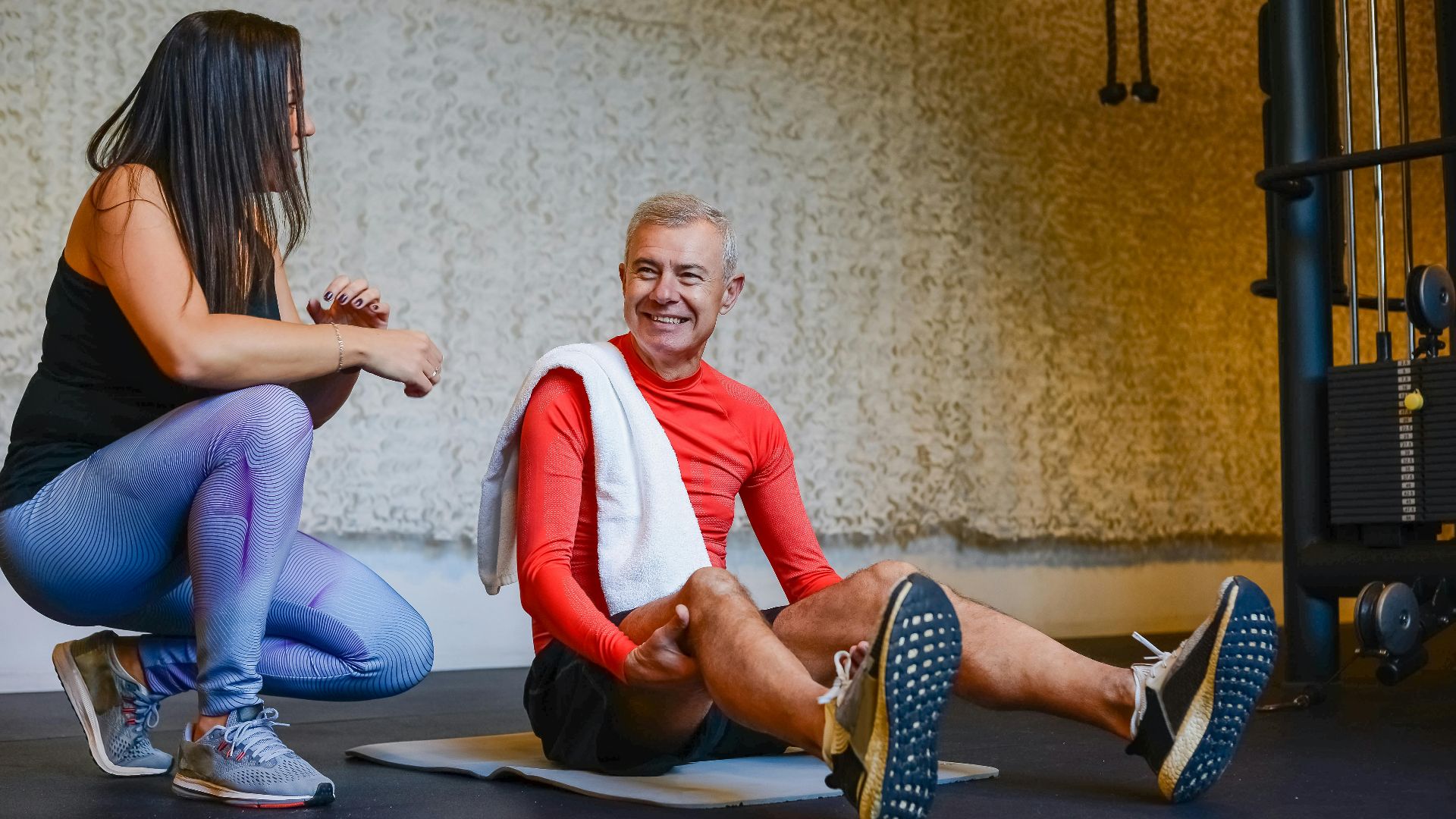
Aim to work your arms directly about two times per week, leaving at least a day between sessions. This frequency supports muscle growth while giving your elbows and shoulders time to recover. If you’re new or returning, start with fewer sets and build up slowly.
2. Master Key Movements
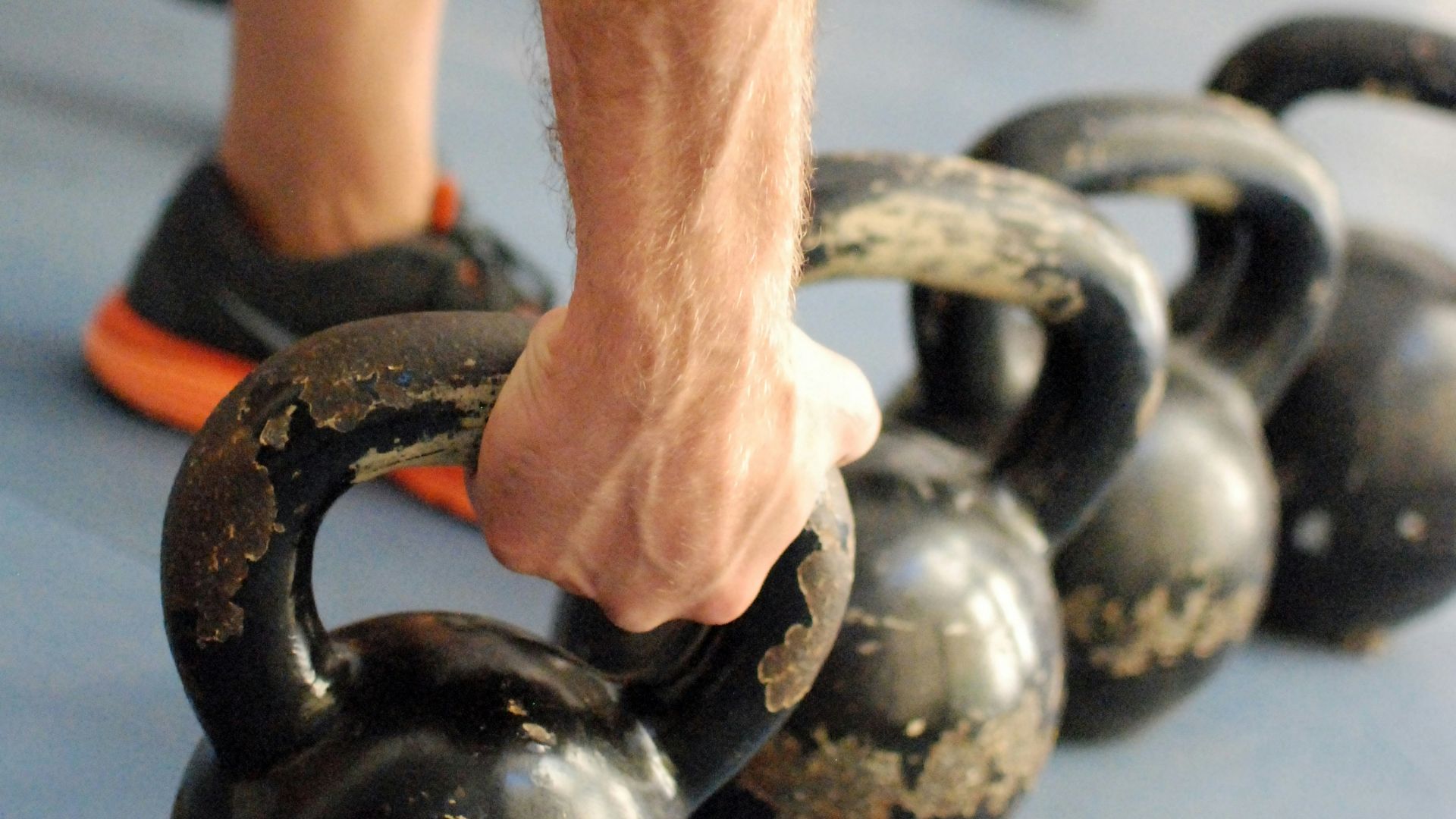
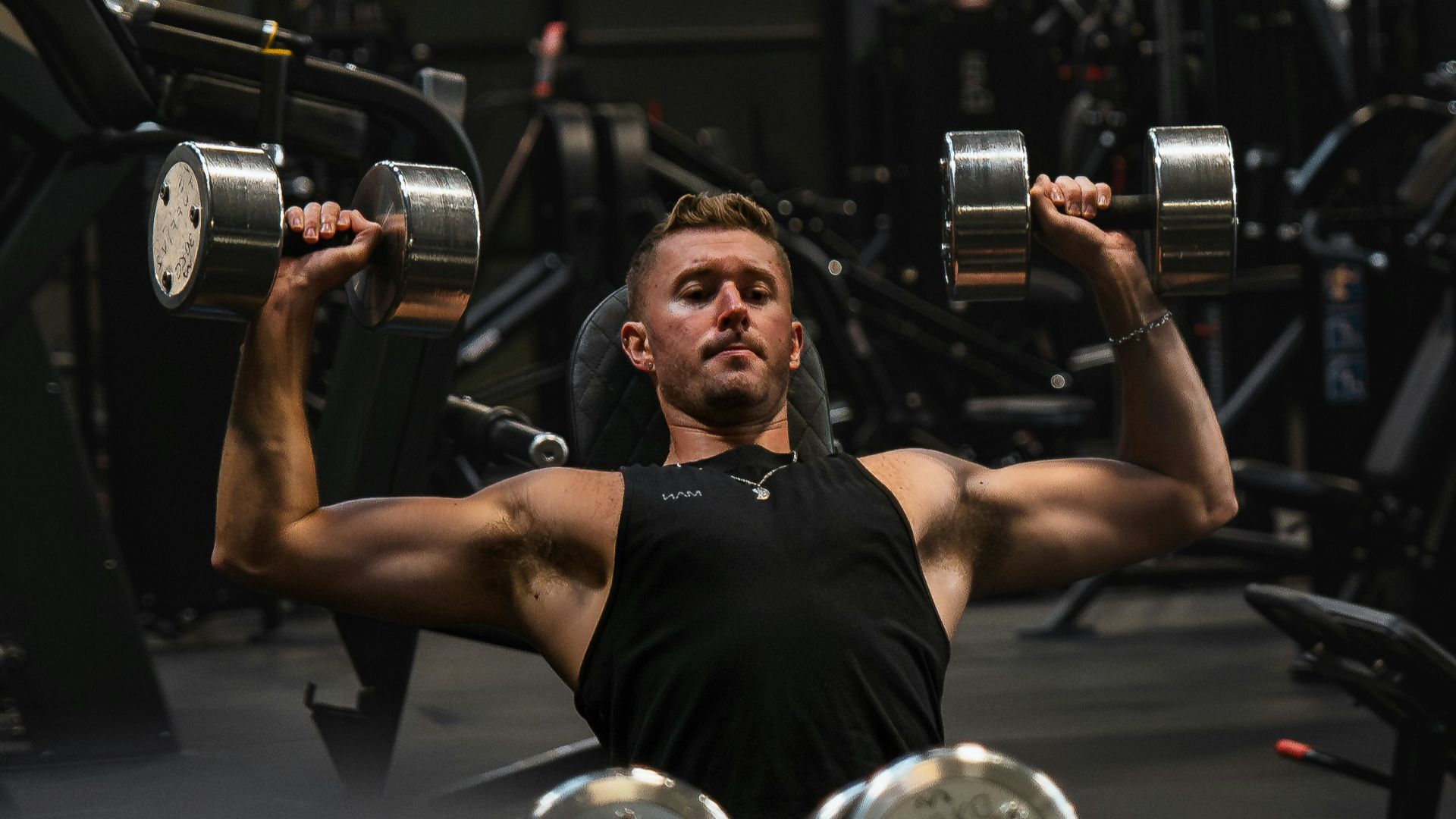
Focus on basic patterns that load the arms safely, such as curls, triceps extensions, rows, and presses. These movements train the elbow flexors and extensors in a way that transfers well to daily tasks. Remember, good technique matters more than heavy weights.
3. Use Progressive Overload
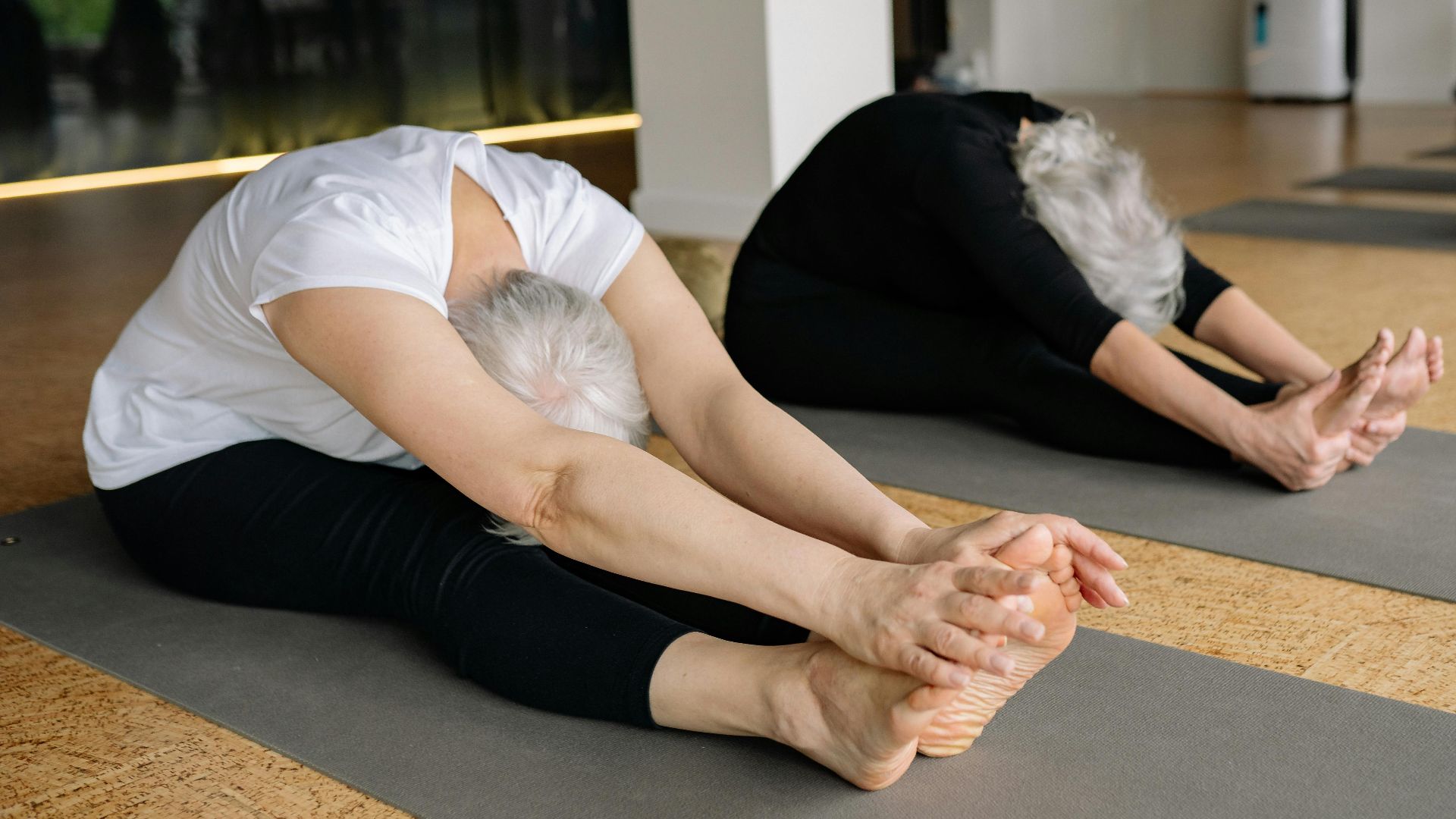
Strength improves when you gradually increase the challenge over time. You can add weight, add reps, add sets, or slow the tempo to make an exercise more difficult. Just remember to track what you did so you’re not guessing from week to week.
4. Warm Up Your Elbows
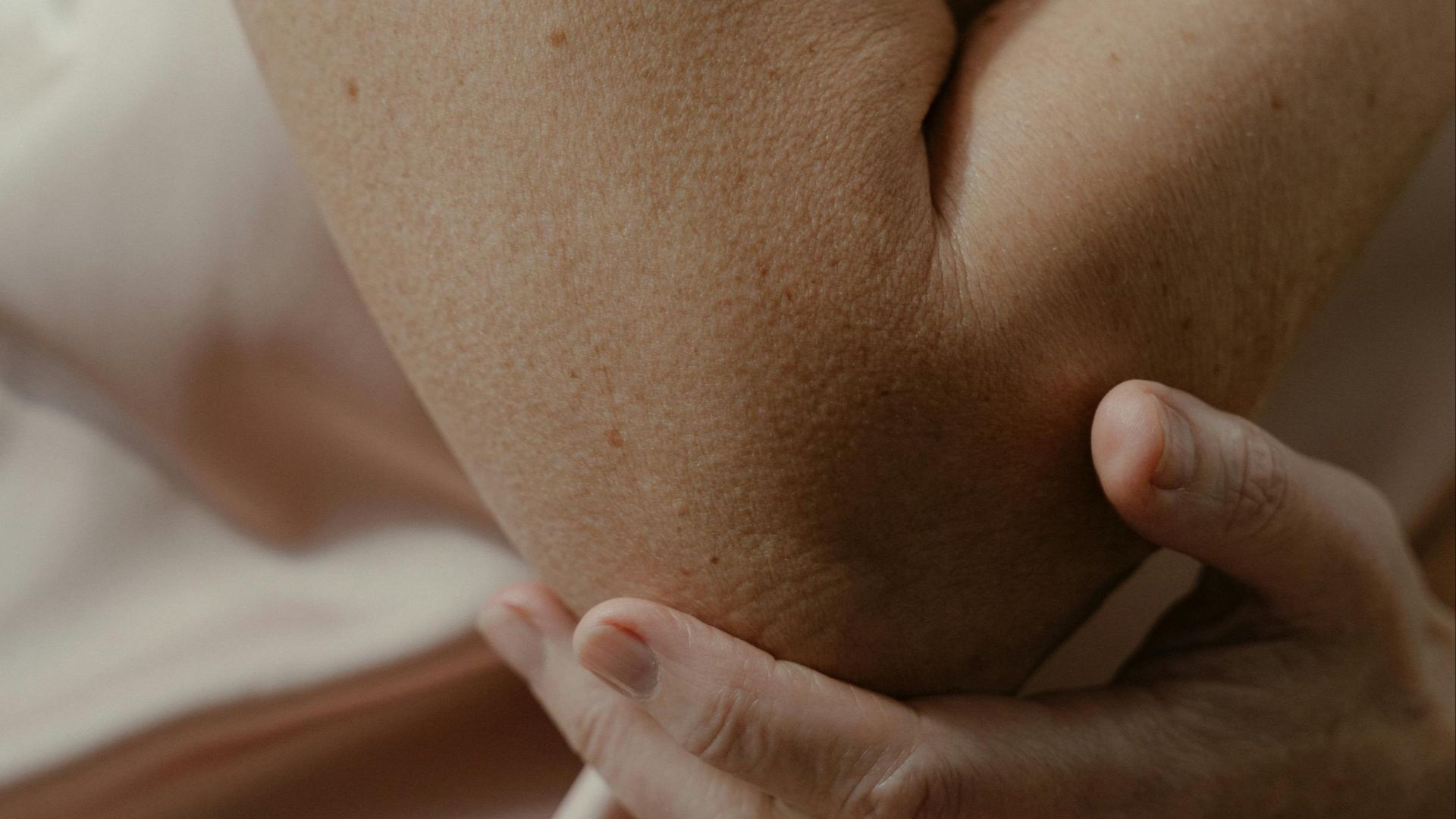
A short warm-up helps prepare tissues that tend to complain with age, especially around the elbows. Try light cardio plus easy sets of curls and pressdowns before heavier work. Warmer joints usually move better and tolerate load more comfortably.
5. Prioritize Full Range
Training through a comfortable full range of motion helps maintain mobility and builds strength where you actually use it. Shortened reps can have a place in a workout, but they shouldn’t be the default if you want all-around resilience. If a full range hurts, reduce load and adjust angles rather than forcing it.
6. Add Triceps Focus
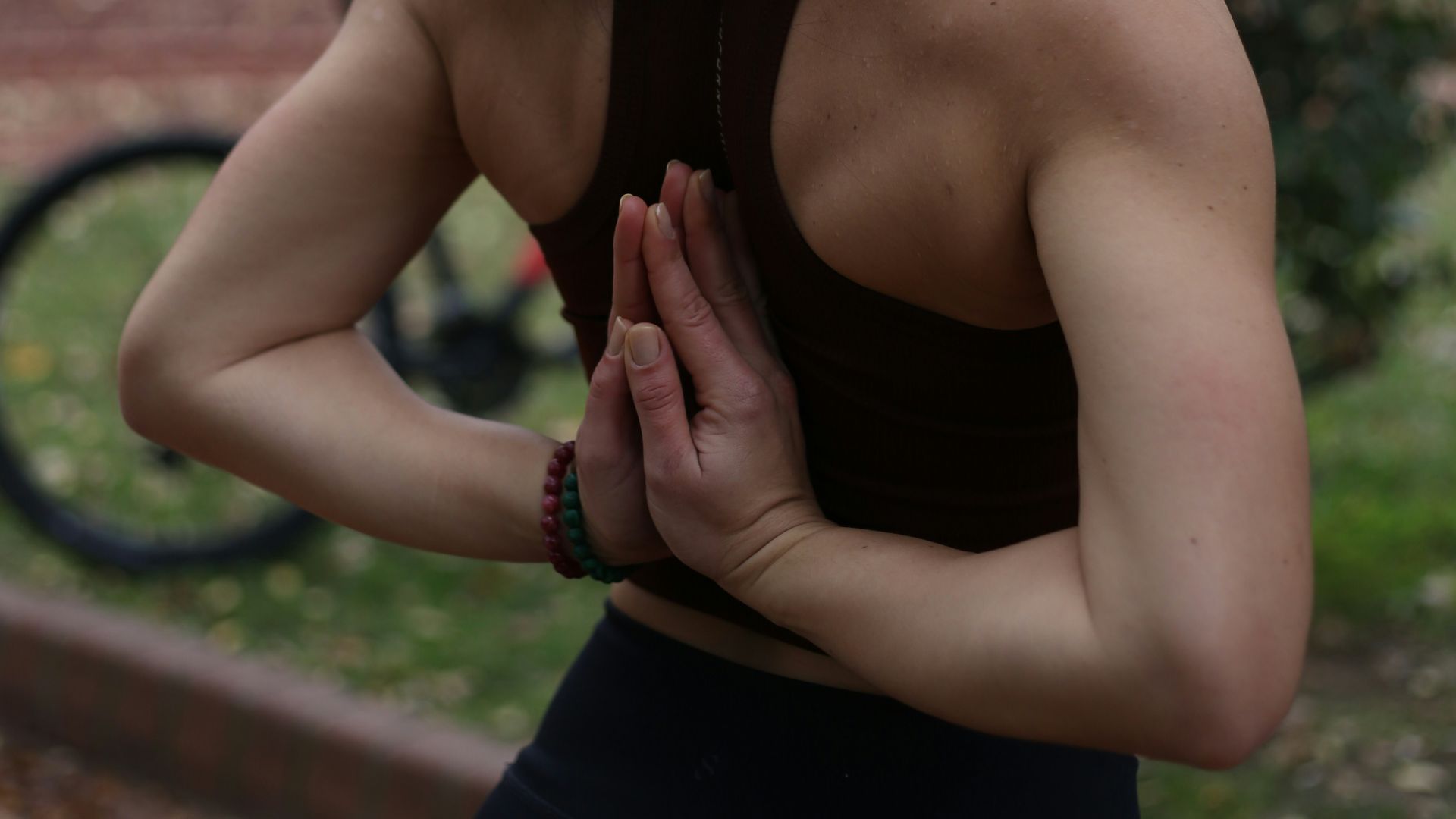
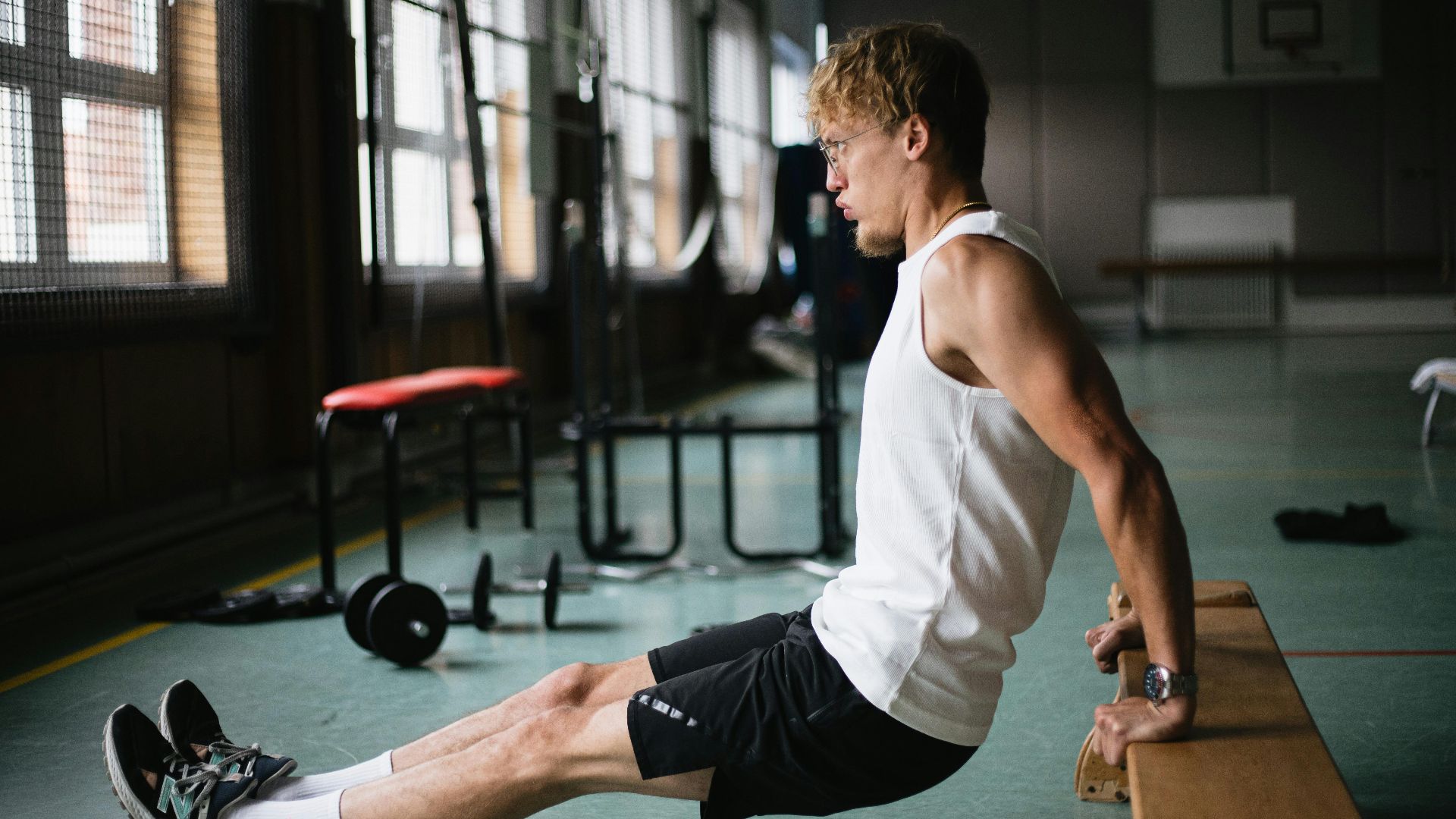
Triceps make up a large portion of the upper-arm muscle, so they deserve dedicated attention. Include moves like cable pressdowns, overhead extensions, or close-grip pressing variations. Pick options that feel good on your elbows and keep your form strict.
7. Don’t Skip Biceps
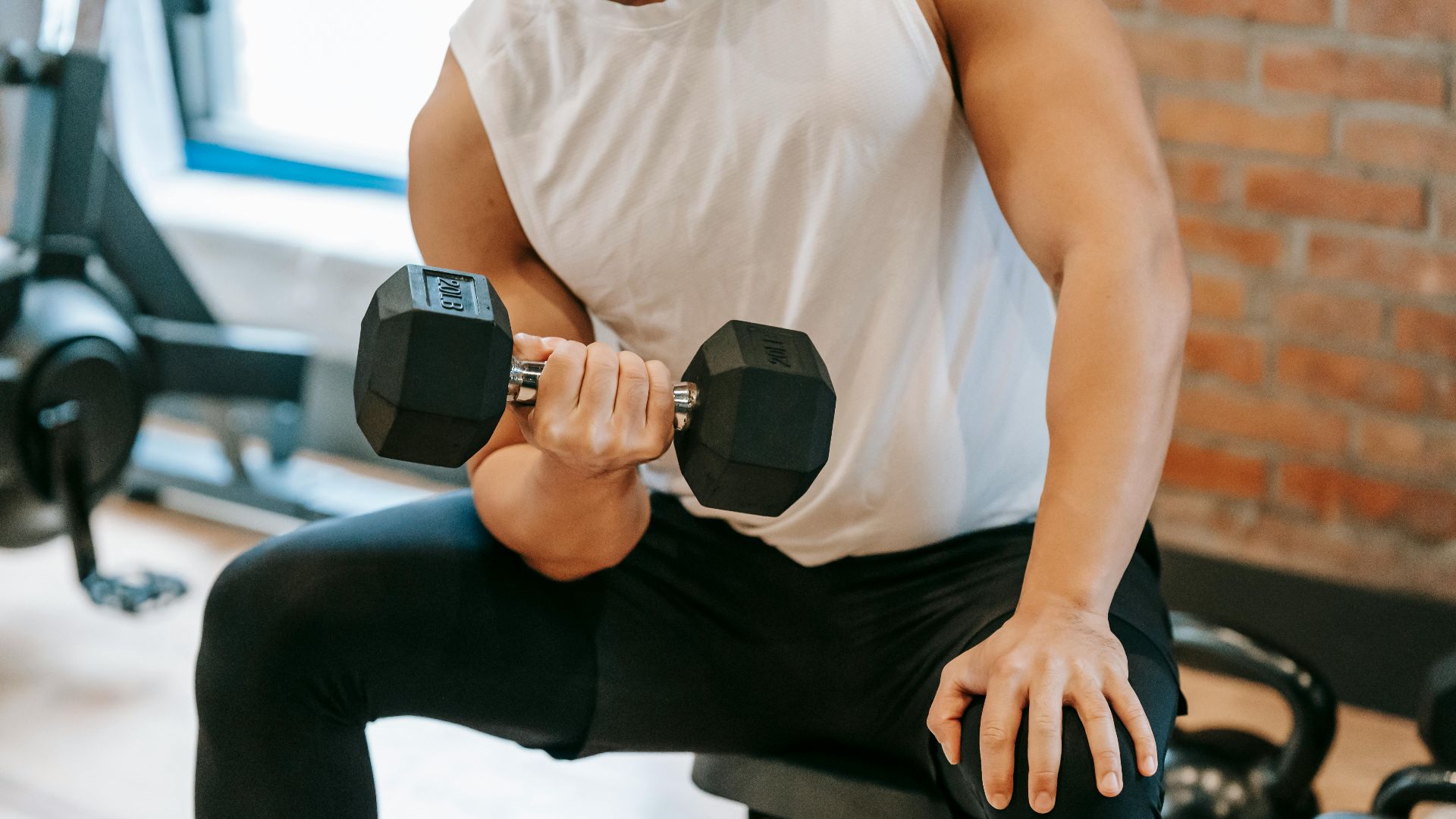
Biceps training helps with pulling strength, carrying, and general elbow stability. Mix a couple of curl styles, such as dumbbell curls and hammer curls, to hit slightly different angles. Use controlled reps so your shoulders aren’t doing all the work.
8. Strengthen Your Grip
Grip strength supports almost every upper-body exercise, plus it’s strongly tied to day-to-day function. Farmer’s carries, dead hangs, and using thicker handles can build grip without complicated routines.
9. Include Compound Lifts
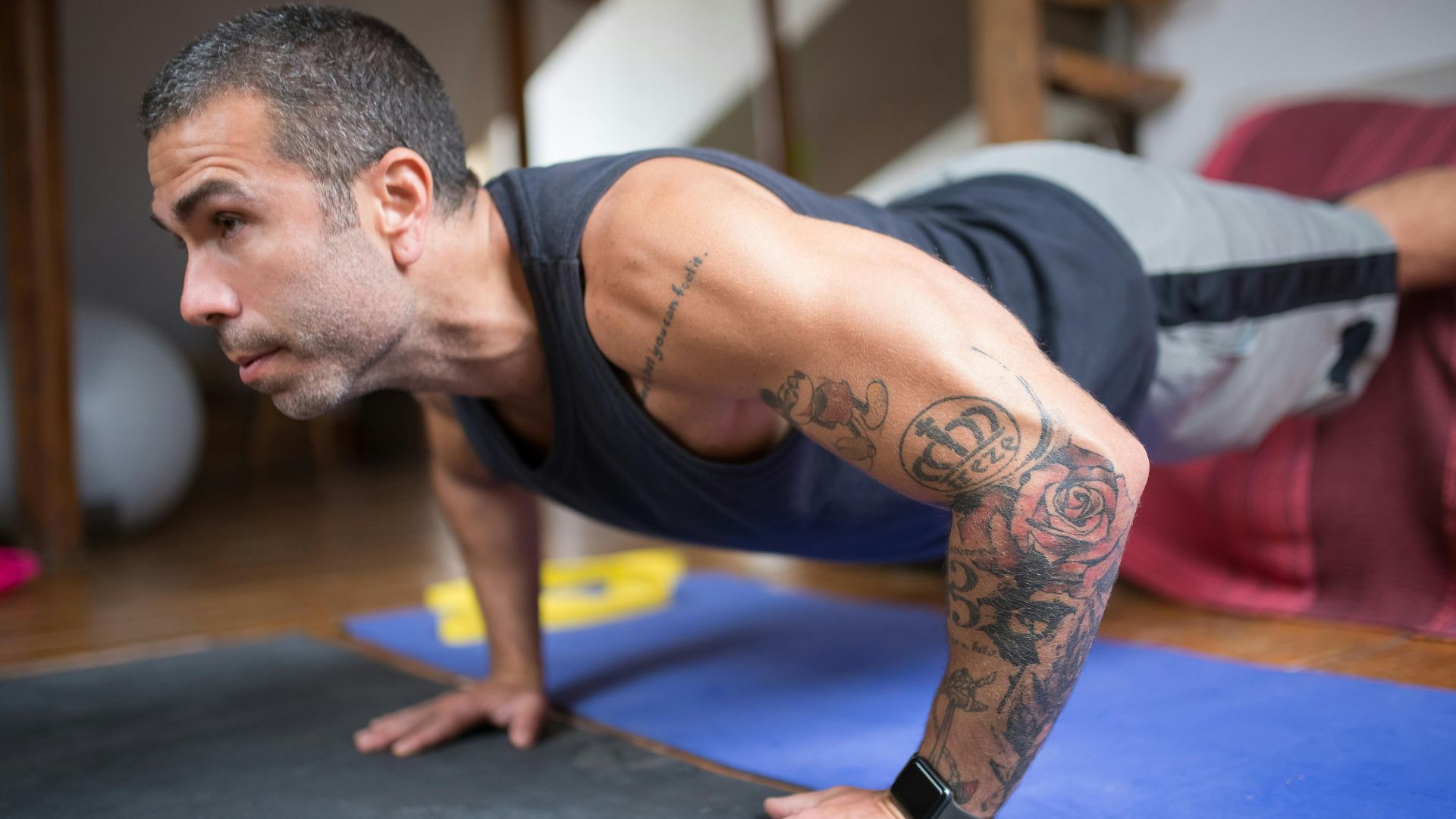
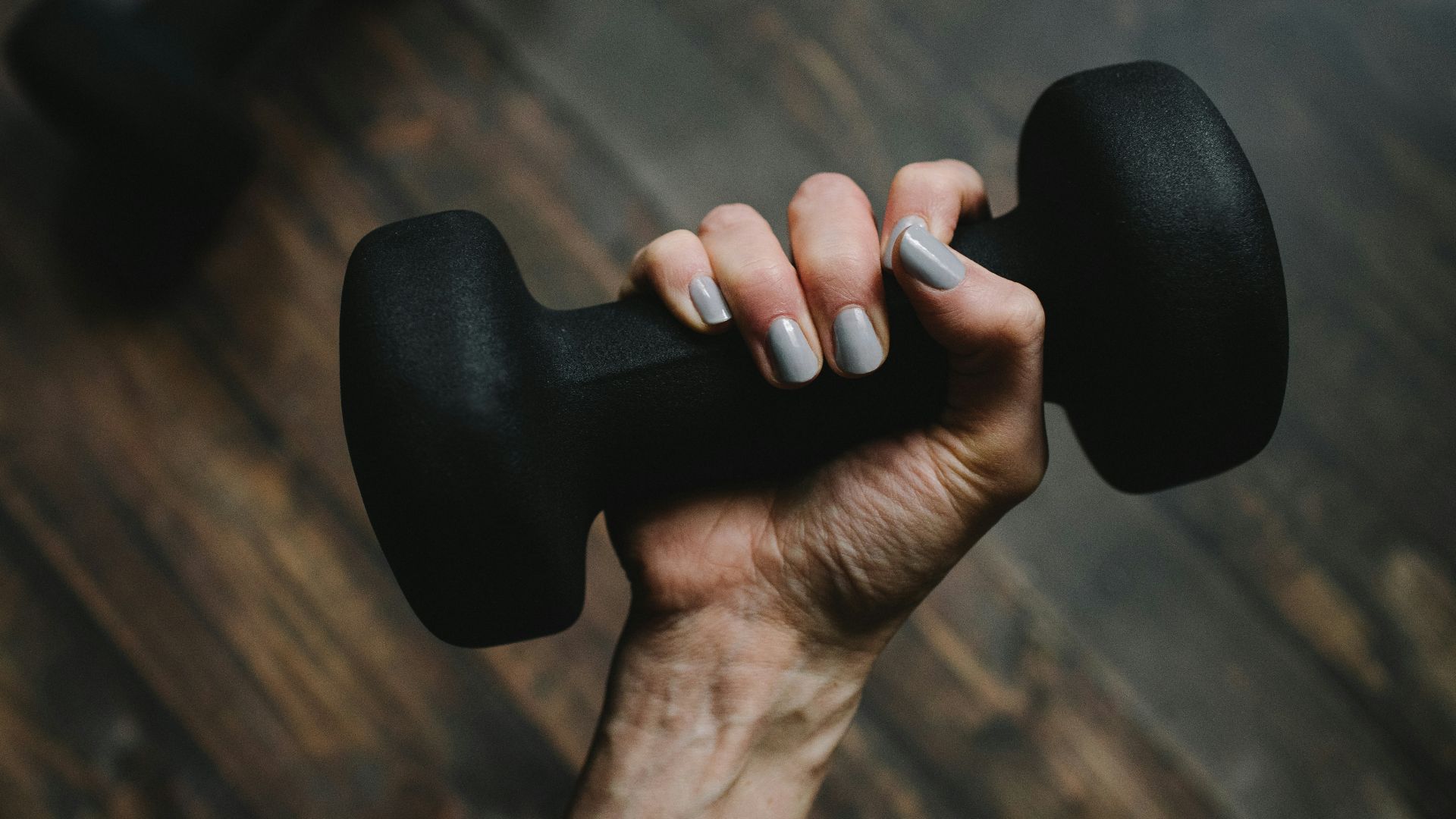
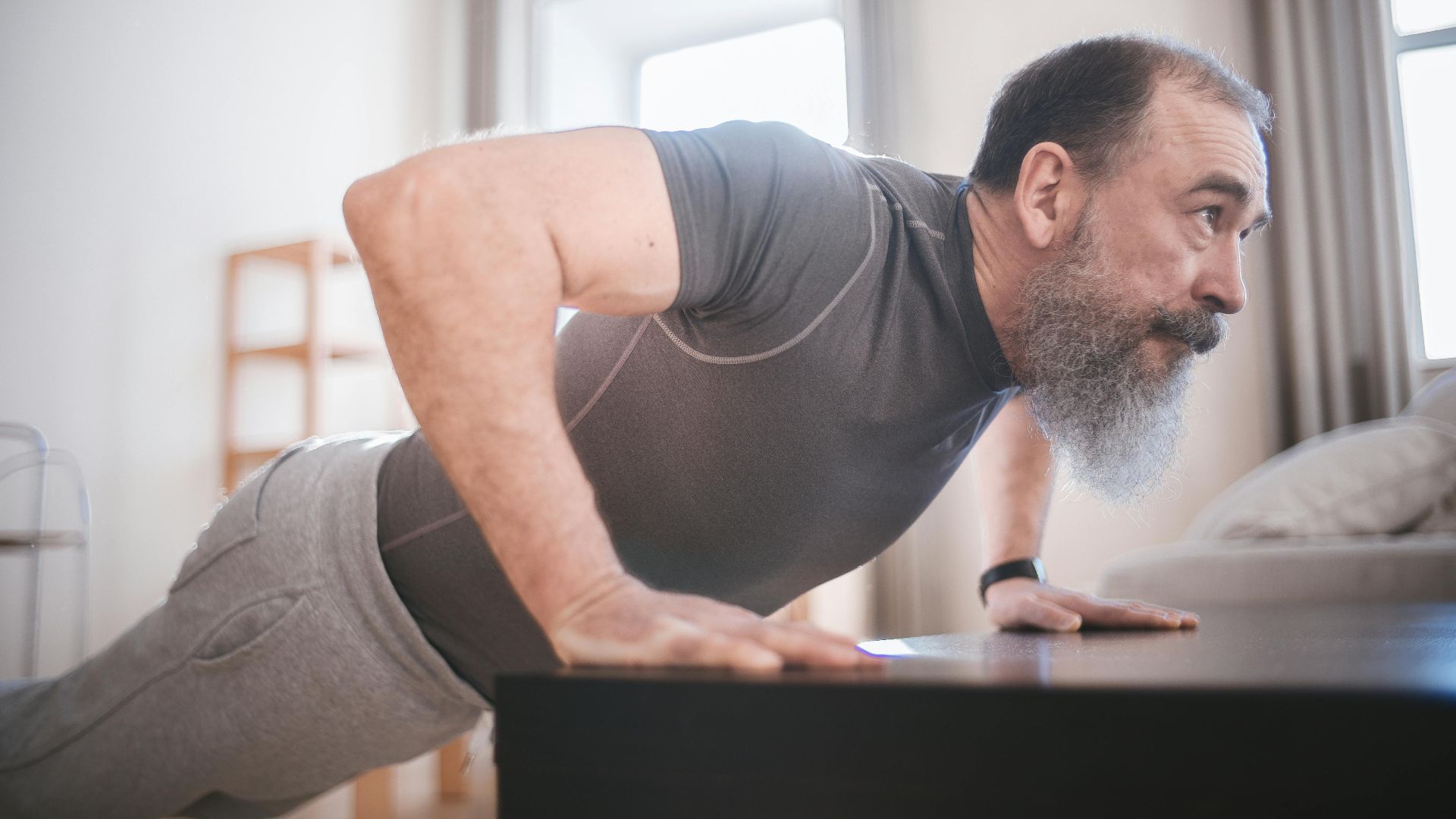
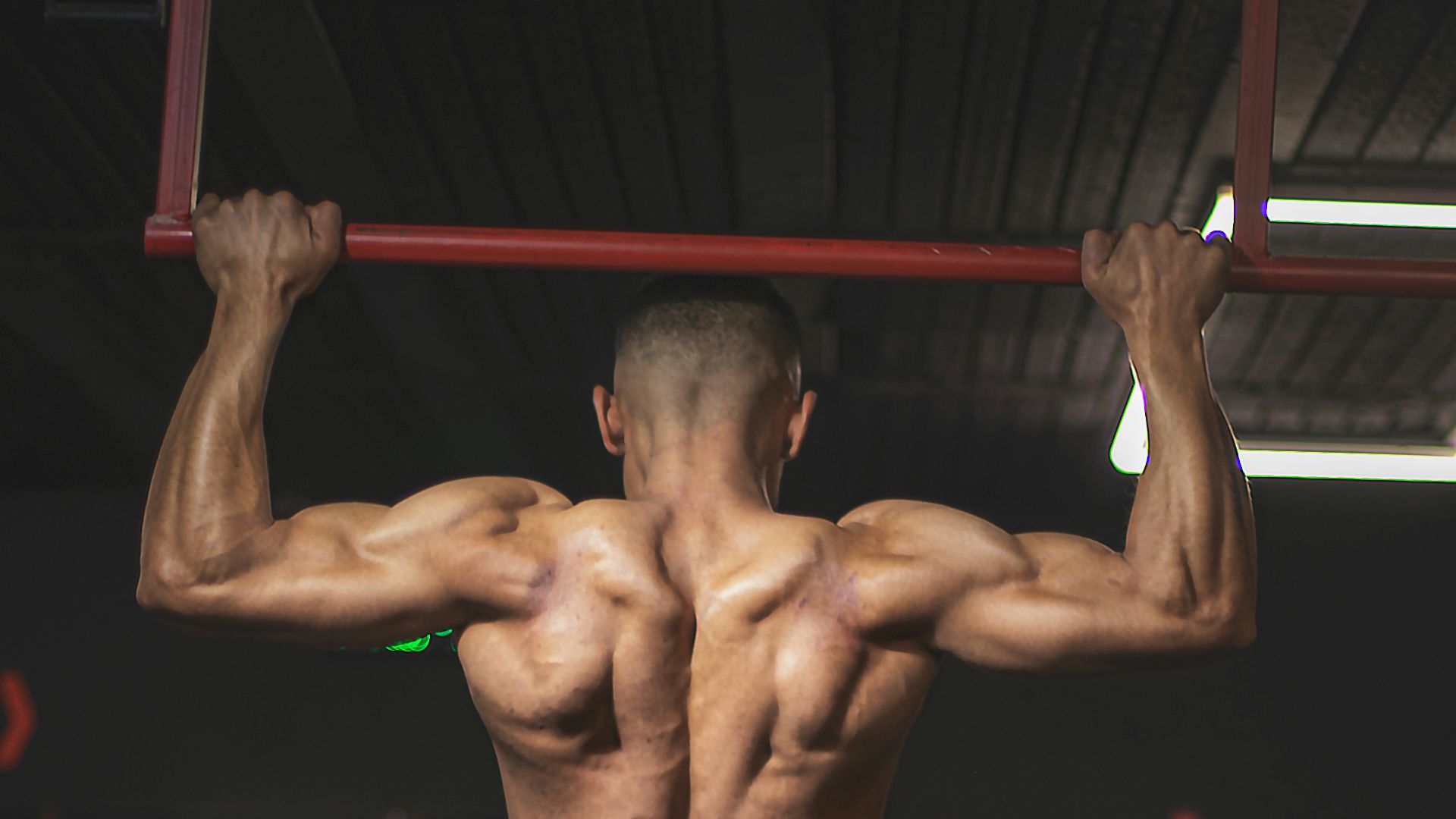
Big lifts like rows, pulldowns, push-ups, and presses train the arms while strengthening the upper back and chest. They also help maintain shoulder stability, which can reduce arm pain caused by poor mechanics. Keep the intensity appropriate so you’re not sacrificing form just to feel “worked.”
10. Choose Joint-Friendly Tools
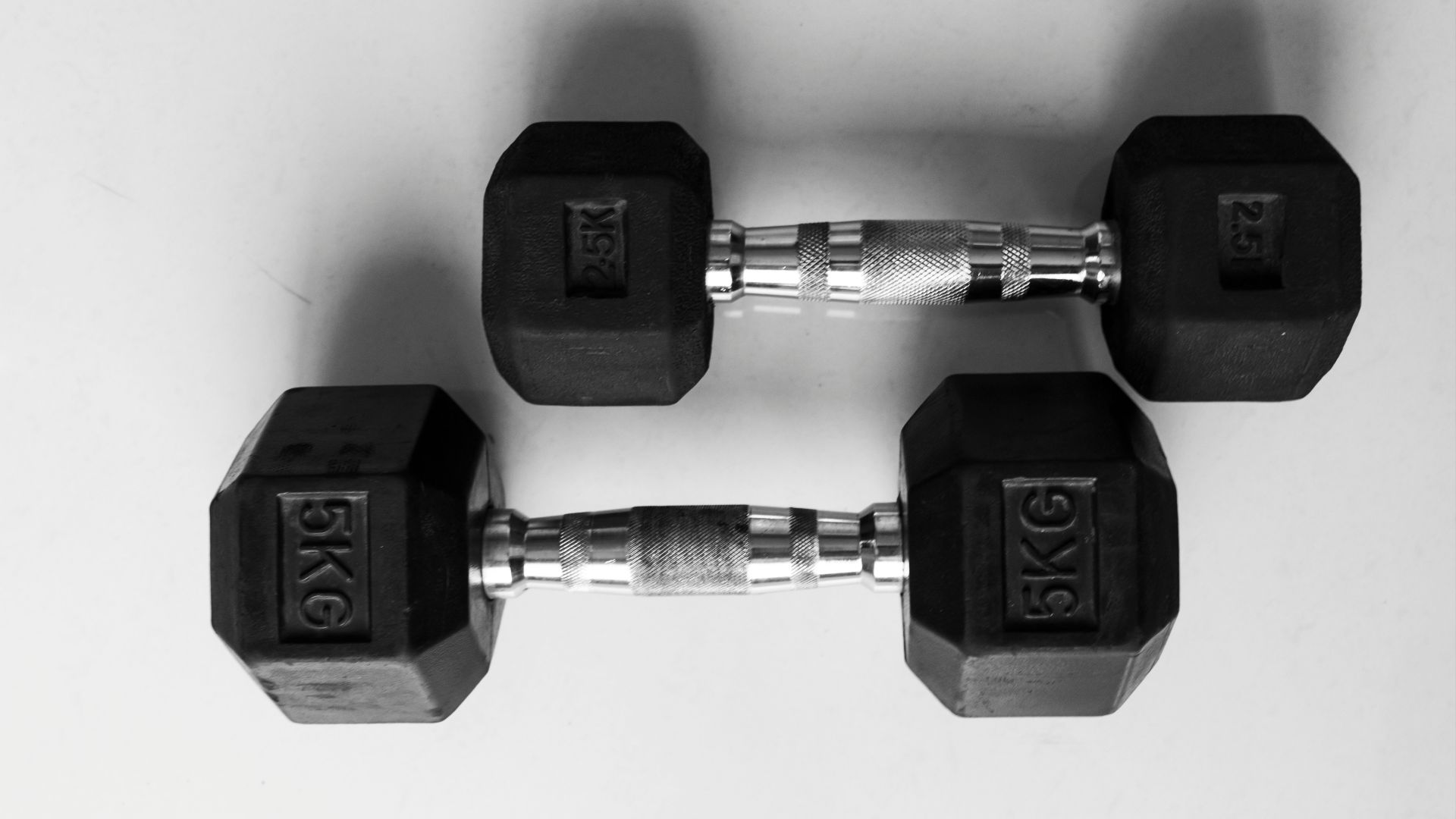
Dumbbells, cables, and resistance bands often feel kinder on older joints because they allow natural movement paths. Machines can also be useful if they fit your body well and don’t force awkward angles. If something consistently irritates your elbows, swap it out instead of trying to tough it out.
11. Control Your Lowering
Slowing the eccentric portion of a rep, meaning the lowering phase, can increase muscle stimulus without needing heavy loads. This approach is especially helpful when you’re rebuilding strength and managing joint stress.
12. Use Unilateral Training
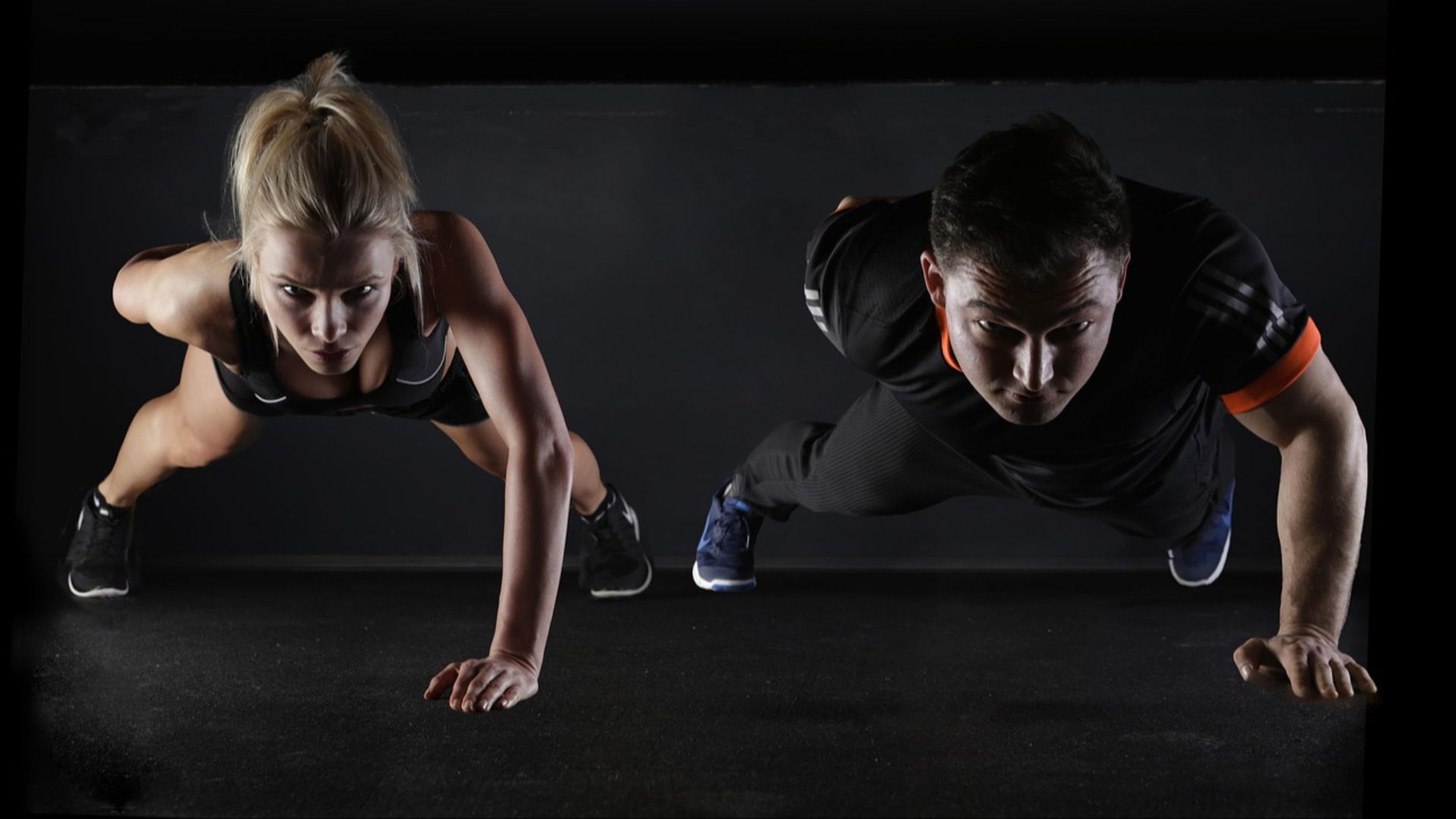
Single-arm work helps correct side-to-side differences that often show up over time. Moves like one-arm rows, single-arm presses, and one-arm curls also challenge core stability. You’ll usually notice better control and cleaner mechanics when each arm works alone.
13. Keep Reps Moderate
For many people over 50, a moderate rep range like 8–15 is a sweet spot for building muscle with manageable joint strain. Heavier sets can be effective too, but they should be introduced gradually and not used for every exercise. Lighter, higher-rep sets can also work well for tendon comfort and skill practice.
14. Build Shoulder Support
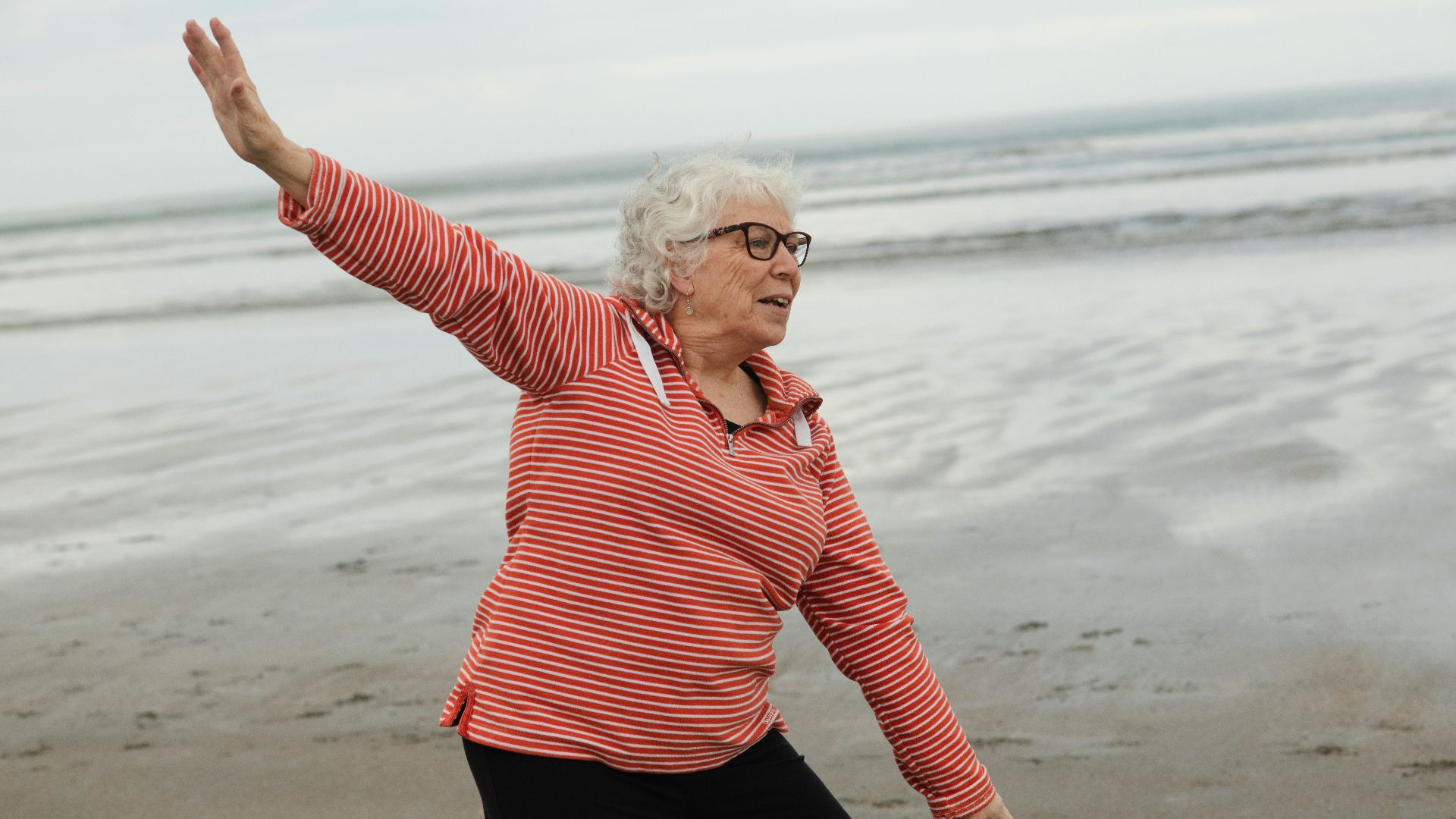
Strong arms depend on healthy shoulders, because the shoulder positions the arm for pressing and pulling. Add exercises like face pulls, rear-delt raises, and external rotation work to support shoulder mechanics. Better shoulder stability often makes curls and triceps work feel smoother.
15. Respect Tendon Recovery
Tendons typically adapt more slowly than muscles, and that matters as you age. If you ramp up volume too fast, you may feel persistent elbow or shoulder irritation even if your muscles feel fine. Increase workload in small steps and take discomfort seriously before it becomes chronic.

16. Practice Smart Volume
More isn’t always better, especially if recovery isn’t matching your effort. A practical starting point is 6–12 total working sets per week for biceps and triceps each, adjusted to your skill level. If you’re progressing and joints feel good, you can nudge the volume upward.

17. Train With Good Posture
Arm strength improves faster when your torso and shoulder blades stay stable during reps. Stand tall, avoid excessive swinging, and keep your wrists in a neutral position when possible. Cleaner reps load the target muscles more effectively and reduce annoying aches.

18. Eat Enough Protein
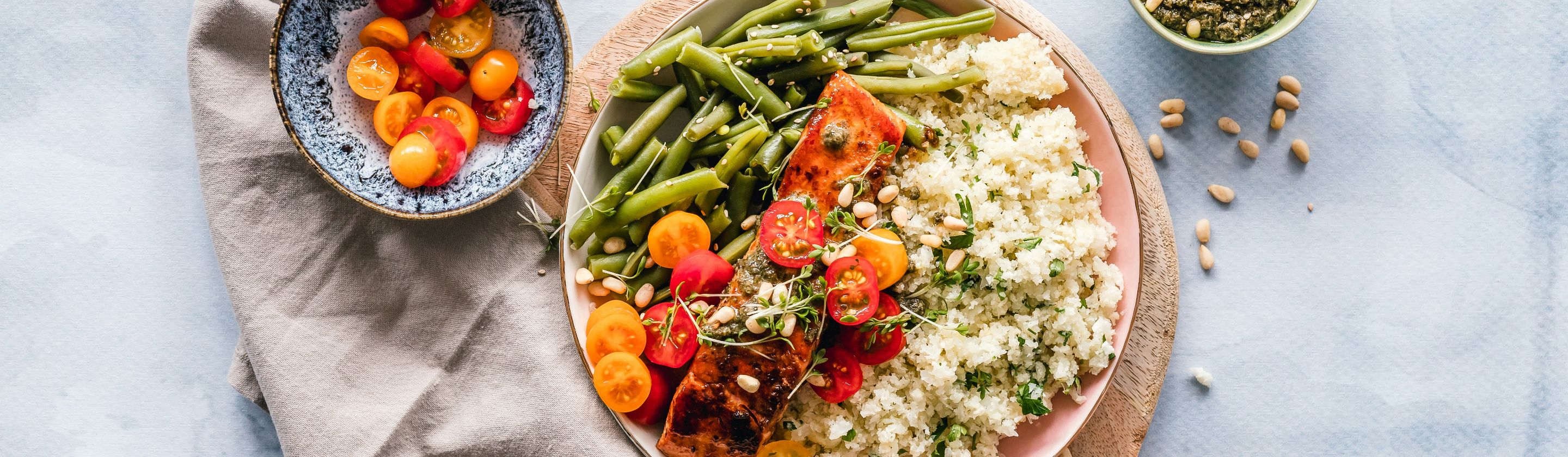
Muscle building after 50 responds well to adequate protein spread across the day. Many experts suggest aiming for roughly 25–35 grams of protein per meal, depending on body size and goals. Pair protein with overall sufficient calories, because undereating makes strength gains harder.

19. Sleep Is Important
Recovery is when your body repairs tissue and adapts to training, and sleep is a major driver of that process. If you’re consistently short on sleep, performance drops and cravings rise, which can derail consistency. Even small improvements in sleep routine can help workouts feel noticeably better.
20. Progress With Patience
The safest long-term plan is steady progression, not sudden intensity spikes. Add challenges gradually, deload when needed, and pay attention to any pain that changes your movement pattern. If you have medical concerns or past injuries, getting guidance from a clinician or qualified trainer can keep you moving forward confidently.