When Stress Looks Like Personality
Stress is sneaky because it rarely announces itself with a siren. It shows up as a tone, a habit, or a way of moving through rooms. When the body stays stuck in flight or fight, the brain starts making fast, protective choices that feel automatic, and those choices can start getting mistaken for who someone is. Over time, people around you stop saying you’re stressed and start saying you’re just like that, which can feel unfair and also weirdly comforting, like at least there’s a label. The catch is that chronic stress changes attention, sleep, memory, and reactivity, so what looks like personality can sometimes be physiology in a trench coat. Here are 20 stress responses that commonly get misread as fixed traits, especially when they’ve been running in the background for years.

1. Being Short With People
Irritability often reads as rudeness, yet it can be a sign that mental bandwidth is gone. When stress is high, the brain prioritizes getting through the moment, and softness gets treated like an extra expense. The result is a clipped tone that surprises even the person using it.

2. Overexplaining Everything
Overexplaining can look insecure, but it often comes from expecting conflict or misunderstanding. When someone’s nervous system is braced, they try to remove every possible angle for blame by adding context, disclaimers, and proof. It’s not about loving the sound of one’s voice, it’s about trying to be safe.

3. Always Being Busy
Constant motion can look like ambition, yet it can also be a strategy for staying ahead of feelings. When you’re busy, there’s no quiet, and quiet is where the stress catches up. A packed calendar can function like a lid on a boiling pot.

4. Perfectionism
Perfectionism gets praised as high standards, even when it’s fear dressed as excellence. When mistakes feel dangerous, control becomes oxygen, and finishing something becomes a moral referendum. The person looks meticulous, but they’re often just trying to avoid fallout.

5. People-Pleasing
Being agreeable can read as sweetness, but fawning is a real threat response where safety comes from keeping others calm. You’ll see it in quick apologies, constant checking, and a reflex to accommodate. The cost is usually paid later in exhaustion, resentment, and a sense of being quietly erased.

6. Shutting Down Mid-Conversation
Going quiet can look cold, yet freezing is a classic stress pattern. The mind can go blank, the body can feel heavy, and words disappear right when they’re needed most. People misread it as indifference when it’s often overload.

7. Hyper-Independence
Doing everything alone can look strong, but it’s often a response to unreliable support. If help has historically come with strings, criticism, or disappointment, self-sufficiency becomes the safer bet. The person seems capable, yet they’re also isolated.

8. Controlling The Details
Micromanaging can look like a personality quirk, yet it frequently grows from uncertainty feeling unbearable. When life is unpredictable, controlling small things can create a temporary sense of stability. It’s less about enjoying control and more about needing it.
9. Humor That Never Turns Off
Always joking can look charismatic, but it can also be a way to regulate discomfort and dodge vulnerability. Humor changes the temperature in a room fast, which is useful when sincerity feels risky. People call it being fun, even when it’s actually armor.
 OurWhisky Foundation on Unsplash
10. Procrastination
Procrastination gets mislabeled as laziness, yet stress can make a task feel like a threat. Avoidance brings immediate relief, which teaches the brain to repeat it, even if it creates a mess later. The person looks unmotivated while quietly feeling overwhelmed.
 Nubelson Fernandes on Unsplash
11. Being Intense
Intensity can look like passion, but it can also be hyperarousal, where the body stays keyed up and urgent. Everything feels immediate, so reactions come out bigger than the situation calls for. People chalk it up to temperament when it’s often a nervous system stuck in high gear.

12. Forgetfulness
Stress can crush working memory and attention, which is why someone under pressure can seem flaky. When the brain is scanning for danger, everyday details don’t stick, and simple tasks get dropped. It looks careless from the outside and feels embarrassing from the inside.
13. Picking Fights
A combative style can look tough, yet it can be fight mode as a default. If the body expects threat, it starts sharpening everything, and conflict becomes a way to feel in control. The person seems argumentative when they’re often just bracing.

14. Emotional Detachment
Detachment can read as aloofness, but it can be protective numbness. When feelings have been overwhelming or punished, the mind learns to step back, go flat, and keep distance. It’s not a lack of emotion, it’s a shutdown to avoid getting flooded.

15. Needing Constant Reassurance
Reassurance-seeking can look needy, but it’s often an attempt to quiet an internal alarm. When someone’s threat system stays active, uncertainty feels physically unbearable, so they reach for confirmation. The repetition isn’t about drama, it’s about calming panic.
16. Overachieving
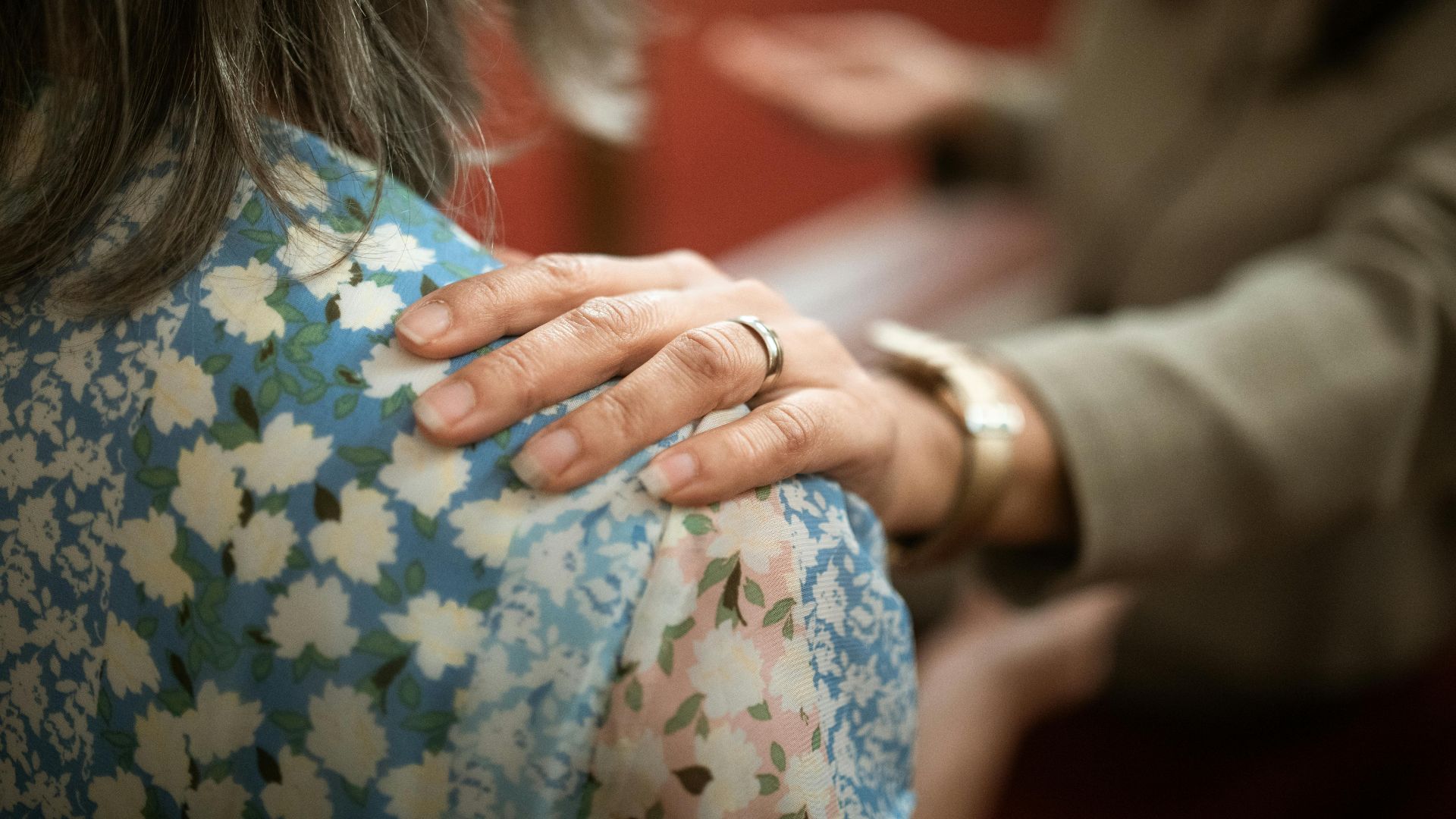
Overachievement can look like pure drive, yet it can be stress bargaining for safety through performance. If love, praise, or stability has felt conditional, success becomes the price of belonging. People see the trophies and miss the fear underneath.

17. Avoiding Decisions
Indecision can look passive, but it can be a protective response to consequences. When past choices were punished or mocked, choosing starts to feel like stepping into a trap. Delaying becomes a way to reduce perceived risk, even when it creates its own stress.
 Priscilla Du Preez 🇨🇦 on Unsplash
18. Being Low Maintenance
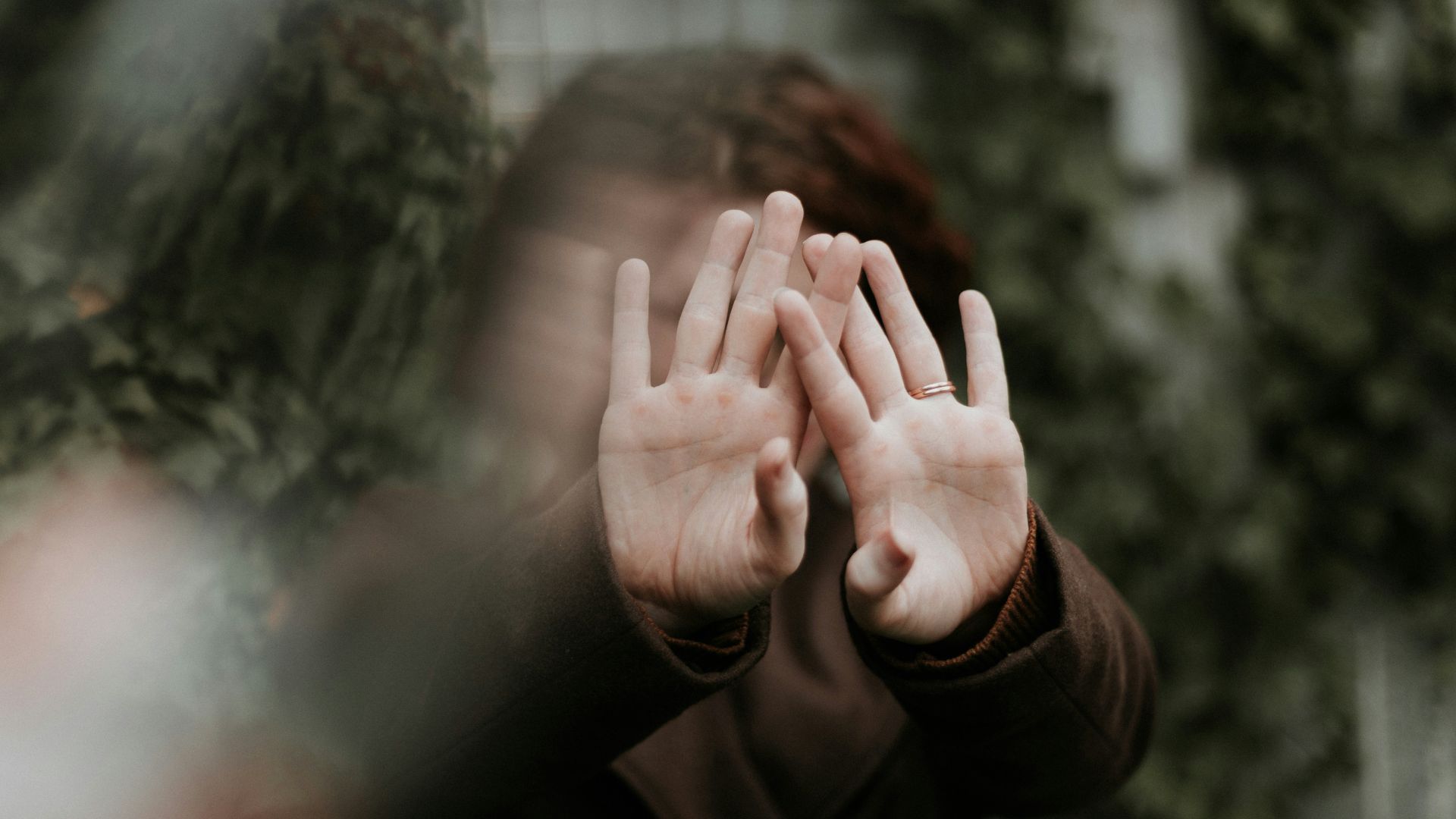
Low maintenance can look chill, yet it can also be someone making themselves small to avoid being a burden. Needs get swallowed because asking has historically led to dismissal, conflict, or shame. People admire the easygoing vibe without seeing the self-erasure.

19. Constant Checking And Rechecking
Repeated checking can look picky, but it often grows from anxiety about mistakes and surprises. The relief from checking is brief, so the loop restarts, and the person gets labeled obsessive. Underneath is usually a nervous system trying to prevent disaster.
 Glenn Carstens-Peters on Unsplash
20. Always Being Fine
Being fine no matter what can look resilient, yet it can also be emotional suppression. When vulnerability has felt unsafe, composure becomes compulsory, and pain gets packed away with a tight smile. People call it strength, while the body keeps the receipts.