Weirder, Slower, Drier, More Noticeable
Turning 30 doesn’t flip a switch, yet it does start a long stretch of tiny, ordinary trade-offs that can feel oddly personal. One day a late night is just a late night, and the next day it’s a whole mood, complete with puffy eyes, cranky joints, and a brain that takes a second to load. The annoying part is how subtle it is: nothing is “wrong,” but a bunch of little systems stop being effortlessly elastic, like they used to be when you could sprint for the bus and call it cardio. The reassuring part is that a lot of what feels like betrayal is simply the body doing standard maintenance on a timeline humans have always had. Here are 20 normal shifts you might notice after 30, especially as the years stack up.

1. Muscle Doesn’t Stick Around Without Work
Muscle mass and strength tend to peak around the early 30s, and then the baseline starts drifting down unless you keep giving the body a reason to hold on. The change can be sneaky, showing up less as “weak” and more as groceries that feel slightly heavier than they used to.

2. Soreness Lingers
Workouts can leave a longer echo, where soreness lingers into day two, sometimes day three, even when the effort felt pretty normal. Part of the reason is that the body’s muscle and performance curve is no longer climbing by default, so recovery can feel more like a negotiation than a guarantee.
 Karolina Grabowska www.kaboompics.com on Pexels
3. Flexibility Quietly Shrinks
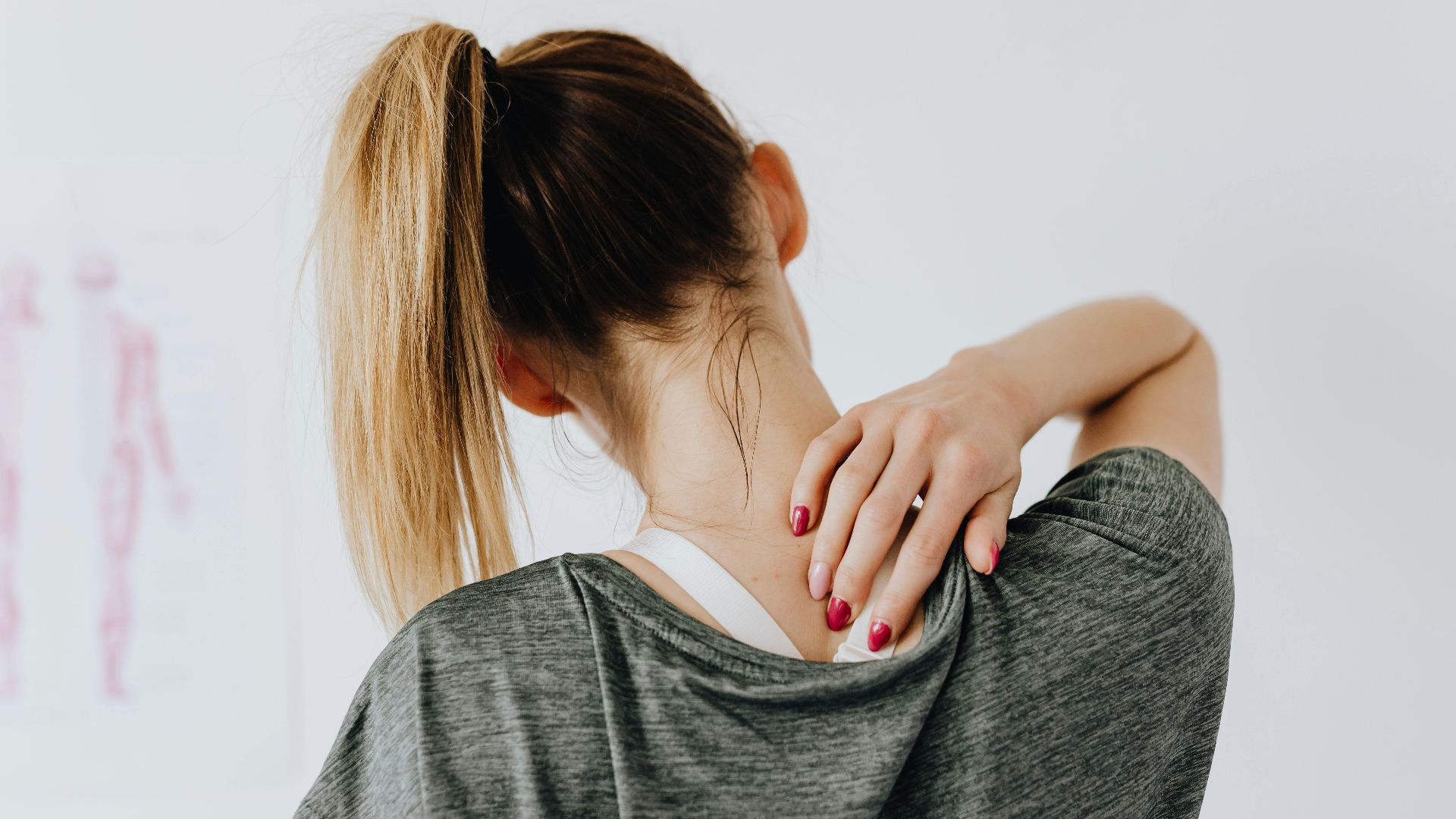
Tendons and ligaments don’t stay springy forever, and joints can feel stiffer in the mornings or after sitting too long. Even if you’re active, the range-of-motion most people take for granted starts to tighten a little over time.

4. Your Spine Starts Slacking
The trunk can gradually get shorter because the disks between vertebrae lose fluid and thin with age, which can subtly change posture and how certain chairs feel on the lower back. It’s not dramatic, but it explains why standing tall can feel like something you have to remember to do.
5. Body Fat Migrates Toward The Middle
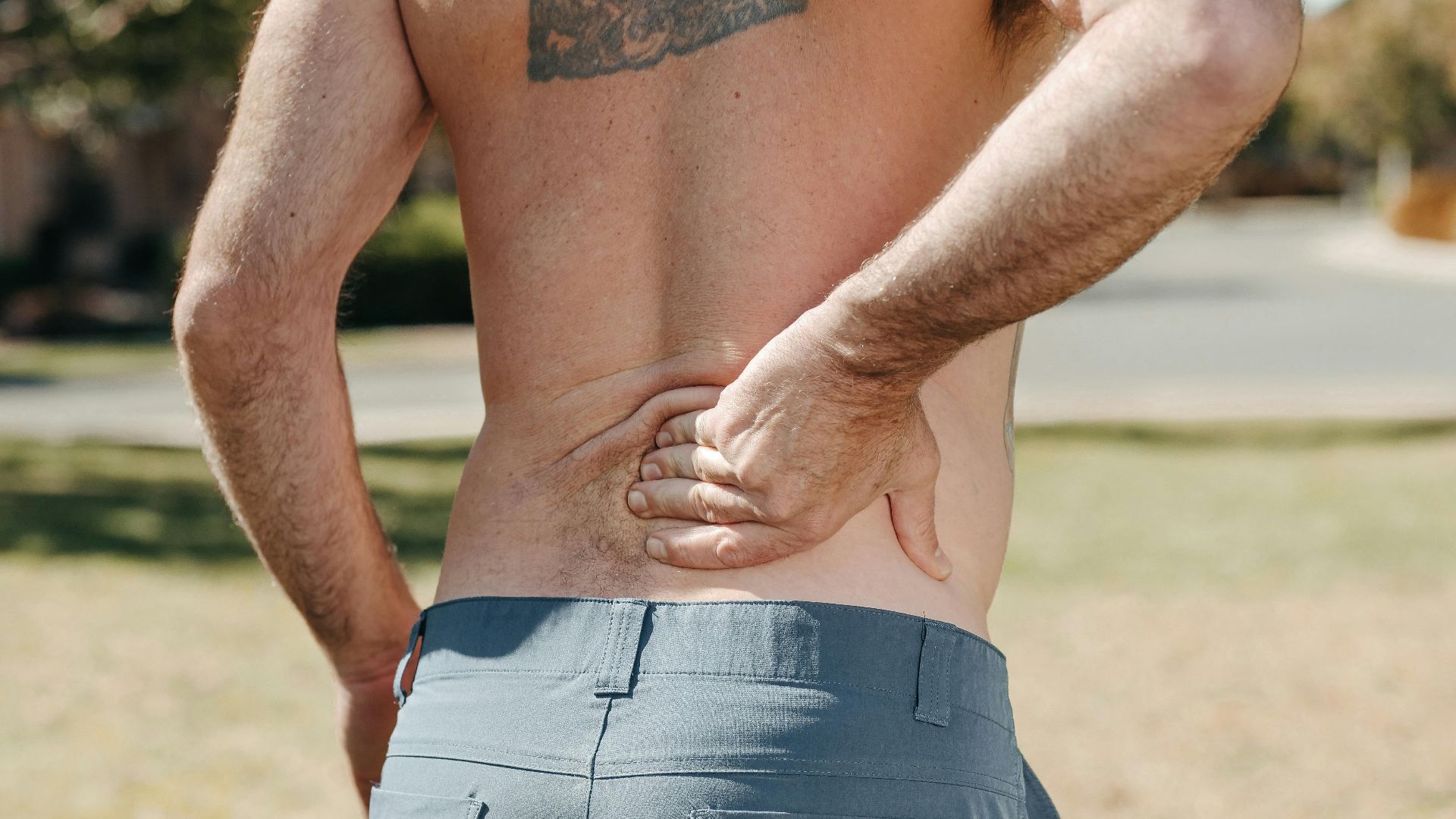
Even at the same scale number, body shape can shift as fat distribution changes with age, often drifting more toward the center. This is the era where the waistband can start feeling more “honest” than the mirror.

6. Metabolism Starts Changing
A lot of people don’t experience a sudden metabolic cliff right at 30, which is both comforting and annoying. The catch is that daily movement and muscle can slide unless you protect them, so the practical calorie budget can still feel smaller in real life.
 doTERRA International, LLC on Pexels
7. Blood Pressure Can Creep Up
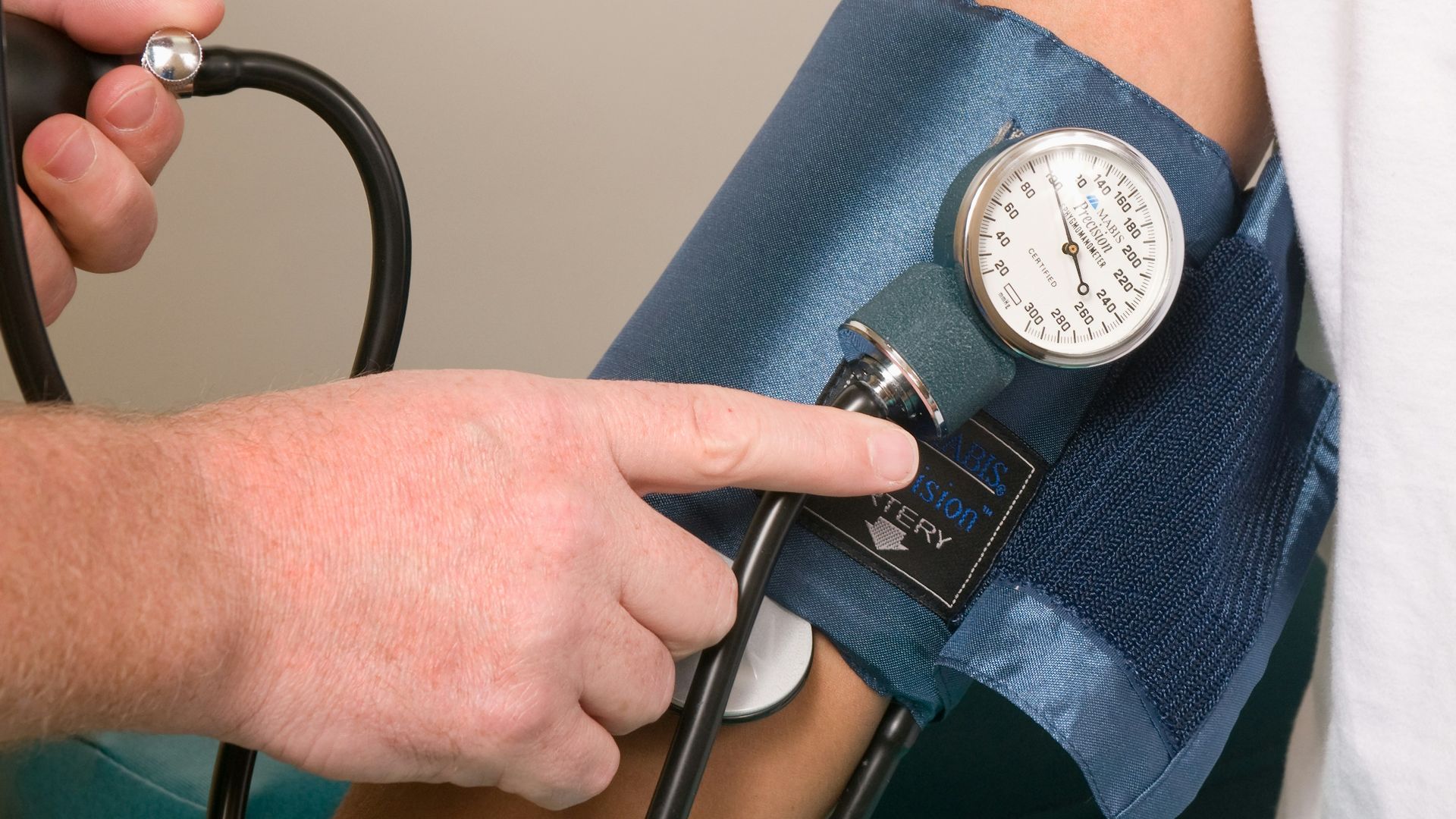
Blood pressure can rise gradually with age, and it doesn’t usually announce itself with symptoms. This is one reason routine checkups start feeling less optional and more like basic upkeep.
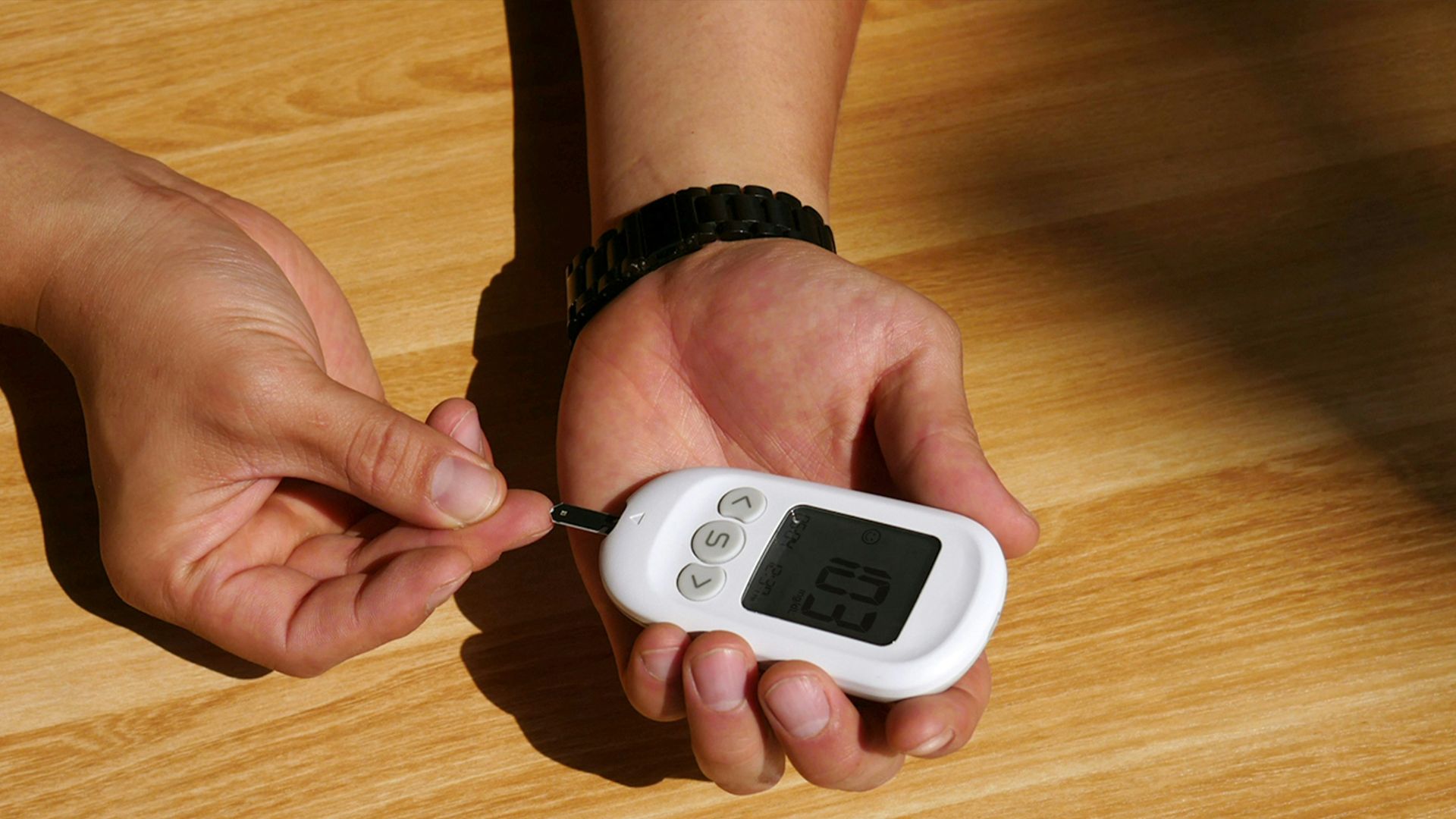
8. Blood Sugar Tolerance Gets Less Forgiving
Aging is often associated with changes in how the body handles blood sugar, especially when stress, sleep, and activity levels wobble. The everyday version of this is noticing that skipping meals, living on pastries, or stress-snacking hits harder than it did at 22.
9. Sleep Becomes Easier To Disrupt
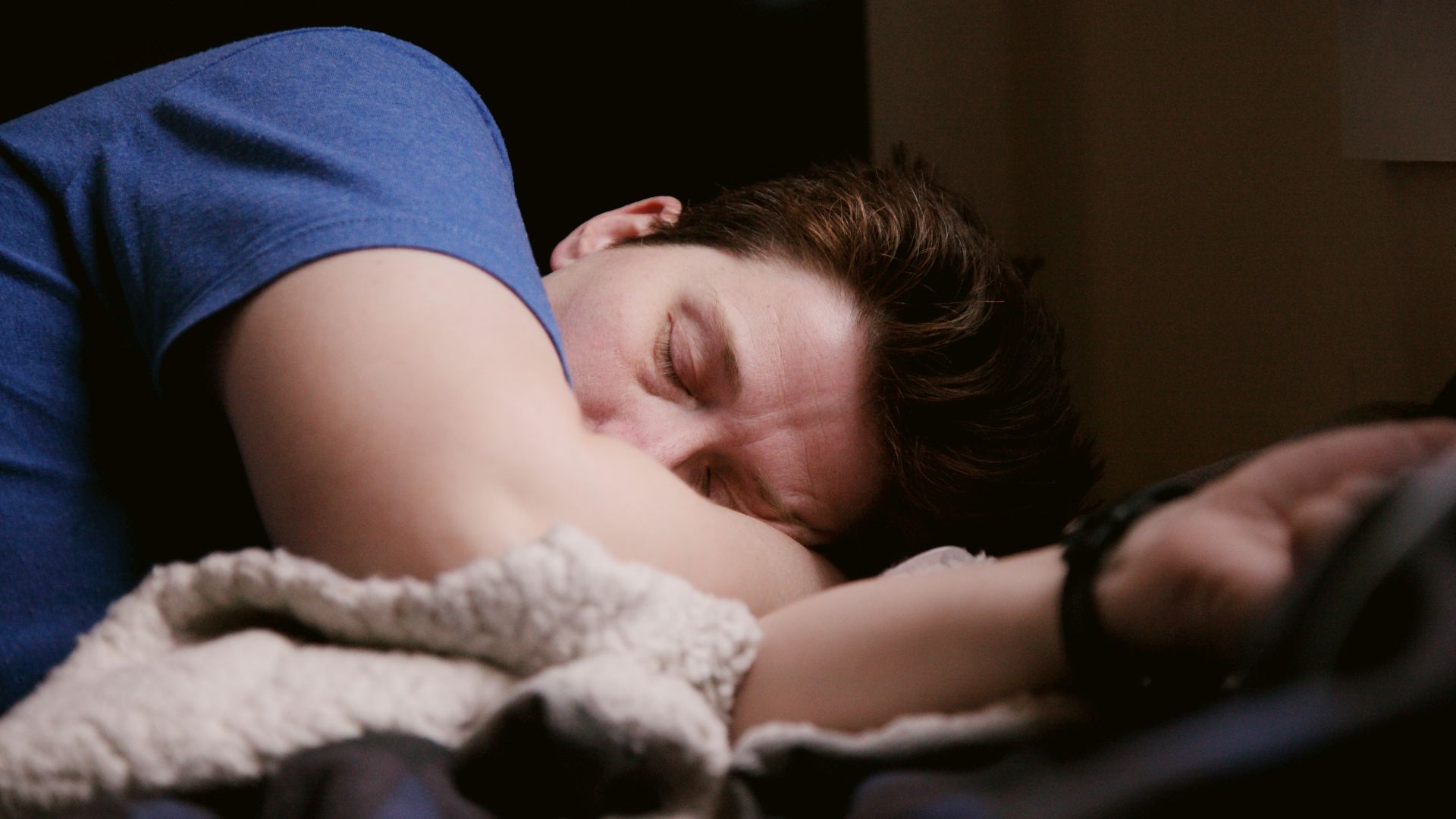
Sleep can get more sensitive to routine changes, stress, alcohol, and screens, so a small disturbance becomes a full night of half-sleep. For a lot of people, the fix isn’t dramatic, it’s just realizing that the body now expects a calmer runway into bedtime than it used to.
10. Near Vision Starts To Pick A Fight
Up-close focusing tends to get less crisp with age, and many people start noticing it more clearly in their late 30s and 40s. This is how perfectly fine menus turn into arm-extension workouts.

11. Hearing In Noisy Rooms Gets Harder
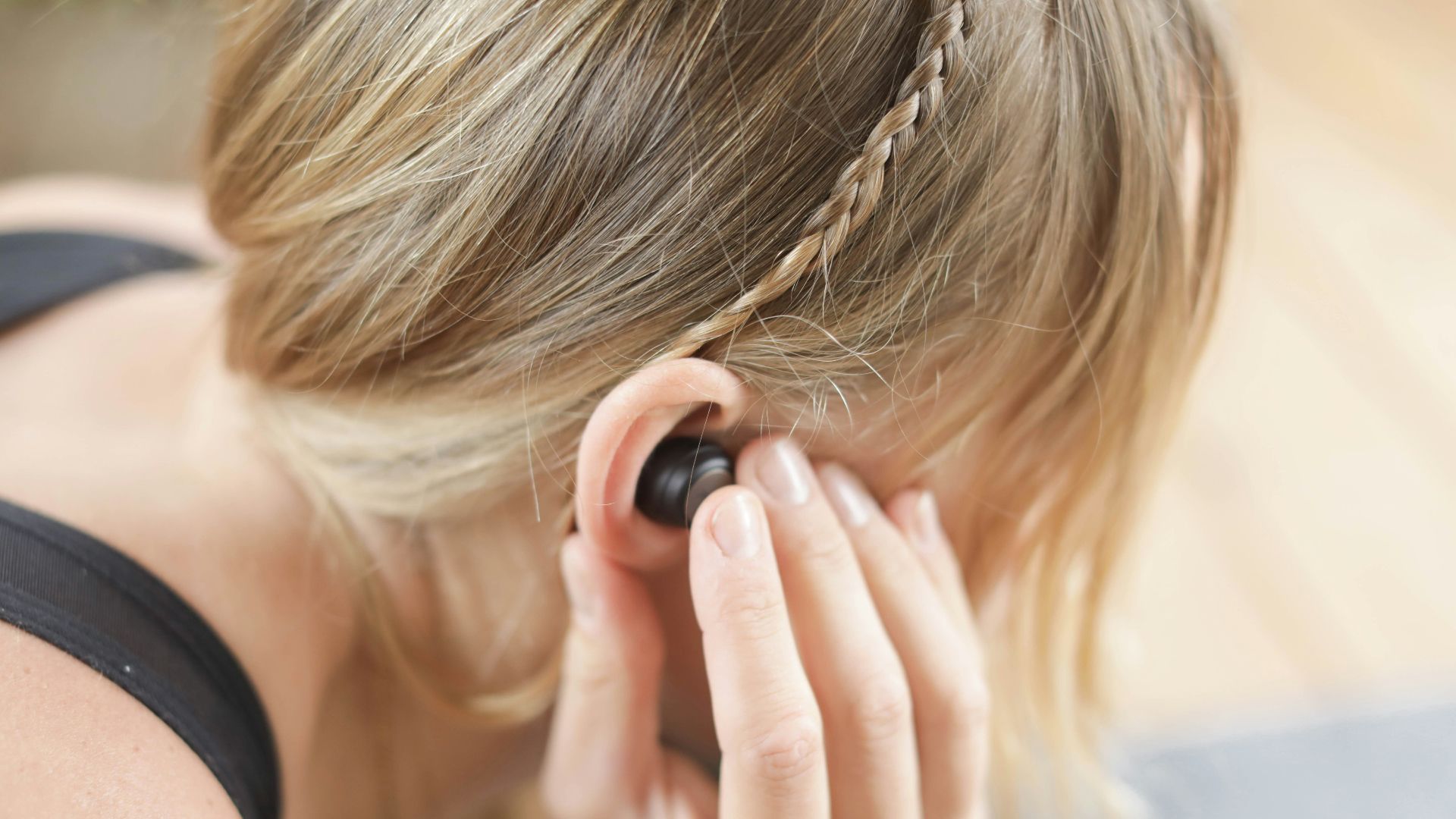
Hearing changes can happen gradually, and the slow pace makes it easy to miss until crowded restaurants start sounding like mush. It often feels less like “can’t hear” and more like “everyone mumbles now,” even when they absolutely do not.
12. Skin Gets Drier, Thinner, And Easier To Bruise
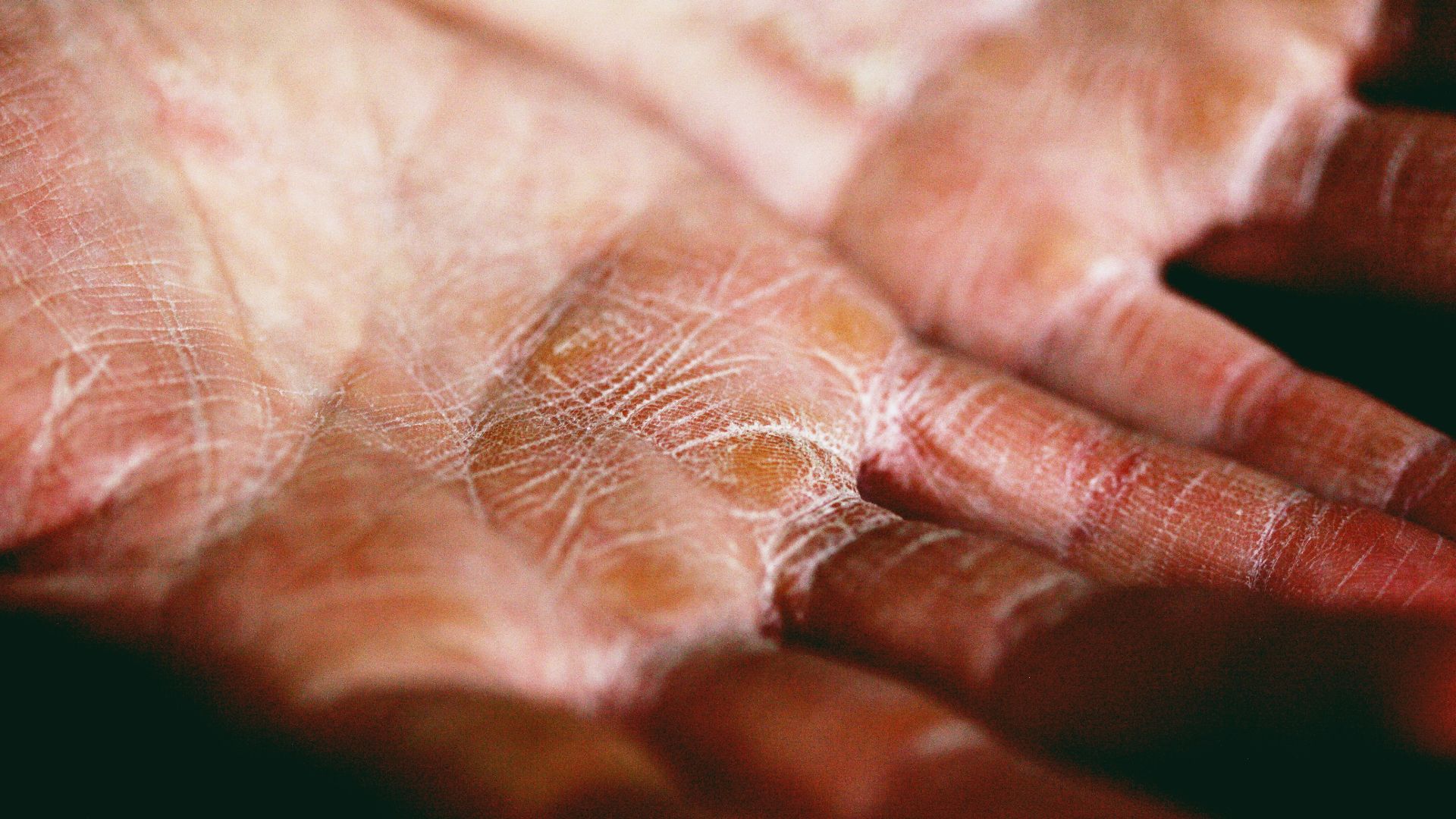
Skin can become less stretchy and a bit more fragile over time, and the glands that keep it moisturized may not be as generous as they used to be. The lived-in version is lotion becoming less of a luxury and more of a daily tool, especially in winter or air-conditioning.
13. Hair Changes Texture, Density, And Color
Hair can shift in texture and thickness, and gray shows up wherever it wants, whenever it wants. The timing can be wildly uneven between friends, which is why “aging gracefully” sometimes looks like a very specific haircut and a very loyal stylist.

14. Dry Mouth And Gum Recession Become More Common
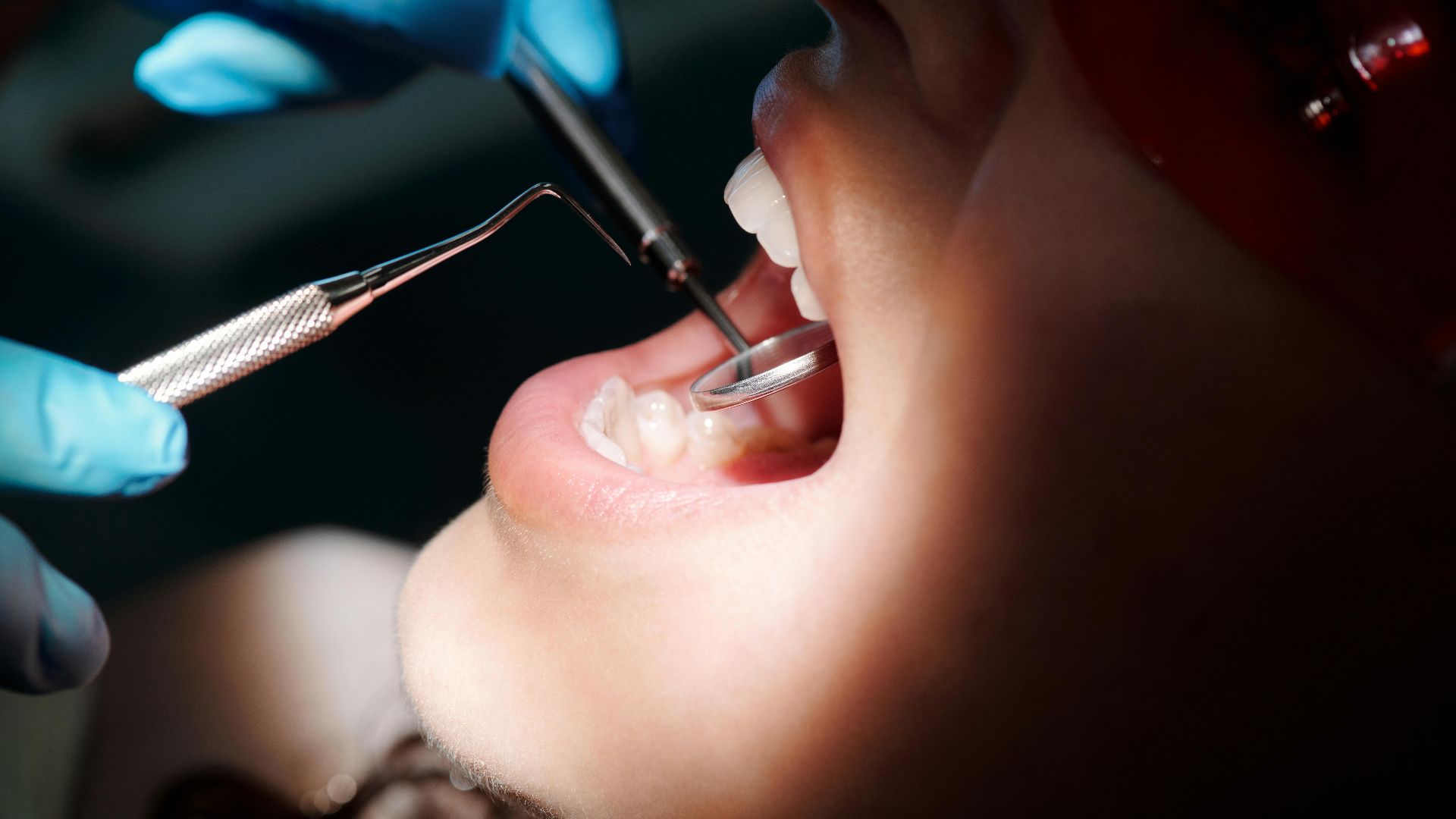
Dry mouth becomes more common with age, often because of medications or everyday health changes that don’t seem related to the mouth at all. Gum recession is also common, making teeth feel a little more sensitive and dental cleanings feel more consequential.
15. Smell And Taste Lose A Little Sharpness
Smell and taste can dull a bit over time, sometimes subtly enough that you only notice when a familiar food tastes flatter. This is also why strong coffee, spicy food, and extra-garlicky everything can start sounding more appealing.

16. Your Bladder Holds Less And Complains Sooner
A lot of people notice less “buffer” between the first urge and the need to find a bathroom as the years go by. It’s not glamorous, yet it’s common, and it’s why long road trips start getting planned around exits.

17. Balance And Gait Need A Little More Attention
Changes in muscles, joints, and bones can affect posture and walking patterns over time, even in people who feel generally fit. The giveaway is often mundane: stepping off a curb feels slightly less automatic, or getting up from the floor starts involving a hand on the couch.

18. Sex Works Differently
Normal aging can bring changes in comfort and response, and what felt effortless at 25 may now need a little more time, communication, and planning. Plenty of people find that the overall experience improves with confidence and clarity, even if the body wants a gentler pace.

19. Healing Takes Longer And Minor Illness Feels Bigger
Small cuts can take longer to settle down, and a cold can feel like it camps out for an extra day or two. This is how a tiny scrape turns into a multi-day situation.

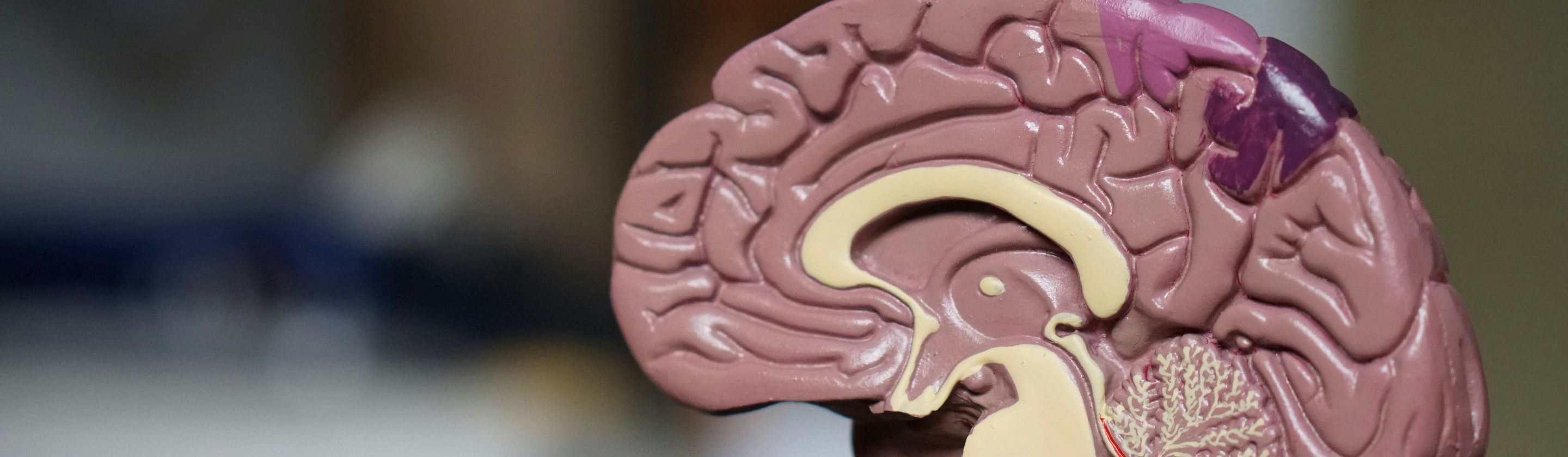
20. The Brain Still Works, Yet Processing Can Slow A Bit
Many people notice a tiny slowdown in recall or task-switching with age, especially when sleep is short and stress is high. In daily life, that can look like needing an extra beat to grab a name that’s on the tip of the tongue, or feeling more easily scrambled by constant notifications.

KEEP ON READING


10 Pre-Workout & 10 Post-Workout Tips To Follow