How Everyday Exposures Add Up
You don’t have to work in a lab to come into contact with toxins; many exposures happen through routine habits, common products, and the spaces you spend time in. While it's unrealistic that you'll eliminate every risk, it can still help to reduce the biggest and most preventable sources. Once you know where these substances tend to show up, you can make small, practical changes that meaningfully lower your day-to-day load. From PSAS to pesticides on produce, here are 10 common toxins you may be exposed to regularly, followed by 10 straightforward ways to avoid or reduce them.
1. PFAS
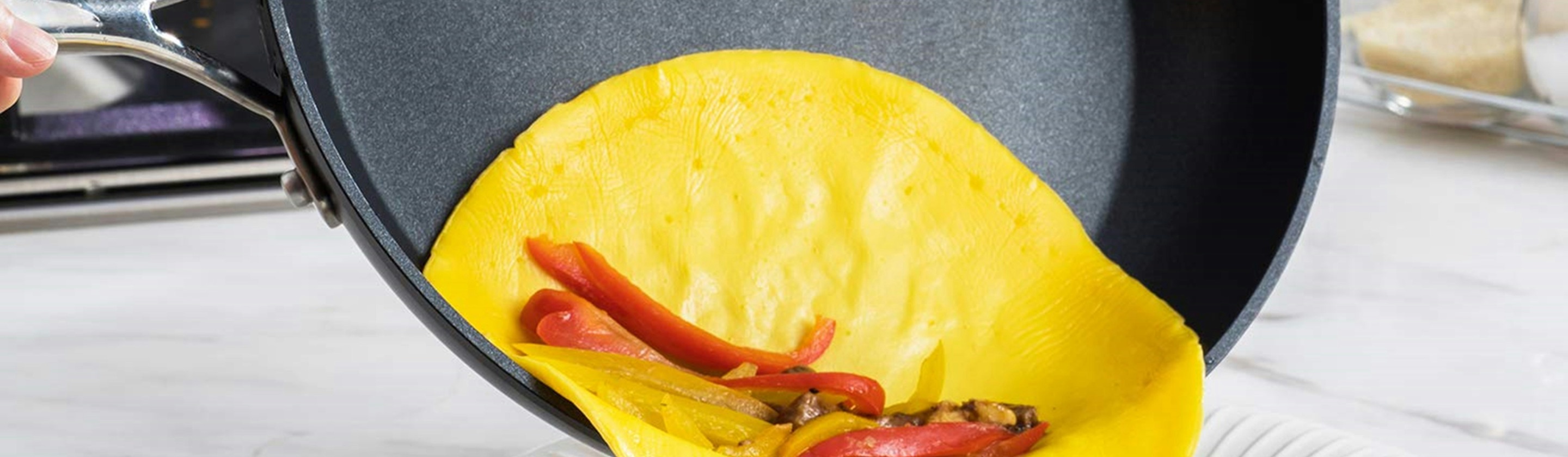
Perfluoroalkyl and polyfluoroalkyl substances, or PFAS, are a large group of chemicals used to make products resistant to water, stains, and grease. You may encounter them in some nonstick cookware, stain-resistant fabrics, and certain food packaging. Because they can persist in the environment and the body, repeated small exposures can become a long-term concern.

2. Phthalates in Fragrance and Plastics
Phthalates are often used to make plastics flexible and to help fragrances last longer. They can show up in scented personal care items, air fresheners, and some vinyl products. If you’re around a lot of fragranced products, you may be getting low-level exposure more often than you realize.

3. Bisphenols (BPA and Similar Substitutes)
Bisphenols are used in some plastics and resin coatings, and they’re known for their ability to leach under certain conditions. Even when a label says “BPA-free,” substitutes like BPS or BPF may still be used. The biggest everyday risk tends to come from food and drink contact materials that get heated or worn over time.
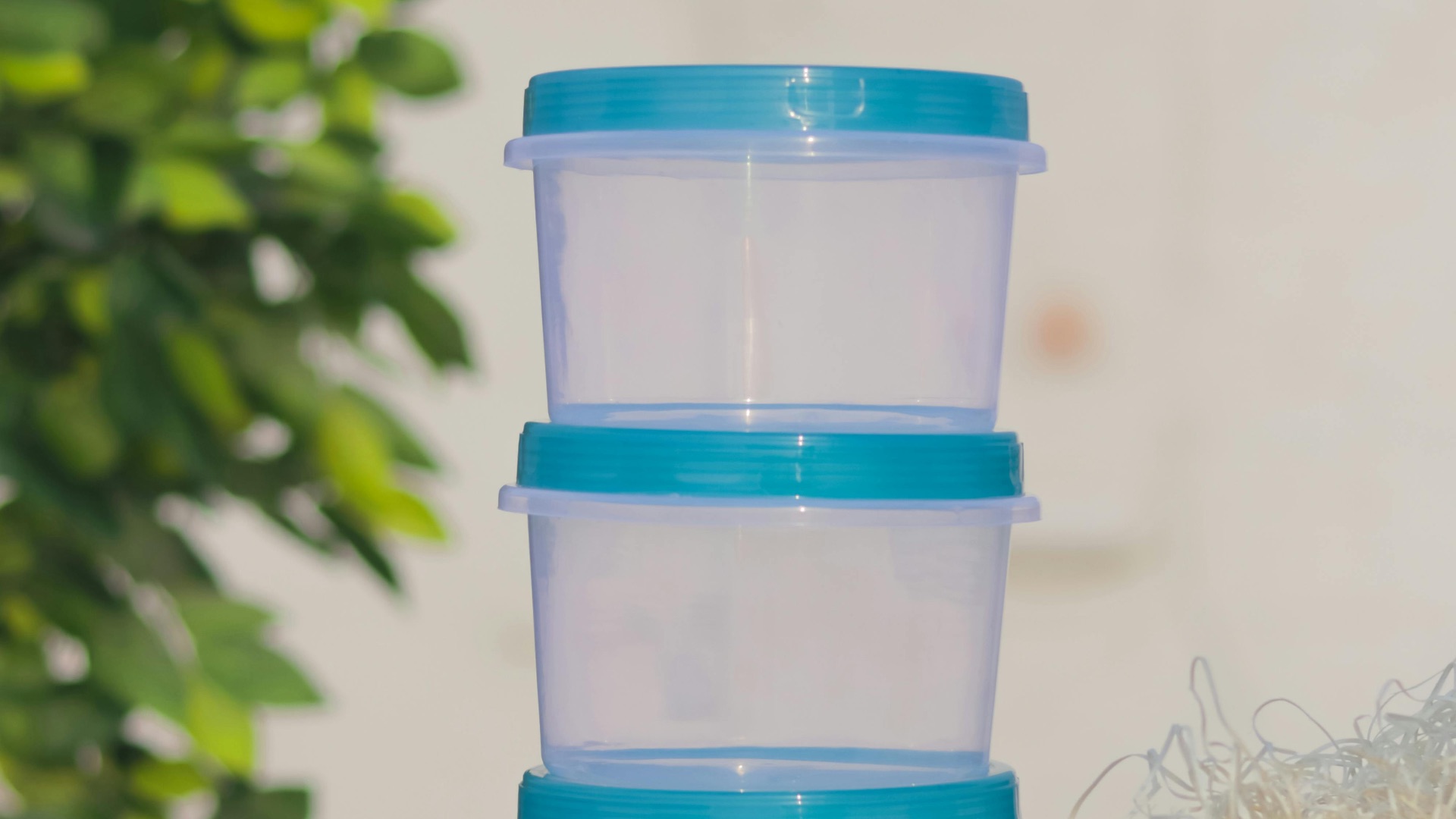 Ibrahim Plastic Industry ( IPI ) on Pexels
4. Pesticide Residues on Produce
Modern agriculture relies on pesticides, and trace residues can remain on fruits and vegetables. Exposure can vary depending on the type of produce and how it’s grown and handled. Even if you eat “healthy,” you can still be ingesting small amounts unless you take steps to reduce them.

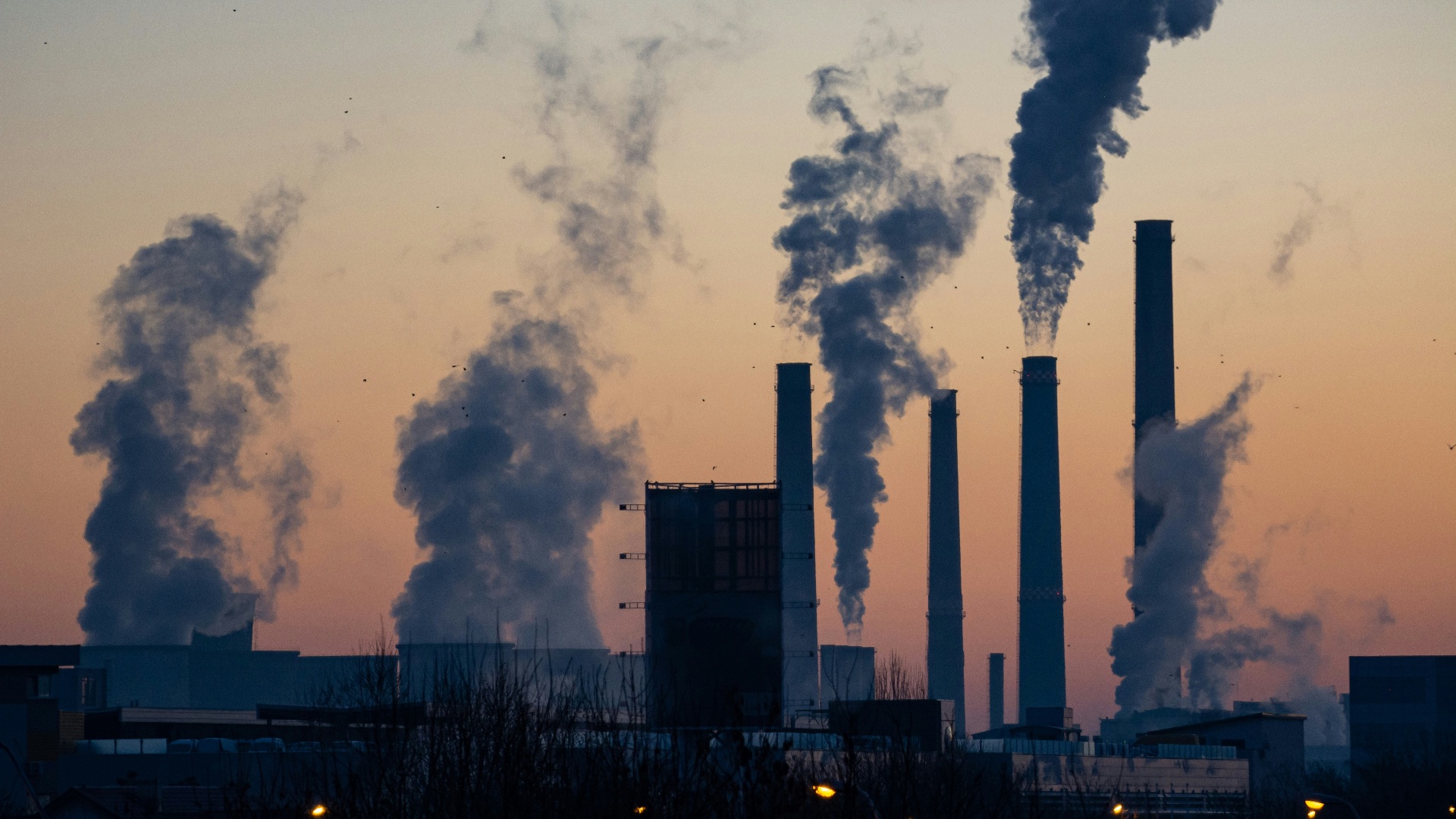
5. Air Pollution
Air pollution isn’t just an outdoor issue; it can follow you into cars, homes, and workplaces. Fine particulate matter from vehicle exhaust and other sources is easy to inhale and hard to avoid completely in urban areas. If you commute or live near busy roads, your exposure can be routine.
6. VOCs from Household Products
Volatile organic compounds, or VOCs, are gases emitted from many everyday items, including cleaners, paints, adhesives, and some furniture finishes. They can build up indoors, especially when ventilation is limited. Breathing these compounds regularly can be a bigger issue than people expect because indoor air is often less “fresh” than it feels.
7. Flame Retardants in Furniture and Foam
Certain flame-retardant chemicals have been used in upholstered furniture, mattresses, and foam padding. They can migrate out of materials and settle into household dust. That means exposure often happens through hand-to-mouth contact or simply living in spaces where treated foam is present.
 Phillip Goldsberry on Unsplash
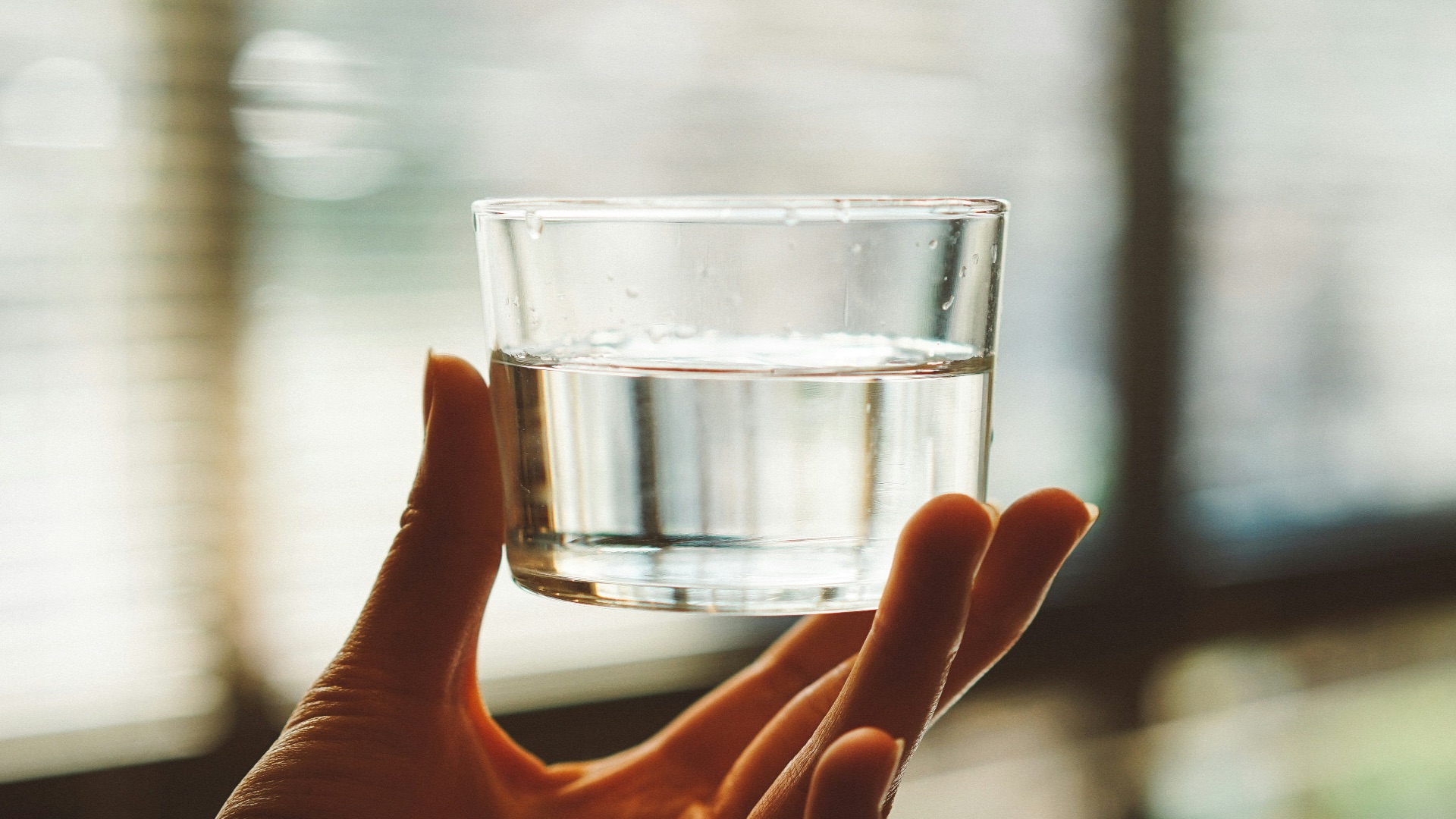
8. Heavy Metals in Old Paint, Dust, or Water
Metals like lead and arsenic can still be present in older housing materials, contaminated soil, and in some cases water systems. Dust from deteriorating paint or renovations can be a common pathway indoors. Even low-level exposure matters because the body doesn’t always clear these substances efficiently.
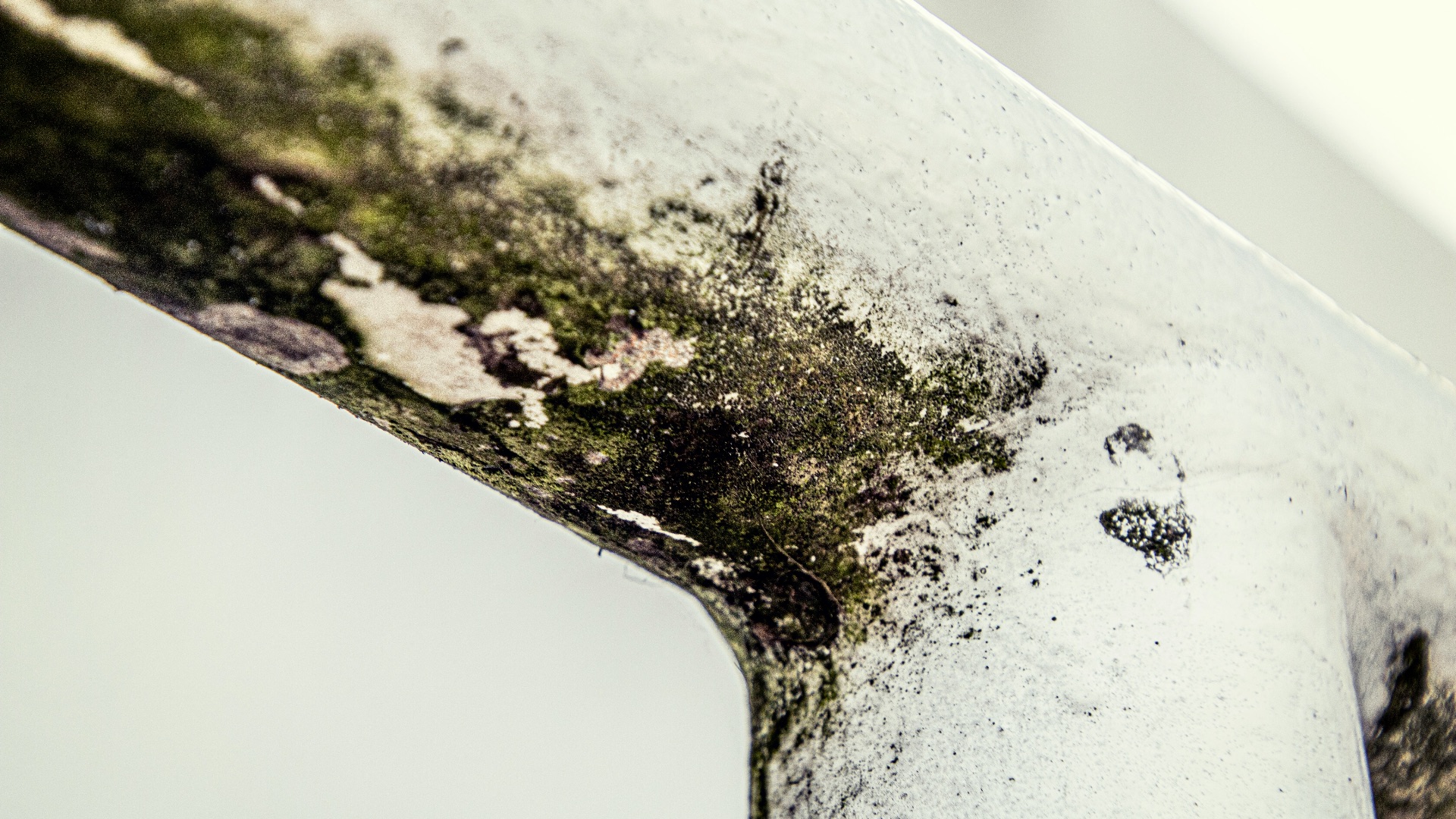
9. Mold Byproducts in Damp Indoor Areas
Mold isn’t always visible, and it can grow behind walls, under sinks, or around poorly ventilated bathrooms. Some molds produce irritants that can affect air quality and how you feel day to day. Ongoing dampness is usually the real driver, so ignoring moisture problems can keep exposure going.
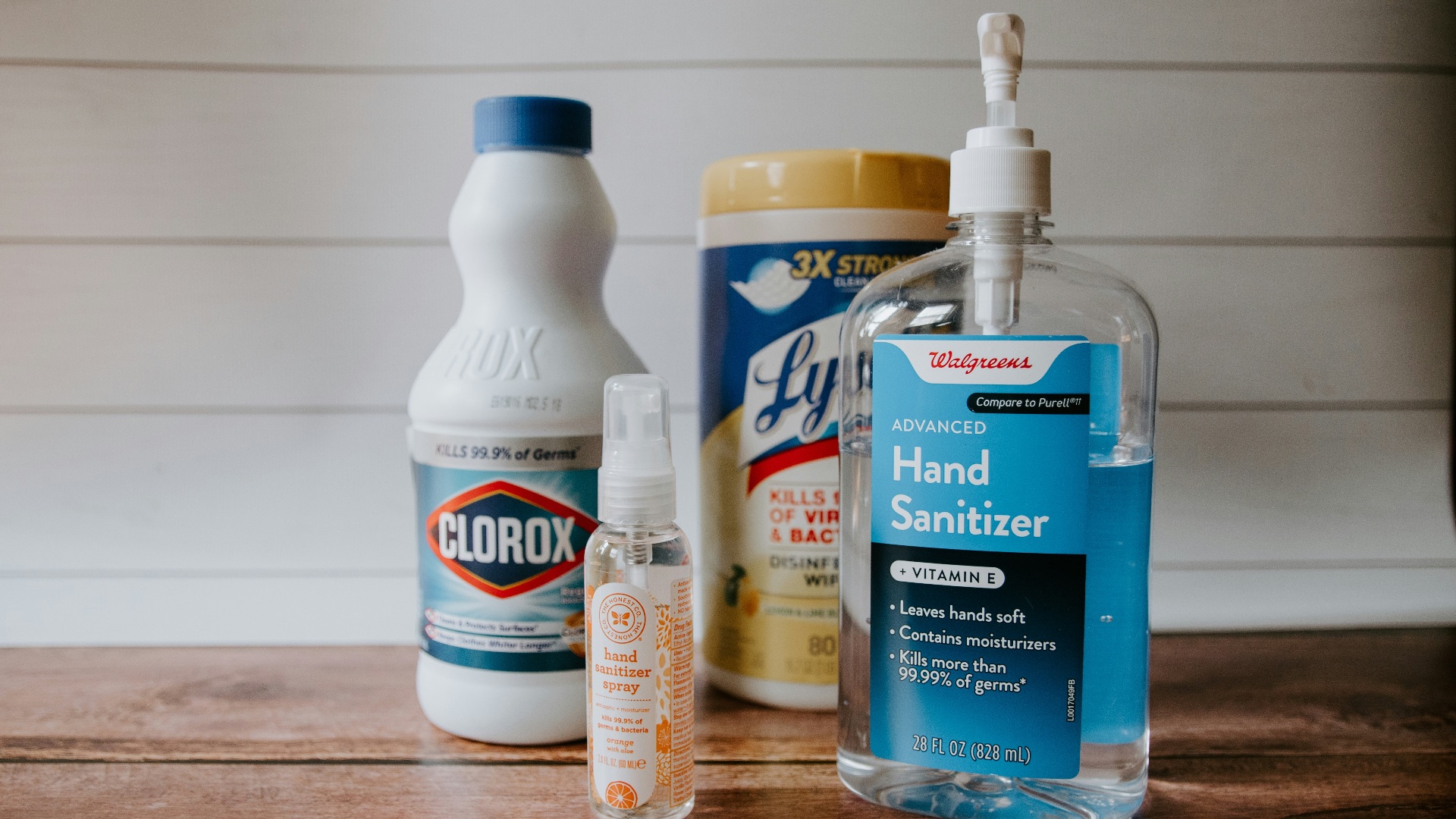
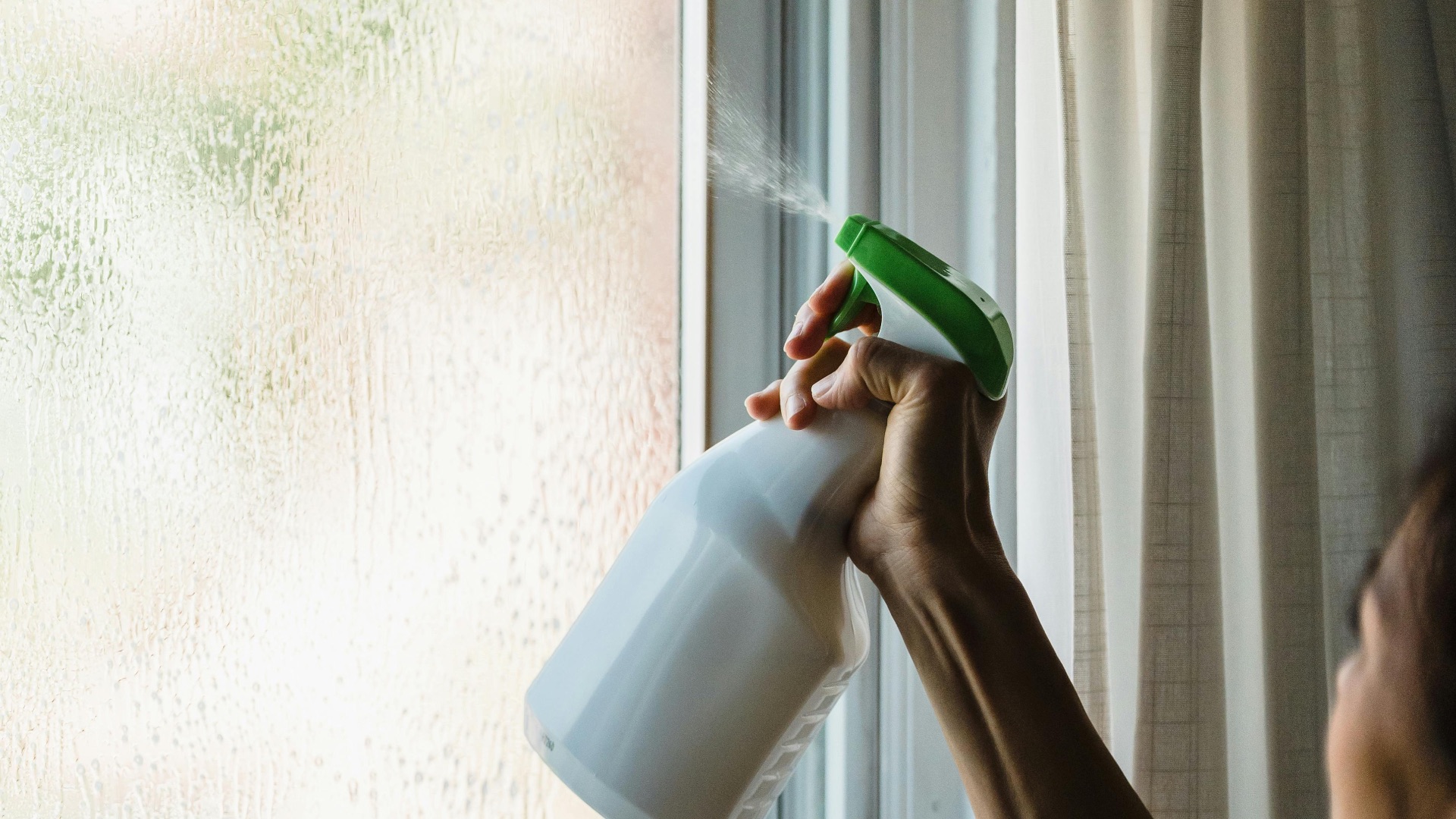
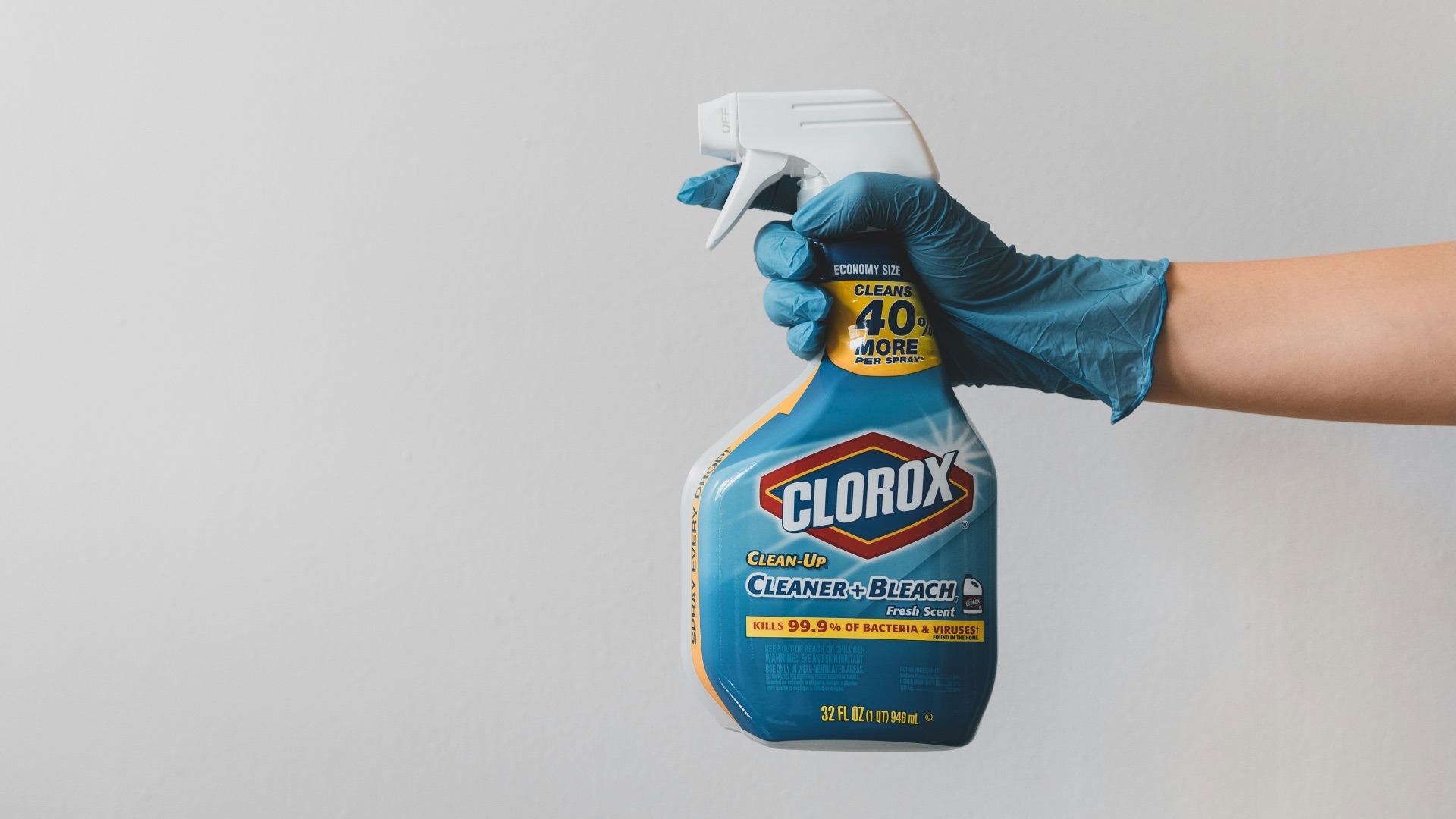
10. Disinfectant Byproducts and Harsh Cleaning Chemicals
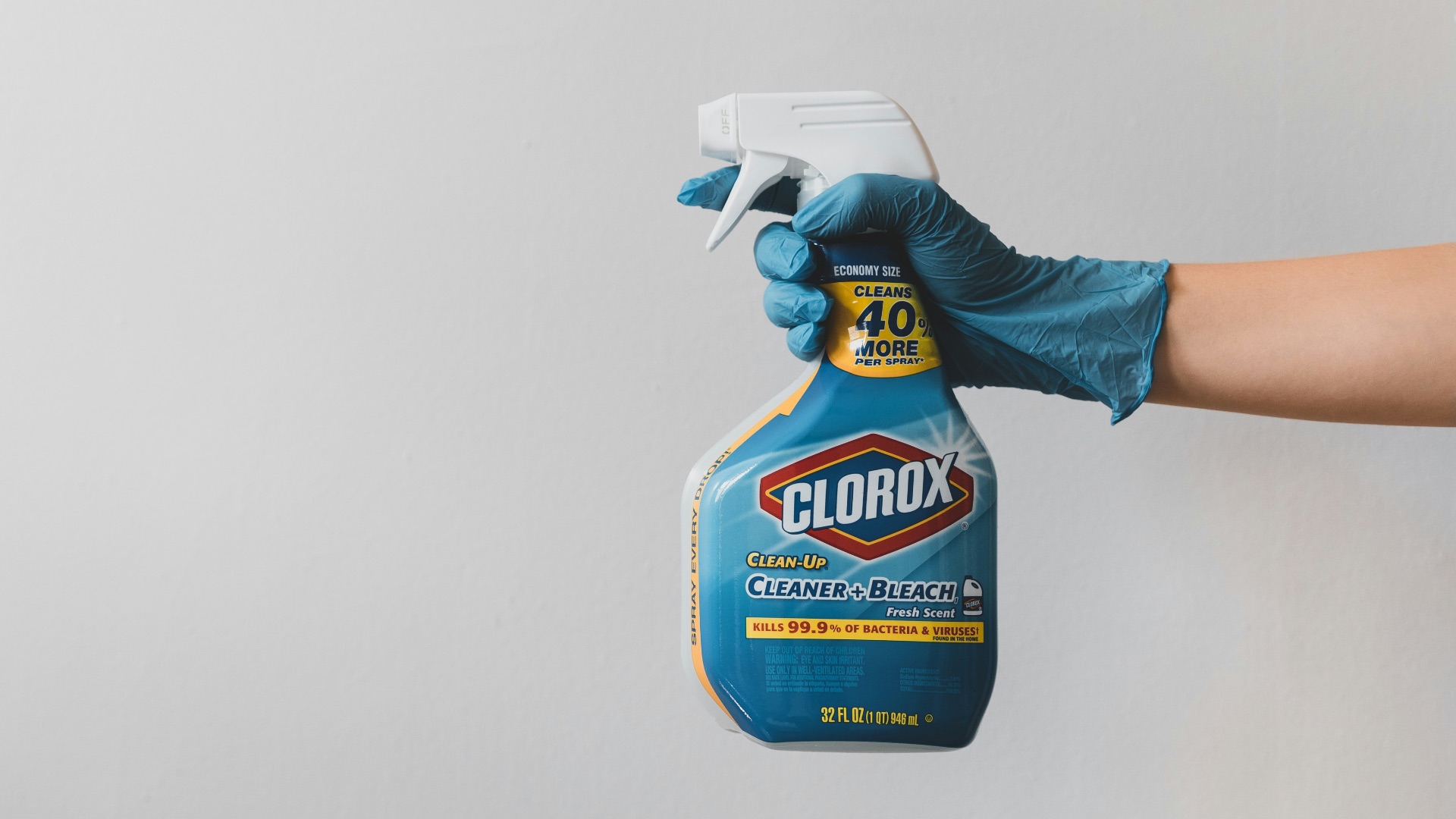
Strong cleaners and disinfectants can create irritating fumes, especially when used frequently or mixed improperly. Some byproducts form when disinfectants interact with organic matter or other chemicals in the environment. If cleaning is part of your routine, the way you use these products can significantly change your exposure.
Now that you know what common toxins you're exposed to every day, how can you make sure you don't expose yourself to them all the time? Here are some tips that might help:
1. Choose PFAS-Free Cookware and Food Packaging When You Can
Switching from worn nonstick pans to alternatives like stainless steel or cast iron reduces one common contact source. For takeout and fast food, limit foods that come in grease-resistant wrappers or paper when you have other options. If you’re storing leftovers, glass containers can help you avoid unnecessary chemical transfer.

2. Go Fragrance-Free or Keep Scented Products to a Minimum
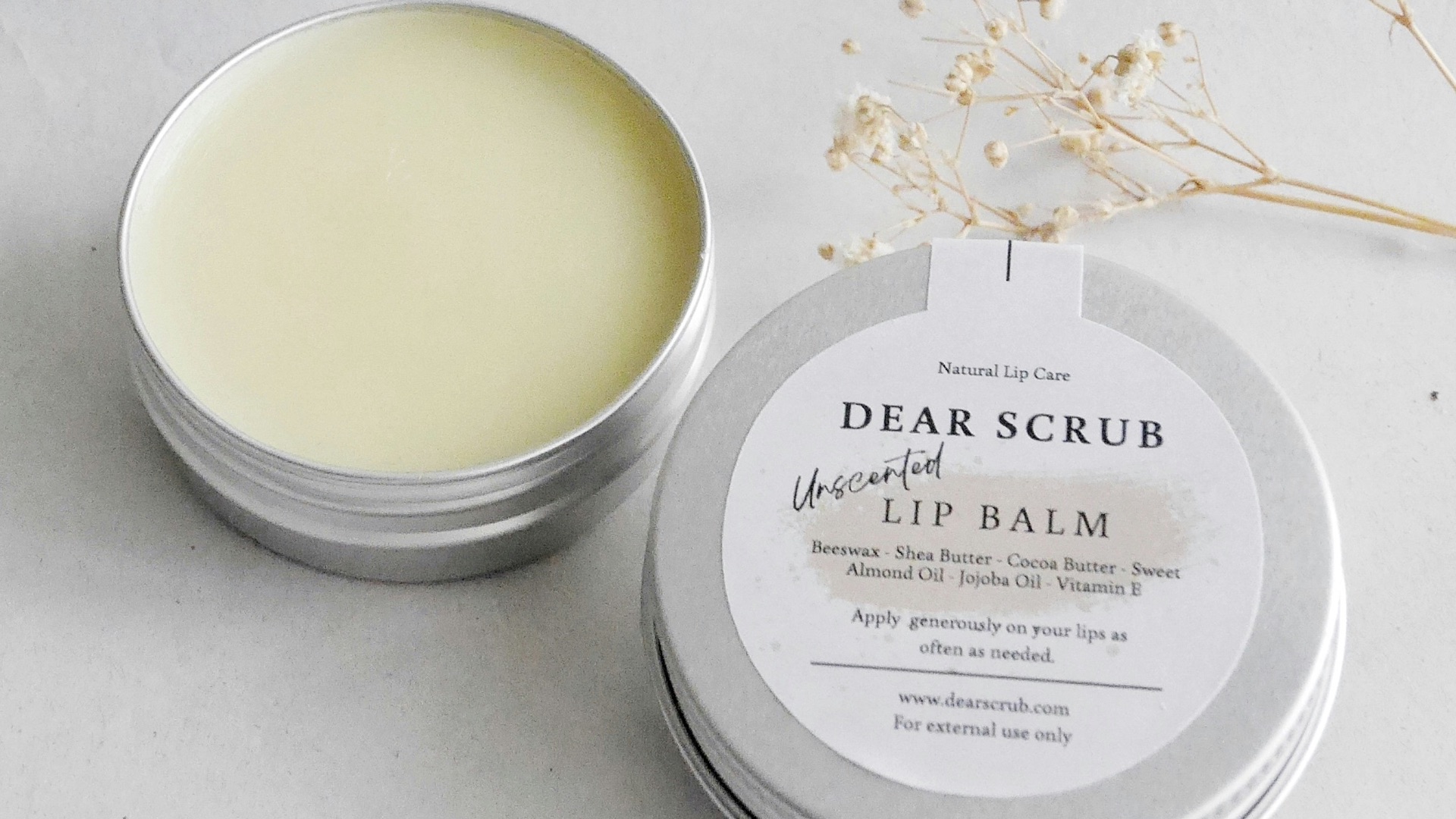
Fragrance can be a straightforward exposure source because it’s designed to disperse into the air and linger. Look for products labeled “fragrance-free” rather than “unscented,” since “unscented” can still include masking scents. Cutting back on sprays and plug-ins can also reduce what you’re breathing indoors.
3. Avoid Heating Food in Plastic
Heat increases the likelihood that chemicals will migrate from plastic into food. Use ceramic or glass in the microwave and choose non-plastic lids when reheating. If you do use plastic containers, replace them once they’re scratched, cloudy, or warped because wear can make leaching more likely.

4. Wash and Prepare Produce More Strategically
Rinsing under running water helps remove dirt and some residues, and it’s better than a quick dunk in a bowl. For certain items, peeling or trimming outer leaves can reduce what’s on the surface. When it fits your budget, prioritizing organic for higher-residue produce can be a targeted way to lower exposure without changing your entire diet.

5. Improve Your Indoor Air Quality with Ventilation and Filtration
Opening windows helps when outdoor air quality is good, and using bathroom and kitchen fans reduces indoor buildup. A HEPA air purifier can lower particulate matter indoors, which is especially useful if you live near traffic or deal with wildfire smoke. Checking local air quality before outdoor workouts also helps you avoid high-exposure periods.

6. Reduce VOCs by Rethinking Cleaning and Home Projects
Choose low-VOC or zero-VOC paints and finishes, and ventilate well during and after use. For cleaning, simple options like unscented soap and water often do the job without adding extra fumes. When you bring home new furniture or rugs, airing them out can help the off-gassing drop faster.
7. Cut Down Dust to Limit Flame Retardant Exposure
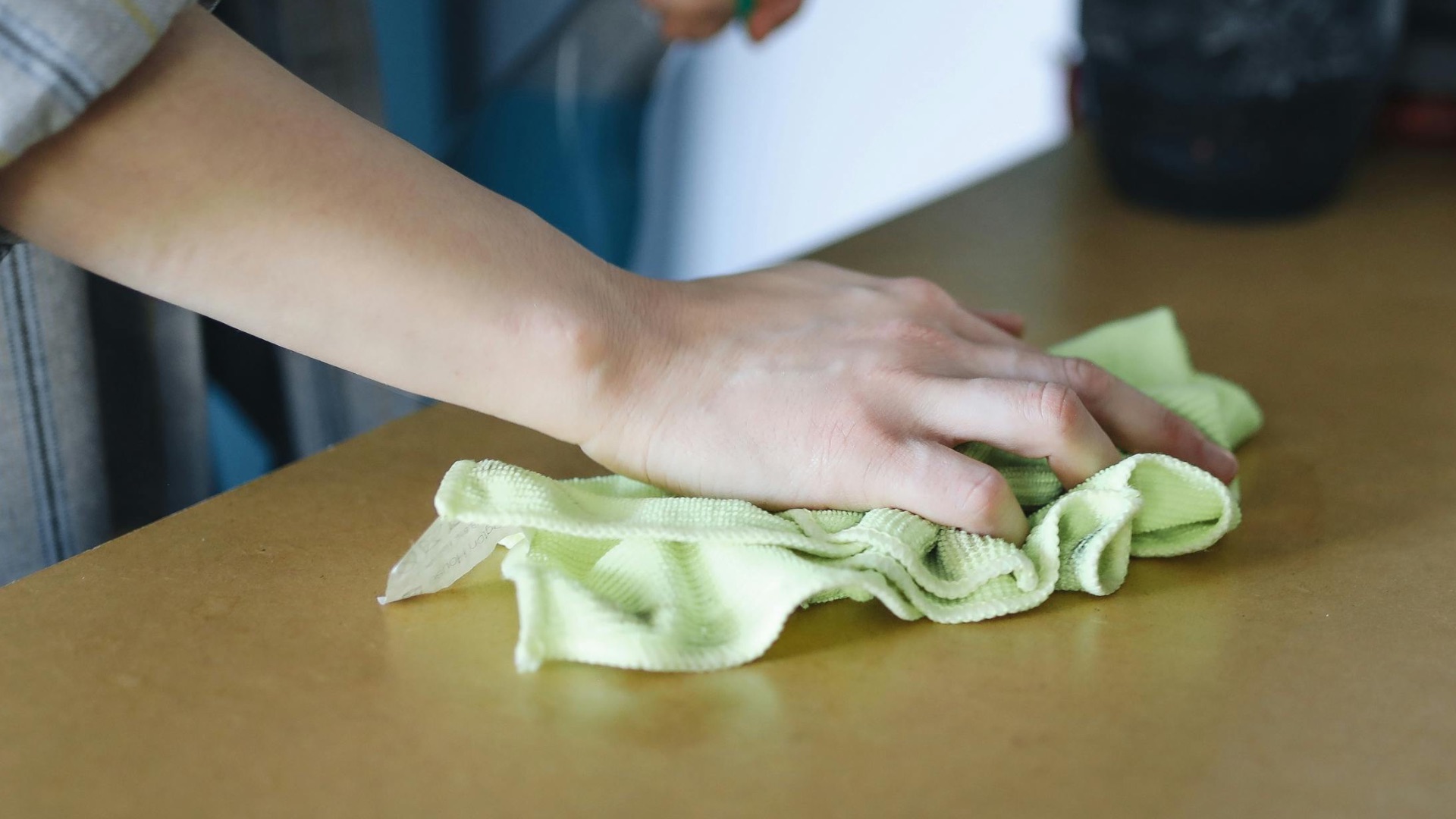
Household dust can carry a mix of chemicals, so routine cleaning matters more than it sounds. Wet dusting and using a vacuum with a HEPA filter helps capture finer particles rather than redistributing them. Washing hands before eating, especially for kids, is a simple habit that reduces how much dust ends up ingested.

8. Take a Closer Look at Water Quality
If you’re unsure about your water, check local water reports and consider testing if you live in an older home or have specific concerns. Using a certified filter matched to the contaminant you’re worried about is more effective than guessing. Letting tap water run briefly after long periods of stagnation can also reduce certain exposure risks in some settings.
9. Control Moisture Quickly to Prevent Mold Growth
Fix leaks promptly, keep humidity in check, and don’t ignore recurring condensation. Using a dehumidifier in damp spaces can make a noticeable difference in how often mold returns. When cleaning visible mold, addressing the moisture source is what keeps the problem from coming back.
10. Use Disinfectants Carefully Instead of Constantly
Save strong disinfectants for situations that actually require them, and use milder cleaners for everyday messes. Never mix products like bleach and ammonia, and always follow label directions to avoid harmful fumes. When you do disinfect, good ventilation and proper dilution go a long way toward reducing unnecessary exposure.