It’s More Important Than You Think
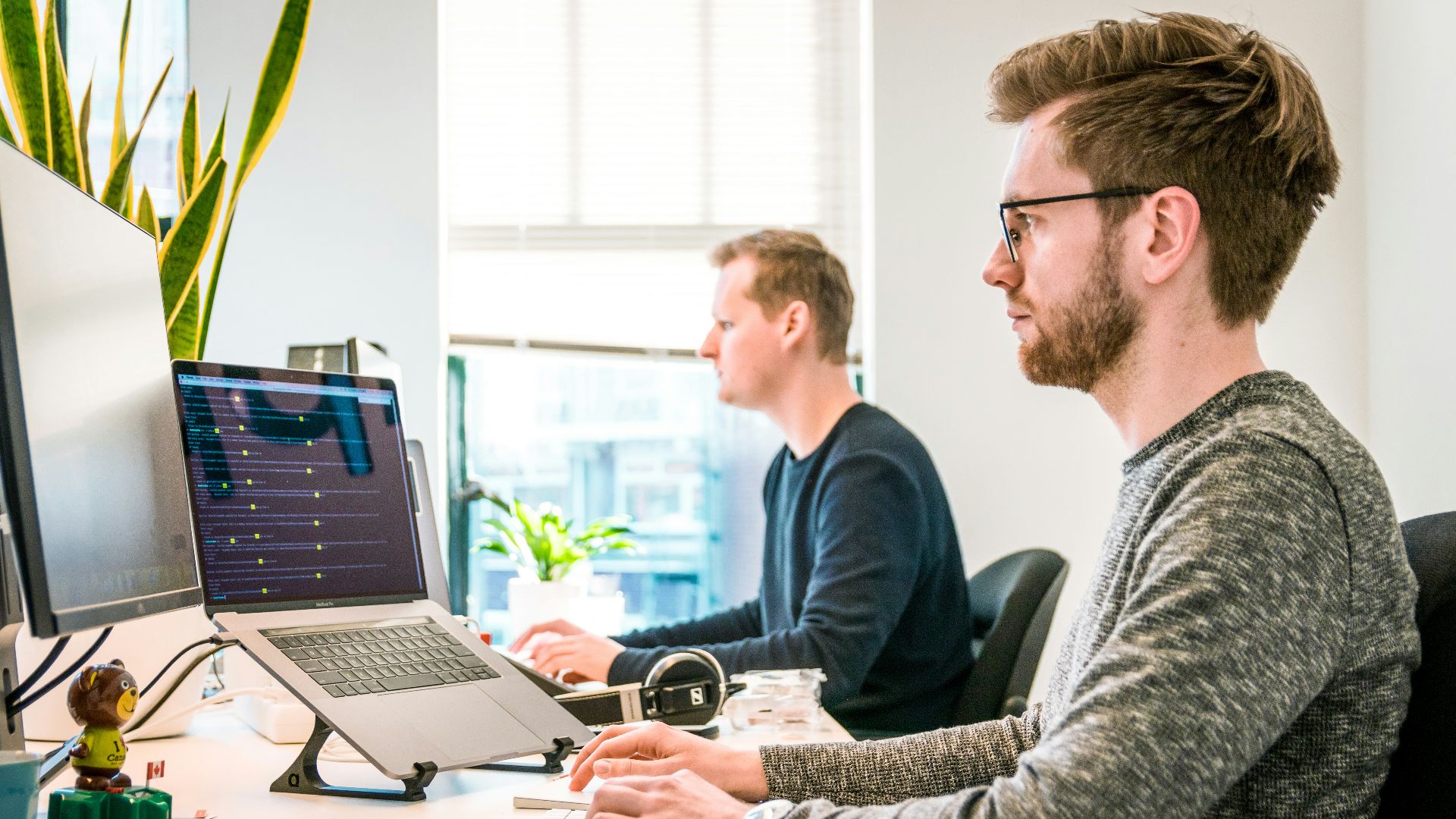
Sitting for long stretches can leave you feeling stiff in the neck, shoulders, hips, and upper back. A few minutes of stretching spread throughout the day can help restore a comfortable range of motion and reduce that tight, compressed feeling that builds up after sitting all day long. You don’t need to turn your office into a yoga studio, but some simple movements will keep you feeling better in the long run.
1. Chin Tucks
Sit tall and gently pull your chin straight back, as if you’re making a subtle double chin. Hold for a few seconds, then relax and repeat. This stretch helps counter a forward-head posture that is often held during desk work.

2. Upper Trapezius Stretch
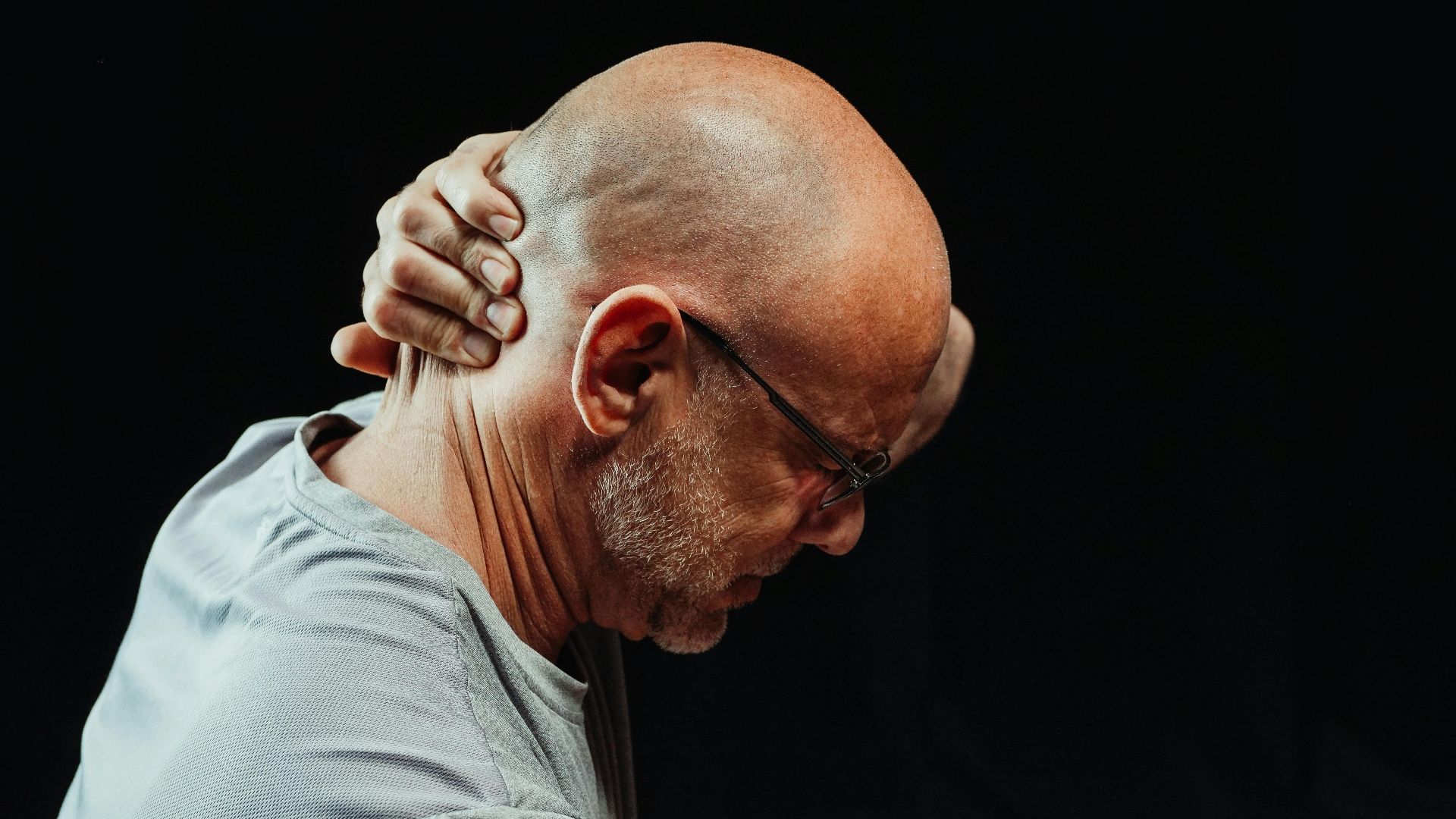
Let one ear drift toward one shoulder while keeping both shoulders relaxed. Place your hand lightly on the side of your head if you want a deeper stretch, but do not yank. You should feel it along the side of your neck, not in the spine. Switch sides and keep your breathing steady.

3. Levator Scapulae Stretch
Turn your head about 45 degrees toward one armpit, then nod slightly downward. Place your hand on the back of your head for mild pressure if you so choose. This movement targets the muscle that often tightens up when you’re stressed and shrugging your shoulders.
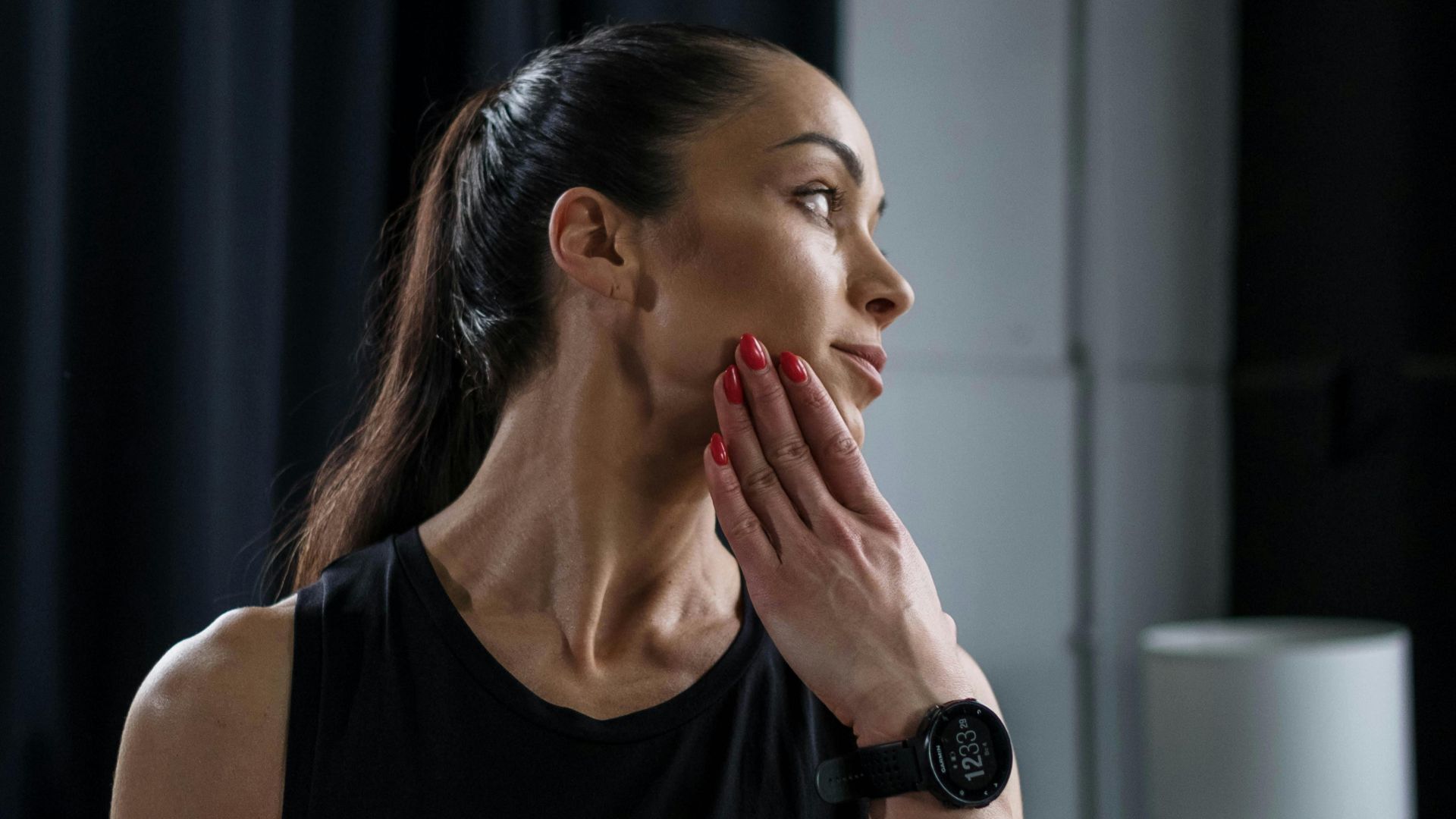
4. Neck Rotation Hold
Turn your head to look over one shoulder until you reach a comfortable end range. Hold the position while keeping your chin level and your shoulders down. After spending hours upon hours looking forward, this stretch is needed and necessary.
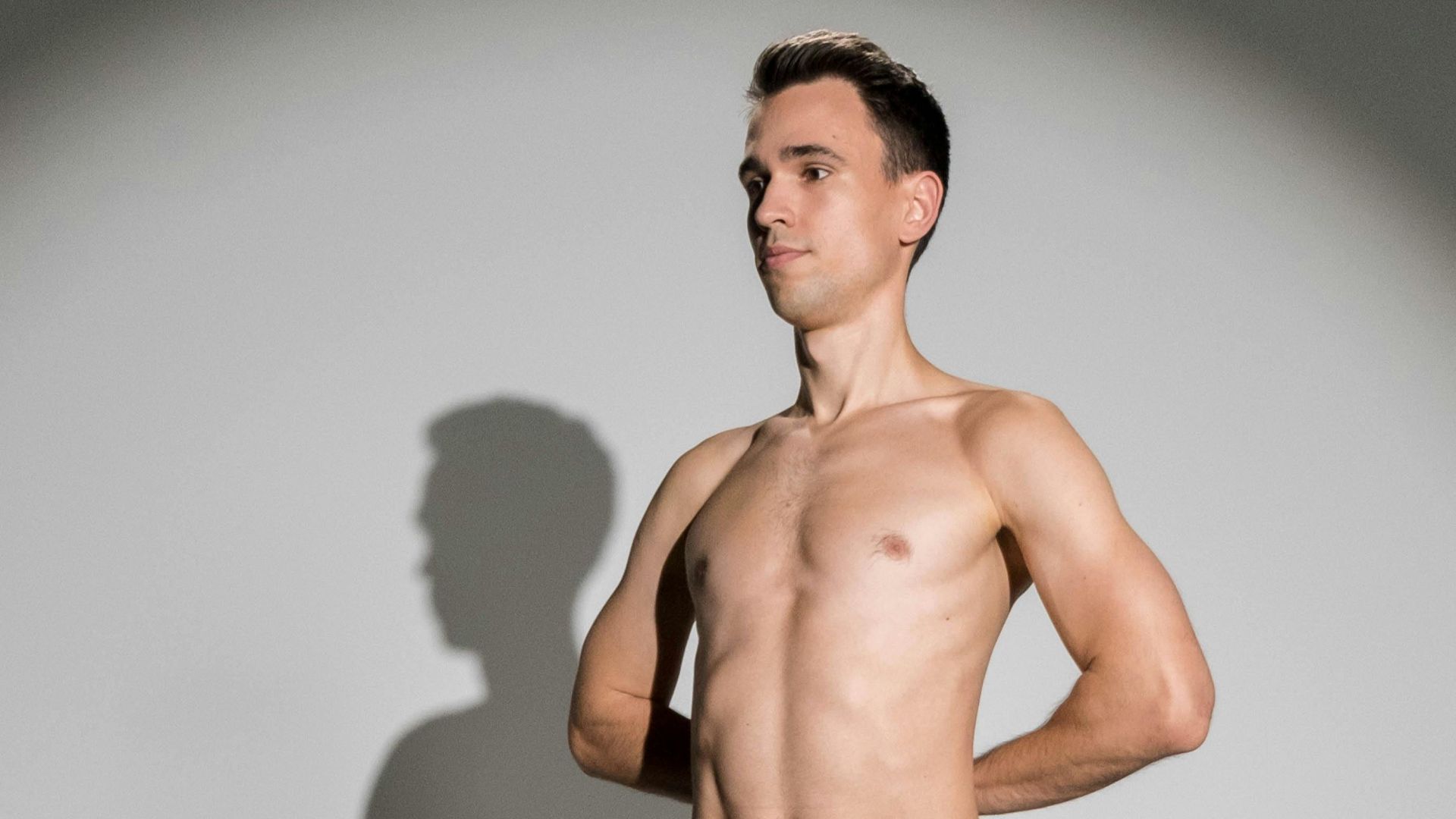
5. Chest Doorway Stretch
Place your forearm on a doorway with your elbow around shoulder height, then step forward slightly. You should feel a stretch across the chest and front of the shoulder. This is useful because desk work often shortens the chest muscles and pulls the shoulders forward. Keep your ribs from flaring by staying tall and relaxed.
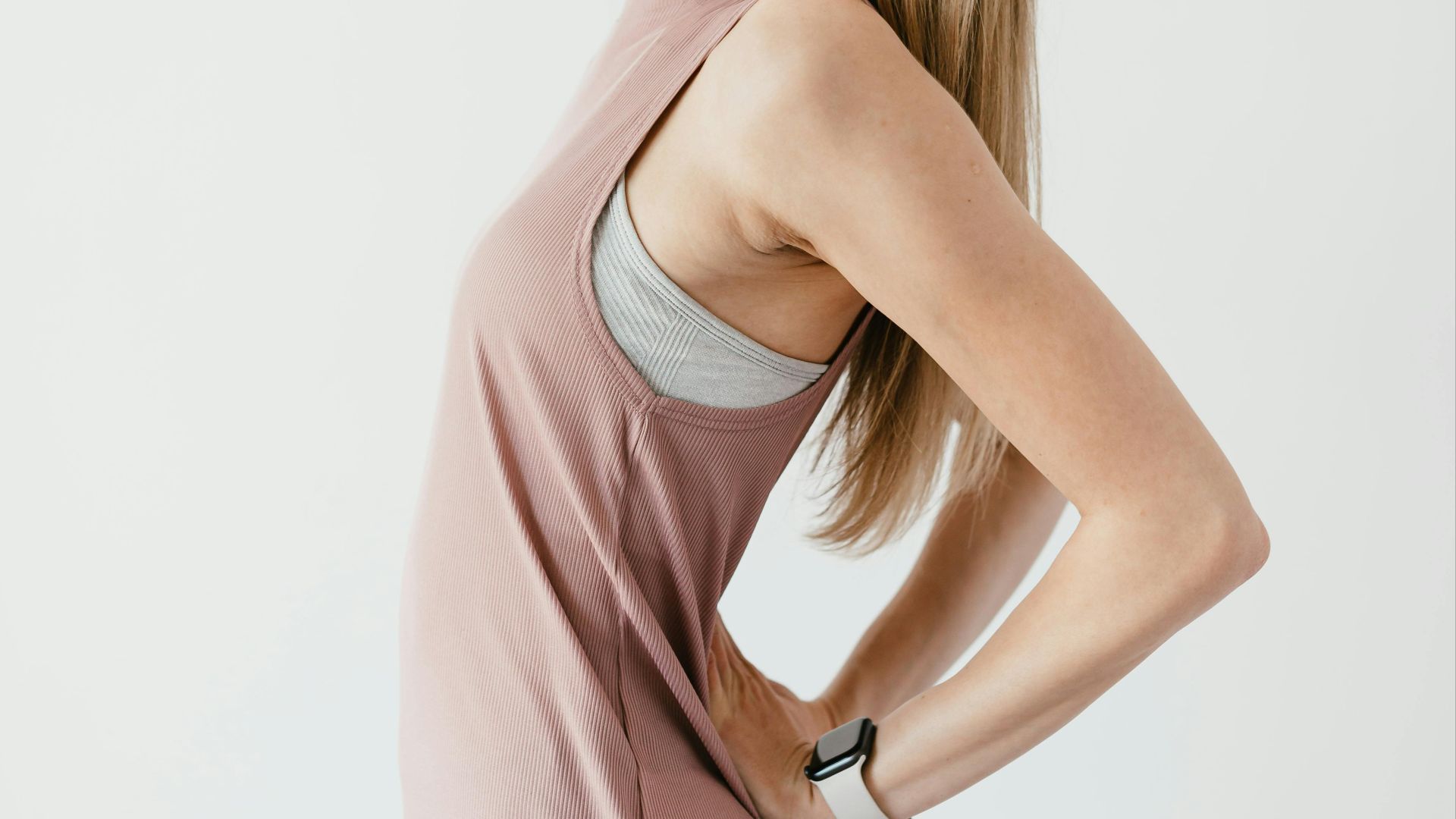
6. Pec Corner Stretch
Stand facing a corner and place a forearm on each wall at about shoulder level. Lean in gently until you feel the stretch across the front of your chest. This is essentially the chest doorway stretch, but stretching your whole chest at once.
 Karolina Grabowska www.kaboompics.com on Pexels
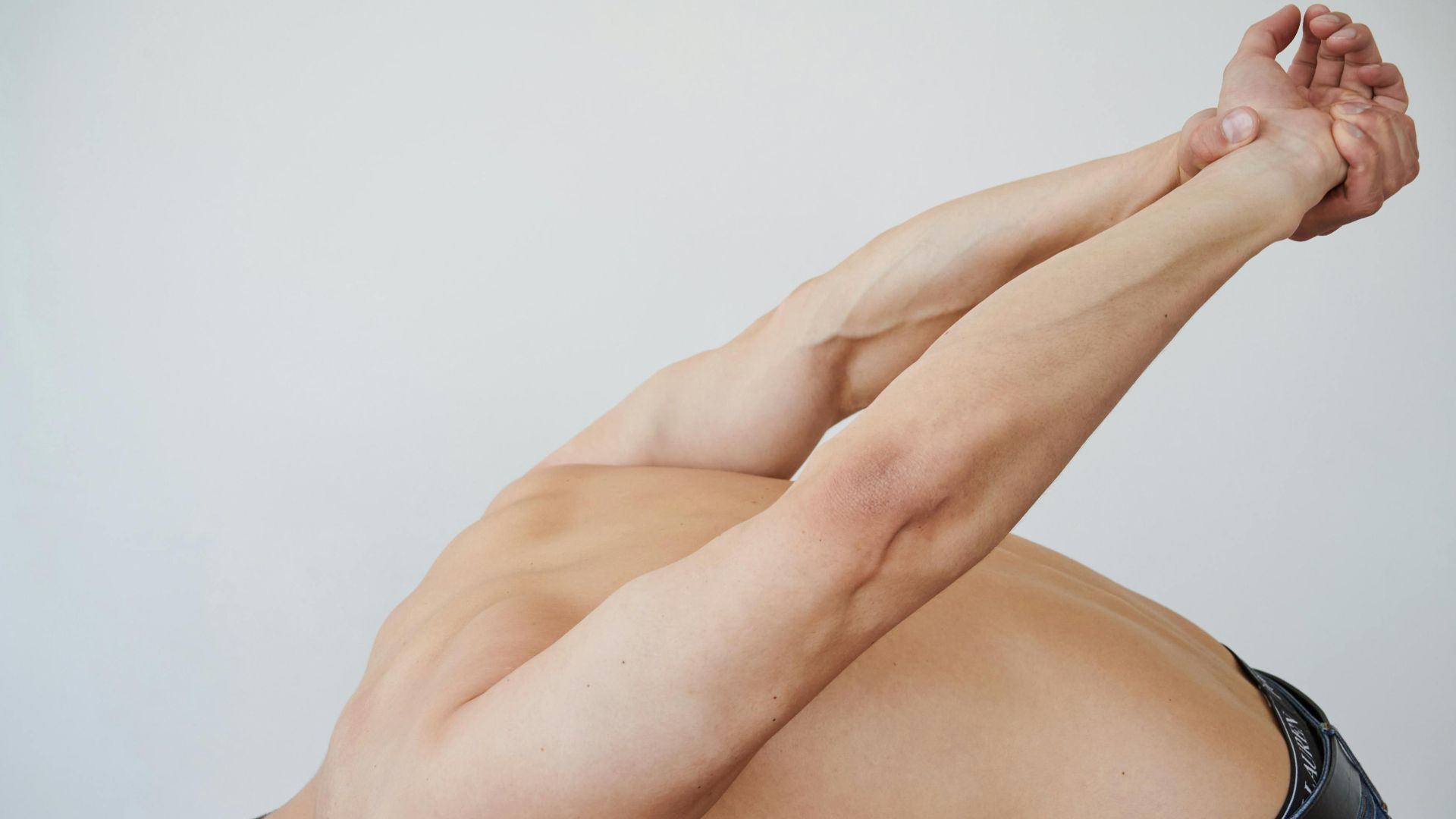
7. Shoulder Extension Reach
Clasp your hands behind your back and straighten your elbows as much as is comfortable, while gently lifting your hands away from your body. This opens the front of the shoulders and encourages a more upright posture. Stop before you feel pinching in the shoulder joint.
8. Cross-Body Shoulder Stretch
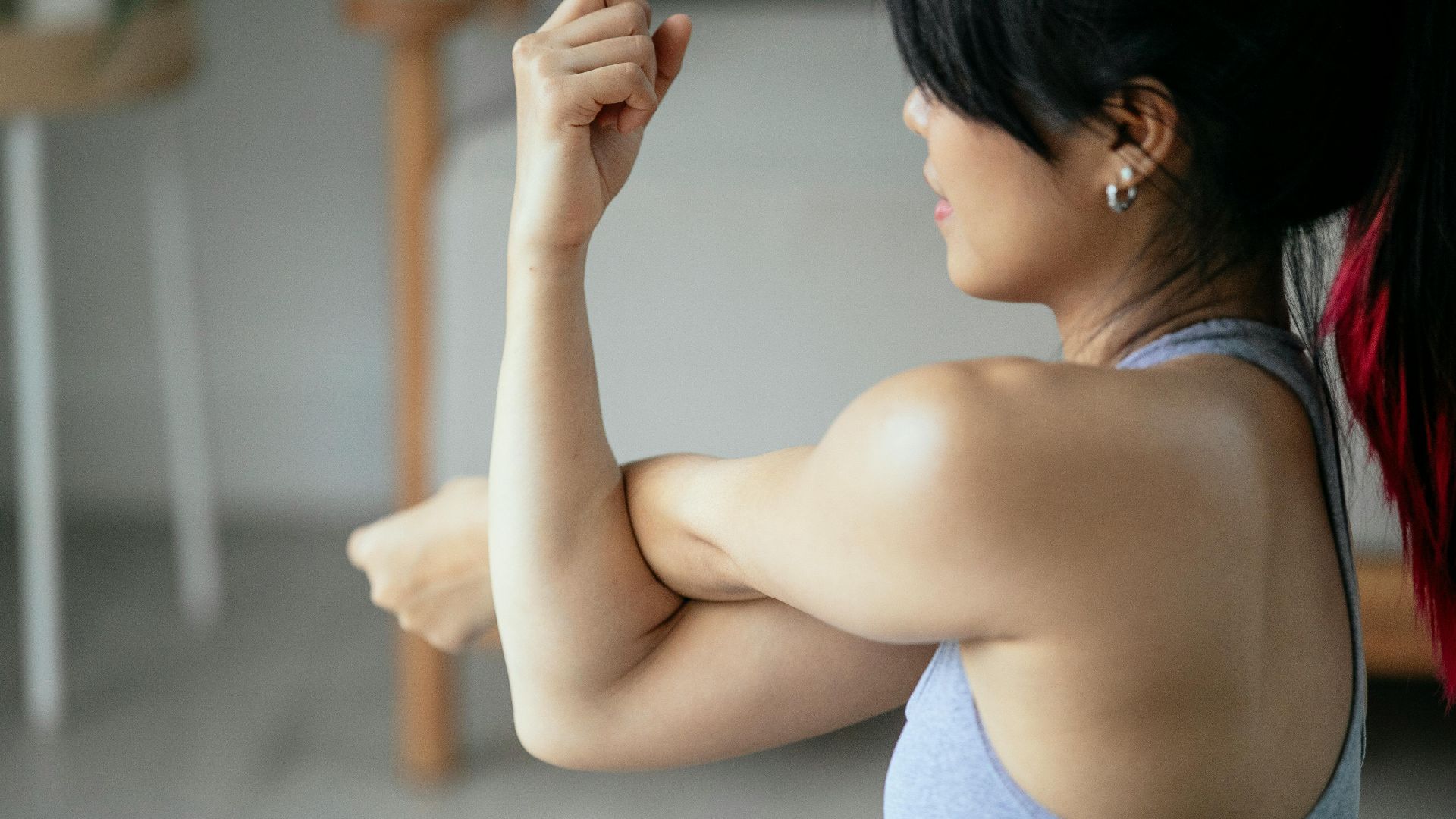
Bring one arm across your chest and support it with the opposite hand above the elbow. Keep your shoulder blades relaxed rather than hiking your shoulder up. This targets the back of the shoulder, which can get tight from the typing you’re doing during the day.
9. Wrist Flexor Stretch
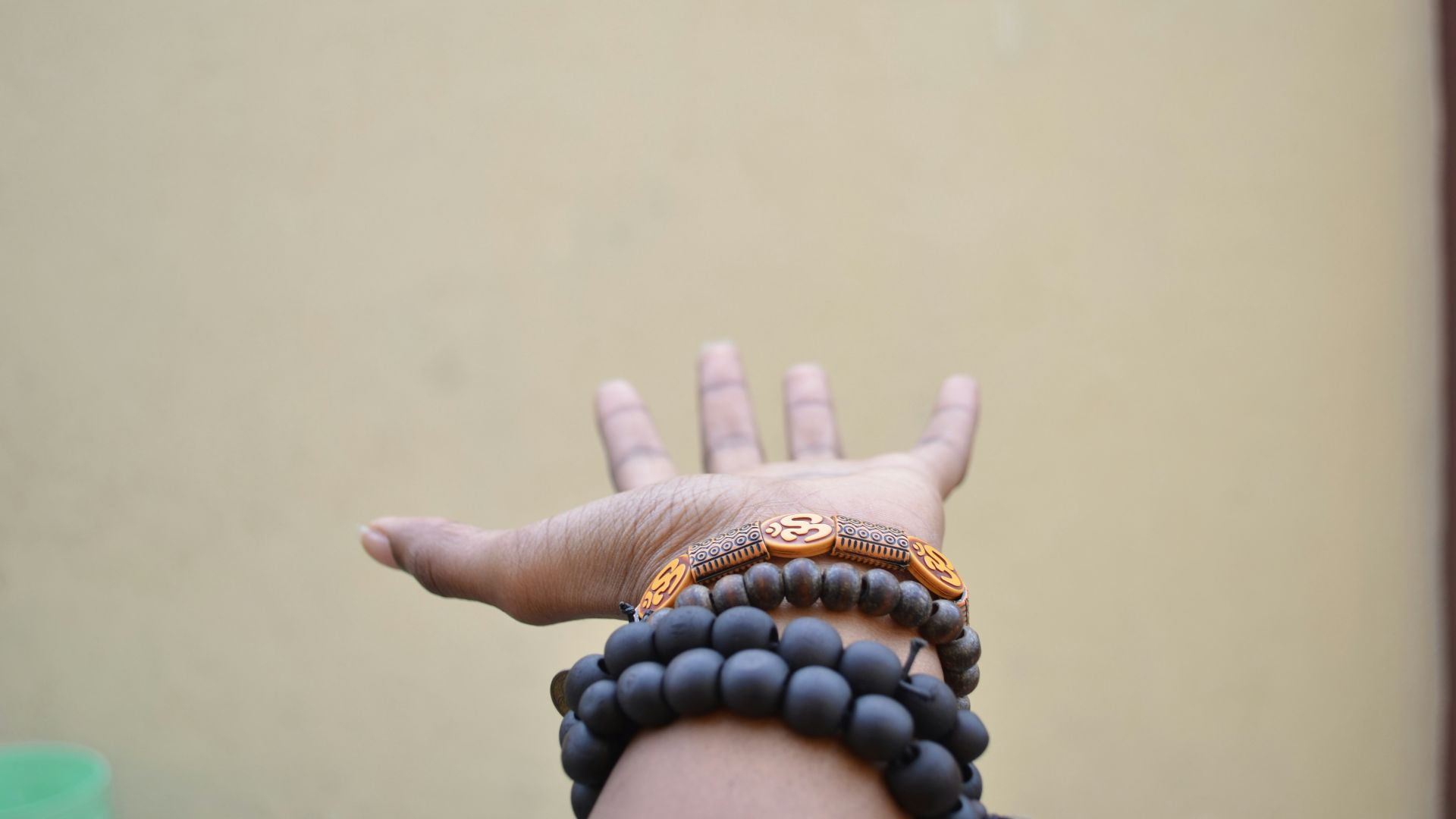
Extend one arm in front of you with the palm facing up, then gently pull the fingers back with the other hand. You should feel it along the inside of the forearm. This is helpful if your forearms feel tight from typing or gripping a mouse. Make sure to keep your elbow straight, but not locked.
10. Wrist Extensor Stretch
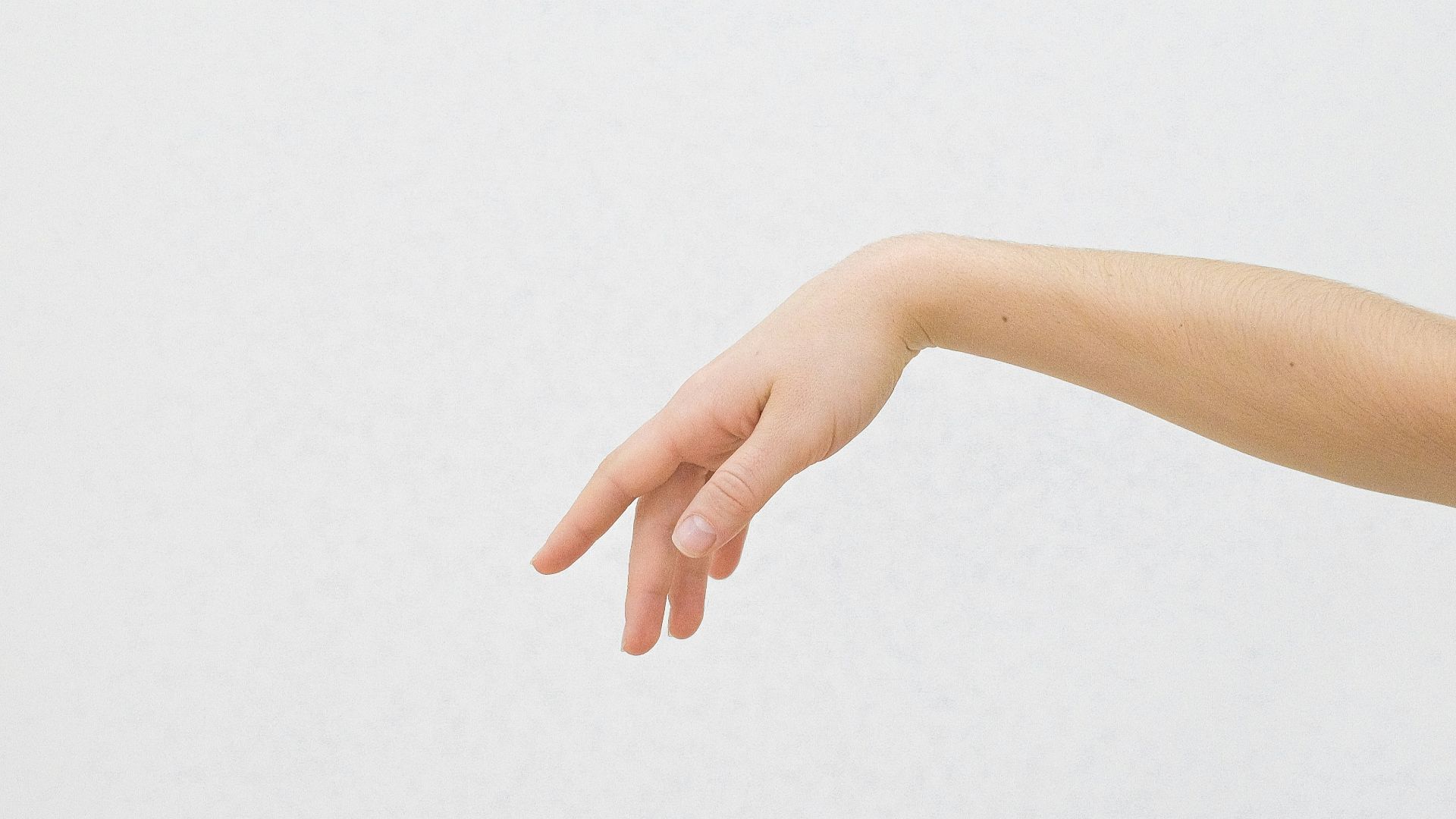
Reach one arm forward with the palm facing down, then use the other hand to bend the wrist so the fingers point toward the floor. The stretch should land on the top side of your forearm.
11. Seated Side Bend
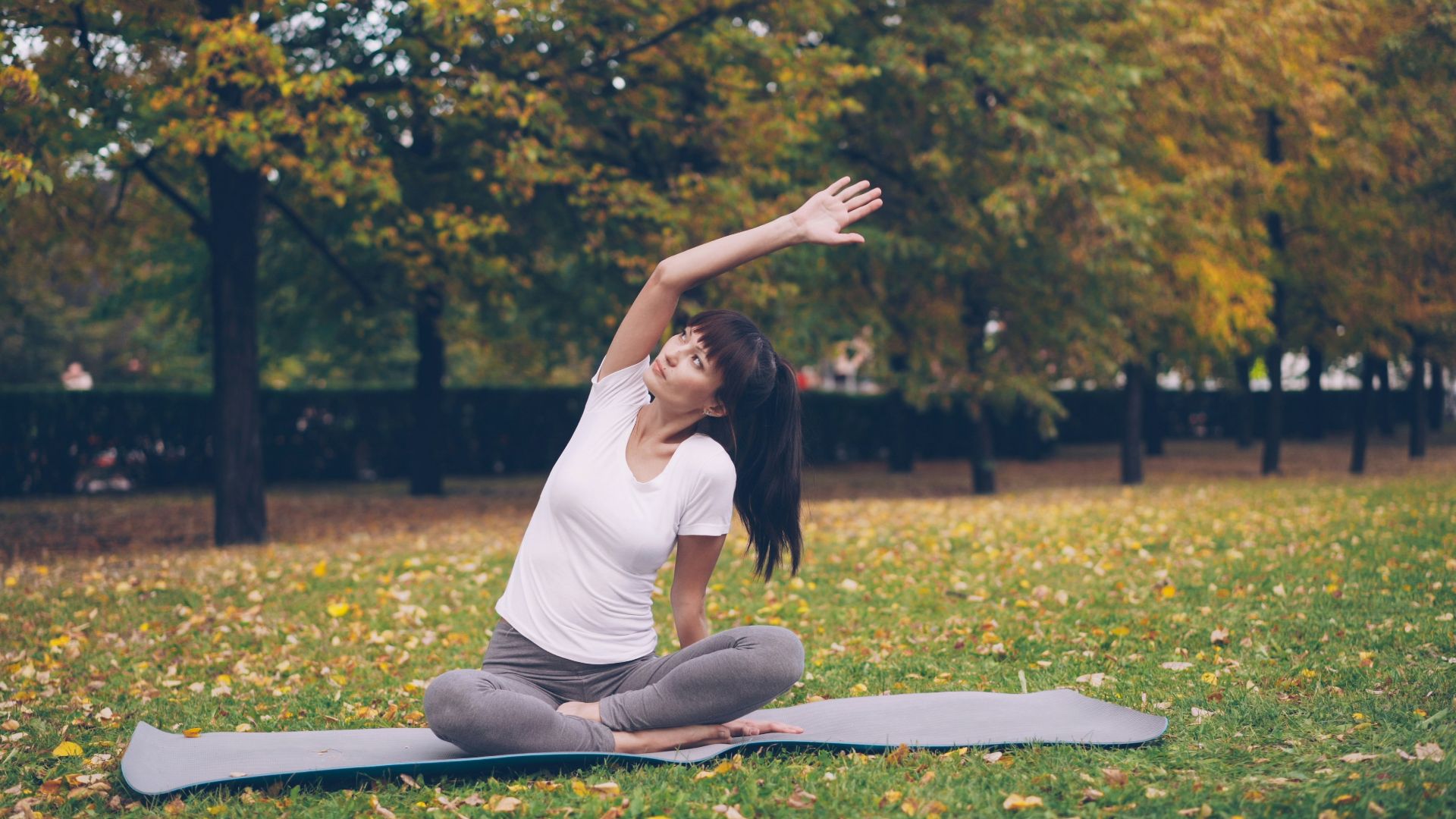
Sit tall and raise one arm overhead, then lean gently to the opposite side. Keep both sit bones grounded so you do not twist while you bend. You will feel this along the side of your torso and possibly into the ribs. Make sure to breathe as you do it!
12. Thoracic Chair Twist
Sit near the edge of your chair and place one hand on the opposite knee. Rotate your upper back toward that side while keeping your hips facing forward. This helps restore mid-back rotation that can get limited when you sit still all day. Just make sure you’re focused on your rib area, and not pushing your lower back.
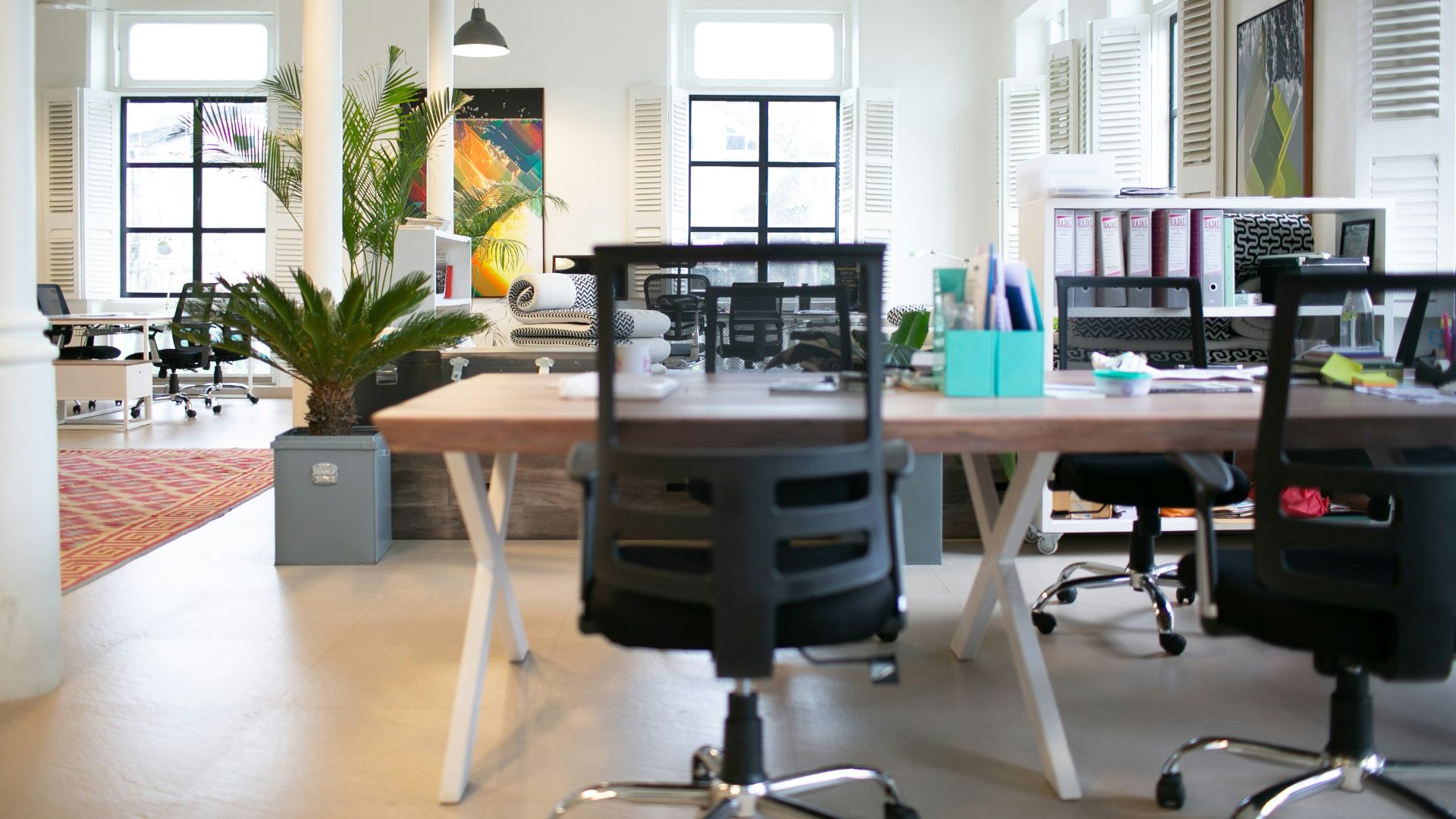
13. Seated Cat-Cow
Place your hands on your knees and alternate between rounding your back and gently arching it. Move slowly and let your breath guide the rhythm. This exercise mobilizes the spine and can relieve stiffness between the shoulder blades.
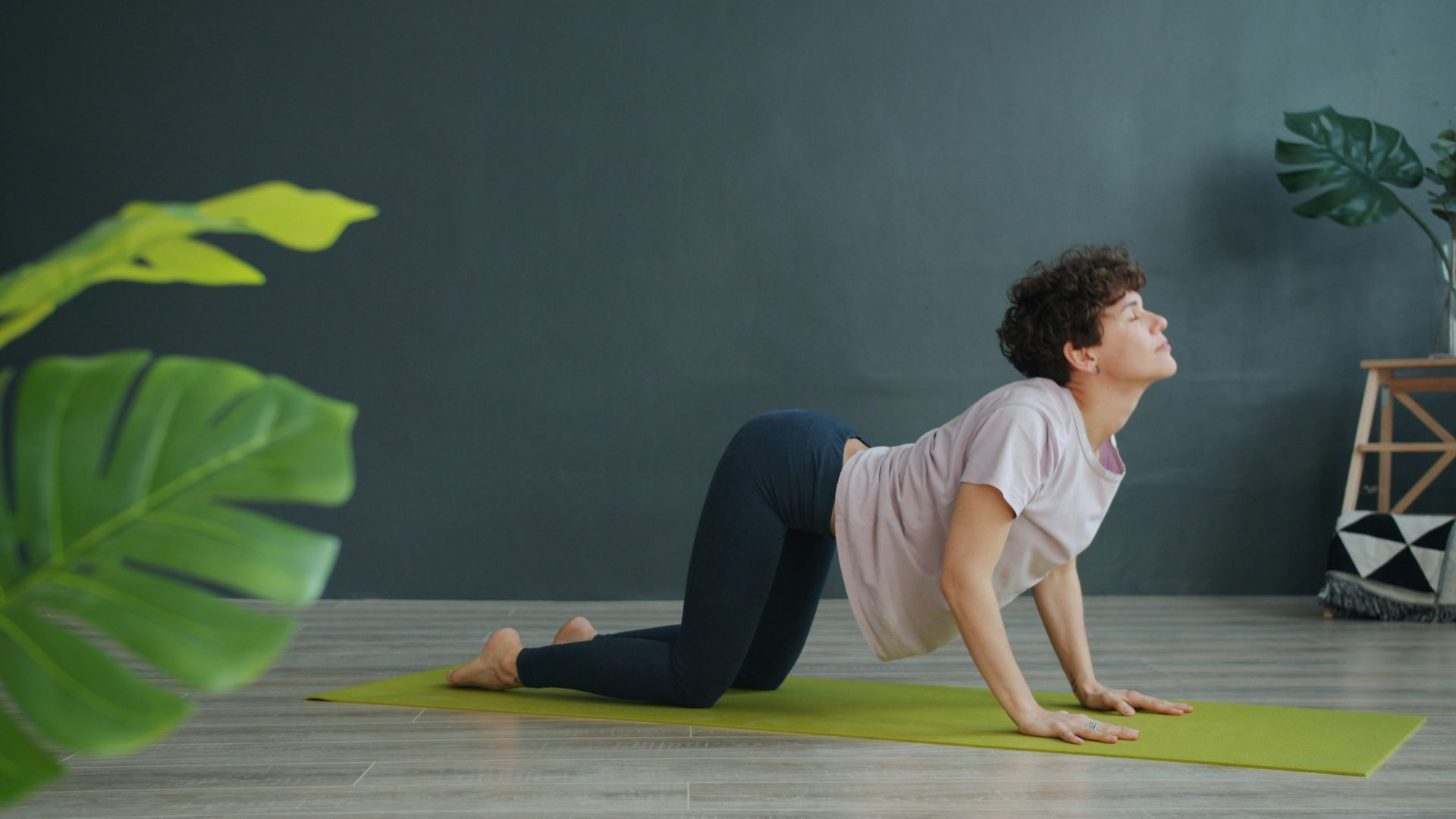
14. Lat Stretch Reach
Tight lats can contribute to shoulder tension and limited overhead movement. Raise one arm overhead and reach it up and slightly to the opposite side. Keep your shoulders down so the stretch lands on the side of your upper back rather than your neck.
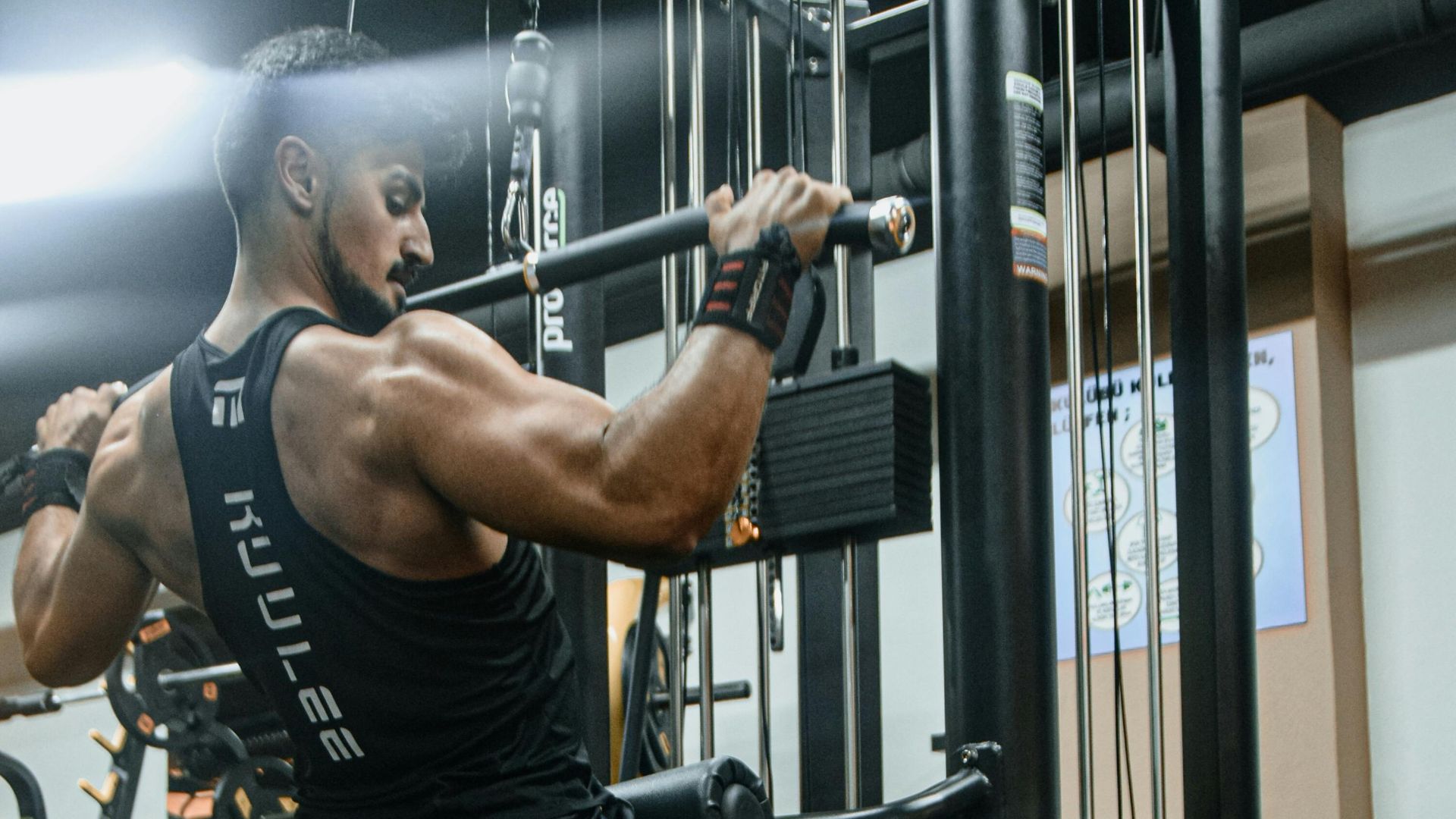
15. Hip Flexor Stretch
Hip flexors are one of the most forgotten areas of the body, but are arguably one of the most important. Stand and step one foot back into a short lunge, then tuck your pelvis slightly so you feel the stretch in the front of the back hip. Hip flexors often tighten with long sitting, which can affect how your lower back feels when you stand.
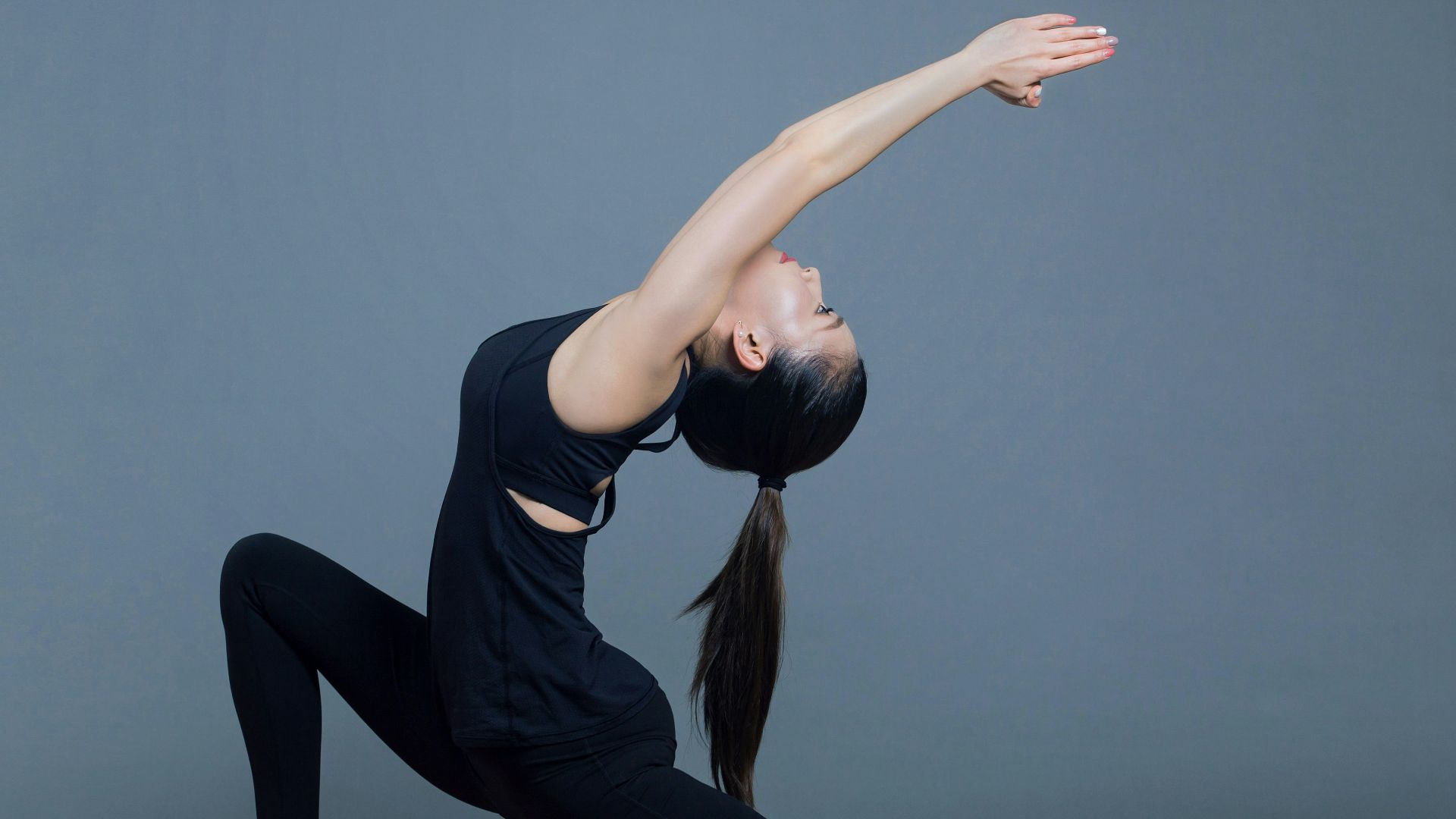
16. Standing Quad Stretch
Hold a desk or wall for balance, then bend one knee and pull your foot toward your butt. Keep your knees close together and your pelvis neutral. This targets the front of the thigh, which can feel tight after being bent for hours. Be sure to avoid arching your lower back.
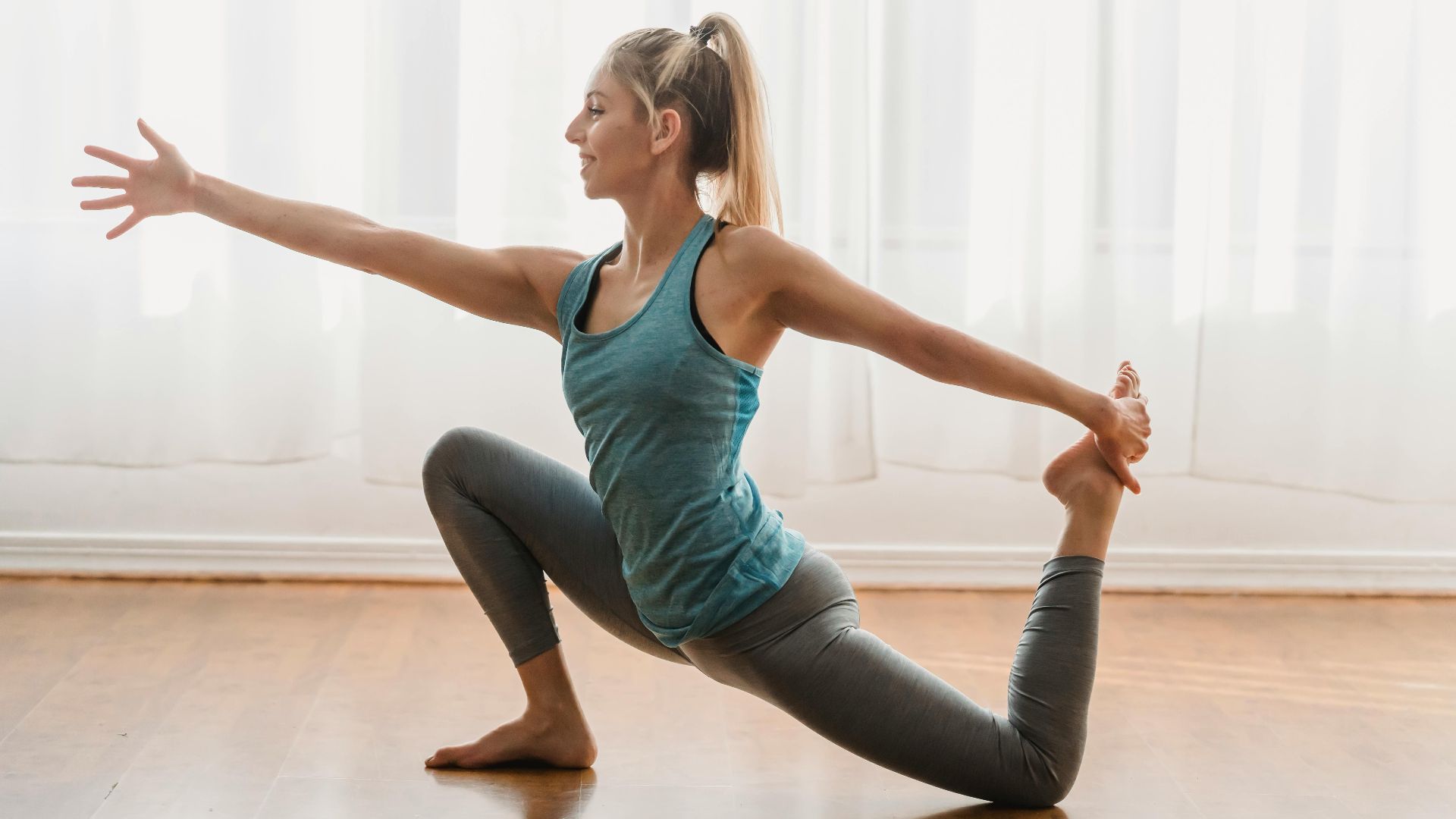
17. Figure-Four Stretch
Sit tall and place one ankle on the opposite knee, creating a figure-four shape. Lean forward slightly while keeping your back straight to feel the stretch in the outer hip. This can help if your hips feel stiff or your glutes feel tight from sitting. It’s best to keep your foot flexed when doing this exercise.
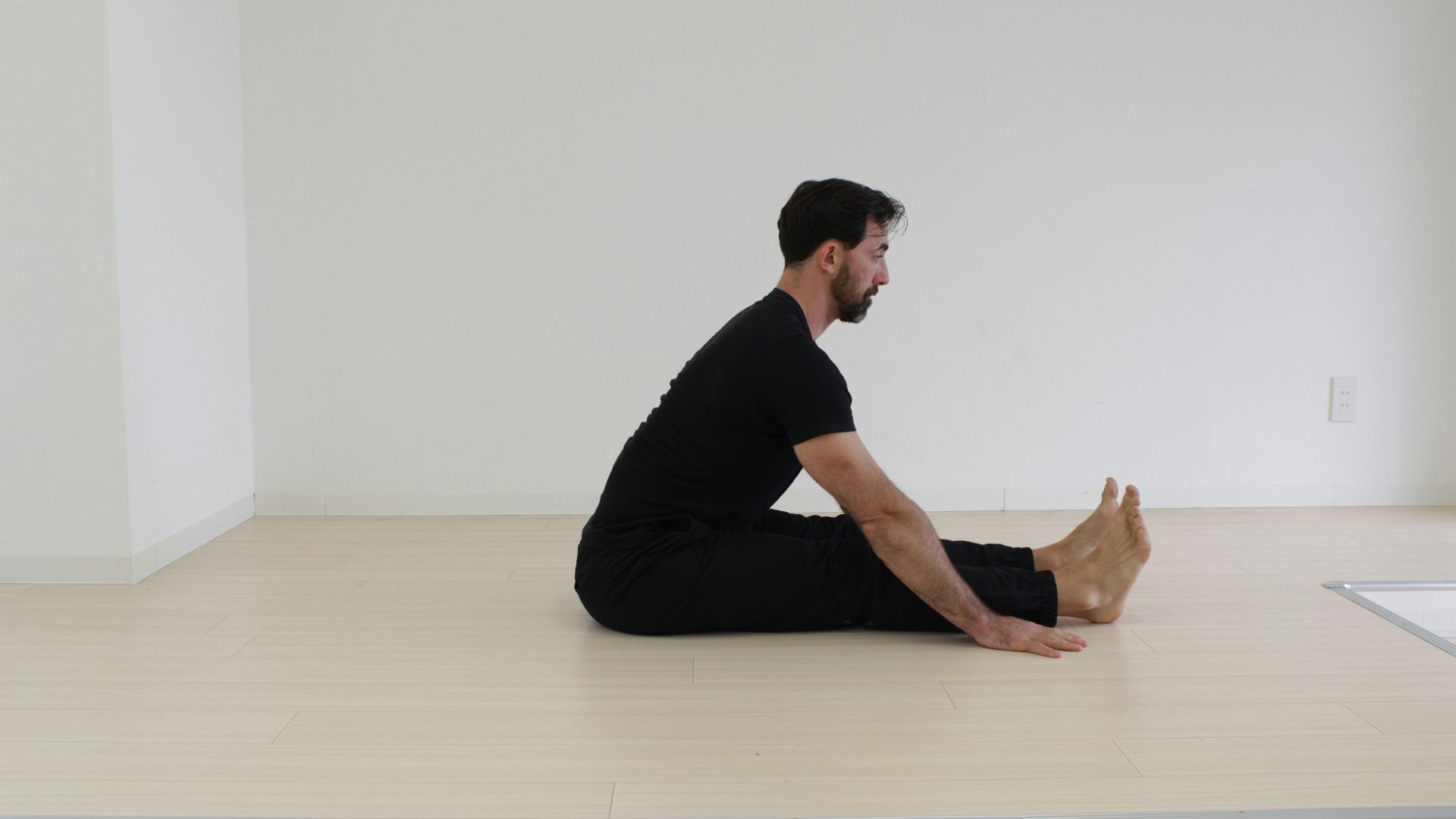
18. Seated Hamstring Stretch
Sit toward the edge of your chair and extend one leg straight with your heel on the floor. Hinge forward at the hips with a long spine until you feel tension in the back of the thigh. This helps counter the shortened position your hamstrings take during prolonged sitting.
19. Calf Wall Stretch
Place your hands on a wall, step one foot back, and press the back heel toward the floor. Keep the back knee straight to target the upper calf, and bend it slightly to shift emphasis lower. Calves can tighten if you sit a lot and do not walk much during the day.

20. Ankle Circles
Lift one foot slightly off the floor and slowly circle the ankle in one direction, then the other. This keeps the joints moving and can help with stiffness from staying in the same position too long. It is also a simple way to get some circulation without leaving your chair. You may even start to do this exercise subconsciously if you put it into practice often enough.