20 Ways To Keep The Weight Off After 30
A Realistic Game Plan That Still Feels Doable
We know that with age, things start to feel all the harder. But keeping weight off after 30 isn’t about grinding more intensely, it’s about getting smarter with the basics. Sure, your schedule is fuller, recovery can be slower, and stress has a way of sneaking into your routine, but the good news is, consistency becomes easier when your habits are practical and flexible instead of extreme. So, to give you a helping hand, use the 20 ideas below as a menu, pick the ones that fit your life, and build momentum from there. You've got this!

1. Set a “Maintenance” Target, Not a Perfect One
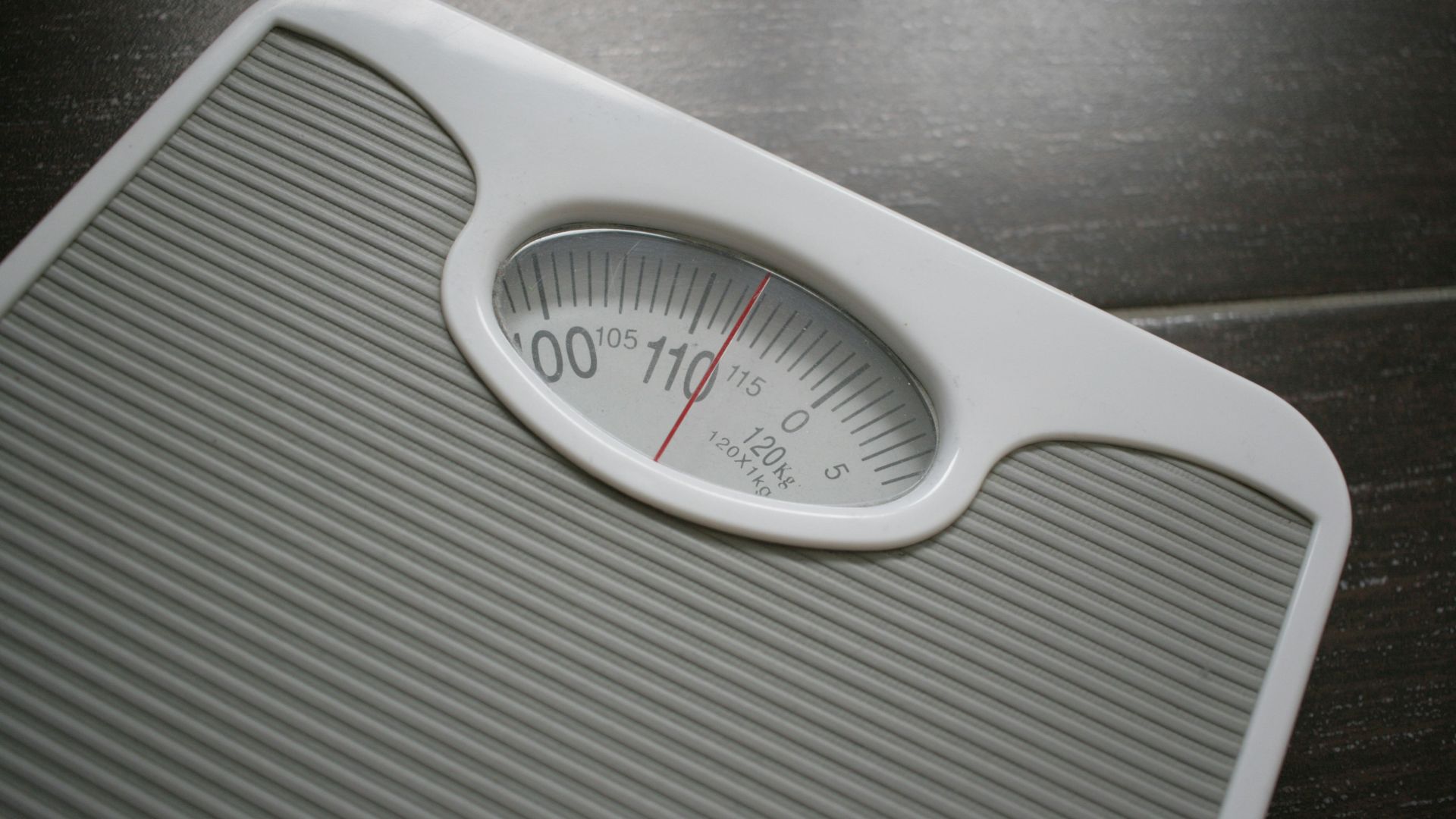
Your body weight is likely going to move up and down from salt, travel, or hormones as you get older, so strive for a weight range rather than one exact number. That buffer keeps you from overreacting to normal fluctuations! It’s easier to stay steady when the goal is stability, not perfection.
2. Eat Enough Protein at Breakfast
You probably hear gym bros going off about protein all the time, but they're on to something. Starting your day with protein actually helps you feel satisfied and reduces the urge to snack all morning. Choose options you’ll actually repeat, like eggs, Greek yogurt, cottage cheese, or a protein smoothie. If breakfast tends to be rushed, it definitely helps to have a reliable “default” meal on hand.

3. Build Meals Around Fiber
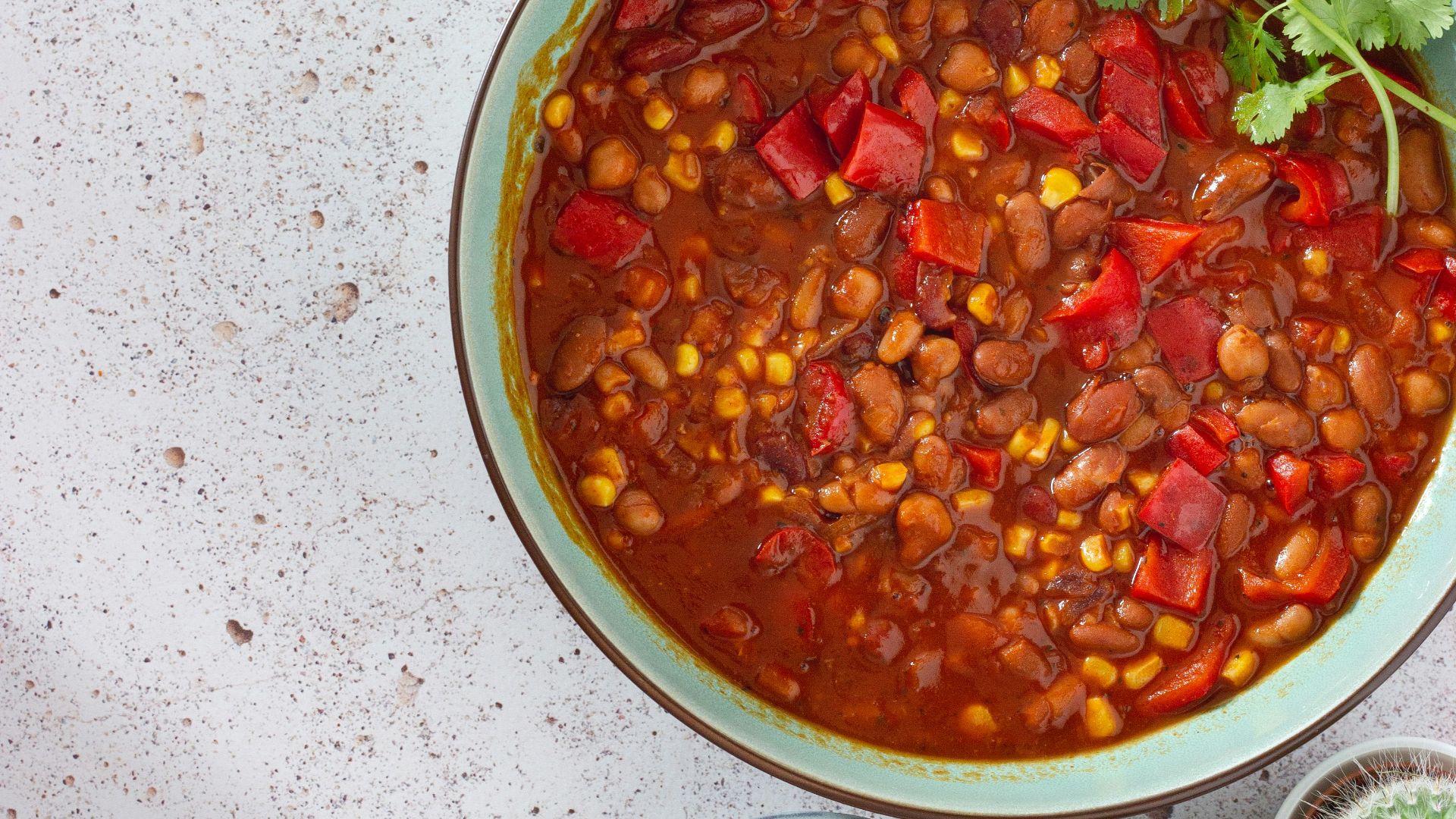
We know counting your macros can be tough, but it'll be easier once it turns into a habit. It's especially important to be mindful of fiber, which supports fullness, digestion, and steadier energy. Aim to include at least one high-fiber food at most meals, such as beans, berries, oats, or vegetables. Doing so will help make snacking feel less urgent and cravings feel less intense.
 micheile henderson on Unsplash
4. Keep Strength Training Non-Negotiable
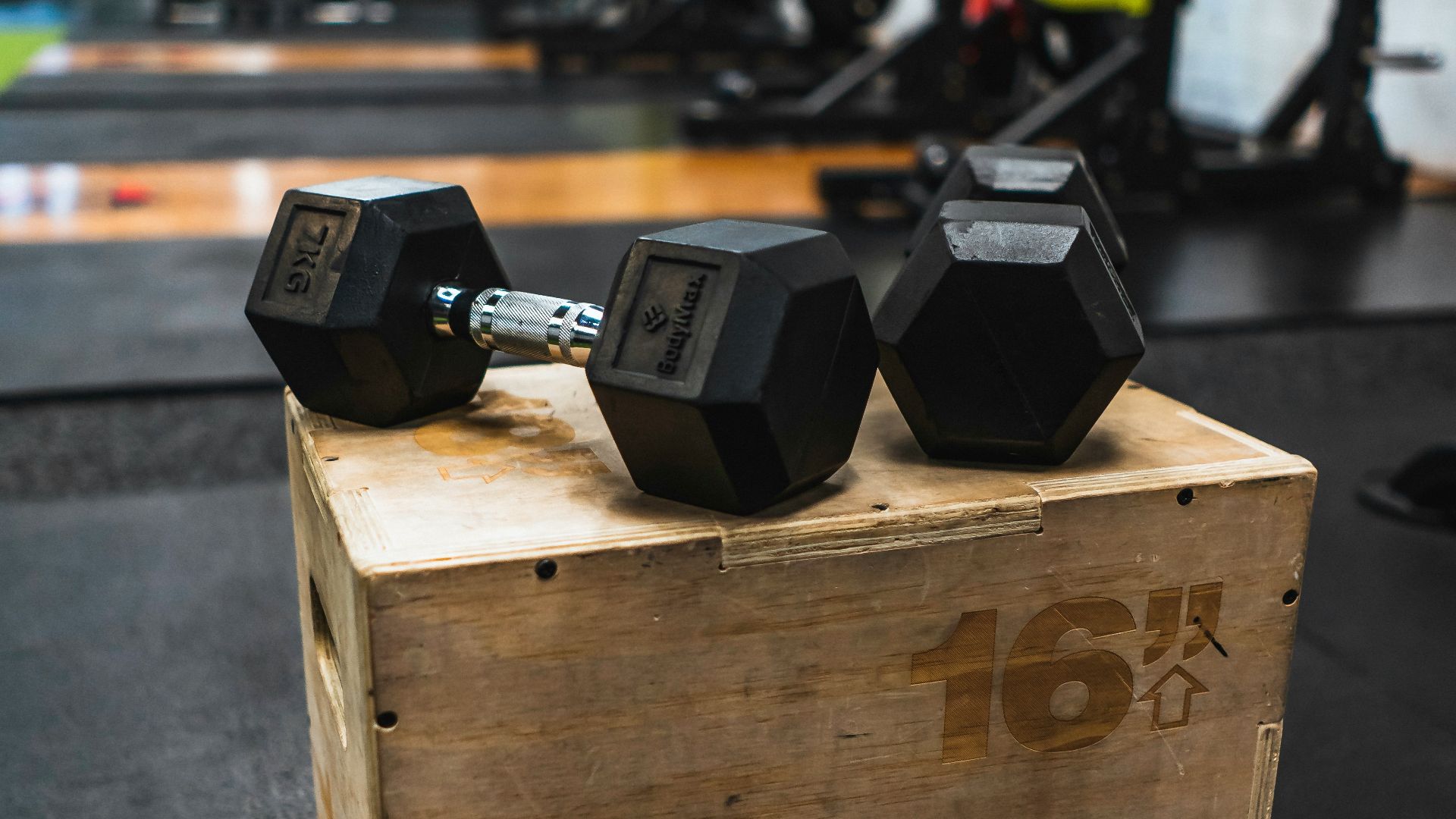
People talk about cardio a lot, but strength training helps preserve and build muscle, which is what actually supports your metabolism and everyday function. It doesn't just stop there; it also improves posture, joint stability, and confidence in how you move. Two to four sessions a week is plenty if you’re progressing and recovering well.
5. Walk More Than You Think You Need To
This simple exercise can really be the difference maker in keeping the weight off, especially as you get older. Walking adds up fast and supports weight maintenance without draining your recovery. It’s also a practical way to manage stress and appetite, especially on busy days. Keep in mind a few short walks can be as helpful as one long one, so don’t overcomplicate it.

6. Make Sleep a Weight-Loss Tool
When you’re short on sleep, hunger hormones and cravings can become harder to ignore. Poor sleep also makes workouts feel harder and recovery less reliable, which can reduce your motivation and consistency. Basically, sleep is important and you should be trying to get your full eight hours on the daily!

7. Plan for Weekends Like They Matter
Many people do great Monday through Friday and then immediately lose all their progress when the weekend comes around. Listen, you don’t need strict rules, but you do need a healthy plan that fits your social life. Decide ahead of time what “worth it” looks like for treats and drinks. A little intention can keep weekends fun without becoming a reset button.

8. Keep Trigger Foods Out of Arm’s Reach
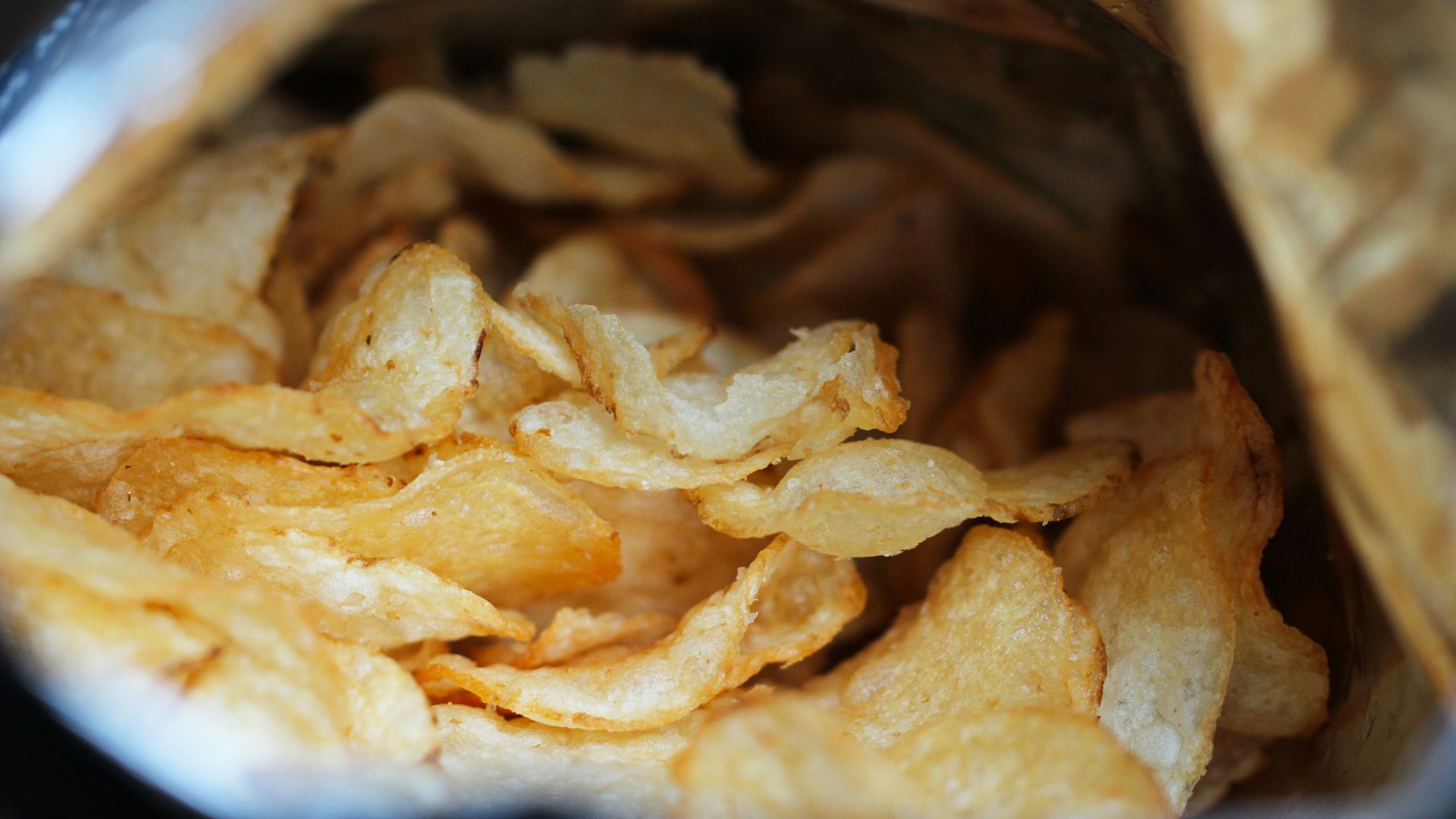
If certain foods lead to mindless snacking, like potato chips, candies, and baked goods, changing your environment is often easier than relying on willpower. We get it, it's hard! You can still enjoy those foods occasionally, but try to buy them for planned events. Stock easy, satisfying options that don’t set you off. This approach is practical, not restrictive.
 Esperanza Doronila on Unsplash
9. Use the 80/20 Approach Without Getting Sloppy
A mostly nutritious diet still leaves room for enjoyment, and that's how you keep maintenance sustainable. The trick is consistency, not constant bargaining with yourself. Keep your everyday meals simple and balanced so the “20” doesn’t quietly become half your intake. You’ll feel better when your choices aren’t a daily negotiation.
10. Learn Your “I’m Full” Signals Again
After years of distracted eating, it’s going to be difficult transitioning back into mindful consumption where you understand your body. But to help you get there, remember to slow down occasionally and notice how you feel halfway through a meal. You’re not trying to eat as little as possible, just trying to stop when you're comfortable.

11. Don’t Drink Your Calories by Accident
Just because it goes down easy doesn't mean it's easy on the body! Liquid calories can sneak in without providing much fullness. Everything from specialty coffees to juices and sugary drinks add up faster than most people realize. You don’t have to ban them, but you should make them a deliberate choice.

12. Keep Alcohol in a Reasonable Lane
Even if you're not trying to keep weight off, it's a good idea to keep your alcohol intake to a minimum. Drinking these bevs can lower inhibitions, increase appetite, and make next-day cravings worse. It also tends to replace sleep quality, which doesn’t help your routine. If you drink, set a limit you can follow without resentment.

13. Make Lunch Boring on Purpose
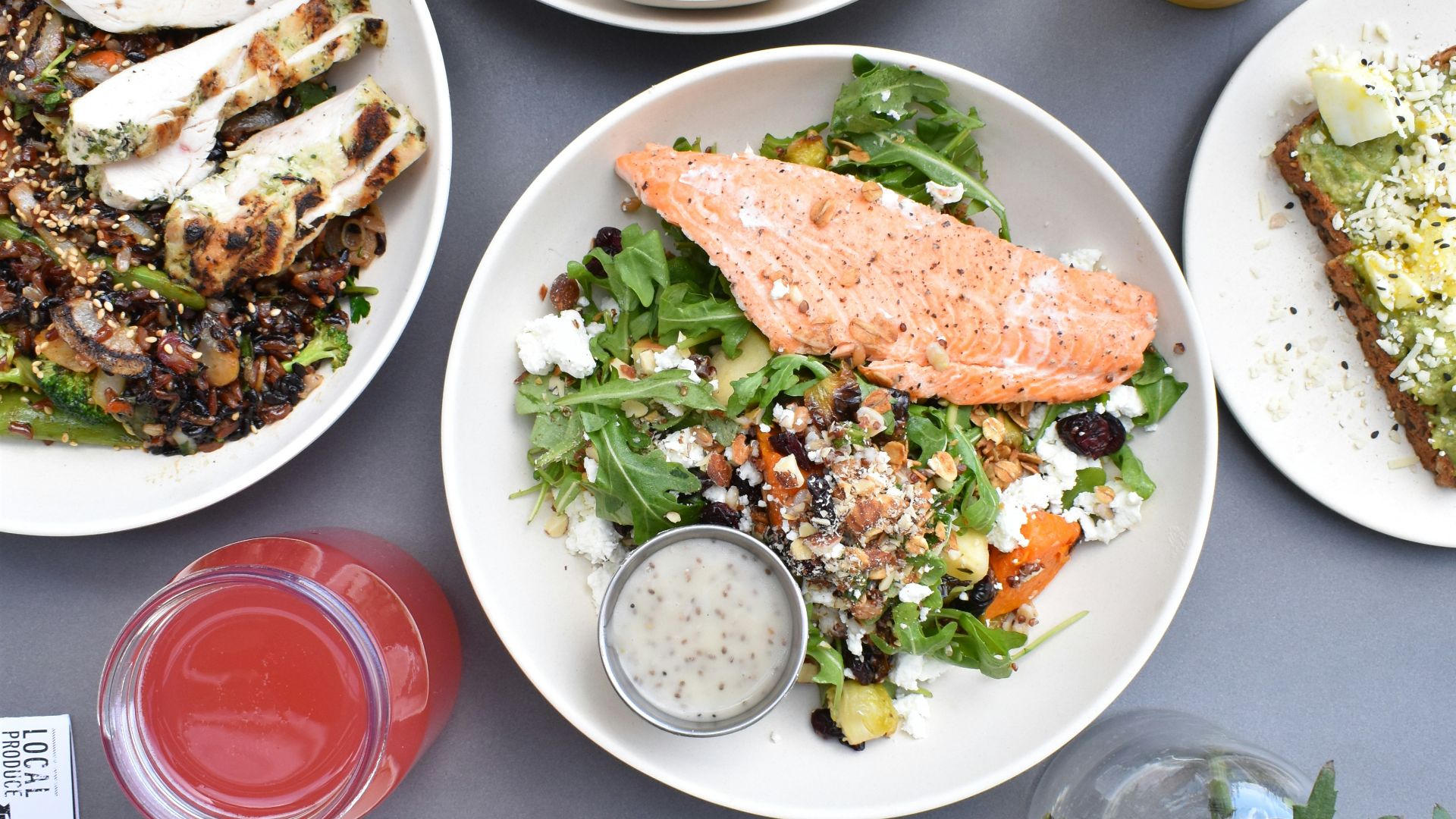
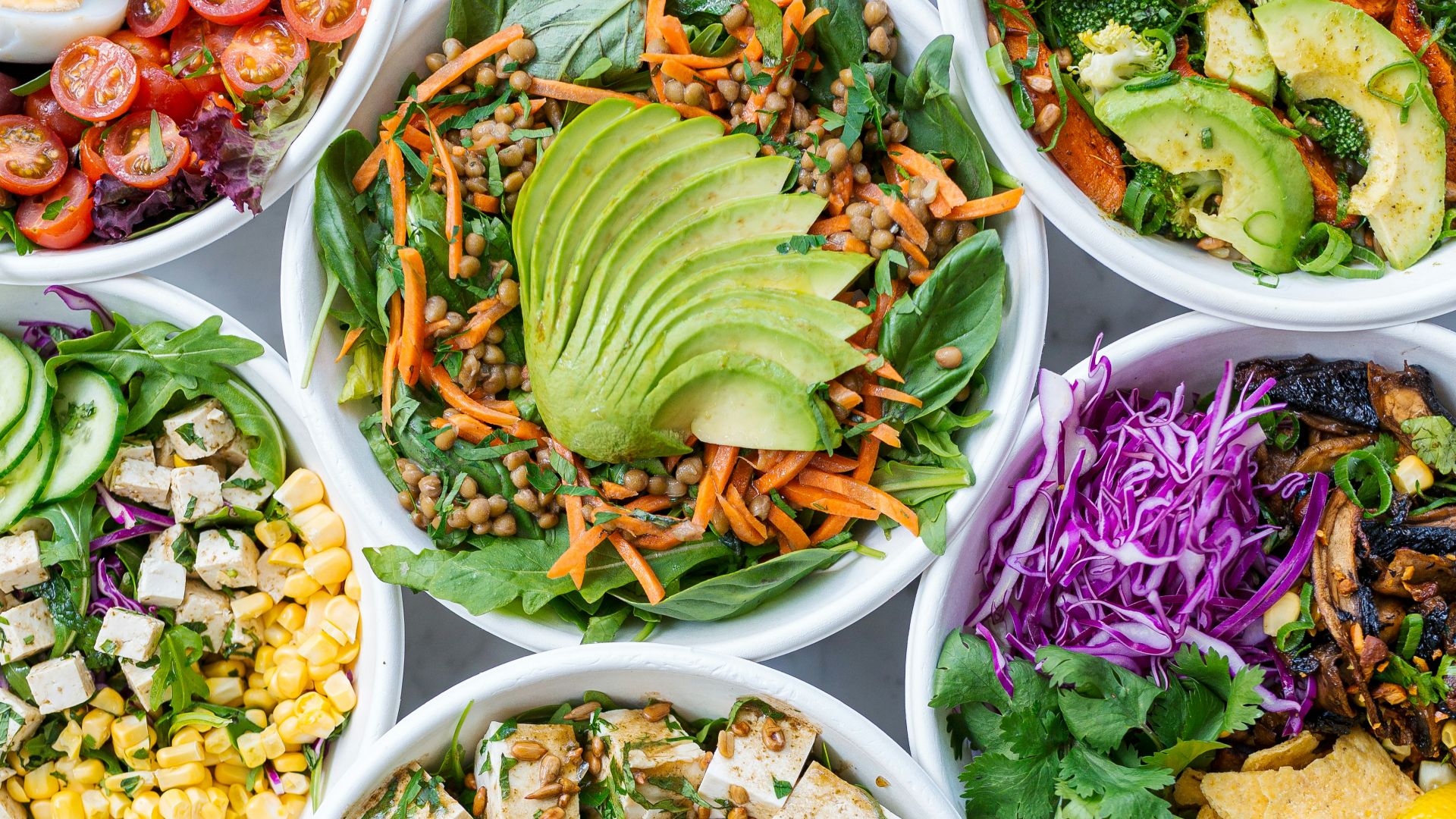
By boring, we mean create a system! A reliable lunch prevents last-minute choices that don’t match your goals. Consider rotating between two or three options every week that you can prep quickly, like salads with protein, grain bowls, or leftovers. When lunch is handled, your day feels more predictable and manageable.
14. Keep Track of Portions Without Obsessing
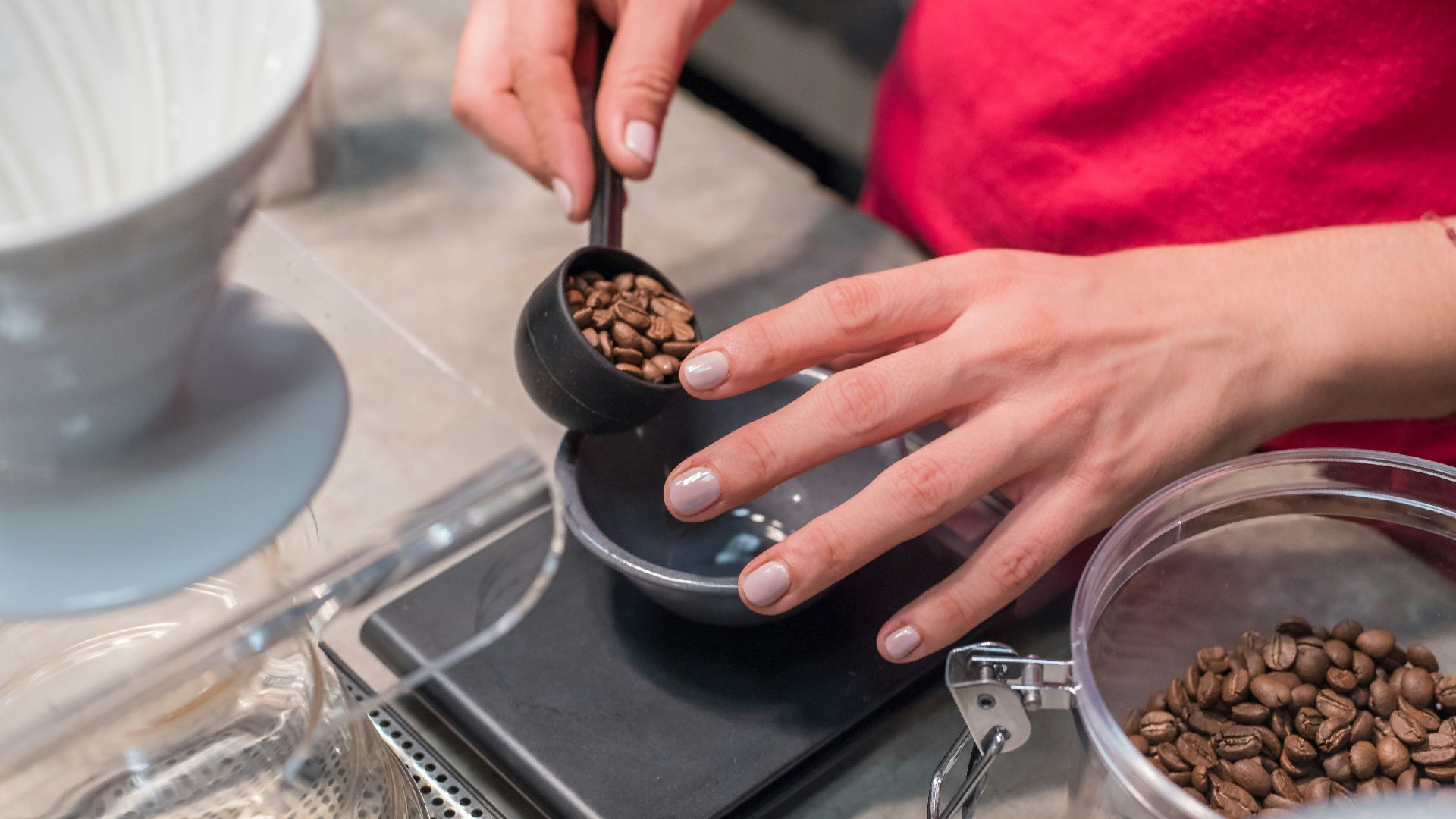
You can stay aware without needing to measure everything forever. At some point, you can skip the scale and simply use consistent plates and bowls, remembering what your typical serving looks like. This can help those who find tracking their food especially tiresome.
15. Eat More at Home, Even If It’s Simple
Cooking can be scary for beginners, but it doesn't have to be complicated. Meals made at home usually have more predictable portions and fewer hidden calories. Yes, even “assembly” meals like rotisserie chicken with bagged salad count. Not only will you save money, it'll make maintenance and keeping the weight off easier at the same time.

16. Manage Stress Like It’s Part of the Plan
Not just good for weight maintenance, finding a way to better manage stress is good for you on every level. Stress increases cravings, but it also disrupts sleep, makes it harder to focus, and more. Consider building a routine to help you de-stress that you’ll actually use, like a short walk, a quick stretch session, or ten minutes without screens.
 Muhammad Ruqi Yaddin on Unsplash
17. Keep Healthy Snacks Convenient
If nutritious options require effort, you’ll reach for whatever’s easiest. Set yourself up for success with healthy grab-and-go choices like fruit, jerky, yogurt, or pre-cut vegetables. A good snack should feel satisfying, not like a placeholder. Convenience is a legitimate strategy, not a cheat.

18. Train Your Appetite With Regular Meals
Skipping meals tends to be an unhealthy but popular option for those who are weight-conscious, but doing so backfires more than helps. Regular meals help you avoid that “nothing sounds good except everything” feeling at night. The calmer your hunger pattern is, the easier your decisions become.

19. Review Your Progress Monthly, Not Daily
Daily weigh-ins can be useful for some people, but they can also cause overreactions and make you more worried than need be. A weekly or even monthly check-in helps you spot trends while keeping emotions out of it. Look at your routines, energy, and how your clothes fit, not just the scale. That little number doesn't tell you everything.

20. Treat Maintenance Like a Skill You Keep Practicing
Weight maintenance is less about motivation and more about repeating what works. It's all about consistency! You’ll have busy weeks, travel, and special events, and that’s normal. The win is returning to your baseline habits without guilt or drama. When you focus on the next reasonable choice, you stay consistent over the long run.