
Choosing Hobbies That Help, Not Hurt
Hobbies are great to have, but they can shape your life in unexpected ways, influencing everything from your stress levels to your sleep and long-term health. Whether you enjoy snowboarding or gardening, some pastimes come with hidden costs that aren't so great for you, while others reliably support your mood, energy, and resilience. The goal isn’t to avoid having fun entirely, but to choose activities that match your body’s limits, protect your mental well-being, and leave you feeling better after you’re done. With that said, here are 10 dangerous hobbies that harm your health, and 10 that boost your happiness in the long run.
1. BASE Jumping
One of the most dangerous extreme sports out there, BASE jumping leaves very little room for equipment failure, timing mistakes, or sudden weather shifts. Even experienced jumpers face a high risk of traumatic injury because the margin for correction is so small. If you’re drawn to it, rigorous training and conservative decision-making aren’t optional, they’re the minimum.
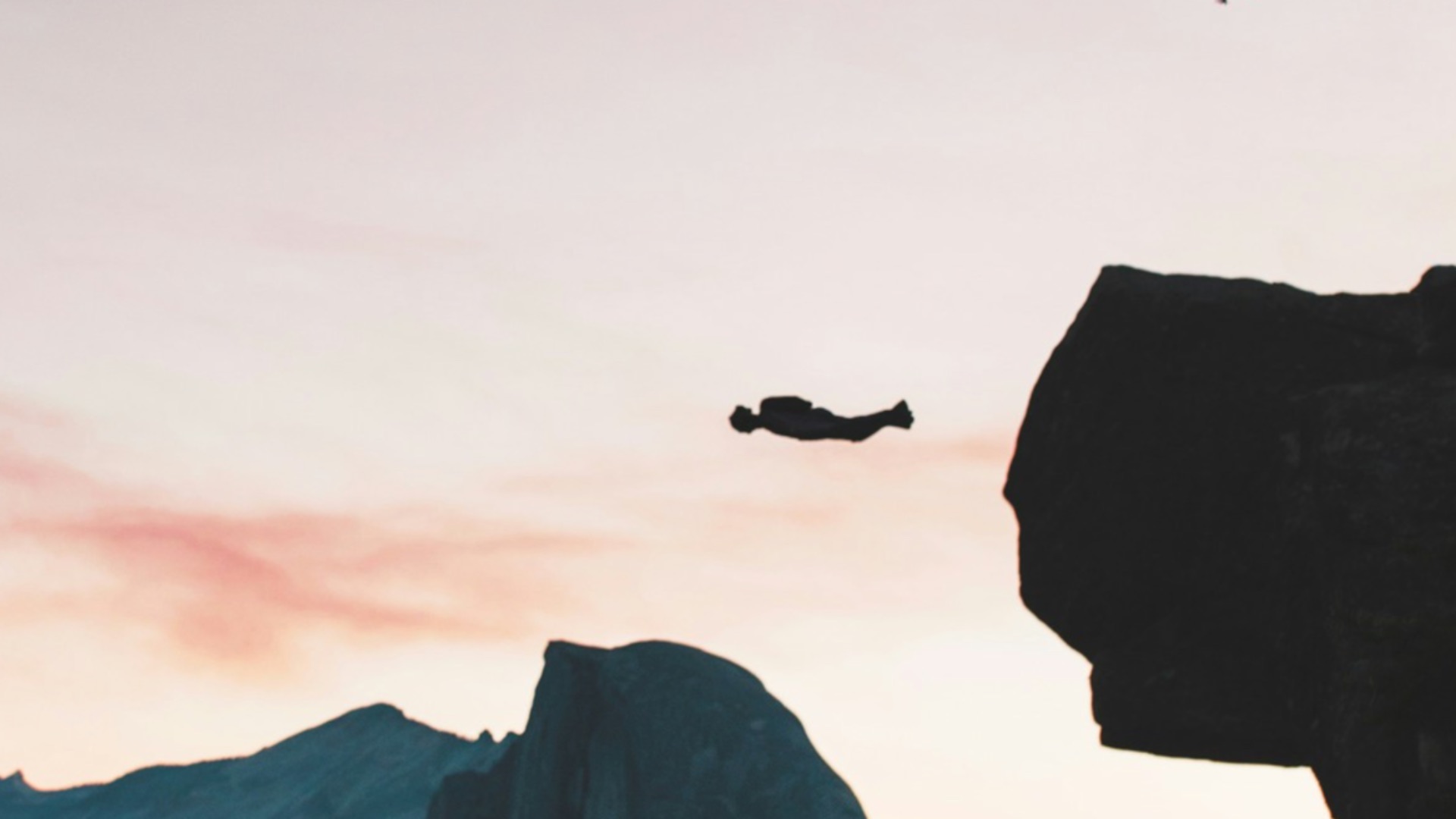
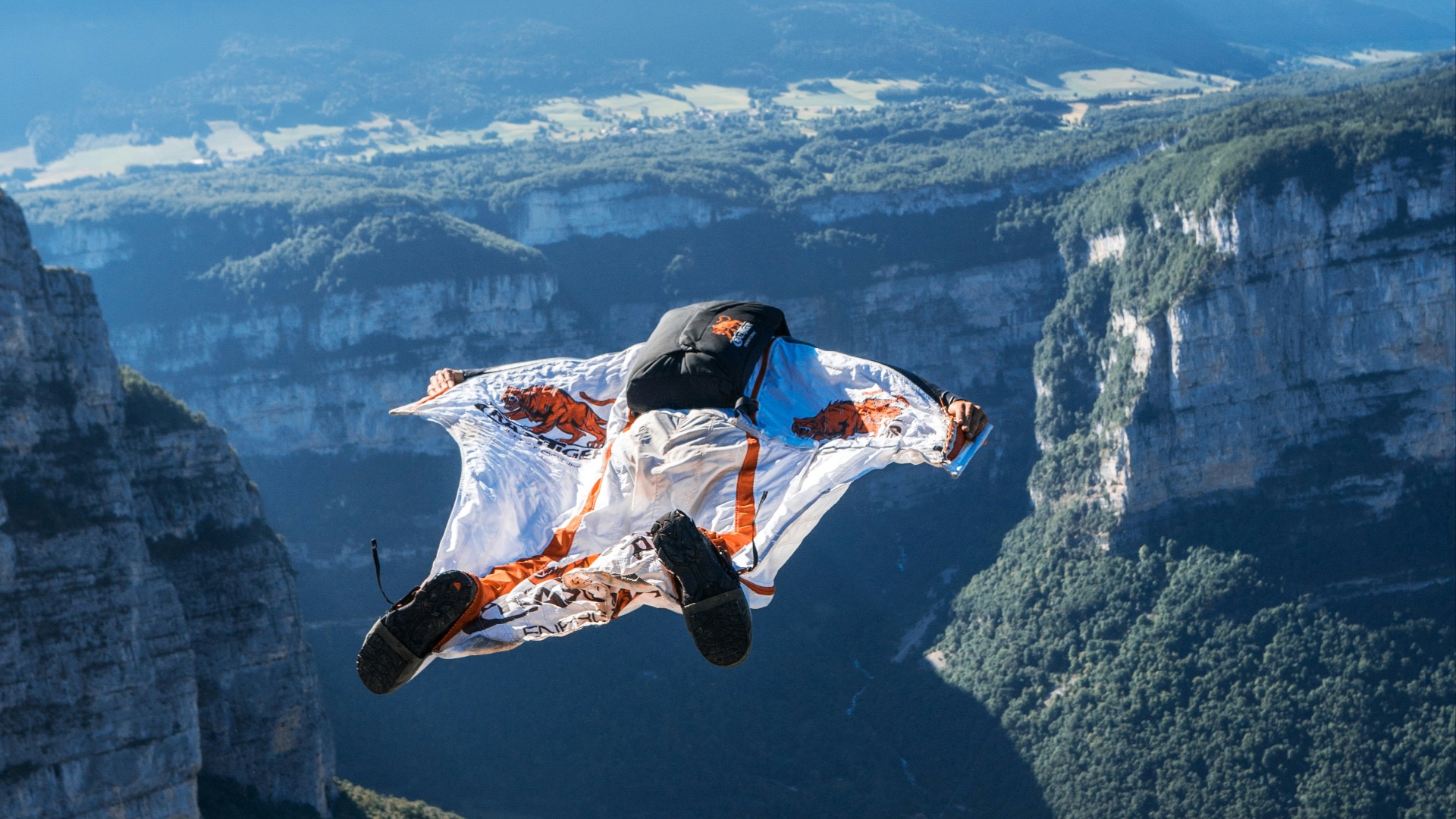
2. Wingsuit Flying
Wingsuit flying adds complexity to free-fall by demanding precise body control and route planning at very high speed. A minor miscalculation can have catastrophic consequences, particularly near terrain. It also tends to reward thrill-seeking, which can pressure you to attempt flights that outpace your skill level.
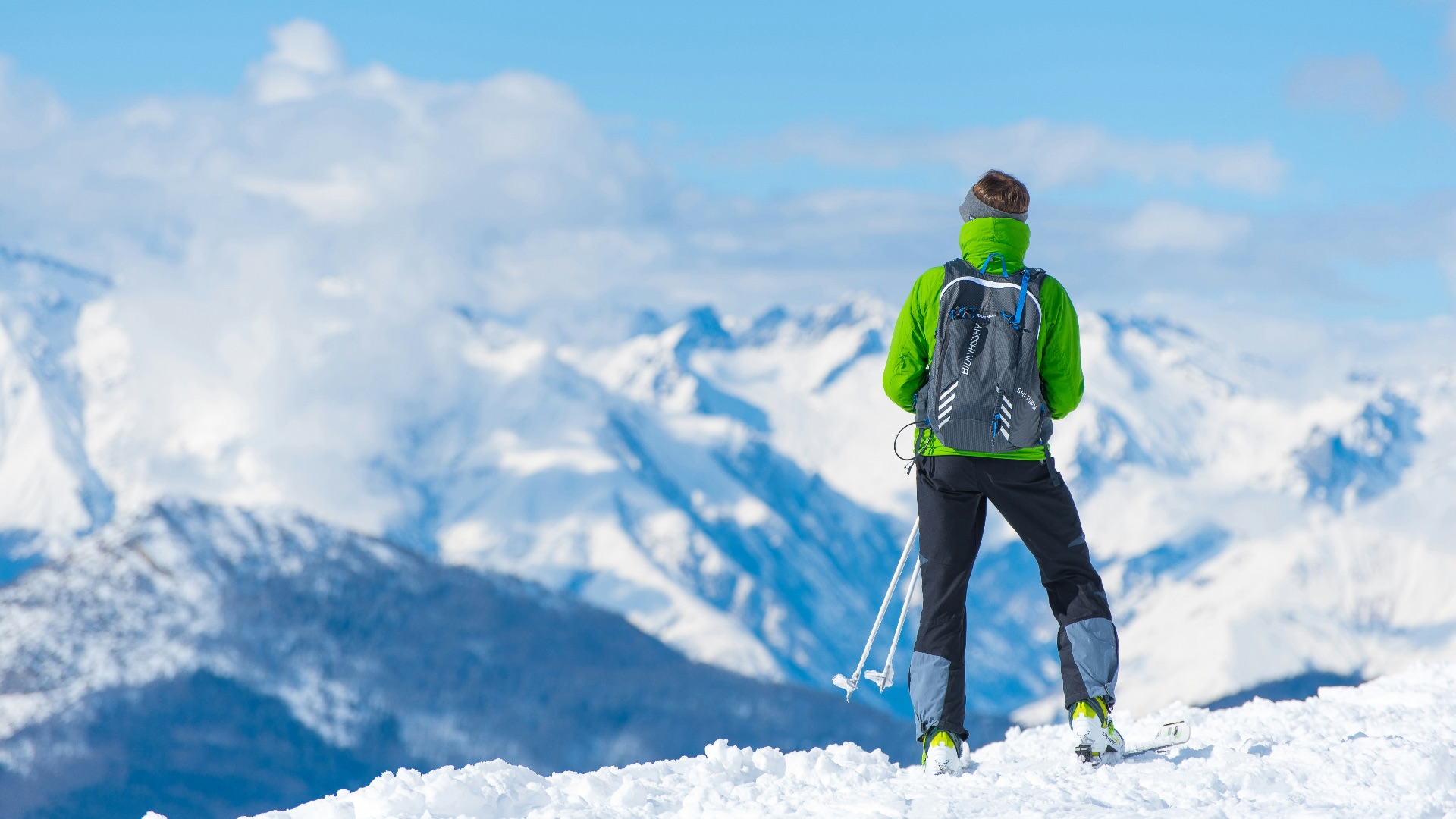
3. High-Altitude Mountaineering
Climbing at high altitude exposes you to hazards like hypothermia, avalanches, and altitude illness that can become medical emergencies quickly. The physical strain is intense, and fatigue can impair judgment when you need it most. Plus, weather can change fast, so even a well-planned route can turn dangerous in hours.
4. Technical Cave Diving
Cave diving combines limited visibility with overhead environments where you can’t surface directly if something goes wrong. Equipment problems, disorientation, or silt-outs can escalate into life-threatening scenarios within moments. Because rescue is difficult, your planning and redundancy have to be extremely strict.

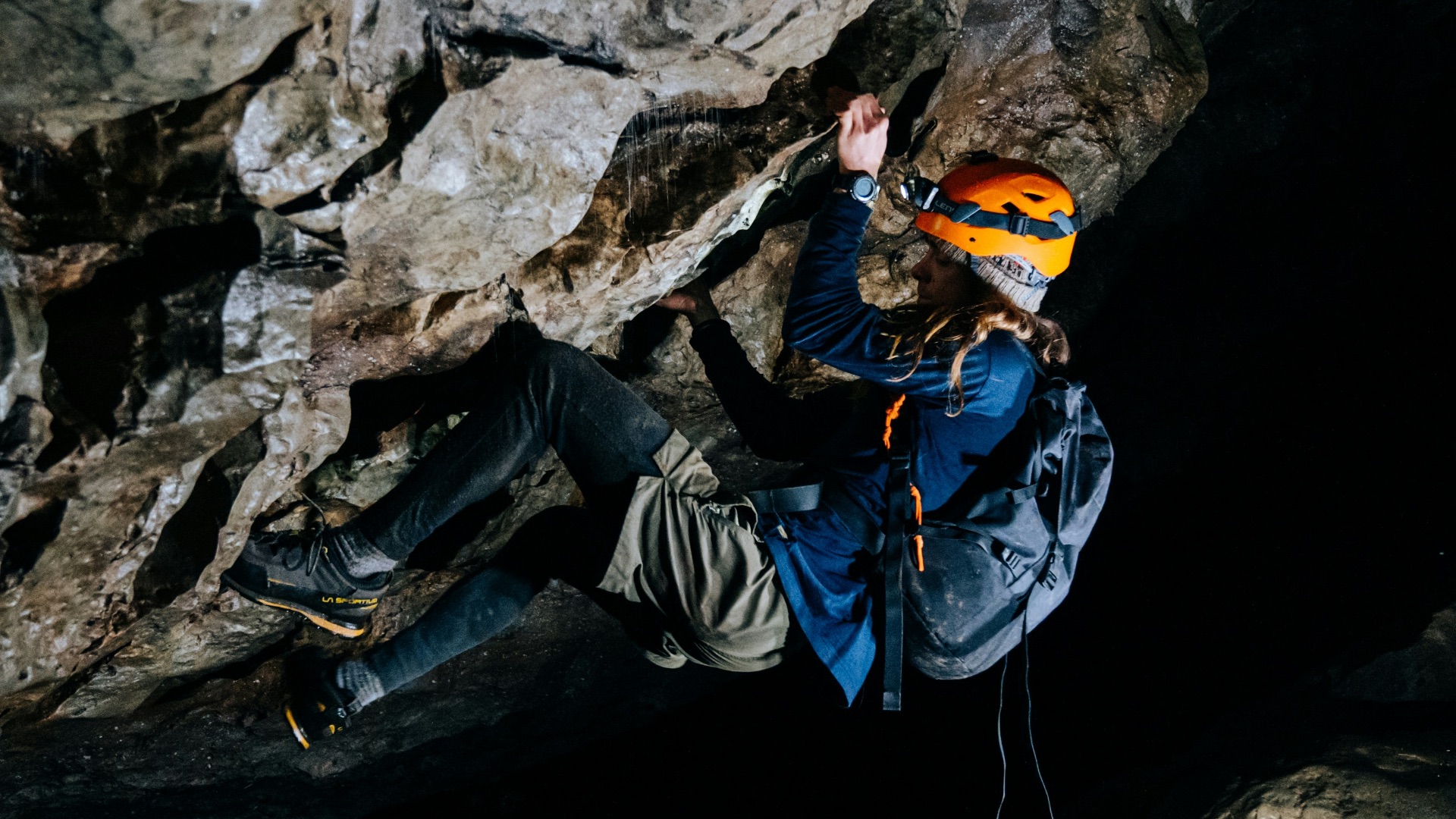
5. Spelunking in Remote Caves
Caving can involve tight passages, unstable surfaces, and navigation challenges that make injuries hard to manage. You’re often far from help, and even a sprain or head injury can become a serious emergency underground. It’s safer when you go with trained groups, follow strict route plans, and treat turnaround times as non-negotiable.
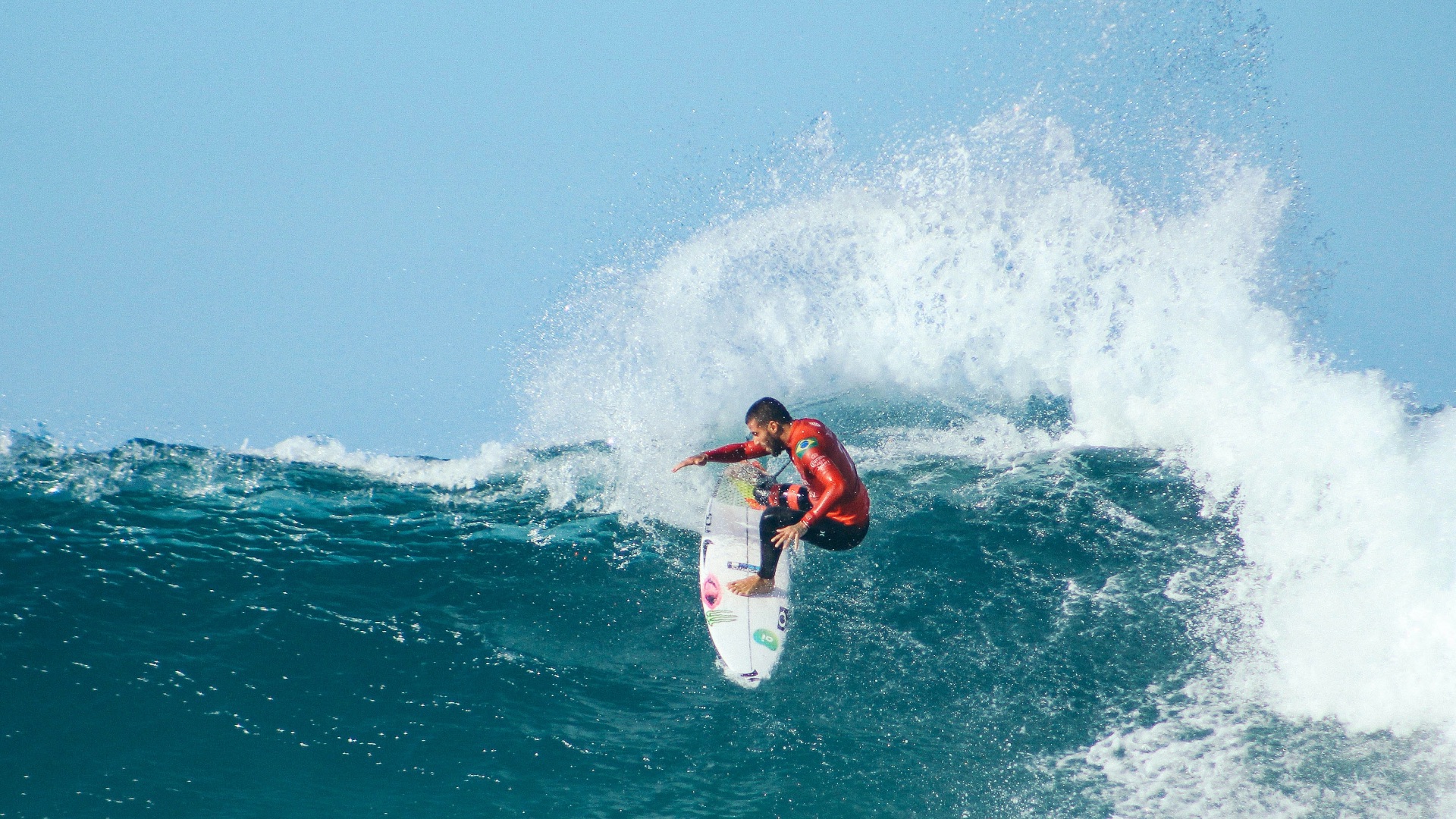
6. Big-Wave Surfing
Big-wave surfing puts you in conditions where wipeouts can mean long hold-downs, impact injuries, and dangerous currents. Your risk rises when you’re dealing with cold water, heavy boards, and limited rescue access. Even with support teams, the ocean doesn’t offer predictable margins.
7. Free Solo Rock Climbing
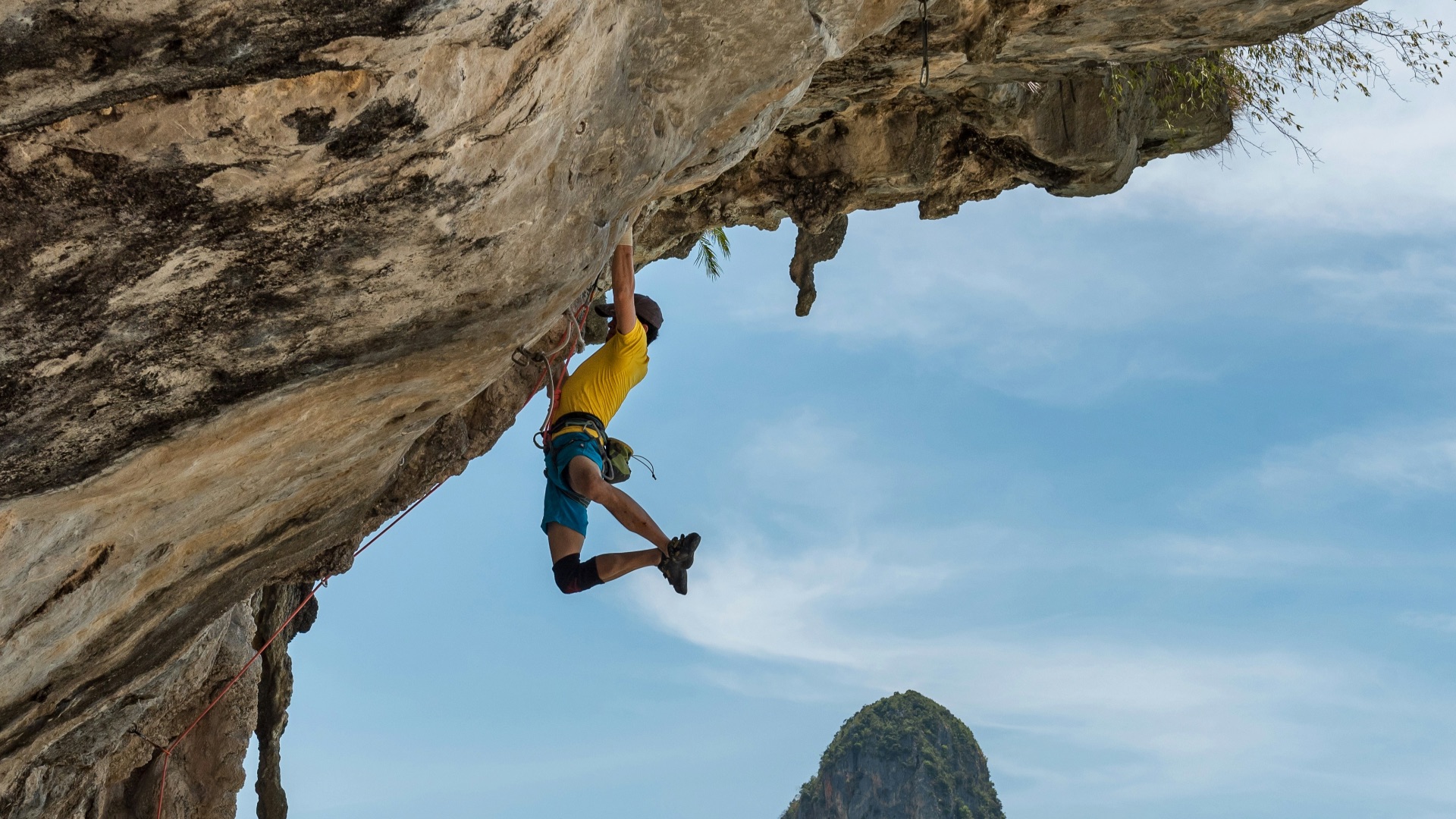
Free solo climbing removes the safety systems that normally turn a slip into a manageable fall. One small error, a loose hold, or a sudden cramp can be fatal. People often underestimate how much stress this places on decision-making, because the consequences are always absolute.
8. Backcountry Skiing & Snowboarding
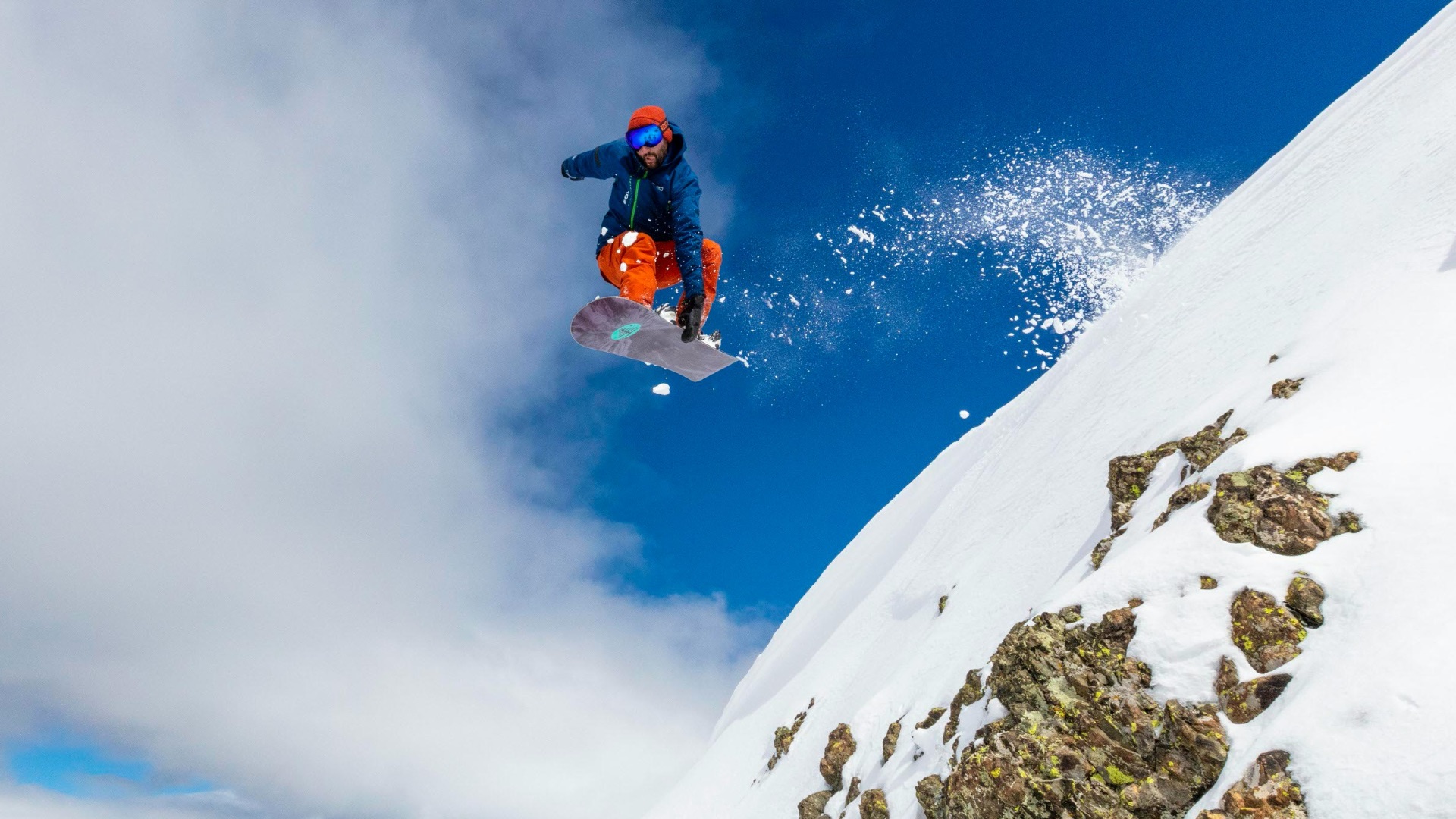
Backcountry travel exposes you to avalanche terrain, hidden obstacles, and rapidly shifting weather. Even skilled riders can misread conditions, especially when powder and excitement cloud judgment. Proper training, partner communication, and rescue gear are essential, but they can’t eliminate risk.
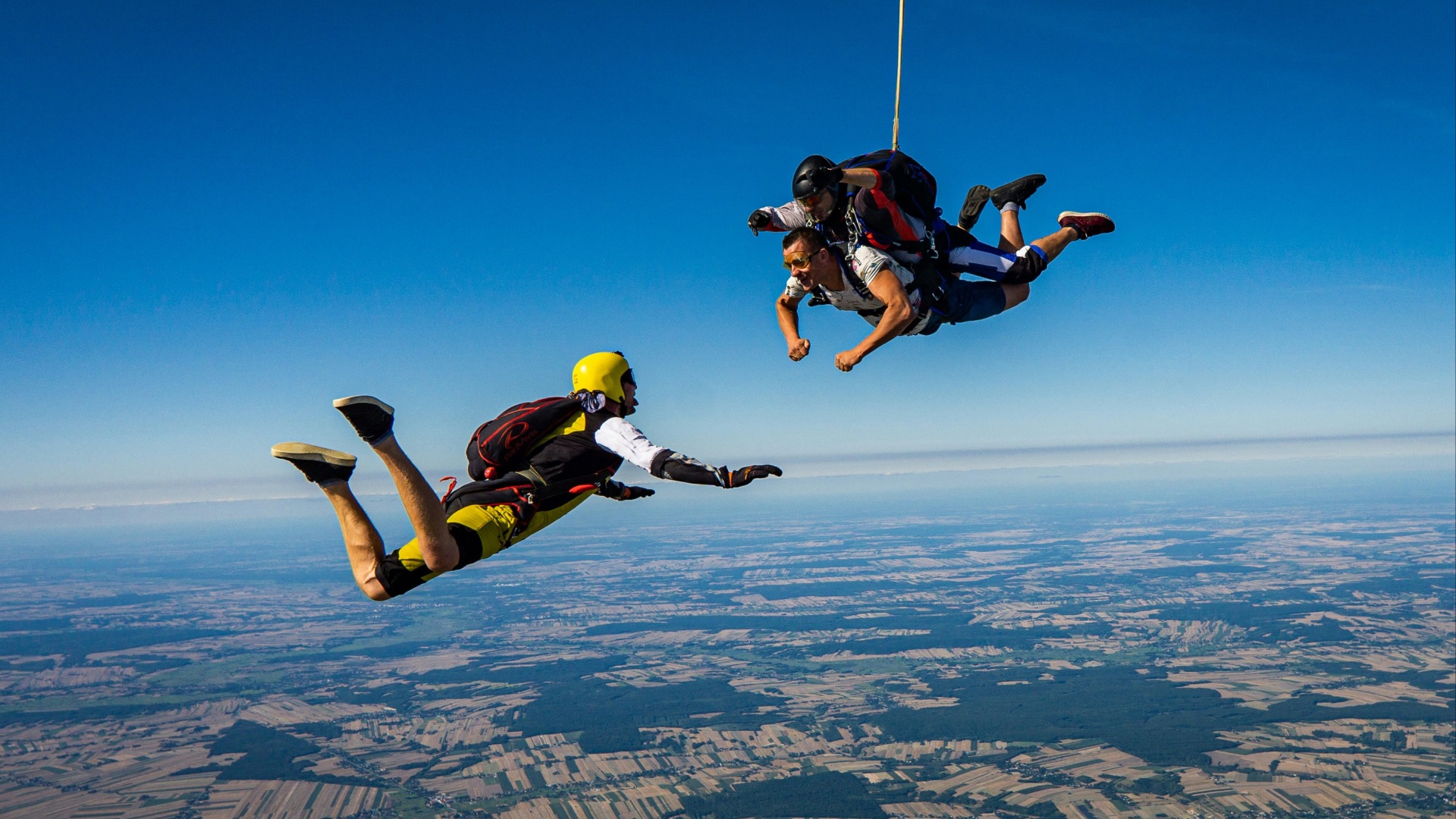
9. Skydiving
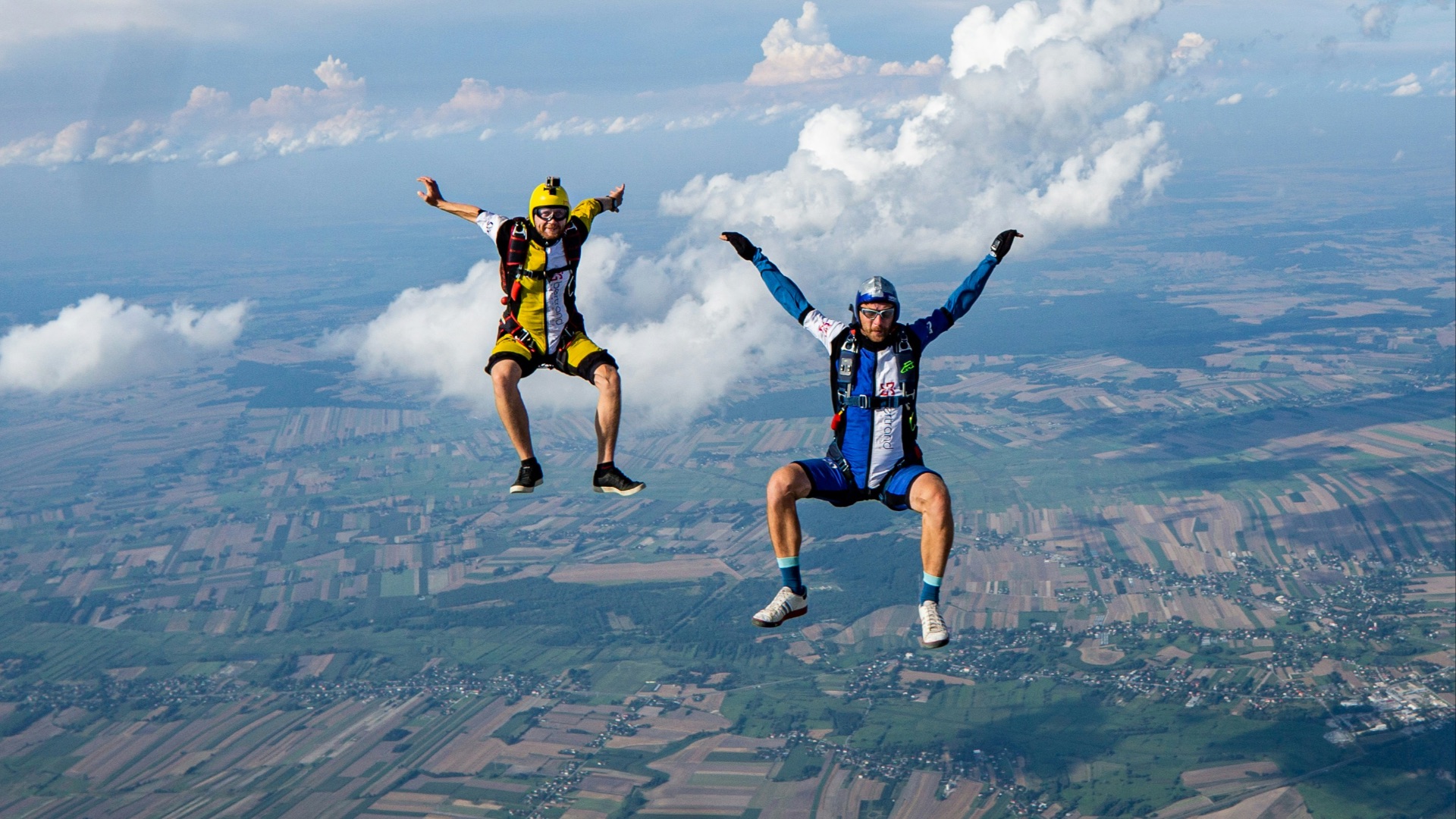
Skydiving is heavily regulated and generally safer than it looks, but it still carries real risks tied to equipment, freefall decisions, and landing errors. A hard landing can cause serious injury, and panic can lead to poor choices in critical moments. Staying current with training and being honest about readiness helps reduce the danger.
10. Whitewater Kayaking in Technical Rapids
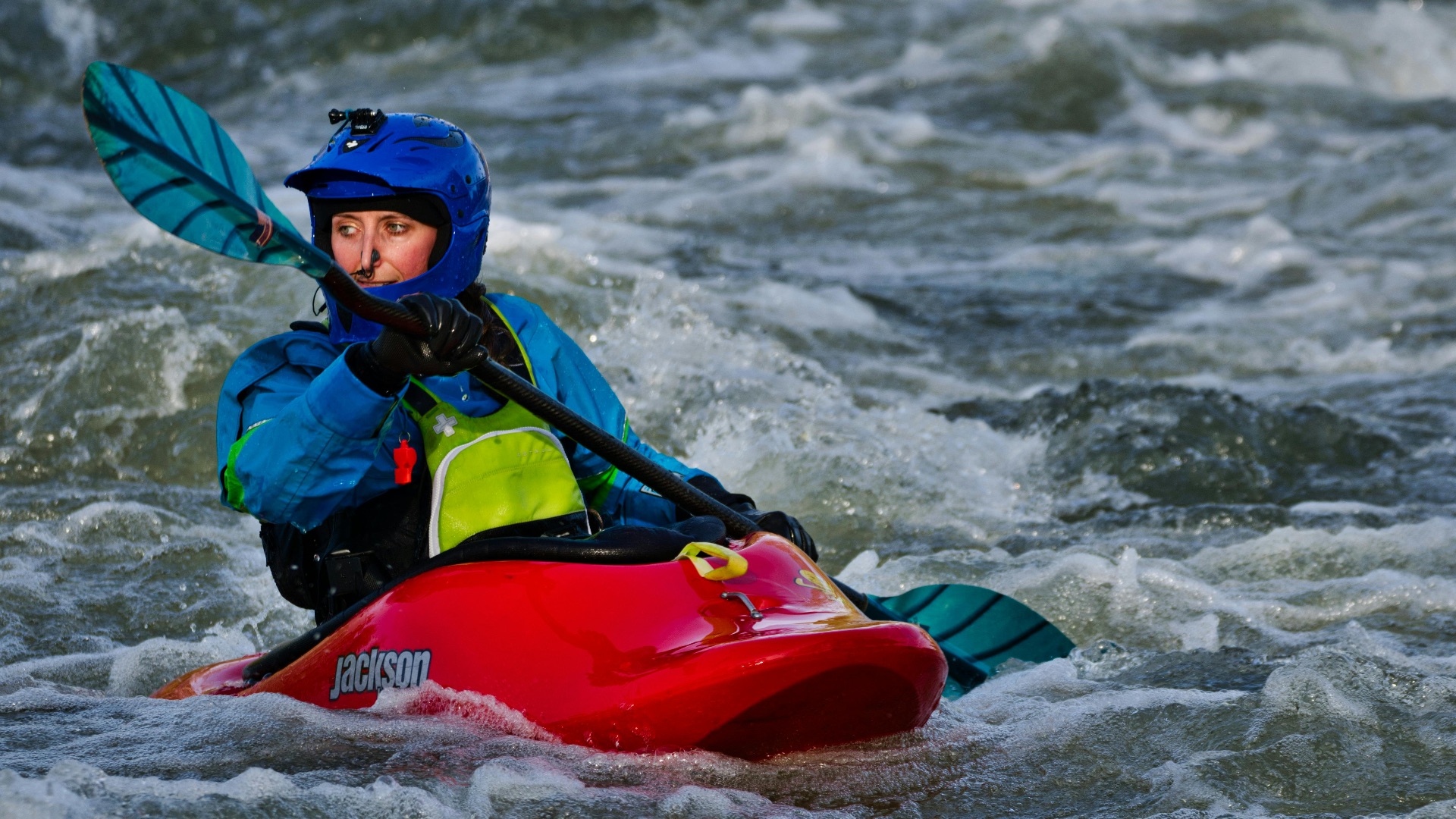
Technical whitewater demands fast decisions in environments where rocks, strainers, and hydraulics can trap you. Capsizing in the wrong spot can turn into a rescue scenario immediately, especially in cold or high-flow conditions. The safest paddlers aren’t the bravest ones, they’re the ones who respect conditions and know when to walk away.
These extreme sports might not be the healthiest or safest hobbies to have, but what are some better pastimes? Let's jump into that next.
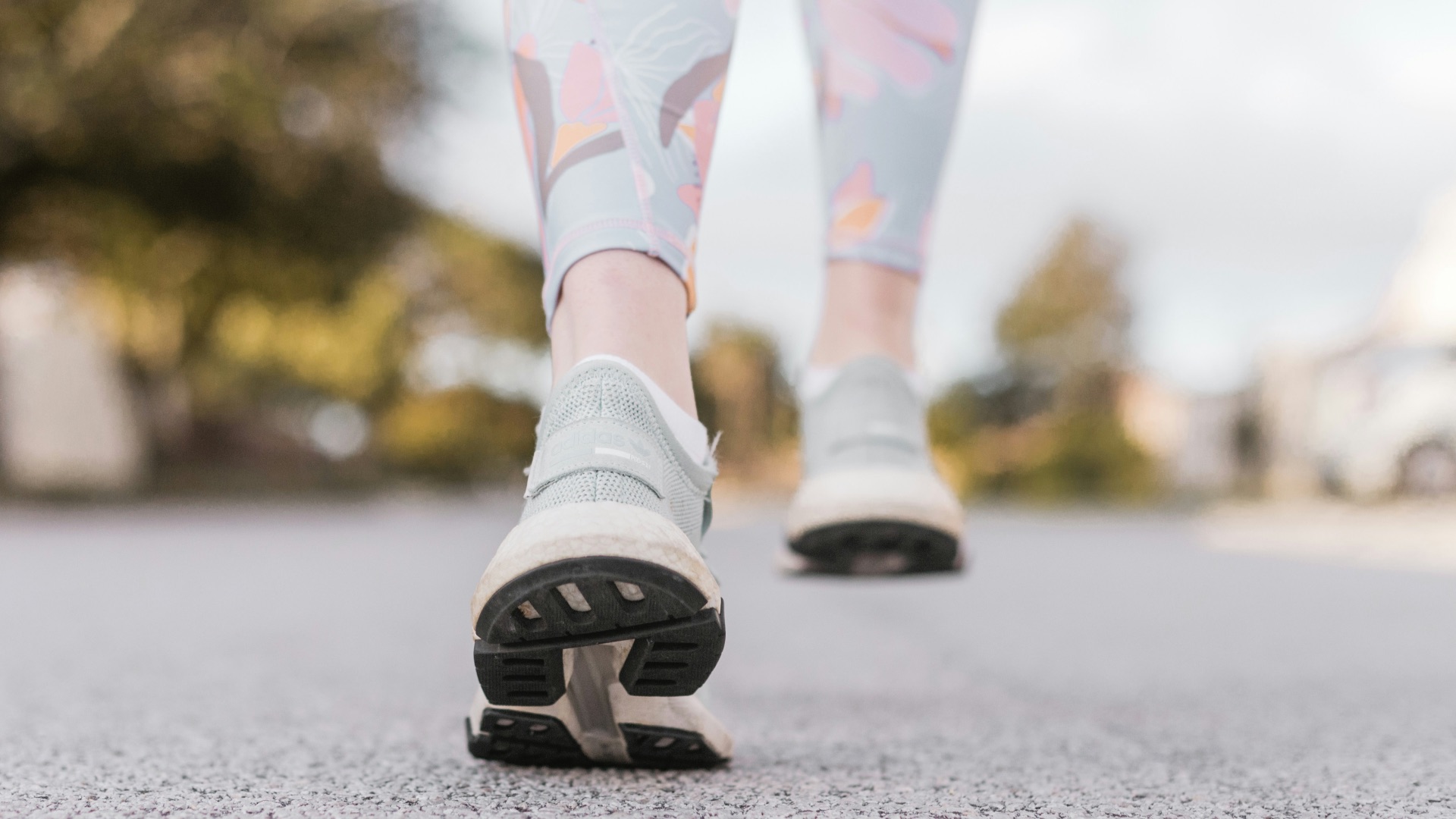
1. Brisk Walking with a Simple Route
Brisk walking is easy to repeat, which is a big reason it improves mood over time. It supports heart health and steady energy without beating up your joints. If you keep a regular route, you’ll spend less time negotiating with yourself and more time actually doing it.
2. Strength Training with Good Form
Strength training builds muscle, supports bone density, and makes everyday movement feel easier. You’ll also get a clear sense of progress, which can lift confidence in a grounded way. Keeping sessions manageable and focusing on form reduces injury risk and helps you stay consistent.

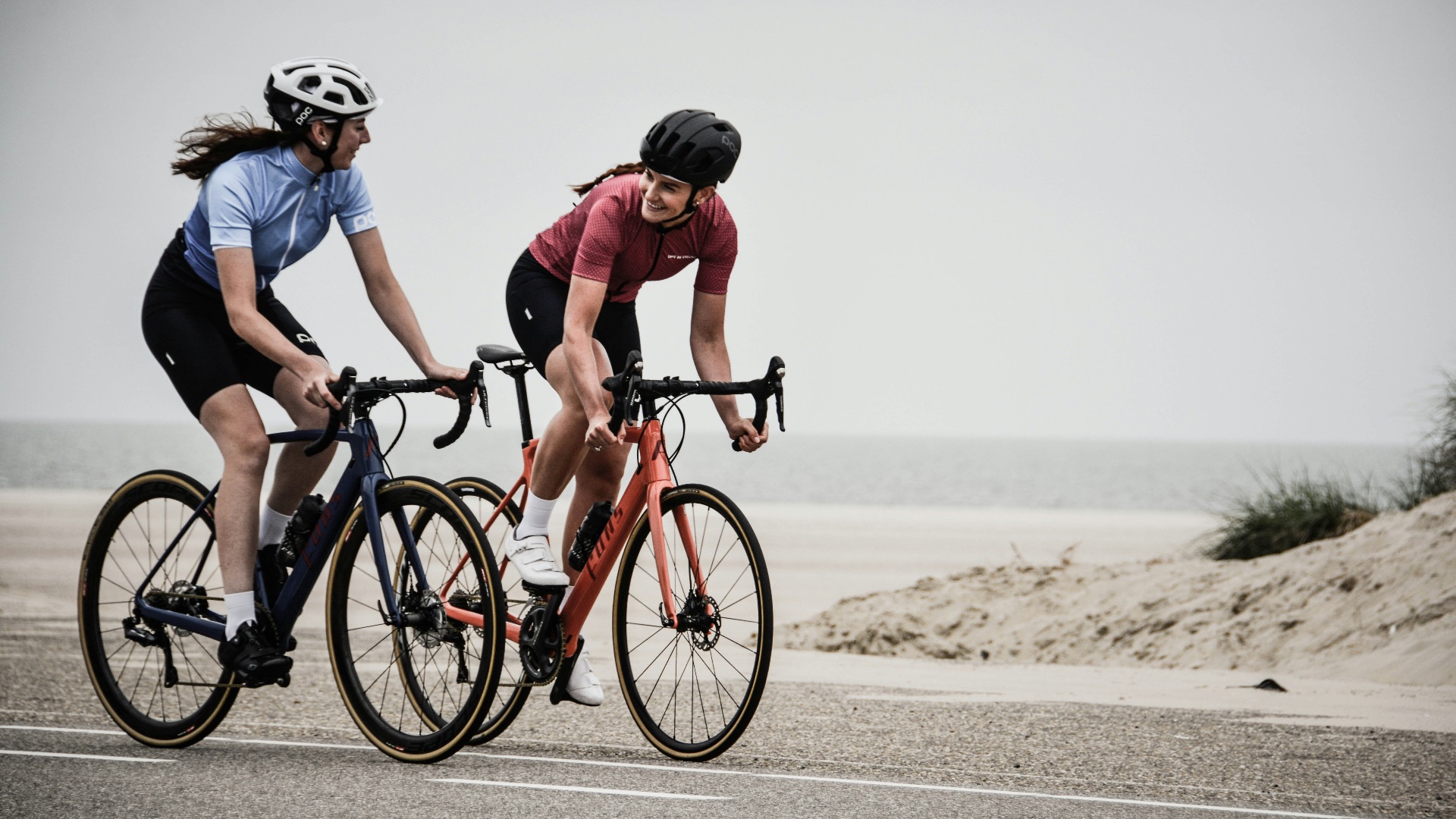
3. Cycling
Cycling improves cardiovascular fitness while being relatively gentle on the knees and hips. It can also boost your mood because it gets you moving and gives you a change of scenery. Choosing safe routes and a comfortable setup makes it far more enjoyable.
4. Swimming or Lap Pool Workouts
Swimming trains endurance and strength while reducing impact on joints and the lower back. Many people find the rhythm calming, which can help stress levels even on busy weeks. You don’t need long sessions for benefits, but you do need steady frequency.

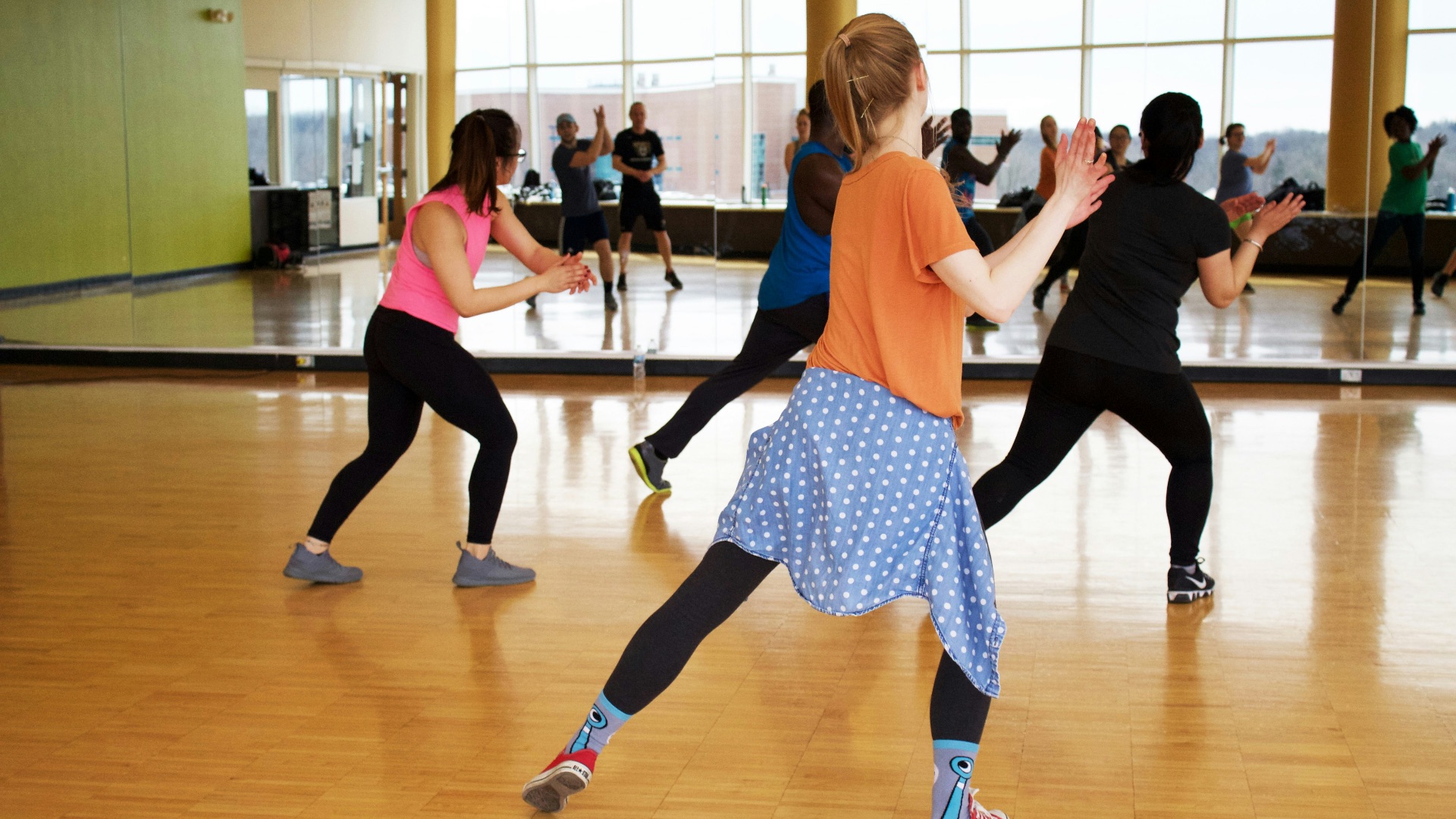
5. Dance Classes or Social Dancing
Dancing combines cardio exercise with coordination and memory, which supports both brain and body health. It can feel fun in a straightforward way because you’re learning skills and moving to music without needing a performance mindset. Even one class a week can noticeably improve mood and self-assurance.
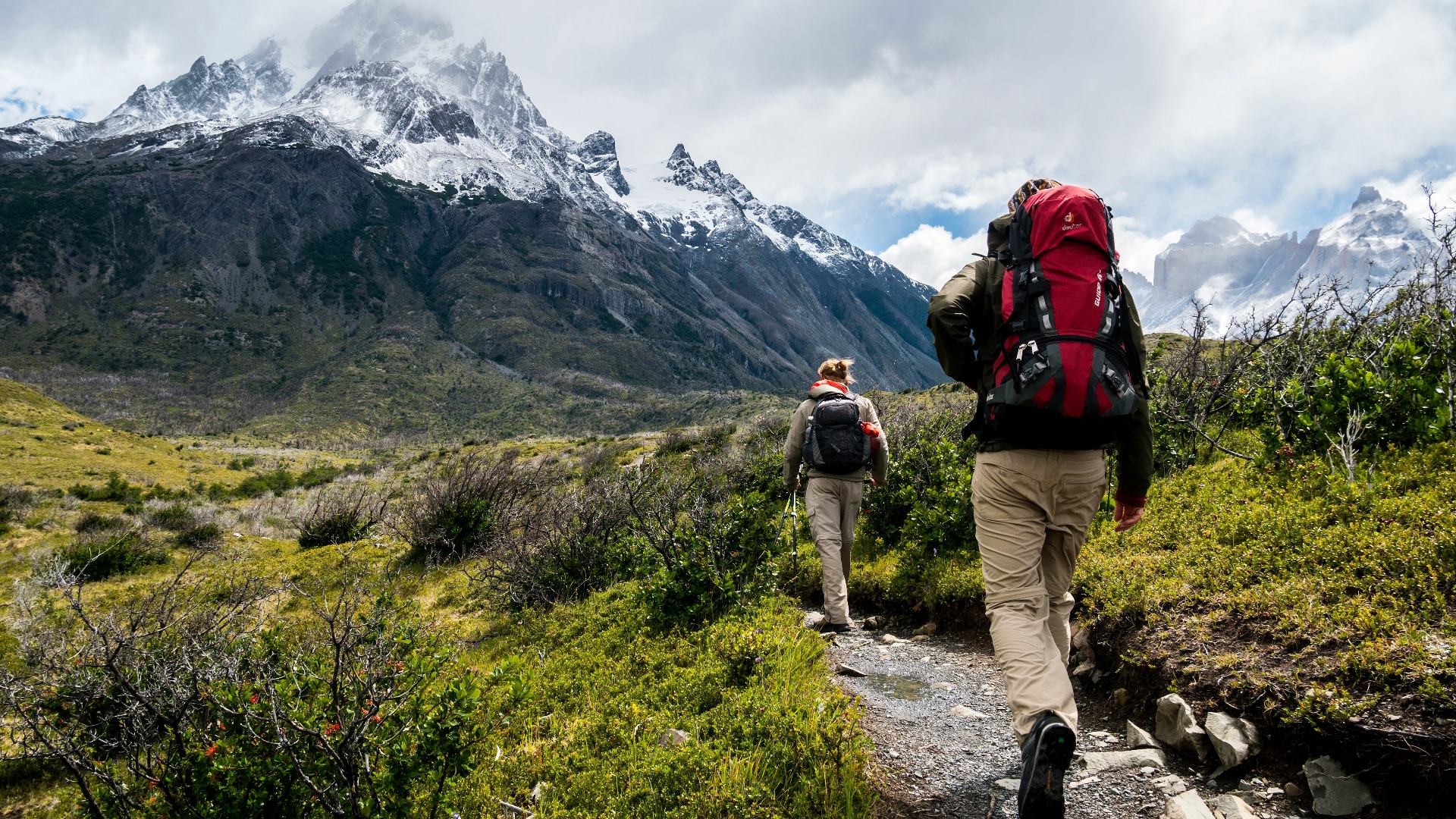
6. Hiking on Varied Terrain
Hiking adds natural intensity through hills and uneven ground, which strengthens stabilizing muscles and balance. Being outdoors also supports stress reduction and better sleep timing for many people. Preparing with appropriate footwear and realistic distances helps keep the experience positive.
7. Cooking
Cooking can improve nutrition quickly because it lets you prioritize protein, fiber, and minimally processed ingredients. A more stable diet supports energy and mood, especially when blood sugar swings are reduced. When you batch a few basics, you’ll rely less on last-minute decisions that usually don’t feel great afterward.

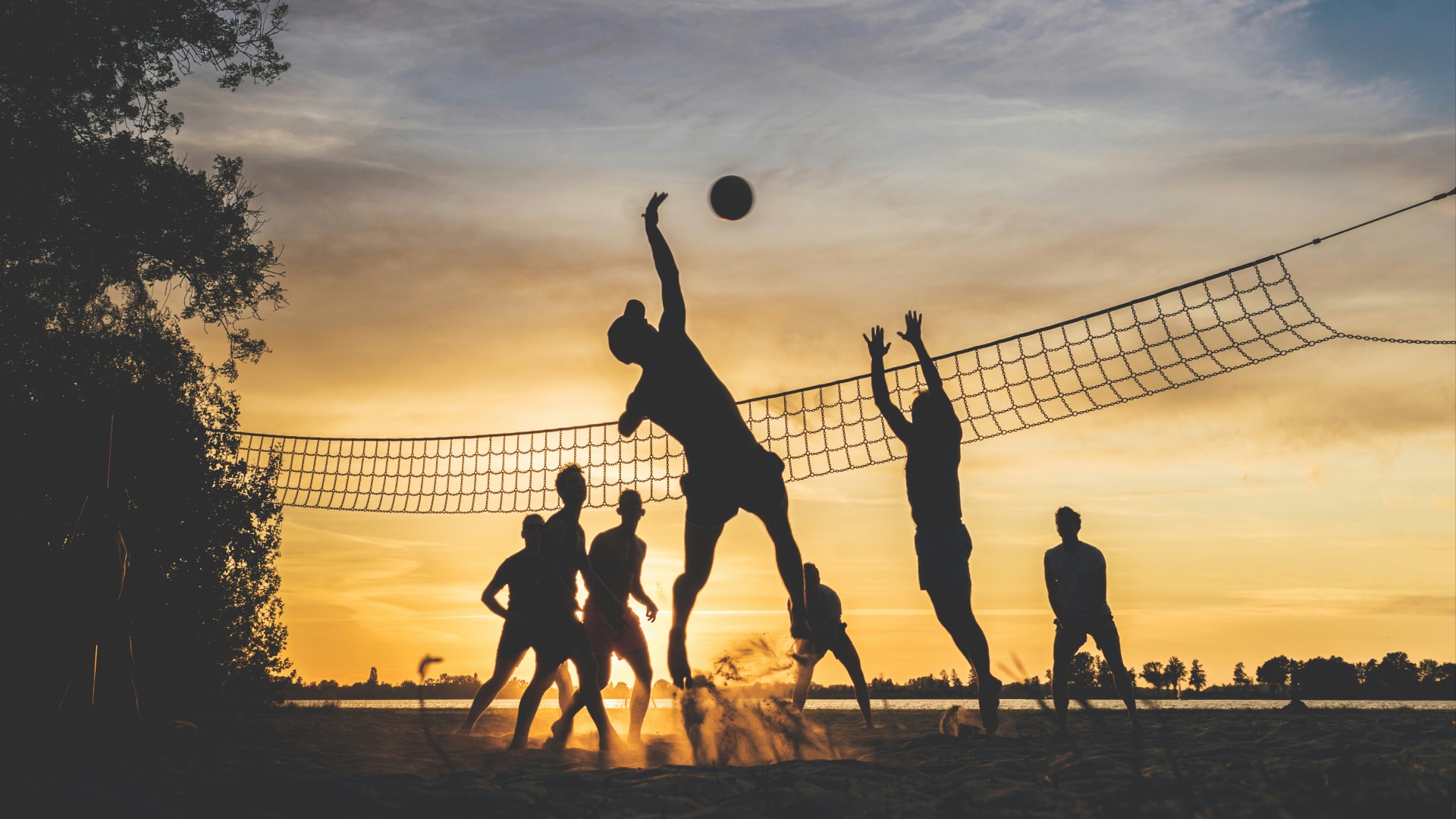
8. Team Sports at a Comfortable Level
Joining a team sport creates built-in social connection and a routine that nudges you to show up. It boosts fitness through interval-style movement, which is great for cardiovascular health. Pick a league that matches your ability so you’re challenged without feeling discouraged.
9. Gardening
Gardening encourages regular movement, light strength work, and time outdoors, all of which support physical well-being. It can also lower stress by giving you a calm routine with tangible results. You may find it easier to slow down because the tasks reward steady attention rather than urgency.

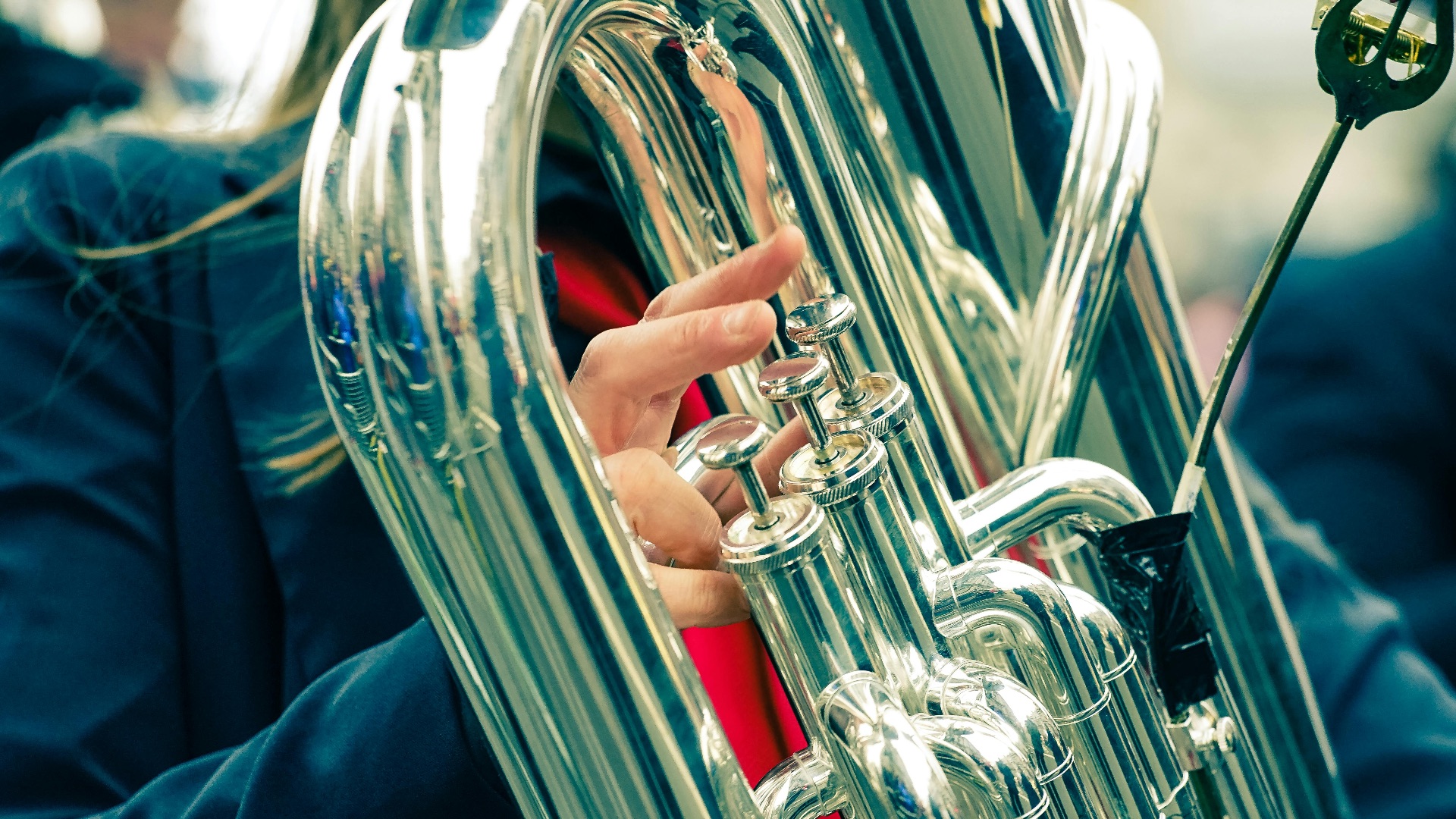
10. Learning a Musical Instrument
Practicing an instrument strengthens attention, coordination, and memory through repeated skill-building. It can also improve mood because progress happens through small wins that add up. Setting realistic practice times keeps it fun instead of turning it into another pressure source.
KEEP ON READING



20 Ways to Deal With Your Sweet Tooth
20 Low-Impact Exercise Ideas For People Over 50