Tiny Tweaks, Real Results
Healthy choices don’t need to show up in a full lifestyle overhaul, and you don’t need perfect habits to see benefits. Small actions add up because they’re easier to repeat, and repetition is what makes change stick. The goal is to make the healthier option feel normal, not heroic, so you can keep going even on busy days. Pick a few ideas that feel doable, try them for a week, and adjust based on what actually fits your life.
 Christopher Campbell on Unsplash
1. Start With Water
Before your first coffee or snack, drink a full glass of water to support hydration and appetite cues. Mild dehydration can feel like fatigue or hunger, so it's always good to address that you may just be thirsty. Keeping water within reach makes this habit almost automatic.

2. Add One Vegetable
Choose one meal a day and add a vegetable you already tolerate, even if it’s frozen or pre-cut. This boosts fiber and micronutrients without demanding you to change your meals around too much. Consistency matters more than variety at the beginning, so keep it simple.

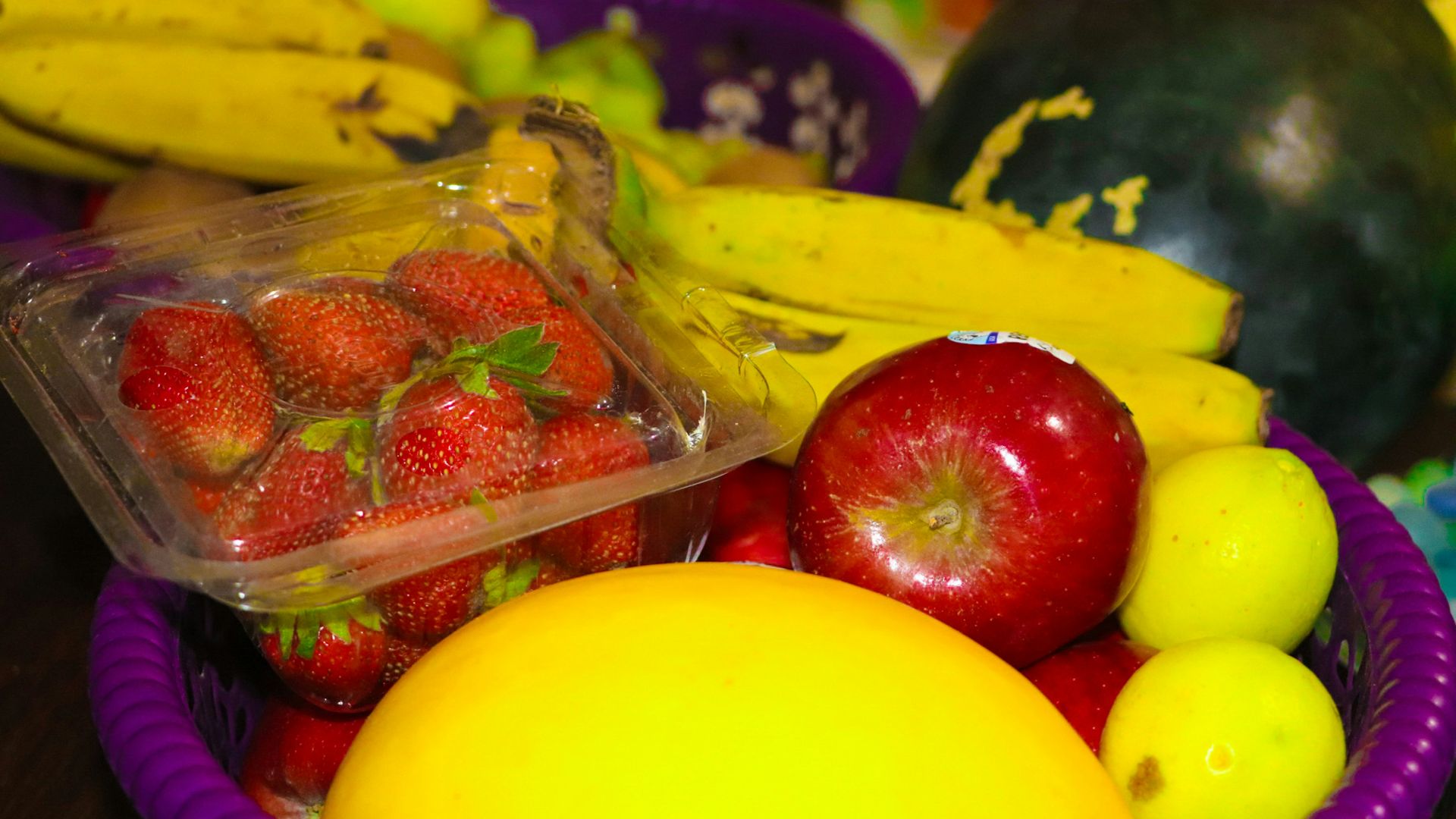
3. Keep Protein Handy
Make sure each meal includes a protein source, such as eggs, yogurt, beans, fish, chicken, tofu, or lean meat. Protein supports satiety and helps preserve muscle, especially if you’re already active. When you feel satisfied, it’s easier to stop eating when you’re done.
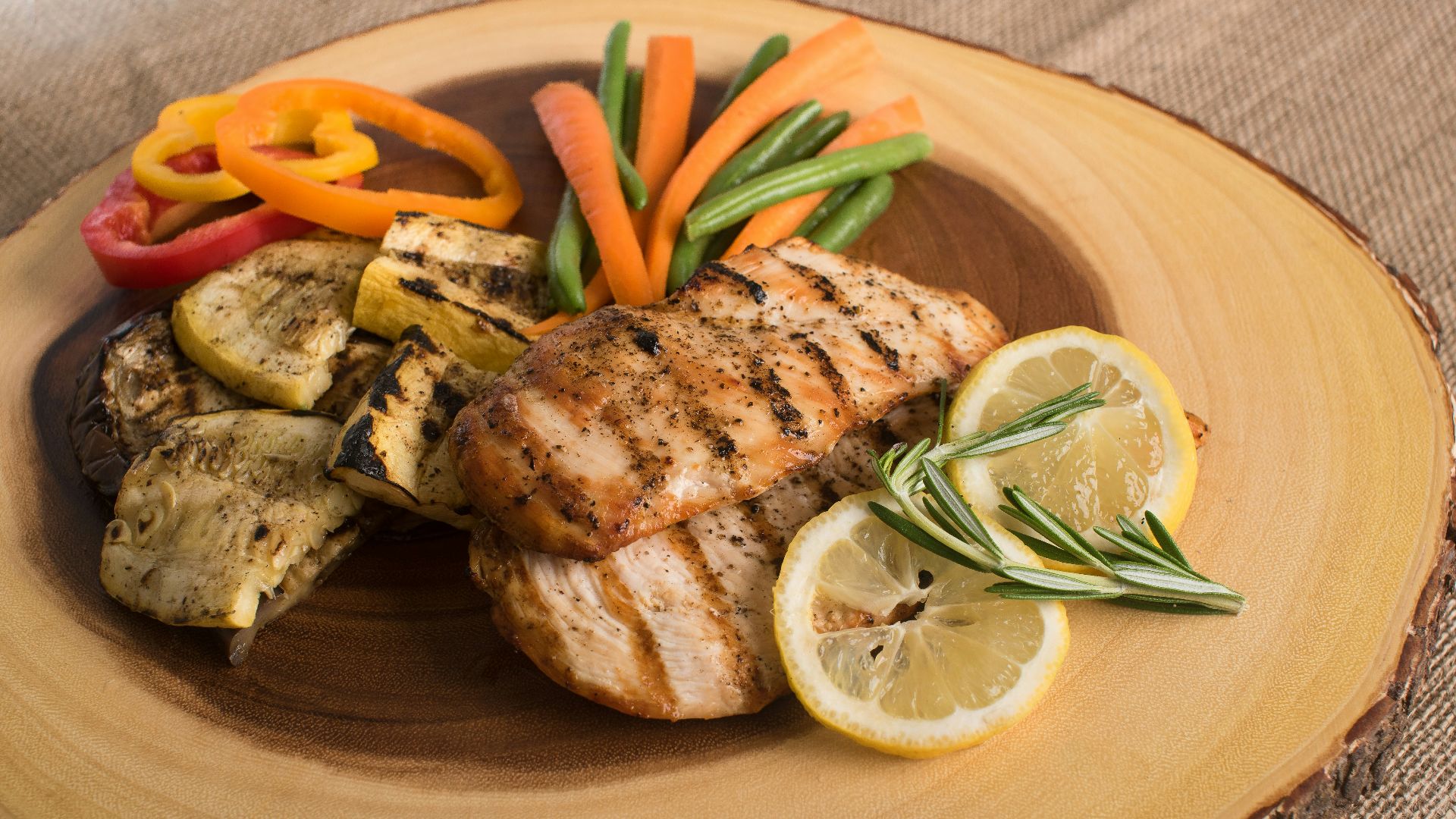
4. Swap in Whole Grains
Pick one refined grain you eat often and replace it with a whole-grain option a few times per week. Whole grains tend to provide more fiber, B vitamins, and minerals than refined versions. Start with the swaps that taste good to you, as you’ll probably stick to them longer.
5. Plan a Smart Snack
Instead of waiting until you’re starving, decide on one go-to snack that includes fiber or protein. Options like fruit with nut butter, hummus with carrots, or yogurt with berries can keep energy steadier. Having a plan lowers the odds that you’ll grab whatever’s closest.

6. Eat Without Screens
Try eating one meal or snack each day without scrolling or watching something. When you pay attention to taste and fullness, you’re more likely to stop at a comfortable amount. This approach also makes meals feel more satisfying, which can reduce mindless grazing later on in the day.

7. Take a Short Walk
A 10-minute walk after a meal supports blood sugar control and gets you out of a sitting pattern. It also helps digestion for some people, especially after a bigger lunch or dinner. If you’re tight on time, you can still split it into 5-minute walks. It might seem silly, but even just going to the end of your block and back can be a big help.

8. Stand Up More Often
Set a reminder to stand up at least once every hour, even if it’s just for a minute. Long uninterrupted sitting can leave your hips, back, and shoulders stiff. A quick posture reset keeps your body feeling better and can make workouts feel easier.

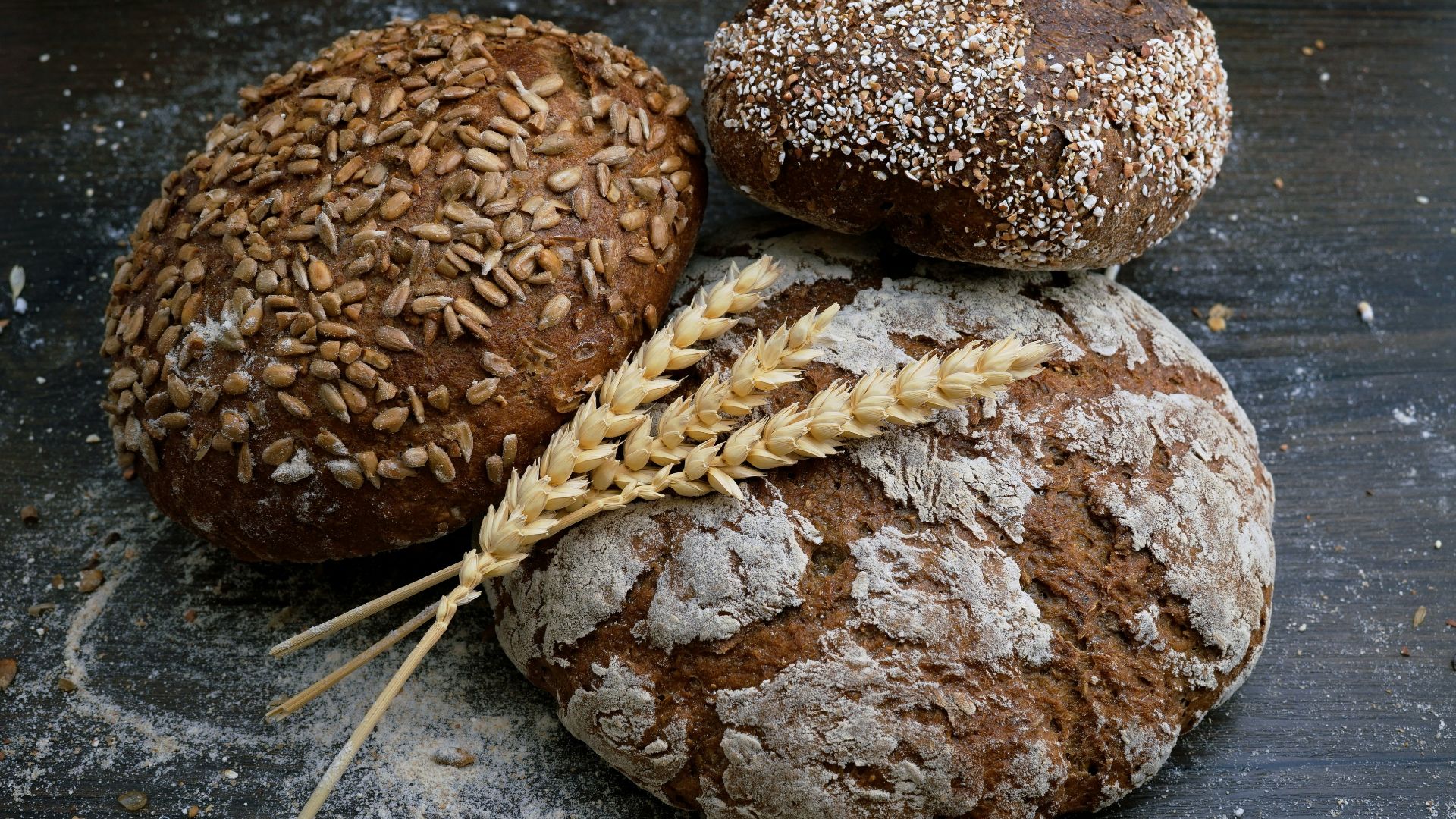
9. Keep Fruit Visible
Put fruit where you’ll actually see it, like the counter or the front of the fridge. Visibility influences what you reach for, especially when you’re busy or distracted. If you want convenience, wash and portion it ahead of time.
10. Sleep Earlier
Choose one small sleep upgrade, such as going to bed 15 minutes earlier or waking at a consistent time. Better sleep supports appetite regulation and makes cravings less intense for many people. You don’t need a perfect routine, but you do need just a touch of regularity.

11. Build a Wind-Down
Create a short pre-bed routine that signals you’re done for the day, such as dimming lights and doing a few gentle stretches. Reducing late-night stimulation can also help you fall asleep faster. If screens are the issue, try moving your phone charger away from the bed.

12. Strength Training
Two brief strength sessions per week can improve function, support bone health, and maintain muscle. Bodyweight exercises, resistance bands, or dumbbells are all good options. It can stay short and sweet, and opt for longer workouts as you get more comfortable.

13. Prep One Ingredient
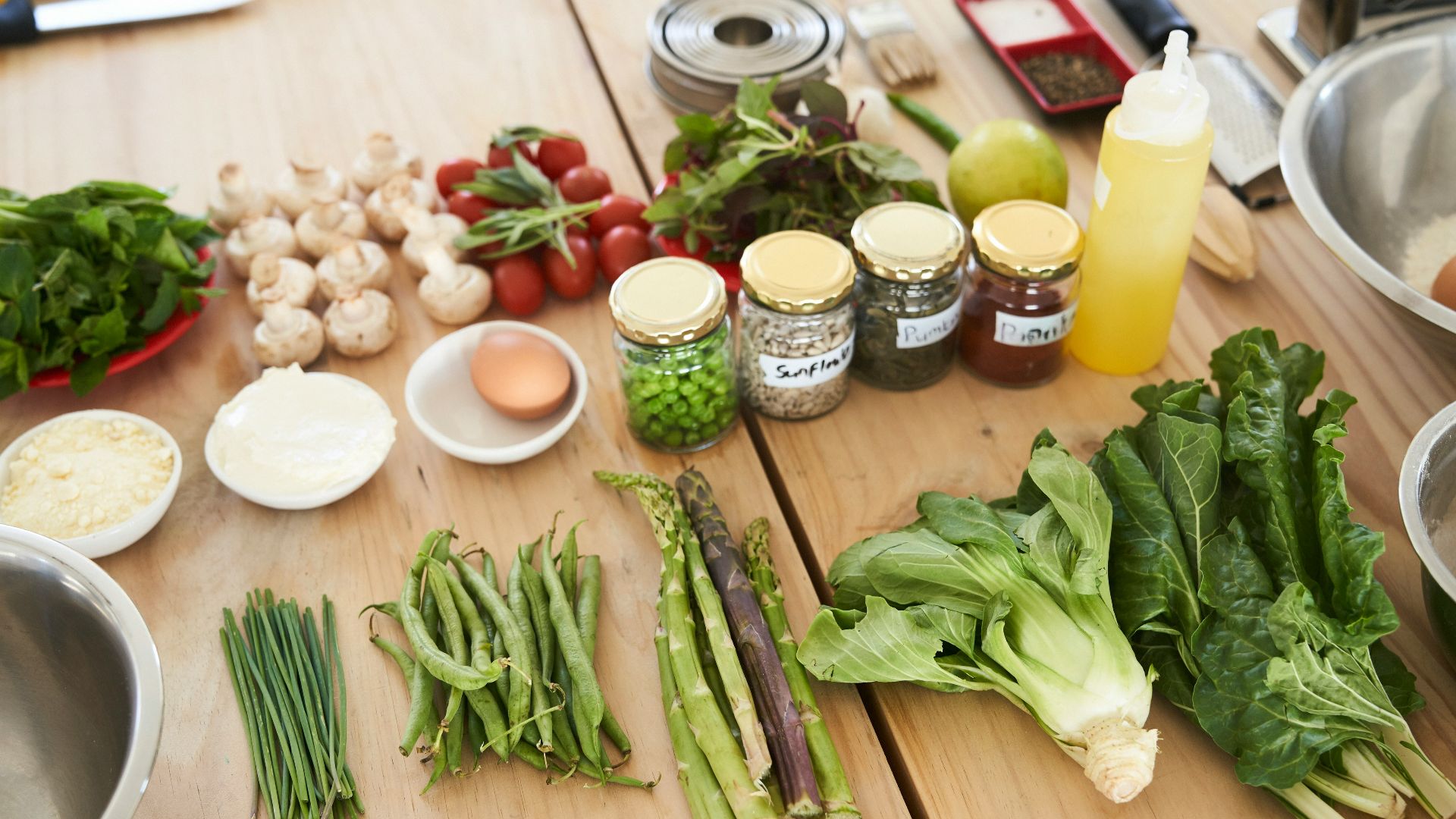
Instead of meal prepping everything, prep one helpful ingredient, like roasted vegetables, cooked beans, or washed greens. This cuts cooking time and makes healthier meals more likely to happen on busy nights.
14. Use Smaller Plates
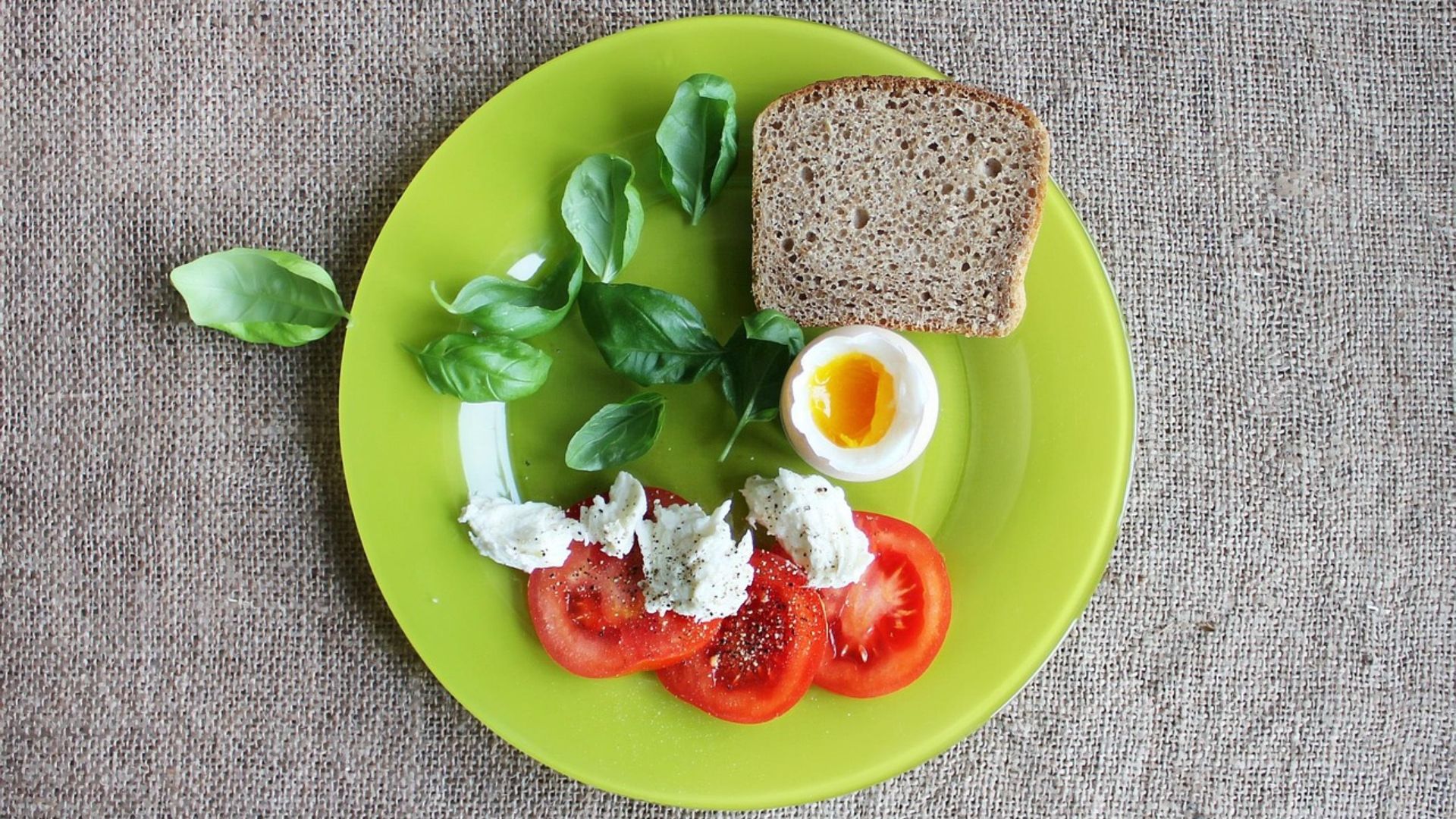
A slightly smaller plate can help with portion awareness without forcing strict tracking. You can still eat the foods you enjoy, just in a more reasonable amount. If you’re truly hungry afterward, you can always have more, but you’ll be choosing it consciously.
15. Slow Down Eating
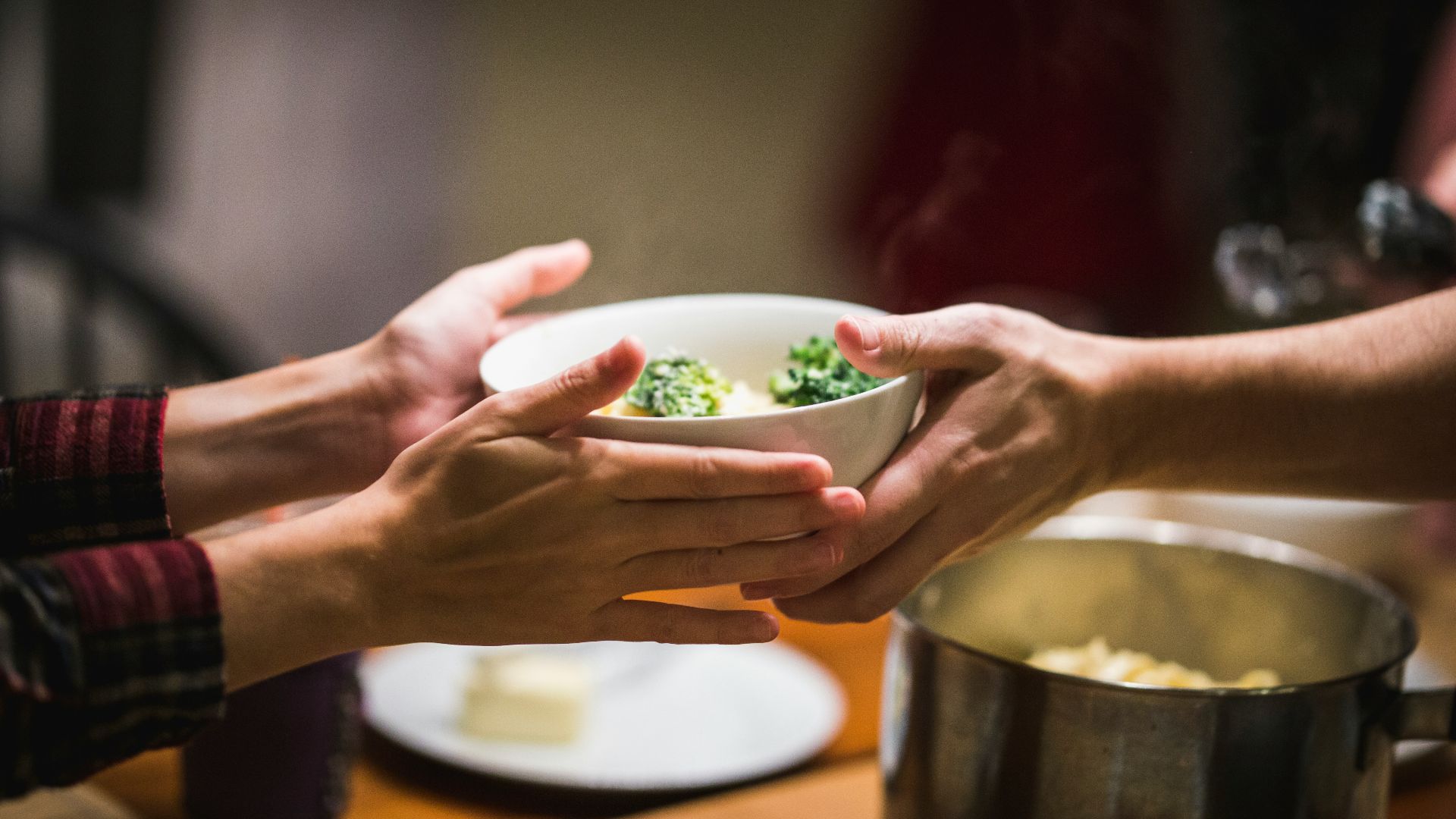
Aim to take a little more time with meals by putting utensils down between bites or pausing for a sip of water. Fullness signals take time to register, so speed can make it easy to overshoot. Slower meals also often feel more enjoyable.
16. Choose Better Defaults
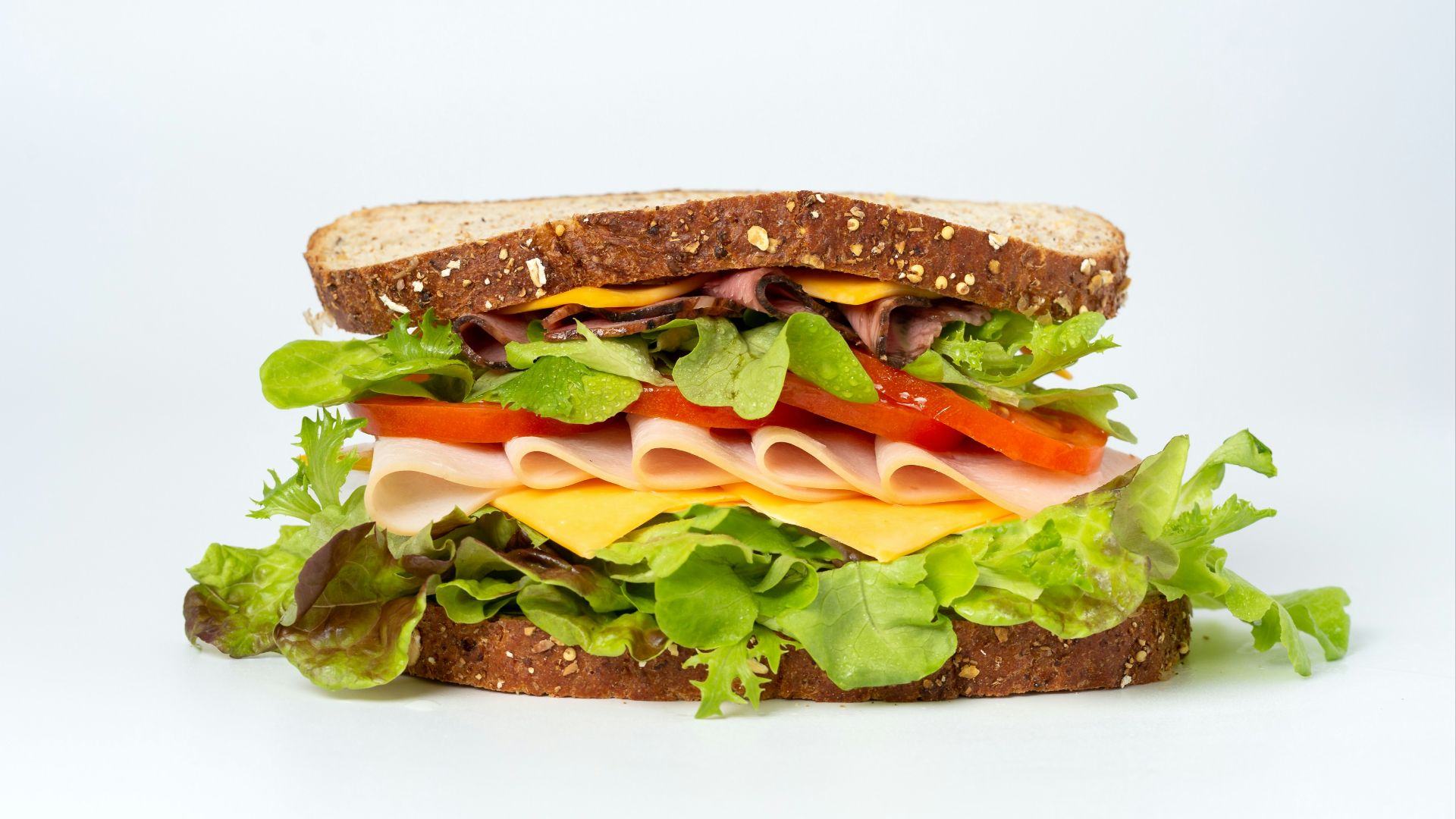
Pick a few “default” choices you can lean on, like a standard breakfast or a reliable lunch combo. Having defaults reduces decision fatigue, which is a real driver of less healthy choices. You can still mix things up, but consistency keeps you steady.
17. Keep Treats Intentional
Include foods you love, but decide when and how you’ll have them instead of letting them happen accidentally. Planned treats tend to feel more satisfying and less guilt-inducing. This helps avoid the cycle of restriction followed by overdoing it.

18. Shop With a List
Write a grocery list before you go, and try not to shop when you’re extremely hungry. Planning nudges you toward balanced meals and reduces impulse buys. If you want a practical rule, prioritize proteins, vegetables, fruits, and whole grains first.

19. Eat More at Home
Cooking at home more often gives you control over portions, ingredients, and added sugars or sodium. You don’t need elaborate recipes, because simple meals can still be nutritious. Even one extra home-cooked dinner per week is a meaningful improvement.

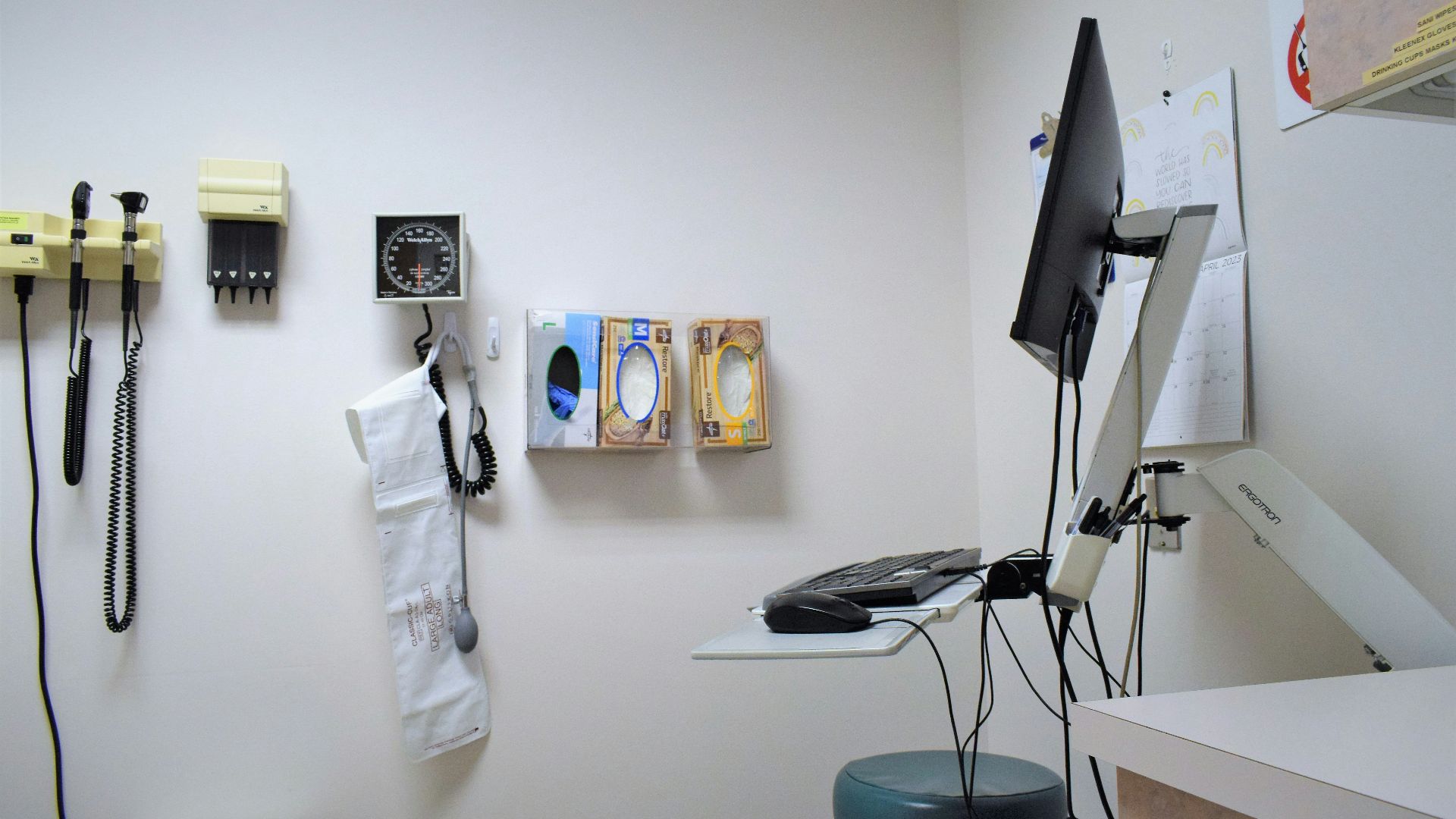
20. Schedule Preventive Care
Healthier choices also include keeping up with routine checkups, vaccines, and recommended screenings. Early detection and prevention can reduce risk more than many day-to-day tweaks. If you’re unsure what you’re due for, asking your clinician is a straightforward next step.