

Yes, Even Your Keyboard
When you think “Disability aid,” you’re probably thinking of a more specialized program or product. Contrary to popular belief, assistive technology is broader than most people think. It includes everyday items and mainstream tech that help someone move, communicate, learn, manage tasks, or feel or stay safe. With that in mind, here are common items you may already use that can quietly do serious accessibility work.
1. Your Smartphone
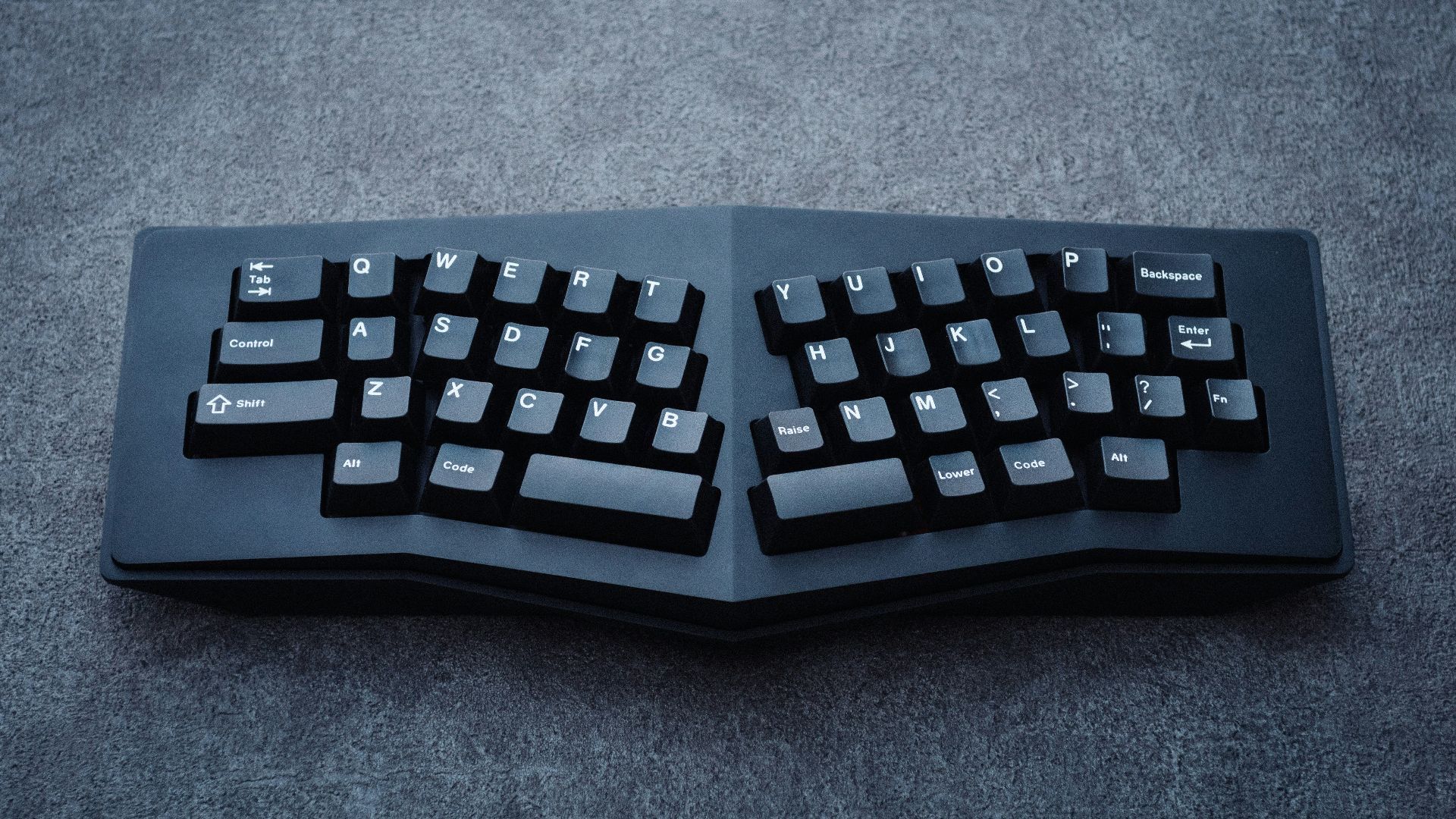
Modern phones come with built-in tools like screen readers, magnification, larger text, contrast options, voice control, and live captioning. For someone with low vision, limited dexterity, or hearing loss, those features can make basic activities like texting or calling feel more autonomous, especially when assistance may be required in other parts of your life.
2. Smart Speakers
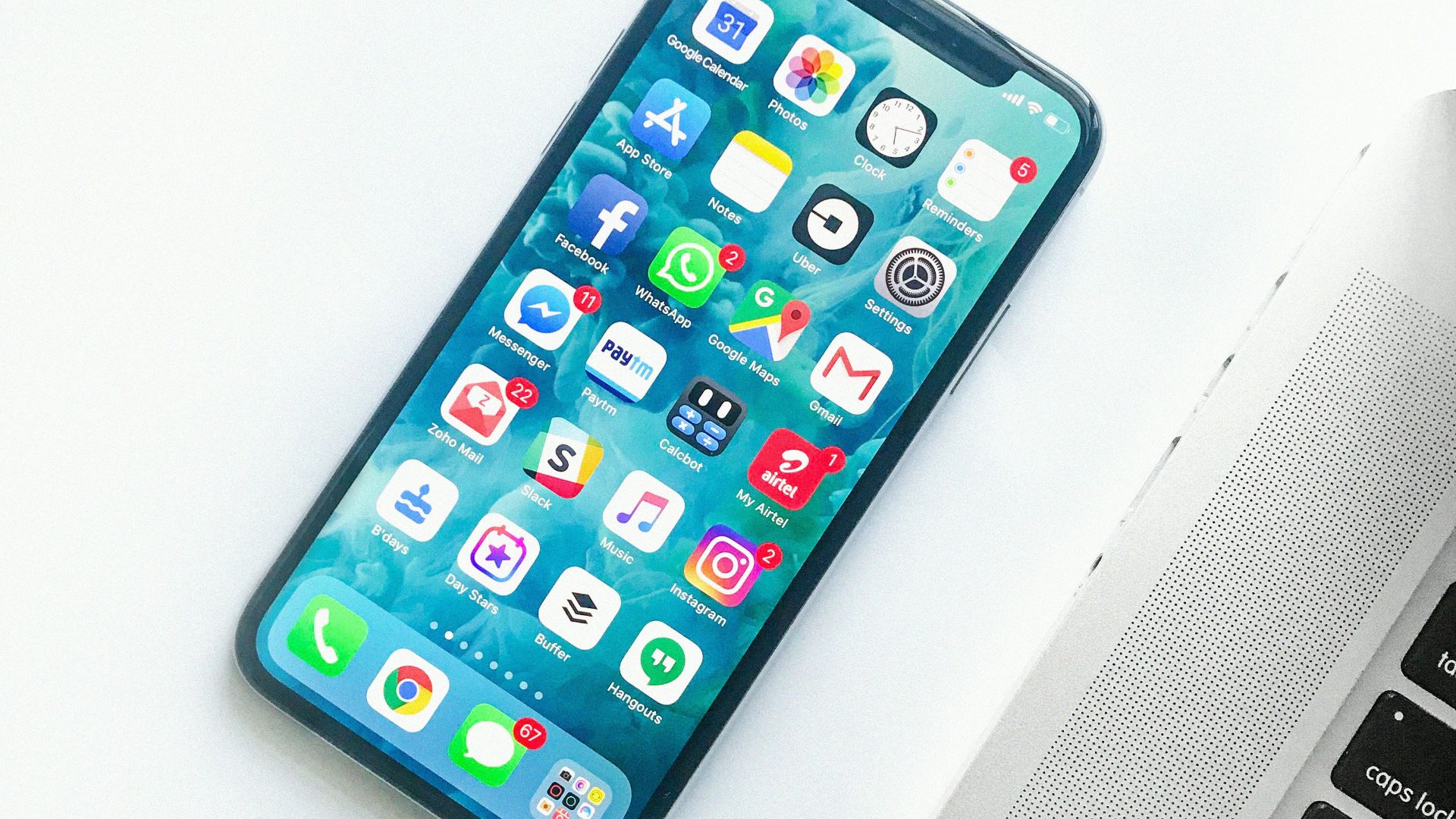
A voice assistant can handle reminders, timers, calls, and simple home controls without needing fine motor precision. For people with mobility limitations, chronic pain, or fatigue, hands-free control can reduce physical strain and conserve energy. It can also support routines when memory or attention is inconsistent, since spoken prompts are harder to ignore than a silent notification.
3. Captions and Subtitles
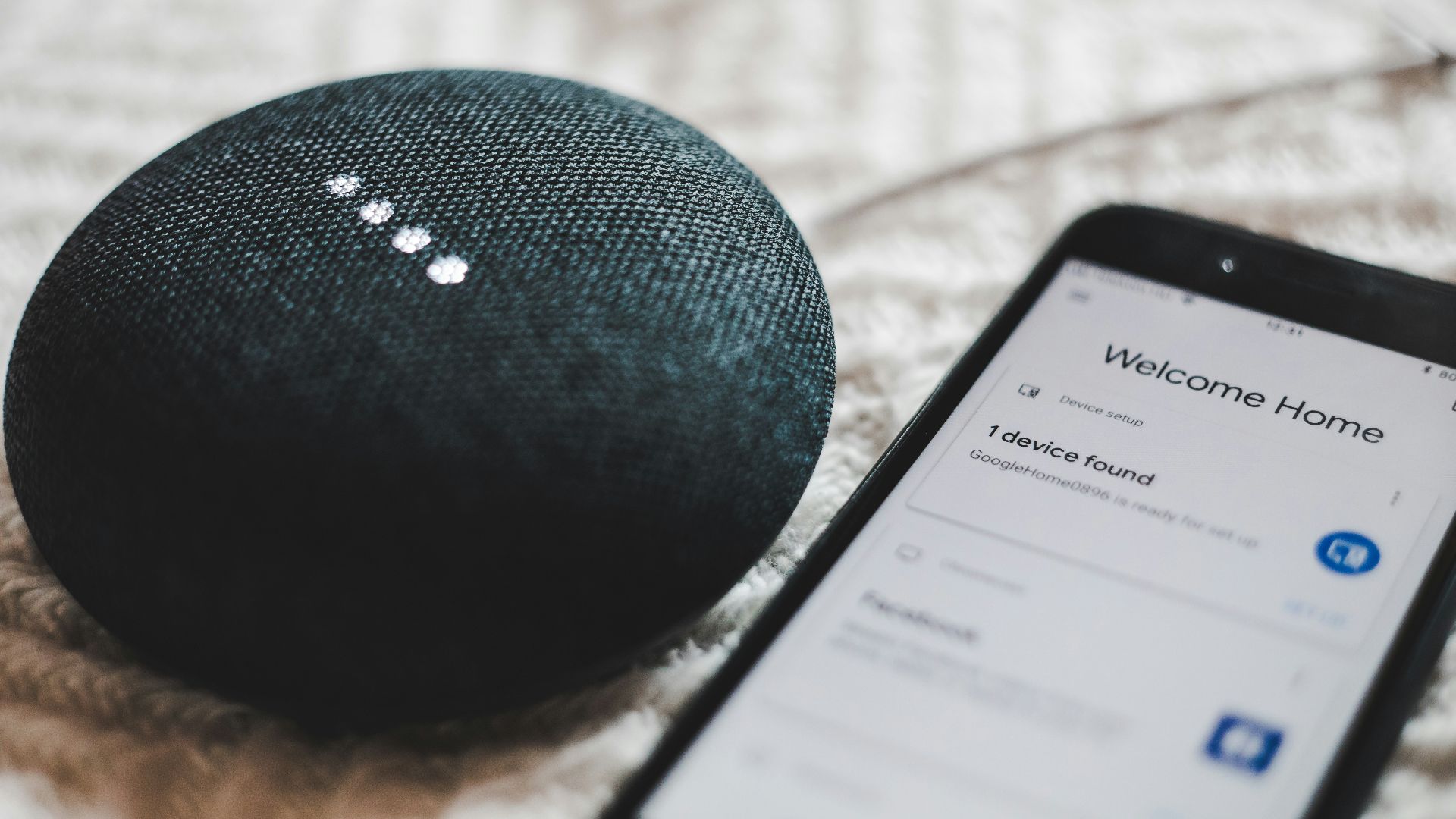
Turning on captions is one of the most straightforward accessibility upgrades you can make in a day. Captions provide essential access for Deaf and hard-of-hearing viewers and can also support people with auditory processing challenges or language learners.
4. Voice Dictation
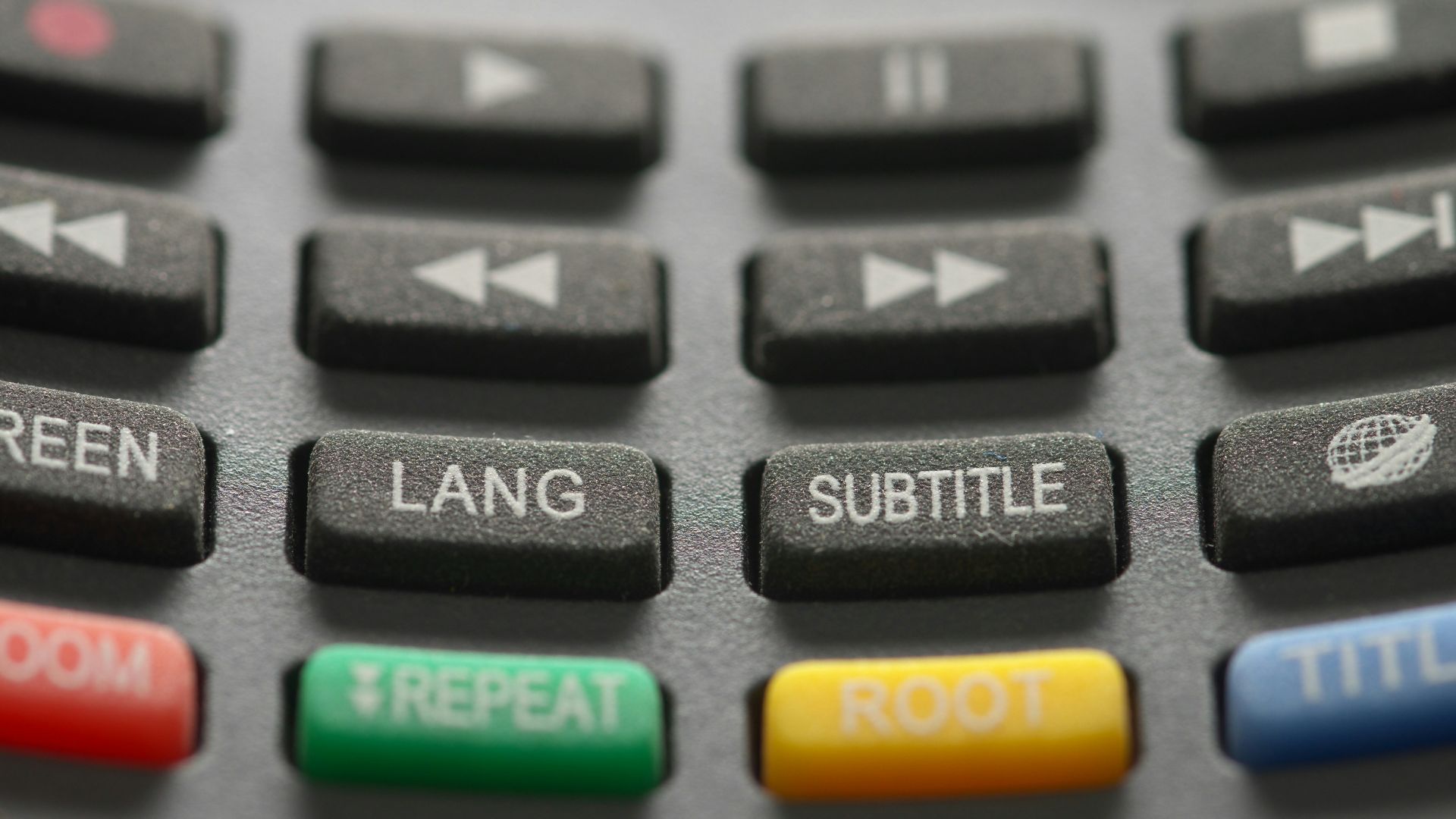
Dictation and voice control features let you create messages, notes, and documents without typing. This can be helpful for arthritis, repetitive strain issues, tremors, or any condition that makes sustained typing uncomfortable. It’s also useful during short-term limitations, like a wrist injury, when you still need to get work done.
5. Text-to-Speech Tools
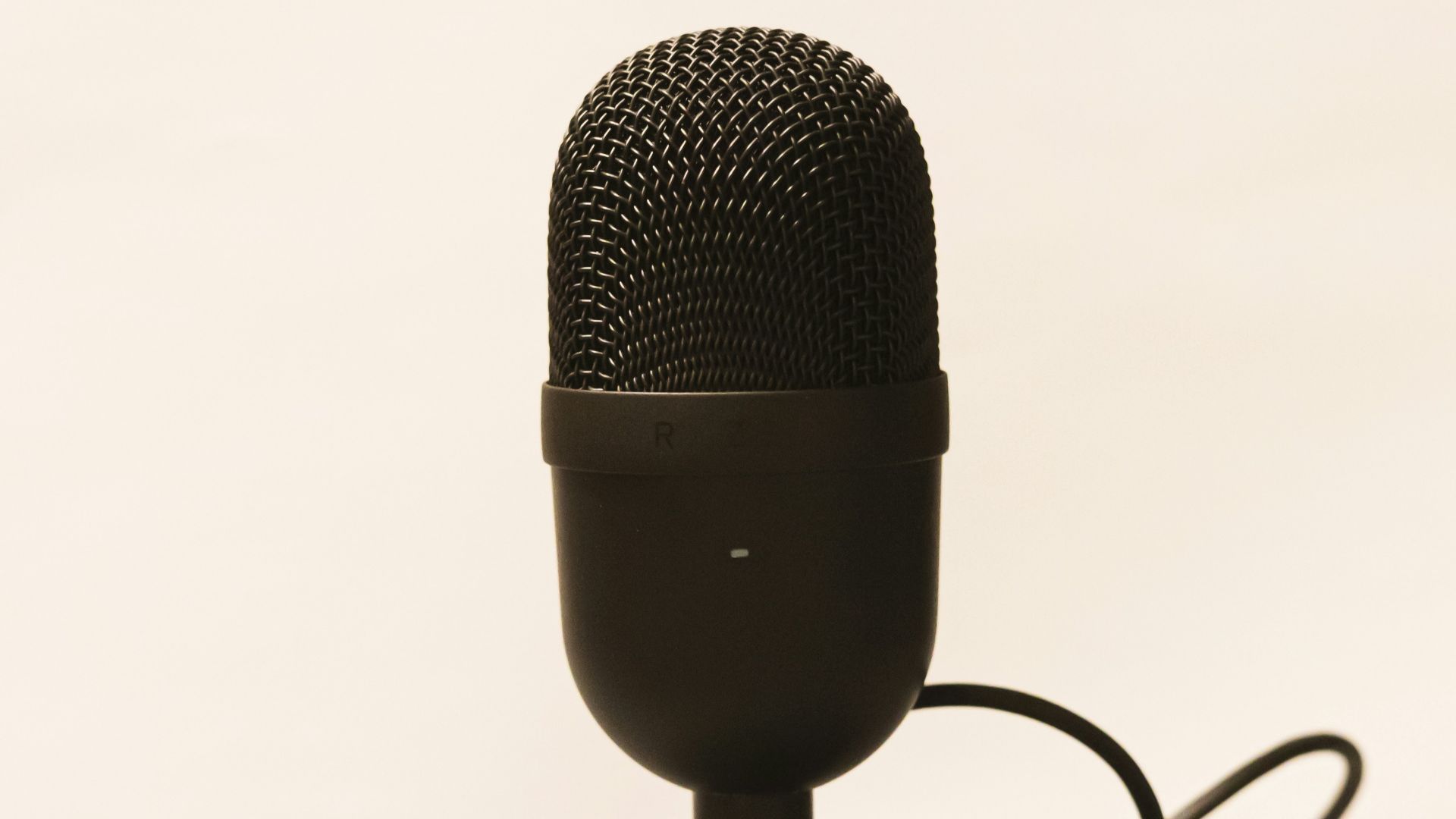
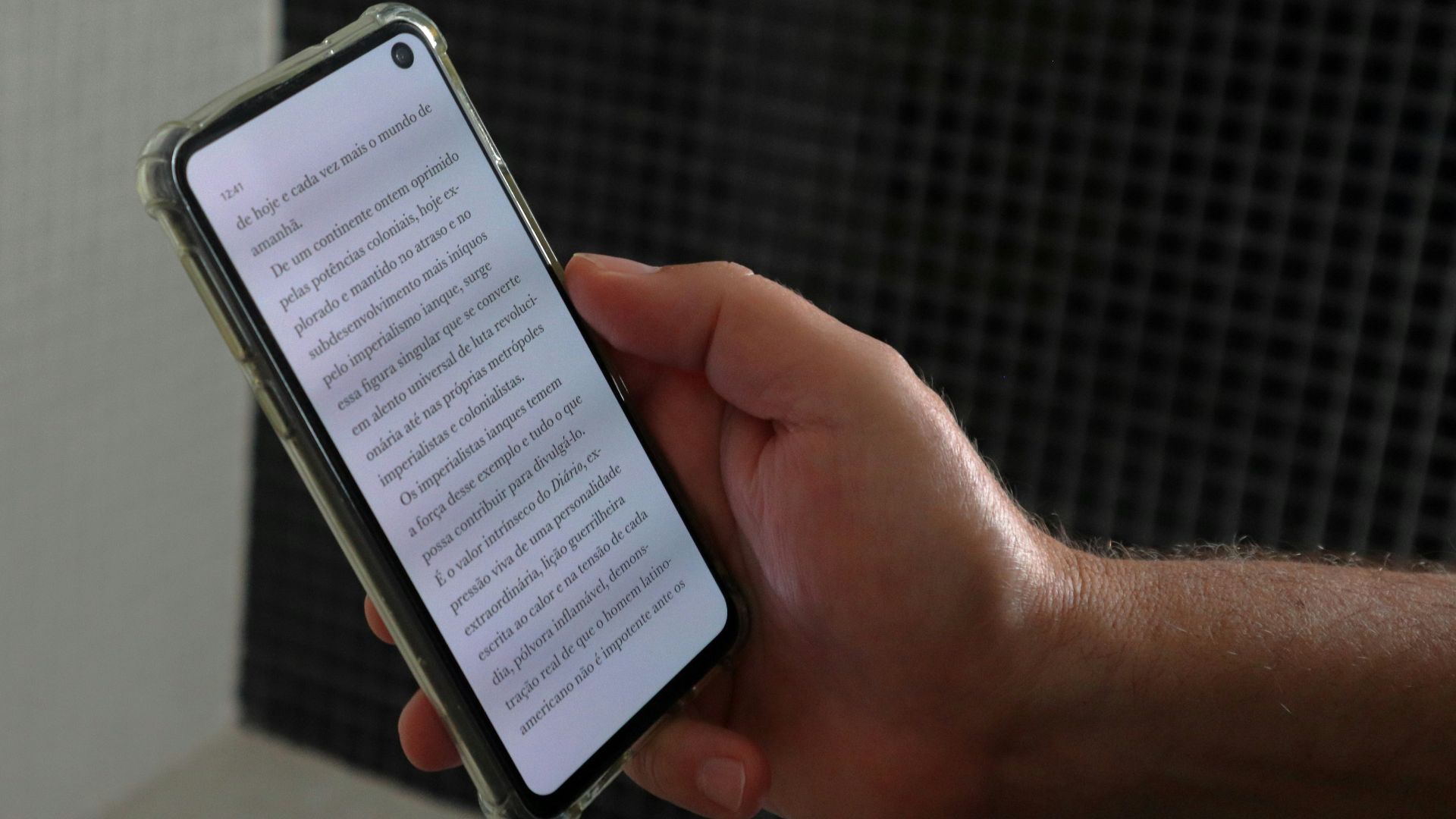
Text-to-speech can read articles, emails, or on-screen text out loud, which supports low vision and some reading disabilities. Listening can also reduce eye strain when you’ve been staring at a screen all day.
 João Paulo Carnevalli de Oliveira on Unsplash
6. Audiobooks
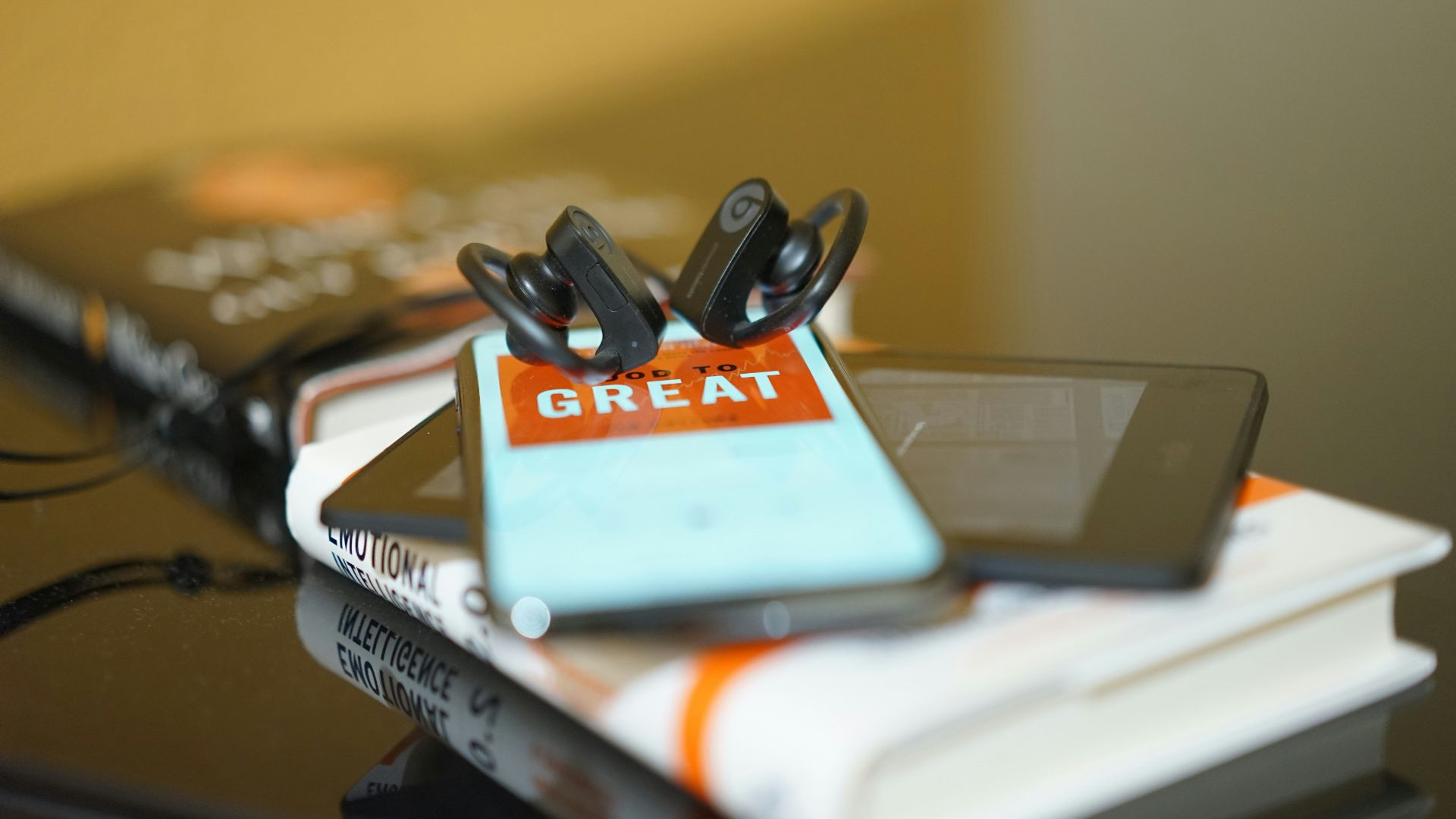
Audiobooks aren’t just entertainment; they can be a practical access tool for people with dyslexia, other reading challenges, or print disabilities. For many readers, audio reduces cognitive load and makes it easier to stay engaged with longer material.
7. Smartwatch Alerts
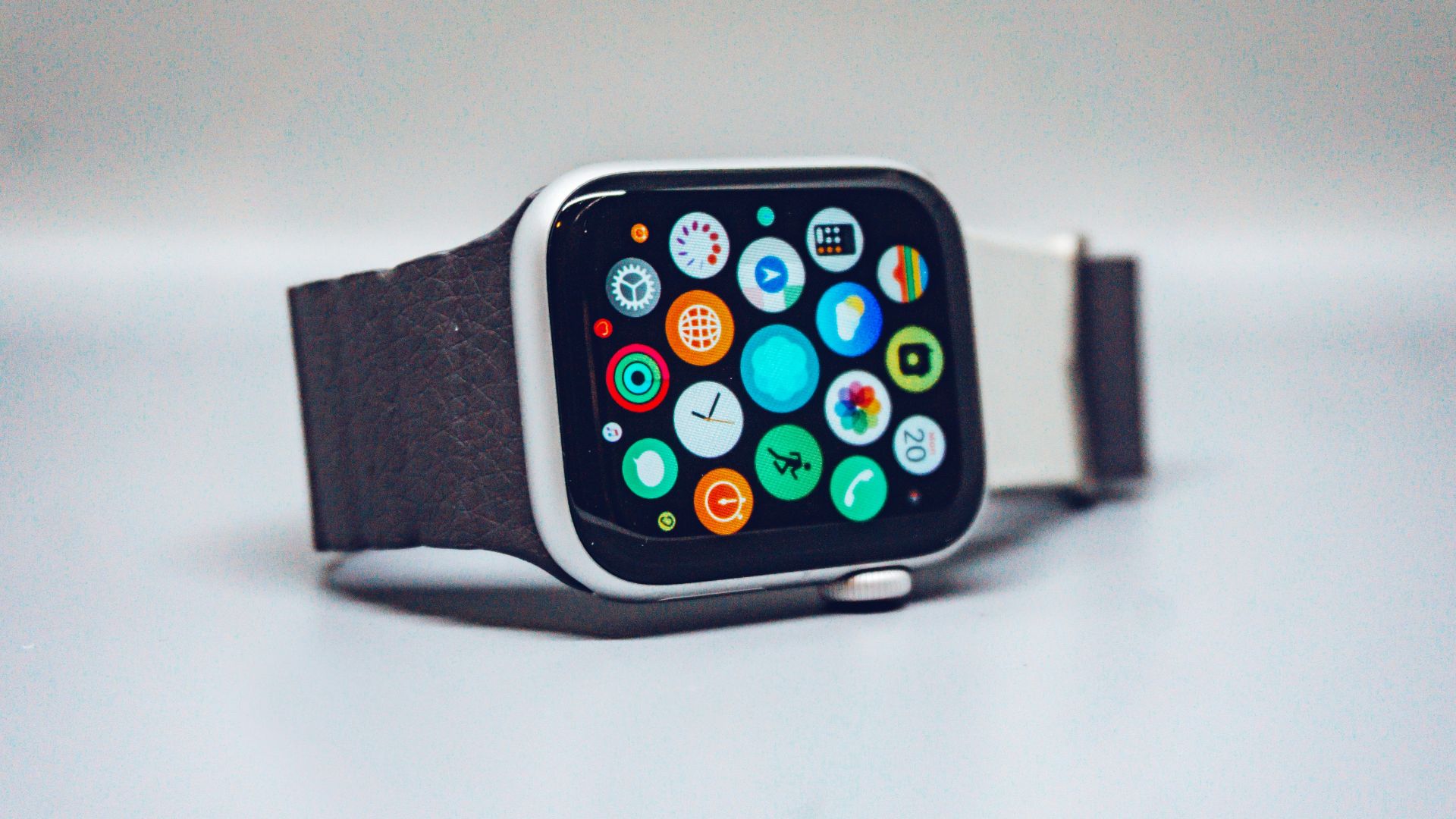
A smartwatch can deliver prominent haptic alerts, show larger text, and support accessible notifications, which can help when hearing or attention is a barrier. If you’re someone who misses phone alerts or can’t keep your phone nearby, a wrist vibration is hard to overlook. Wearables can also support routines by nudging you at specific times without drawing attention in meetings or public settings.
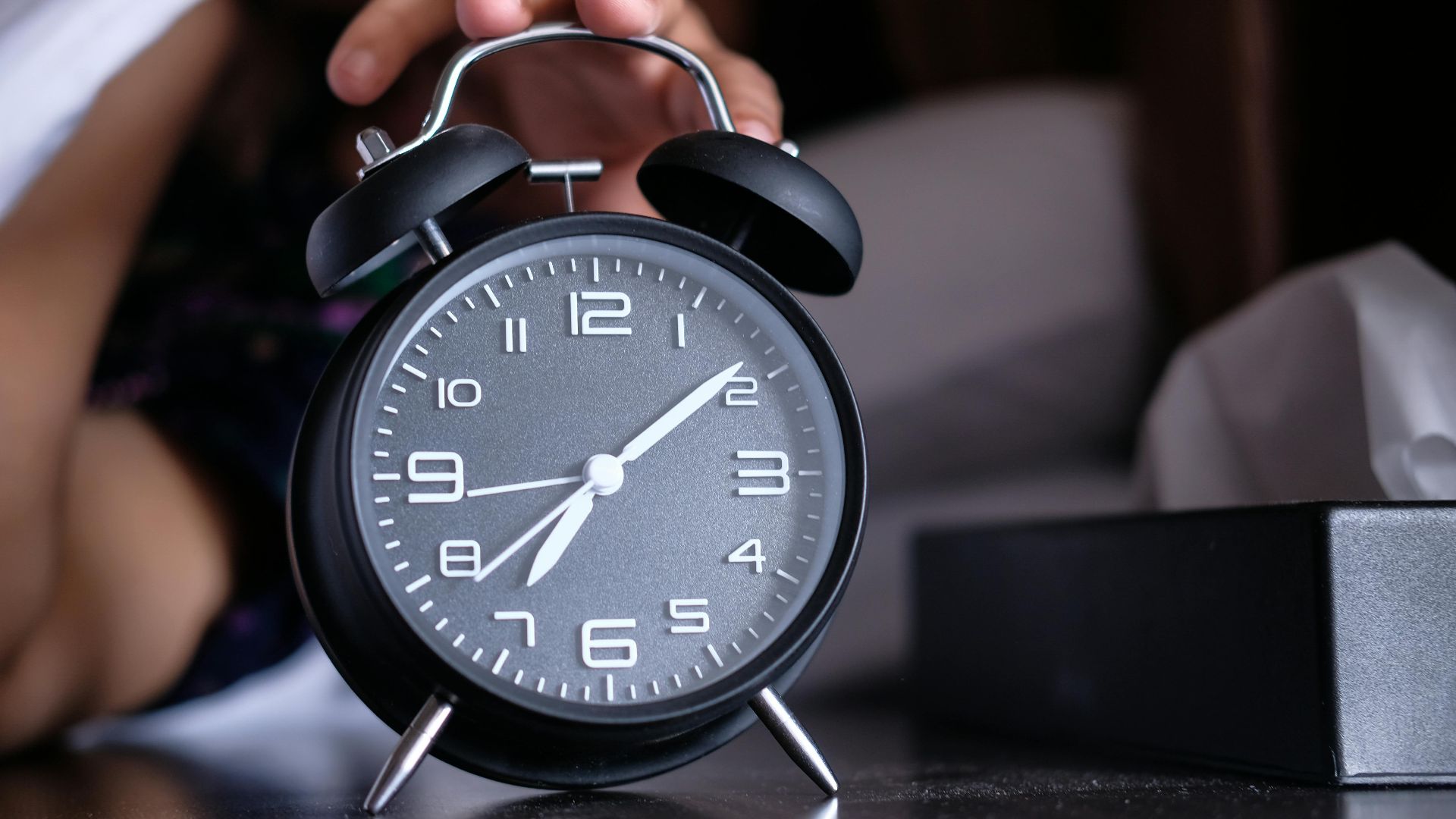
8. Vibrating Alarm Clock
A vibrating or flashing alarm is an alerting device that can help Deaf and hard-of-hearing people wake up and respond to time-based cues. These alarms can also help heavy sleepers or anyone who can’t rely on sound alone. It’s a simple example of designing around different sensory needs without making the user “work harder” to be on time.
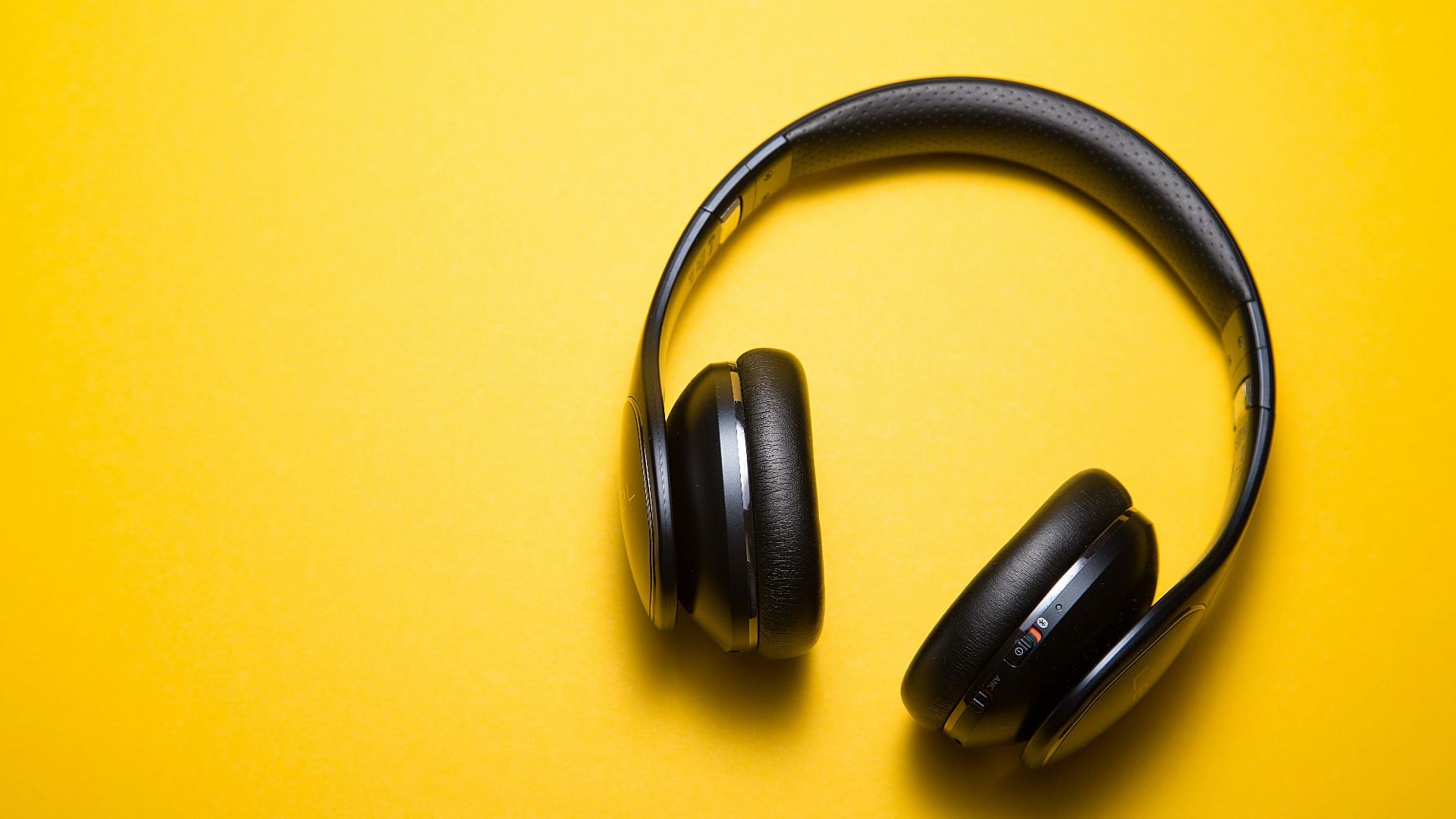
9. Bluetooth Earbuds
Headsets and earbuds can function as assistive listening tools by delivering audio directly and allowing personal volume control. For some people with hearing loss, that direct input can make speech clearer than a room speaker, especially in noisy spaces.
10. Paper Planners
A simple planner can be assistive technology when it supports memory, planning, and task completion. Many assistive tech frameworks include “low-tech” tools that help with daily living, and paper systems absolutely qualify. The key is making the planner frictionless, like keeping it open on your desk and writing tasks the moment they come up.

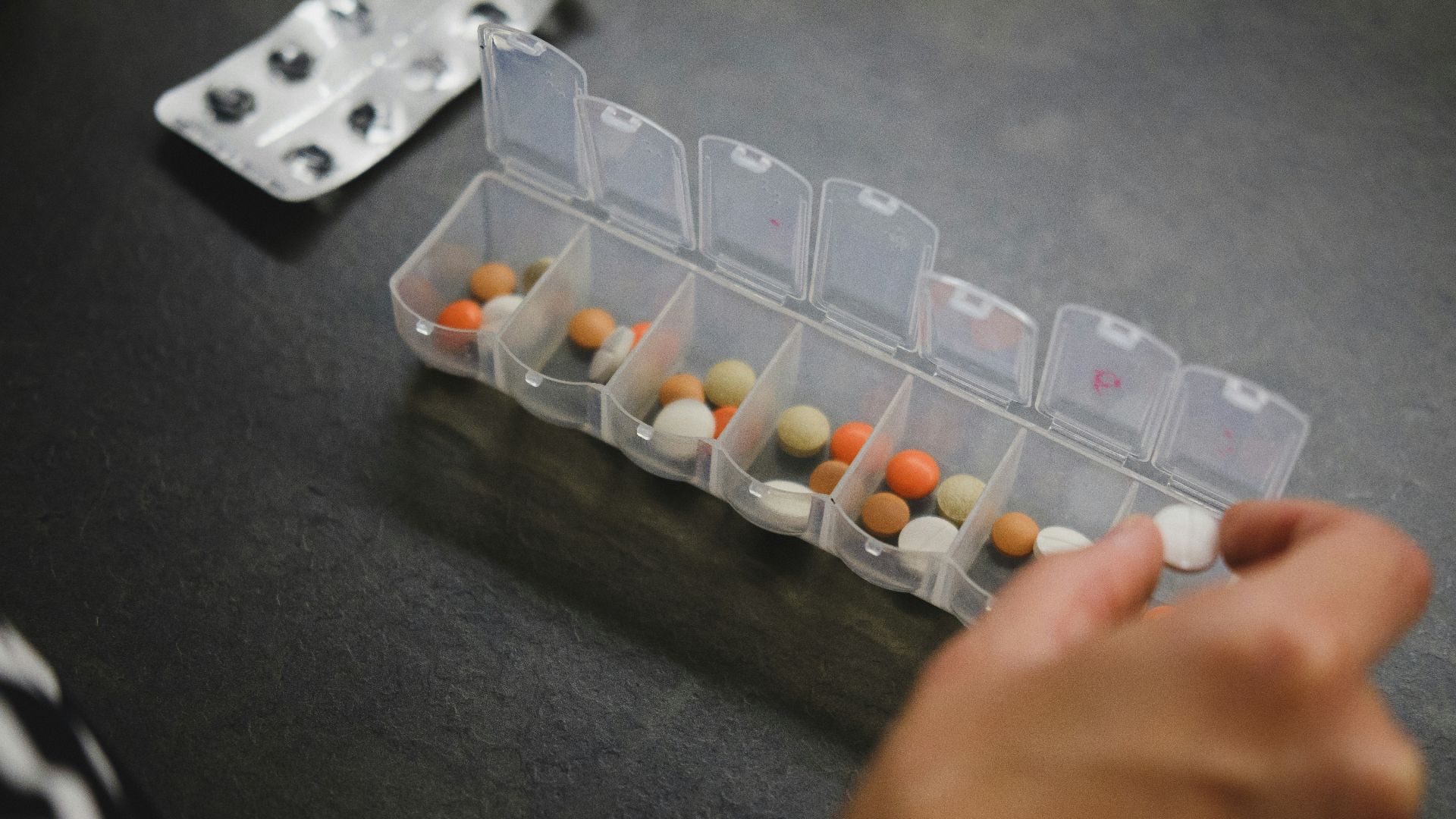
11. Pill Organizer
A pill organizer is a classic support for medication management, particularly when you’re juggling multiple prescriptions or timing requirements. It can also lower the mental load because you don’t have to remember whether you already took a dose. If you need extra support, pairing an organizer with phone reminders can be a very effective two-step method.
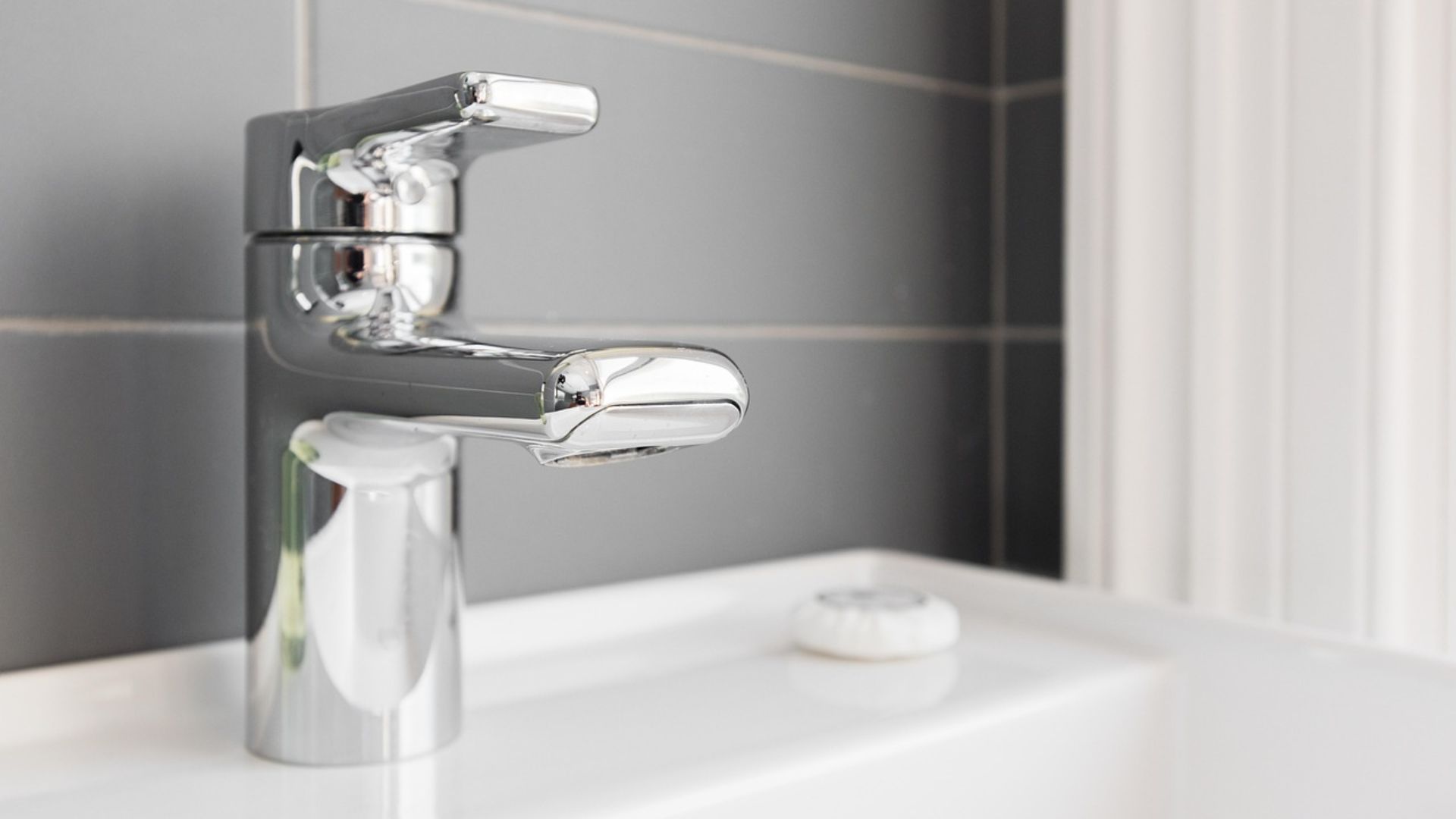
12. Single-Lever Faucets
A single-lever faucet handle can be easier to use than separate hot and cold knobs if grip strength or coordination is limited. This kind of hardware helps people with arthritis, weakness, or limited hand function manage daily hygiene tasks with less pain.
13. Non-Slip Mats
Non-slip suction mats and non-skid bath mats reduce slipping risk in one of the most common fall zones: the bathroom. For someone with balance issues, muscle weakness, or joint pain, this is a small item with a meaningful safety impact.
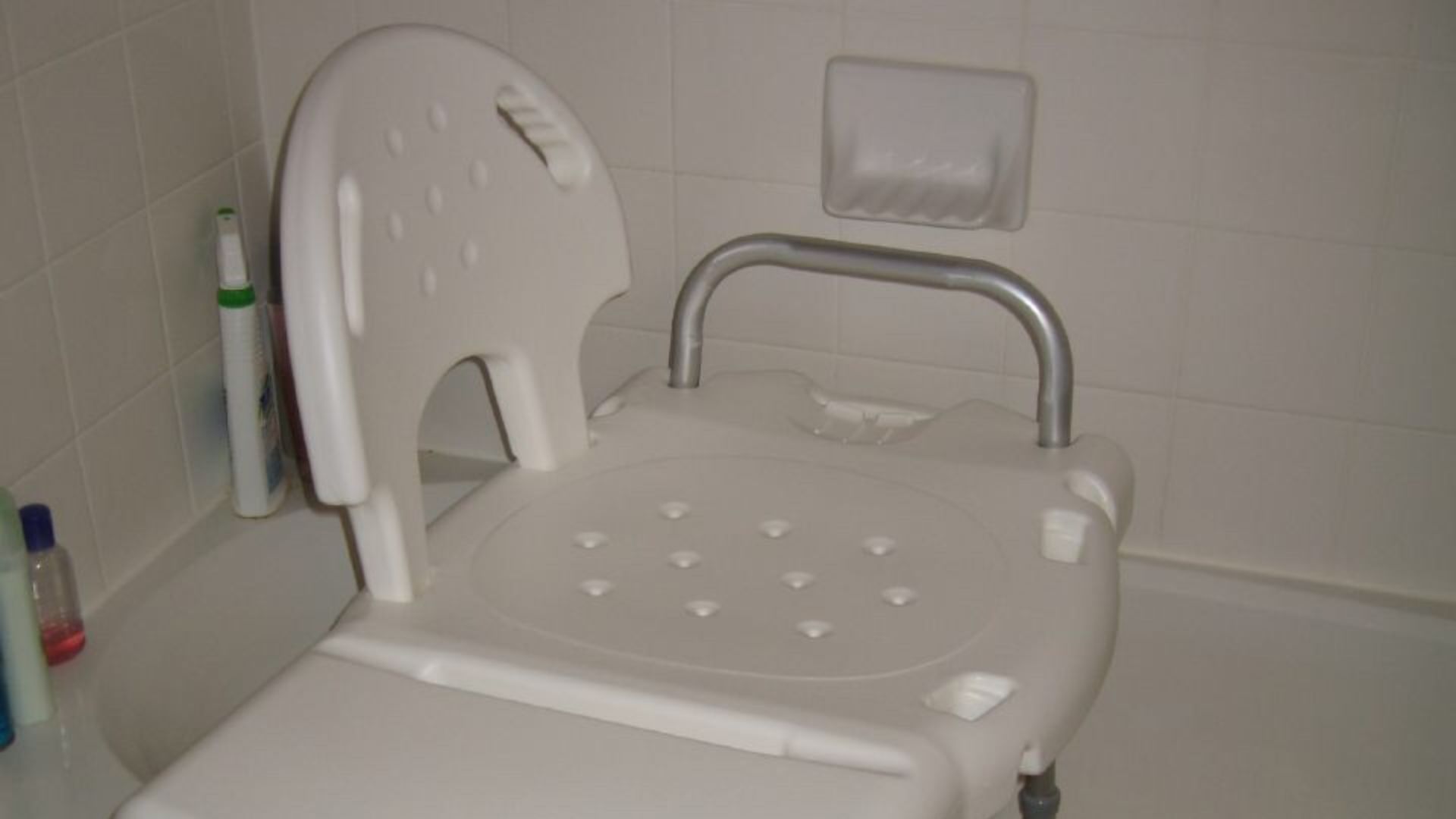
14. Shower Chair
A shower chair allows someone to sit while bathing, which can reduce fall risk and conserve energy. This can be helpful for mobility limitations, dizziness, fatigue conditions, or recovery after surgery. It also makes bathing more manageable when standing for long periods is painful, which is a common barrier that people often minimize.
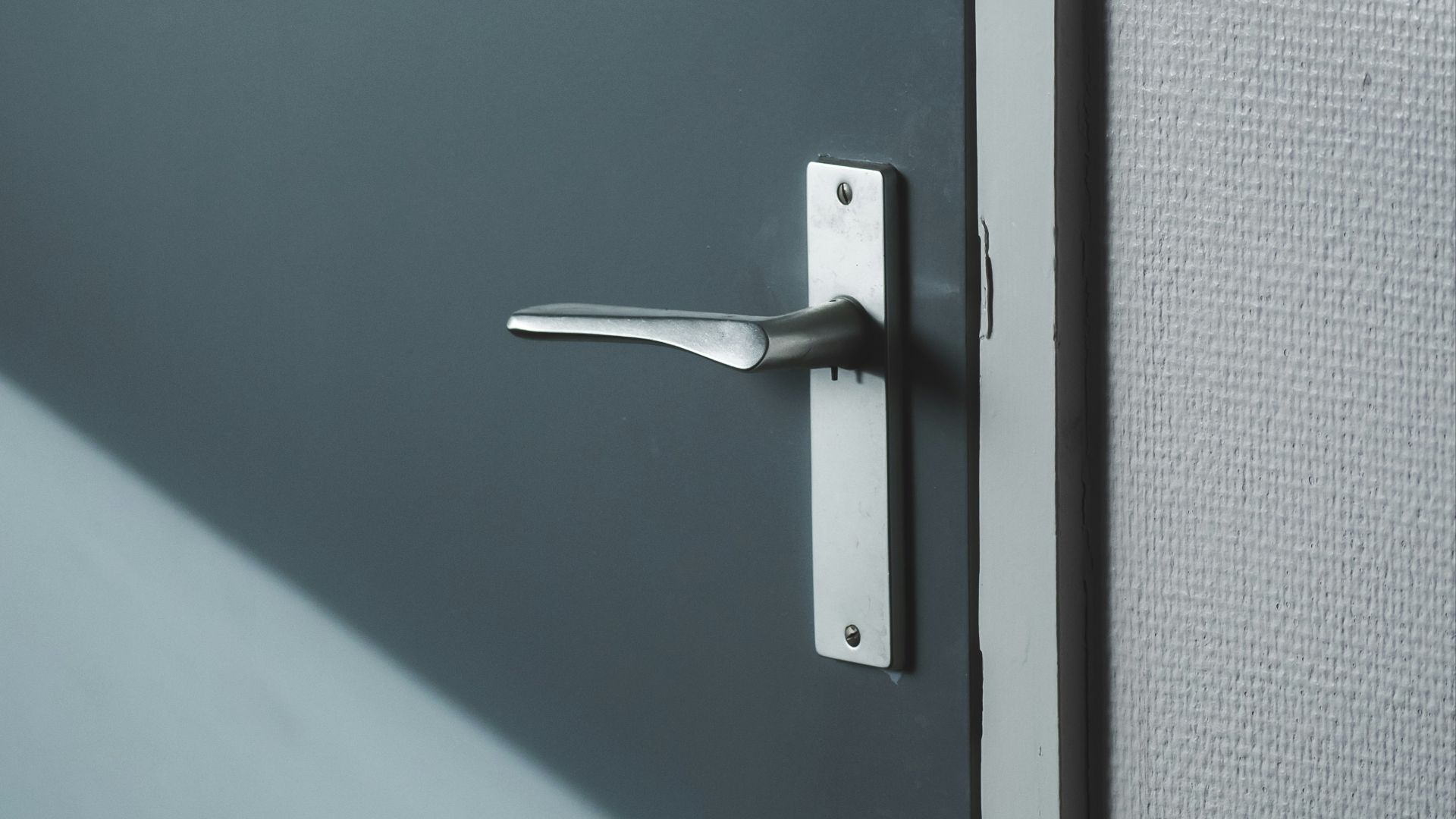
15. Lever Door Handles
Lever-style handles are easier than round knobs for many people because they don’t require a strong twisting grip, reducing strain and improving home accessibility for seniors and people with arthritis.
16. Reacher Grabber
A reacher lets you pick up items or grab objects without bending, stretching, or risking a loss of balance. This can support independence after surgery, during pregnancy, or when back and hip mobility is limited. It’s also just convenient when something ends up behind the couch.

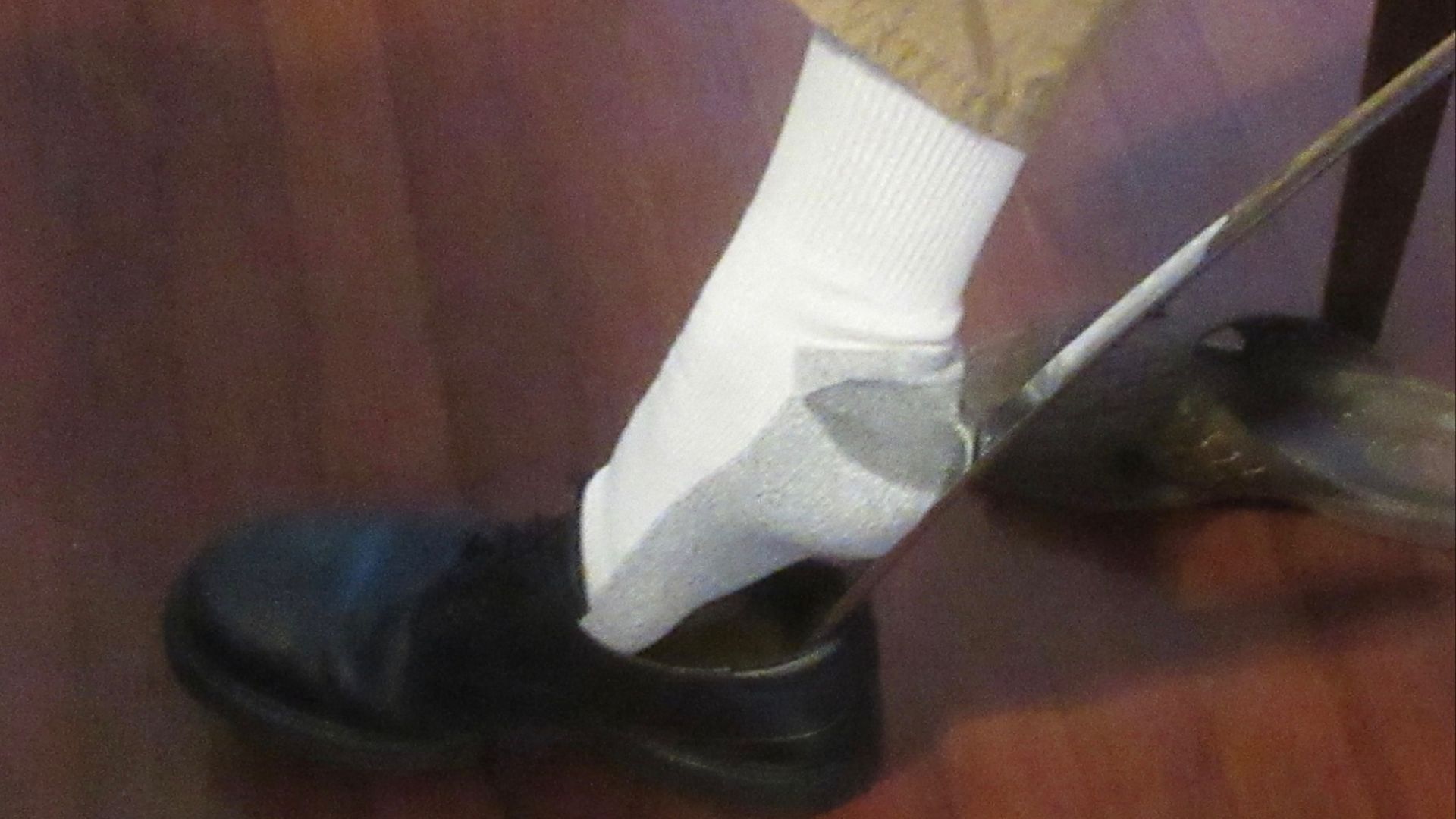
17. Long-Handled Shoehorn
Putting on shoes can be surprisingly demanding if your hips, knees, or back don’t love bending. A long-handled shoehorn extends your reach and can reduce strain while dressing. For people with mobility limitations or joint pain, it can turn a frustrating task into a quick one.
 Infrogmation of New Orleans on Wikimedia
18. Jar Openers
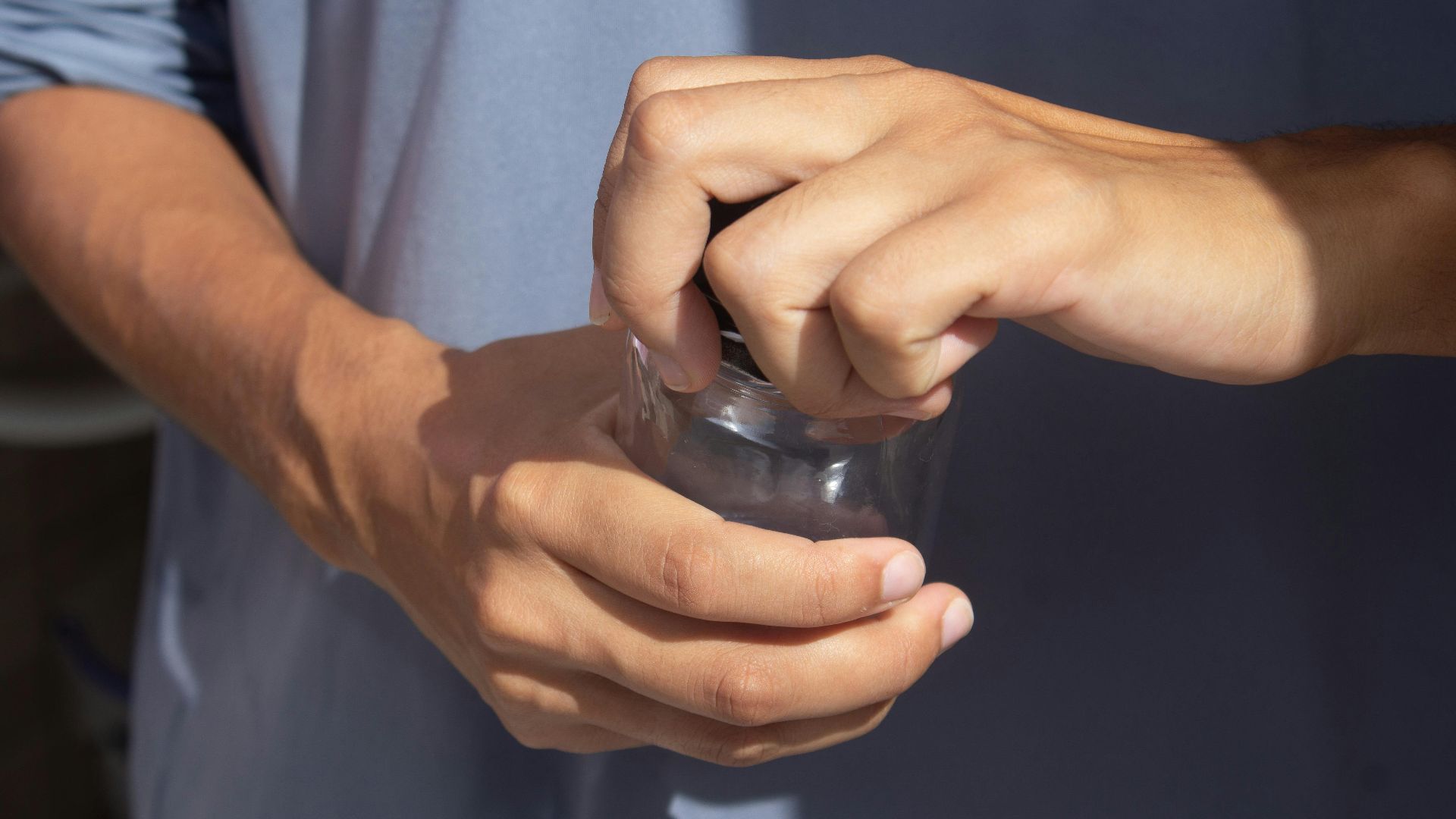
Jar and bottle openers support weak grip strength and reduce the painful twisting that can come with arthritis. This kind of item can also help if you have temporary hand weakness or a flare-up and still want to cook, or if your hands are too small to get around a jar lid.
19. Velcro Closures
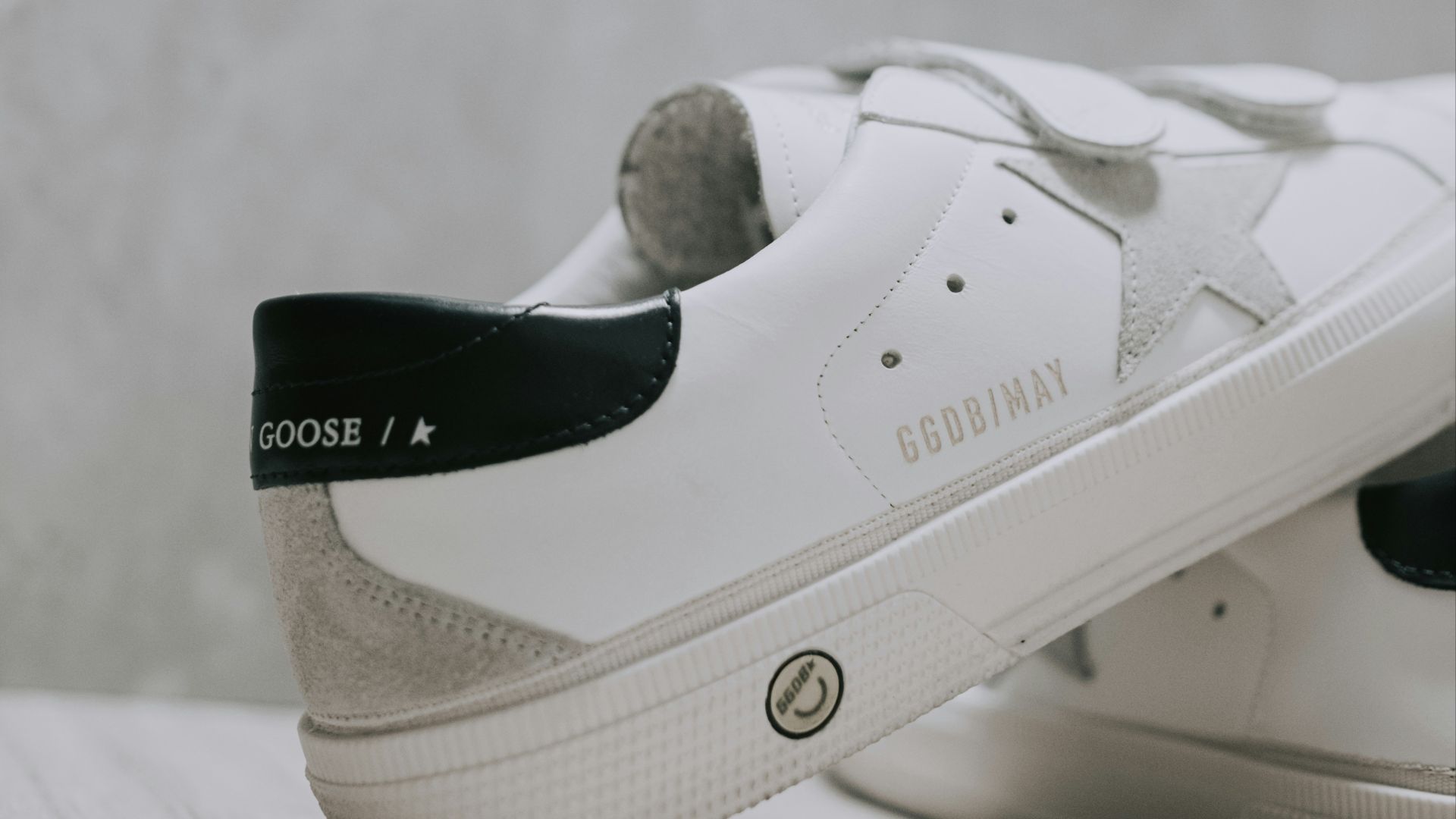
Velcro fasteners can make dressing easier when buttons and tight closures demand more dexterity than you’ve got that day. This can benefit arthritis, tremors, limited range of motion, or one-handed dressing needs. It’s a good reminder that “adaptive” sometimes looks like a small wardrobe tweak, not a medical device.
20. Keyboard and Mouse Options
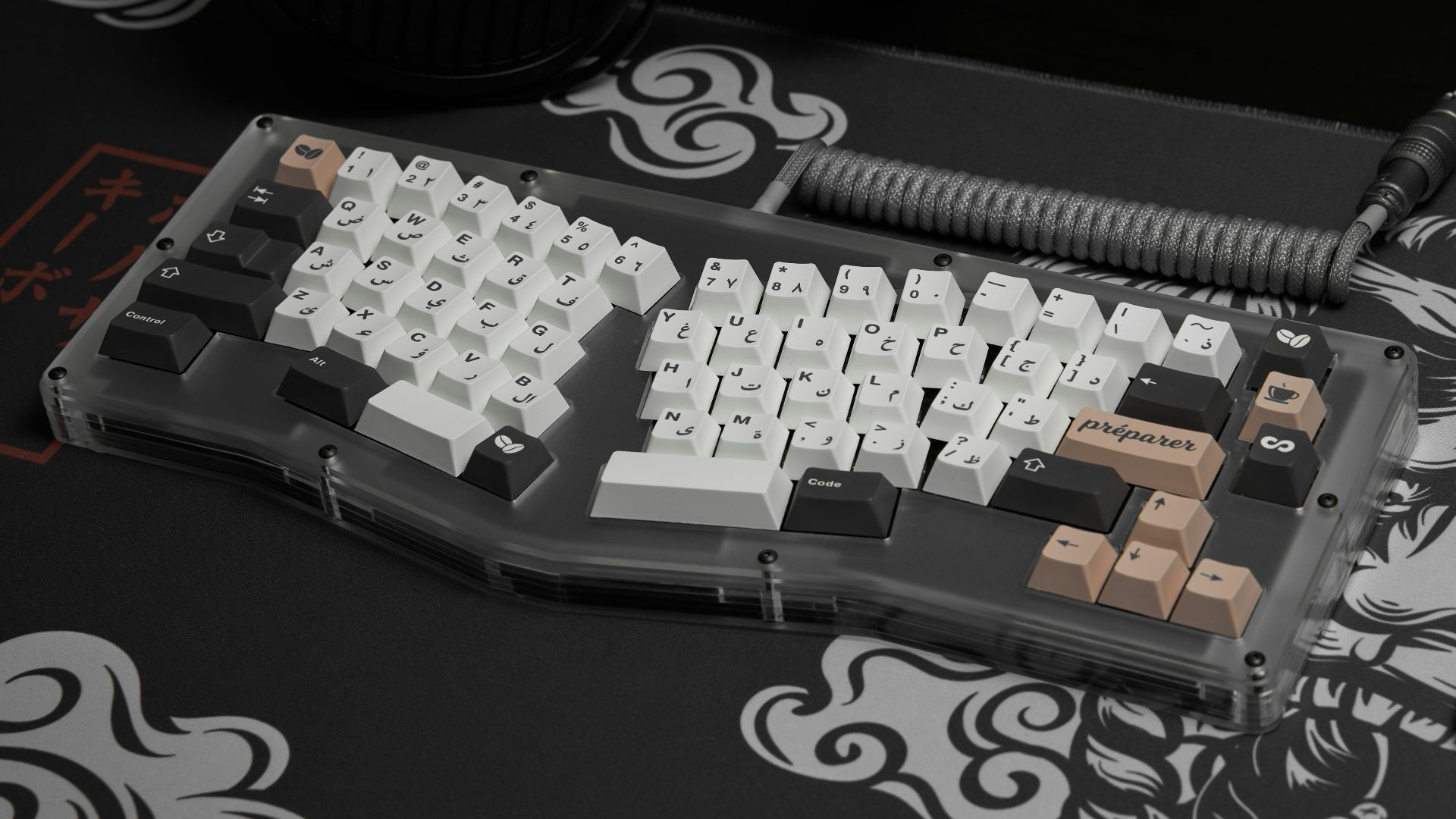
Ergonomic or alternative keyboards and mice can reduce discomfort and help people work more comfortably with pain, weakness, or repetitive strain issues. For some users, a trackball, vertical mouse, or different keyboard layout is the difference between working and not working. If your hands or shoulders complain regularly, experimenting with setups is a reasonable first step.
KEEP ON READING


10 Pre-Workout & 10 Post-Workout Tips To Follow