
How A Single Finding Turns Into A Life Rule
Nutrition myths usually do not start with a villain twirling a mustache. They start with a study that is small, narrow, or messy, then gets translated into a headline that feels clean and certain, and then gets repeated until it sounds like common sense. A single observational finding can get mistaken for proof, and a single early trial can look definitive until larger trials or careful reviews show the effect is smaller, different, or not there at all. Once a claim becomes a product label or a wellness identity, it takes on a life of its own. Here are 20 nutrient myths that often trace back to one overhyped study.
 Apostolos Vamvouras on Unsplash
1. Vitamin C Stops Colds
This idea got its staying power from early reports and enthusiastic promotion that treated limited evidence like a universal rule. Over time, larger reviews have generally found that vitamin C does not prevent colds for most people, even if it may slightly shorten duration in some situations. The myth survives because it feels harmless, and because everyone wants a simple fix for an annoying problem.

2. Vitamin D Fixes Almost Everything
A single study showing low vitamin D levels alongside a disease can read like a smoking gun, even when it is only a snapshot. Low levels often track with less sun exposure, poorer health, and less time outdoors, which can flip cause and effect in the public imagination. Big trials and evidence reviews have repeatedly pushed back on the idea that more and more vitamin D automatically equals better health for everyone.

3. Antioxidant Pills Prevent Cancer
Lab results and early observational findings made antioxidants sound like a shield against modern life. Then large randomized trials complicated the story, including cases where high dose supplements did not help and sometimes harmed certain groups. The myth lingers because antioxidants sound inherently good, and the word itself feels like protection.
 Kier in Sight Archives on Unsplash
4. Beta Carotene Is A Safe Shortcut To Better Health
Beta carotene got a health halo from studies linking fruit and vegetable intake to lower disease risk, then the nutrient got isolated and sold as a pill. Later, large trials in smokers showed unexpected harm, which undercut the simplistic supplement logic. The lesson was uncomfortable, so the myth keeps resurfacing with a new coat of marketing paint.

5. Vitamin E Protects The Heart
Early observational studies suggested people who took vitamin E had fewer heart problems, and that sounded like an easy win. Later trials did not reliably confirm a protective effect, and some research raised concerns about high doses in certain contexts. The myth sticks because the idea of a heart vitamin feels intuitive, even when the outcomes are not.
6. A Multivitamin Cancels Out A Rough Diet
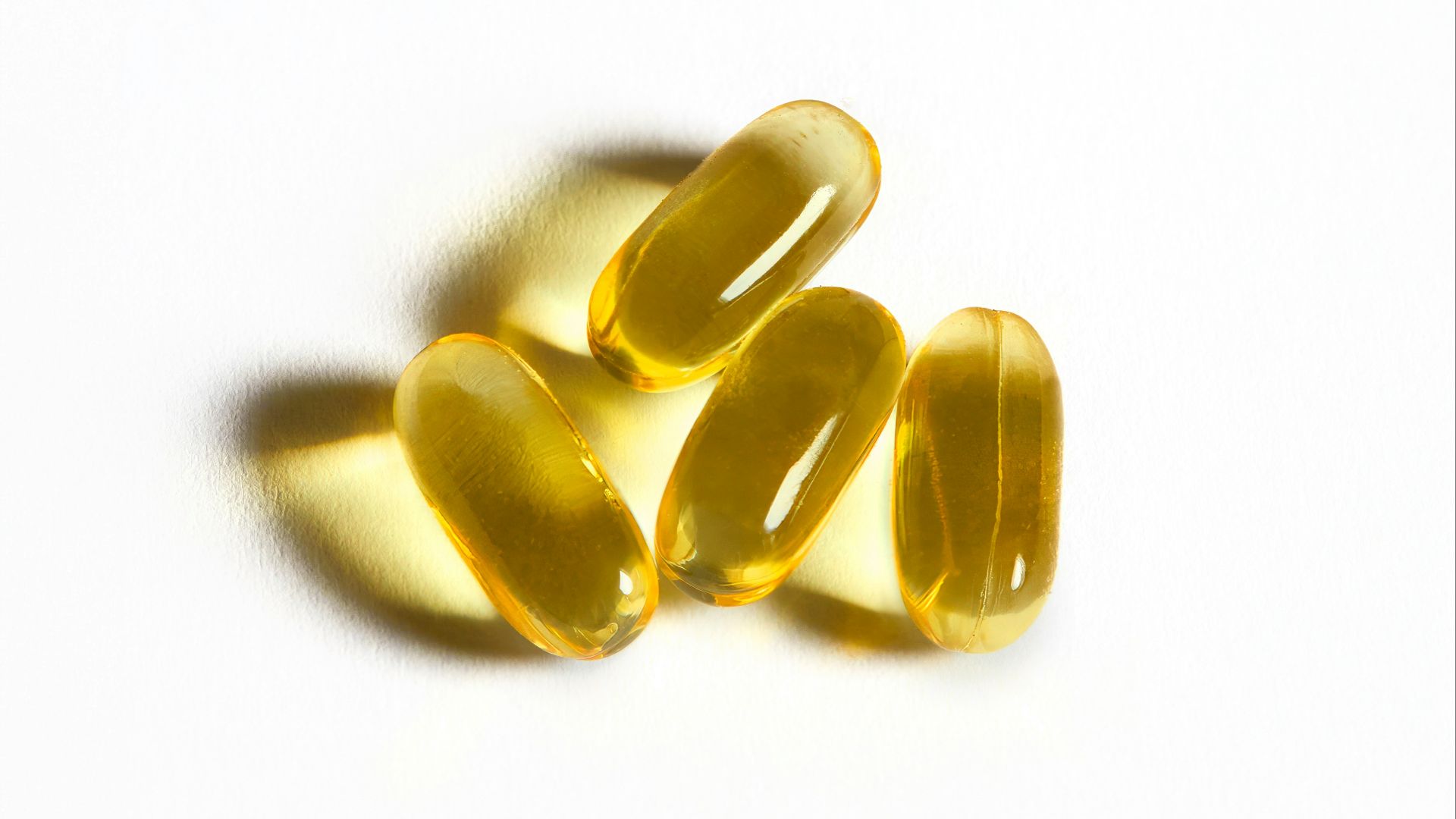
One study or a few reassuring headlines can make a daily pill feel like nutritional insurance. The reality is that multivitamins are not a substitute for sleep, movement, and a diet with actual food variety, and large studies have found mixed or modest effects for many outcomes. The myth survives because it offers relief from guilt without asking for change.

7. Folate Always Helps, So More Is Better
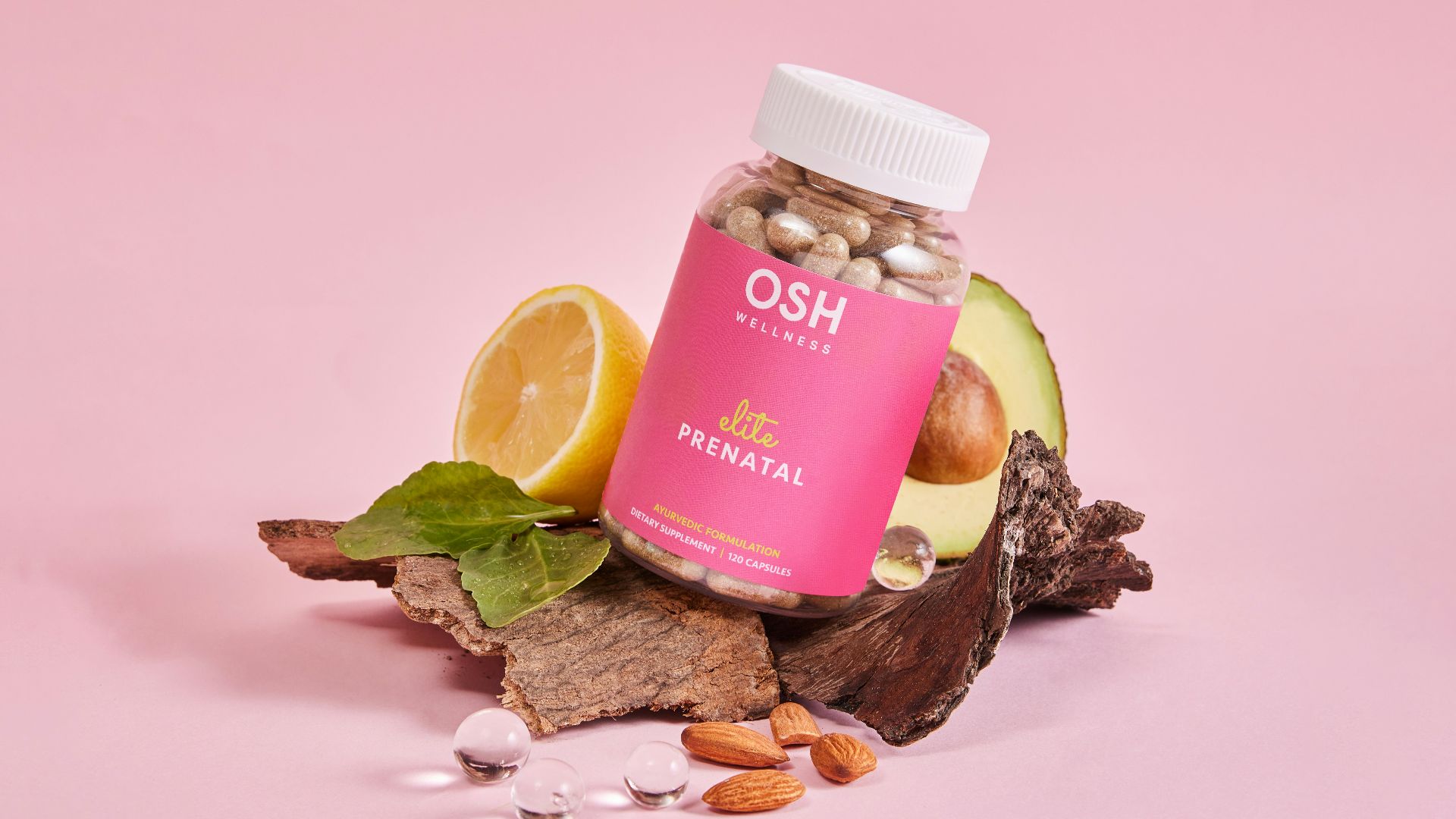
Folate matters, especially in pregnancy, and that truth sometimes gets stretched into an unlimited supplement story. When a benefit is real in one setting, a single study can get used to justify blanket high dose use for everyone, even though nutrient balance and timing matter. The myth persists because it rides on an important public health success and ignores the nuance.
8. Calcium Supplements Are The Key To Strong Bones
The calcium story got simplified into a one nutrient solution, helped along by early studies and aggressive marketing. Later evidence has been more mixed on supplements, with questions about how much they help beyond diet, and concerns in some research about potential downsides for certain people. The myth stays popular because bones feel like a math problem, and calcium seems like the obvious number.

9. Iron Supplements Fix Fatigue For Everyone
A single small study can make iron look like a universal energy lever. In reality, iron helps when iron deficiency is the issue, and it is not automatically the answer for stress, poor sleep, thyroid problems, depression, or overwork. The myth lasts because fatigue is common, and iron is easy to buy.
 montatip lilitsanong on Unsplash
10. Vitamin B12 Shots Equal More Energy
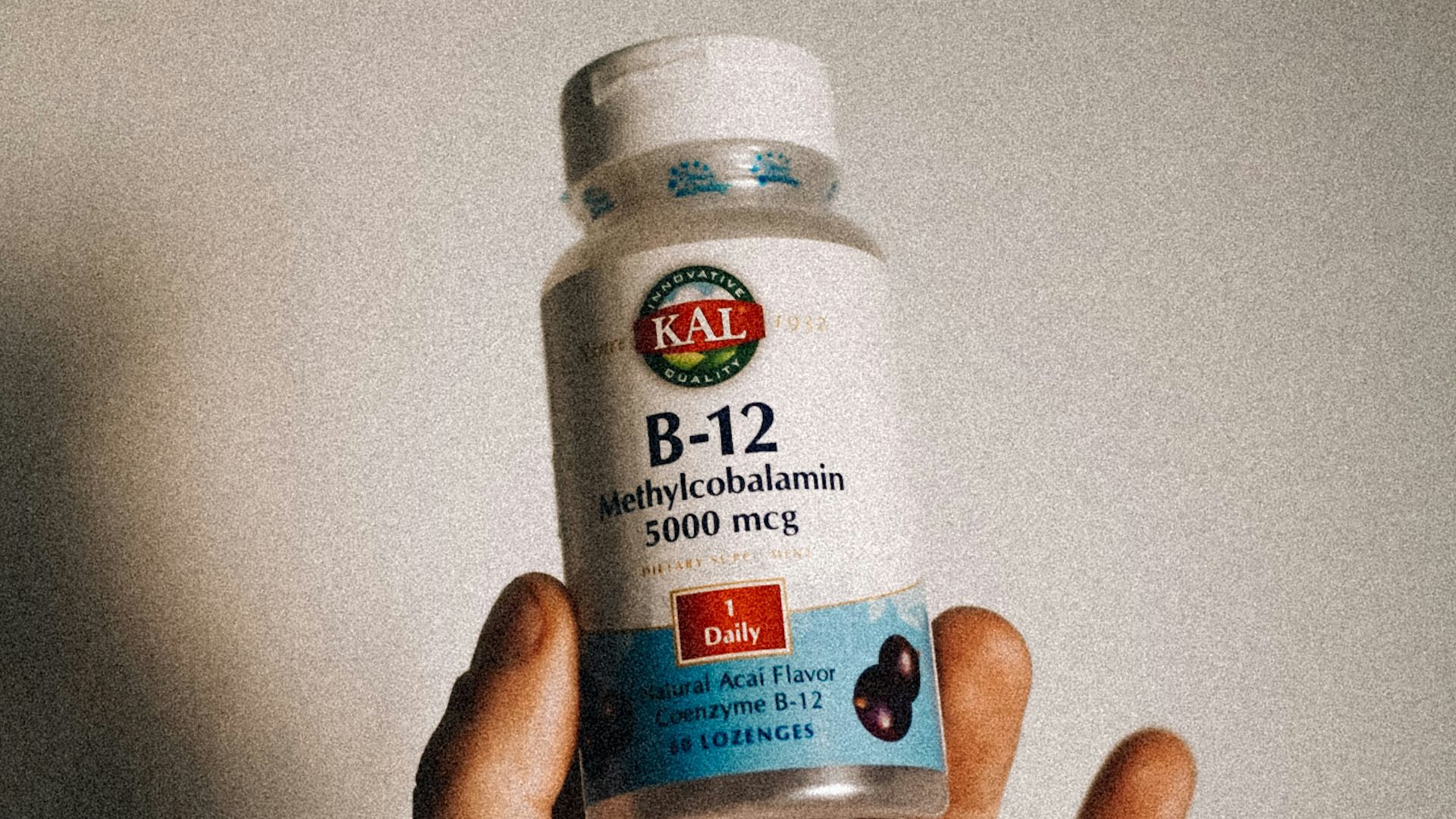
B12 deficiency is real and serious, which makes it easy for one positive anecdote or one loose study to turn injections into a general vitality trend. For people with normal levels, extra B12 does not reliably create extra energy, even though the ritual feels powerful. The myth grows because it comes with a quick appointment, a tangible action, and a story you can repeat.
11. Low Fat Diets Are Automatically Heart Healthy
One influential line of research helped push fat into the role of primary villain, and the public absorbed the message as a rule. Over time, the conversation shifted toward fat quality, overall dietary pattern, and what replaces fat on the plate. The myth persists because fat is easy to blame and low fat packaging is easy to sell.

12. Dietary Cholesterol Directly Becomes Blood Cholesterol
A simple cause and effect story took hold from early diet heart hypotheses and broad public guidance that often used cholesterol as a shorthand. Later research showed that for many people, dietary cholesterol has a smaller effect than once assumed, and overall dietary pattern matters more. The myth hangs on because it is tidy, and tidy rules are comforting.

13. Coconut Oil Is A Heart Healthy Superfood
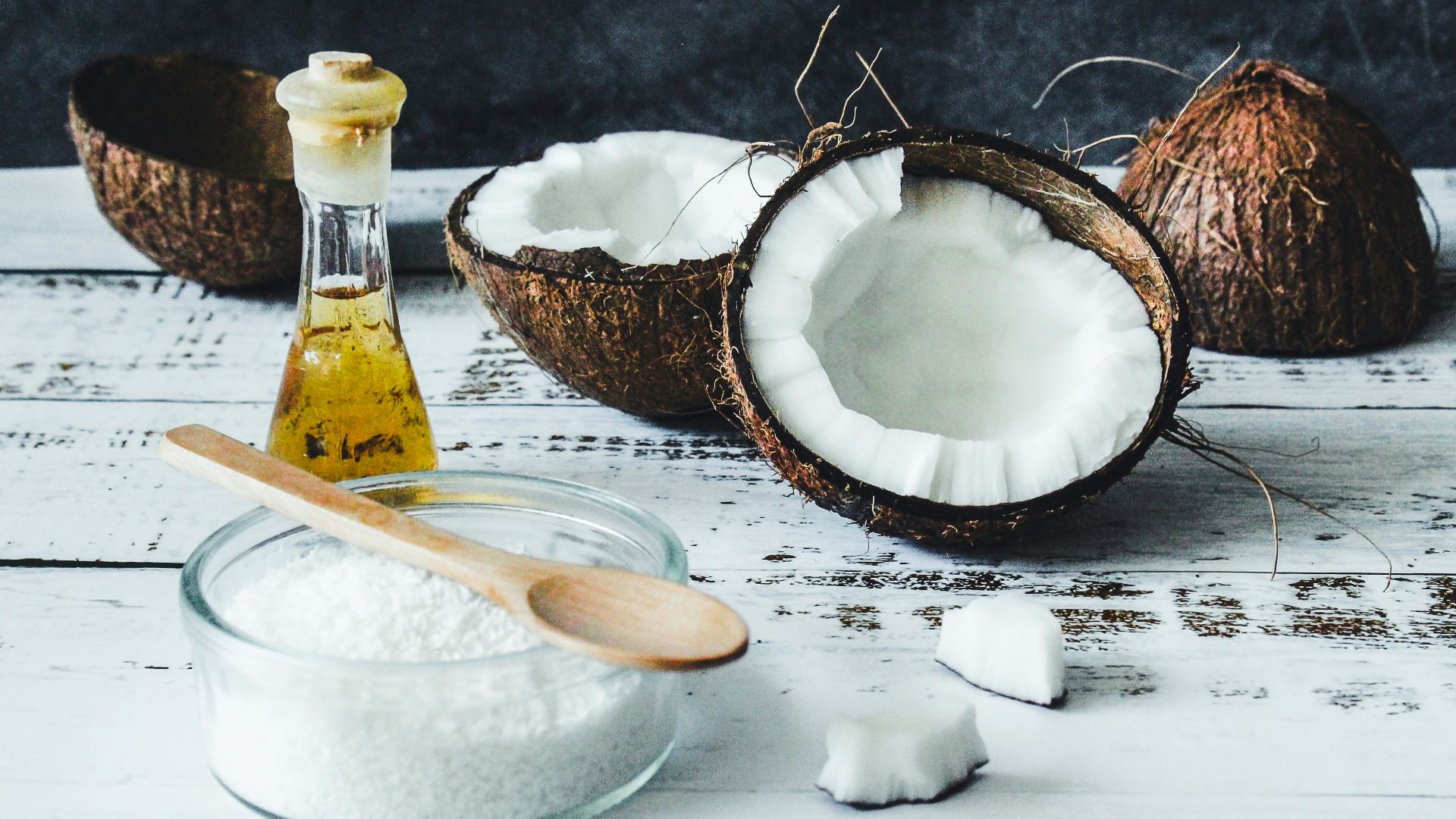
A few studies and plenty of wellness coverage framed coconut oil as a special case that escaped the normal rules. More careful evaluations have pointed out that coconut oil is high in saturated fat and can raise LDL cholesterol, even if it also raises HDL in some contexts. The myth thrives because tropical branding and clean eating culture are louder than lipid panels.
14. Protein Shakes Are Required For Muscle
A single study in athletes can get generalized to everyone with a gym membership and a blender bottle. Most people who eat enough total calories and protein from food can build strength without turning supplements into a daily requirement. The myth sticks because powders are convenient, and convenience often gets mistaken for necessity.

15. Detox Supplements Remove Toxins
A flashy claim can trace back to a weak study using vague markers, then get amplified by before and after marketing. The body already has detox organs, and most detox products rely on laxative effects, water loss, or placebo level changes that look dramatic for a weekend. The myth survives because cleansing stories feel like control, especially after a heavy week of eating.

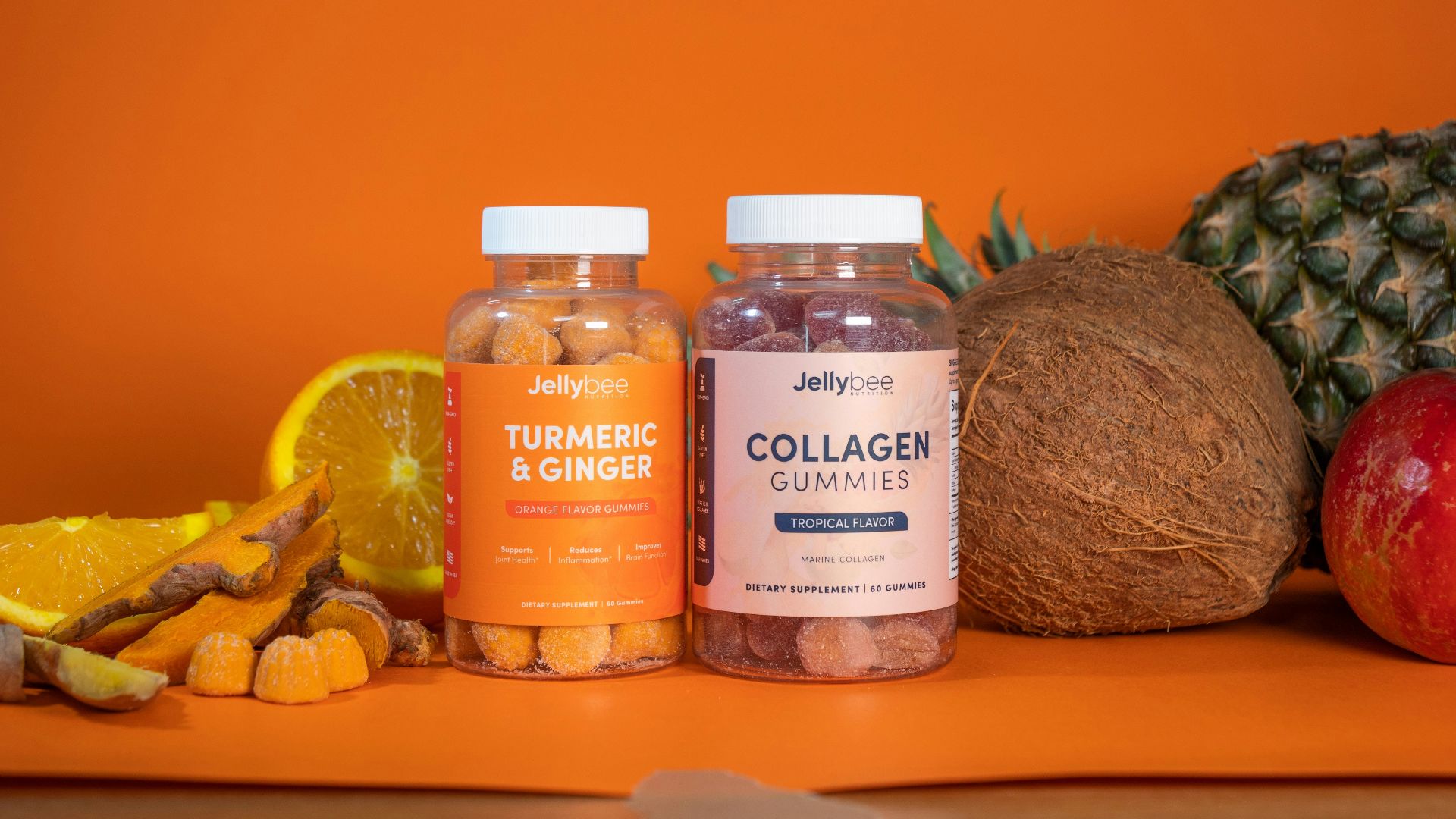
16. Collagen Supplements Reverse Skin Aging
Small studies and heavily marketed results made collagen sound like a direct pipeline to firmer skin. The science is still developing, and the claims often outrun what the evidence can support, especially once you factor in overall diet, sun exposure, and genetics. The myth lasts because the promise is specific, and specificity sells.
17. Chromium Melts Fat
One small study or a short term trial can produce a headline that sounds like a breakthrough. When larger analyses look at the whole body of evidence, the effect often shrinks, disappears, or looks too small to matter in real life. The myth stays alive because weight loss is a high emotion topic and tiny signals get amplified.
 Supplements On Demand on Pexels
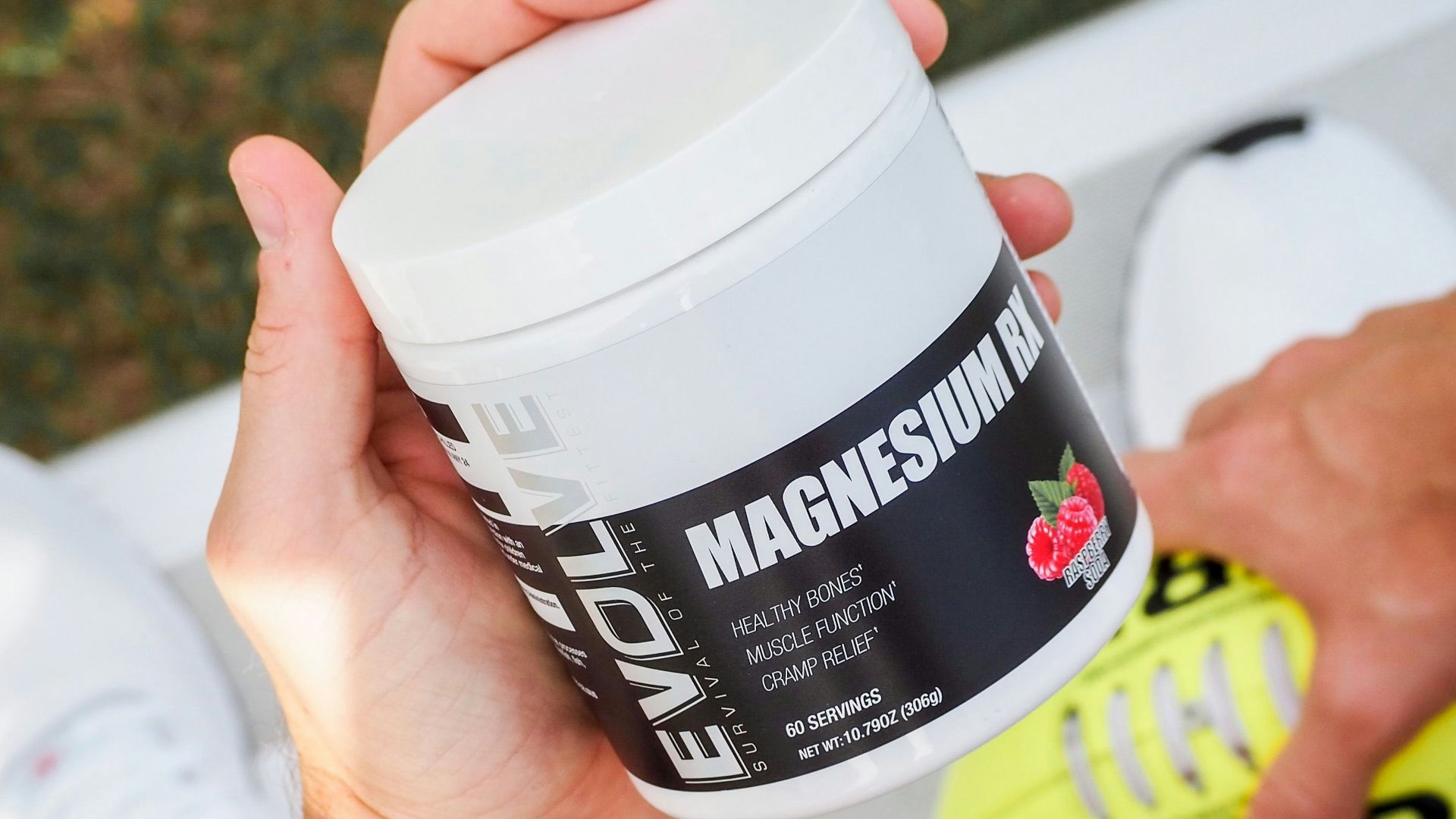
18. Magnesium Fixes Anxiety And Sleep For Everyone
Magnesium plays real roles in the body, which makes it easy to turn a limited finding into a universal remedy. Sleep and anxiety are influenced by stress, environment, habits, and health conditions, and a supplement rarely acts like a master switch. The myth spreads because people want a gentle solution that feels more respectable than a sedative.
19. Omega 3 Capsules Prevent Heart Attacks
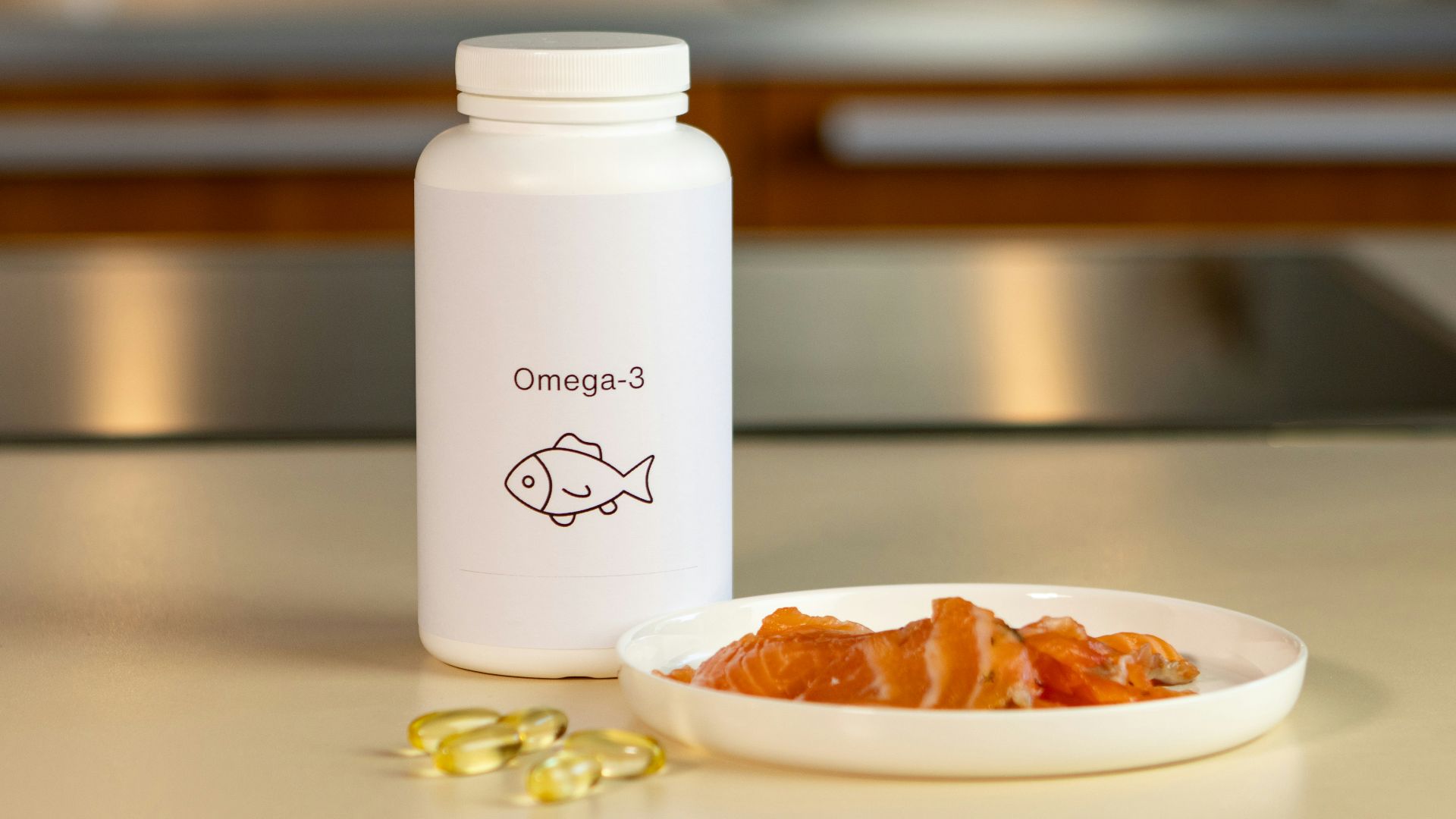
Fish intake has been linked with health benefits in observational research, and that got translated into the idea that capsules would do the same job. Large trials have shown a mixed picture, with benefits appearing in specific formulations or populations, not as a blanket promise for everyone. The myth persists because the story sounds practical and the supplement aisle is persuasive.
20. Probiotics Are Always Good
Early studies and enthusiastic coverage made it sound like everyone should be adding bacteria on purpose, every day. More recent research has emphasized that effects vary by strain, by condition, and by person, and many products make broad claims that the evidence does not cleanly support. The myth remains popular because gut health became a cultural obsession and probiotics feel like an easy way to participate.