How to Move More
If you want to move more without turning your life upside down, there's a trick, and it's to stop treating exercise like a separate event that needs perfect conditions. Small decisions, made repeatedly, can instantly raise your activity level in a way that feels doable every day, not just on the days you feel most motivated. Think of this as choosing a handful of easy, default moves you can fall back on, so exercise becomes something you naturally bump into as you go. Ready to get moving? Here are 20 easy ways to sneak more exercise into your daily routine.
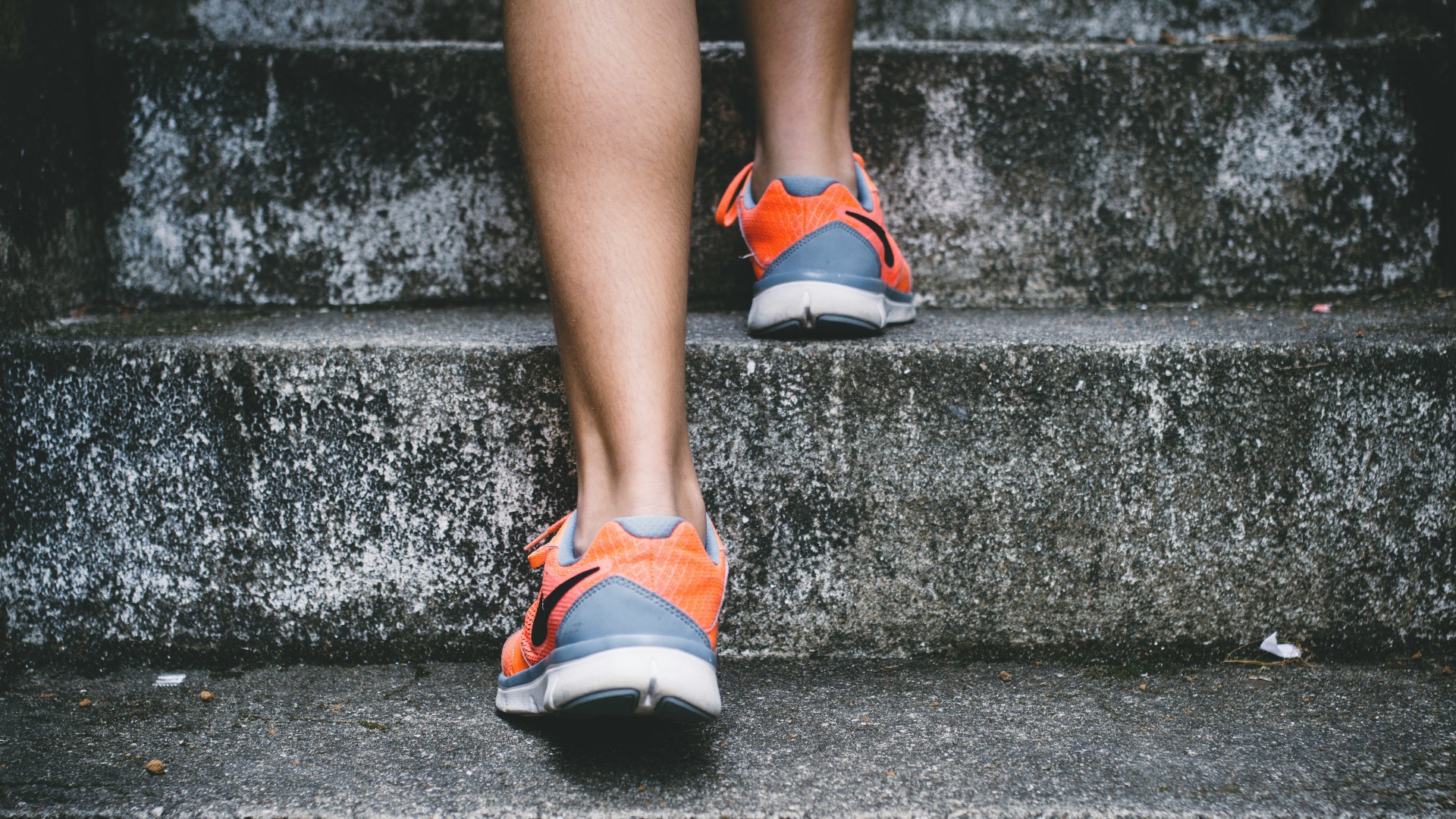
1. Take the Stairs on Purpose
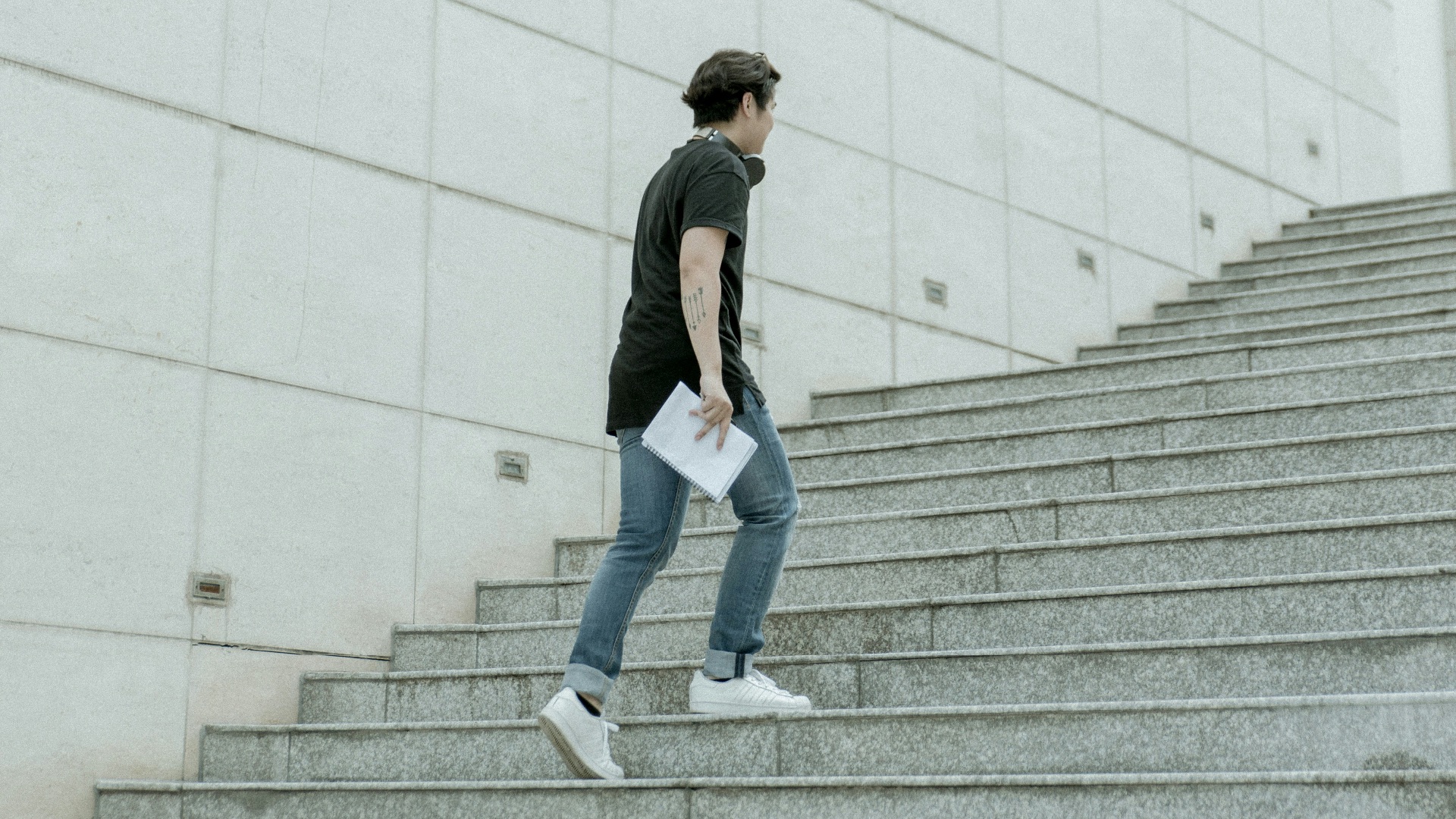
When stairs are an option, choose them deliberately. Even if you only climb one or two floors, you’re still giving your legs and lungs a quick challenge that you wouldn’t get from the elevator or escalator. To make it stick, set a simple rule you can follow without debate, like taking the stairs unless you’re carrying something heavy or you’re truly pressed for time.
2. Park Farther Than You Need To
Instead of circling for the closest spot to the entrance, aim for a space that forces you to walk a little farther, even if it’s not the most convenient choice. That extra distance feels minor in the moment, but it adds up across grocery runs, coffee stops, and appointments. If you do it consistently, you’ll get more steps without having to “find time” for them, which is often the hardest part.

3. Add a Short Walk to Your Morning Routine
Build a quick five- to 10-minute walk into the part of your morning that already happens, like right after you get dressed or after your first glass of water. It doesn’t have to be super long to be useful, because the goal is consistency and keeping momentum rather than intensity. Starting the day with movement also makes it easier to move more later, since you’ve already proven to yourself that you can fit it in.

4. Turn One Phone Call Into a Walking Call
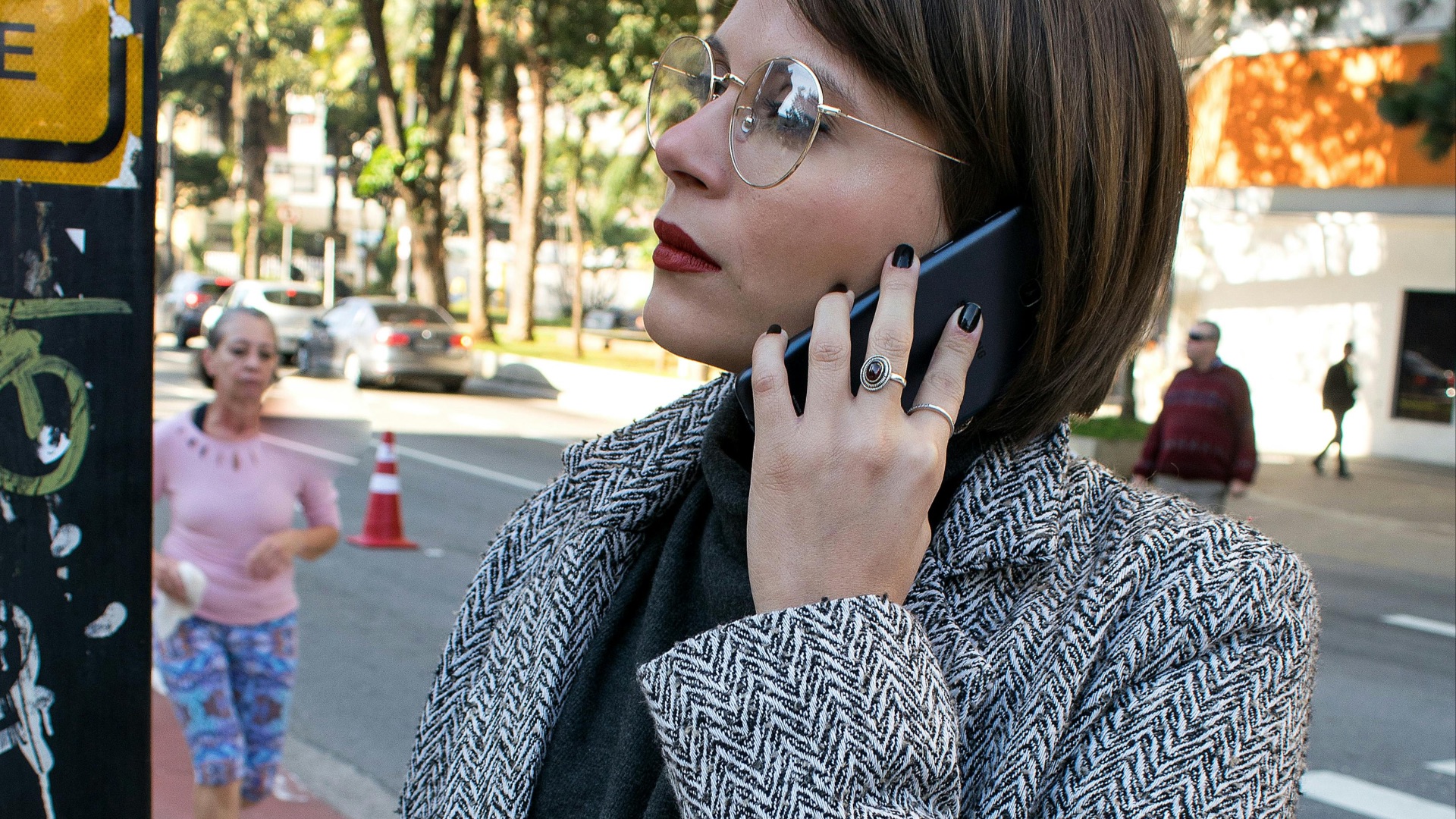
Any call that doesn’t require you to stare at your screen is a perfect chance to stand up and move around. You can pace your room, walk down the hallway, or step outside if the weather’s decent, and the minutes will pass faster than you expect. By the time you hang up, you’ll have added movement to your day without scheduling anything extra.
5. Set a “Stand Up” Timer Every Hour
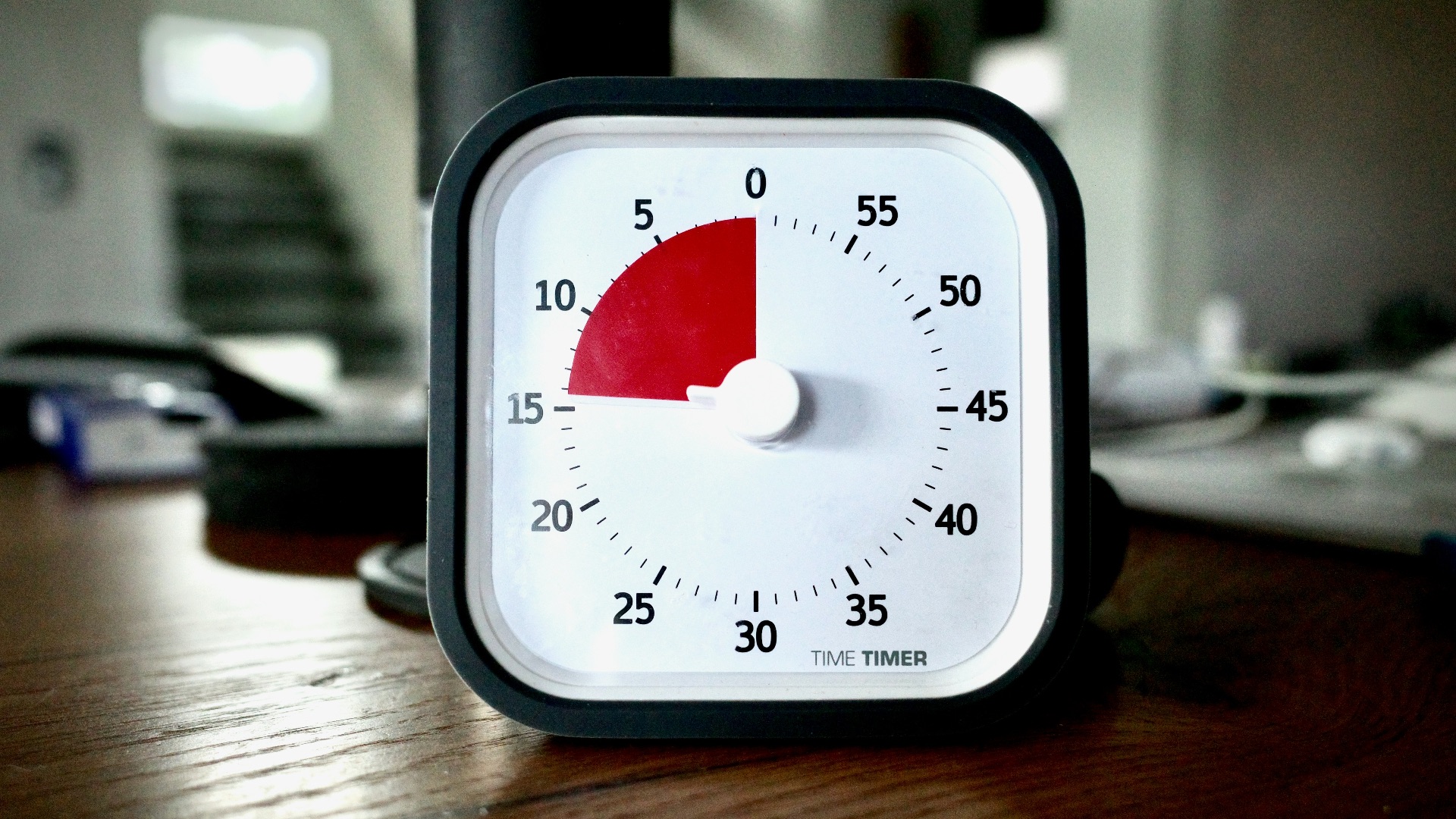
If you tend to get absorbed in work or screens, an hourly reminder can keep you from accidentally sitting for half the day. When the timer goes off, stand up, stretch your shoulders and hips, and take a quick lap around your space, even if it’s just for a minute. Over time, those small breaks can improve how your body feels and boost your daily movement more than you’d think.
6. Do Calf Raises While You Brush Your Teeth
Brushing your teeth is already a built-in routine, which makes it a great place to tuck in a small strength move. While you brush, rise onto your toes and lower down slowly, keeping the motion controlled so your calves do real work. Doing this twice a day creates a steady habit without requiring any extra time or equipment.

7. Walk During TV Commercials or Between Episodes
If you watch TV or stream shows, the natural pauses are an easy cue to move instead of staying glued to the couch. Stand up during commercials, or use the few seconds between episodes to walk around, refill water, or do a gentle march in place. The key is deciding that breaks are for movement, so you don’t have to negotiate with yourself every time.
 Glenn Carstens-Peters on Unsplash
8. Keep a Resistance Band Where You’ll See It
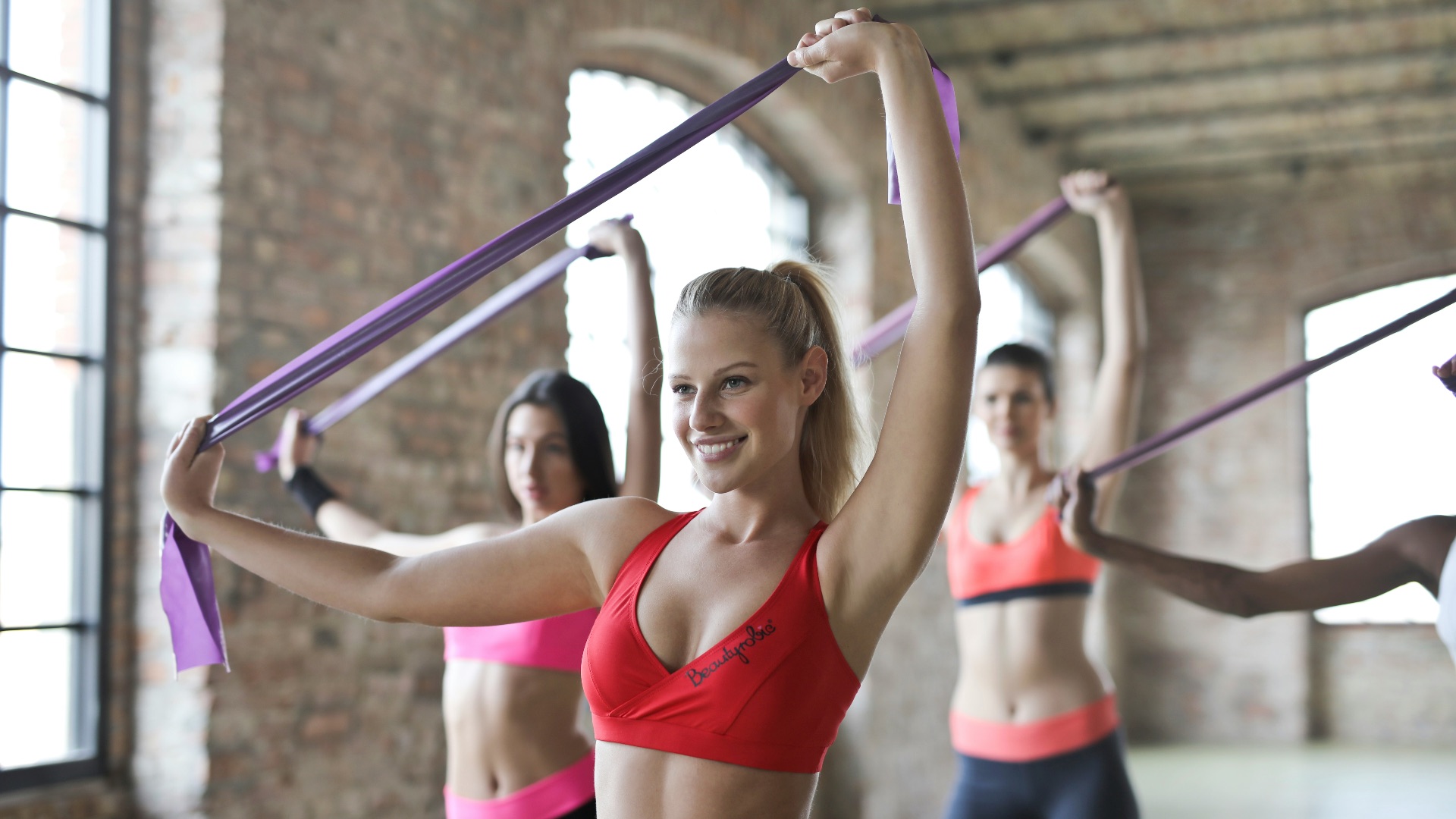
A resistance band is one of the simplest tools for quick strength work, but it only helps if it’s actually within reach. Leave it near your desk, your couch, or wherever you tend to sit the longest, so it becomes a visual reminder rather than something that stays buried in a drawer. When you notice it, do a few rows, presses, or pull-aparts, and you’ll add muscle-friendly movement in small, manageable doses.
9. Make One Errand a Walking Errand
If something is close enough to walk to, pick that errand as your “walking one” for the day, even if you could technically drive. Keep it practical by choosing trips where you won’t have to carry heavy items back, like grabbing one or two things from a nearby store. Framing it as a normal part of your day, and not a fitness mission, makes it easier to repeat and less likely to feel like a chore.

10. Do a Quick Stretch Sequence After Lunch
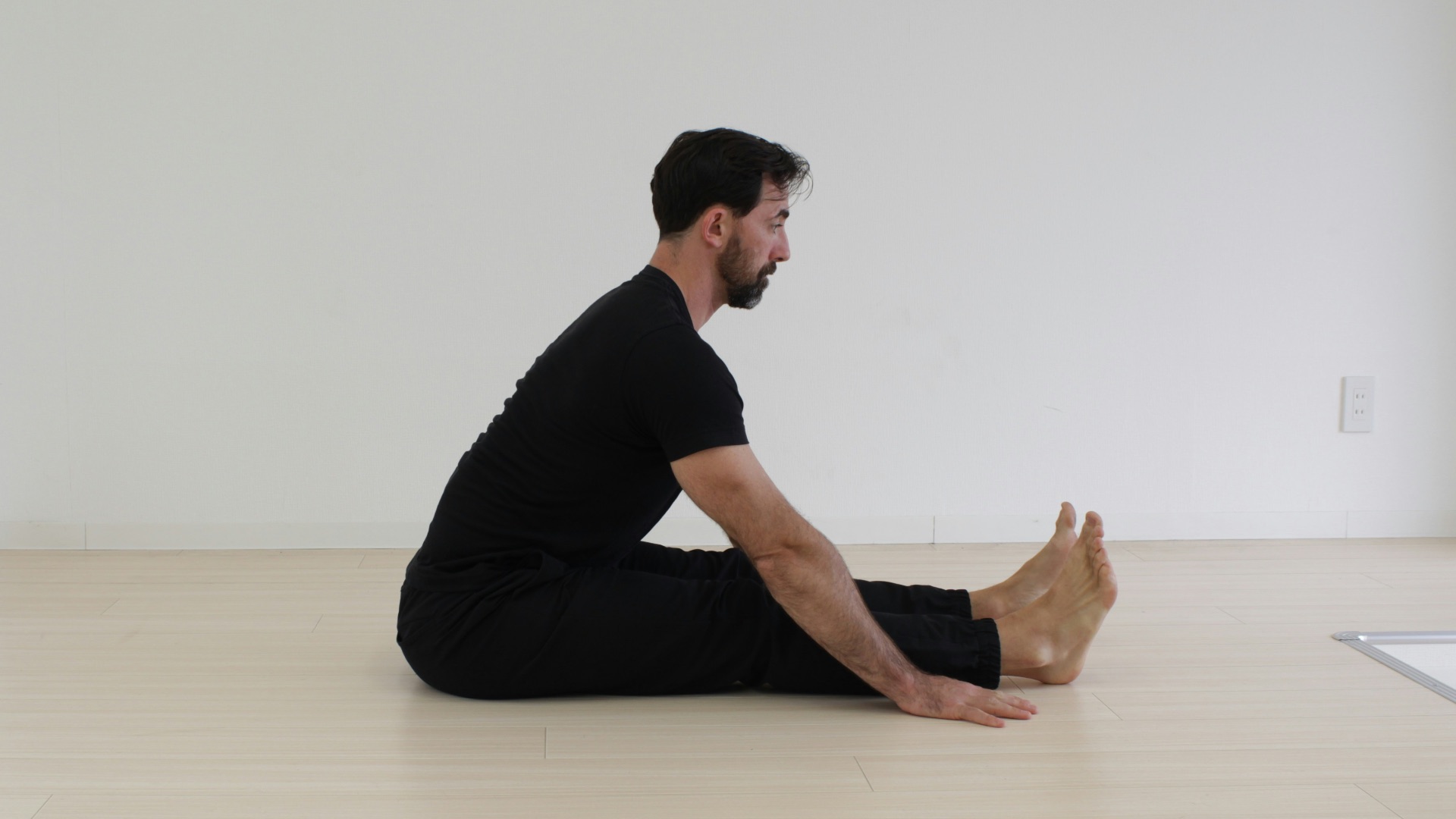
A short stretch right after lunch can help you reset before the afternoon stretches on. Focus on areas that tighten from sitting, like your hips, hamstrings, chest, and upper back, and keep it to just a few minutes so it stays realistic. It’s a small habit, but it can make you feel looser, more alert, and more willing to move later.
11. Try a Few Counter Push-Ups in the Kitchen
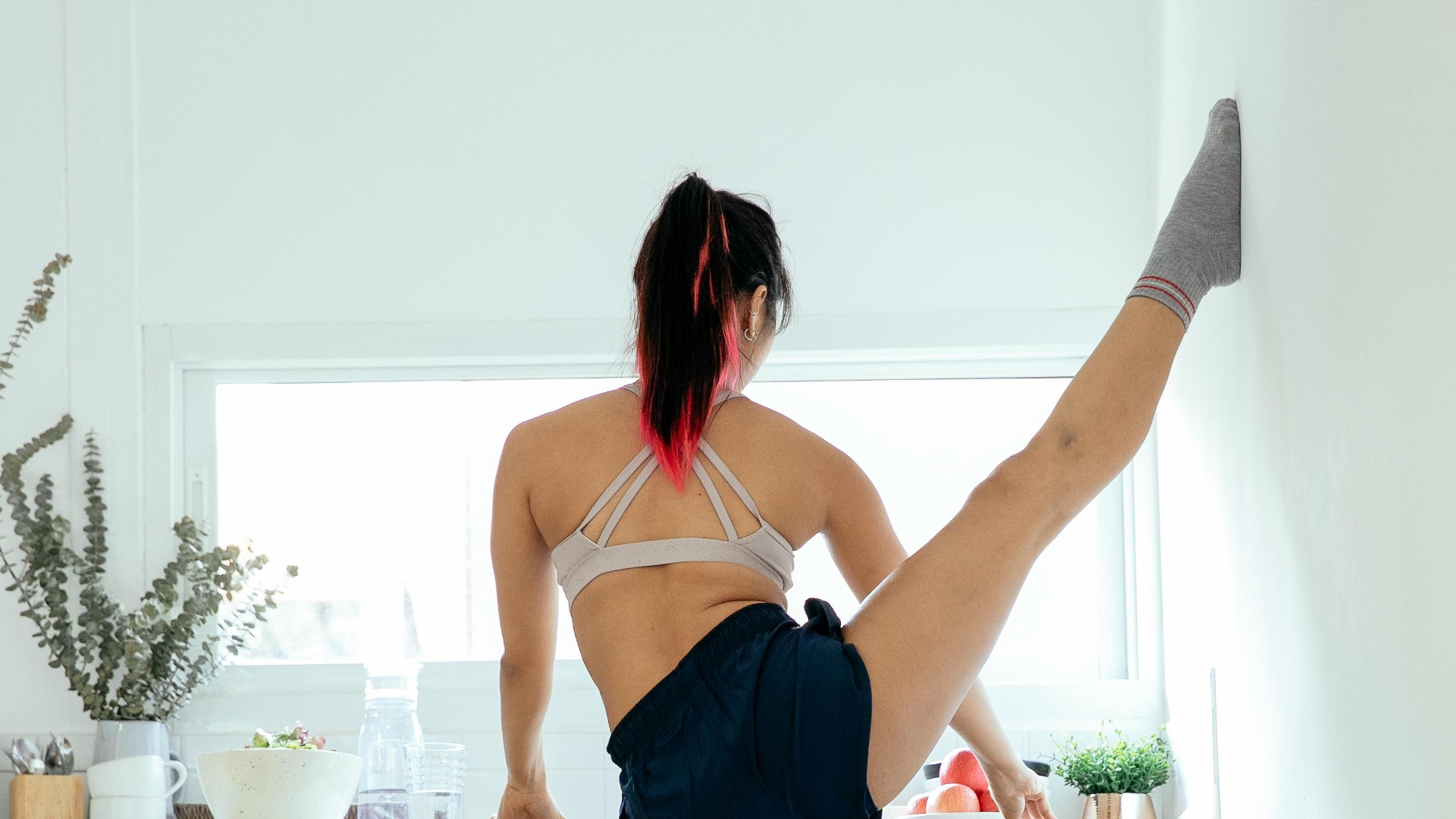
Believe it or not, the kitchen is full of small waiting moments, and those minutes are perfect for sneaky strength work. While coffee brews or food heats up, place your hands on the counter and do a set of incline push-ups, keeping your core steady and your elbows controlled. It’s approachable, it doesn’t require getting on the floor, and it gradually builds upper-body strength over time.
12. Carry Your Groceries in Smaller Trips
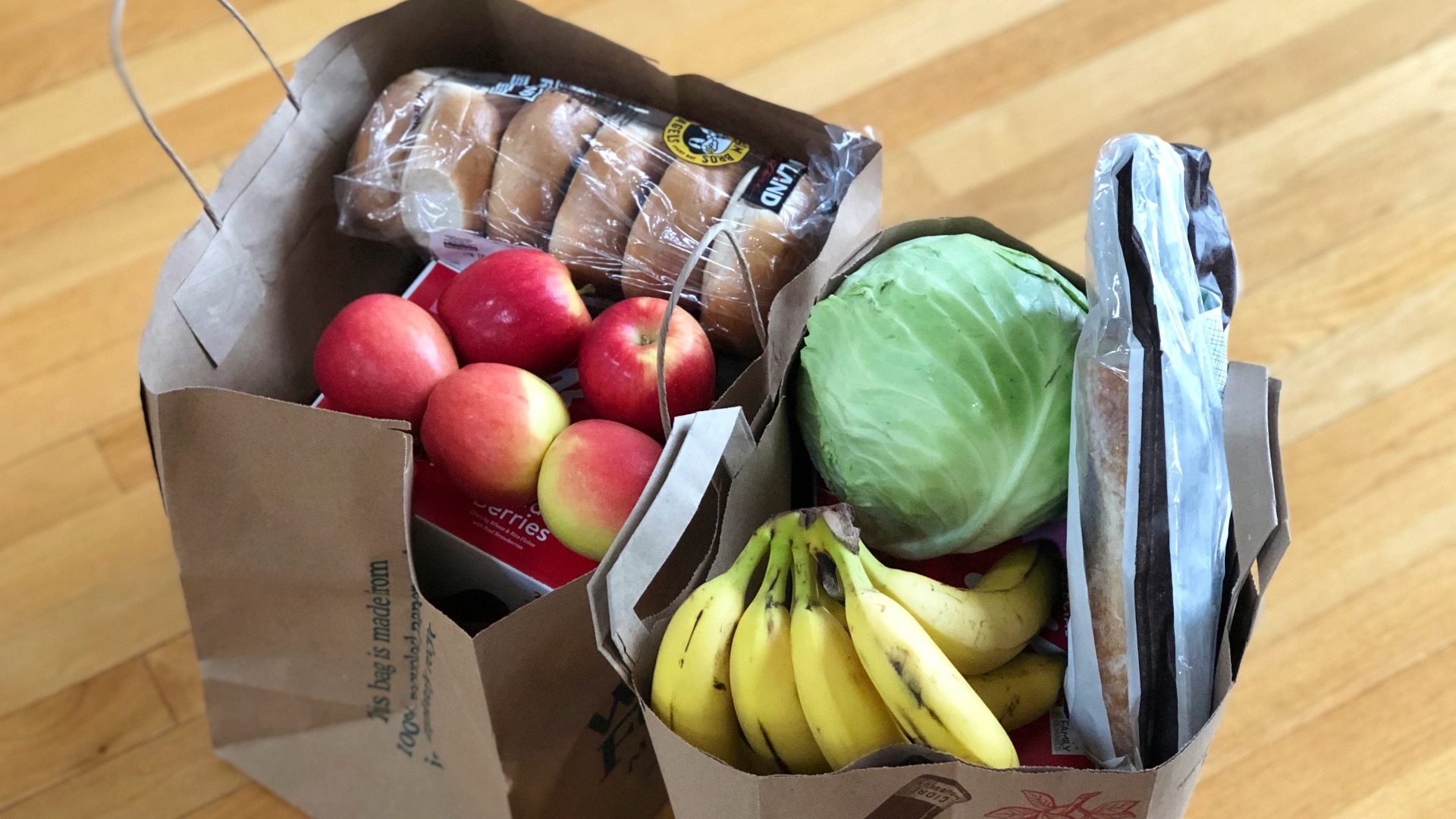
If you’re able to do it safely, split your groceries into two or three lighter trips instead of hauling everything at once. You’ll get extra steps and a bit of carrying work, which is useful functional exercise that fits everyday life. This also reduces the temptation to wrestle with overly heavy bags that can strain your shoulders or back.
13. Take the Long Route Indoors
When you’re moving through a building, choose the slightly longer path whenever it won’t annoy you or make you late. Walk to the far restroom, take a longer hallway loop, or do a lap before returning to your desk, and you’ll quickly boost your step count. This works especially well on busy days because it doesn’t require changing your schedule, only your route.

14. Do a Short Bodyweight Circuit Before Your Shower
A quick circuit before your shower can be enough to count as real exercise without feeling like a major production. Pick three moves that suit your body, such as squats, glute bridges, and lunges, and cycle through them for a few minutes at a steady pace. Pairing it with shower time makes it easier to remember, because the routine already has a clear start and finish.
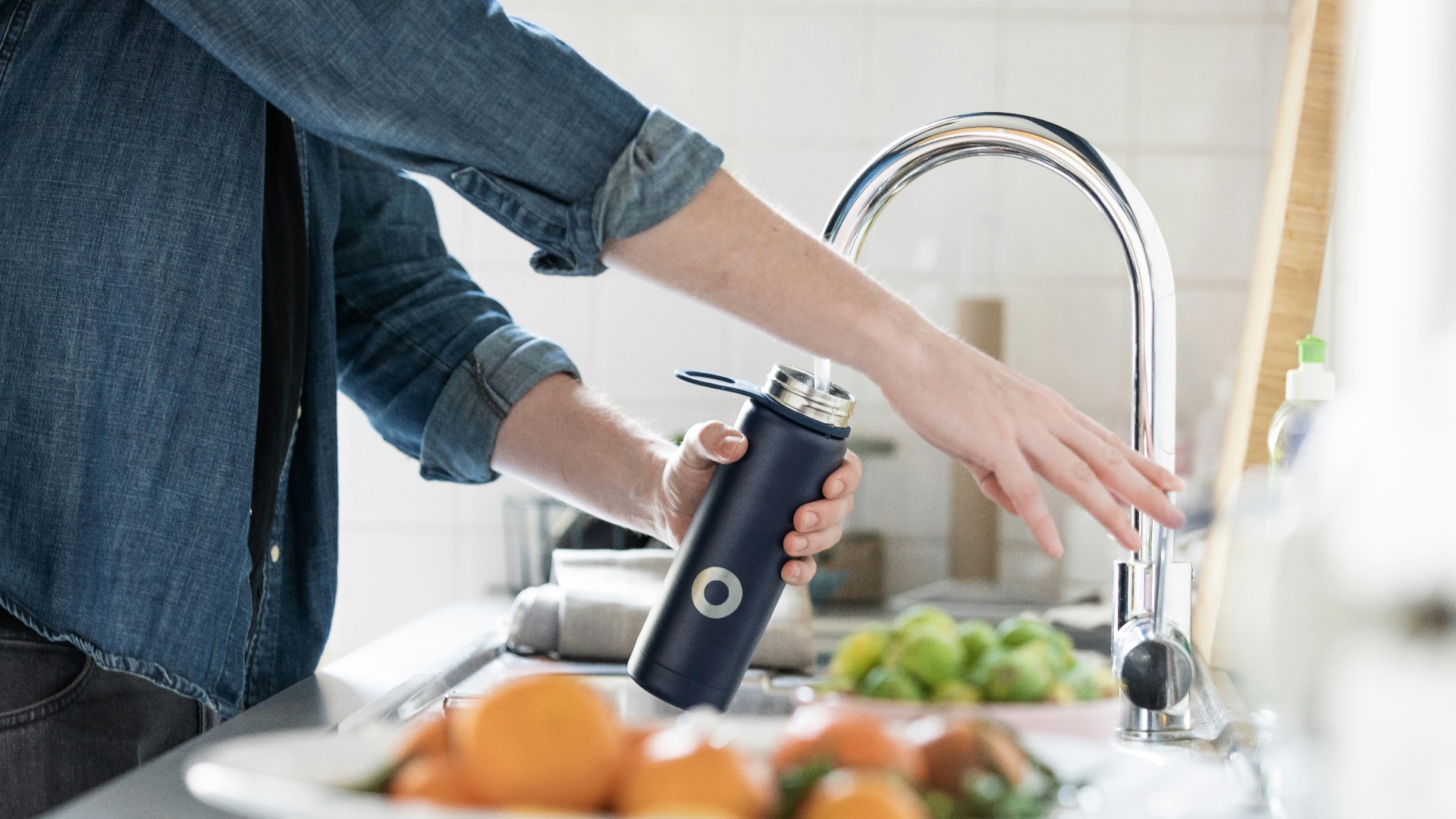
15. Use a Smaller Water Bottle on Purpose
This might sound off, but if you use a huge bottle, you might stay planted for long stretches because you rarely need to refill it. A smaller bottle means you have to stand up and walk to the sink more often, which creates movement breaks without you having to plan them. You’ll still hydrate, but you’ll also build in extra chances to get out of your chair.
16. Stand While You Scroll
When you catch yourself reaching for your phone, try doing it standing rather than sitting down. You can shift your weight, roll your shoulders, or do slow marches in place while you read, and it won’t feel like a workout, just a better default. This approach turns screen time into something less physically passive without asking you to give up anything you enjoy.

17. Turn Household Chores Into a Fast Session
Chores can become a surprisingly good activity boost if you do them with a bit more intention. Set a timer for 10 minutes, put away distractions, and move briskly as you vacuum, mop, tidy, or carry laundry, treating it like a short burst of focused effort. You’ll finish with a cleaner space and a little more breathing room in your body.

18. Do Heel-to-Toe Walks While Waiting
Waiting time often means standing still, but you can turn it into gentle movement that feels purposeful. If you have enough space, walk heel-to-toe in a straight line, keeping your posture upright and your steps controlled for balance. It’s a low-key way to stay active when you're just idling around.
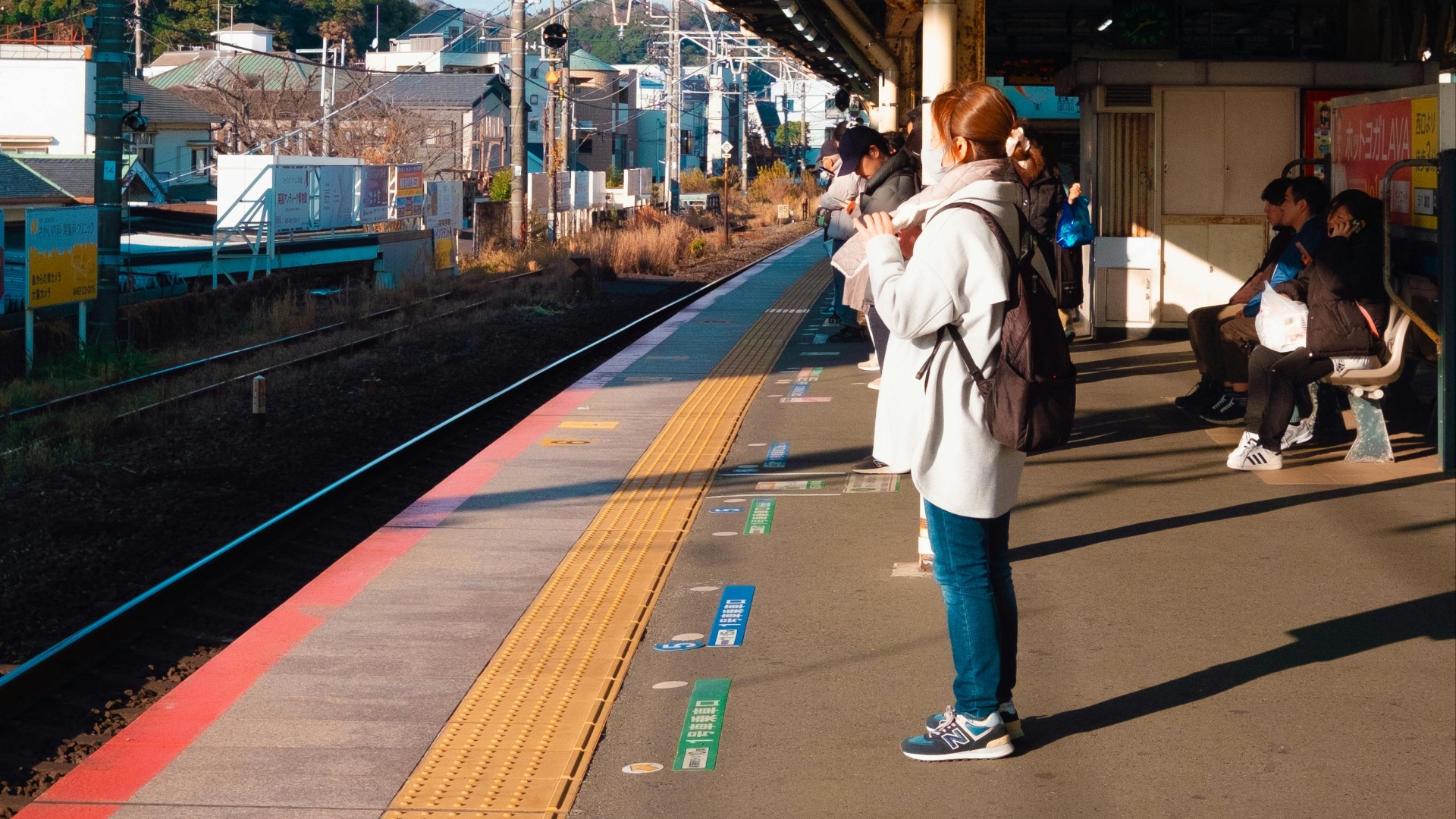
19. Schedule a Daily “Movement Appointment”
A daily 10-minute movement block is easier to follow through when you treat it like a real appointment. Put it on your calendar, choose a specific activity you can do almost anywhere, and keep the bar low so you’re more likely to show up. The point isn’t to go all-out, but to build a routine that survives busy days.
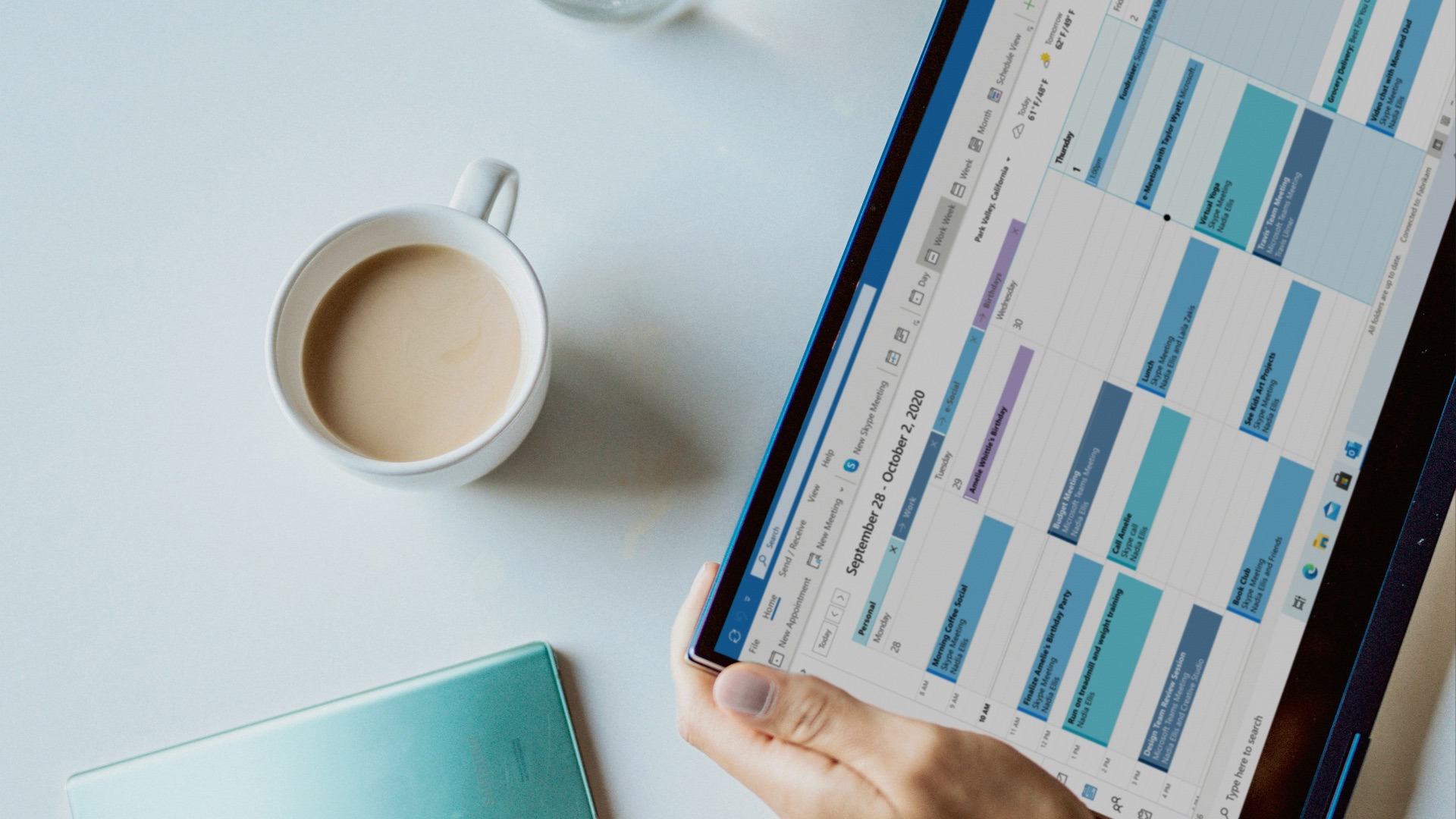
20. End the Day With a Short Walk Around the Block
A short walk in the evening is a simple way to add steps without the pressure of “working out.” Keep it relaxed, pick a route you’ll actually do, and treat it as a normal part of wrapping up your day rather than a big fitness project. Even a short, 15-minute stroll can help you feel better physically, and it’s a habit that tends to stick because it’s so simple.