
Morning or Evening?
Is it better to work out in the morning or at night? While there isn’t technically one “best” workout time for everyone, there are predictable perks to moving your body earlier versus later in the day. Your schedule, sleep, and energy patterns matter too, so the goal is to pick a window that fits your lifestyle and you can stick with. Either way, regular physical activity supports better sleep, mood, and overall health, so you’re not “doing it wrong” if your ideal time doesn't match up with someone else’s. Here are 10 benefits to working out in the morning, and 10 reasons you might shift your routine to the evening.

1. Less Chance Your Day Will Derail Your Plans
Getting your workout done early usually means fewer opportunities for life to interrupt it. Since meetings, errands, and random emergencies tend to multiply as the hours go on, a morning session can feel like a practical way to protect your consistency. By the time your day starts getting complicated, you’ve already checked the exercise box.
2. A More Consistent Routine Can Be Easier to Build
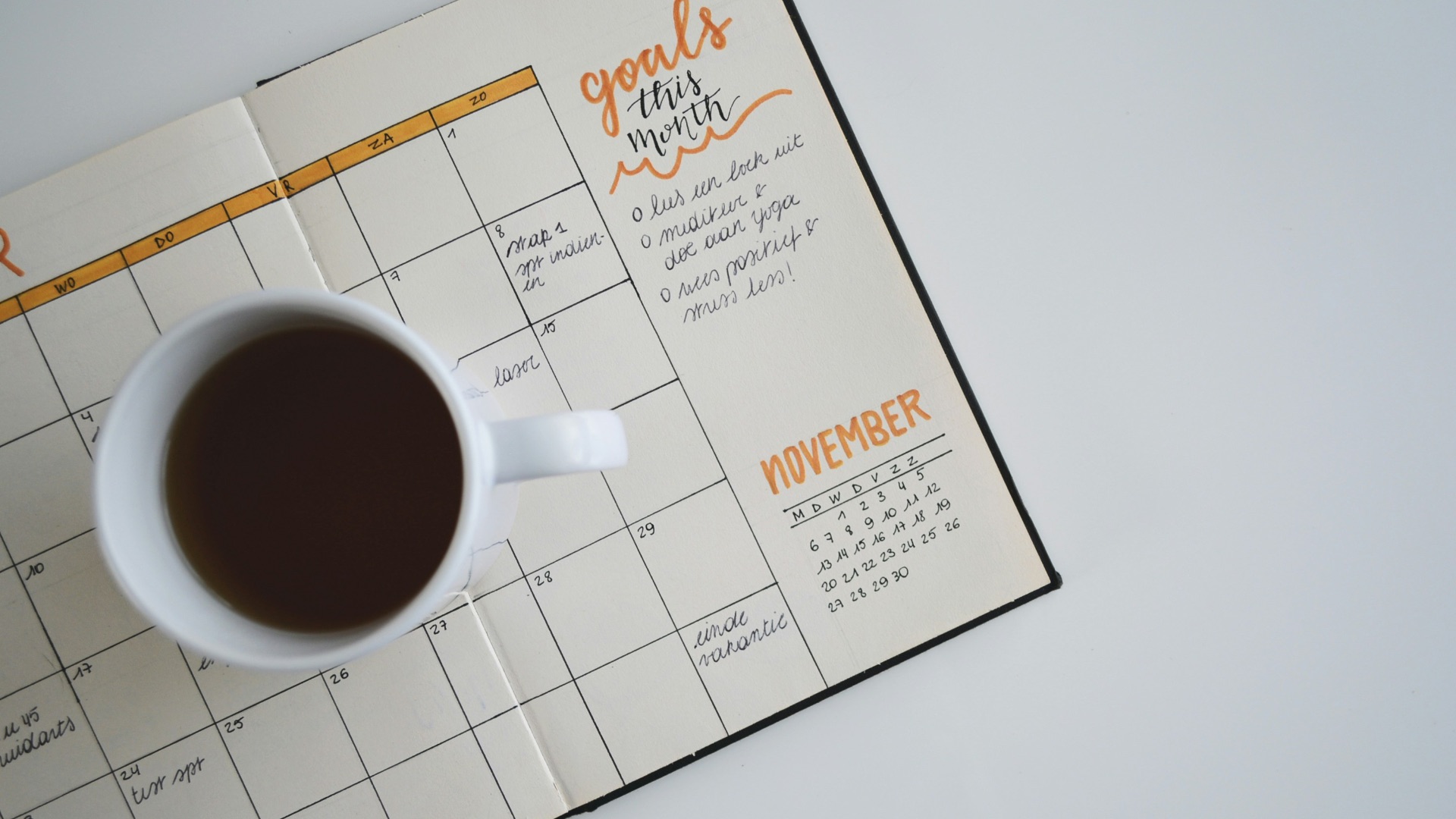
If you’re trying to turn exercise into a habit, repeating it at the same time can help your brain treat it like a default, not a decision. For many people, mornings are simply more predictable than evenings, which makes it easier to show up regularly.

3. Morning Light Can Support Your Circadian Rhythm
When your workout includes even a little outdoor time, you’re also getting exposure to natural morning light. That light helps regulate your internal clock, which influences how alert you feel during the day and how ready you are to sleep at night. Over time, pairing movement with early light can make your daily rhythm feel more stable.

4. It May Help You Sleep Better Later
Exercise and sleep tend to reinforce each other, but timing can matter if you’re sensitive to late-day stimulation. Training in the morning avoids the possibility that a hard session leaves you energized right when you want to wind down. If you’ve ever felt “tired but wired” at night, moving earlier can be the simpler workaround.

5. Appetite Can Feel Easier to Manage for Some People
Some people notice they’re less interested in grazing after a workout, and there’s research suggesting exercise can temporarily influence appetite signals. A morning session can place that appetite shift at the start of your day, which may make it easier to stick to whatever eating pattern works for you.

6. Fasted or Pre-Breakfast Workouts Can Change Fuel Use
Working out before breakfast can shift how your body uses fuel during and after exercise, at least that's what the research says in controlled studies. That doesn’t automatically translate to faster fat loss, but it can be useful to understand if you’re experimenting with training structure. If you try it, it usually feels better when the intensity is moderate and you’re well-hydrated.

7. A Helpful Option for Blood Pressure Goals
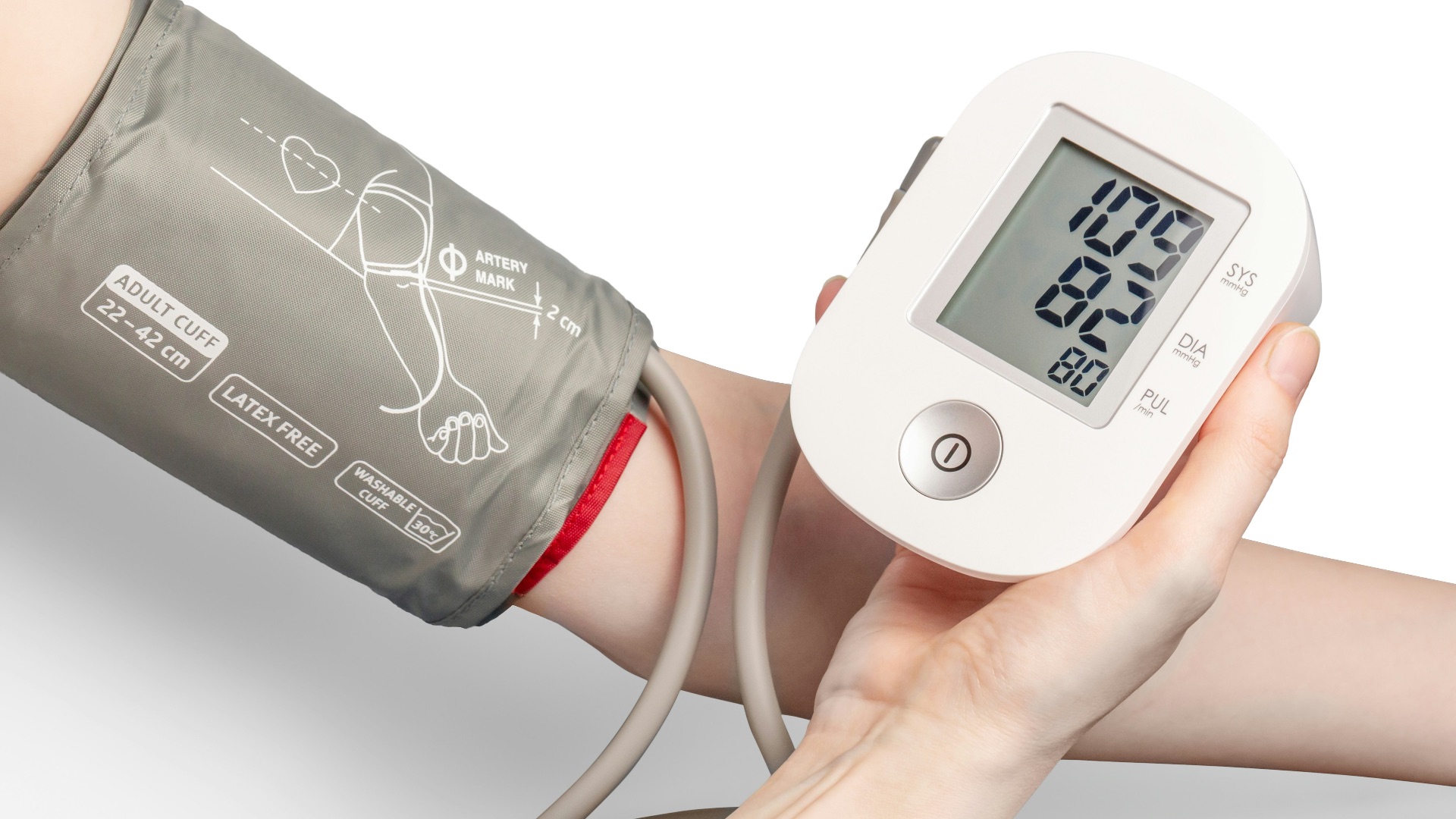
Regular physical activity supports heart health and is commonly recommended as part of blood pressure management. Morning workouts can be easier to keep consistent, which is honestly the biggest advantage when you’re thinking about long-term health markers. If you’re tracking blood pressure, the most meaningful timing strategy is the one you’ll actually keep doing.
8. A Clean Break from Early-Day Sitting
If your day starts with commuting, desk work, or scrolling, it’s easy to spend the first few hours barely moving. A morning workout interrupts that pattern right away, which can make the rest of your day feel less sedentary overall. Even if you still sit a lot later, you won’t have started the day stuck in one place.

9. Mood Benefits You Can Use All Day
Exercise is linked with better mood and reduced anxiety symptoms, and the short-term lift can show up pretty quickly. When you work out in the morning, you’re essentially giving yourself that benefit earlier, when it can influence how the day goes. It also means you’re not relying on “I’ll do it later” when you’re already mentally drained.

10. Evenings Open Up for Real Life
When your workout is already done, the later hours feel less like a negotiation between what you should do and what you want to do. That can be a big deal if your evenings include family responsibilities, unpredictable plans, or the simple need to rest. For a lot of people, the best part of morning training is that it makes the rest of the day feel more flexible.
Convinced yet? Before you get changed into your workout clothes, heart us out one more time. You might realize that exercising in the evening is actually the better choice.

1. Your Body May Be More Primed for Performance Later
A lot of people feel physically “online” later in the day, and there’s evidence that certain performance measures often peak in the afternoon or early evening. Core body temperature tends to be higher then, which can support movement efficiency and make intense work feel a bit more natural. If mornings consistently feel stiff or underpowered, evening training may simply match how your body operates.

2. Strength and Intensity Can Feel More Attainable
If you like lifting heavy or pushing hard, later sessions can be easier to fuel and execute. Having regular meals in your body can make a difference in perceived energy and willingness to tackle challenging sets or intervals.

3. Starting Can Feel Smoother After You’ve Been Moving All Day
Many people feel less stiff in the evening because they’ve already walked around, climbed stairs, and generally moved their bodies in some way. That can make the first 10 minutes of exercise feel easier on your joints. You still need a warm-up, of course, but the ramp-up often feels more comfortable.

4. Post-Meal Movement Can Help with Blood Sugar Control
Light-to-moderate activity after a meal has been shown to reduce post-meal blood sugar spikes in research. If your day naturally places dinner before your workout, that timing can work in your favor without extra planning. Even a brisk walk counts if a full workout isn’t realistic that night.

5. It Can Be a Reliable Stress-Release After Work
If your workday is mentally heavy, exercise can act like a reset button. Instead of carrying stress straight into your evening, you get a structured way to burn off tension and refocus. A lot of people find it easier to be present at home when they’ve moved first.

6. More Classes and Training Partners Are Available
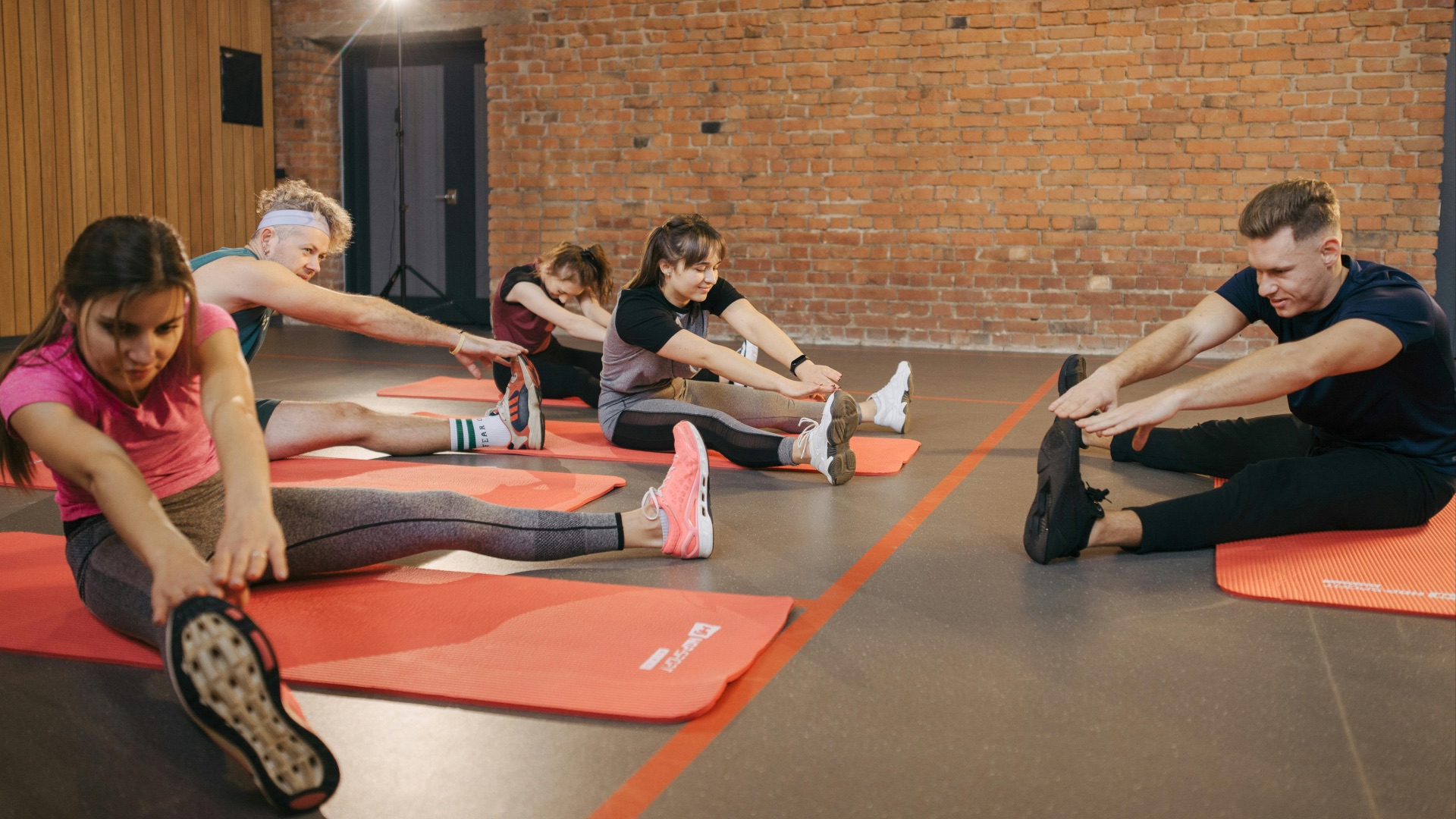
From gym classes to recreational sports, evenings are often when schedules overlap. That matters because built-in structure and social support make it easier to stick with an exercise routine. If you’re someone who needs accountability or just people to cheer you on, evening options can give you more of that.
7. You May Have More Time to Do It Properly
Morning workouts often come with a hard stop, which can encourage rushing or skipping important parts like warm-ups and cool-downs. In the evening, however, you might have more breathing room to train at a pace that feels complete rather than frantic. That can make exercise feel more enjoyable and, frankly, more sustainable.
8. It Doesn’t Automatically Ruin Your Sleep
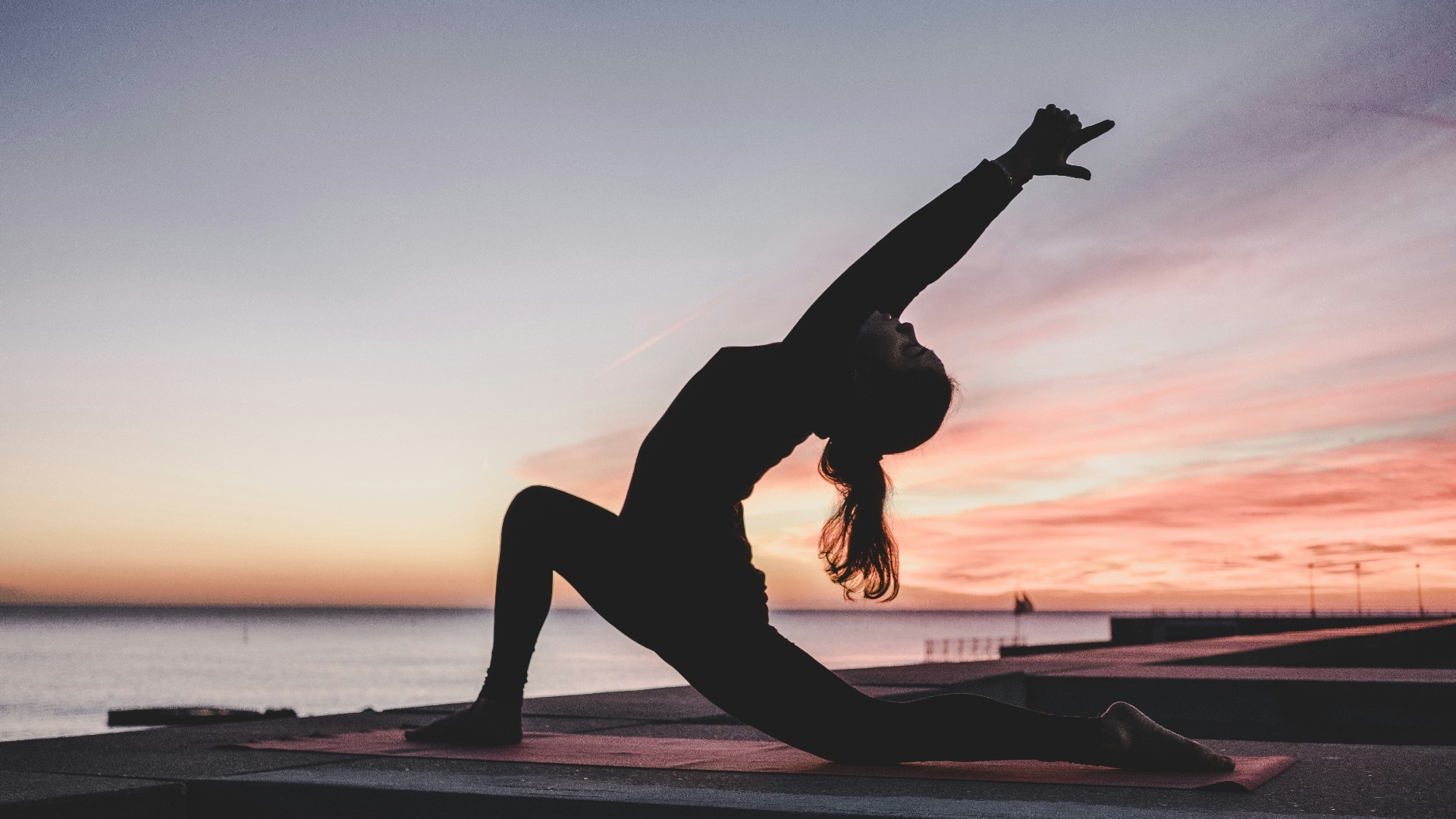
A common worry is that working out at night will destroy sleep, but broader evidence suggests that evening exercise often doesn’t harm sleep quality for most people. The bigger factor tends to be how intense the session is and how close it lands to bedtime. If you notice you’re sensitive to late training, adjusting the intensity or ending earlier is usually enough.

9. Fueling Can Feel Simpler and Less Fussy
Evening workouts often line up with regular eating patterns, which can make pre-workout nutrition feel more straightforward. If you’re not hungry early in the morning, later training avoids the “eat now or suffer” dilemma. You still want to pay attention to what sits well, but you’ll have more options.

10. It Can Protect Your Sleep When Mornings Are Too Early
If a morning workout cuts into your sleep, the trade-off can backfire, especially if you’re already running on less rest than you need. Choosing the evening can let you keep a more stable sleep schedule while still meeting exercise guidelines. In practice, protecting recovery is a smart strategy, not a lazy one.

KEEP ON READING



20 Natural Ways You Can Boost Your Immune System

20 Ways To De-stress & Relax After Work

The 10 Most Common Diseases & The 10 Most Rare