How “Just One More Bite” Gets Engineered Into The Package
Modern snack food doesn’t taste the way it does by accident. When people talk about willpower, they often skip the part where food companies hire sensory scientists, run focus groups, and fine-tune recipes so you keep reaching into the bag. That doesn’t mean every packaged food is evil, or that you’re broken for liking it, yet it does explain why certain foods feel weirdly hard to stop eating. Research on ultra-processed foods, including a well-known NIH-controlled feeding study led by Kevin Hall, suggests that highly processed diets can lead people to eat more overall, even when meals are matched for calories and nutrients on paper. Here are twenty common ways modern food pushes appetite in that direction.
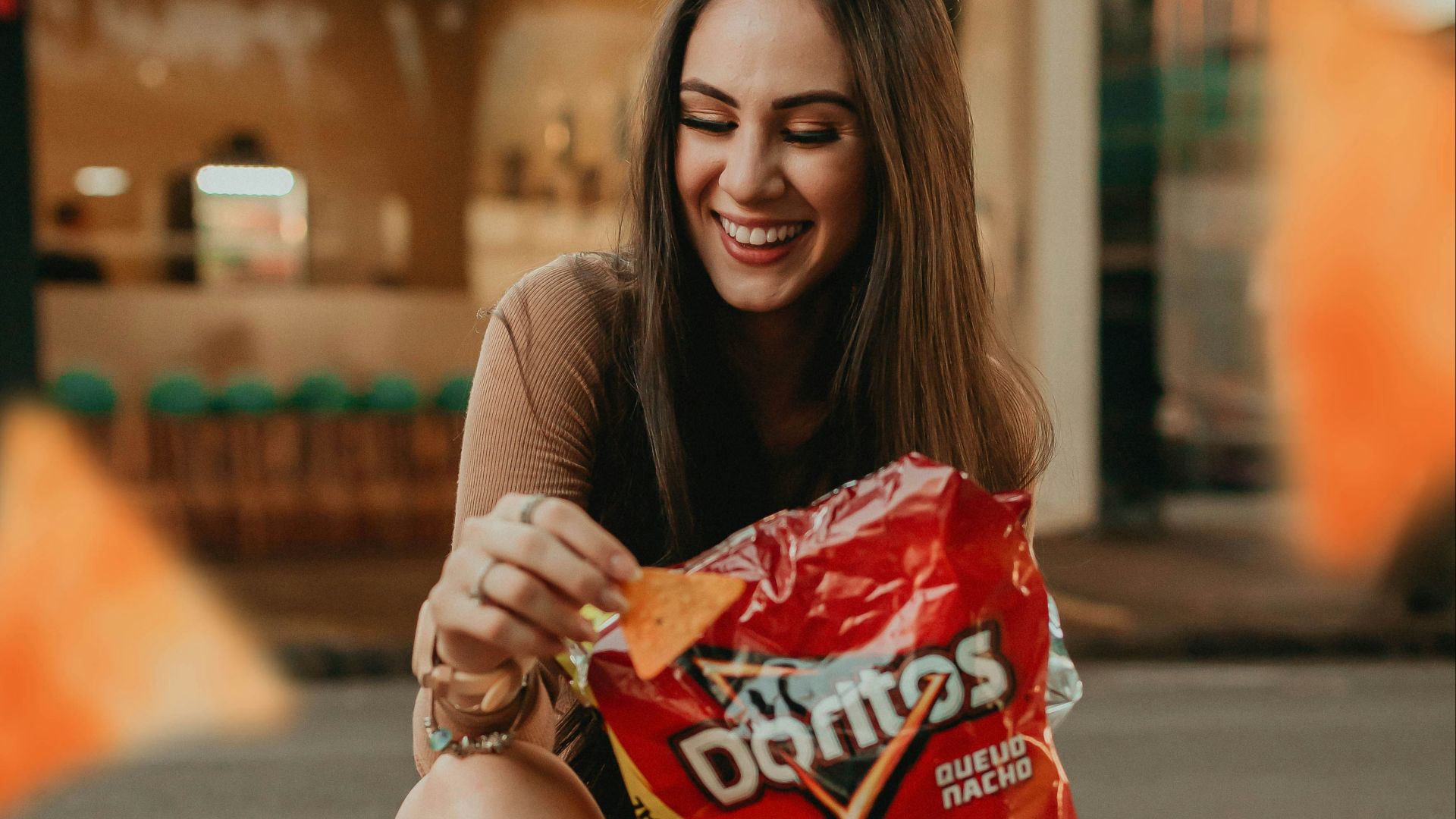
1. Perfected Salt, Sugar, And Fat Pairings
Many snacks combine salt, sugar, and fat in proportions that keep the flavor hitting without getting tiring. You don’t get one strong note that tells you to stop, you get layers that stay appealing bite after bite. The result is food that feels easy to keep eating past normal satisfaction.
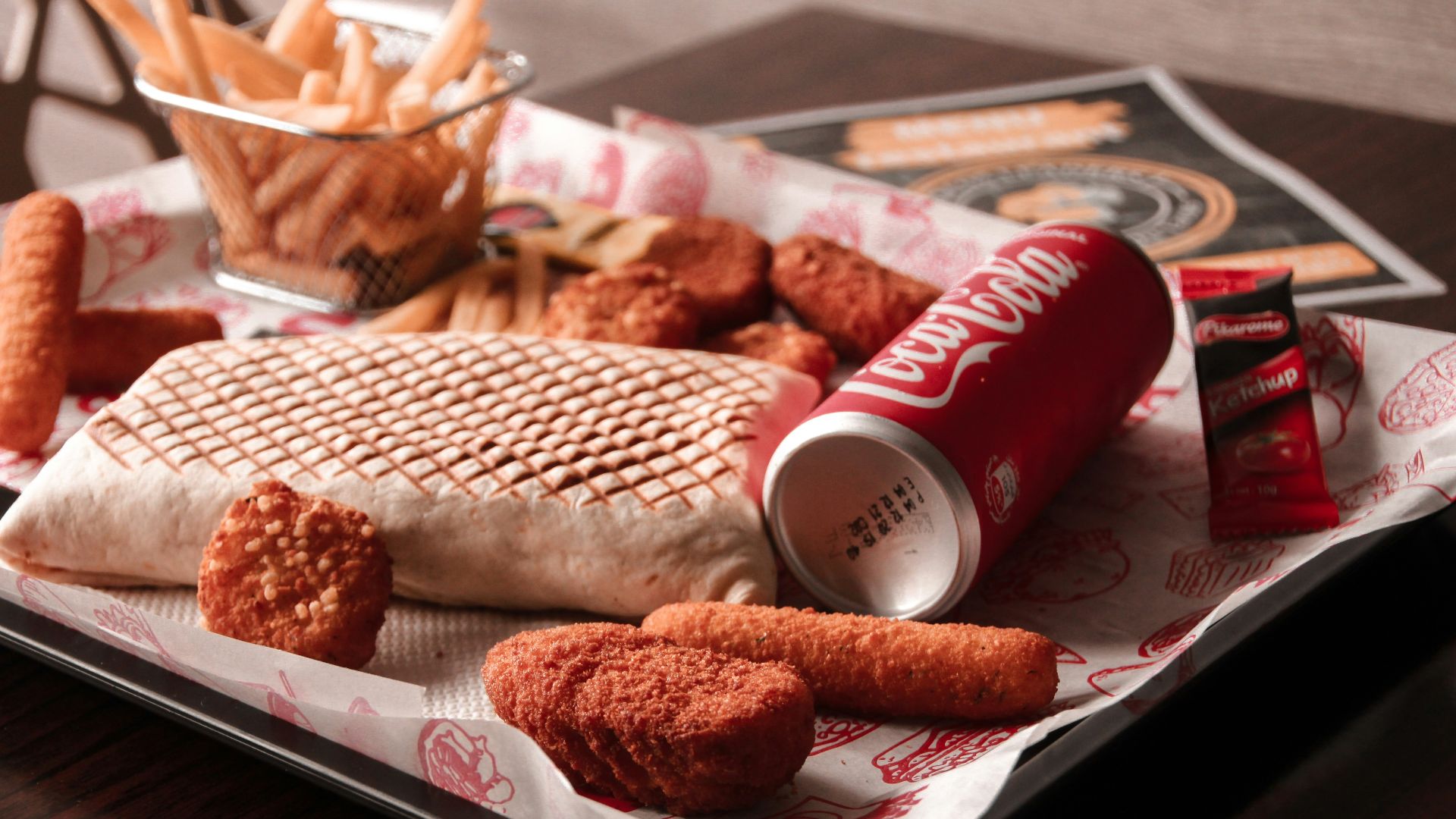
2. Texture That Keeps Your Mouth Busy
Crunch, snap, melt, and airy crispness are not just “nice.” They keep you engaged and give constant sensory feedback, which makes stopping feel less natural. Foods that dissolve quickly can also reduce the time your body has to register fullness.
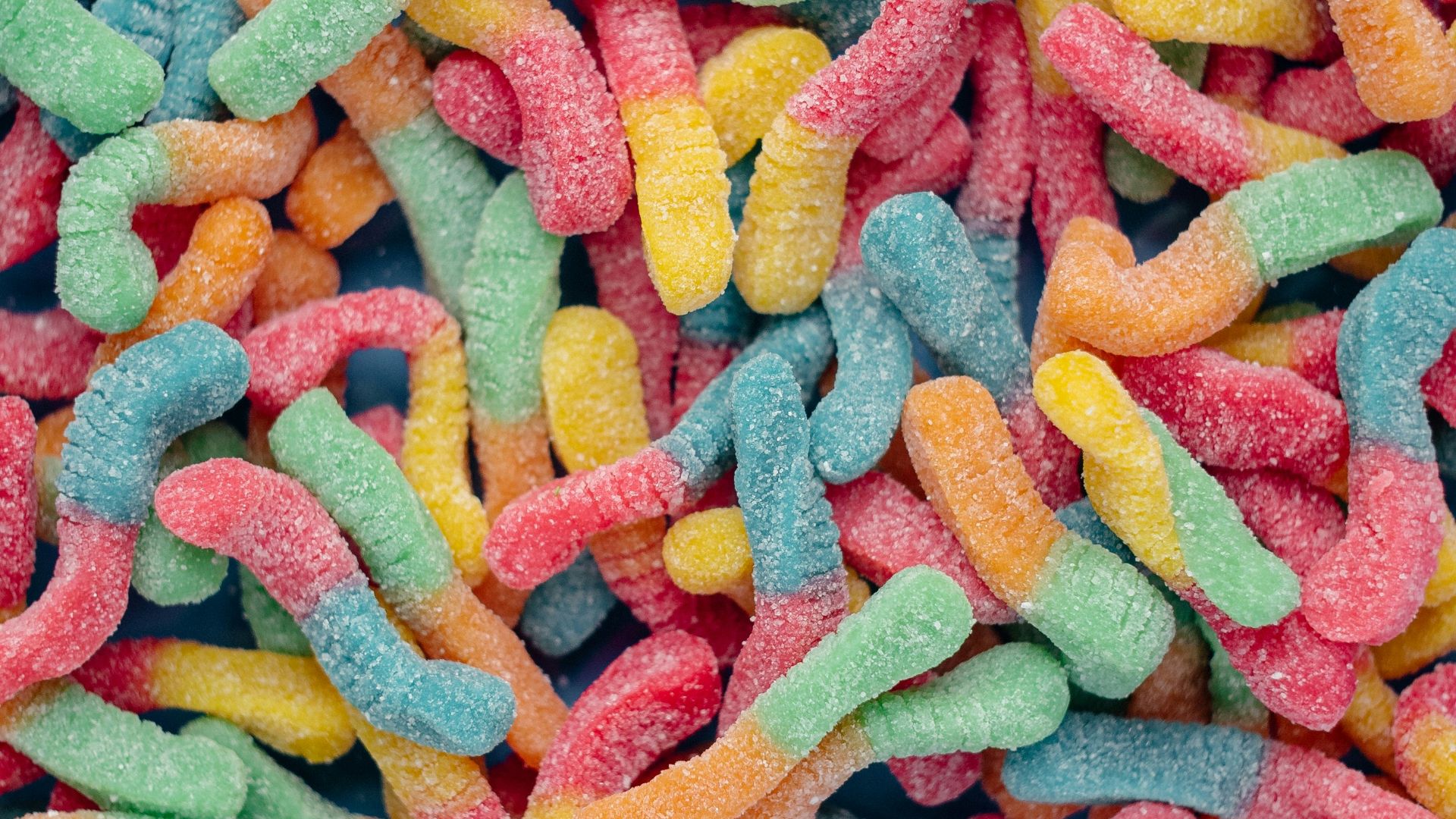
3. Fast Flavor That Arrives Before Fullness
A lot of snack food delivers flavor immediately, while satiety signals take longer to build. You can eat a big amount in a short window, especially when the food requires minimal chewing. By the time you feel satisfied, the serving is already gone.
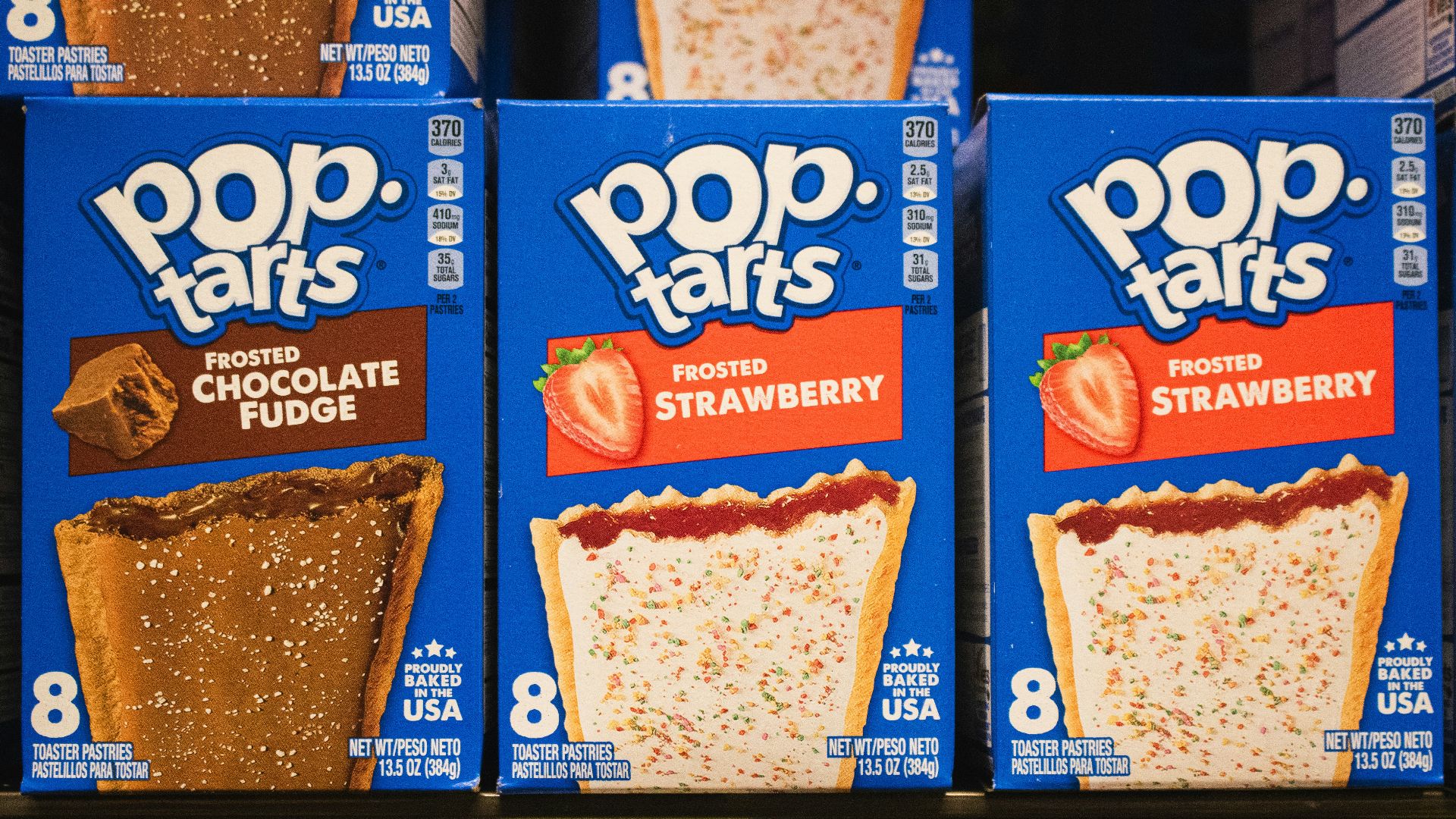
4. Low Fiber By Design
Fiber is one of the quiet drivers of fullness, and many modern snacks are made from refined grains or starches with the fiber stripped out. That makes them softer, lighter, and more shelf-stable, while also making them easier to overeat. Whole foods tend to slow you down, refined snacks tend to speed you up.
5. Protein That’s Missing Or Too Low To Matter
Protein supports satiety, and many snack foods keep it low because it’s expensive and can change texture. A cookie or chip-heavy snack can leave you looking for more food soon after. This is one reason “snacking” can feel endless even when calories add up fast.
6. Liquid Calories That Don’t Fill You Up
Sweet drinks, specialty coffees, and even many smoothies deliver a lot of energy without the same fullness as solid food. Research on beverage calories has repeatedly found they tend to be less satiating than calories eaten as food. When a drink becomes a snack, it’s easy to stack it on top of meals.
7. Flavors That Stay Loud Without Being Complex
Many packaged foods have bold, simplified flavor profiles that stay consistent from the first bite to the last. Complexity in food can naturally slow eating because you notice shifts and subtlety. Loud, steady flavor keeps the eating rhythm moving.
8. Added “Natural Flavors” That Boost Cravings
“Natural flavors” can mean a lot of different things legally, and they’re often used to intensify aroma and taste. Smell is a big part of what feels satisfying, so stronger aroma can make you want more even when the base ingredients are bland. This is especially true with sweet flavors and savory seasonings.
9. Sweetness That Escalates Your Baseline
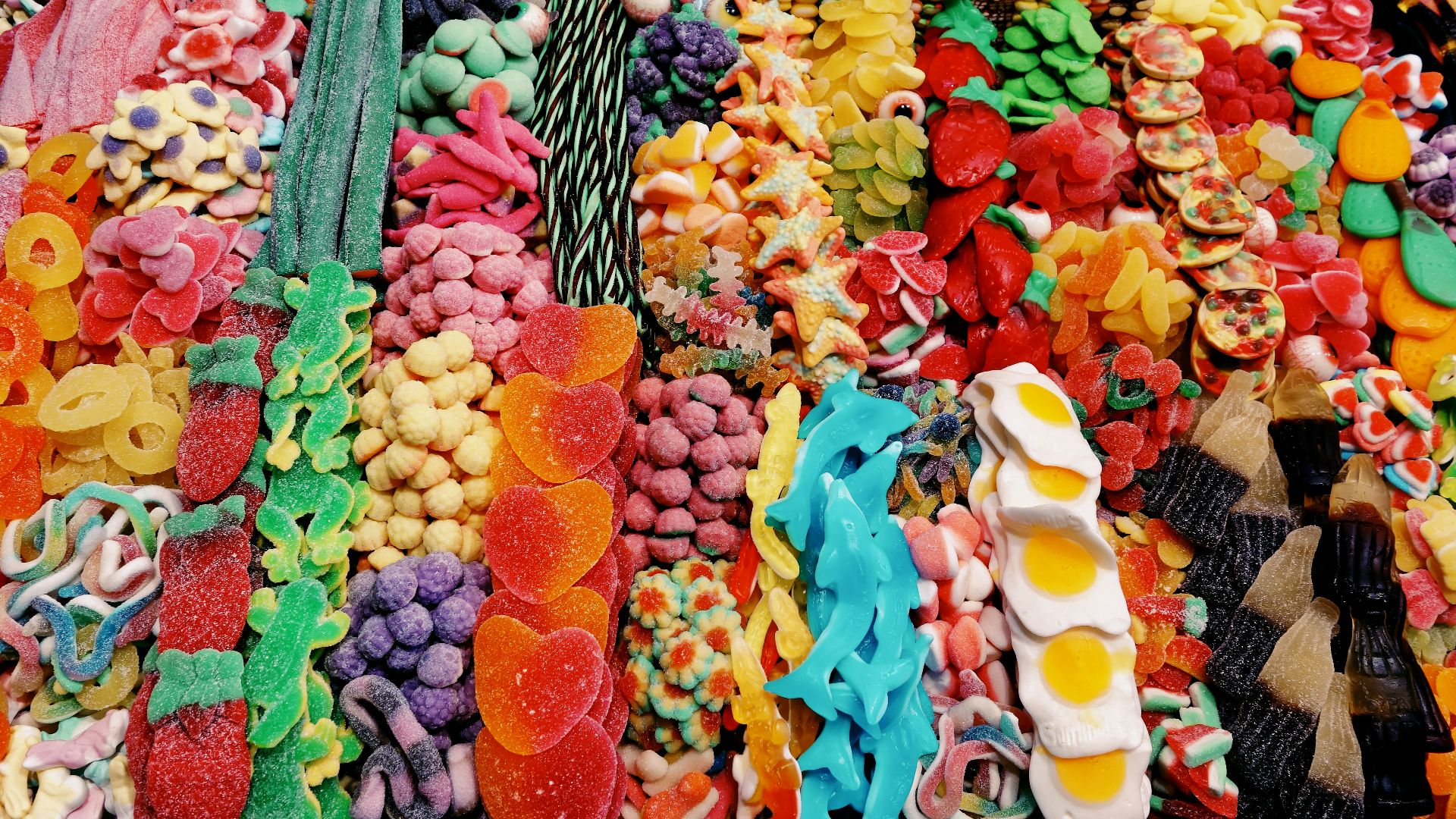
Regular exposure to very sweet foods can make less-sweet foods feel disappointing. That doesn’t require a dramatic “sugar addiction” story to be real in daily life. When your baseline shifts, fruit or plain yogurt can start tasting like a compromise.
10. Portion Sizes That Break Your Internal Meter
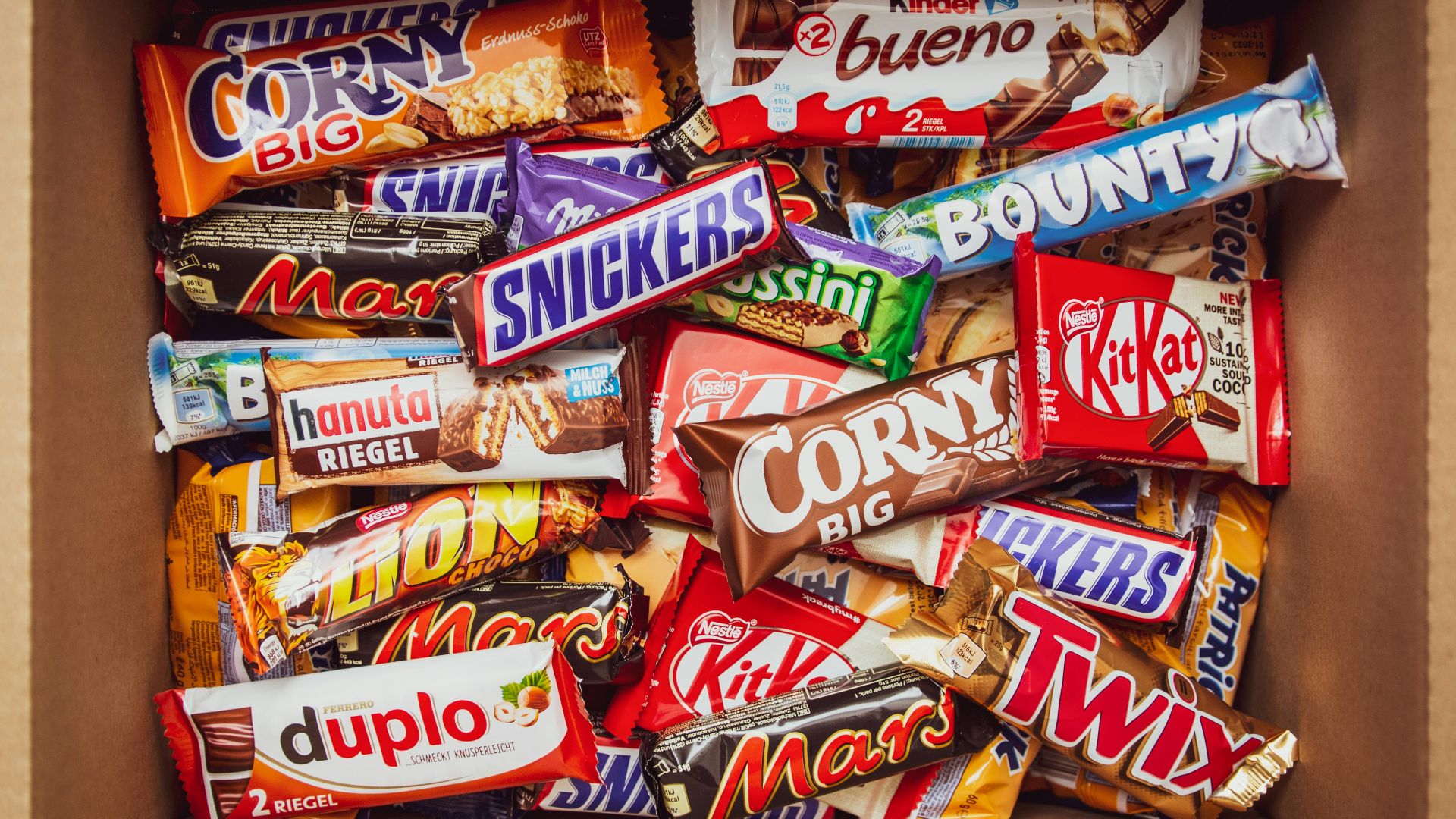
A “single” packaged serving is often smaller than what people actually eat, and a “share” bag quietly becomes a personal bag. Large portions normalize large intake, which can retrain what feels like enough. Once that happens, normal portions can feel like a tease.
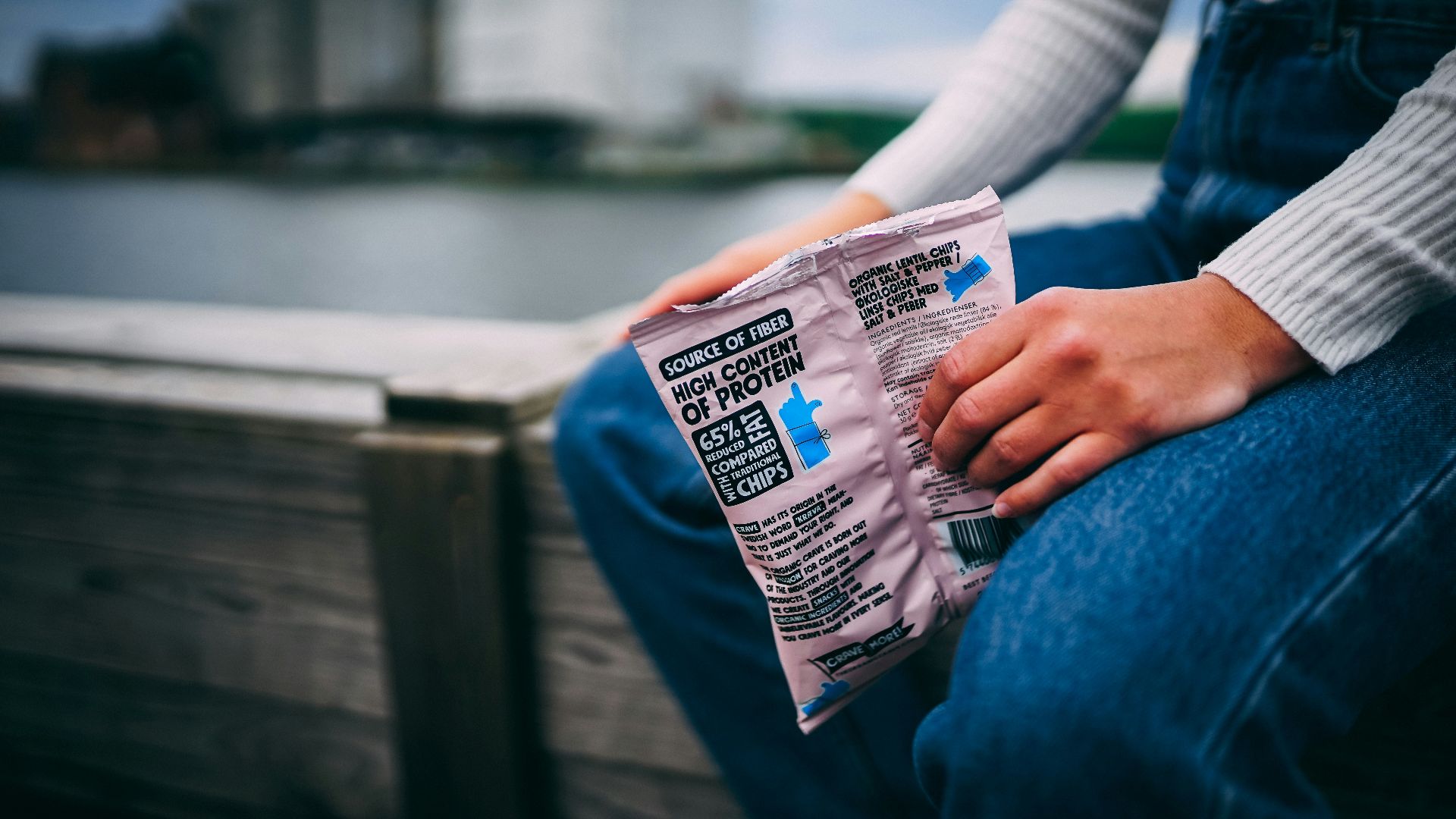
11. Packaging Built For Mindless Eating
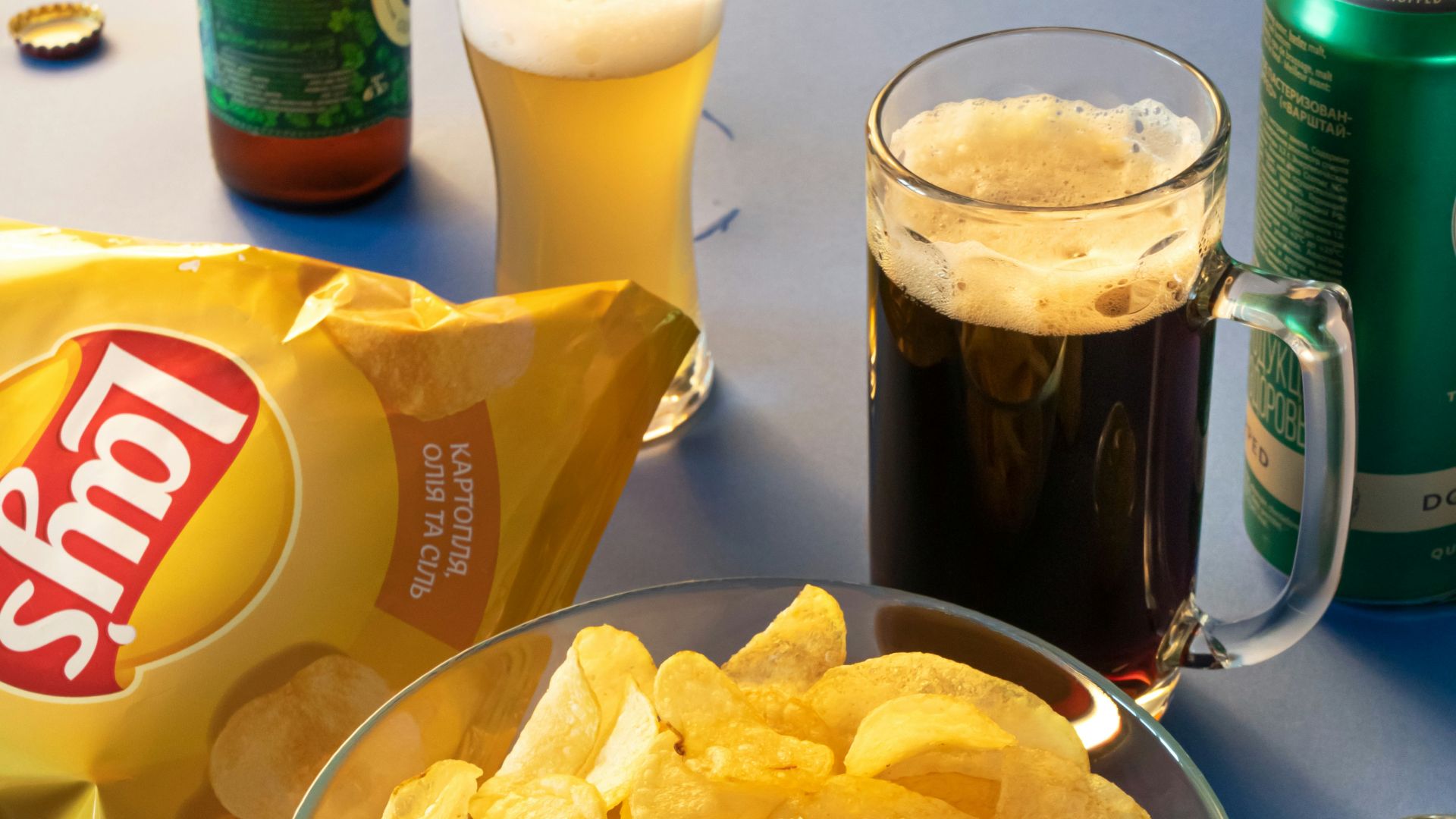
Resealable bags, wide openings, and containers that fit in cup holders keep food within reach. That convenience removes the small friction that sometimes helps you stop. When snacks are designed for constant access, constant access becomes the habit.
 Esperanza Doronila on Unsplash
12. Bright Colors And High-Contrast Shapes
Colorful snacks and coatings can make food feel more exciting, especially for kids, yet adults respond too. Visual novelty increases attention and can increase desire before a bite even happens. This is part of why “fun” foods often come in loud colors.
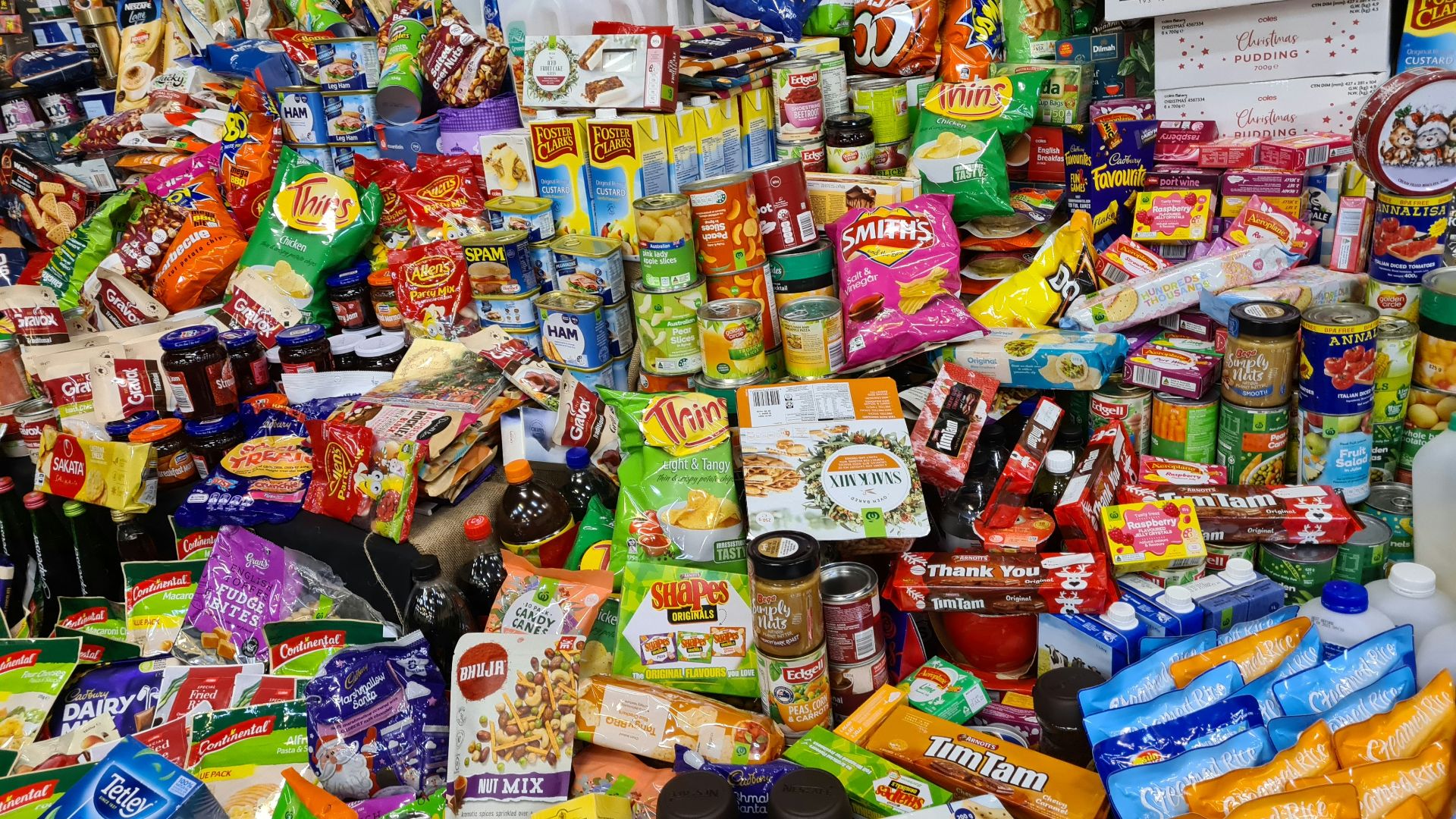
13. Marketing That Links Food To Identity
Food ads don’t just sell taste, they sell a version of you. Fitness branding, “clean” packaging, and wellness language can make frequent snacking feel responsible. When a snack feels like a lifestyle choice, it’s easier to justify repeating it.
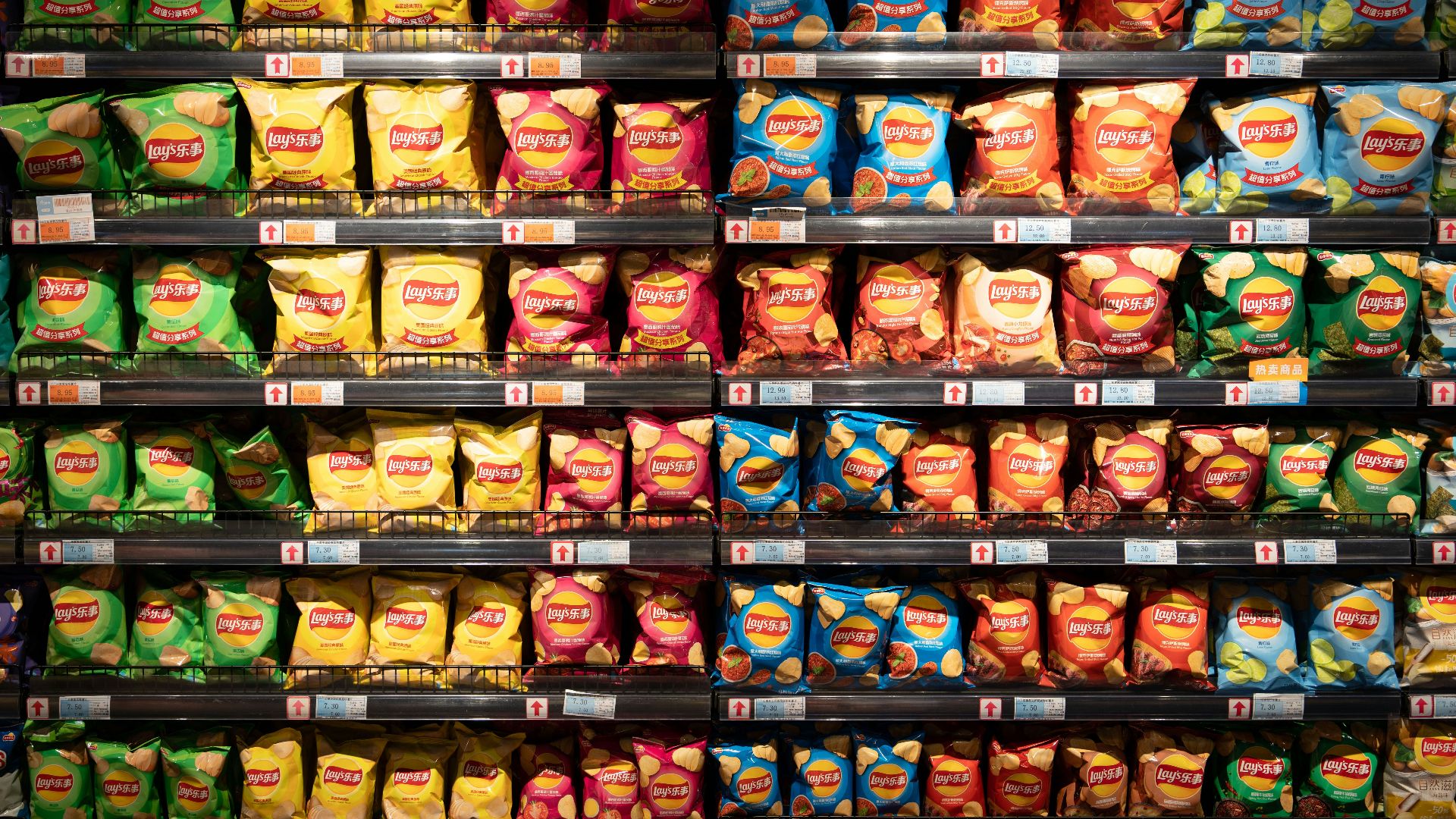
14. “Health Halo” Claims That Lower Your Guard
Labels like “gluten-free,” “organic,” or “made with real fruit” can be true while still describing a high-sugar, high-calorie food. Research on health halos shows that people often underestimate calories when a product sounds virtuous. The snack feels safer, so the portion grows.
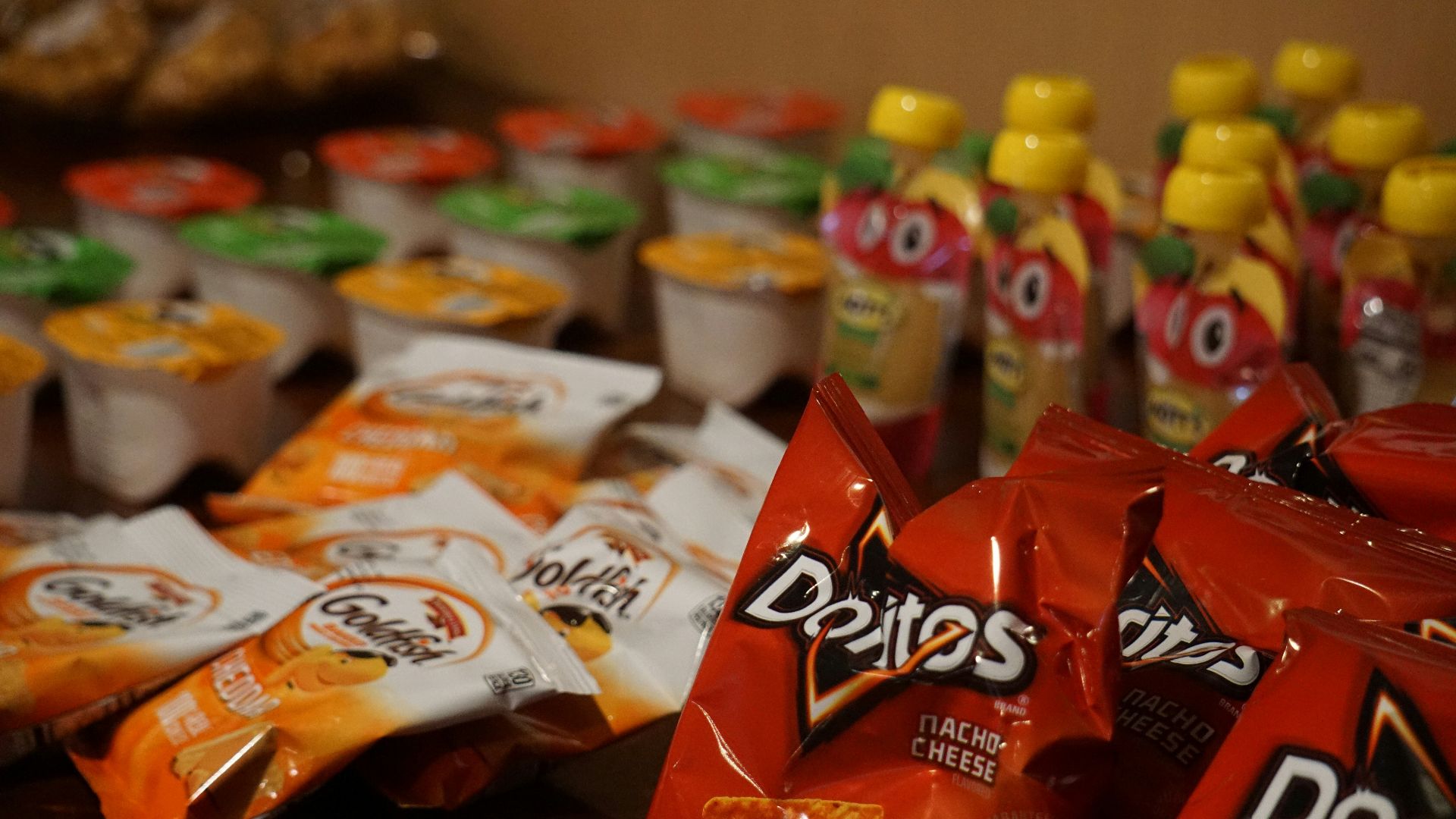
15. Sweet-Salty Cycling That Keeps You Reaching
Some snack patterns alternate sweet and salty, which keeps your palate from getting bored. You finish something salty and want something sweet, then the sweet makes you want a salty reset. This loop is common in grazing days that feel normal until you add it up.
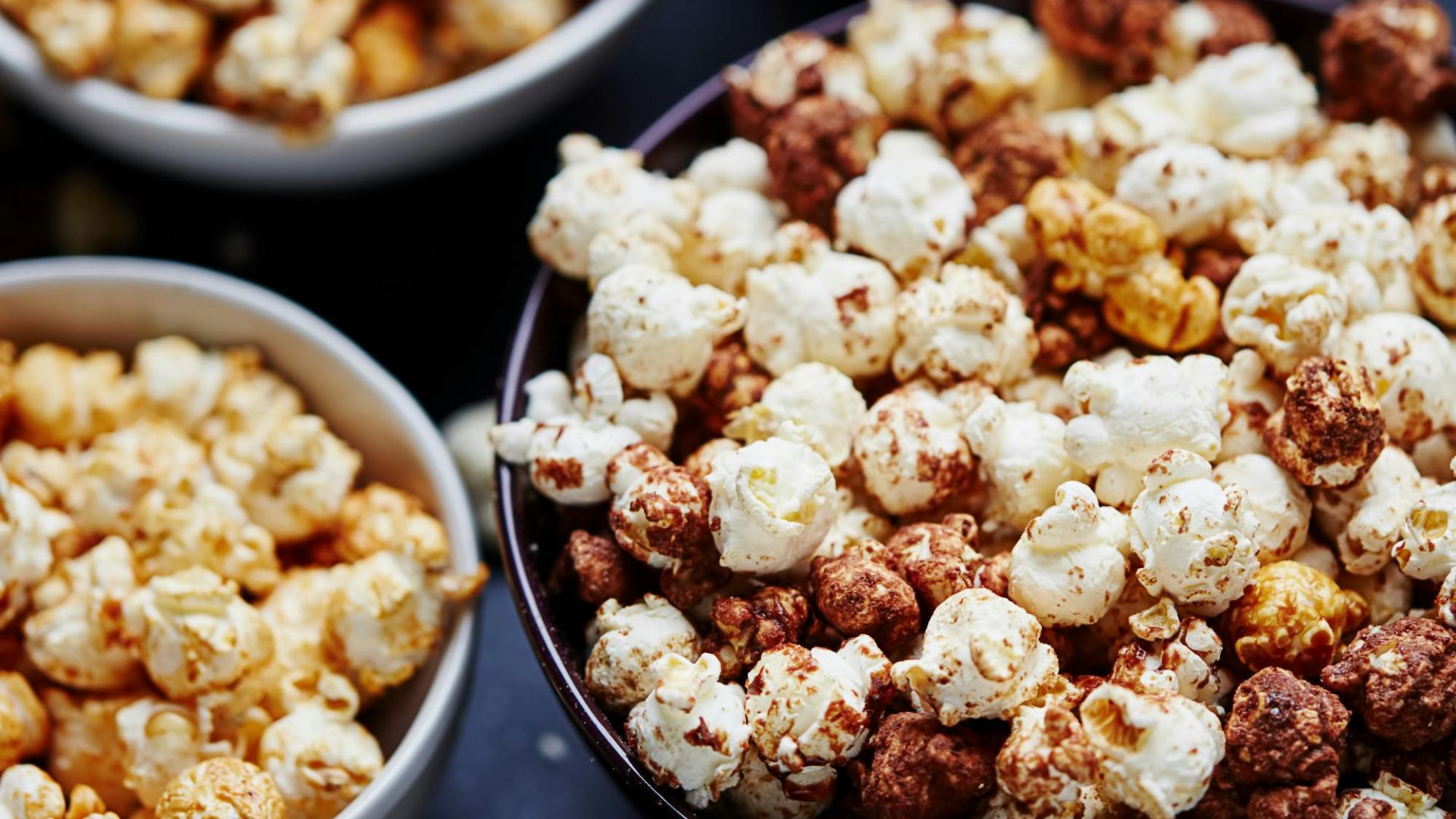
16. Heat And Spice That Distract From Fullness
Spicy snacks can encourage faster eating because the brain focuses on intensity, not satisfaction. Heat also pairs well with salt and acidity, which makes the next bite feel fresh even when you’ve had plenty. In practice, spice can extend the eating session.
17. Ultra-Processed Convenience That Removes Effort
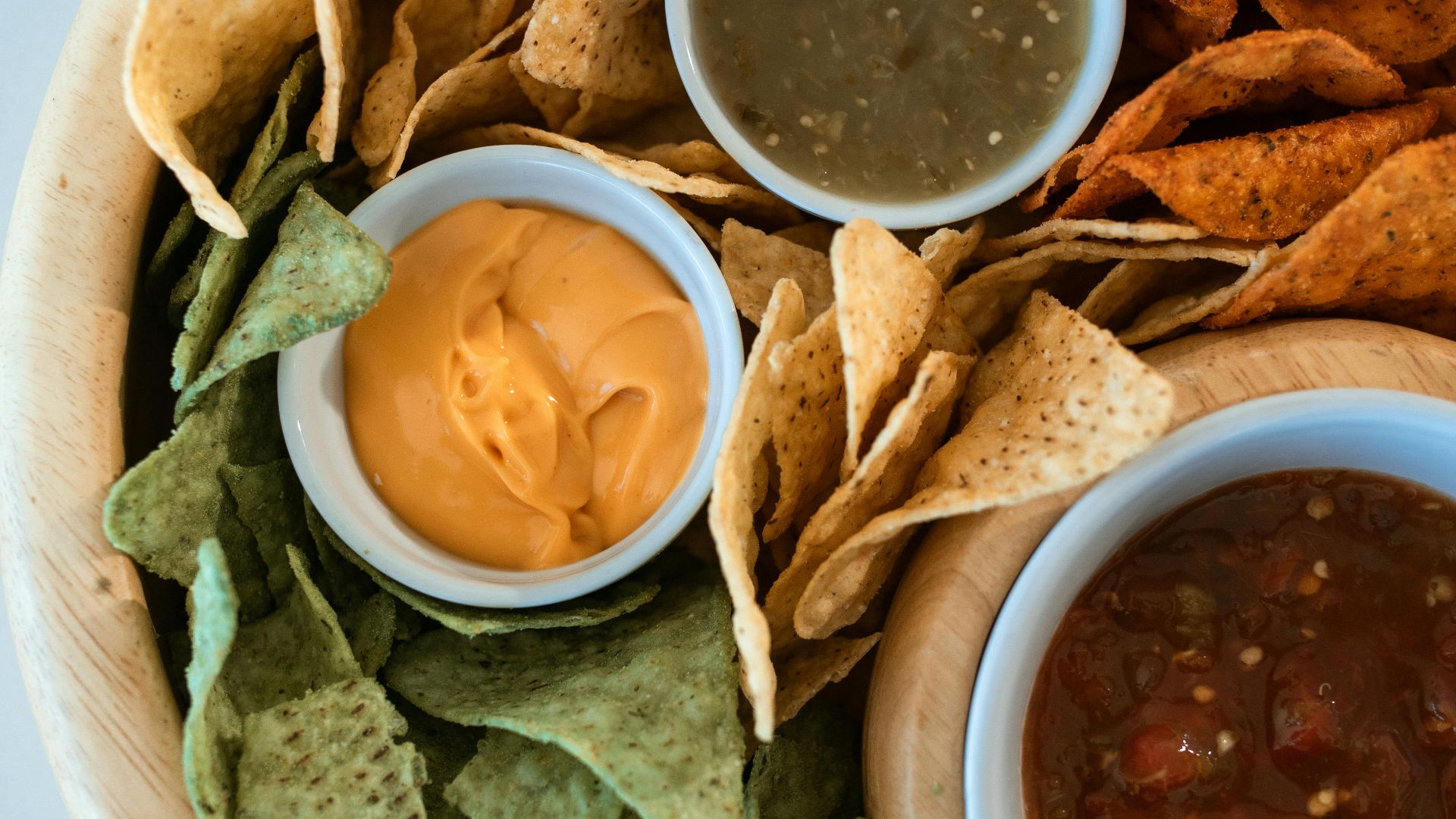
Effort matters. When food requires washing, chopping, or cooking, you get natural pause points that let hunger and fullness catch up. Ultra-processed snacks remove those pauses, and the NIH study on ultra-processed diets is part of why this issue gets taken seriously in nutrition science.
18. Eating Speed That Outruns Your Signals
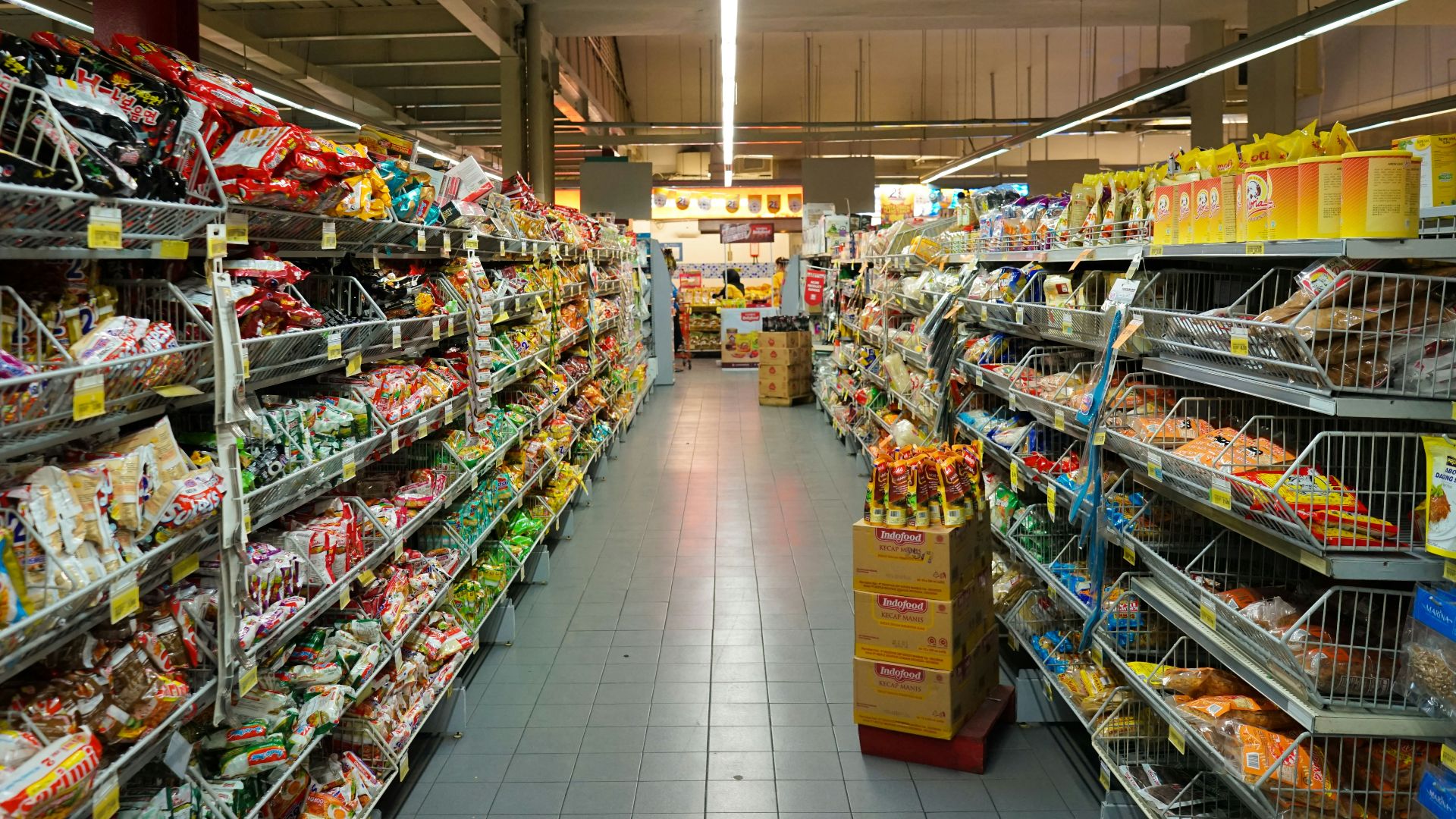
Many snacks are engineered to be easy to chew and swallow, which increases eating rate. Fullness hormones and stretch signals don’t kick in instantly, so speed gives appetite an advantage. Slower foods often feel more satisfying simply because they take time.
 gold touch nutrition on Unsplash
19. Constant Novelty Through Limited Editions
Rotating flavors and seasonal drops keep snacks from fading into the background. Novelty increases attention, and attention makes cravings feel sharper. Even when you’re not hungry, the “new” label can pull you into buying and tasting.
20. The Distracted Eating Environment They’re Made For
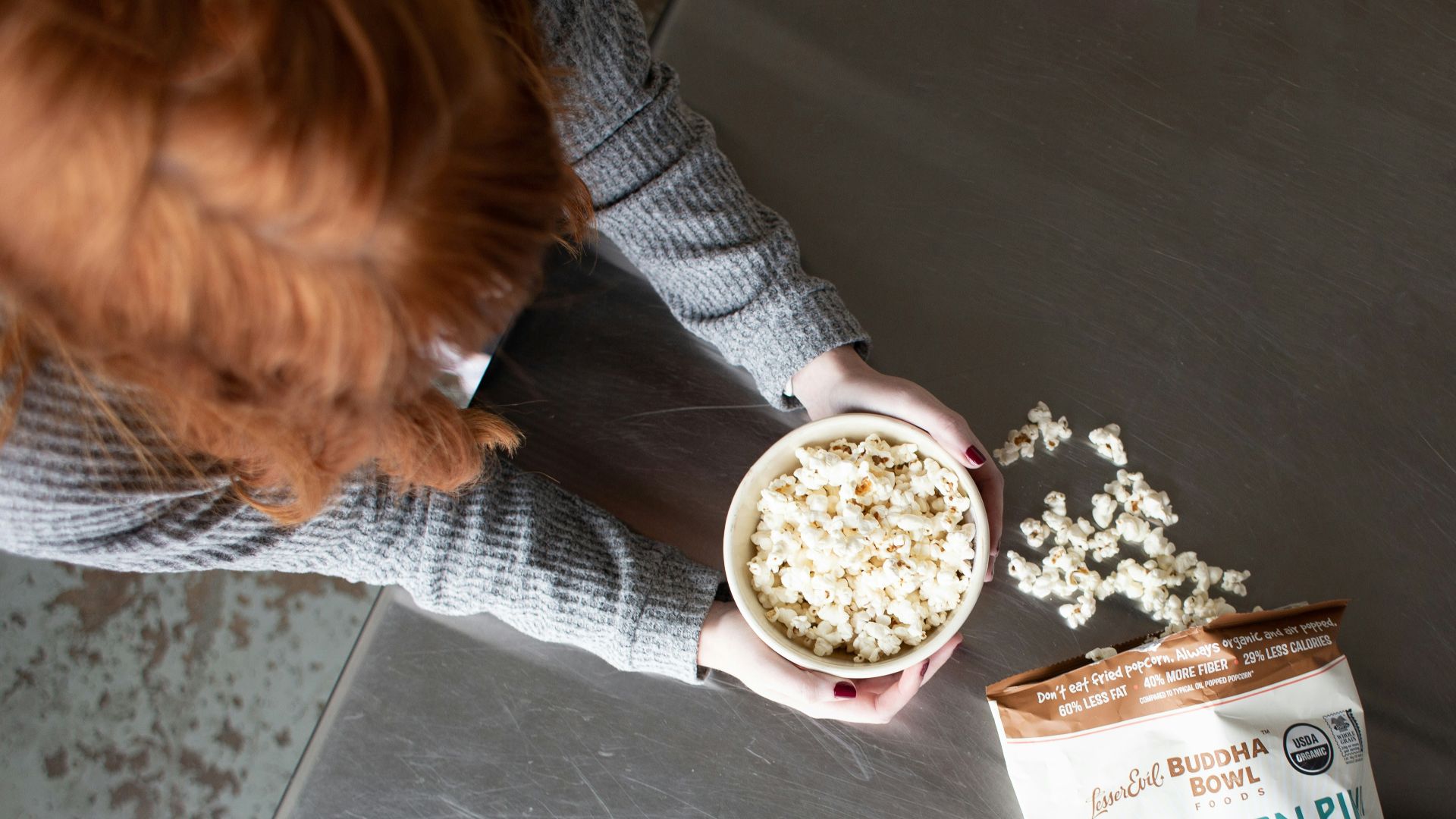
A lot of modern food is designed to be eaten while doing something else, especially scrolling, driving, working, or watching. Distraction reduces awareness of how much you’ve eaten and how satisfied you feel. When snacks fit perfectly into distraction, stopping takes more effort than starting.