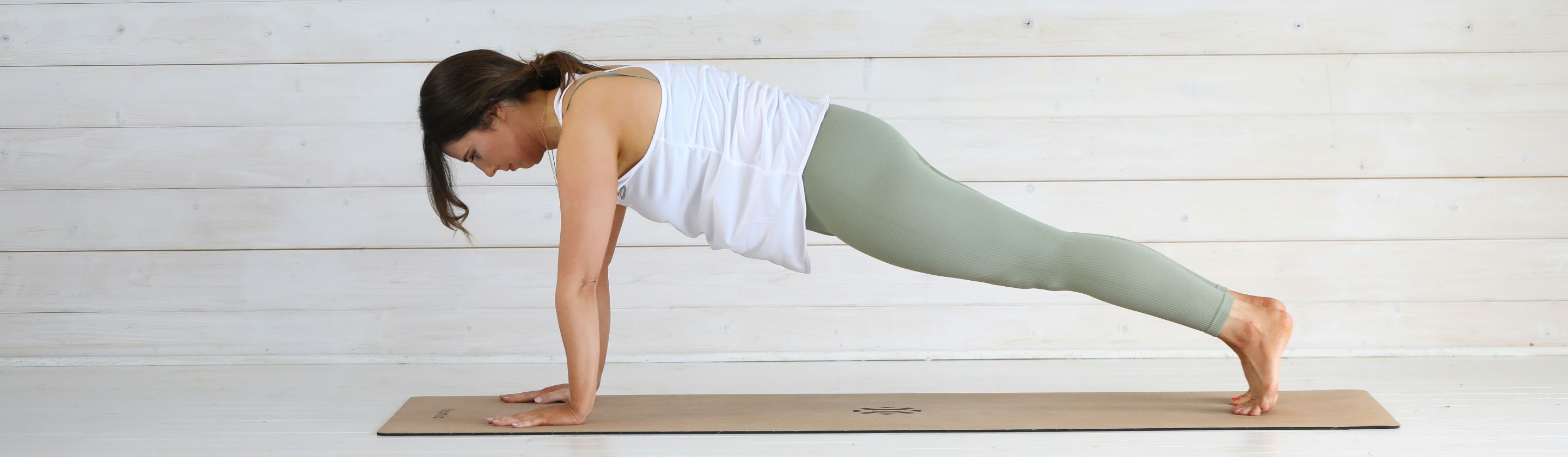
Strength that respects your joints
Strength training can support muscle, bone, balance, and day-to-day function at any age, and it does not have to feel punishing to be effective. Joint-friendly training usually means controlled reps, stable positions, and a range of motion you can own without pain. If you have arthritis, old injuries, or a body that gets cranky with high-impact workouts, these moves can help you build strength while keeping stress on your joints reasonable.
1. Chair Sit-to-Stand
Use a sturdy chair and stand up without “dropping” into the seat on the way down. Keep your feet about hip-width and aim your knees in the same direction as your toes. If your knees feel sensitive, sit on a slightly higher surface or shorten the range. You can hold a lightweight at your chest if you want a little bit more of a challenge.
2. Goblet Box Squat
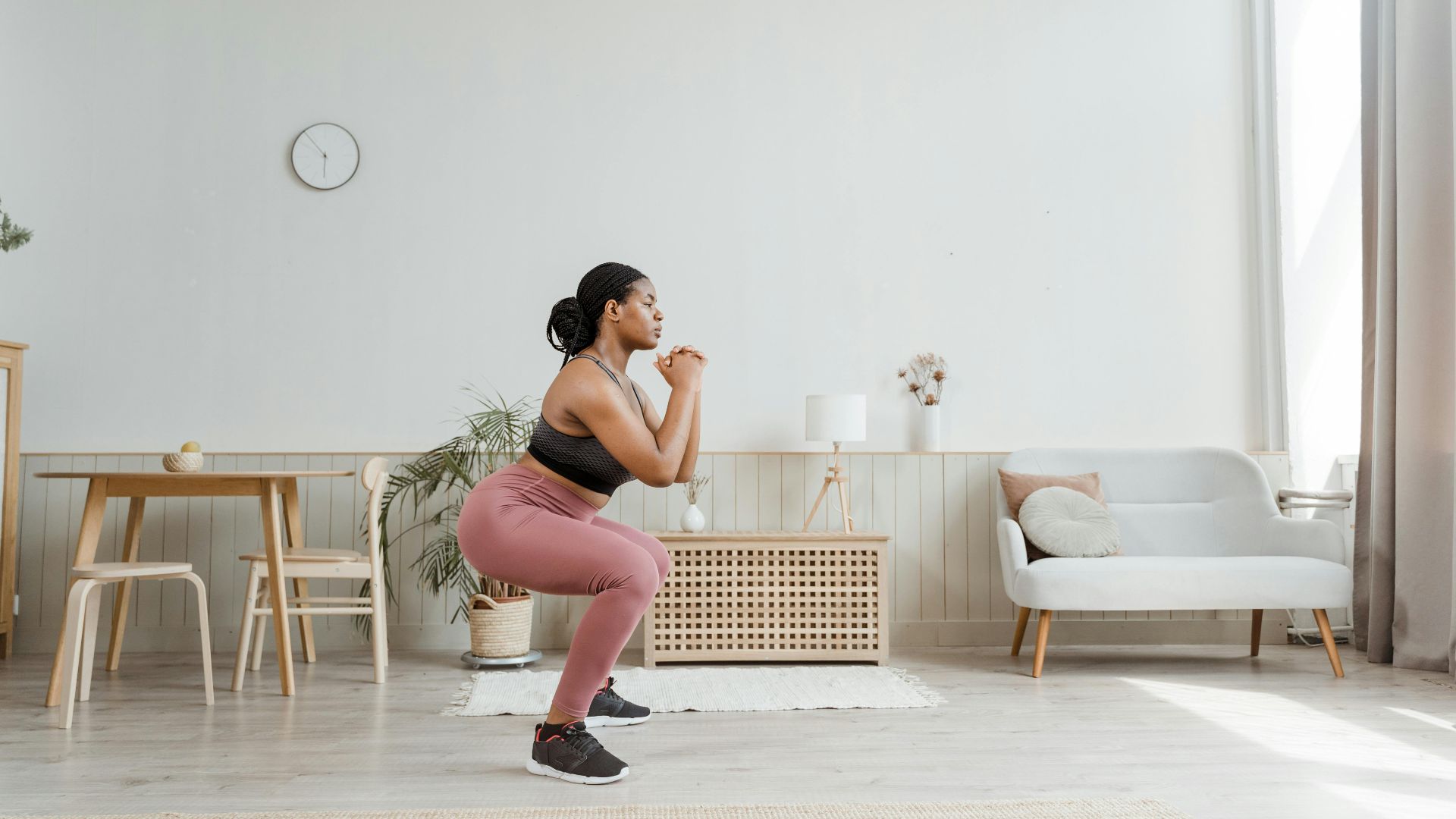
Squat down to a box or bench with a dumbbell held at your chest, then stand back up with control. The box gives you a consistent depth, which can reduce knee irritation. Keep your torso tall and focus on steady pressure through your whole foot.
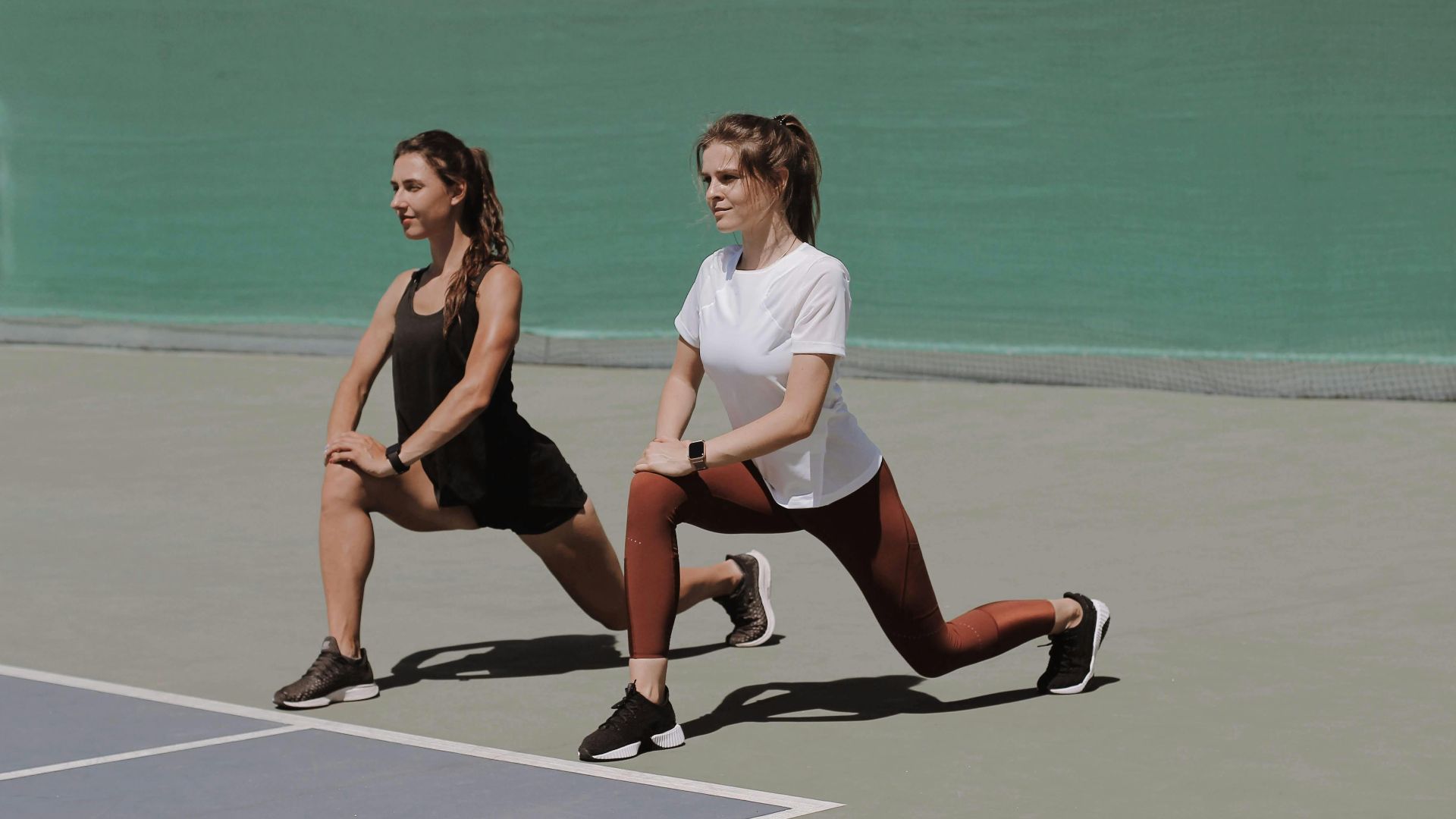
3. Supported Reverse Lunge
Step one foot back into a lunge while lightly holding a chair or countertop for balance. Reverse lunges often feel friendlier on the knees than forward lunges because the front leg stays more stable as you step back. Keep your front knee tracking over your toes and stay tall through your torso.
4. Low Step-Up
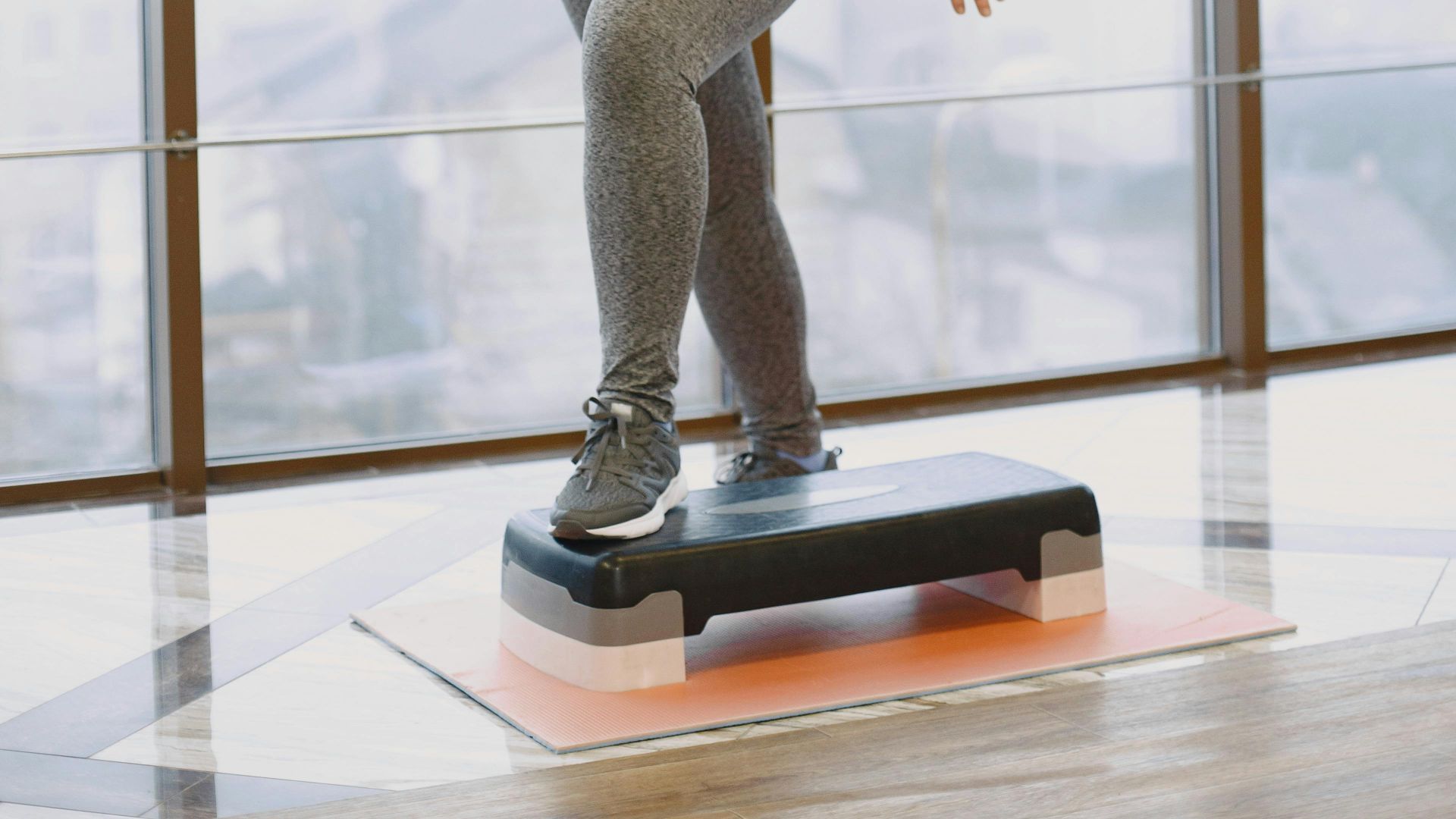
Step onto a low platform or stair and stand fully, then step down slowly. This builds leg strength and stability without the impact of jumping, and the height can be adjusted to match your comfort. Use a railing or wall for support if balance is a factor.
5. Elevated Deadlift
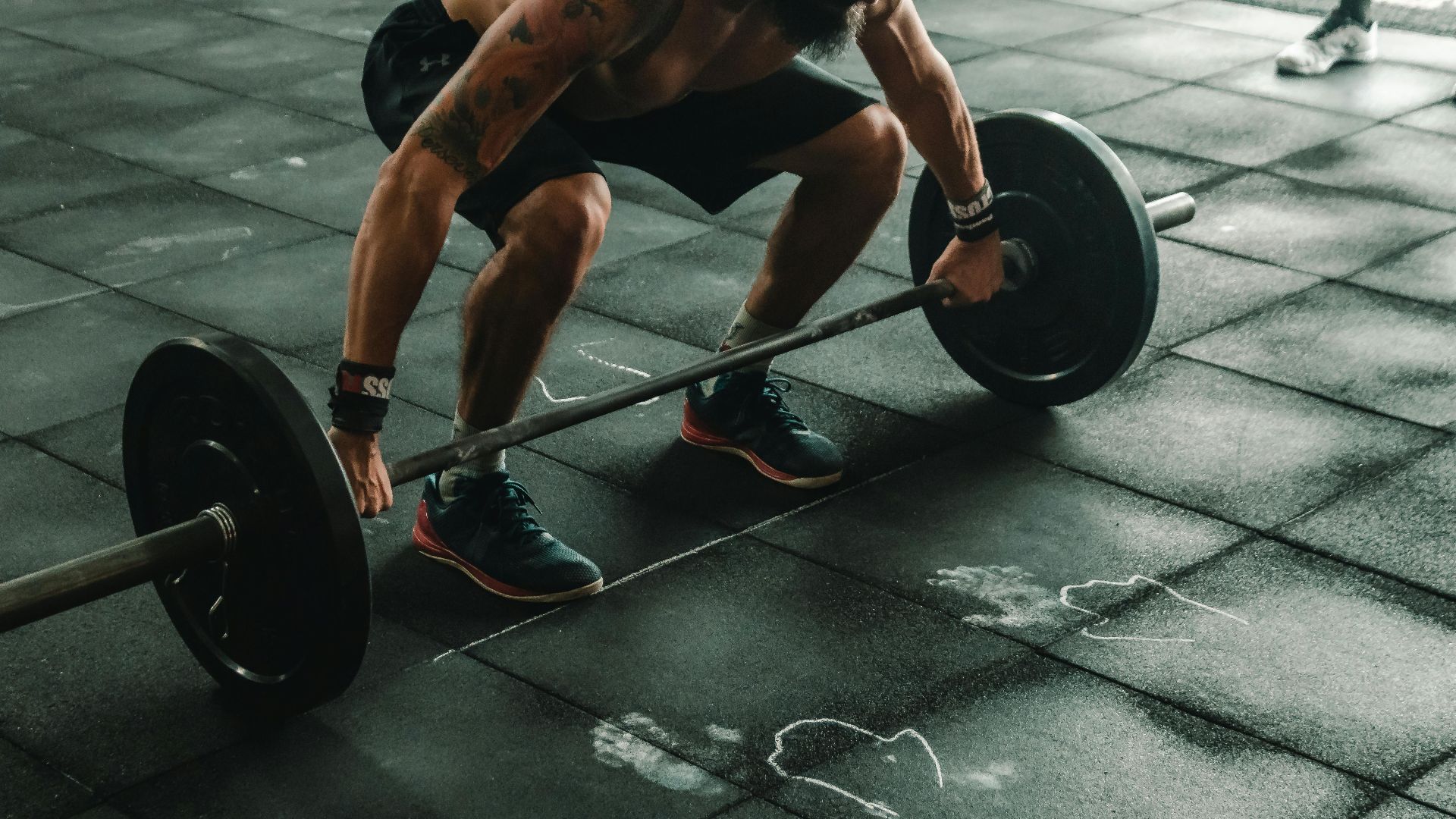
Set a dumbbell or kettlebell on a step or sturdy platform so you do not have to reach as low. Hinge at your hips with a neutral spine, grip the weight, and stand up by pushing the floor away. Elevating the load reduces strain if your hips, back, or hamstrings are tight.
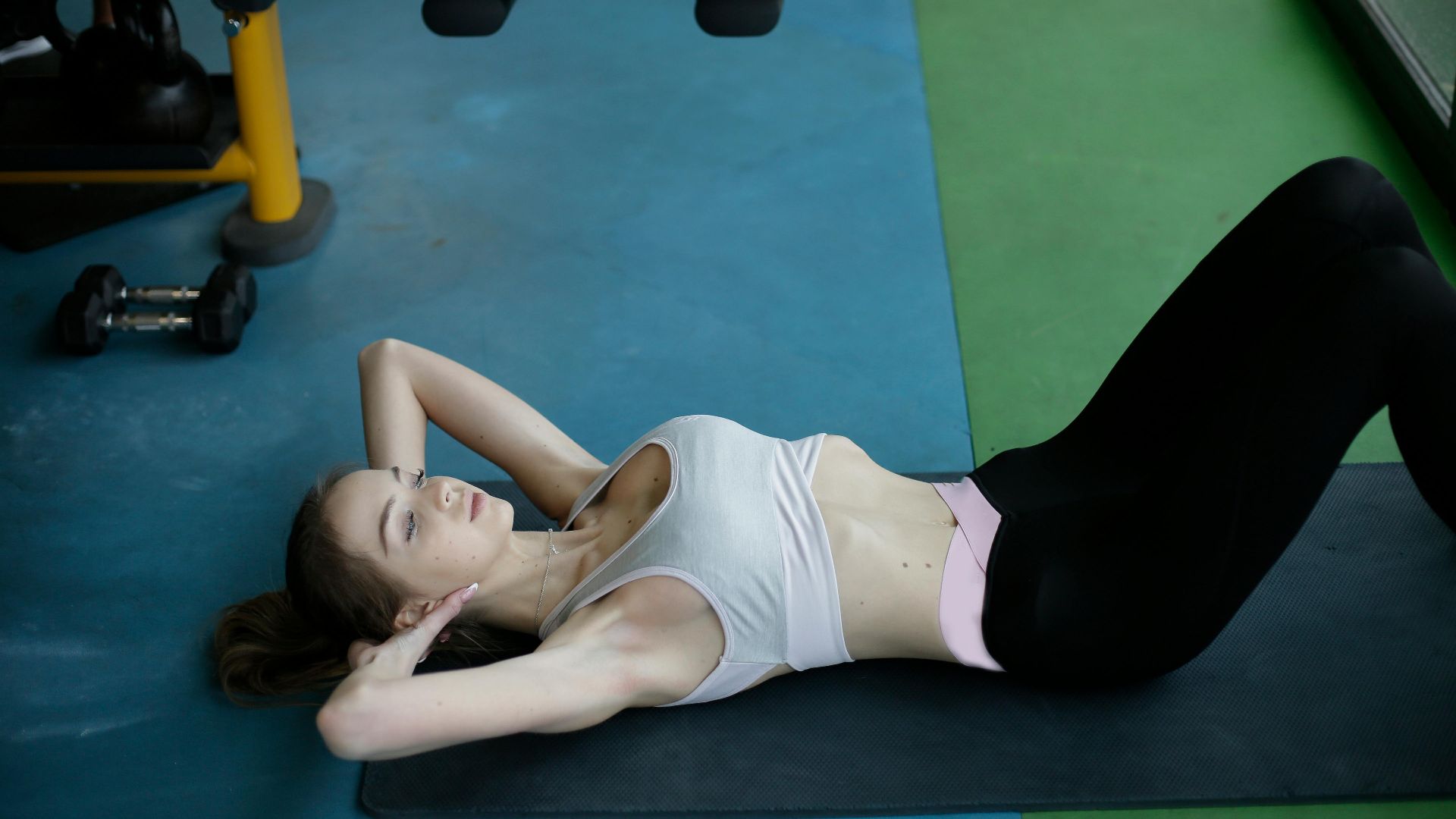
6. Glute Bridge
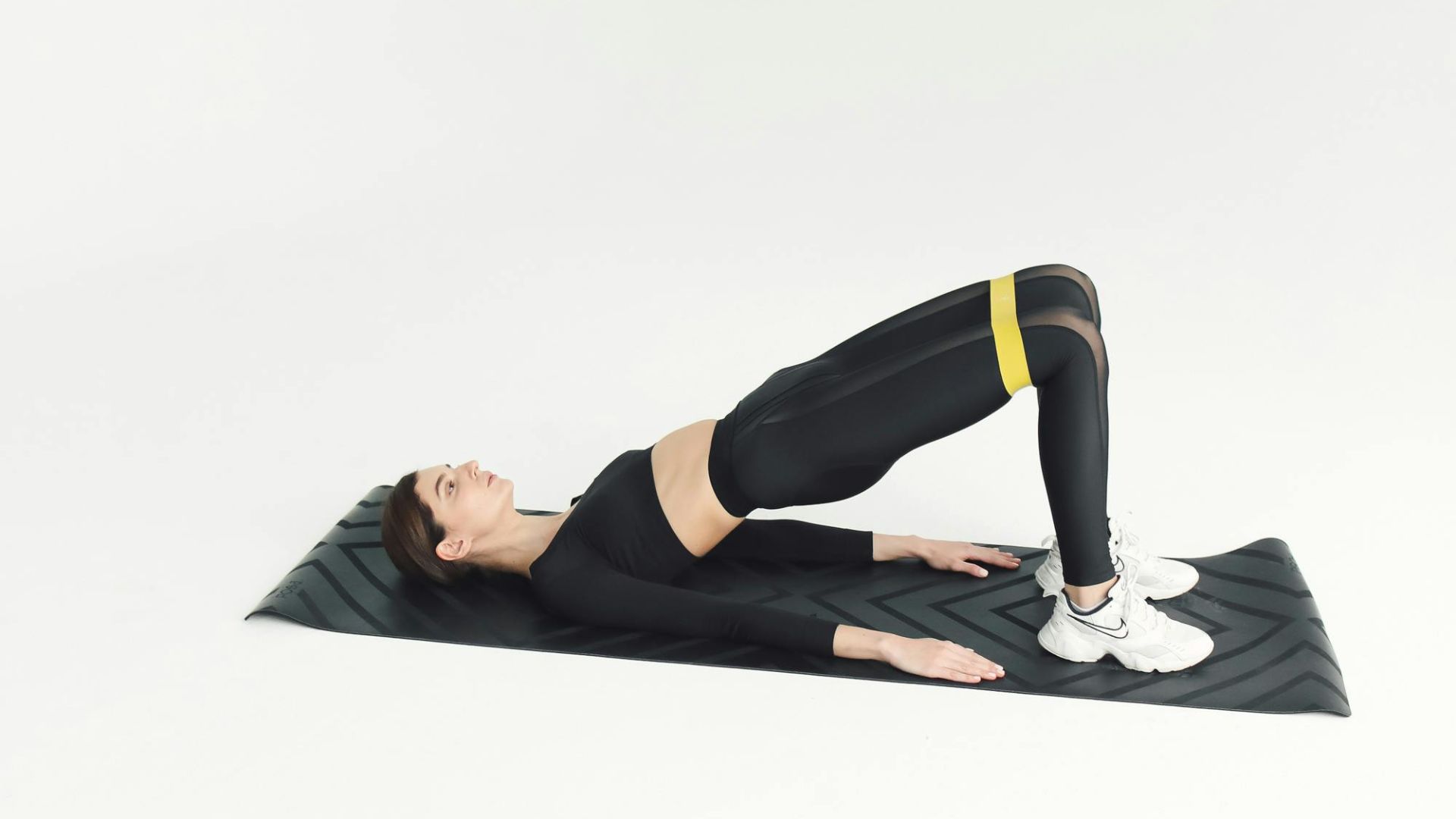
Lie on your back with knees bent and feet planted, then lift your hips until your body forms a straight line from shoulders to knees. Keep your ribs down and avoid over-arching your lower back at the top. If it feels easy, add a pause at the top or place a weight on your hips.
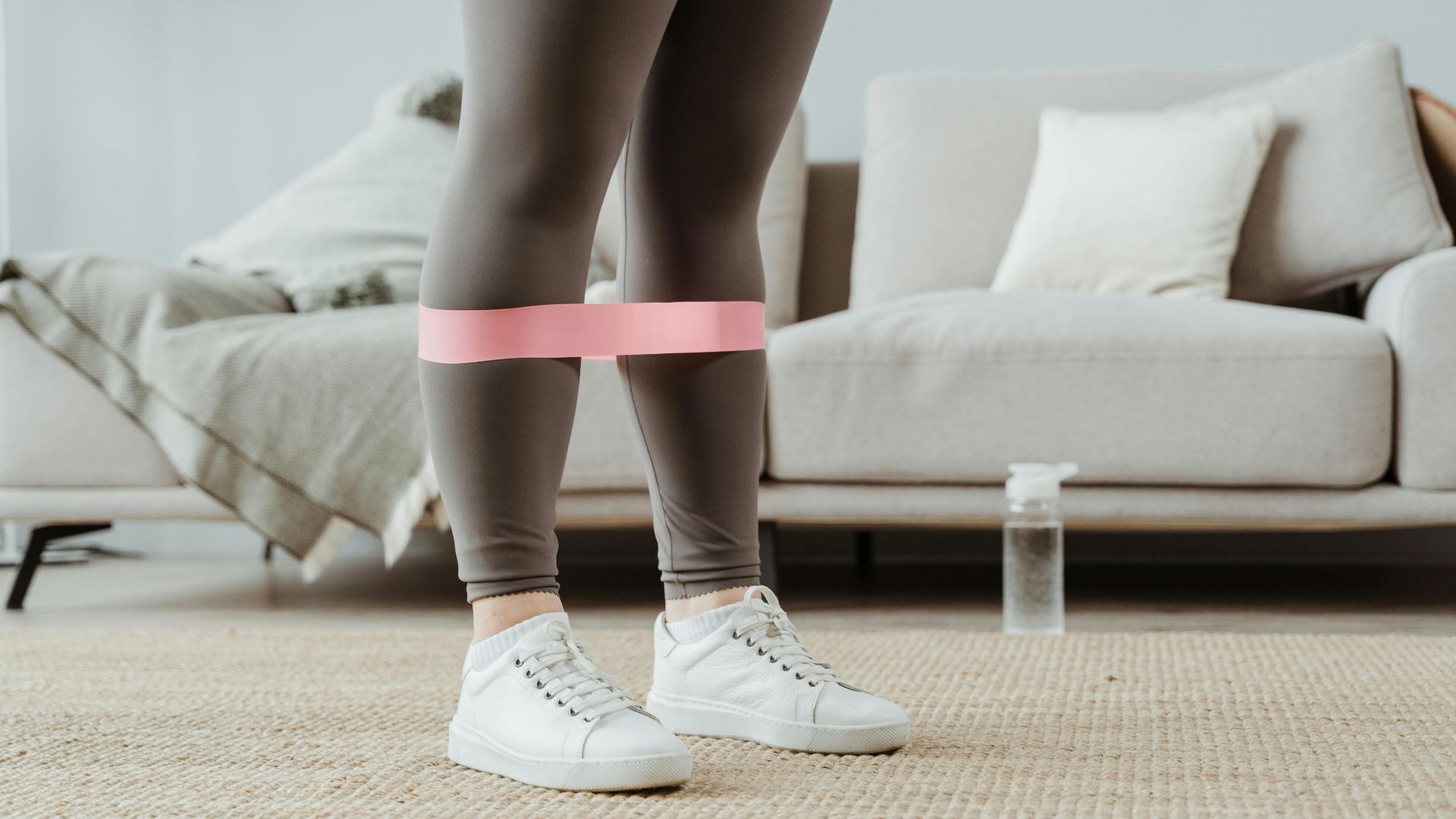
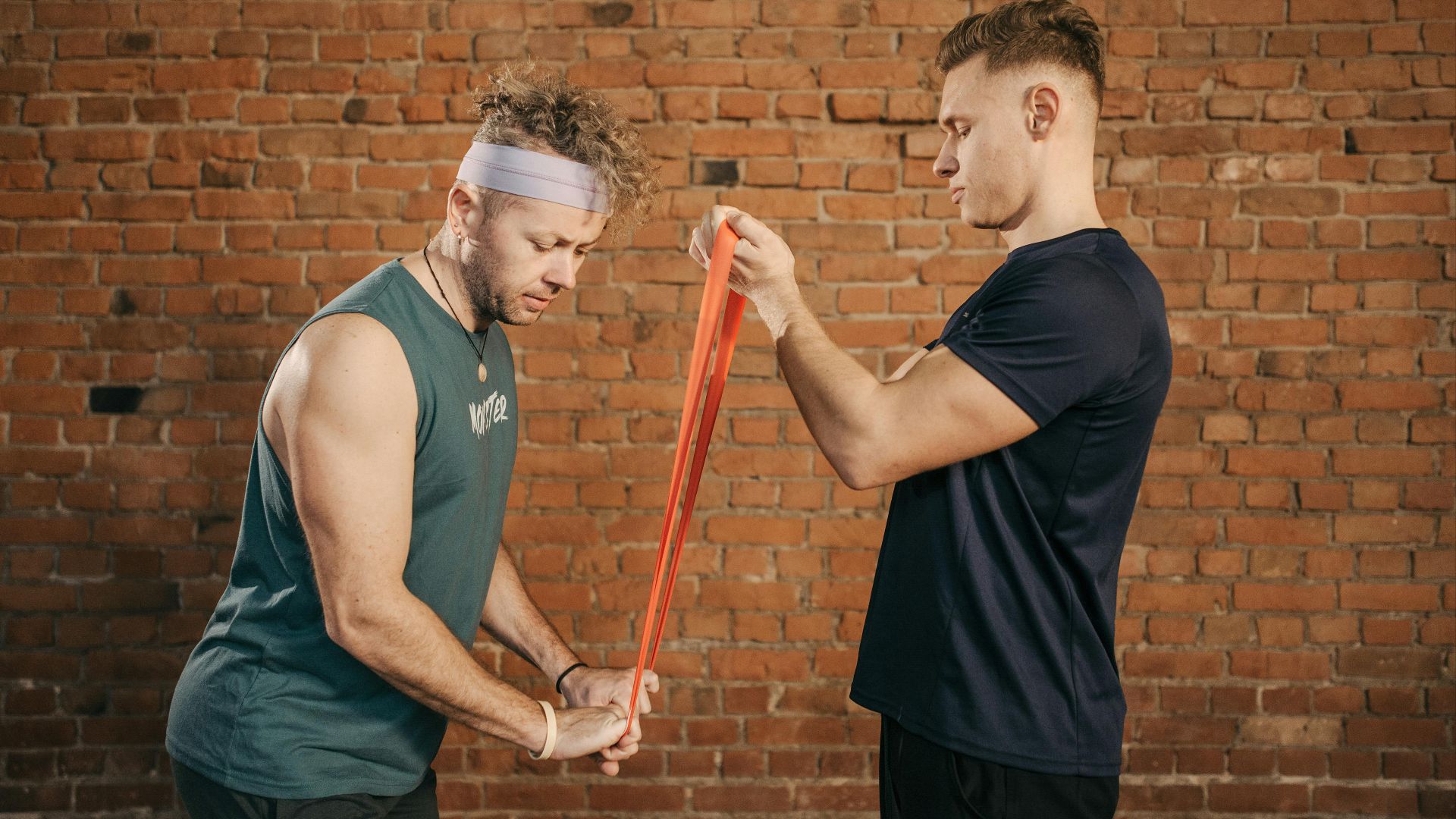
7. Mini-Band Side Walk
Place a small resistance band above your knees or around your ankles and take slow steps sideways. This targets the glute medius, a key hip stabilizer that can reduce stress on knees during walking, stairs, and squats. Keep your feet pointed forward and your knees slightly bent, so the work stays in the hips.
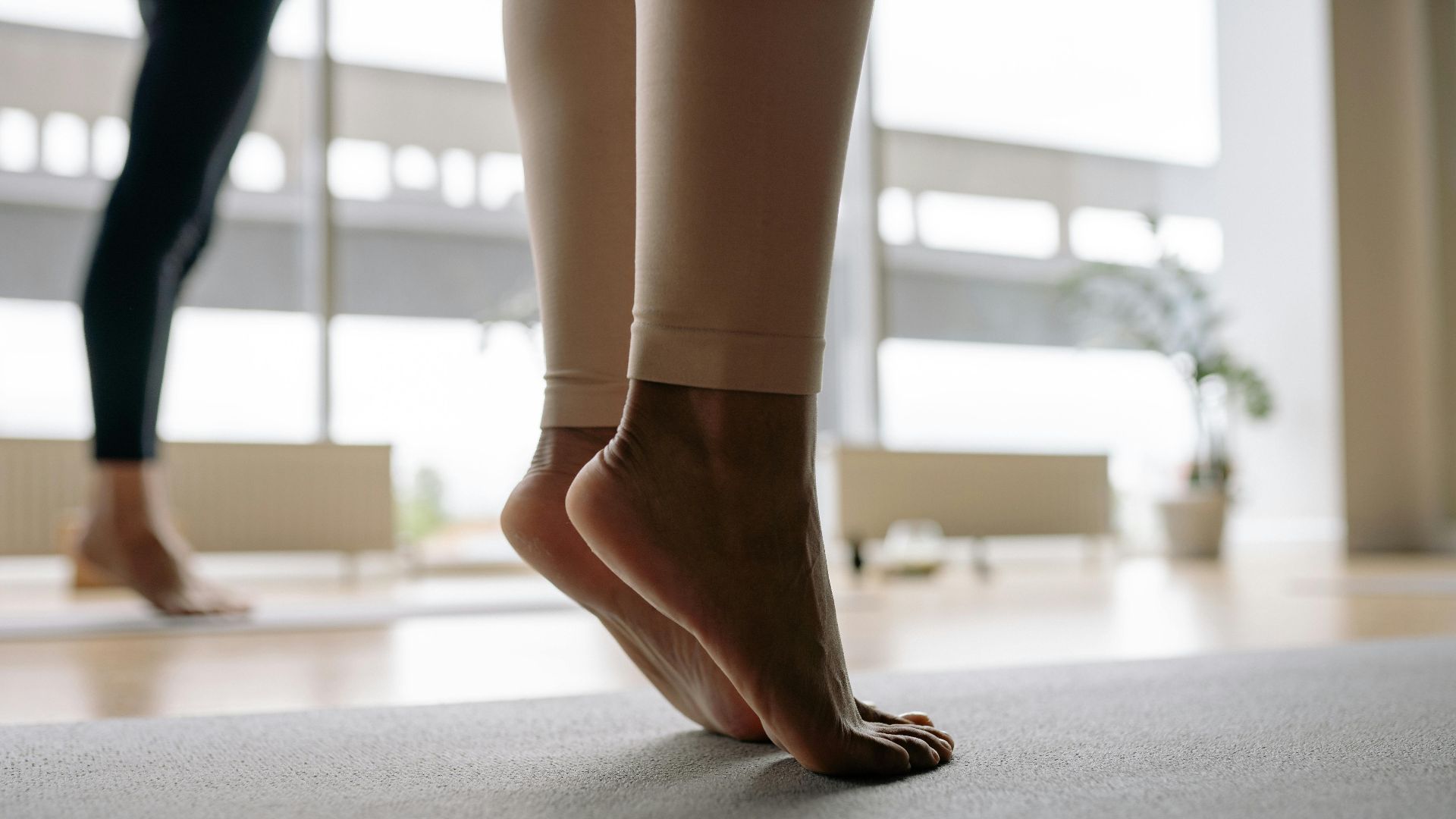
8. Standing Calf Raise
Hold onto a wall or chair and rise onto the balls of your feet, then lower all the way down with control. Calf strength supports ankle stability and can make everyday walking and stair climbing feel steadier. If your Achilles tends to get sore, use a slower pace and limit the range to what feels comfortable.
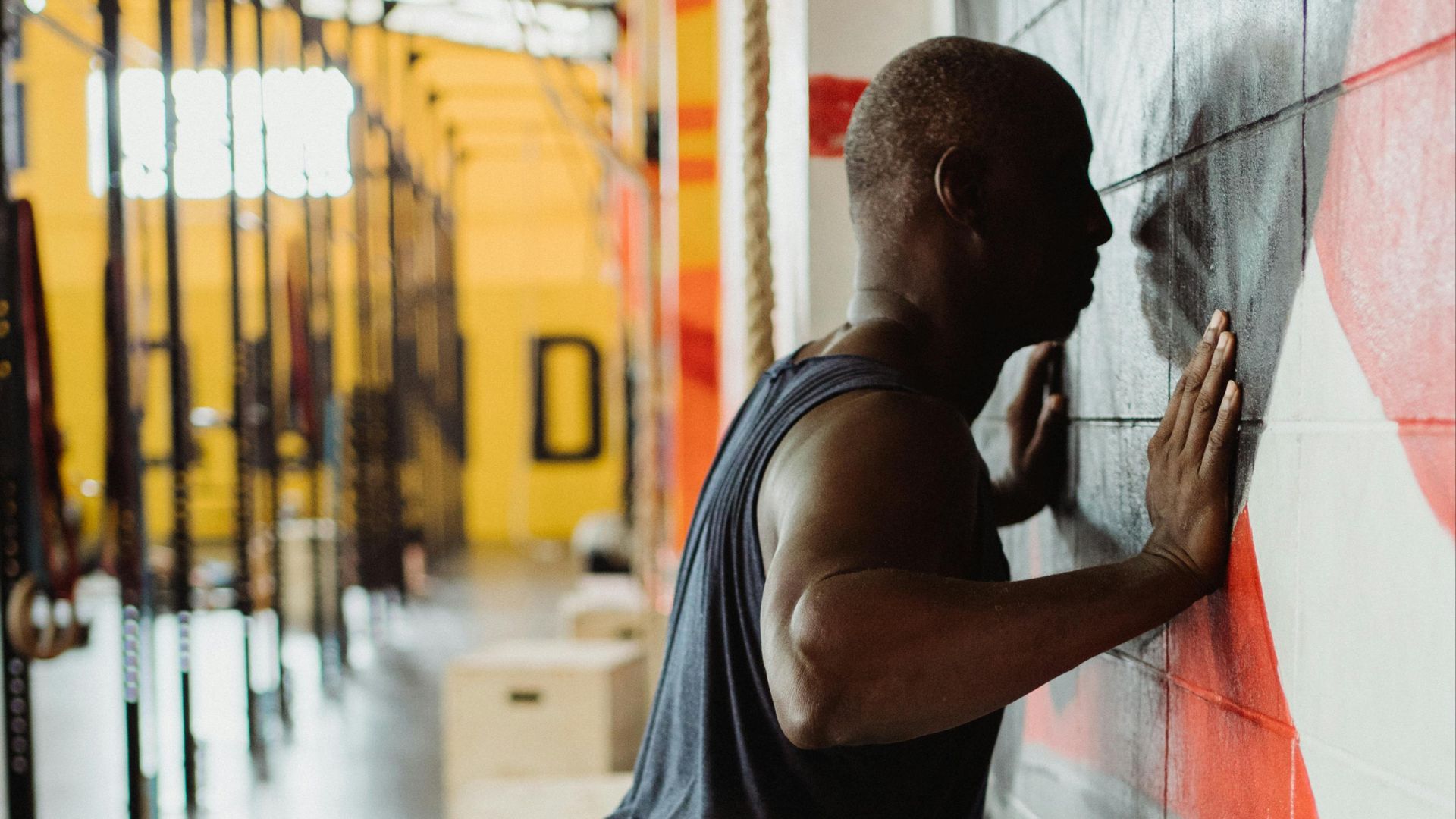
9. Wall Push-Up
Stand facing a wall, place your hands on it, and perform push-ups by bending and straightening your elbows. Wall work reduces wrist and shoulder strain compared with floor push-ups, and it is easy to adjust intensity by changing your distance. Keep your body in a straight line and avoid letting your shoulders shrug toward your ears.
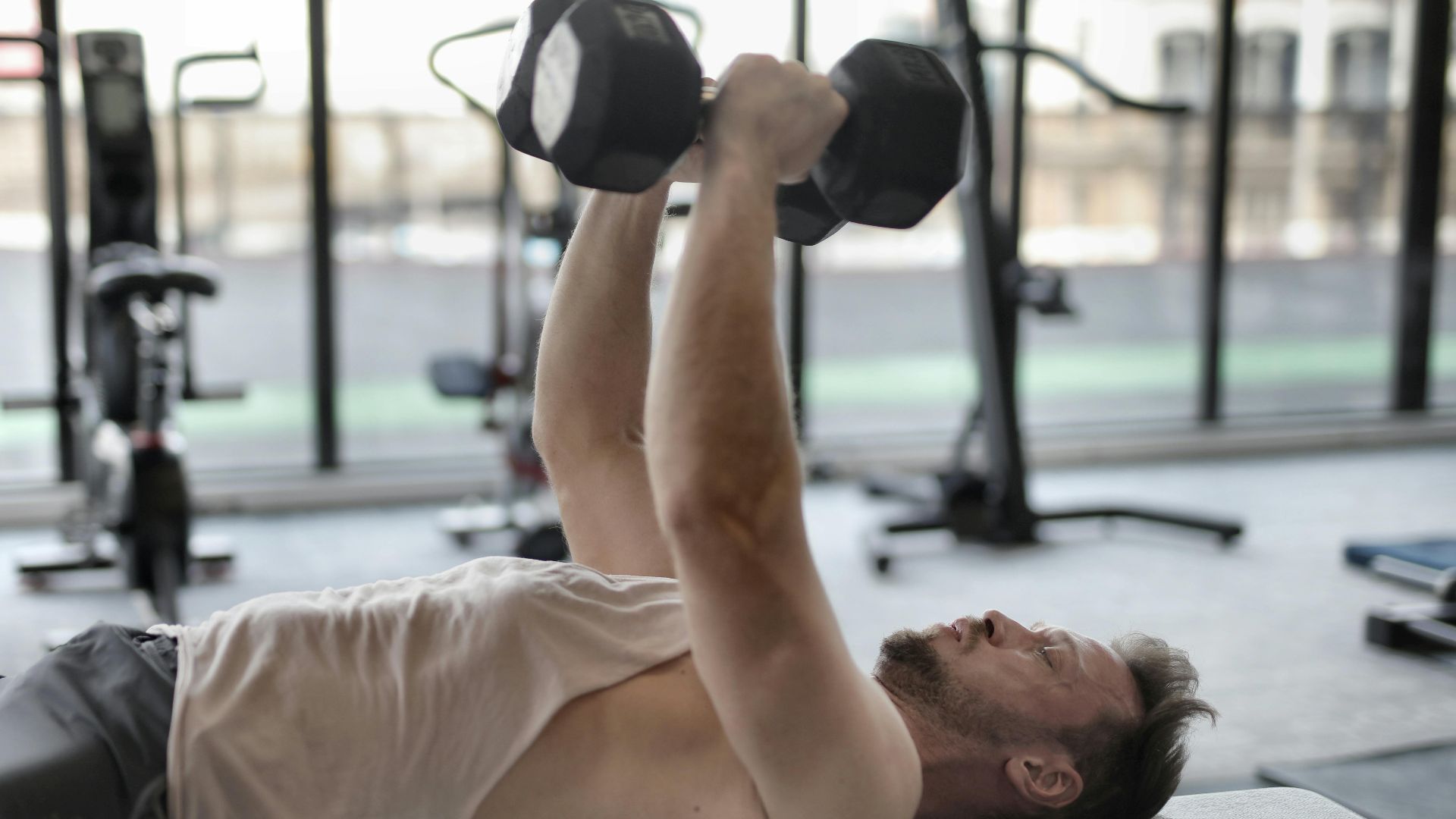
10. Dumbbell Floor Press
Lie on the floor with dumbbells and press them up, then lower until your upper arms gently touch the floor. The floor limits the shoulder range of motion, which can make pressing feel better for people with cranky shoulders.
11. Supported One-Arm Row
Brace one hand on a bench or chair, hinge forward, and row a dumbbell with the other arm. Support takes pressure off your lower back and lets you focus on your upper back and arm muscles. Pull your elbow toward your hip and pause briefly, then lower without twisting your torso.
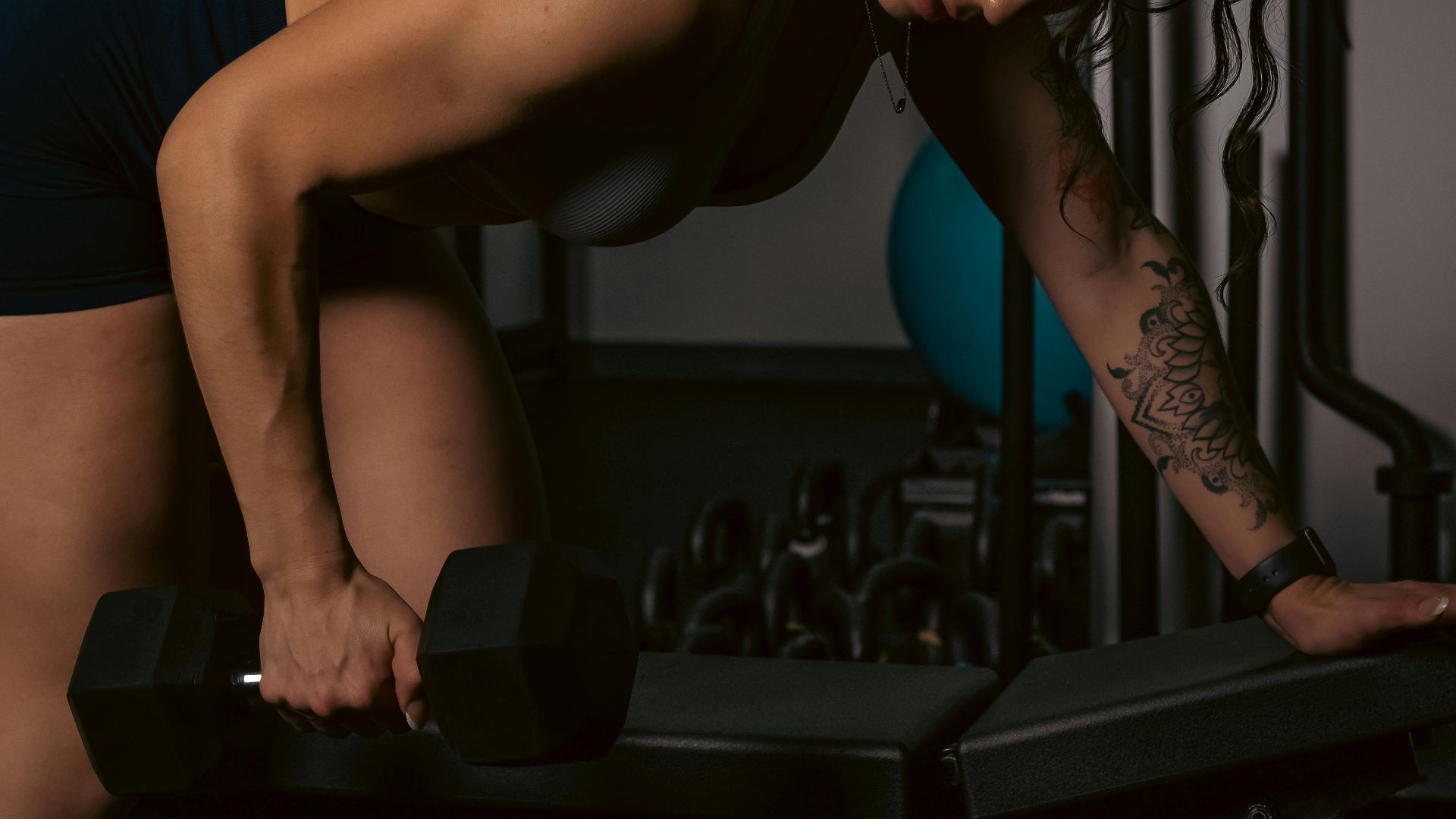 Connor Scott McManus on Pexels
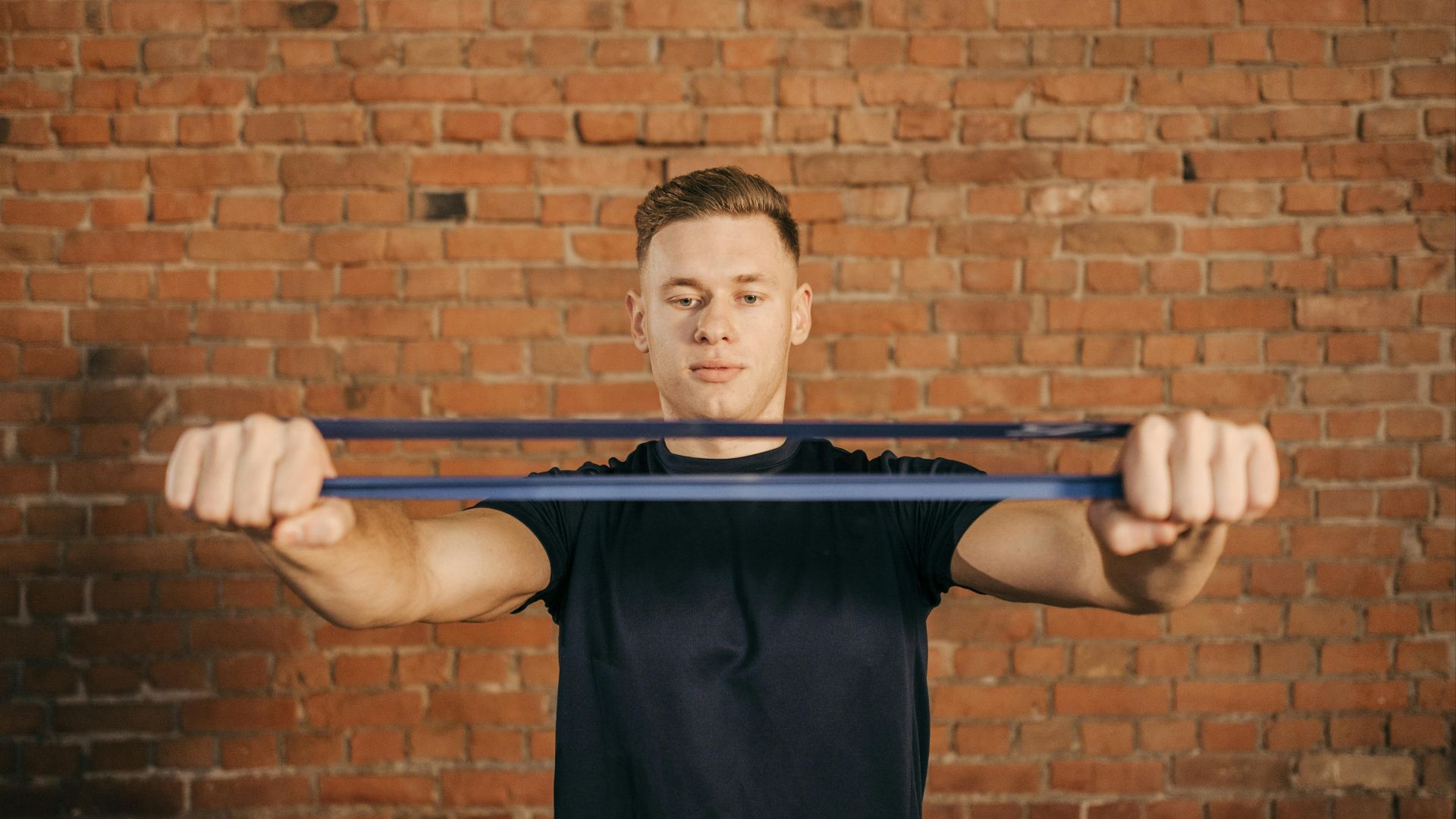
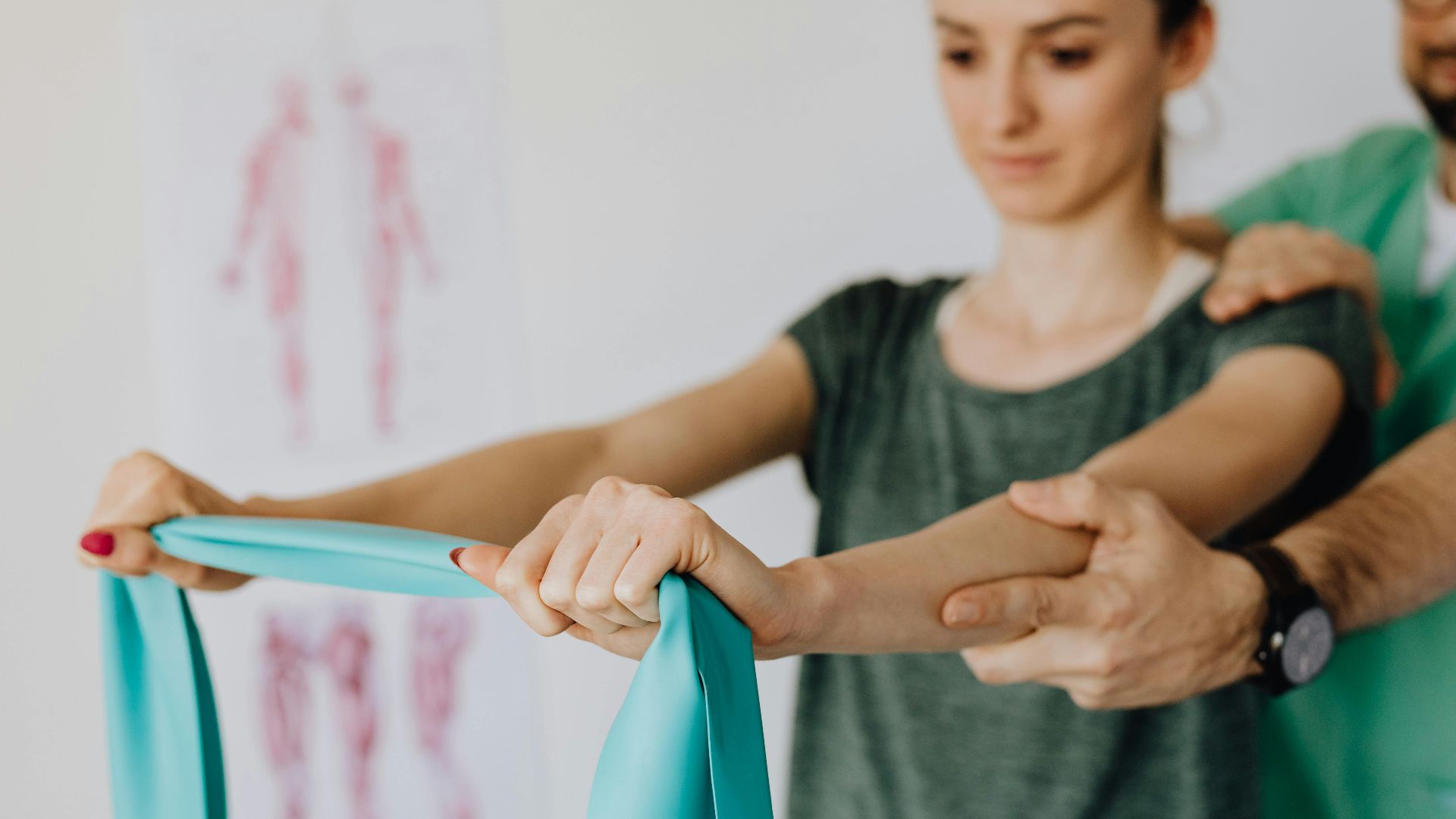
12. Band Pull-Apart
Hold a resistance band in front of you and pull it apart by squeezing your shoulder blades together. This strengthens the upper back and helps counter the rounded posture many people pick up from desks and phones.
13. Band Face Pull
Anchor a band at about face height and pull toward your nose while keeping elbows high. Face pulls train the rear shoulders and upper back, which support shoulder comfort in pressing and daily reaching. Move slowly and aim for smooth control, not maximum tension.
14. Half-Kneeling Press
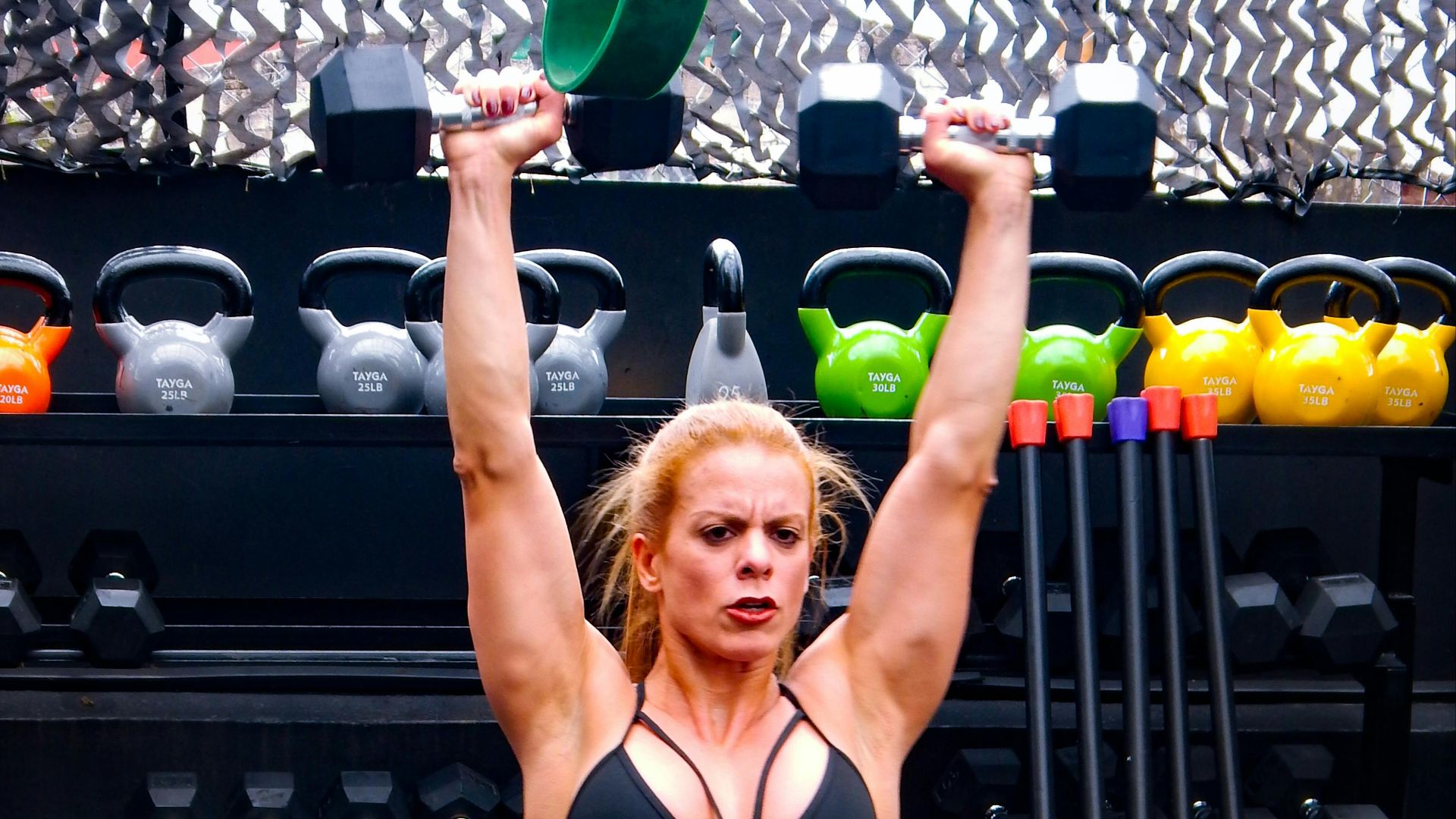
Kneel on one knee and press a dumbbell or band upward with the opposite side arm. The half-kneeling position encourages core control and can reduce lower-back compensation during overhead work. Keep your glutes lightly engaged and your ribs down as you press.
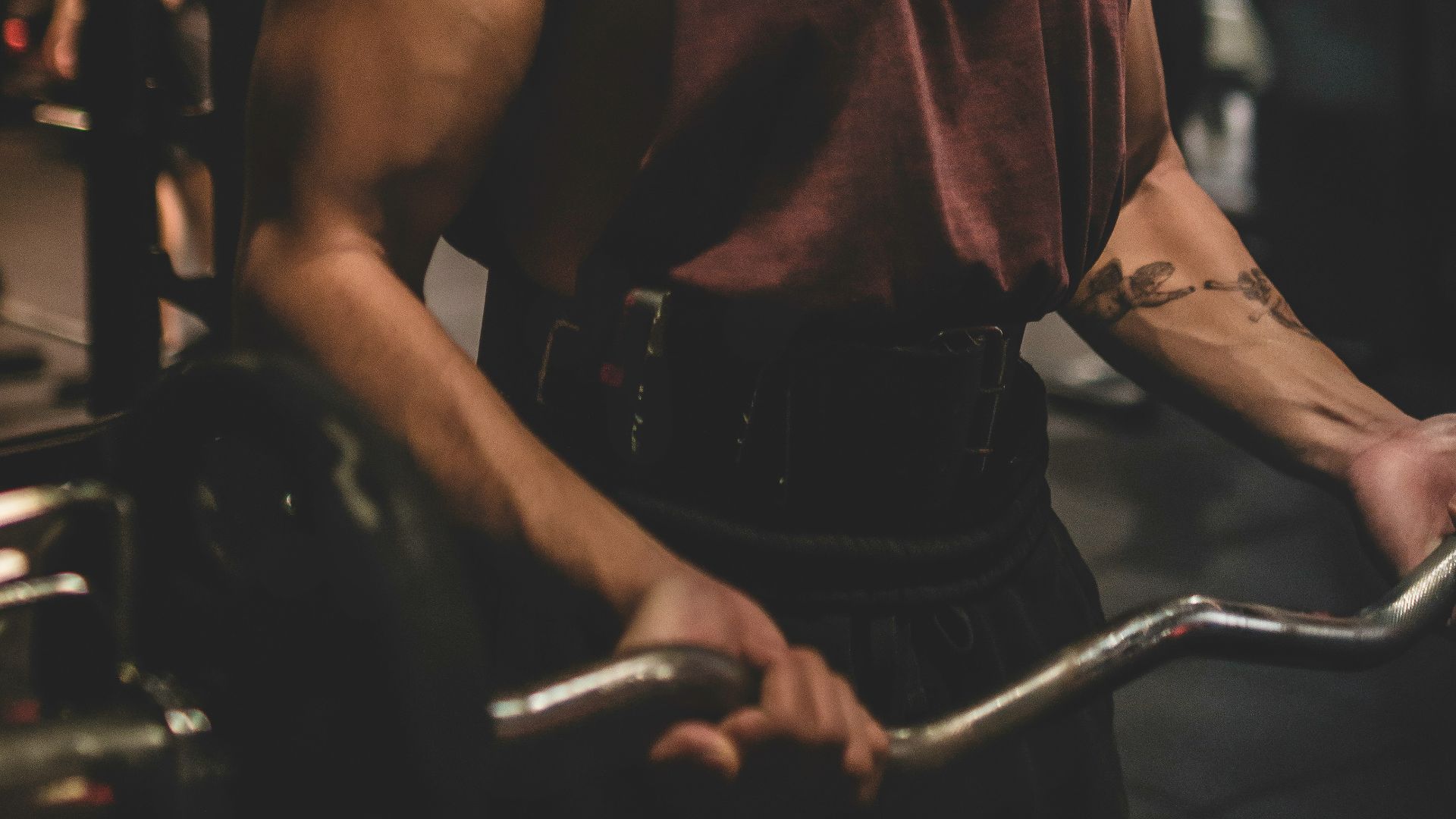
15. Neutral-Grip Curl
Use dumbbells and curl with palms facing each other, which often feels easier on wrists and elbows. Keep your upper arms close to your body and avoid swinging, since momentum usually shifts stress to joints. Choose a weight that lets you complete eight to 12 smooth reps without shoulder shrugging.
16. Band Triceps Pressdown
Anchor a band overhead and press it down until your elbows straighten, then return slowly. Bands provide a smoother resistance curve for many people, and they can be gentler on the elbows than some heavy skull-crusher variations. Keep your elbows tucked and your shoulders relaxed.
17. Farmer Carry
Hold a weight in each hand and walk slowly with a tall posture and controlled breathing. Carries build grip, upper-back strength, and core stability without high joint impact. Keep your steps steady and avoid leaning forward, even if the weights feel heavy. If your hands fatigue quickly, reduce the load and extend the time under tension.
 Priscilla Du Preez 🇨🇦 on Unsplash
18. Suitcase Carry
Hold one weight at your side and walk while keeping your torso upright, then switch sides. This trains anti-leaning core strength and hip stability, which can help with daily tasks like carrying groceries. Move at a controlled pace, so you stay aligned rather than twisting or hiking a shoulder. A lighter weight done well usually beats a heavier one that pulls you out of position.

19. Dead Bug
Lie on your back with arms up and knees bent, then slowly lower one arm and the opposite leg while keeping your lower back gently pressed into the floor. This builds core control without loading the spine heavily, which is why it is often recommended for many fitness levels. Go slowly and stop the range where you can still keep your ribs down and pelvis steady. You can make it harder by holding a lightweight in your hands.
20. Pallof Press
Anchor a band at chest height, stand sideways to it, and press the band straight out, resisting rotation. This trains your core to stay stable when force tries to twist you, which supports safer movement in sports and daily life. Use a stance that feels steady and focus on slow breathing while you hold the press.
KEEP ON READING


10 Pre-Workout & 10 Post-Workout Tips To Follow