A Stronger Back, Built the Smart Way
A strong back does more than help you lift heavier weights; it supports your posture, steadies your shoulders, and makes everyday movement feel smoother. The best approach is to train the muscles that protect your spine while also building strength through your upper back, but it’s not always easy to know which workouts make the most sense—or which stretches to engage in afterward. Don’t you worry, we’re here to break down a few options for both!
1. Deadlift
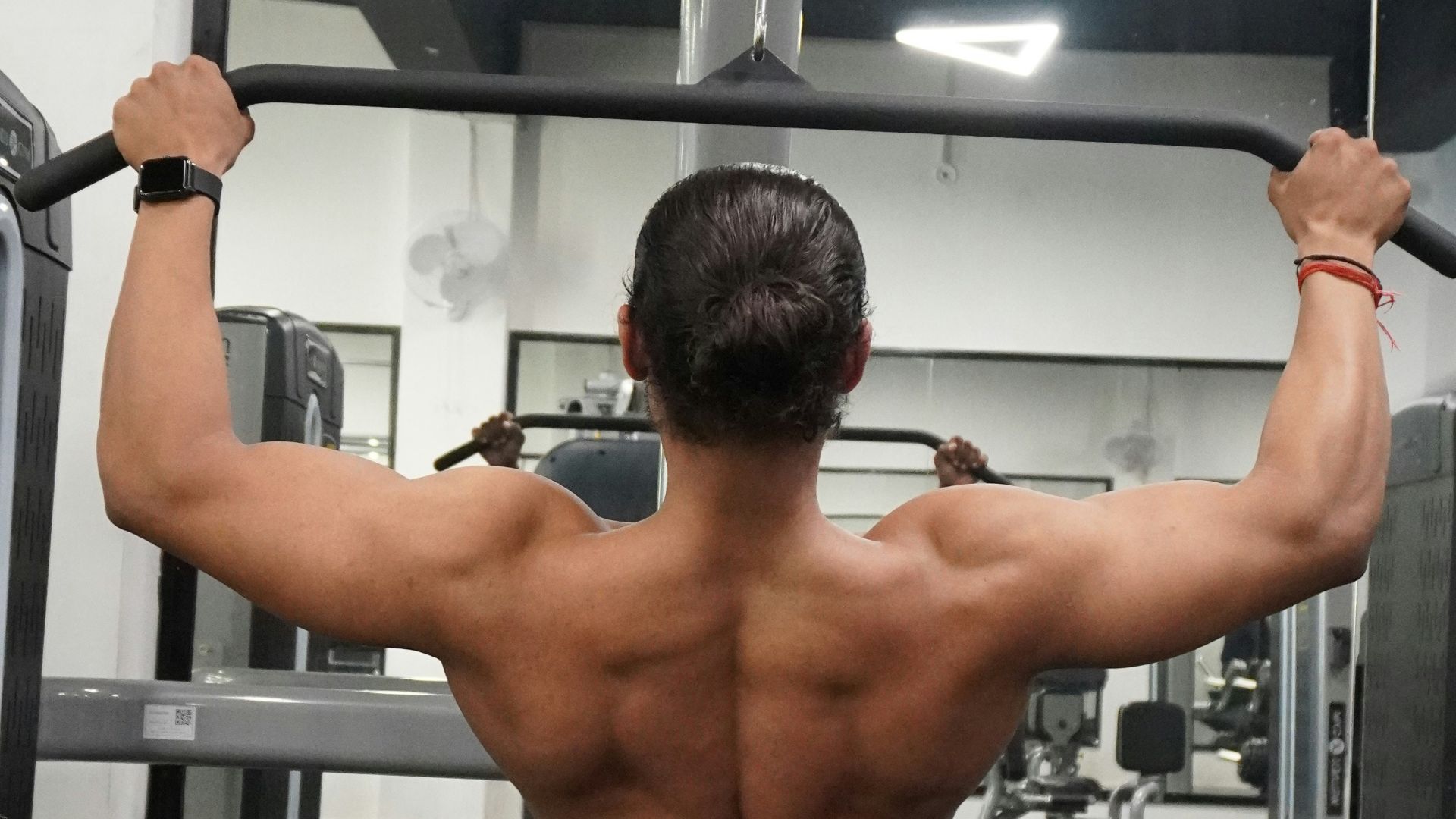
The deadlift trains your entire posterior chain, including your spinal erectors, lats, and upper back. Keep the bar close, drive through your feet, and think “tall chest” so your back stays neutral. The best thing about this workout is that you can start light and build slowly; good technique matters more than chasing big numbers.
2. Bent-Over Row
Bent-over rows hit your mid-back hard while teaching you to maintain a strong hinge position. Pull the weight toward your lower ribs and pause briefly so your back muscles do the work instead of momentum. If you get tired, simply reduce the load and keep your torso angle consistent.
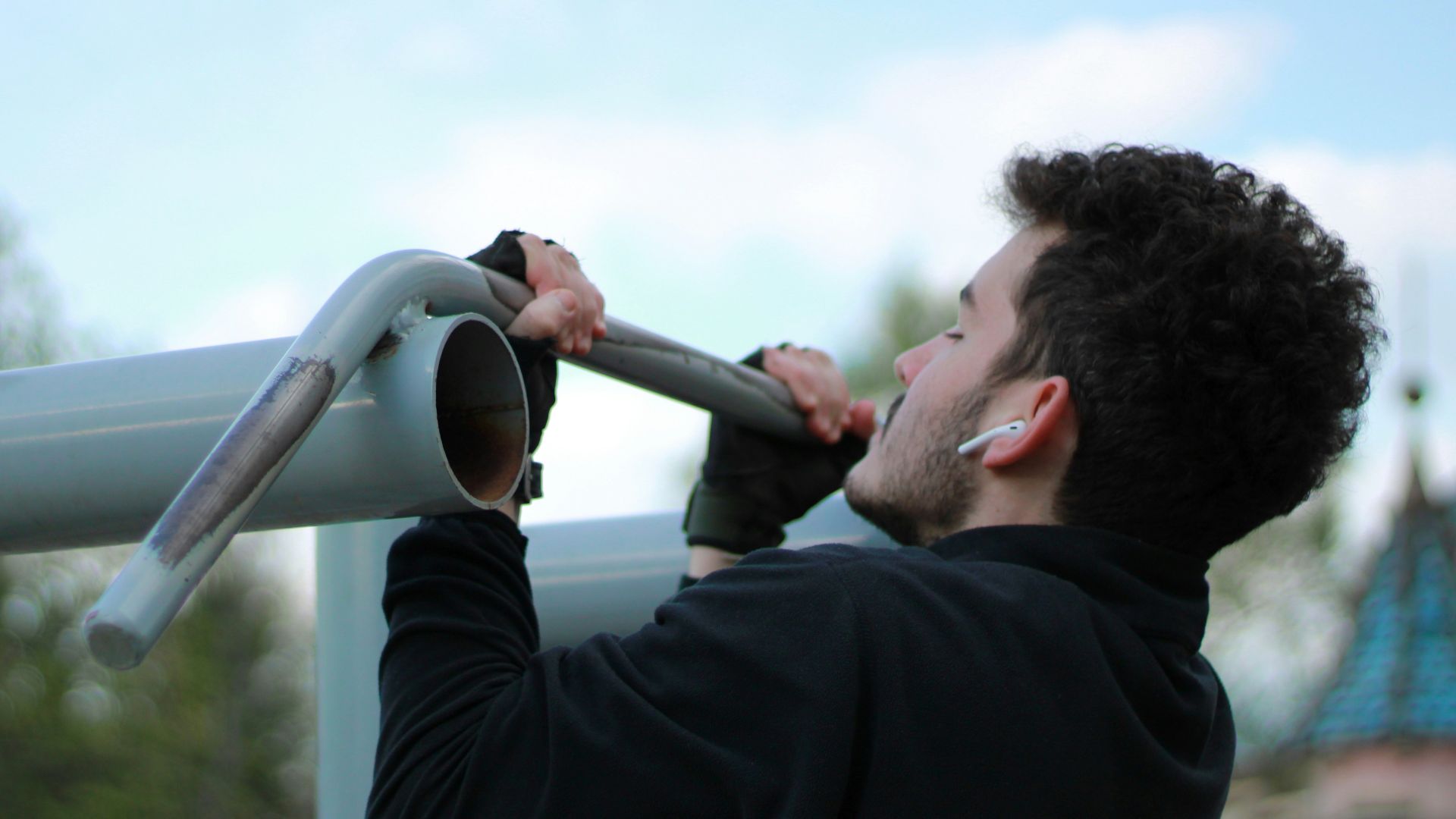
3. Pull-Up
Pull-ups develop your lats and upper back while improving shoulder stability when you use a full, controlled range of motion. Start by setting your shoulders down and back, then pull your chest toward the bar without craning your neck. You can even use assistance bands or a machine if needed—consistent quality beats sloppy reps.
 Gheorghe Catalin Crisan on Unsplash
4. Lat Pulldown
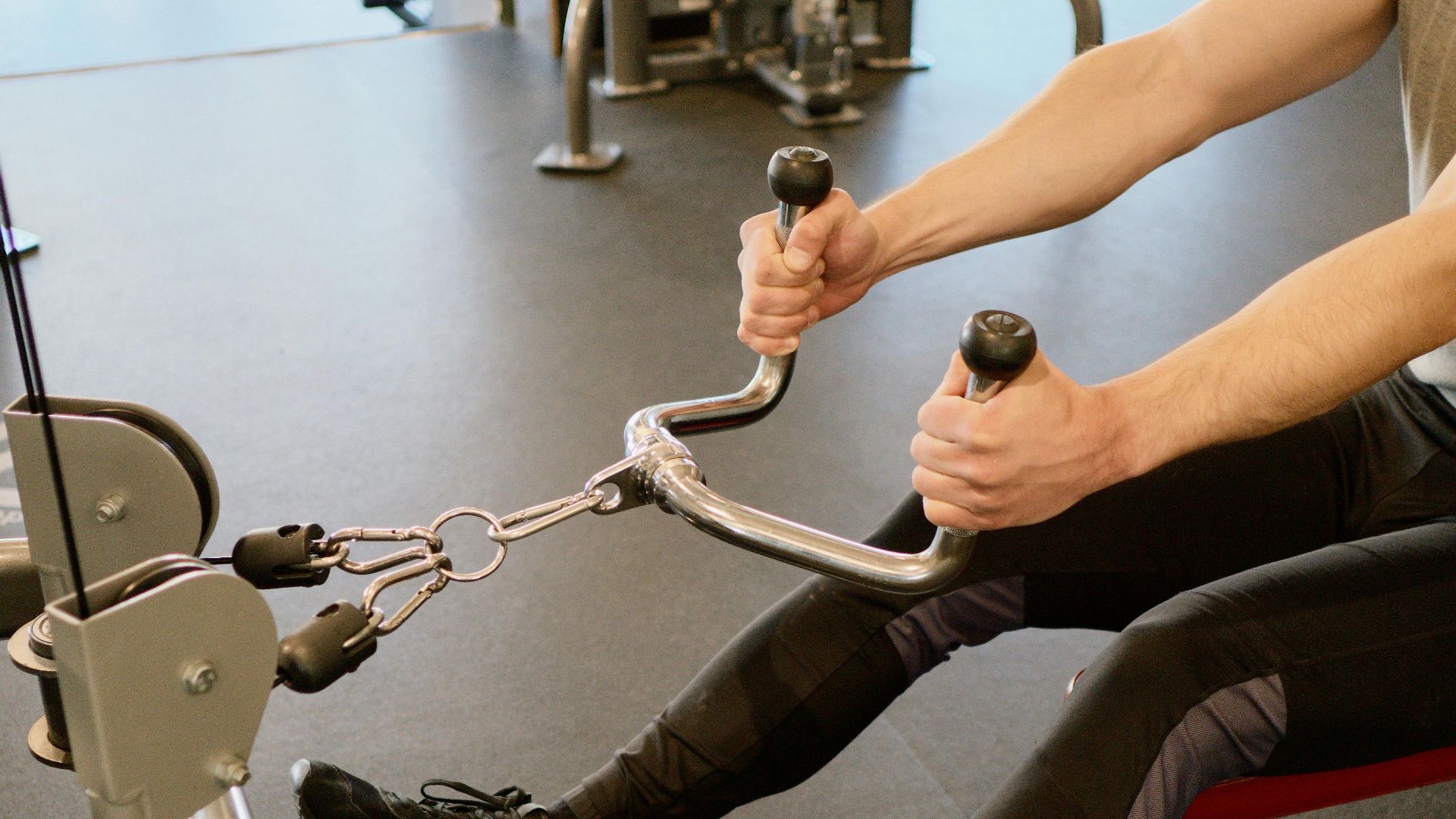
The lat pulldown is a reliable option for strengthening your back when pull-ups aren’t quite there yet. Bring the bar down toward your upper chest while keeping your torso steady and your elbows tracking down rather than flaring out. You’ll feel it more if you slow the return and avoid letting the weight stack slam.
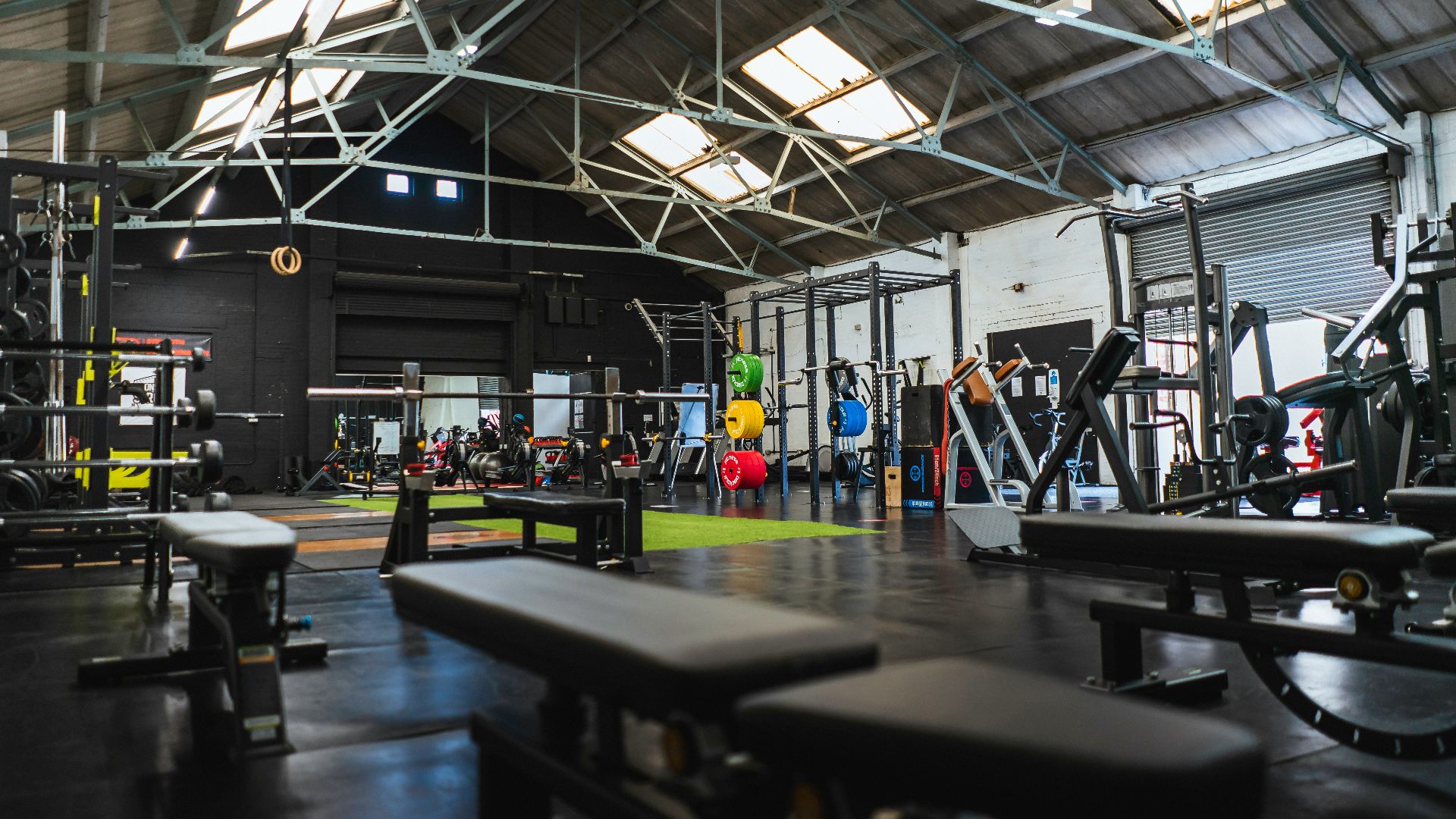
5. Seated Cable Row
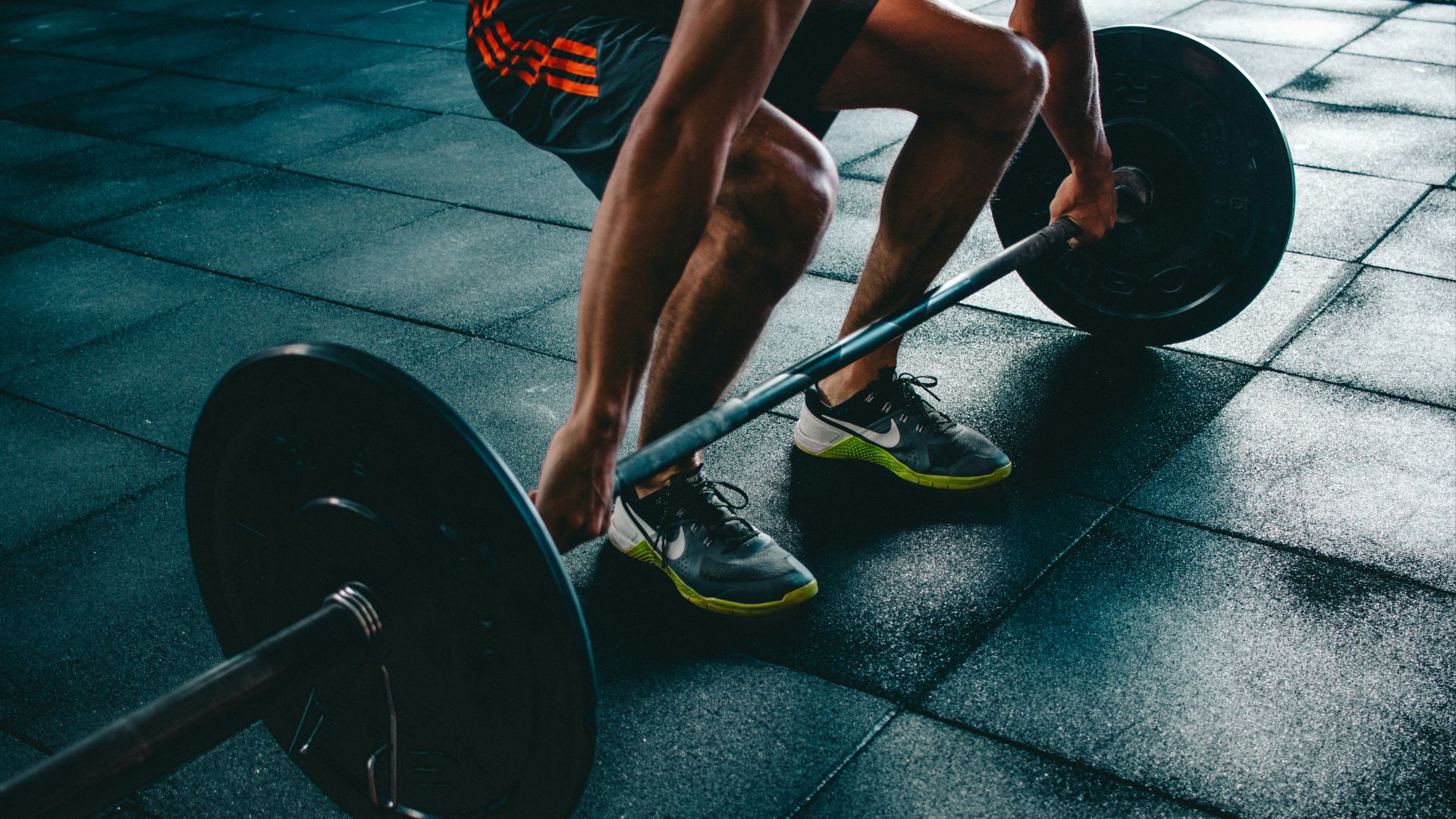
Seated cable rows build thickness through your mid-back and help reinforce good scapular control. Keep your ribs stacked over your pelvis, then row by pulling your elbows behind you while your shoulders stay out of your ears. You can adjust the handle to change emphasis, but keep the motion smooth.
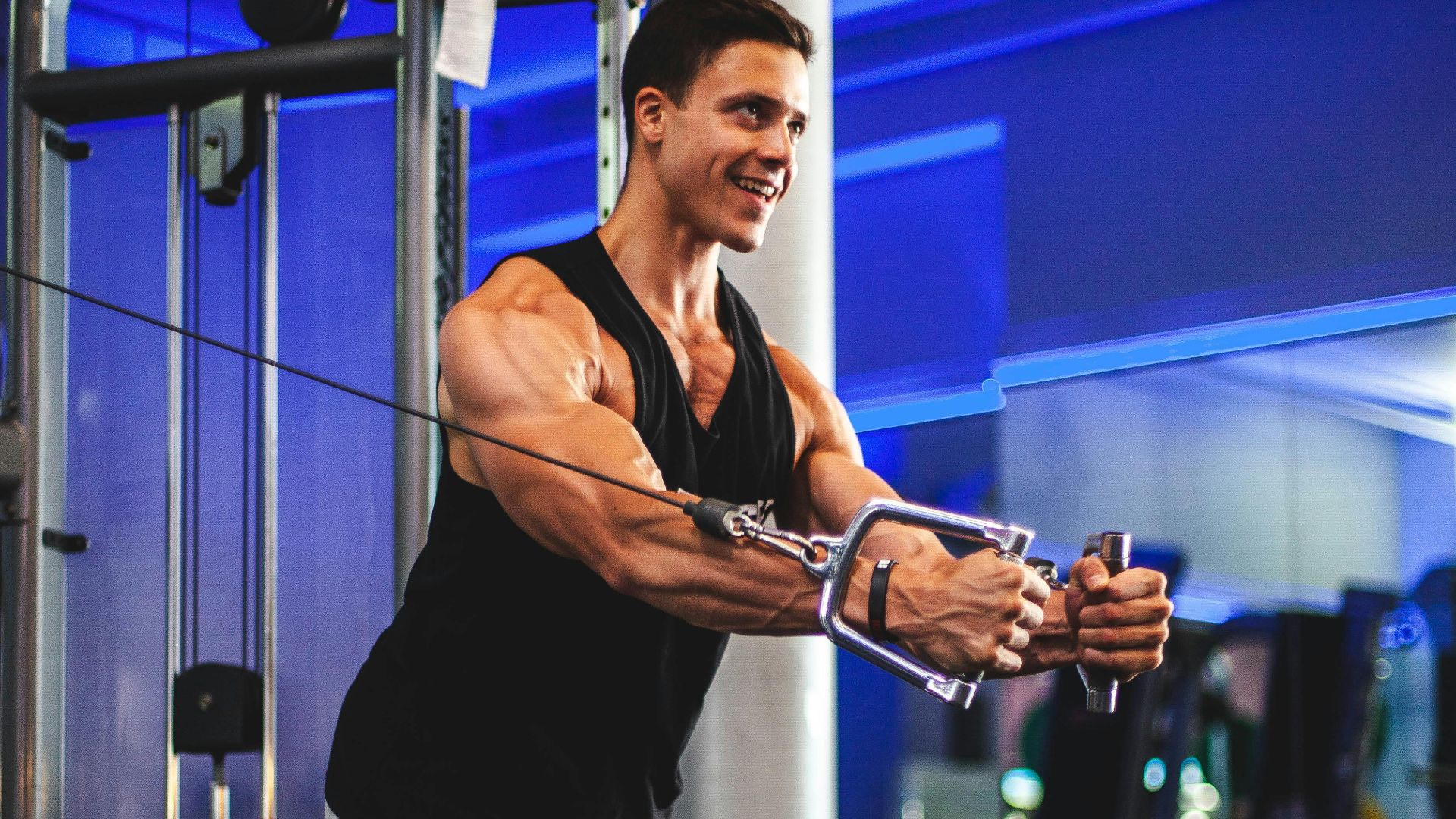
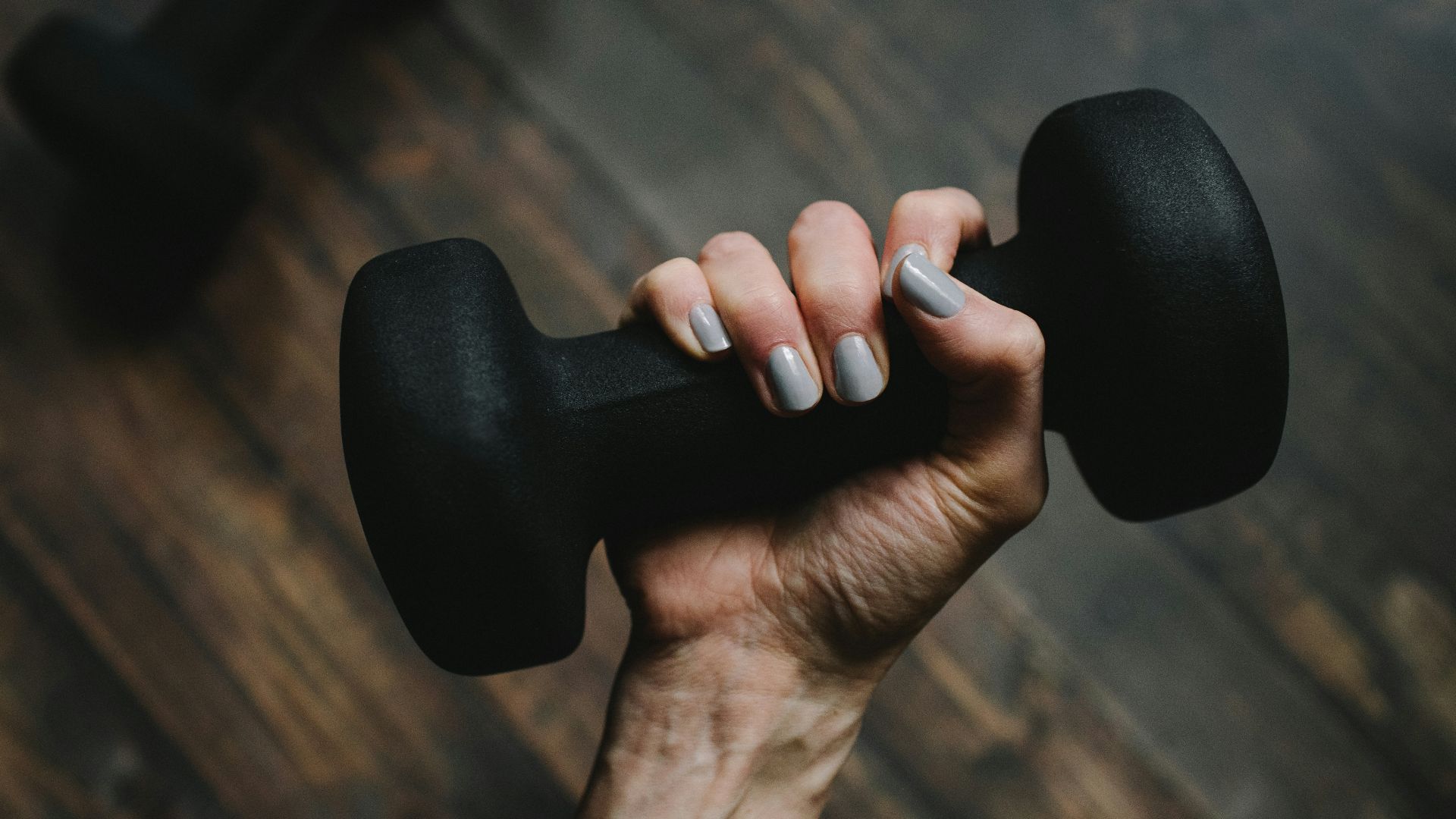
6. Single-Arm Dumbbell Row
A one-arm row lets you train each side on its own, which helps even out strength differences. Support your body well, pull the dumbbell toward your hip, and keep your torso from twisting as you row. This is also a great place to practice feeling your lat engage instead of yanking with your arm.
7. Face Pull
Face pulls target the rear delts and upper back, which helps your shoulders sit in a stronger position. Pull the rope toward your face with your elbows high, and finish by rotating so your hands separate slightly at the end. You don’t need crazy-heavy dumbbells, either; lighter weight and better control make this exercise surprisingly effective.
8. Back Extension
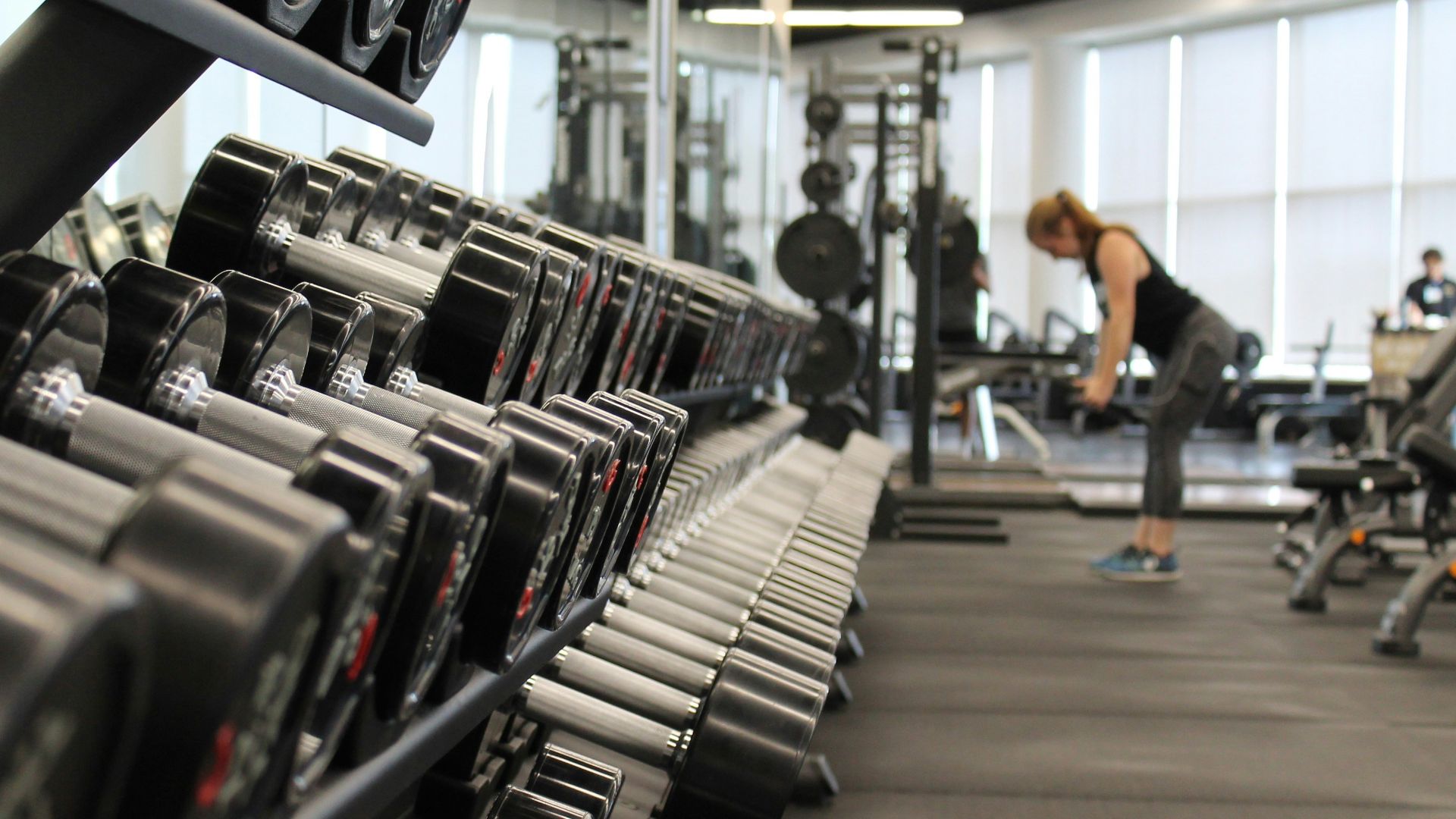
Back extensions strengthen the spinal erectors and glutes, especially with controlled movement. Hinge at the hips rather than cranking through your lower back, and stop when your body forms a straight line. Once things start steady out, you can even hold a plate or a dumbbell.
9. Bird Dog
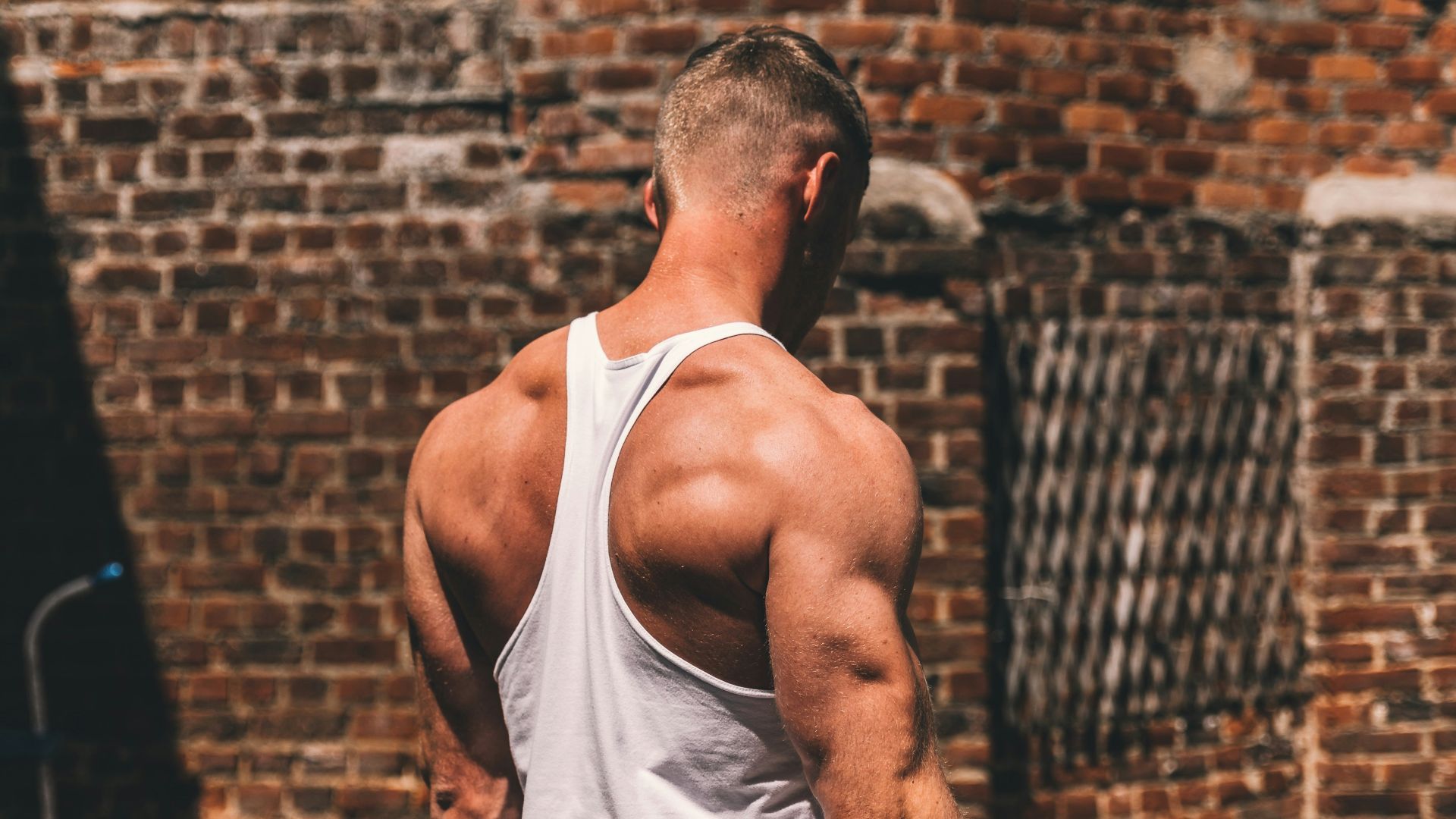
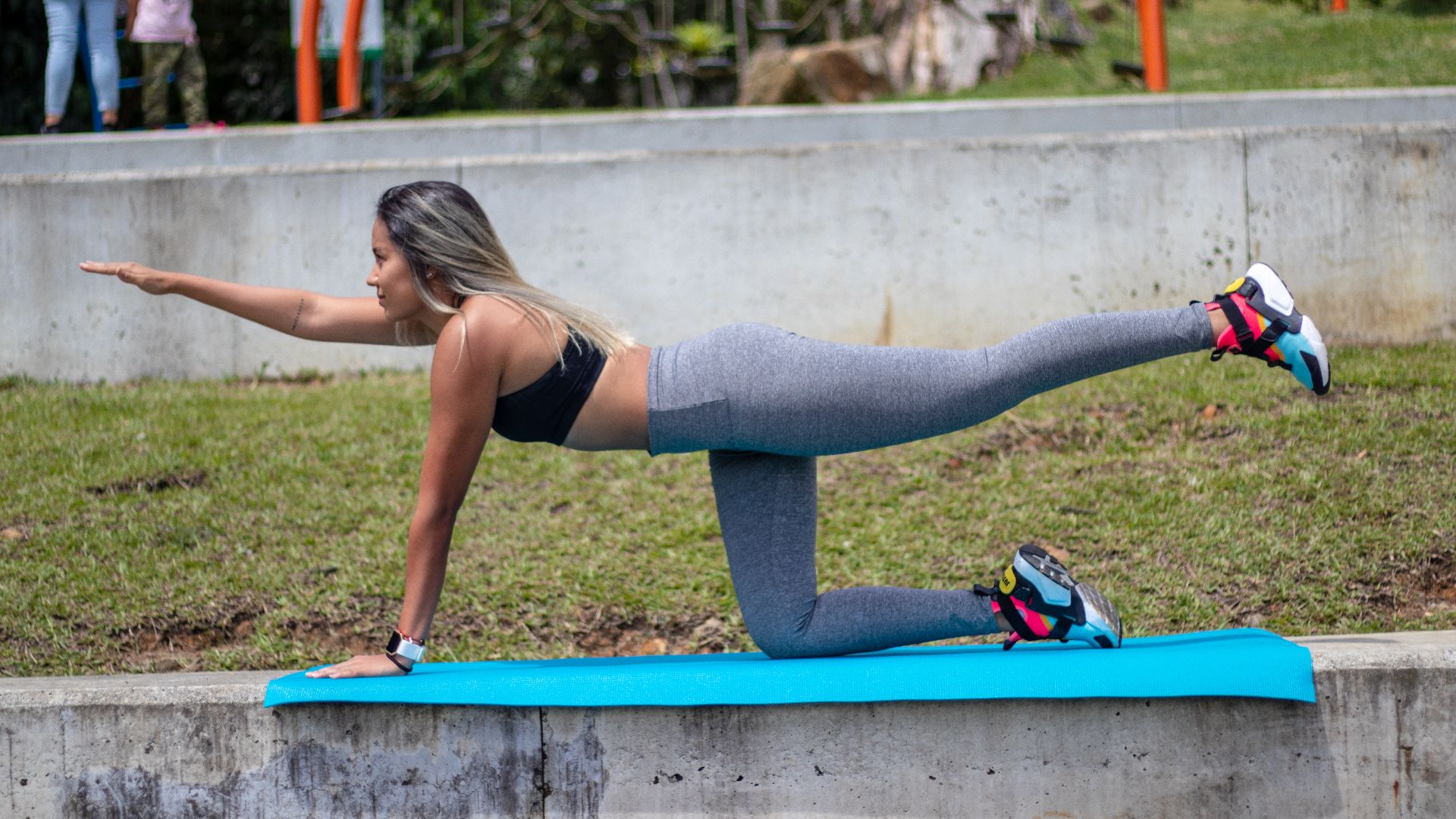
Bird dogs train your deep core and spinal stabilizers, which support your back during daily movement. Extend opposite arm and leg while keeping your hips level and your lower back quiet. Make sure you move slowly and focus on control so you’re building stability instead of just waving your limbs.
10. Farmer’s Carry
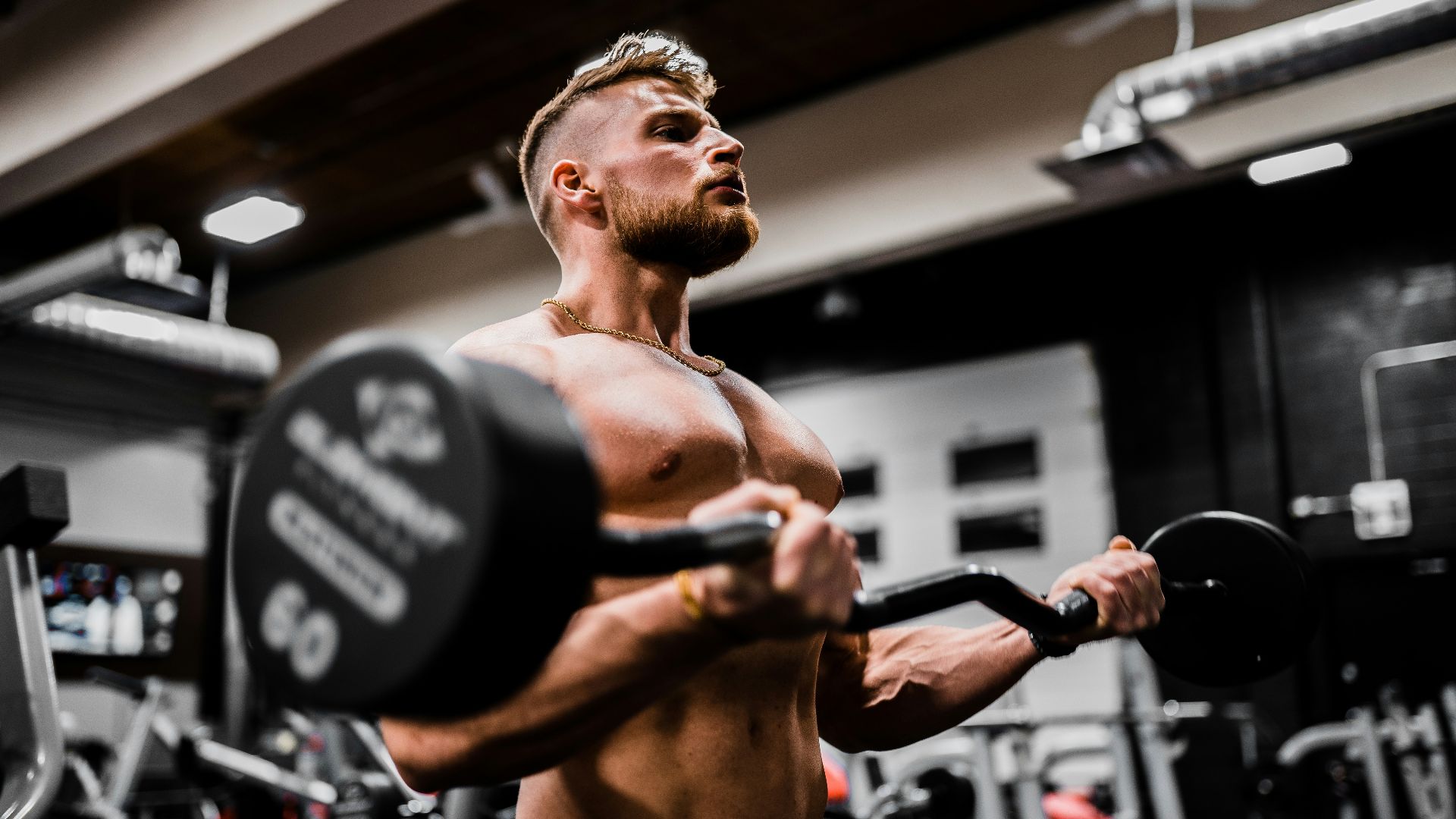
Farmer’s carries build back strength through posture, bracing, and shoulder stability while you walk under load. Stand tall, keep your shoulder blades gently set, and take steady steps without leaning side to side. For this one, choose weights that challenge you while letting you stay crisp; the payoff comes from staying solid the whole time.
Stretching is just as important as the workout, so now it’s time we explored some movements that keep you nice and healthy!
1. Cat-Cow Flow
Start on your hands and knees and move between rounding and arching your spine with calm, steady breathing. As you shift positions, keep the motion smooth and let your shoulders stay away from your ears. Over time, you’ll improve spinal mobility and teach yourself to control each segment.

2. Child’s Pose With Side Reach
Settle into child’s pose, then walk your hands to one side to open the lats and the muscles along your ribs. You’ll want your hips to stay heavy and your breath to stay slow so the stretch doesn’t turn into a shrug. It’s a simple combo of length and relaxed control that helps stabilize your upper back.
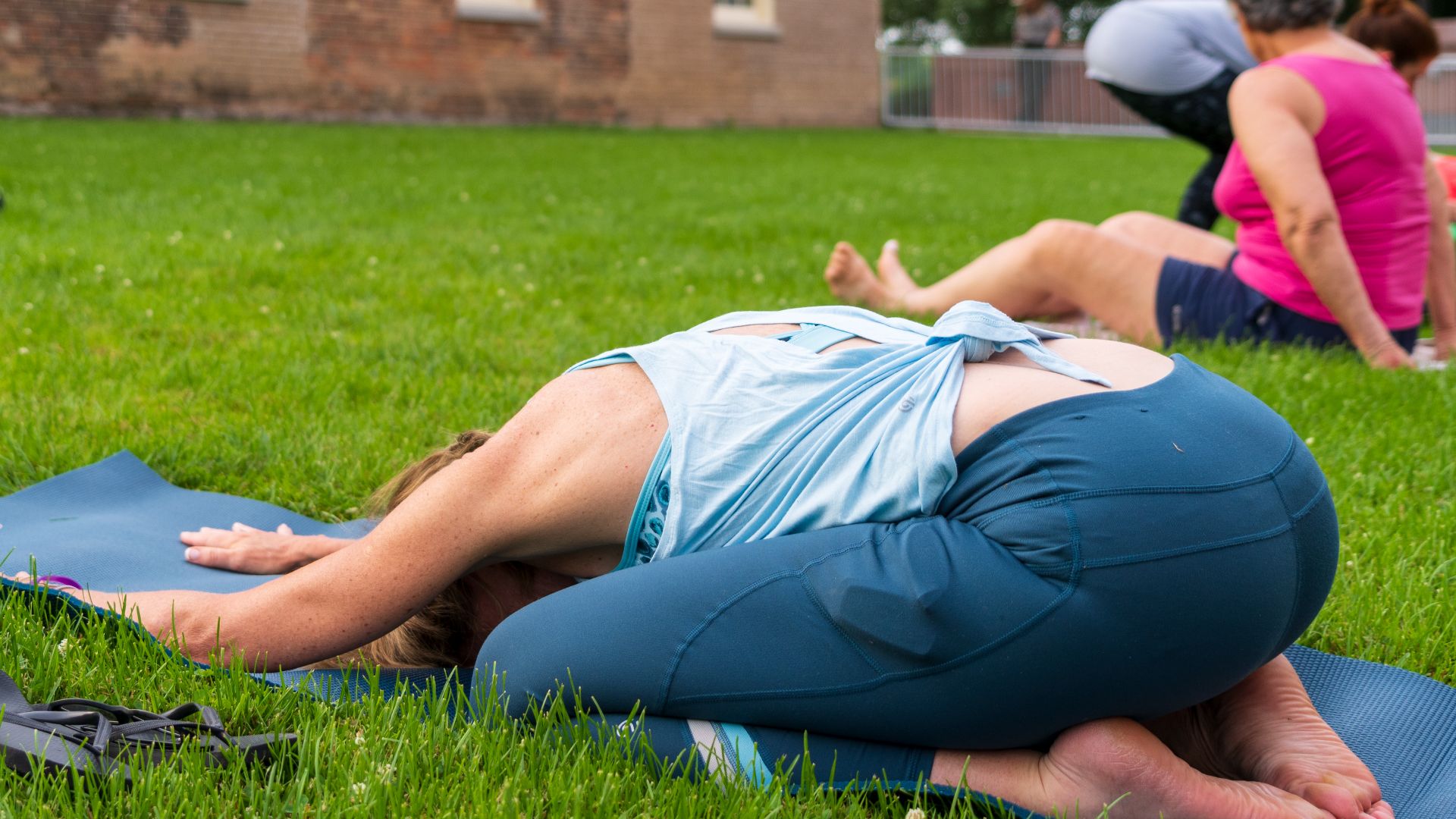
3. Thread-the-Needle Stretch
From a tabletop position, slide one arm under your body and rotate gently until your shoulder and upper back rest on the floor. Keep your supporting hand planted and avoid forcing the twist, since the goal is a steady opening rather than a dramatic crank. This one supports thoracic rotation, which makes it easier to keep your lower back from overworking.
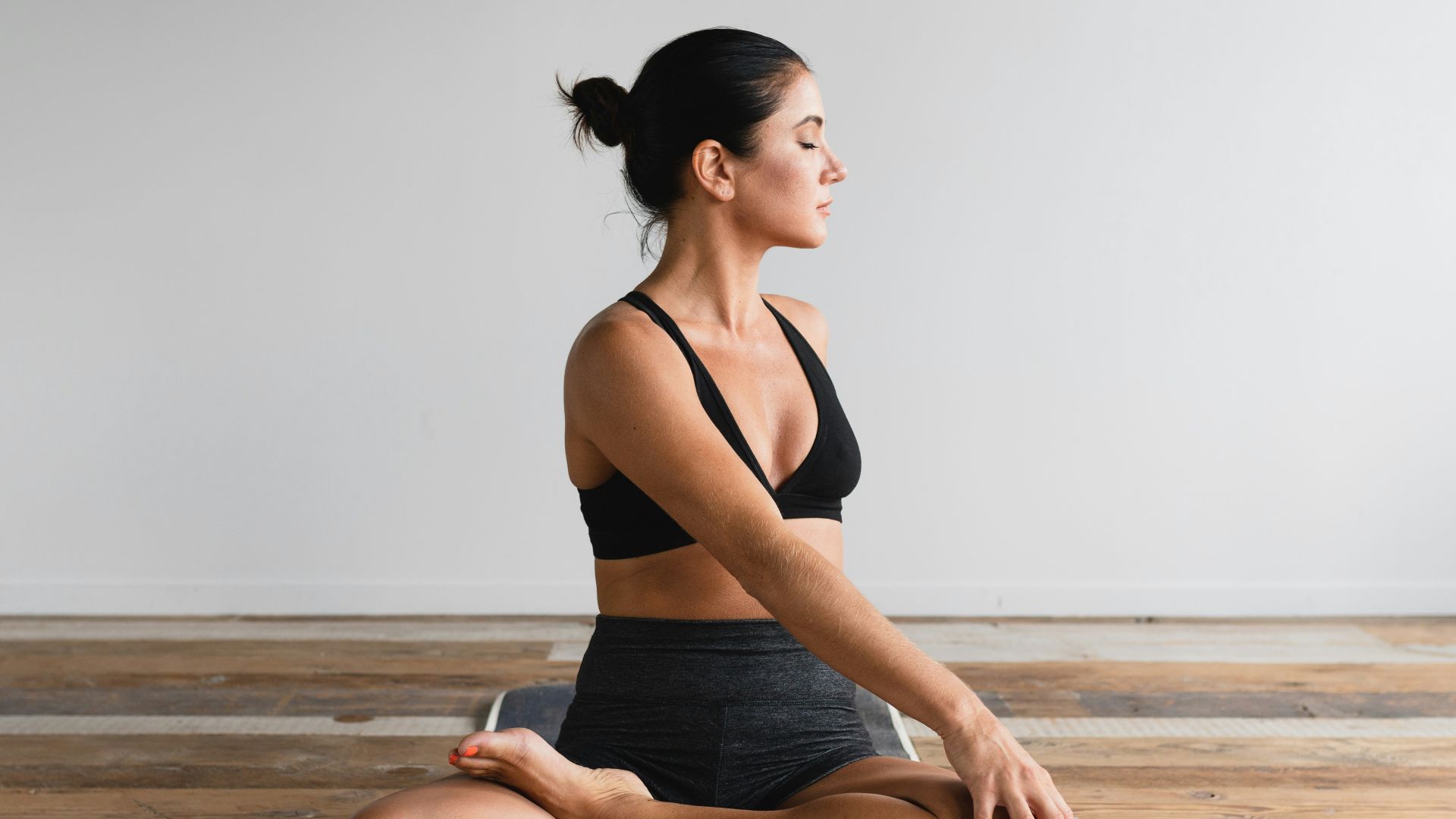
4. Sphinx Pose
Lie on your stomach and prop yourself up on your forearms while keeping your pelvis grounded. You should feel a mild, steady extension through your spine without pinching in your lower back. Hold the position with an easy breath and a long neck so your back muscles learn to support good alignment.
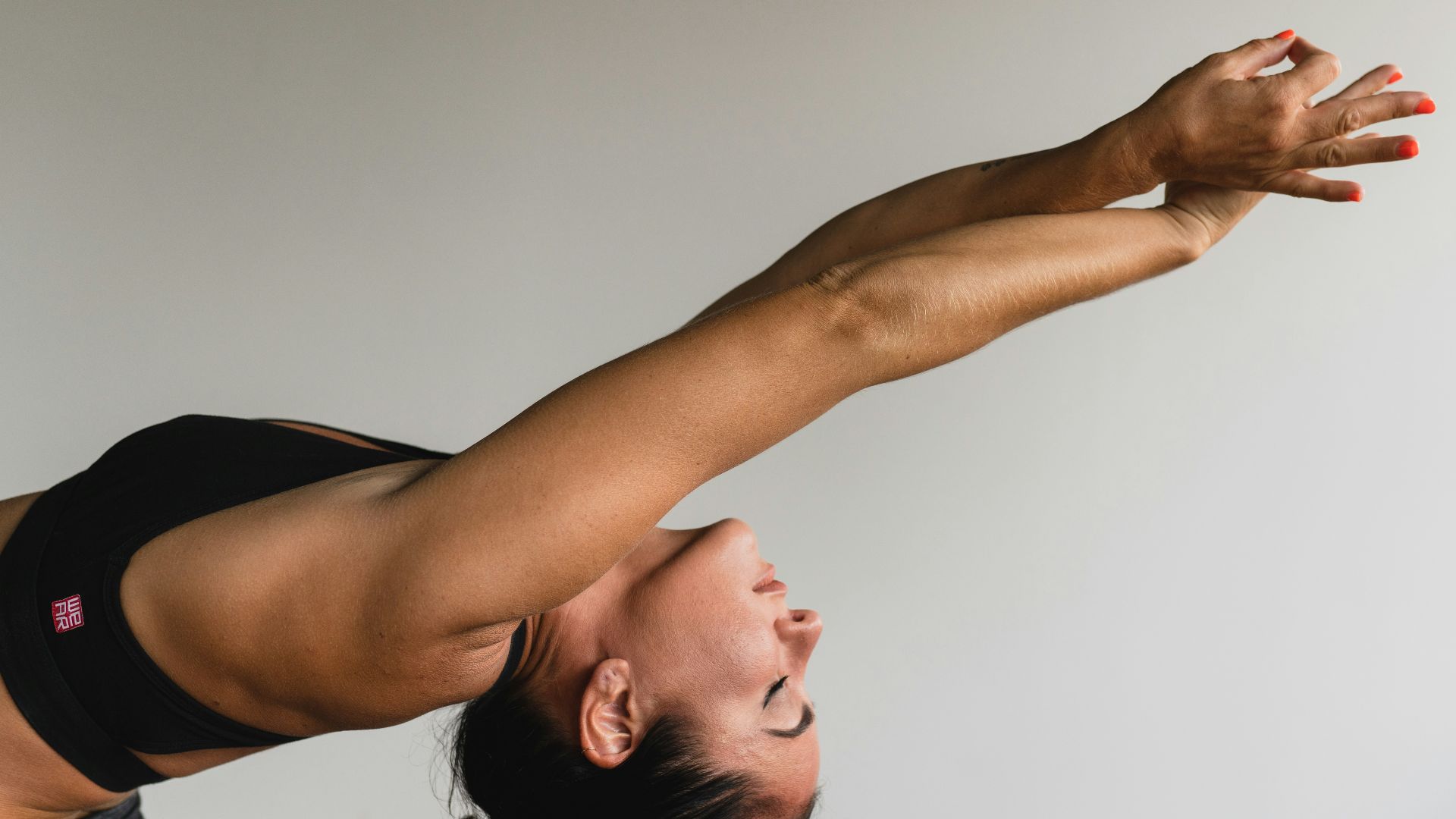
5. Cobra to Down Dog Transition
Move into a gentle cobra, then shift back into downward-facing dog with control instead of rushing between shapes. As you press back, lengthen through your spine and keep your core engaged so the stretch feels supported. Together, this pair beautifully opens the front of your body.
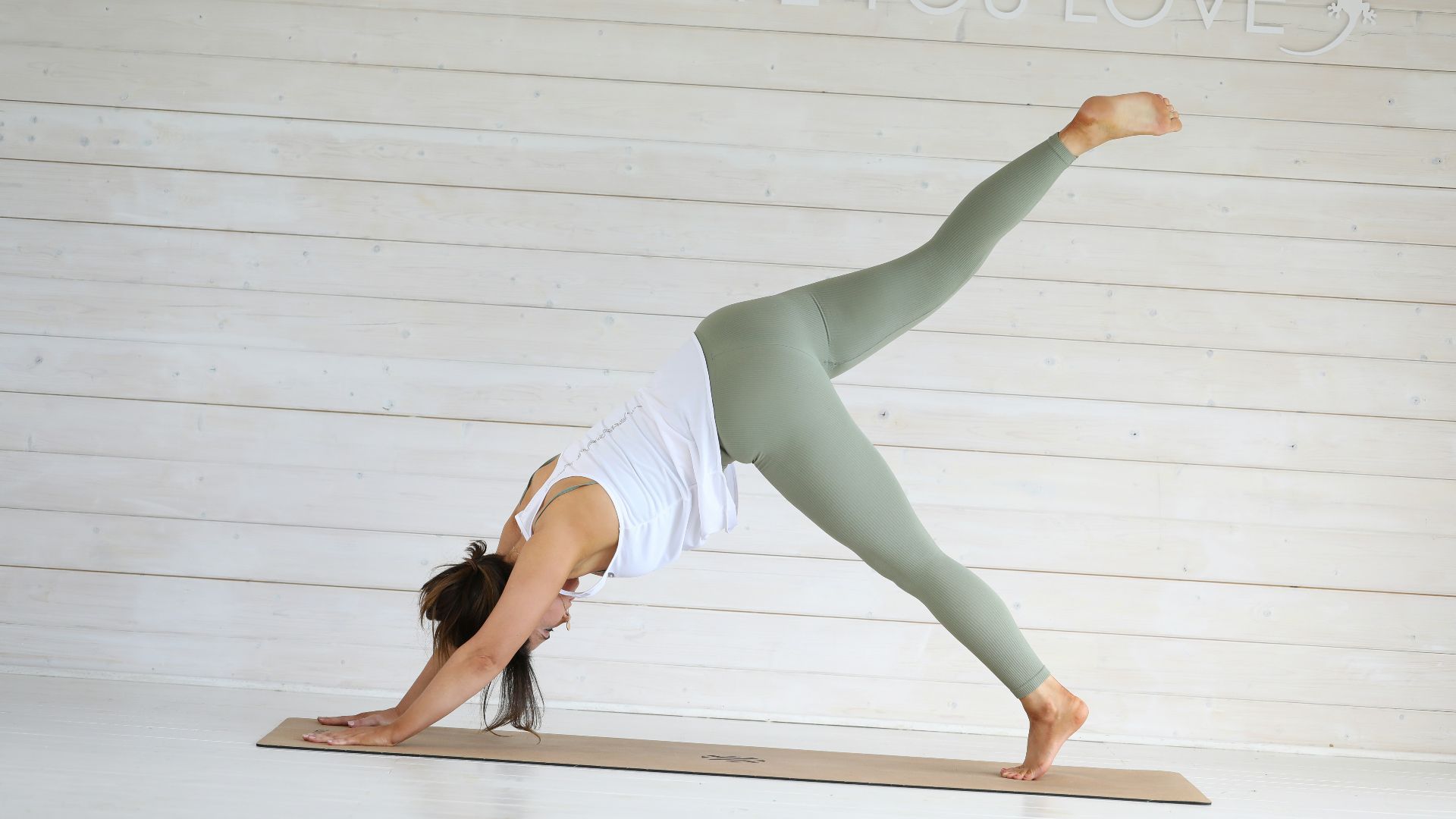
6. Standing Forward Fold With Back Engagement
Fold forward and let your head relax, but keep a subtle bend in your knees so your spine can lengthen comfortably. Lightly draw your shoulder blades toward your back pockets to avoid hanging on your joints. That small bit of engagement helps the stretch become a strength-builder for posture, not just a hamstring exercise.

7. Kneeling Hip Flexor Stretch With Reach
Drop into a kneeling lunge, tuck your pelvis slightly, and reach the arm on the kneeling side overhead. You’ll feel the front of the hip open, which can reduce the urge for your lower back to compensate during standing and lifting. If you keep your glutes active, the position trains supportive control and mobility.
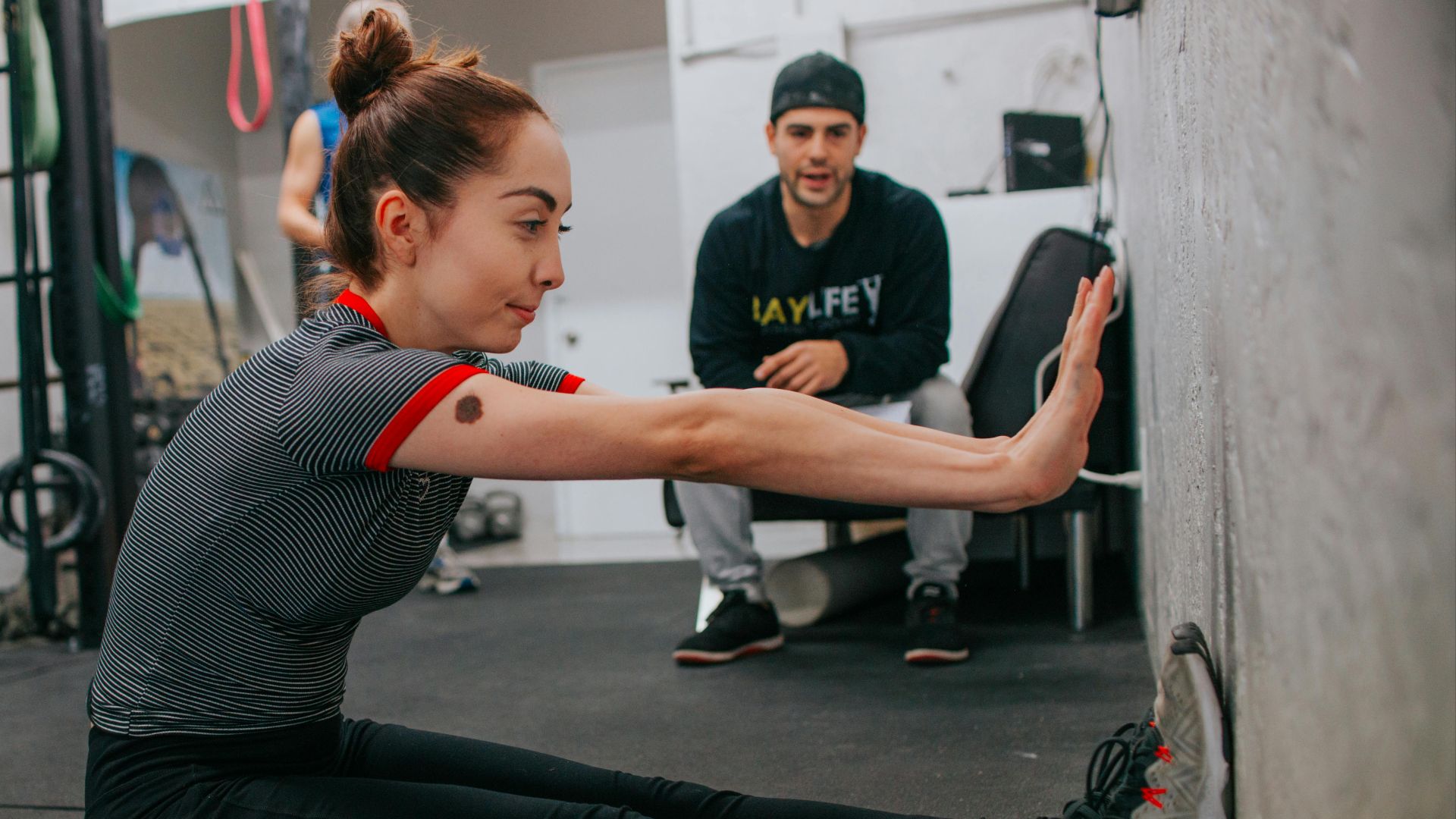
8. Doorway Lat and Upper Back Stretch
Place your hands on the sides of a doorway or a stable frame and sit your hips back as your chest lowers. Let your shoulder blades glide naturally while you maintain gentle tension through your mid-back. You’ll easily improve overhead mechanics, which often makes your back feel stronger during pulling and carrying.
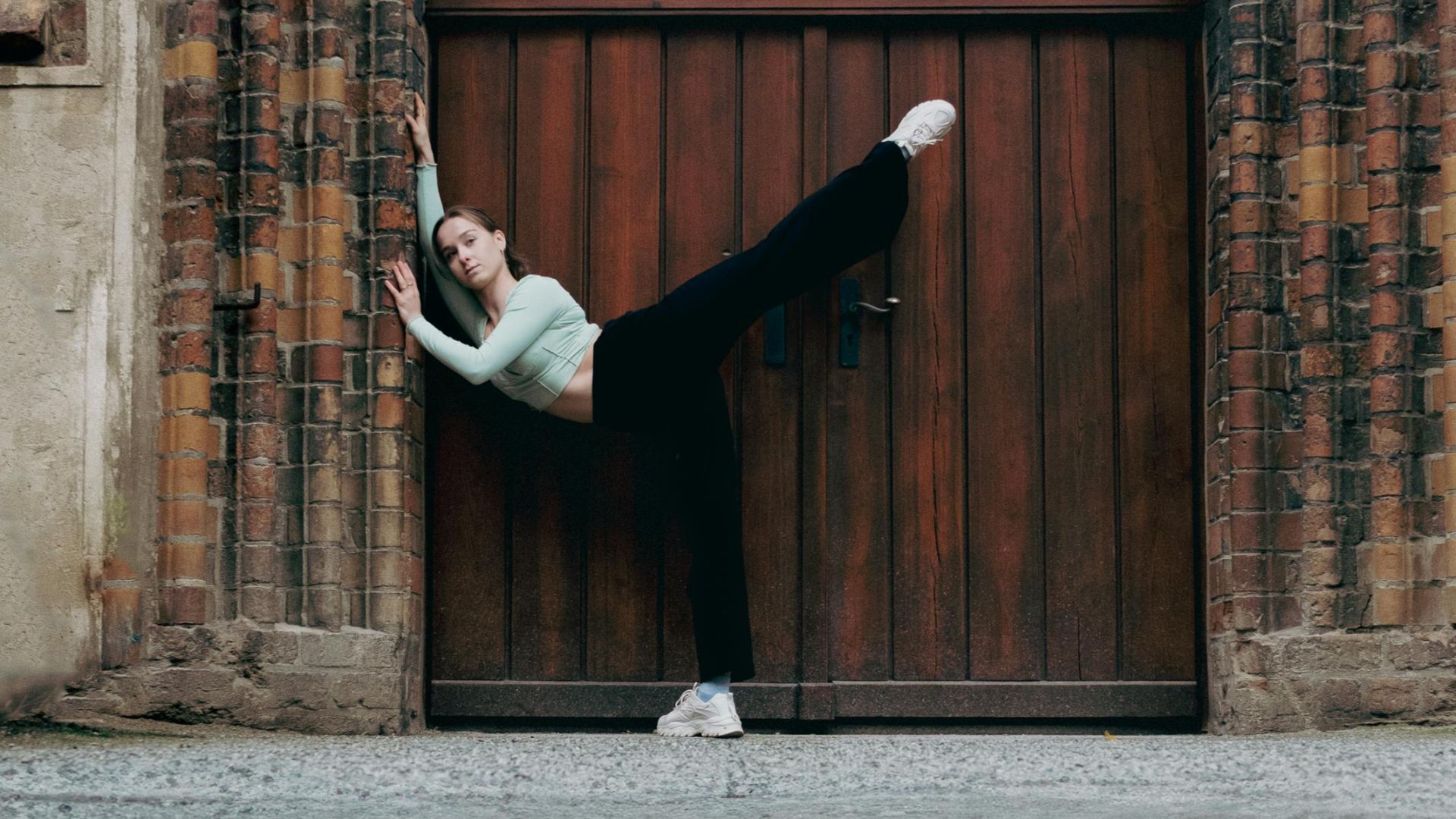
9. Supine Knees-to-Chest Hold
If you want to calm tightness, this one is a must. Lie on your back and draw your knees in, holding them with your hands while your shoulders stay relaxed. Instead of squeezing hard, use a soft pull and focus on slow exhales that let your lower back settle.
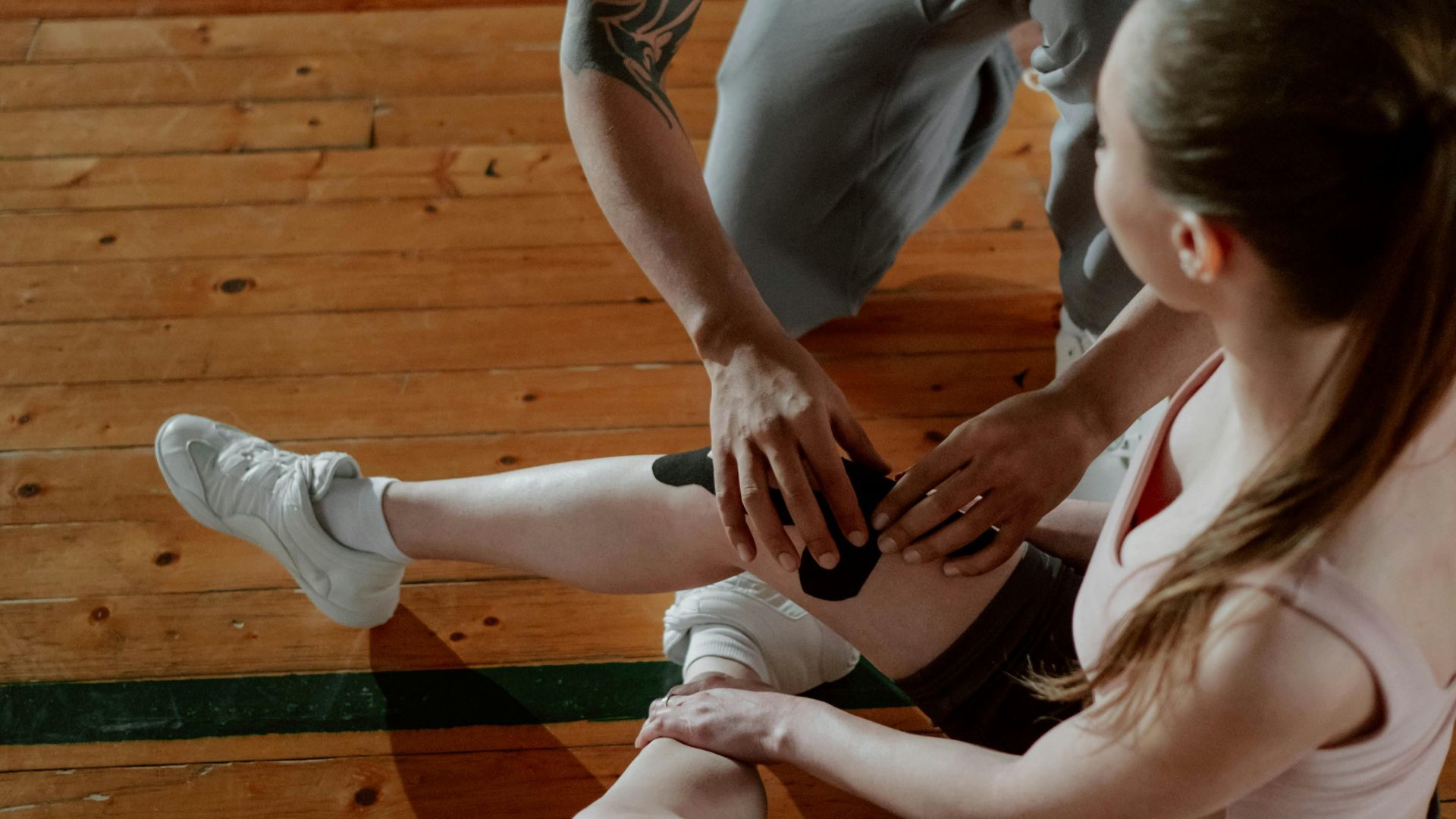
10. Open Book Thoracic Rotation
Lie on your side with knees bent, then rotate your top arm and ribcage open while keeping your knees stacked. Move slowly and stop where you can breathe evenly, because that’s the range you can actually control. Better thoracic rotation helps your back distribute the work evenly.