A Practical Plan for Smoother Skin
Calluses are one of those small body changes that can sneak up on you, then suddenly feel impossible to ignore. They’re usually a sign that your skin’s adapting to repeated friction or pressure, even if you didn’t realize it happening. And if you don’t realize something, that’s exactly when it becomes a problem—especially if you struggle to get rid of it. Don’t you worry; we’re here to break down common signs of calluses and a few successful ways to stop them in their tracks.
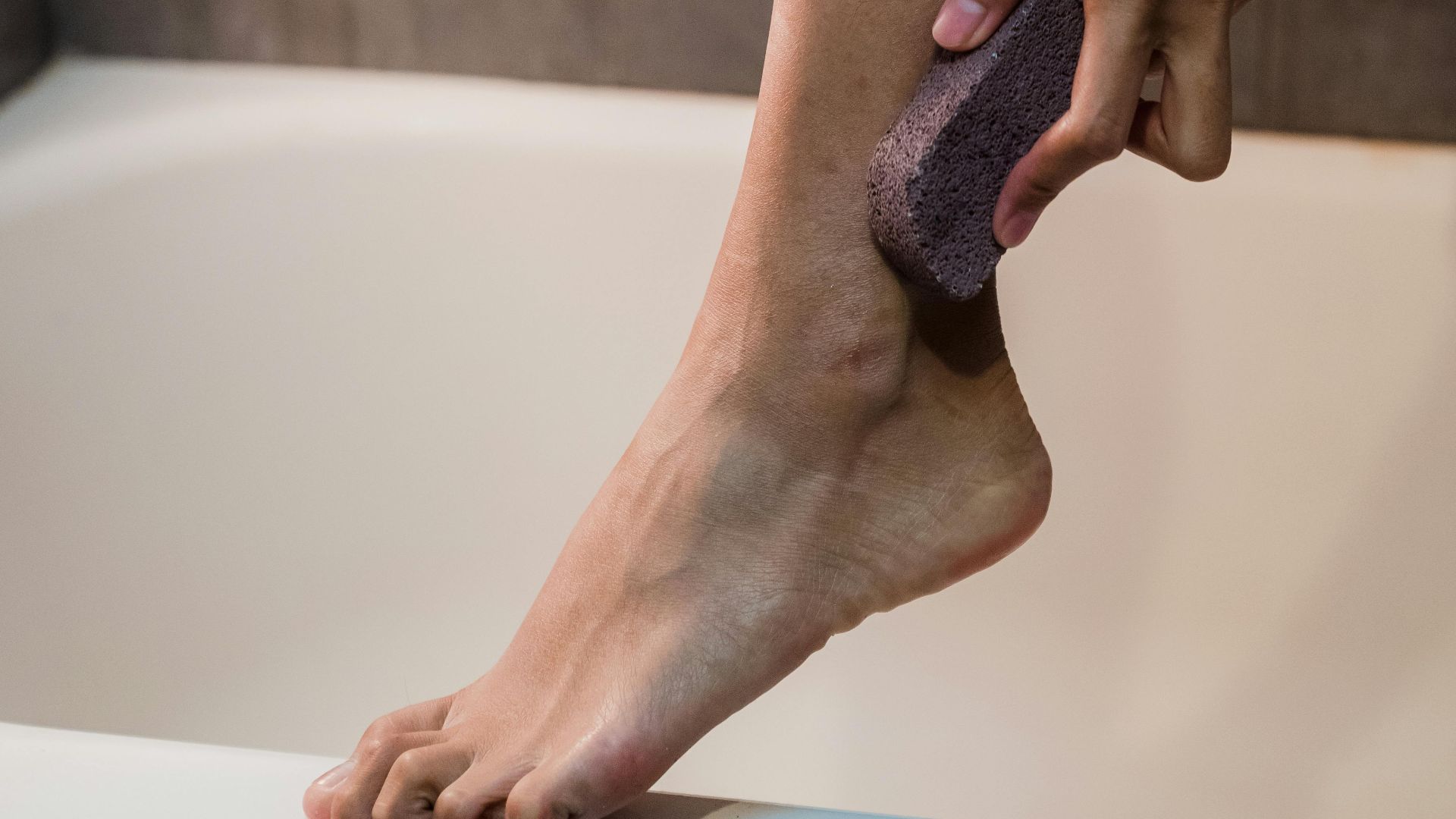
1. A Rough, Thickened Patch of Skin
You’ll notice a spot that feels noticeably tougher than the surrounding skin. It often appears slightly raised or layered, like the area has developed a protective layer over time. When you run a finger over it, the texture can even feel dry or like sandpaper.
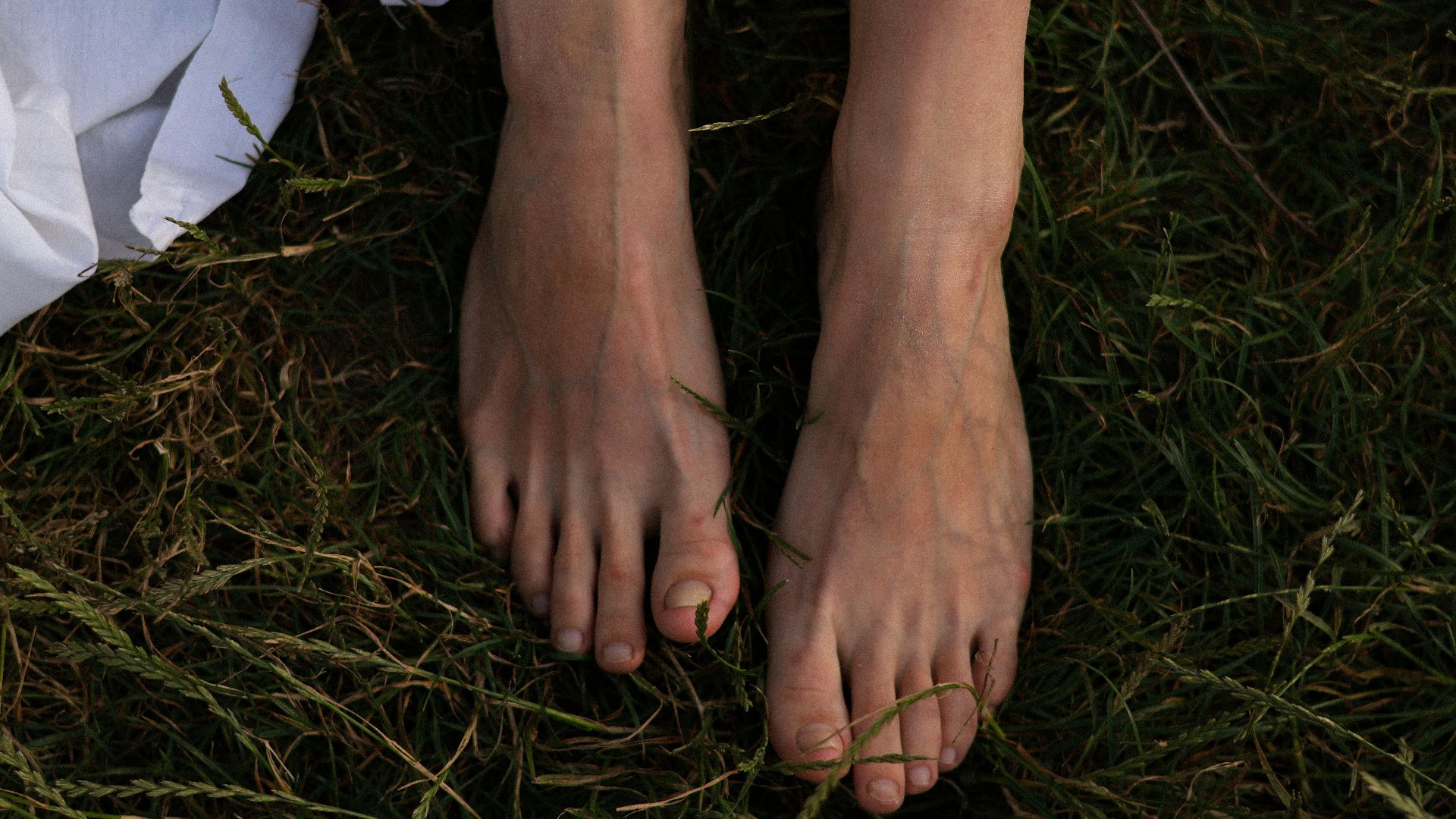
2. A Yellowish or Gray Tint
Most people know to look for dry skin, but not for discolored skin! Some calluses develop a muted color change that stands out under certain lighting. The patch may look faintly yellow, gray, or dull compared with the rest of your skin. It’s usually subtle at first, then becomes more obvious as the thickening increases.
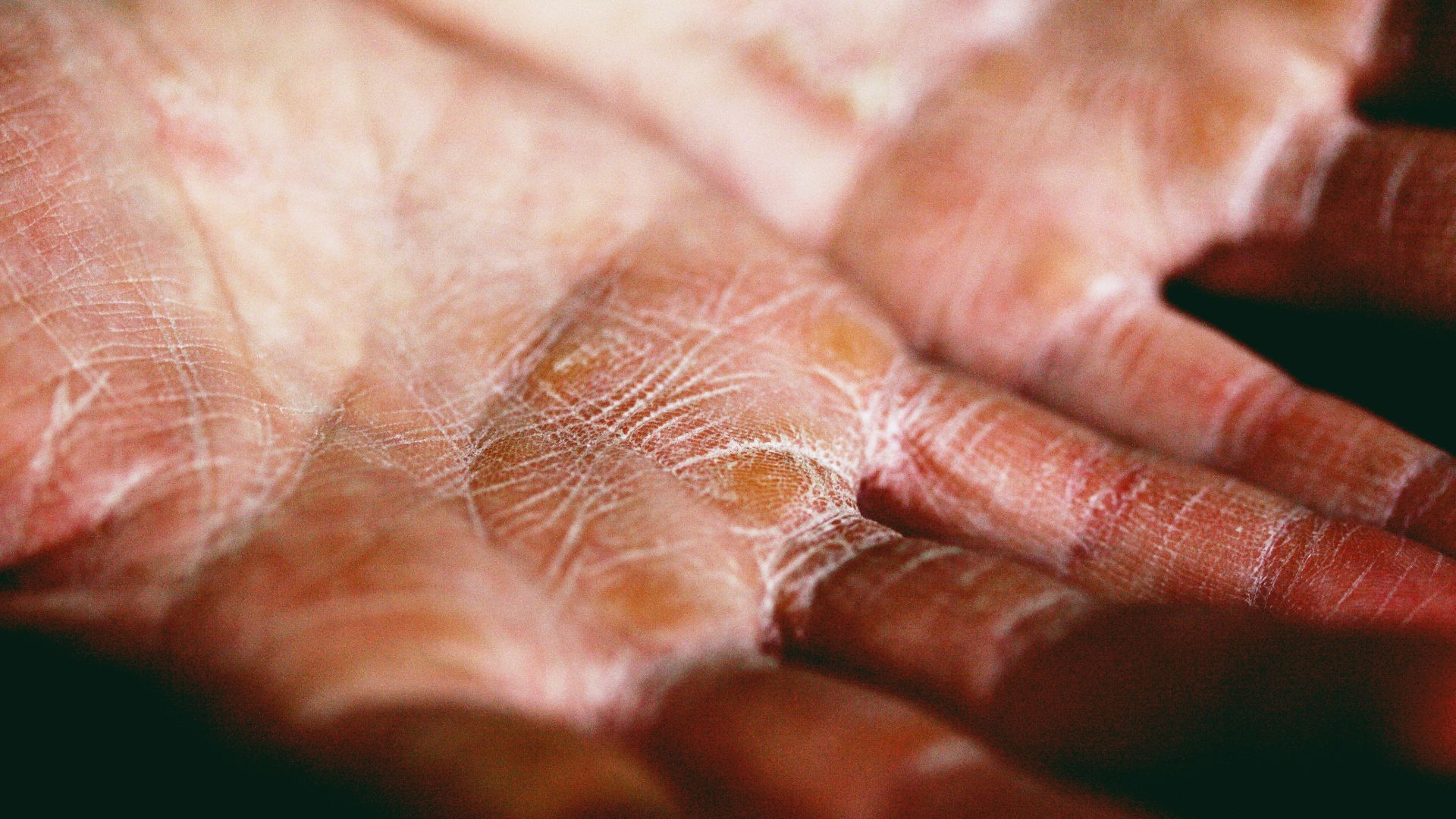
3. Reduced Sensation in That Area
Does the spot feel pressure the same way nearby skin does? If not, you’re likely dealing with a callus; affected areas seem a little “numb,” especially when you press on them directly. Dull sensations are often a clue that the skin has thickened enough to buffer normal feeling.
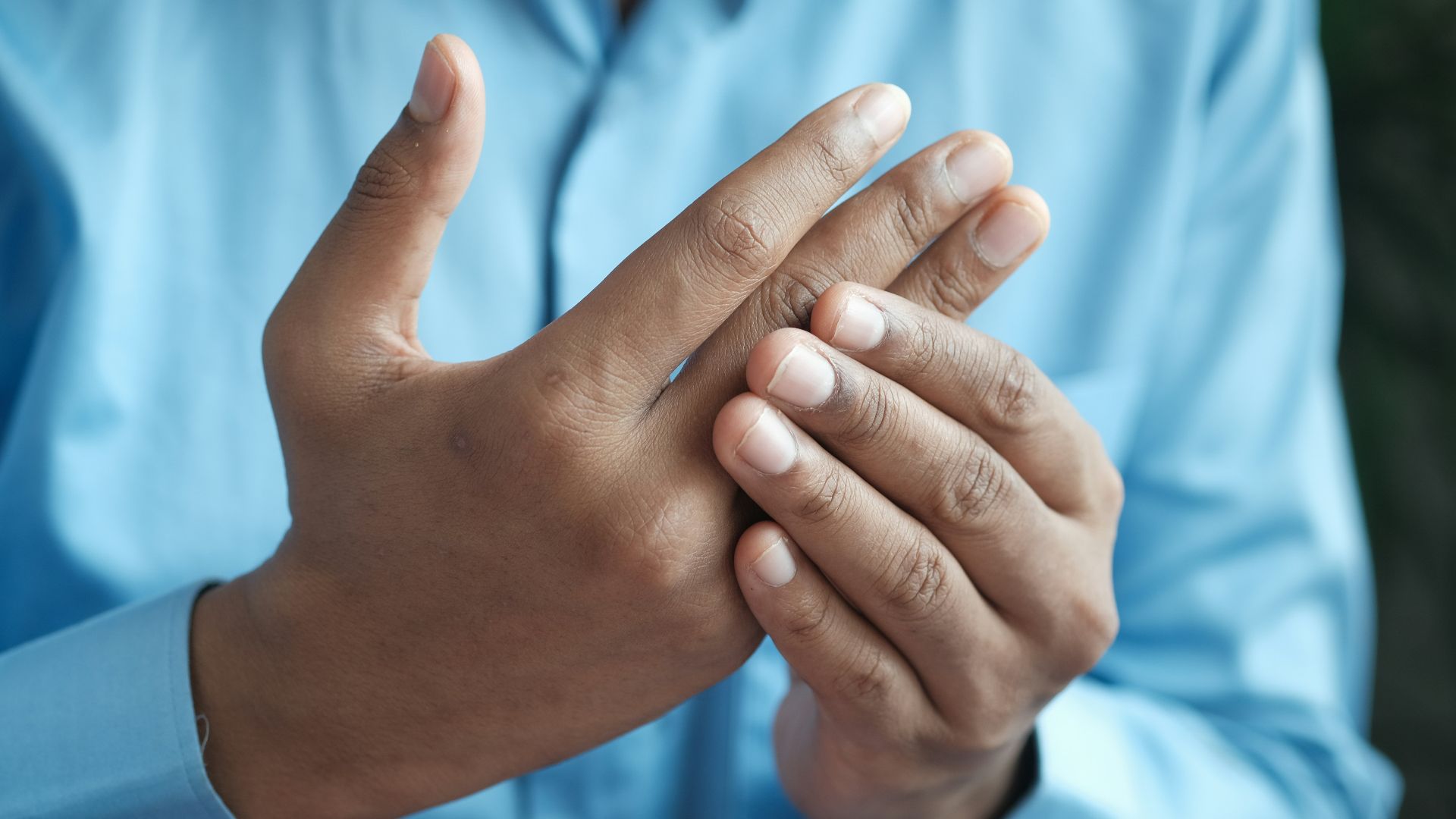
4. Discomfort When Pressure Hits the Wrong Angle
A callus isn’t always painful, but it can become sore when you put weight on it. Keep an eye out for tenderness if you squeeze the area from the sides or step down awkwardly. Though discomfort tends to be localized, it’s still a pain (pun intended) to deal with.
5. A Defined Border You Can Trace
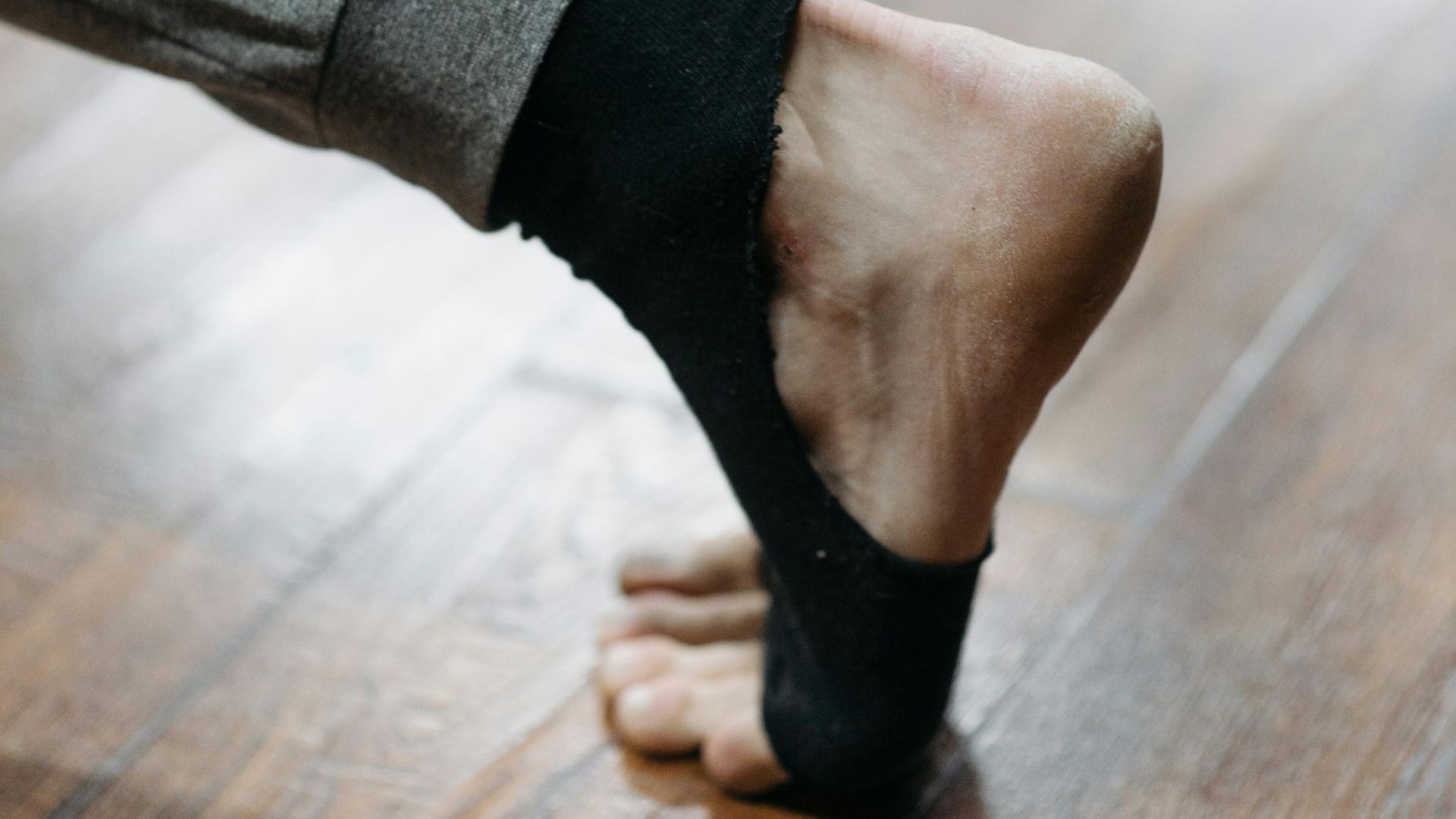
Many calluses have an edge you can actually see or feel, almost like a boundary line. The center is usually thickest, while the outer ring gradually blends into normal skin. If you can outline it with your fingertip, that’s a pretty strong sign.
6. Flaking or Peeling on the Surface
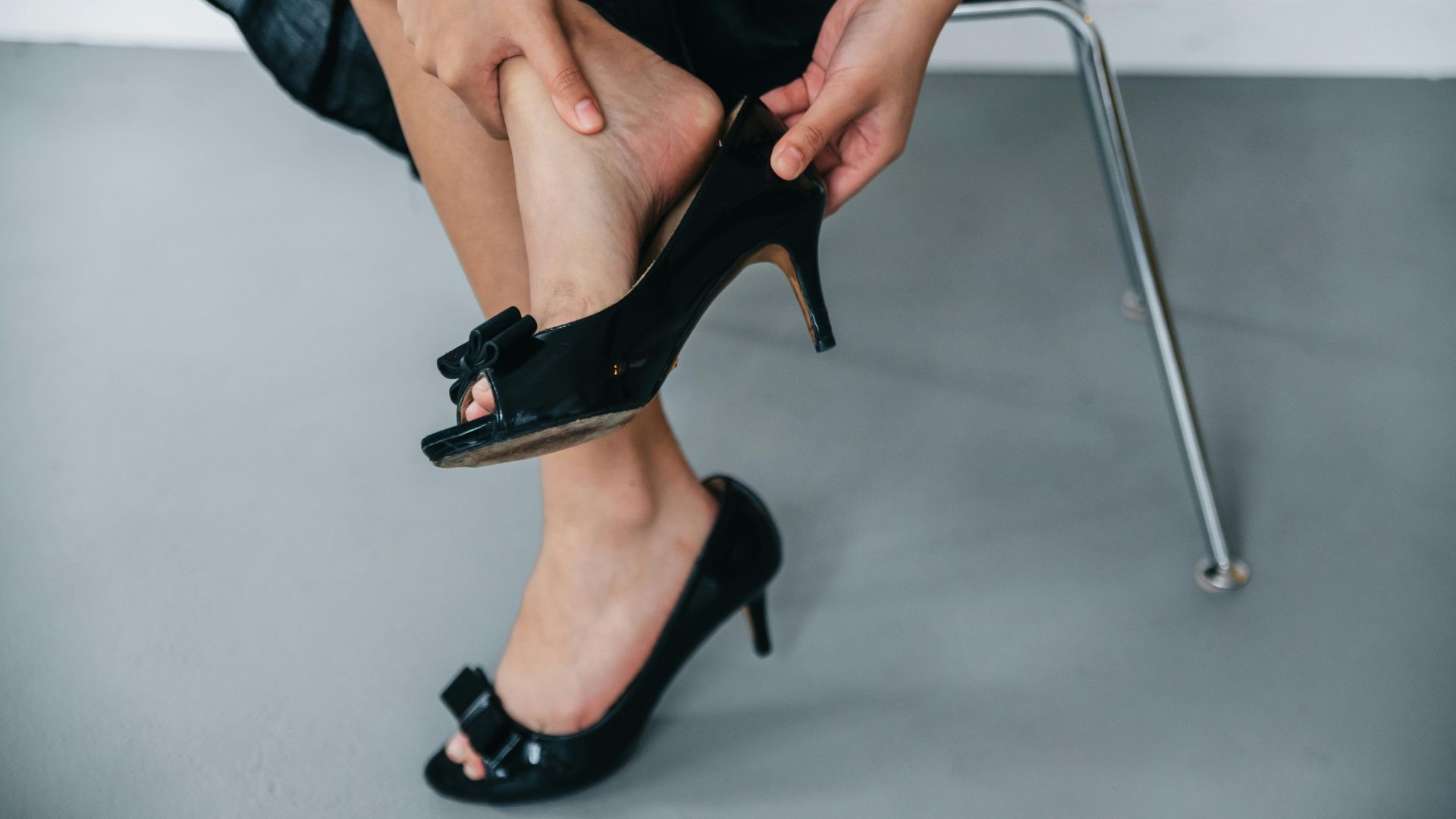
The top layer may start shedding little bits of skin, especially after a shower or a long day on your feet. But don’t get ahead of yourself, either—there’s a difference between callus shedding and a blister; with calluses, you’ll see mild peeling without the raw, wet look that often comes with an active blister.
7. A Firm, Pressed-Down Look
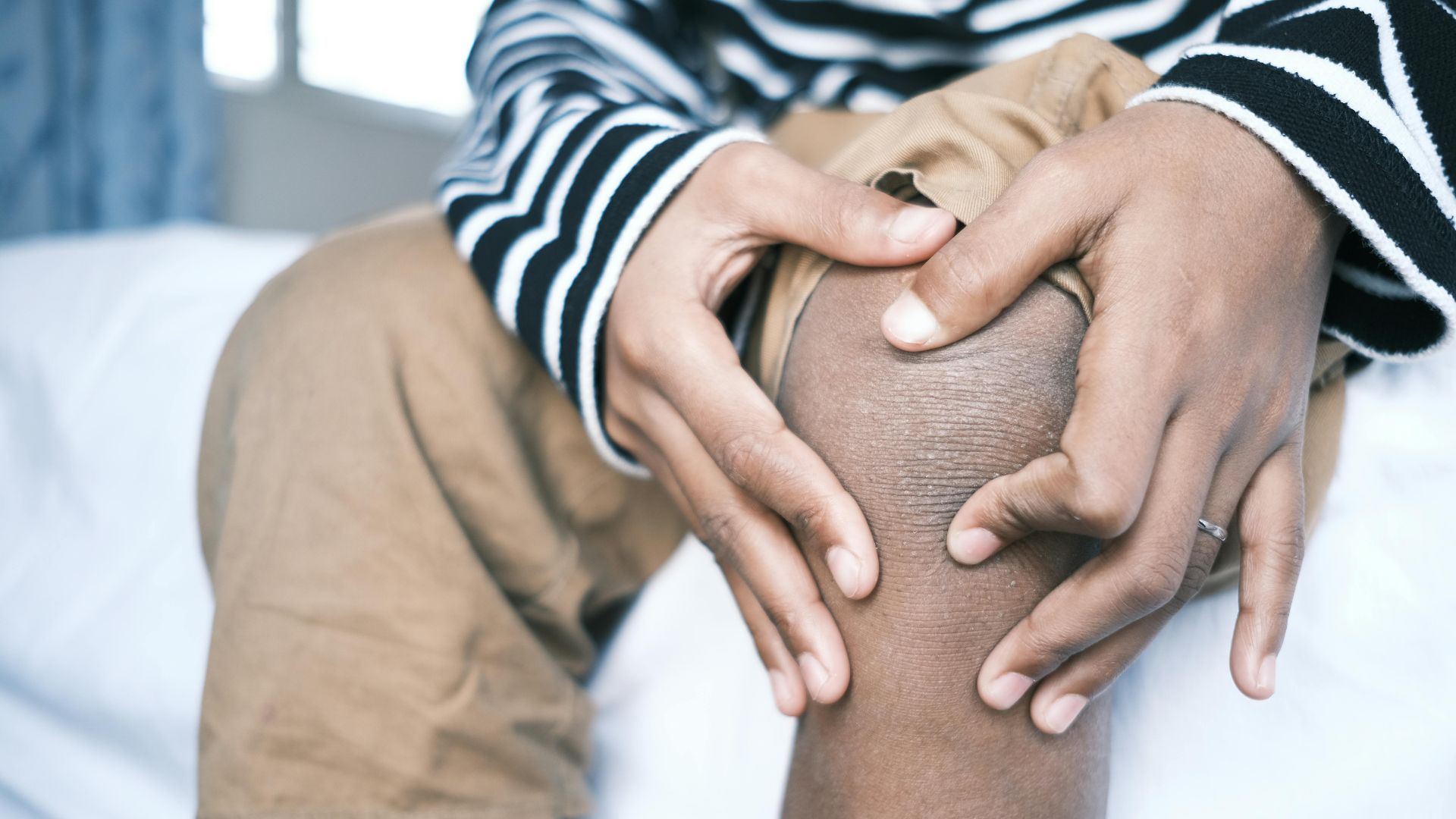
Instead of puffing up like a blister, a callus often looks compact and dense. The area can appear flattened, almost as if it’s compressed by repeated contact. That “packed” look is common on feet, palms, and spots that handle constant friction.
 Nataliya Melnychuk on Unsplash
8. It Forms Exactly Where You Repeatedly Rub
You’ll usually find it in a place that matches your habits, like where a shoe seam hits or where a tool handle rests. The location often makes the cause feel obvious once you think about it; if the spot keeps showing up in the same place, friction’s likely to blame.
 Dan Galvani Sommavilla on Pexels
9. It Improves Slowly, Not Overnight
Even when you reduce pressure, the thickened skin tends to fade gradually instead of disappearing right away. You might see small changes over weeks rather than a dramatic improvement in a day or two. That slow pace is typical because the extra layers need time to shed naturally.
10. The Area Cracks When It Gets Too Dry
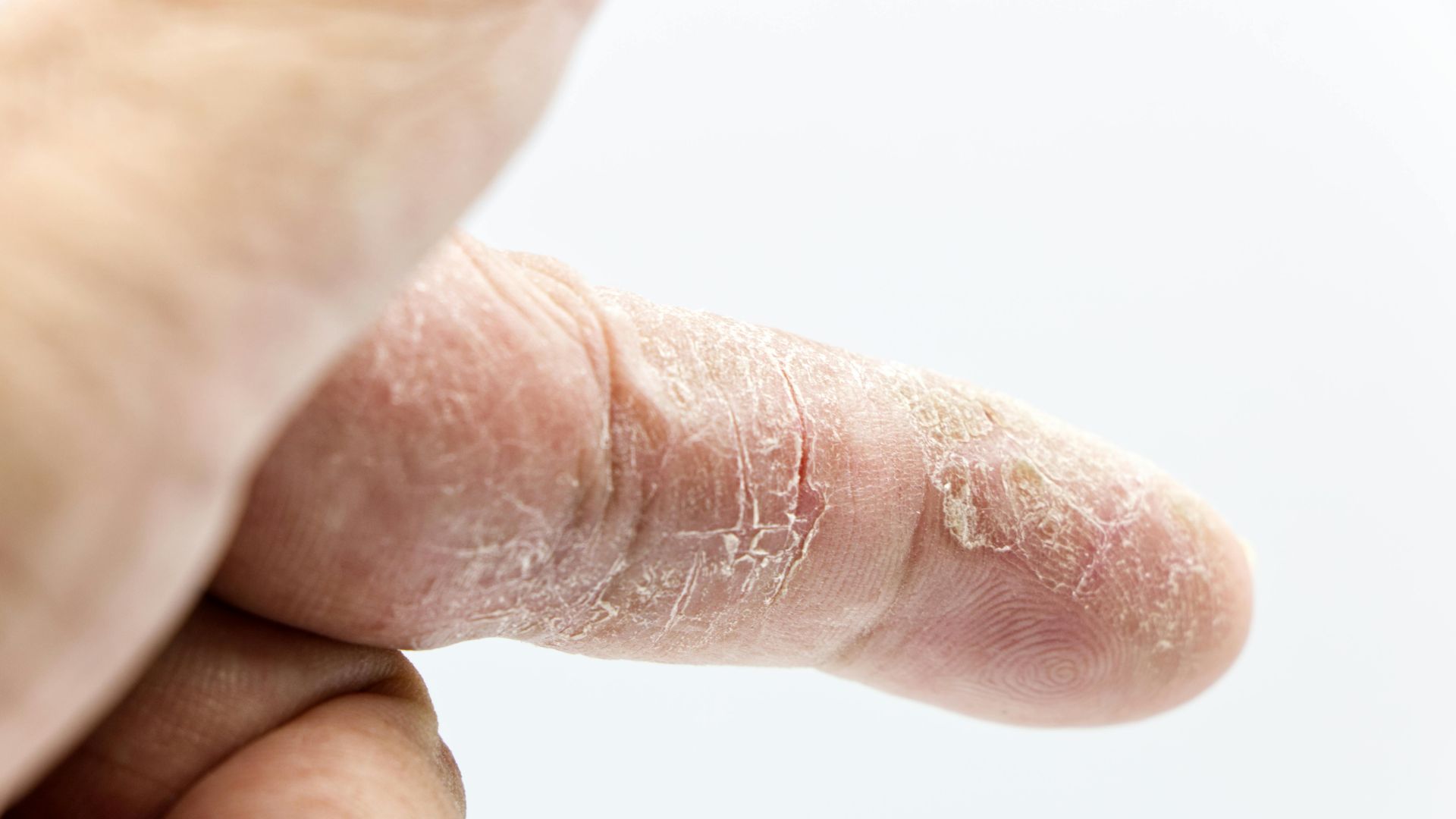
When a callus gets thick, it can split, especially around the edges. Don’t be surprised to see fine lines at first, then deeper cracks if the skin dries out or the pressure continues.
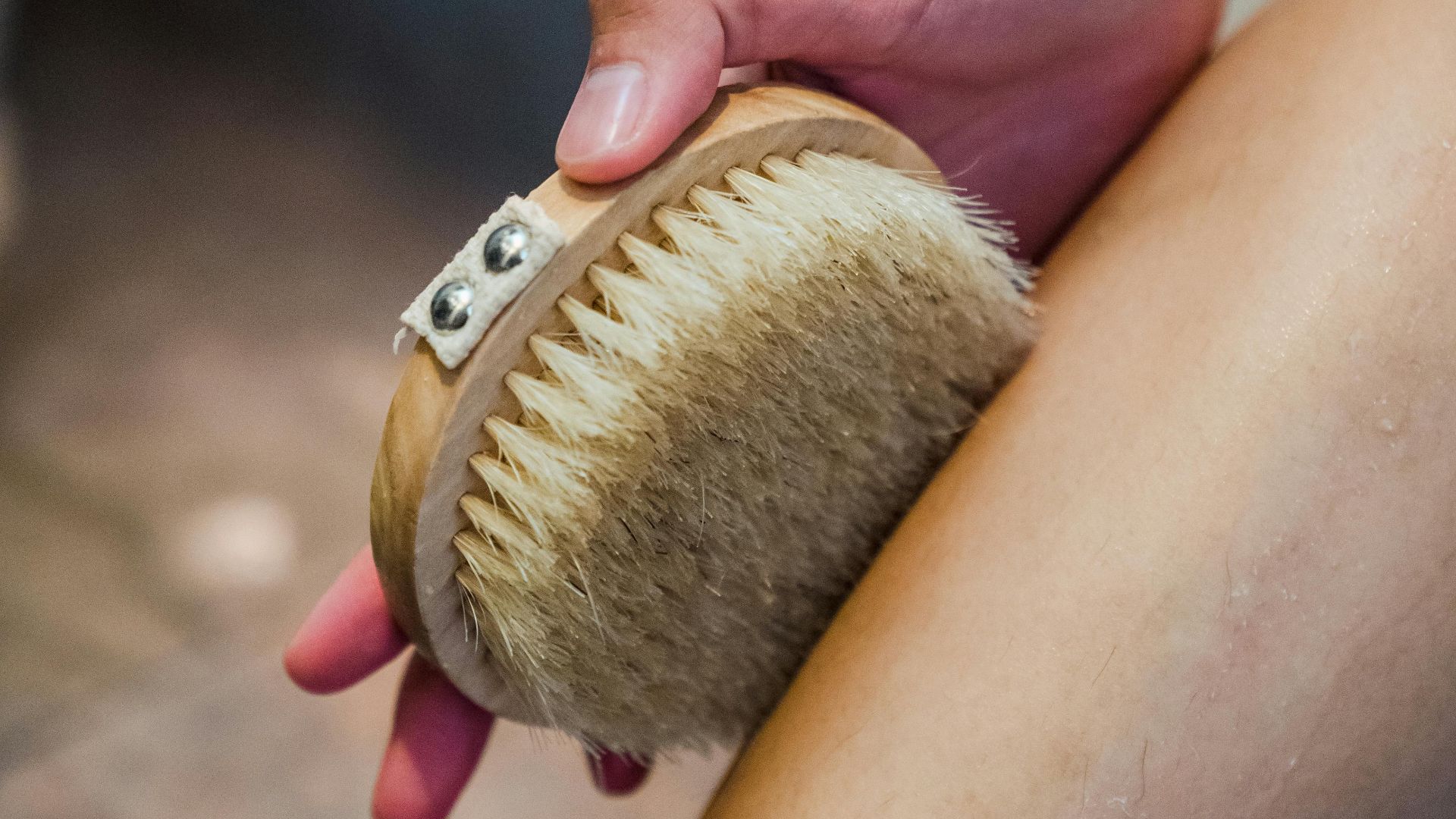
Calluses are usually your skin’s way of coping with repeated friction or pressure, but you don’t have to accept them as permanent fixtures. The key is to treat the skin gently while also addressing whatever’s causing the rubbing in the first place. Let’s dive into how you can get rid of them!
1. Soak the Area Before You Do Anything Else
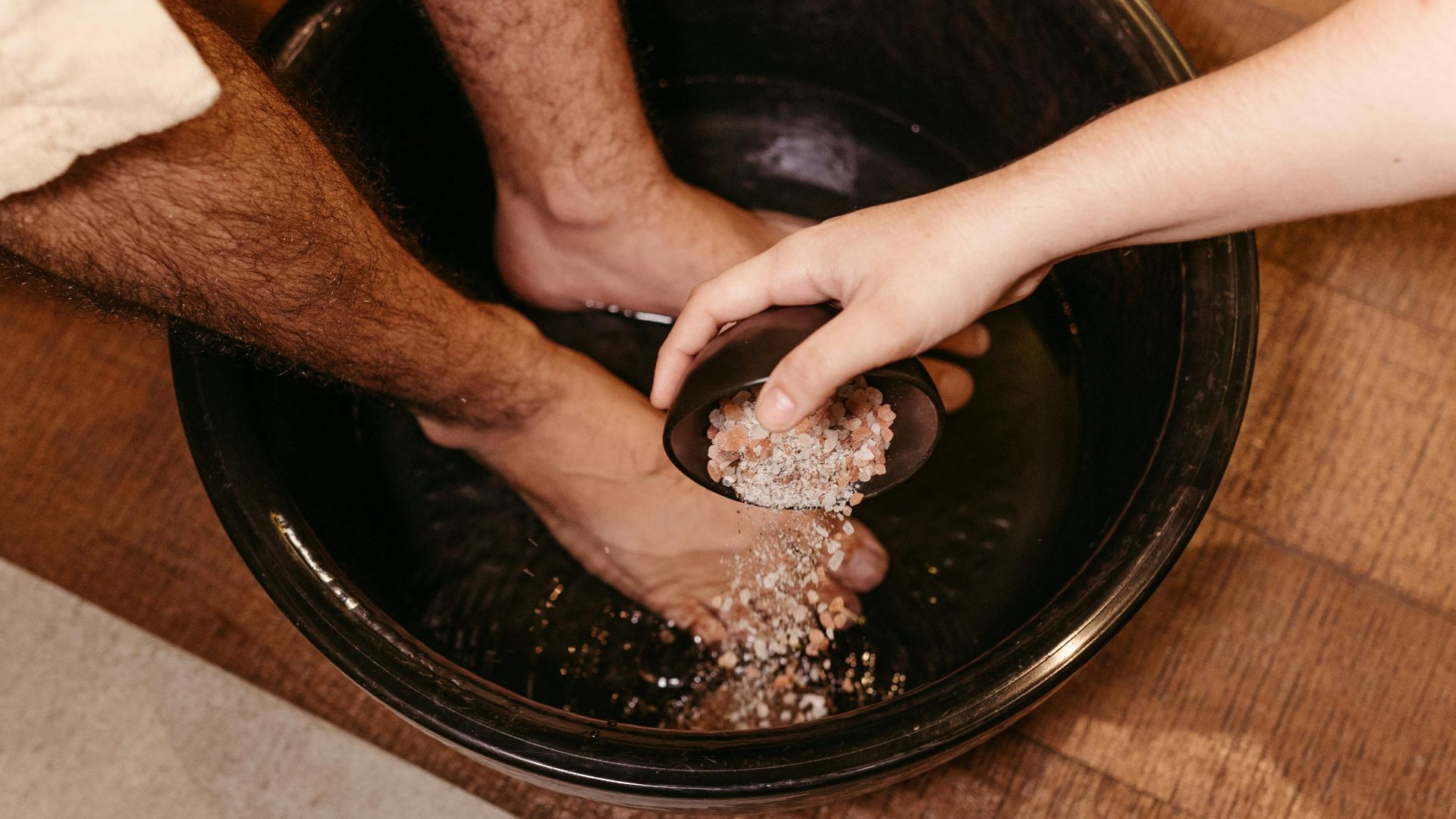
Start by soaking your hands or feet in warm water for 10 to 15 minutes to soften the skin. Adding mild soap can help remove surface oils and make the following steps work better. Once the skin feels pliable, you’re less likely to irritate it while treating it.
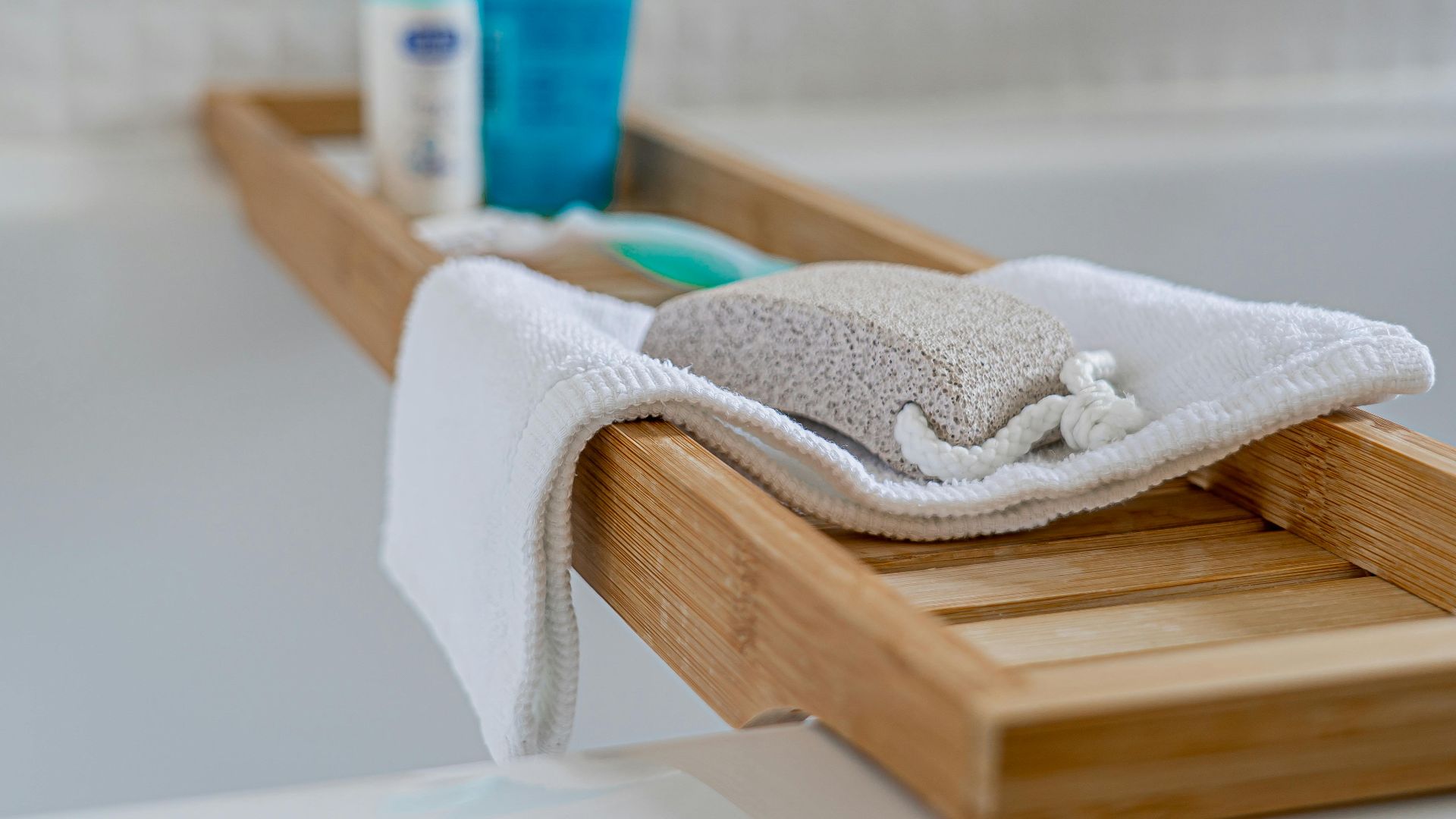
2. Use a Pumice Stone With a Light Touch
After soaking, rub the callus gently with a pumice stone using small circular motions. Keep the pressure moderate, too; scraping too hard can leave you sore and worse off than before. And make sure you rinse the stone often so you work with a clean surface.
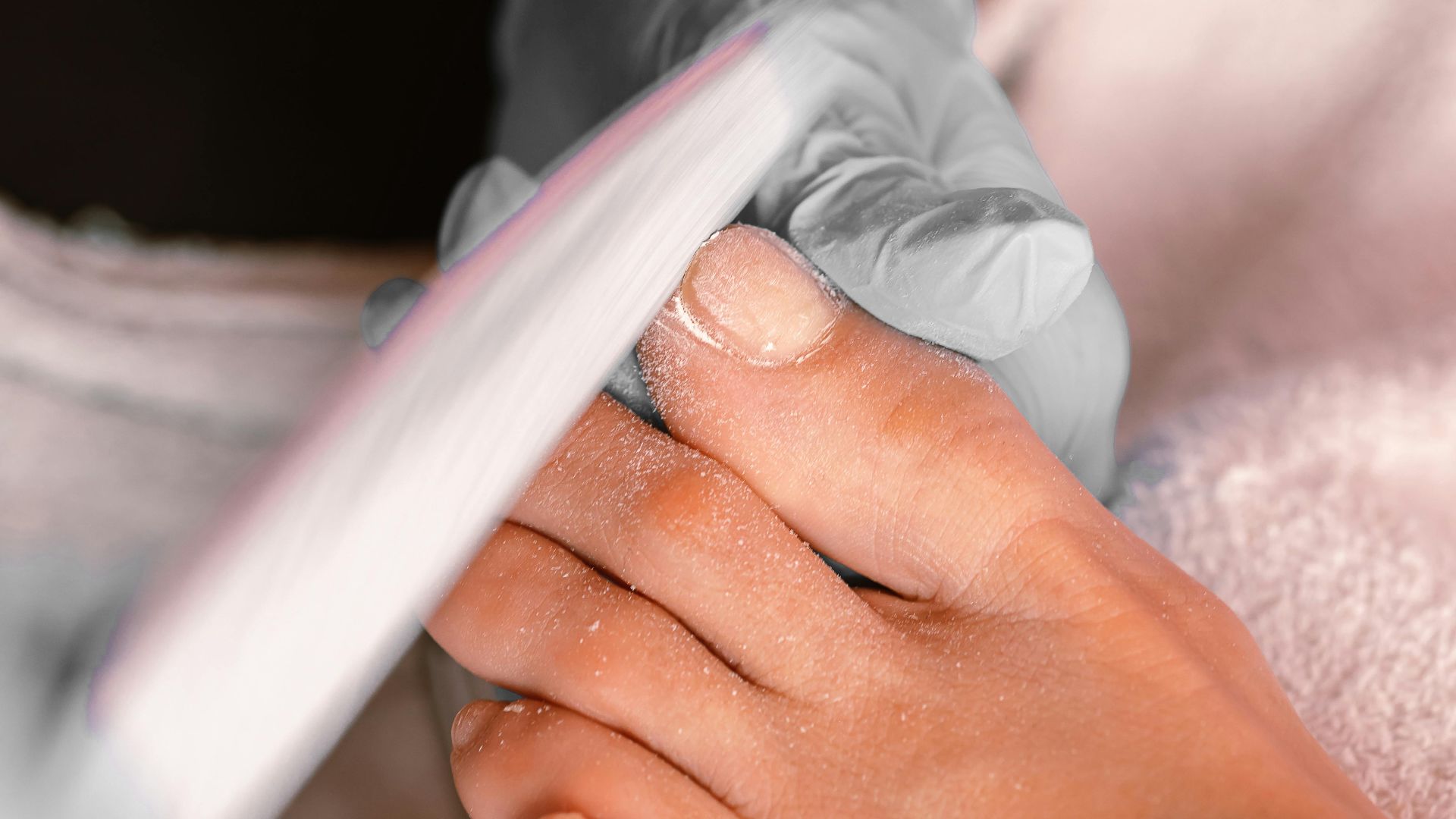
3. Try a Foot File for More Control
On the other hand, a foot file can be easier to manage than a stone if you like a steadier grip. Work slowly and focus on thinning the callus, not removing it all at once. When you stop before the skin looks pink or tender, you’re doing it right!
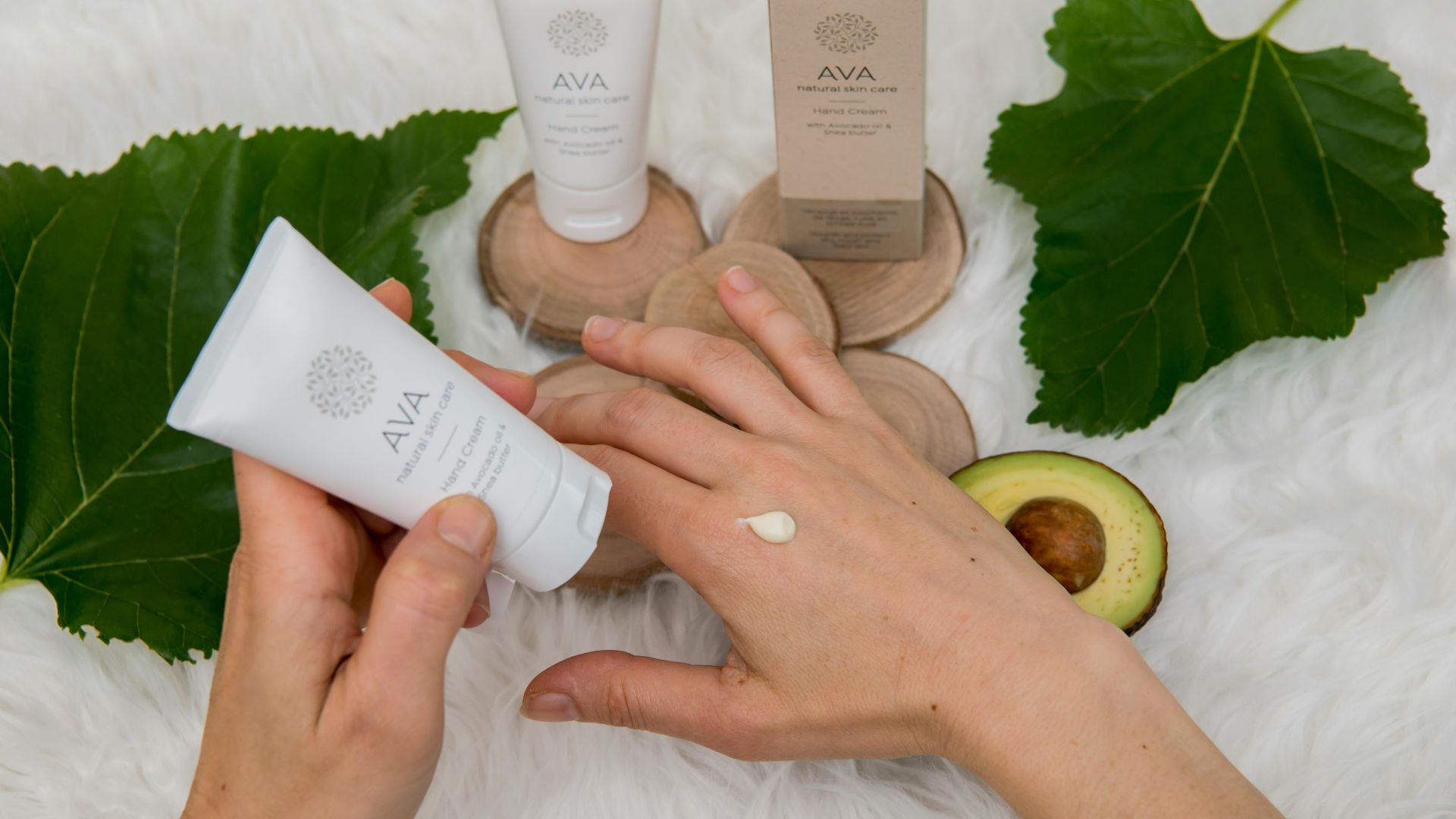
4. Apply a Urea or Salicylic Acid Cream
Look for creams labeled with urea or salicylic acid, since these ingredients help soften and break down thickened skin. (You can also consult with your physician.) Apply it as directed, and give it time to do its job rather than layering on extra product.
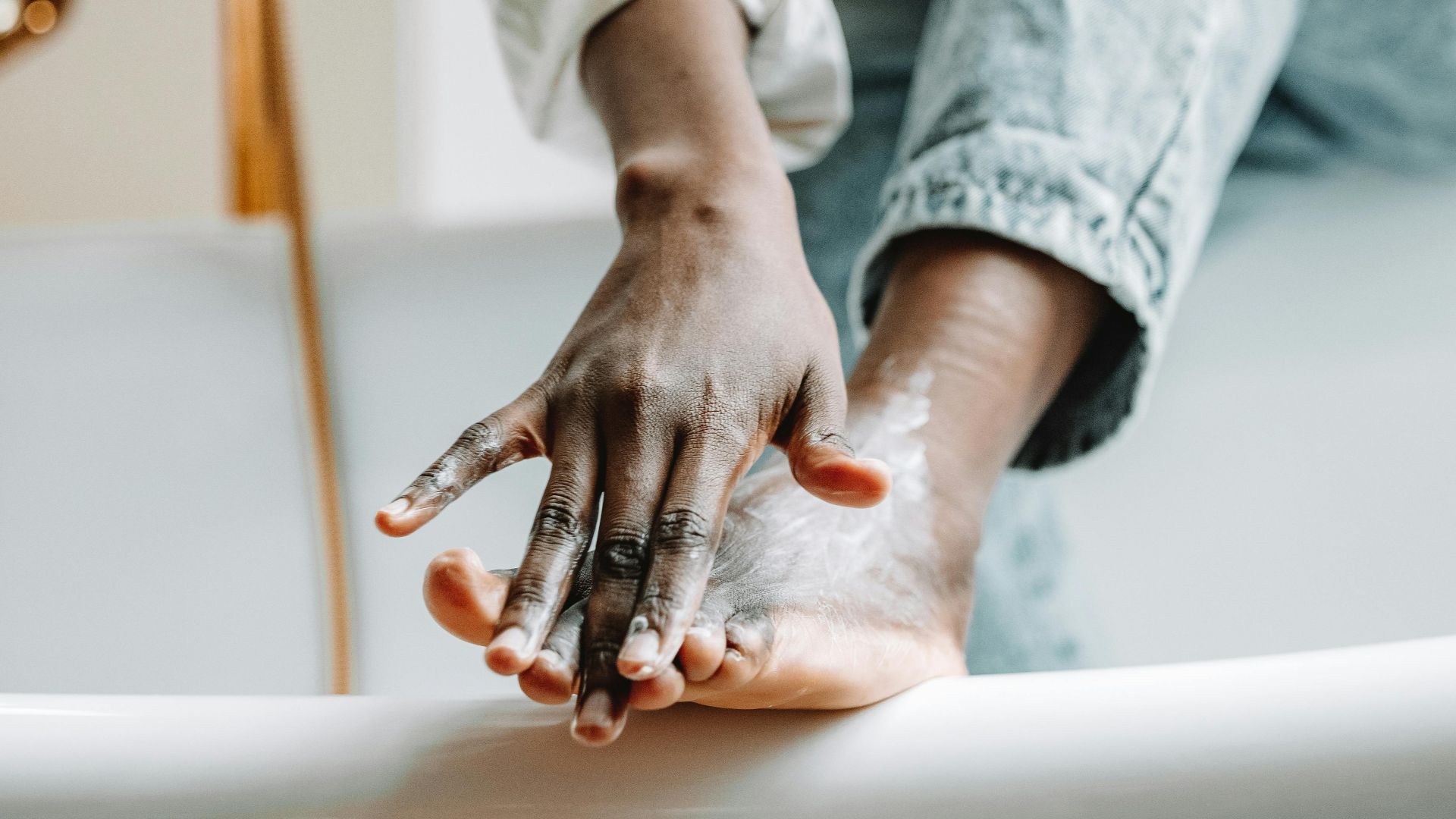
5. Moisturize Daily and Don’t Skip the Edges
A plain, fragrance-free moisturizer can reduce dryness and help prevent cracking. Rub it in thoroughly, especially around the borders where calluses tend to split. Consistency matters more than using the fanciest lotion on the shelf, so work on habit-building over spending your money.
6. Cover It Overnight
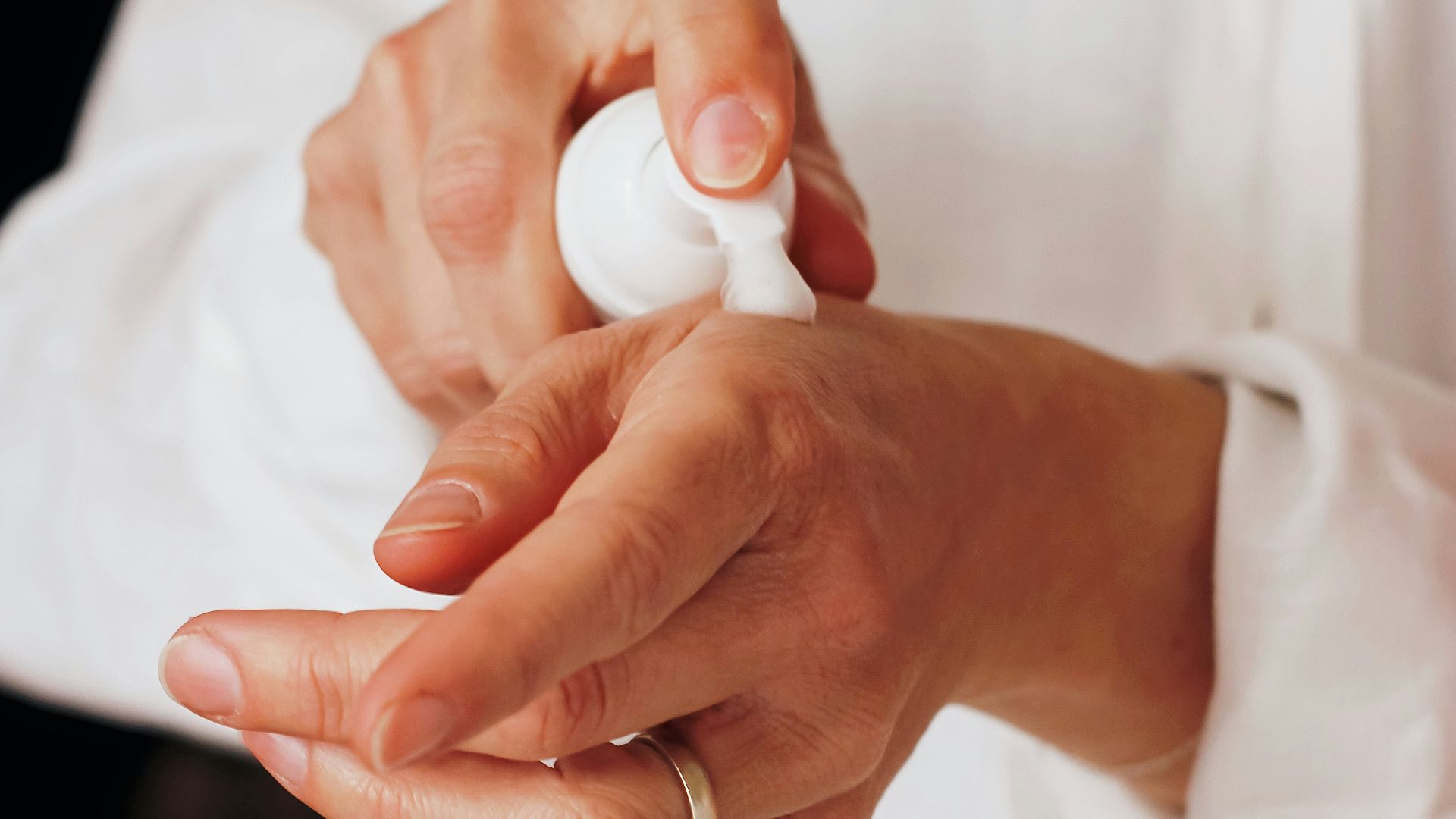
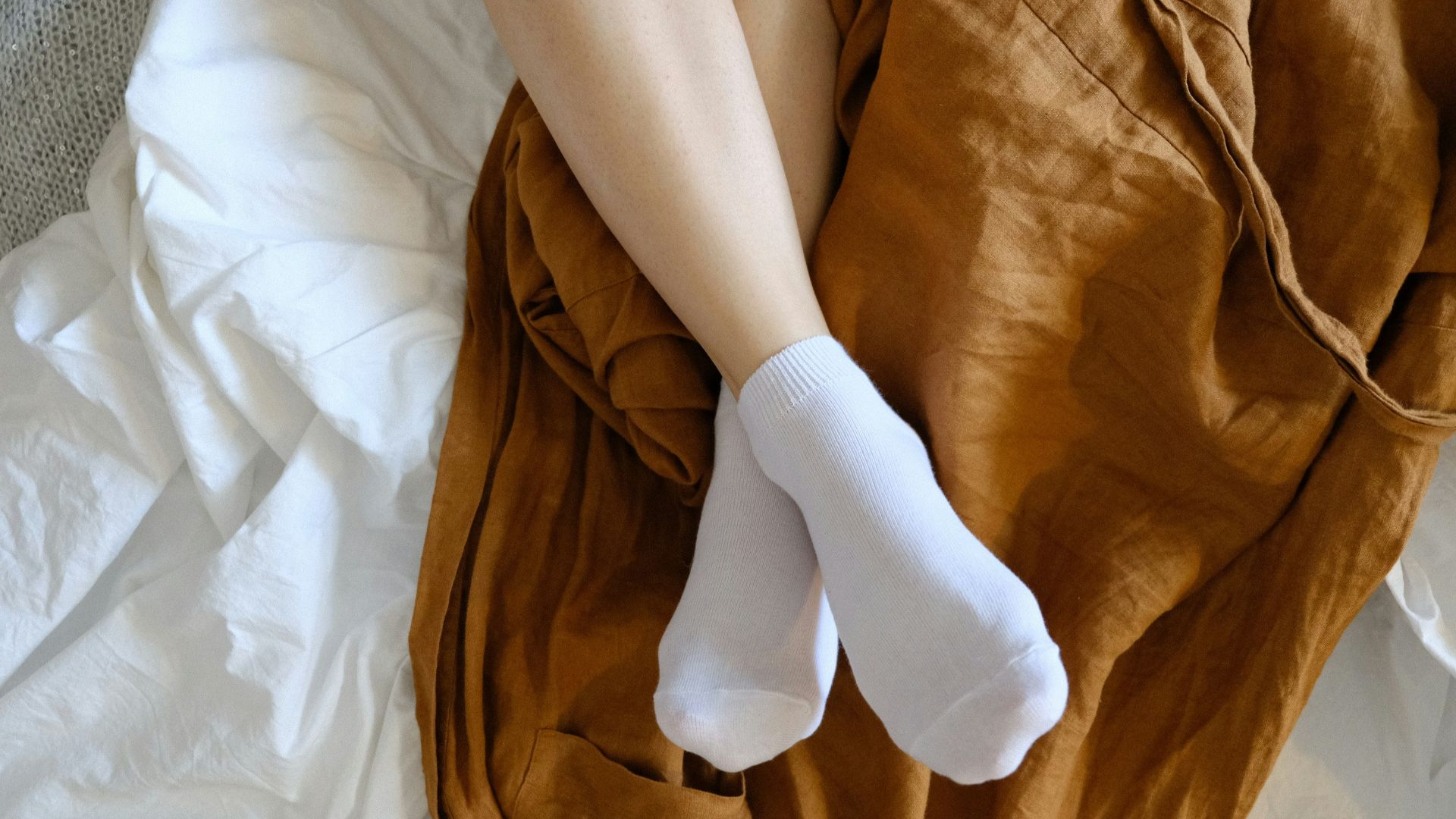
At bedtime, apply a thick moisturizer and cover the area with cotton socks or gloves. This keeps the product in place and reduces evaporation while you sleep. By morning, the skin usually feels softer and easier to manage.
7. Reduce Friction With Better-Fitting Shoes
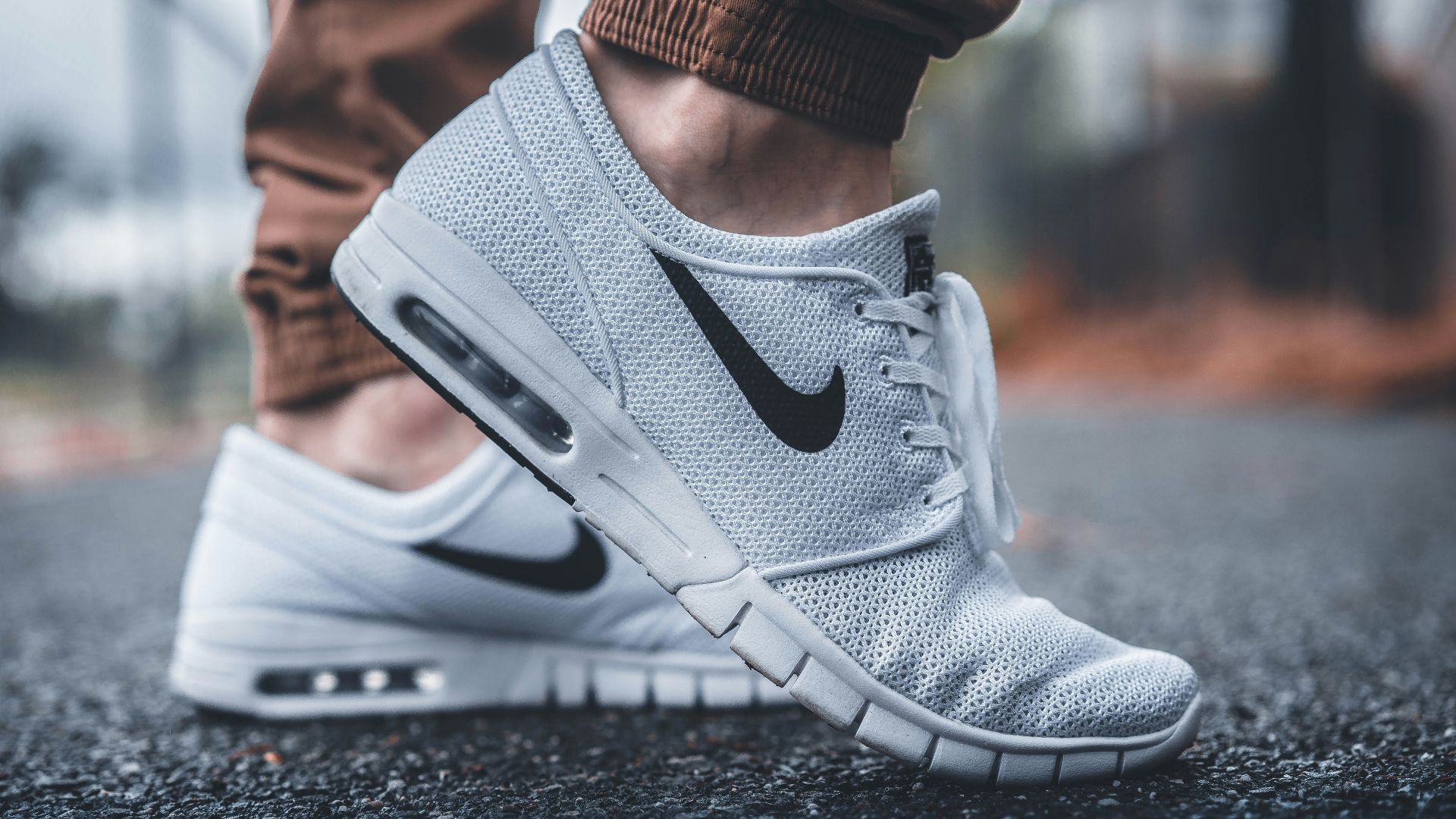
If you have calluses on your feet, footwear is usually the biggest culprit. Choose shoes that don’t pinch, slide, or press on the same spot with every step. Pairing them with cushioned socks can make it feel like you’re walking on air.
8. Use Protective Padding Where You Rub
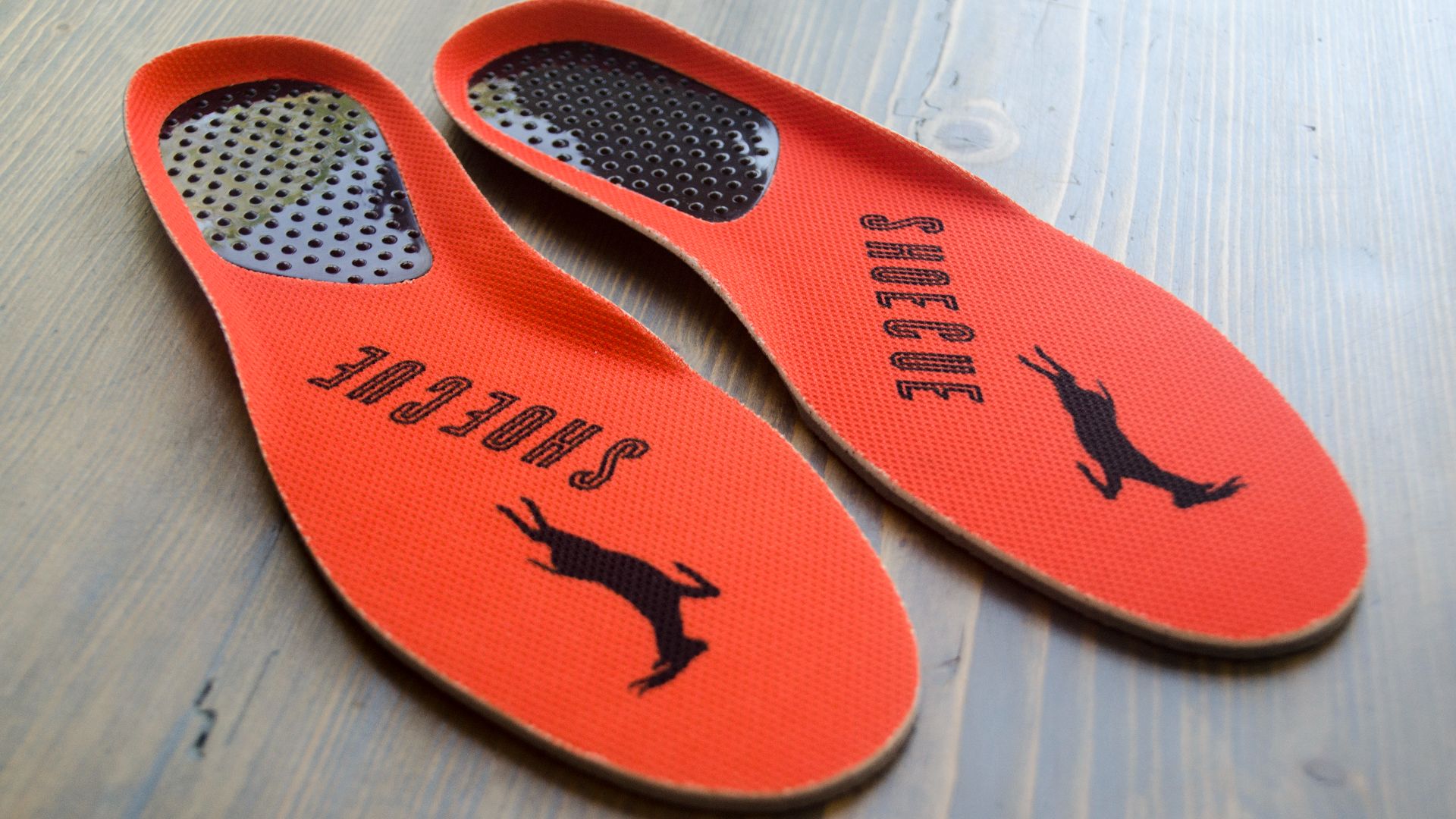
Gel pads, moleskin, or cushioned inserts can take pressure off the problem area. Place the padding so it prevents rubbing rather than creating a new pressure point. When it’s positioned correctly, you’ll feel relief without changing your whole routine.
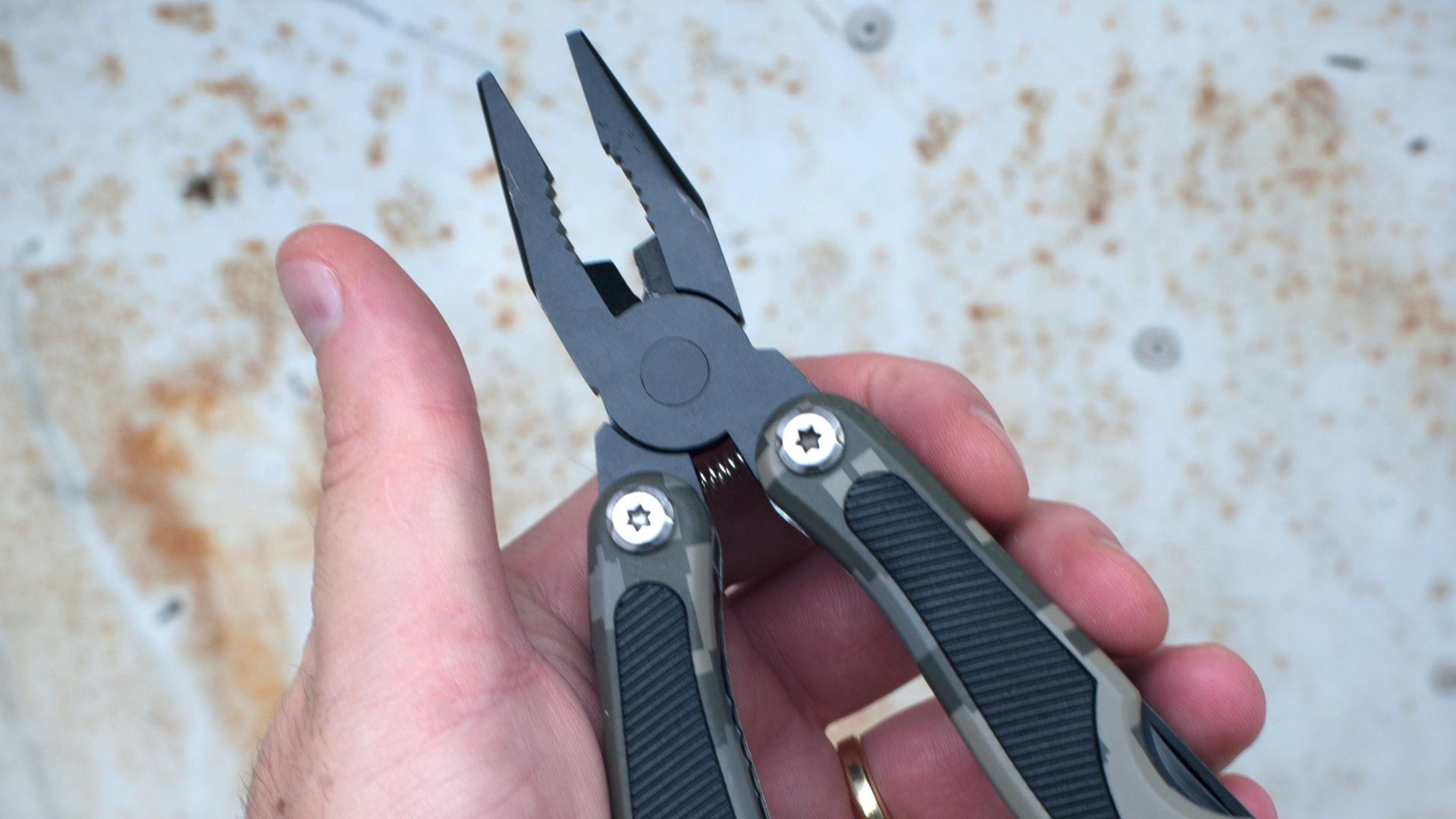
9. Adjust Your Grip or Equipment for Hand Calluses
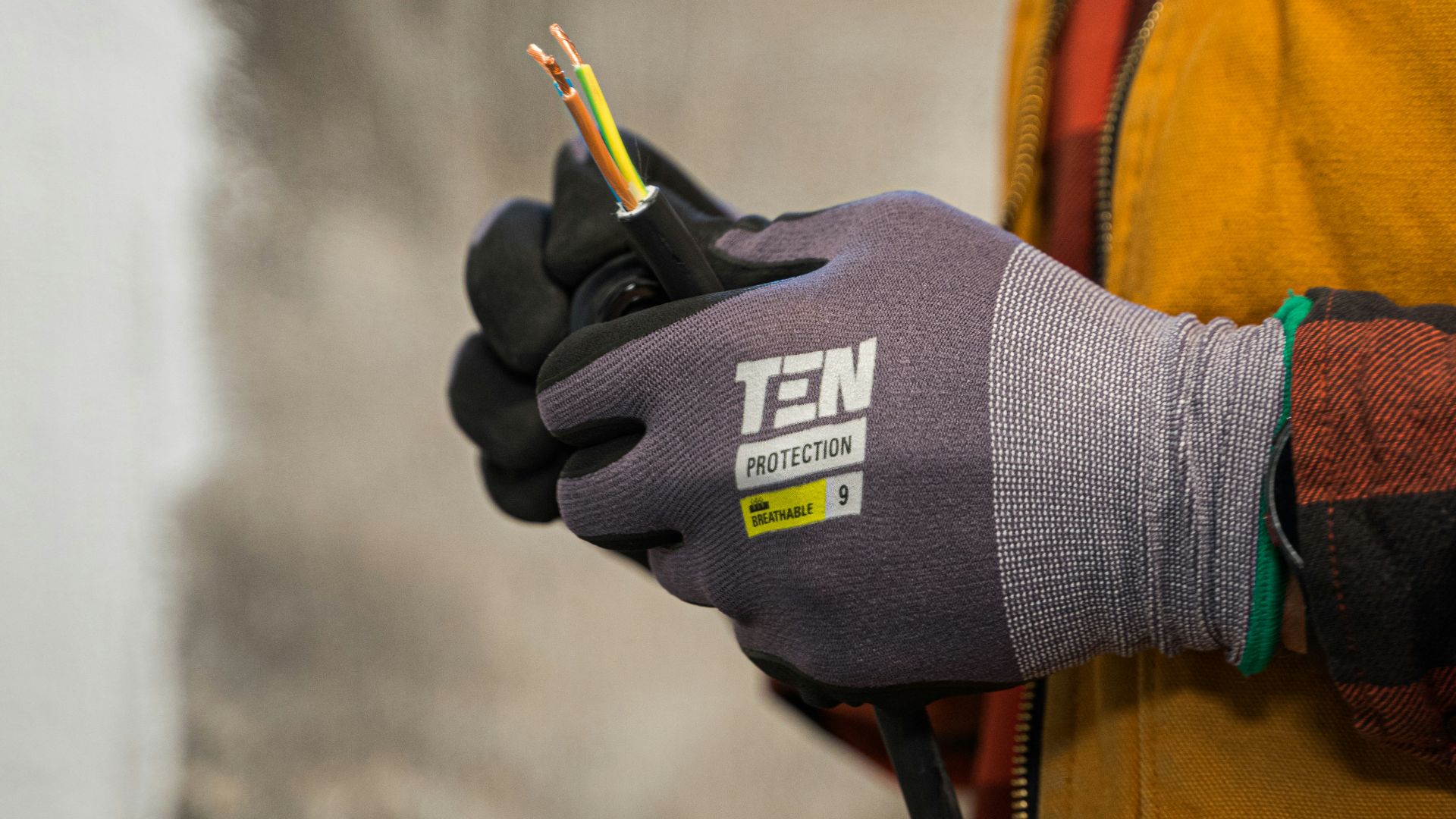
For calluses on your hands, small changes can make a big difference. Wearing gloves, using grip tape, or switching tool handles reduces repeated pressure in the same spot. You’ll still get the job done, but your skin won’t have to toughen up.
 Jimmy Nilsson Masth on Unsplash
10. Know When to See a Professional
Professional care can address both the thickened skin and the underlying cause safely. If a callus is painful or keeps coming back aggressively, a podiatrist or dermatologist can help. It’s especially important to get expert guidance if you have diabetes, poor circulation, or numbness in your feet.