Short-Term Motivation Versus Long-Term Change
Ever tried to diet only for you to go back to your normal eating habits within a week or two? The truth is, diets don’t fail because you’re lazy or lack willpower, they fail because they’re built around short bursts of motivation instead of a system that can actually hold up. When you set rules or goals that are too drastic, you can end up setting yourself up for failure, not success. So, what's the right way to go about it? Here are 10 reasons your diets always fail after a few weeks, and 10 ways to make your changes stick.
1. You Start With Rules That Are Too Strict
You might think setting strict rules is the key to making changes happen faster, but in reality, all that does is burn you out quicker. When a plan is packed with rigid rules, eating starts to feel like a chore. It also makes you form unhealthy relationships with food if you start labeling what's "good" or "bad."
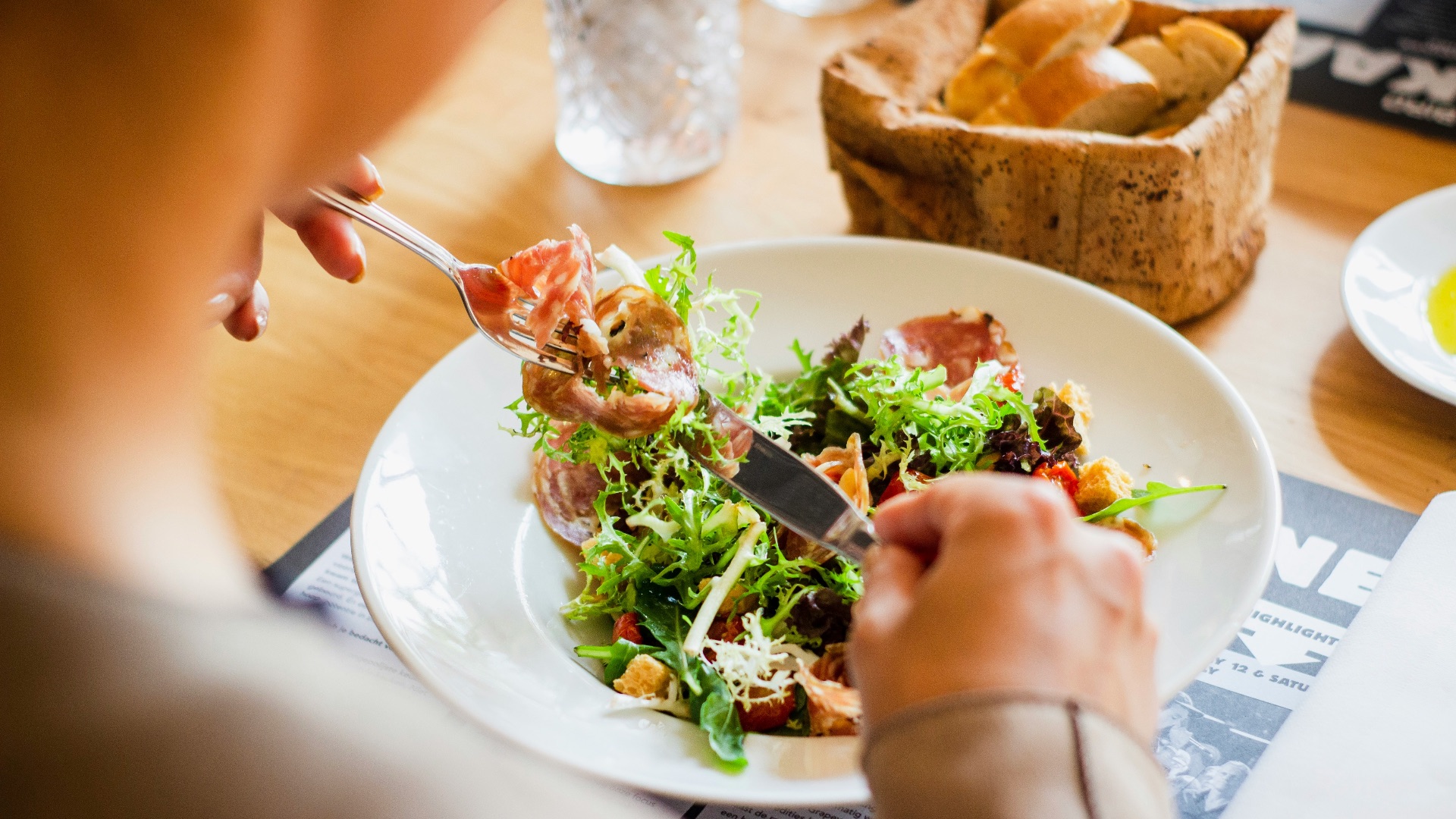
 Karolina Grabowska www.kaboompics.com on Pexels
2. You Rely on Motivation Instead of a Routine
Motivation is helpful at the beginning, but it’s unreliable when life gets busy or when you’re simply not in the mood some days. If every meal requires fresh determination, you end up spending too much mental energy deciding what to do. Without routines that make the better choice easier, you’ll default to whatever feels simplest when you’re tired.

3. You Cut Too Many Calories Too Fast
Sure, a big calorie drop can produce quick early results, but it also often comes with persistent hunger and low energy. When you’re running on fumes, your cravings intensify and your patience shrinks, which means your diet plan becomes harder to follow. That’s how strict restriction can lead to rebound eating and a discouraging cycle.

4. You Don’t Eat Enough Protein or Fiber
Meals that don’t satisfy will only make you think about food all day, which is exhausting and distracting. Protein and fiber improve fullness, which is why it's so important to get enough of both in every meal. Being actually satiated also means you'll be less likely to snack, and that makes consistency easier to stick with.
5. You Treat Weekends Differently
If your weekdays are structured but your weekends are unstructured, you end up undoing progress more often than you build it. The whiplash from strict to anything-goes creates a stop-start rhythm that can make it harder to stay on track. After a few rounds, it starts to seem like you’re always beginning again instead of improving.
6. You Don’t Plan for Social Events
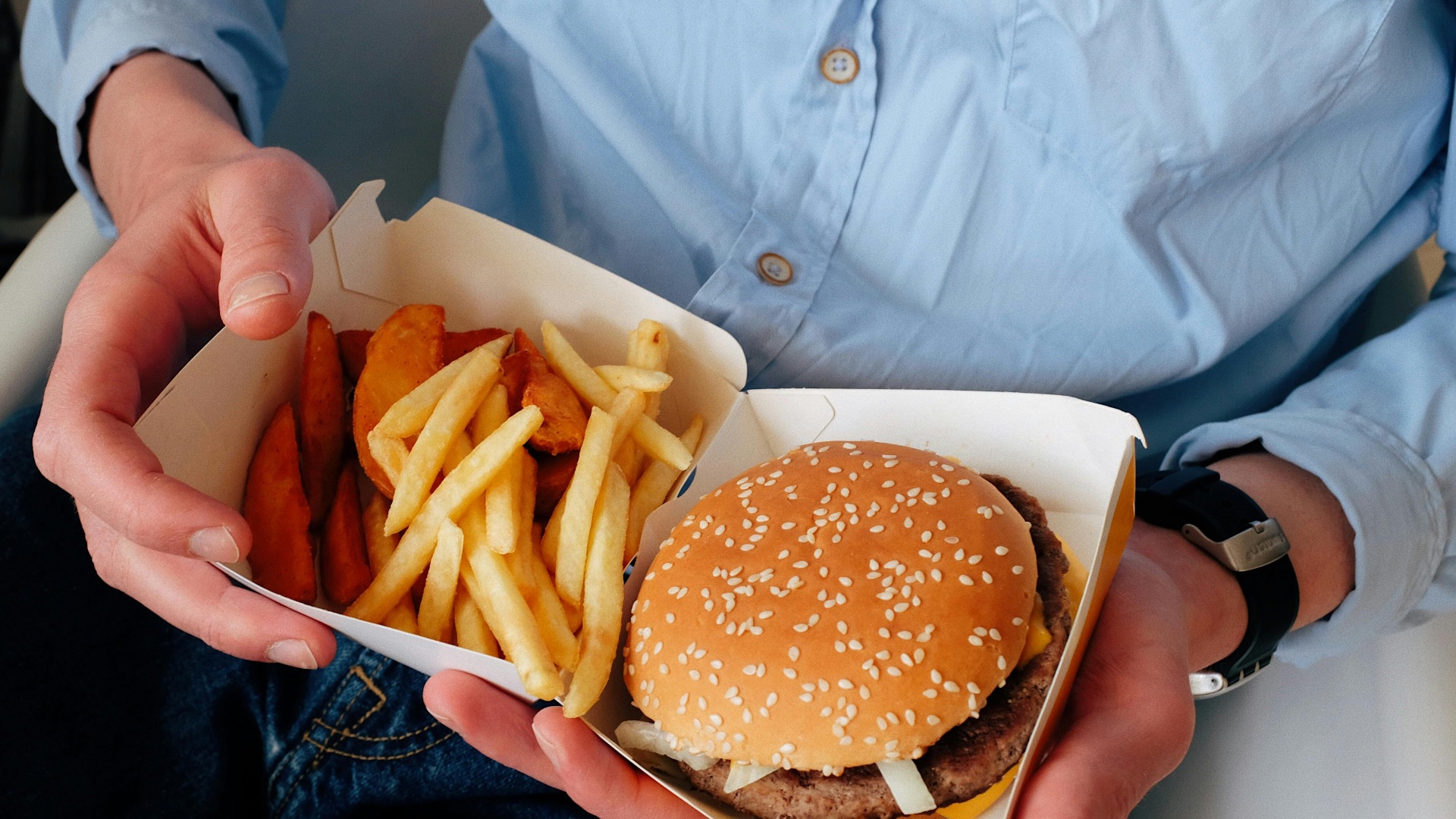
Social situations can be tricky because timing, menus, and shared dishes add complexity you can’t easily control. If you go in without a plan, you’re relying on pure willpower, which often doesn't end well. That might mean you go in banning fries and burgers only to have exactly that combo.

7. You Underestimate Stress Eating
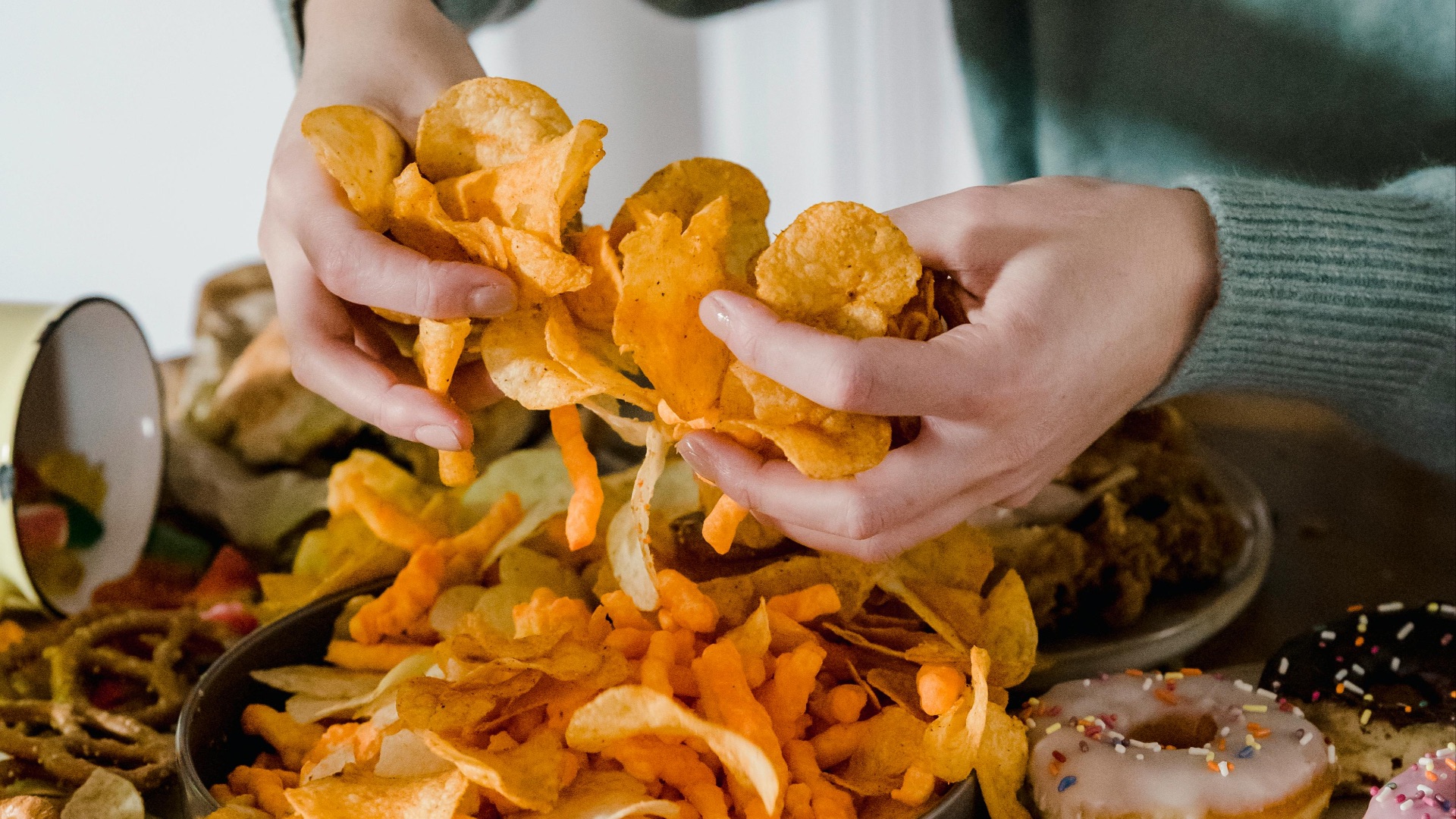
Stress affects appetite and cravings, and it can also make quick comfort feel urgent. If food is usually your default way to unwind, dieting can feel like you’re losing your main coping tool at the worst possible time. Without a replacement strategy, you’ll keep getting pulled into the same pattern even when you want change.
8. You Sleep Too Little
Poor sleep can make hunger cues louder and cravings stronger, so your plan to stick to your diet can feel harder from the moment you wake up. Getting little to no rest also makes you less patient; even basic meal prep can feel like too much. When you’re exhausted, you're more likely to fall back into your old ways.

9. You Use All-or-Nothing Thinking
One unplanned snack can suddenly turn your day into a cheat day if you treat it like proof you failed. This all-or-nothing mentality will only make your diet plan unsustainable, and you'll probably end up giving up altogether after a few more "mistakes."

10. You Don’t Actually Like What You’re Eating
A plan built around foods you dislike is setting you up for failure. Sure, you want to eat more veggies, even if they're not your favorite thing to eat, but it's important to fix them up in different ways that make them enjoyable. Otherwise, when your meals feel joyless, you'll start looking for chances to break the plan, which makes consistency fragile.
Okay, so how do you make your diet changes stick? Don't worry; it's not as hard as you might think.

1. Set a Good-Enough Standard You Can Repeat
Our first tip? Make sure to aim for a baseline you can follow on average days, not just on your most motivated ones. One way to think of it is not that you're on a diet (which is often a temporary thing), but you're making a lifestyle change. What rules can you set that still allow you to enjoy what you put in your body? Once you set a realistic standard, you'll find it easier to follow through.
2. Build a Simple Meal Framework
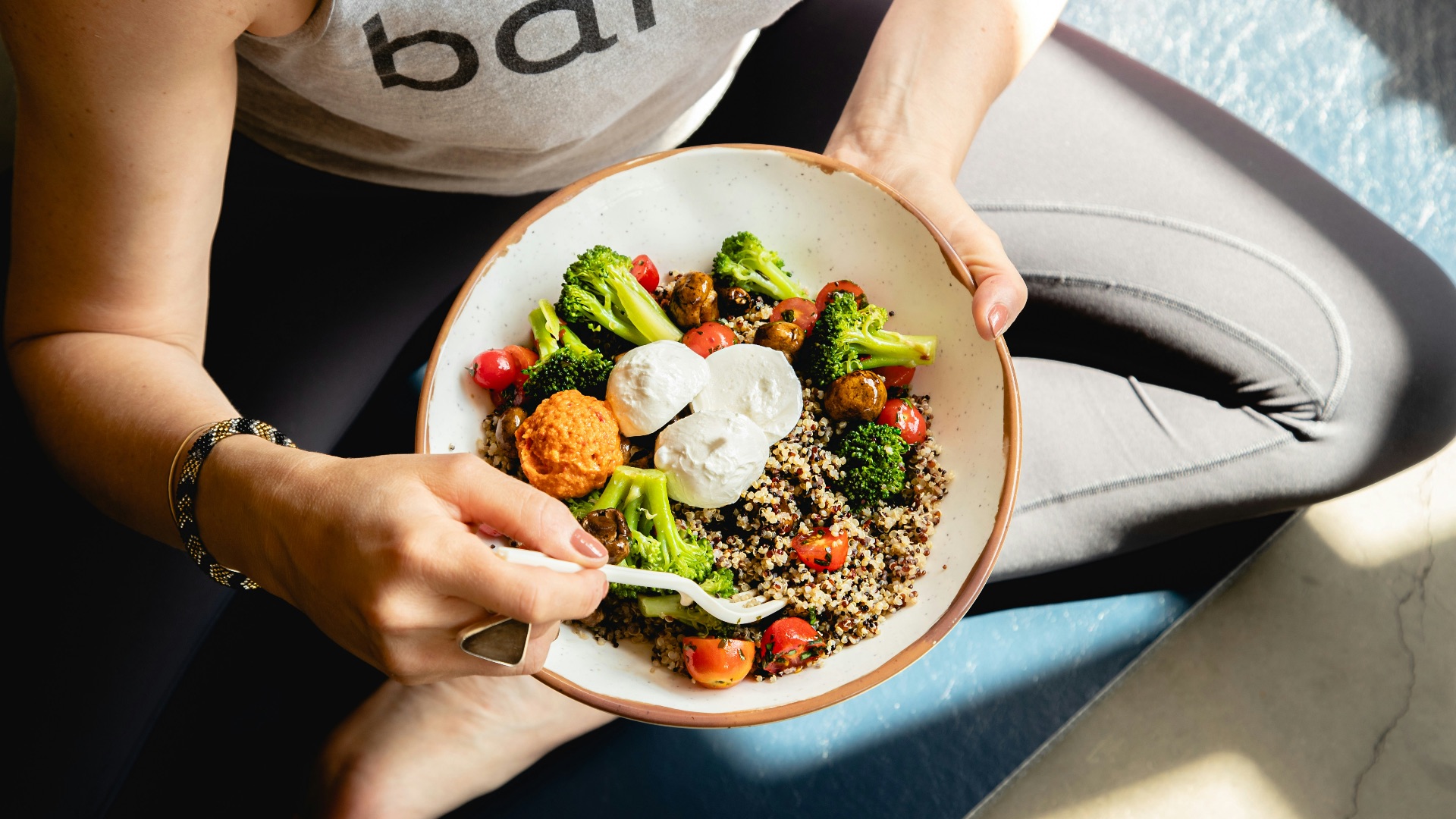
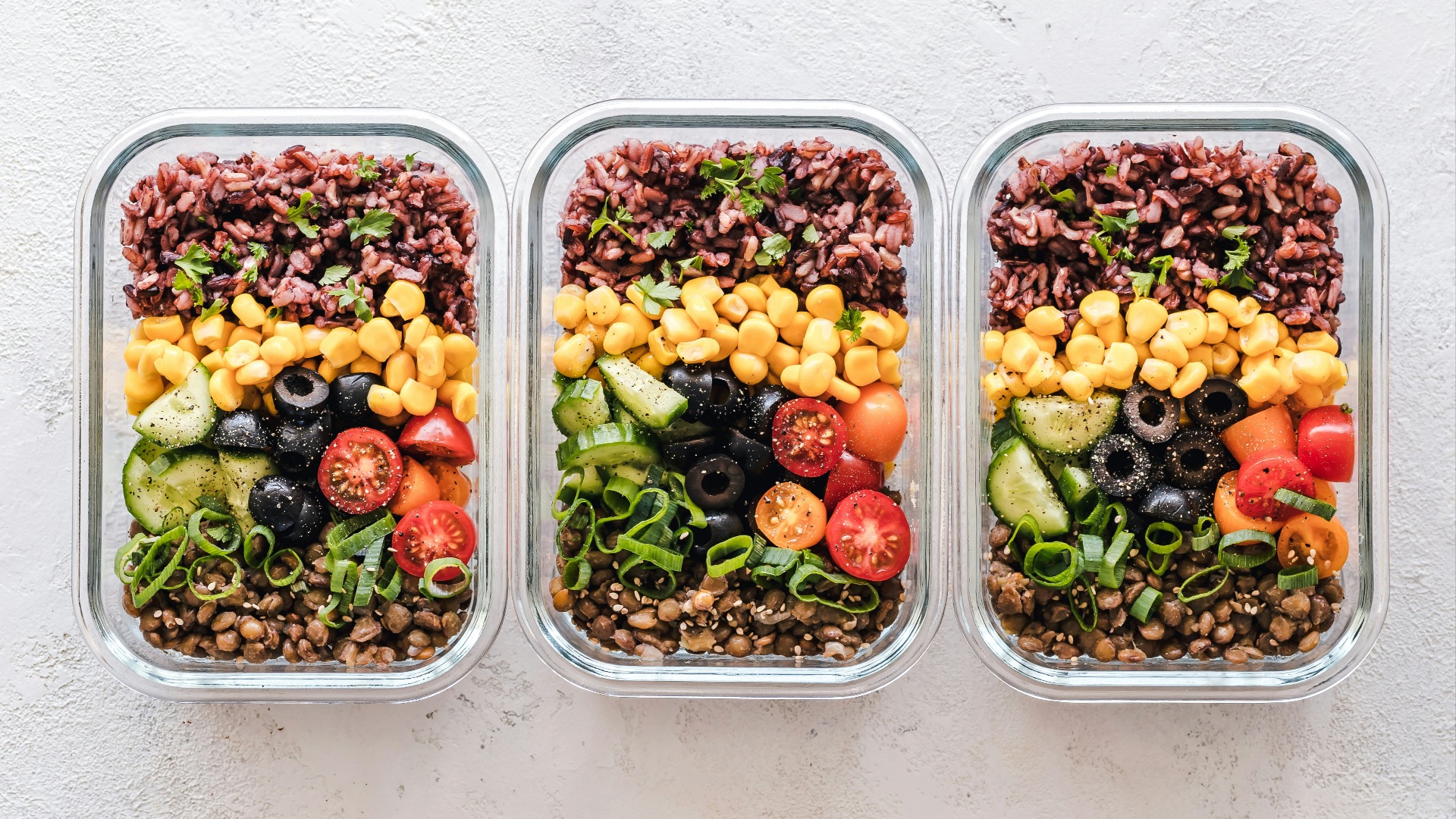
Instead of picking challenging recipes, choose a handful of meals you genuinely enjoy and can make with minimal effort. This reduces decision fatigue and also helps you stay steady when your schedule gets chaotic. Once the basics are reliable, adding variety becomes easier without losing structure.
3. Adjust Calories Gradually
If you want to lose weight, your best bet isn't to immediately cut your calorie intake in half. In fact, you should aim for a moderate deficit, as that's often easier (and healthier) to sustain than an aggressive one. Gradual change helps keep energy stable; it also reduces the urge to compensate with overeating later. You may see slower progress week to week, but it’s usually steadier over time.

4. Prioritize Protein and Fiber at Most Meals
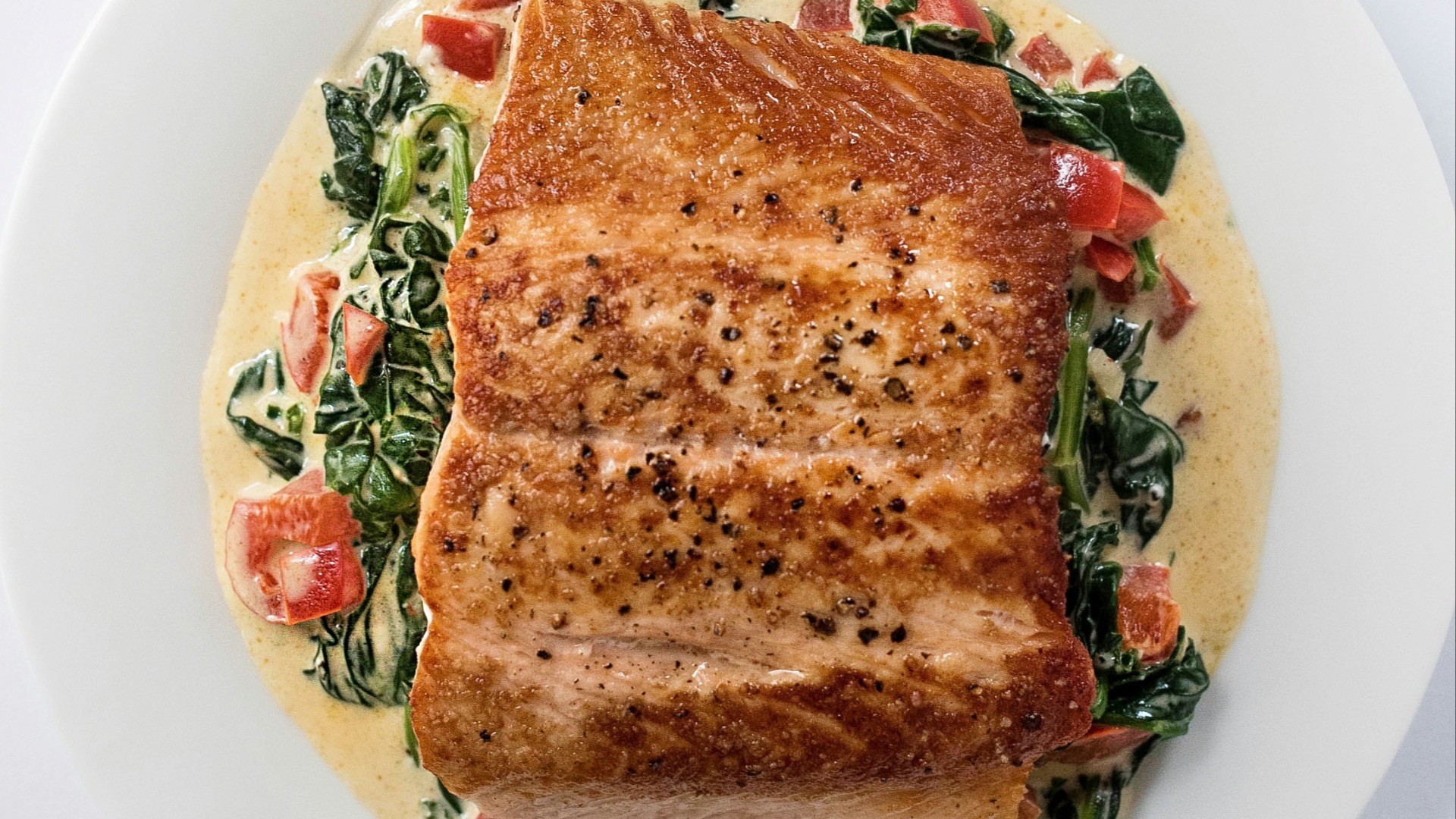
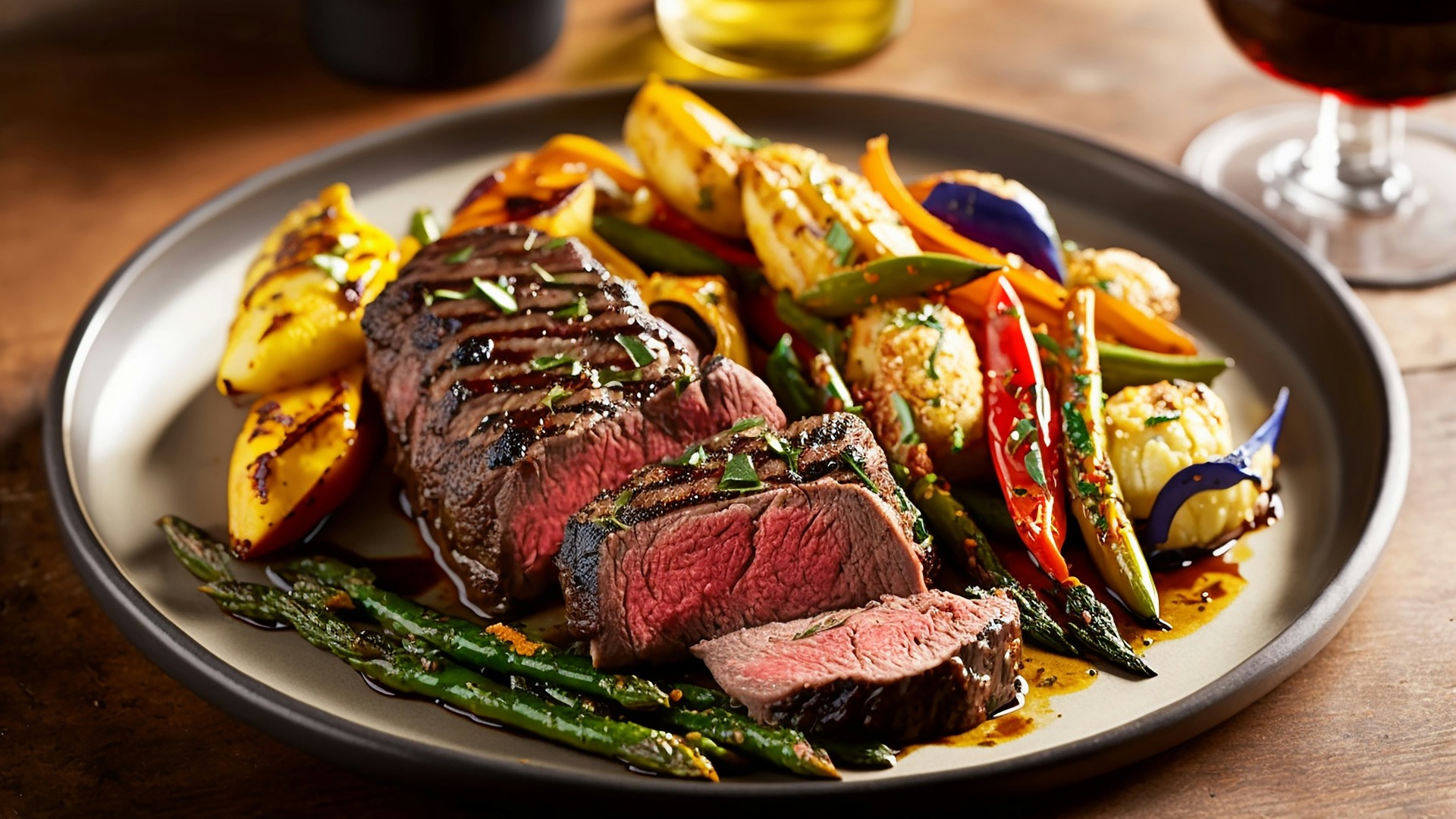
You should know this one without us reminding you. Protein and fiber are two of your best friends, especially when you're on a diet. When building your plate, have a clear protein source, then pack the perimeter with leafy greens and fiber-rich food. You'll stay much fuller for longer!
5. Keep Weekends to a Similar Structure
As mentioned previously, if your weekends are too unstructured, you may end up ruining your progress. Instead, maintain a few consistent habits across your off days so your routine doesn’t vanish. You can still eat out and enjoy treats; the difference is doing it intentionally instead of mindlessly grazing.
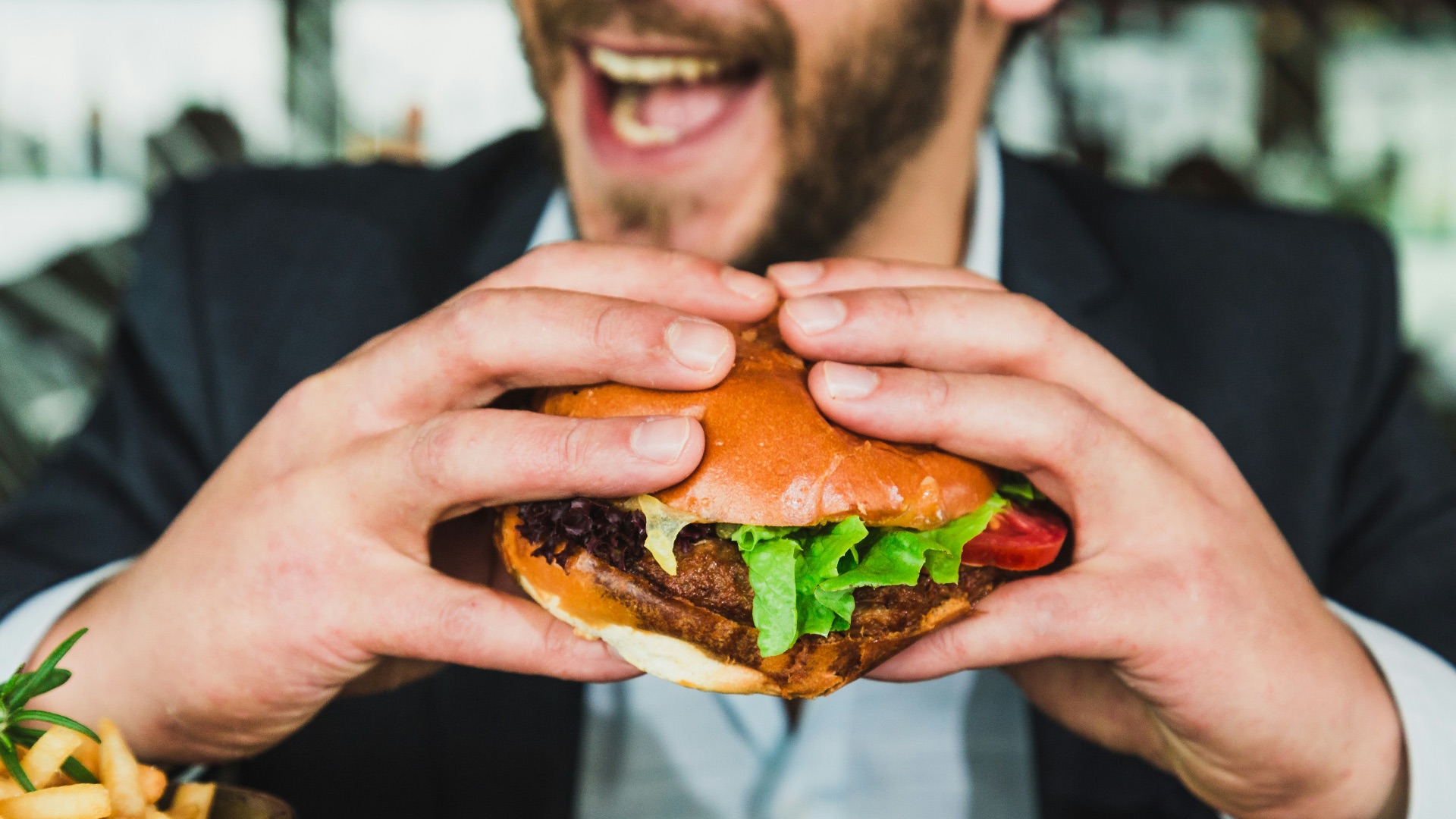
6. Decide on a Social Plan Before You Arrive
Eating out with friends or family? Before you go, it might help to look up the menu and pick an option that fits your goals and your appetite. Planning ahead reduces stress and keeps you from making bad last-second decisions when you’re already hungry.
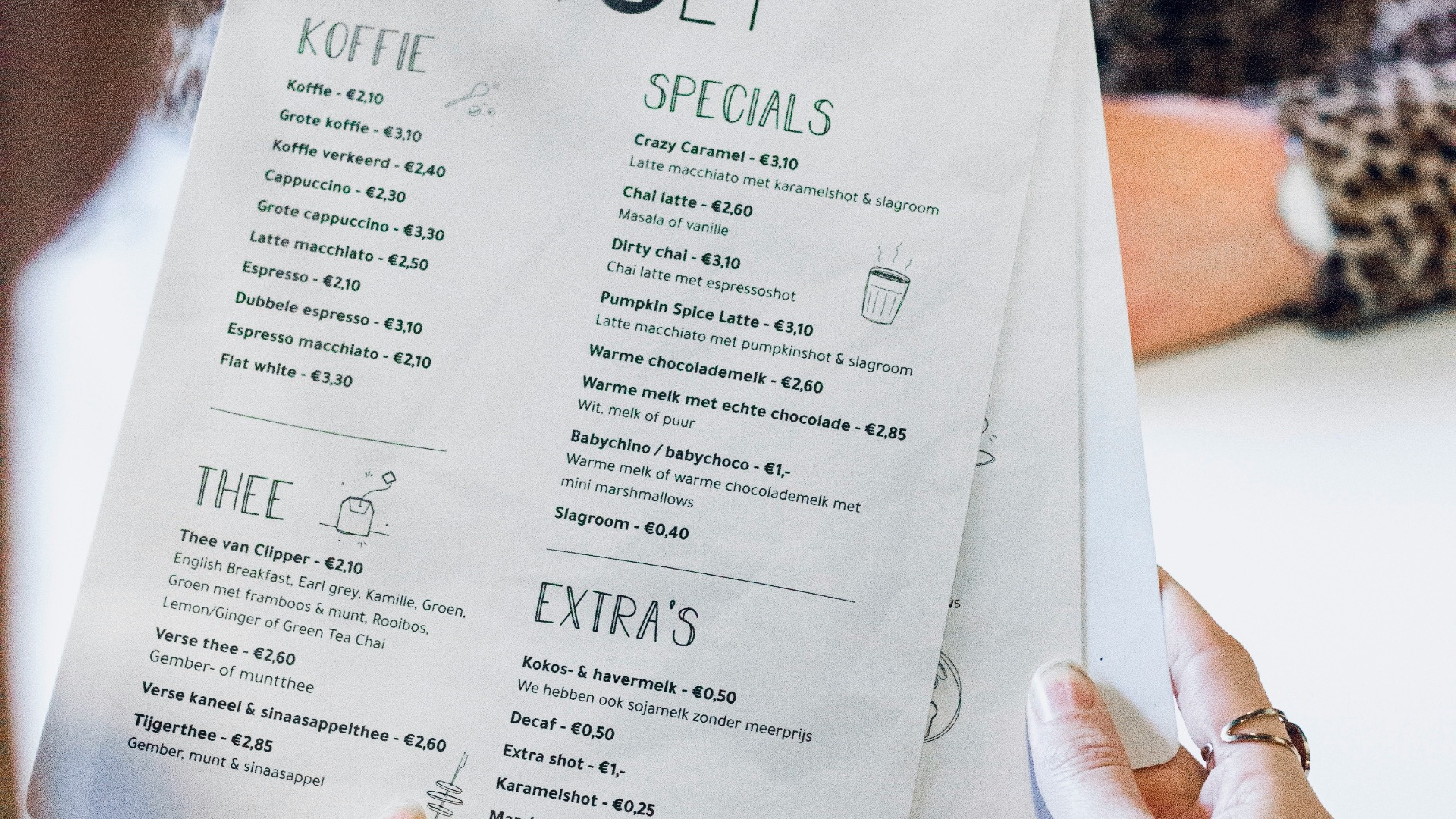
7. Create Non-Food Ways to Handle Stress
Emotional eating can quickly derail your diet, so if it's a coping mechanism you usually have, it's best to pick different tools you’ll actually use. You can go for a short walk, for example, or take a quick reset break, or message someone supportive to interrupt your nagging brain and stomach. When you have options, food stops being the only solution.

8. Get Enough Sleep
Make sure to get enough shut-eye each night, which means at least 7-9 hours of restful sleep. Not getting enough of it can affect appetite, cravings, and patience, so to keep a consistent routine, try small shifts like a strict bedtime or a short wind-down routine to make your evenings easier to manage. While better sleep won’t solve everything, it can remove a lot of unnecessary friction.

9. Practice Recovery Instead of Restarting
After an off-plan meal, don't spiral thinking about it; simply return to your normal routine at the next meal. Skipping meals or punishing yourself tends to backfire, and it usually only makes hunger and cravings worse. Quick recovery is a skill, and it’s one of the strongest predictors of long-term consistency.
 Farhad Ibrahimzade on Unsplash
10. Keep Foods You Enjoy and Make Them Fit
Instead of banning your favorite foods, decide how you want to include them in a way that supports your goals. That might mean smaller portions, fewer occasions, or pairing them with a balanced meal so you feel satisfied. You'll quickly realize that when enjoyment is part of the plan, sticking with it becomes much easier.