
Cooking Changes Once the House Is Quiet
When the house gets quieter, cooking often shifts in subtle but meaningful ways. You’re no longer planning meals around multiple schedules, big appetites, or the need to stretch dishes across several people, which can make old routines feel inefficient. Meal prep for empty nesters works best when it’s flexible, scaled-down, and still enjoyable rather than rigid or time-consuming. These 20 ideas focus on saving effort while keeping meals varied enough to look forward to all week.

1. Roasted Sheet-Pan Vegetables
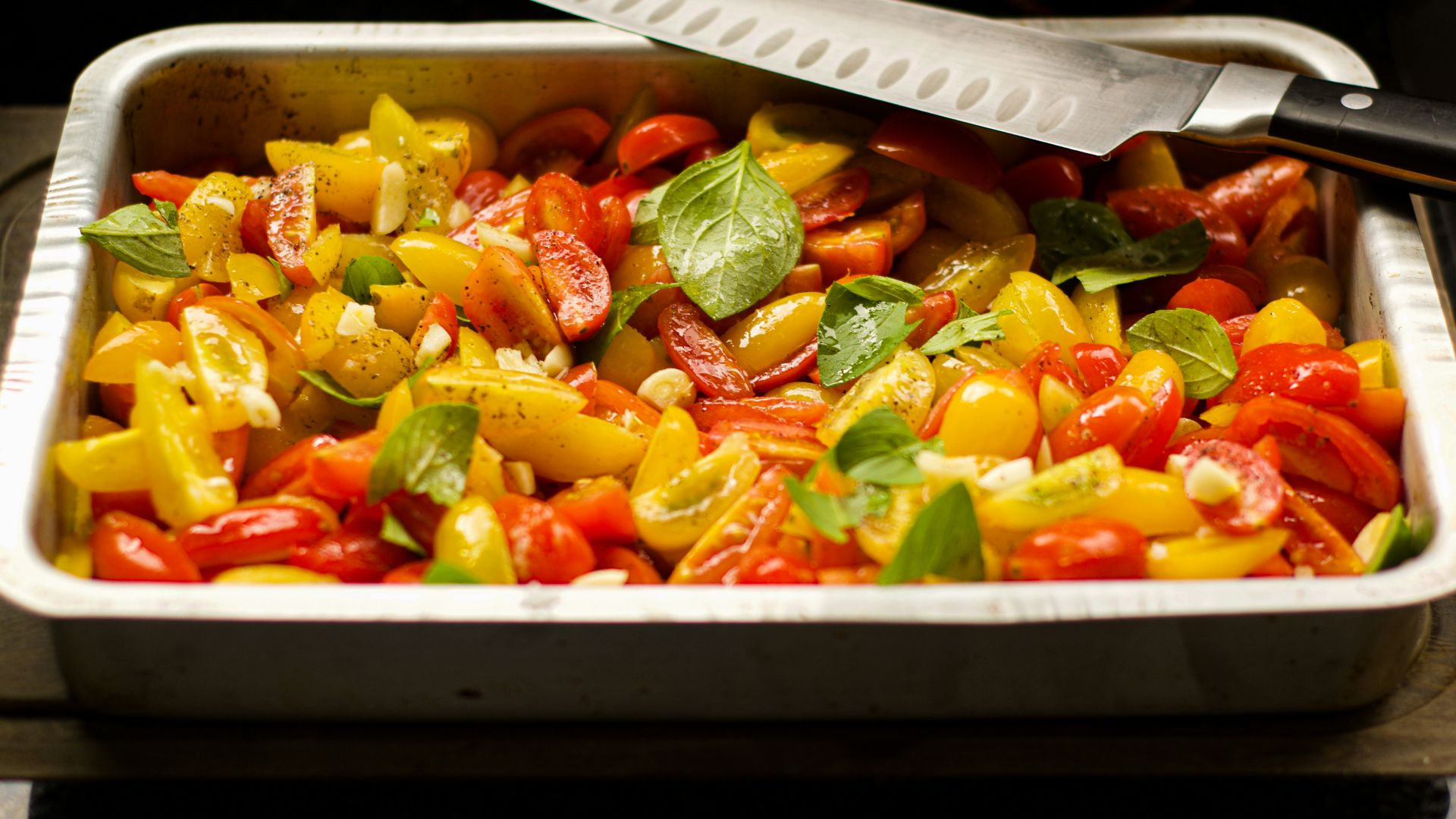
Sheet-pan vegetables are ideal because they scale easily without creating excess leftovers. You can roast one pan of mixed vegetables and use them across several meals throughout the week. As they reheat well, they work just as nicely for lunch as they do for dinner. Changing spices or sauces helps them feel new each time.
 Mateus Campos Felipe on Unsplash
2. Baked Chicken Thighs
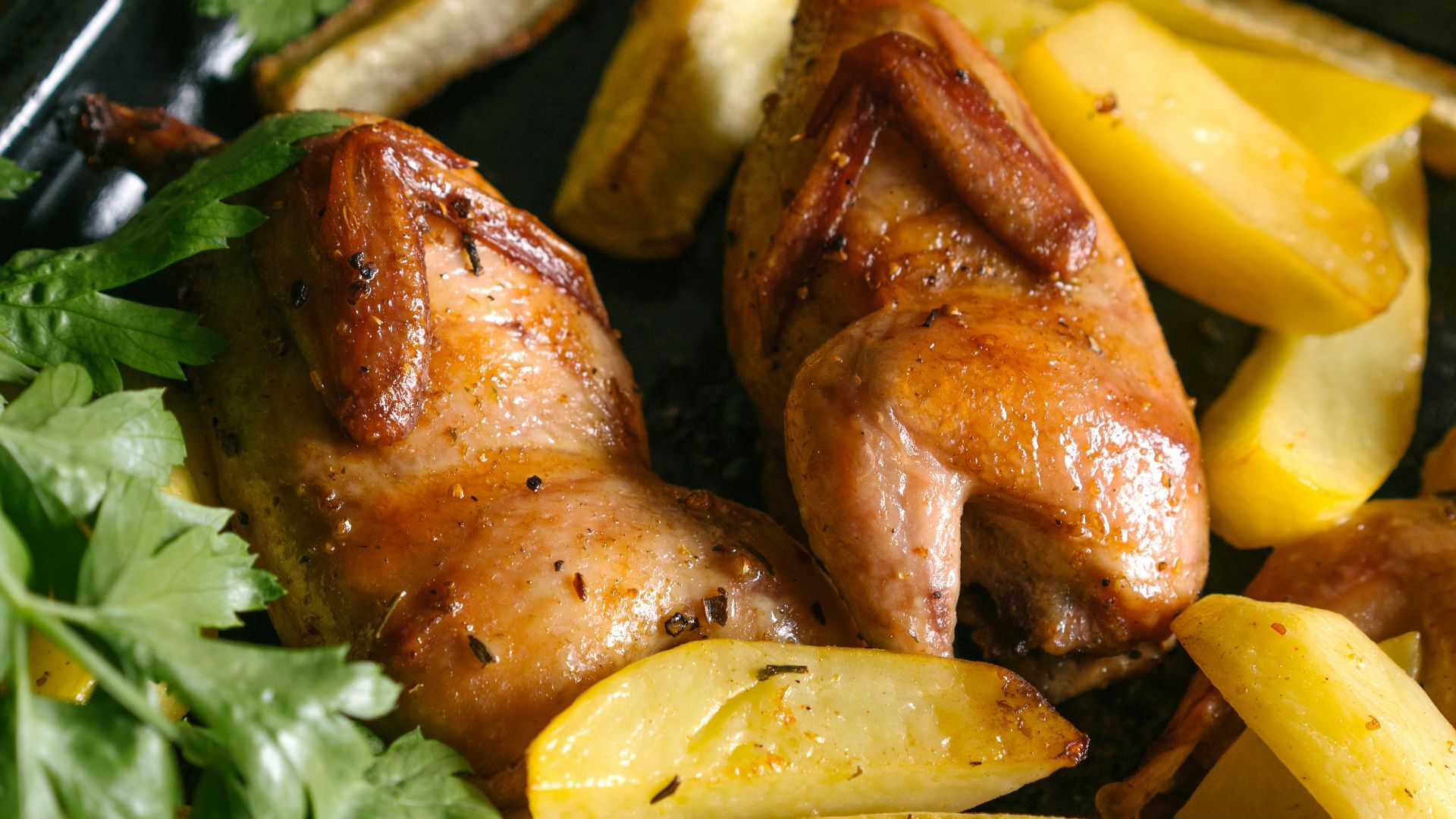
Chicken thighs stay juicy even after reheating, which makes them especially forgiving for meal prep. Baking a modest batch saves time without overwhelming your fridge. They pair easily with grains, salads, or roasted vegetables. Dark meat also tends to keep its flavor longer than leaner cuts.
3. Grain Bowls With Flexible Toppings
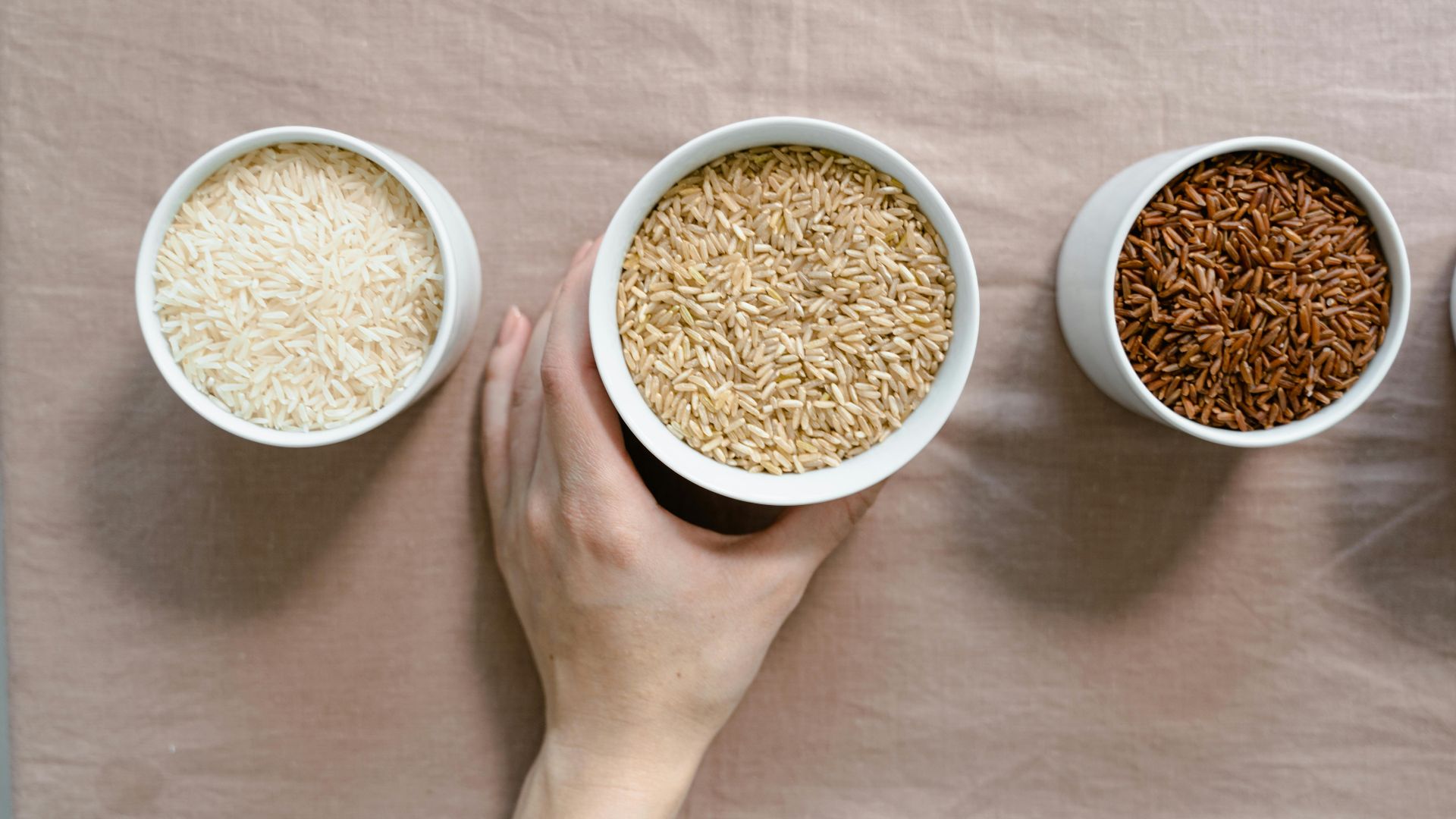
Cooking a pot of quinoa, farro, or rice gives you a base that can stretch across multiple meals. You can rotate proteins, vegetables, and dressings to avoid repetition. This approach allows you to mix and match based on appetite or mood. It keeps prep simple without feeling boring.
4. Slow Cooker Soups
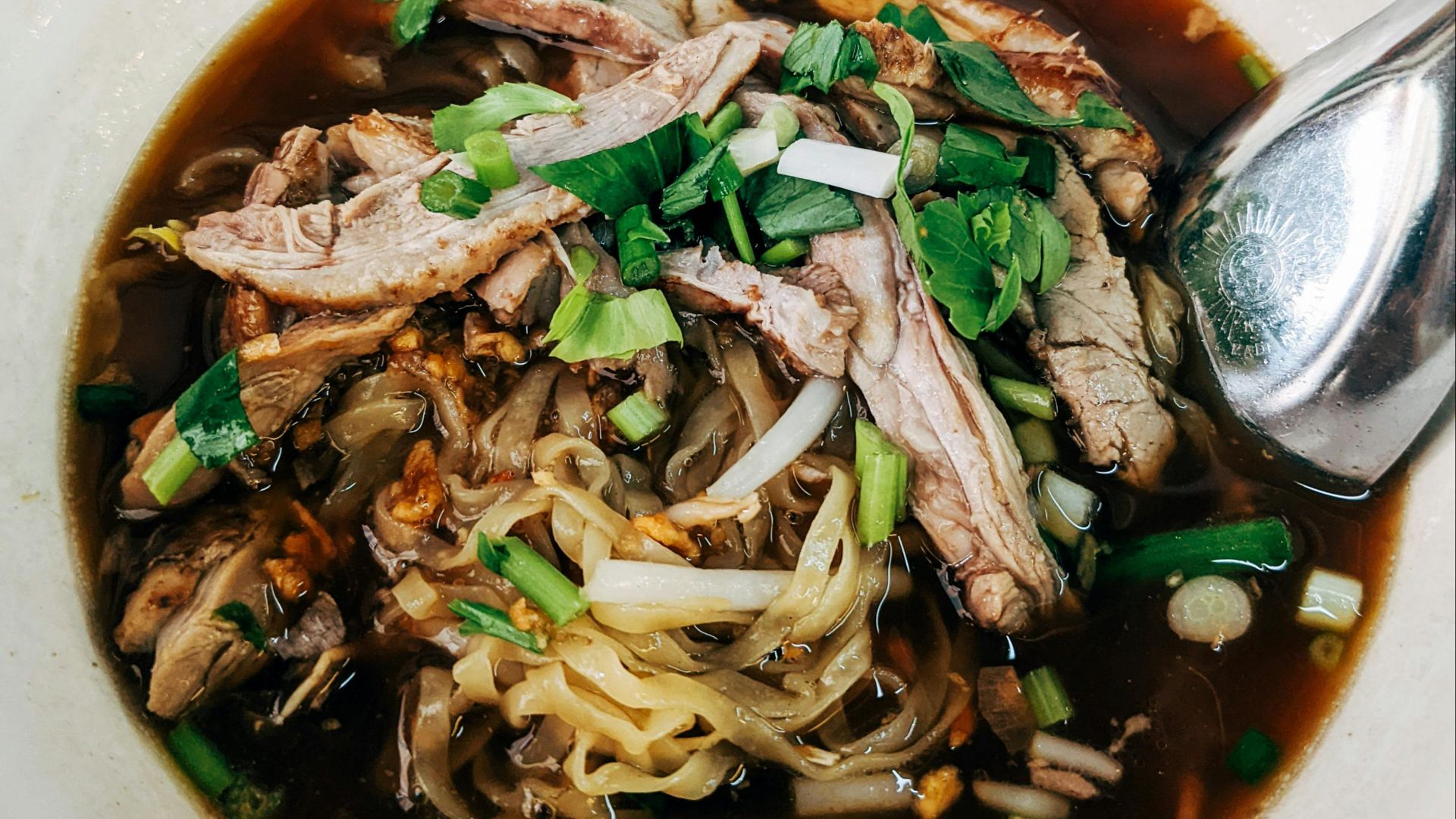
Soups are well-suited to empty nesters because they portion and freeze easily. A slow cooker lets you prepare meals with very little hands-on time. Flavors often improve after a day or two in the fridge. Having soup ready makes low-effort meals feel intentional.
5. Egg Muffins
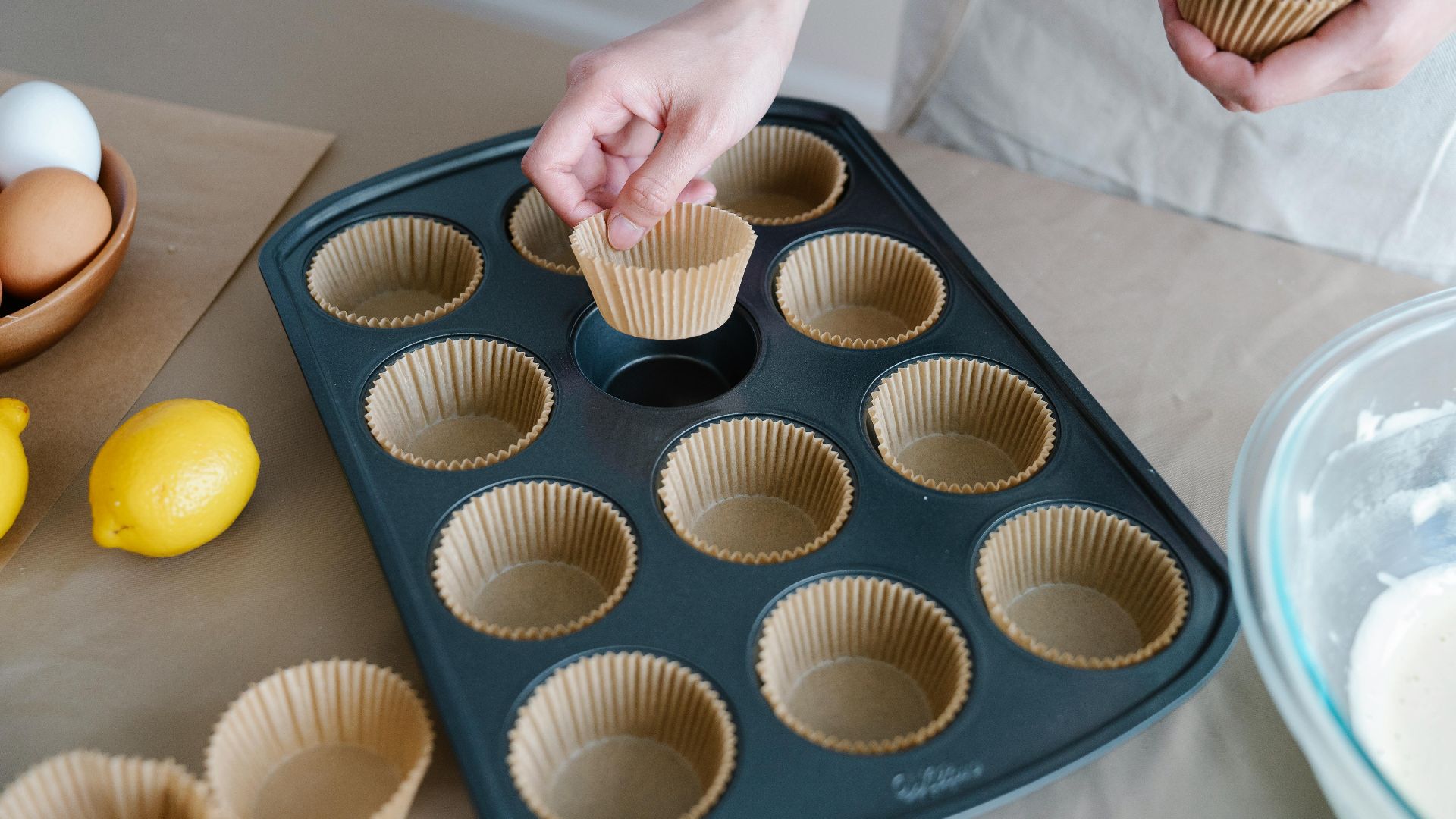
Egg muffins are convenient for breakfast, lunch, or light dinners. Baking them in batches reduces daily cooking without locking you into one flavor. Vegetables, cheeses, and herbs change the profile easily. They reheat quickly and store neatly.
6. Roasted Salmon Portions
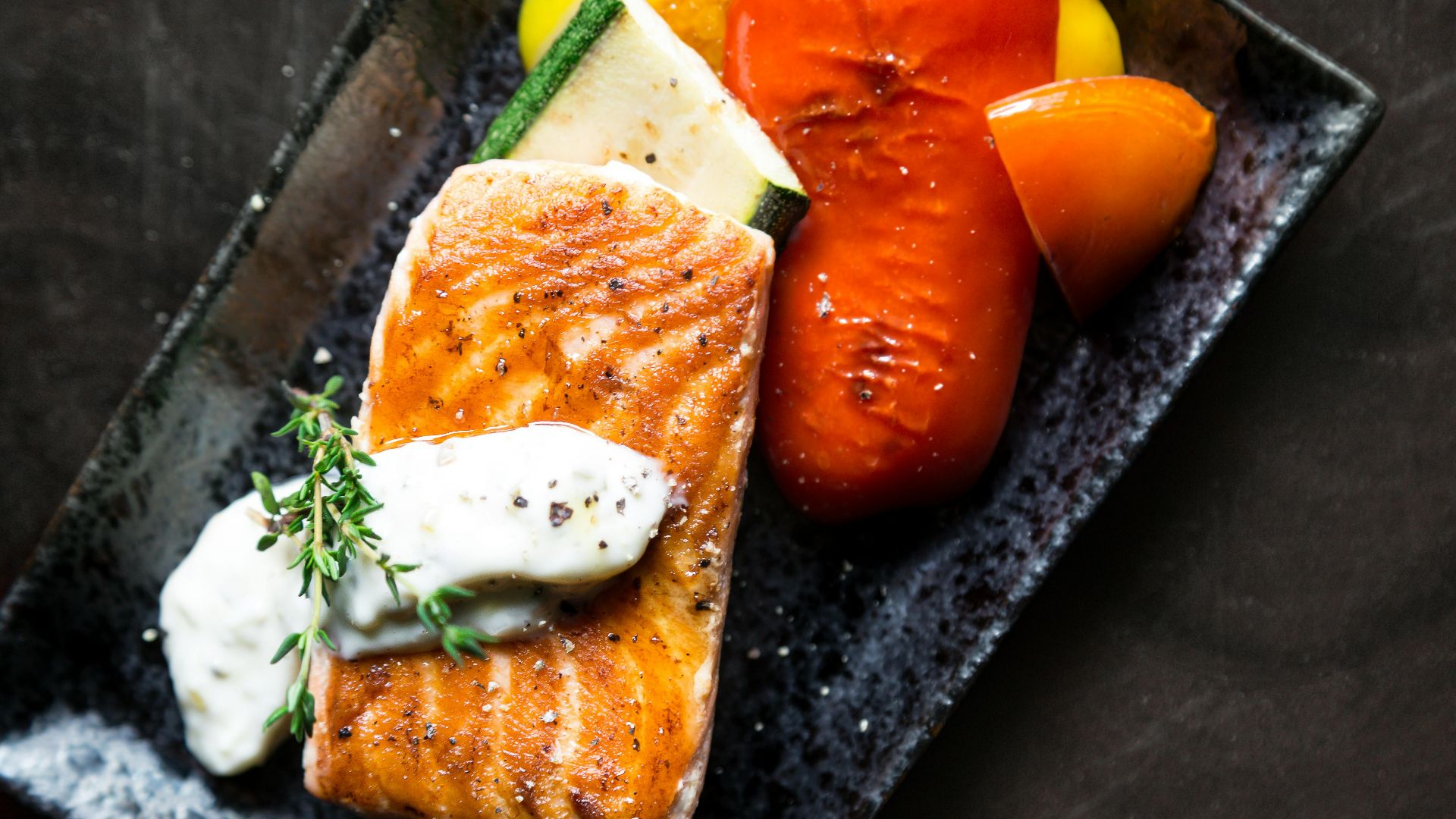
Salmon cooks quickly and doesn’t require complicated preparation. Roasting individual portions helps prevent waste and overcooking. Leftovers work well in salads or grain bowls the next day. Keeping portions smaller makes repeated meals more appealing.
7. Pre-Chopped Salad Components
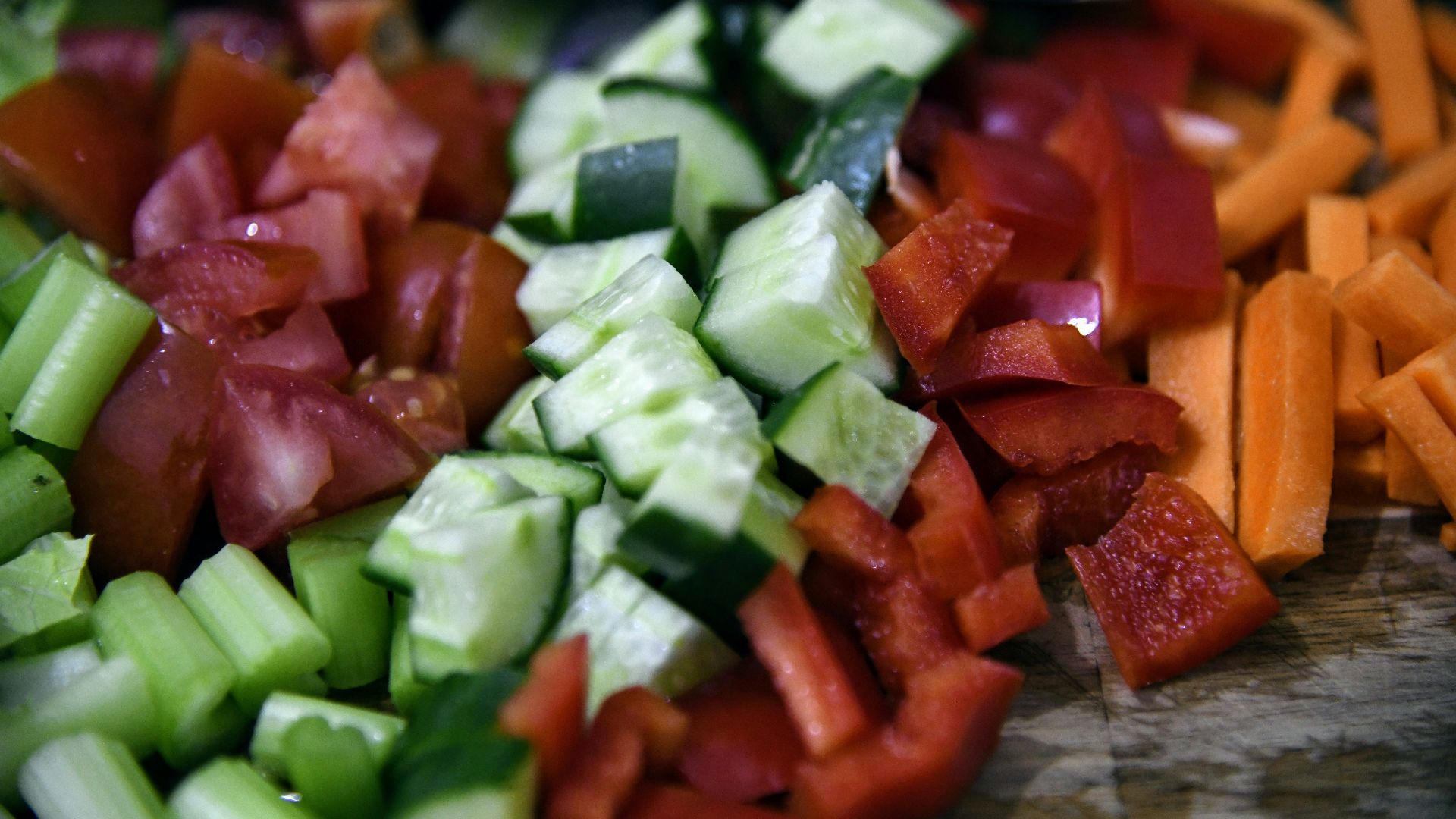
Prepping salad ingredients ahead of time removes the friction of assembling meals later. Storing greens, toppings, and dressings separately keeps everything fresh longer. Adding protein turns salads into satisfying meals, making healthy choices feel easier.
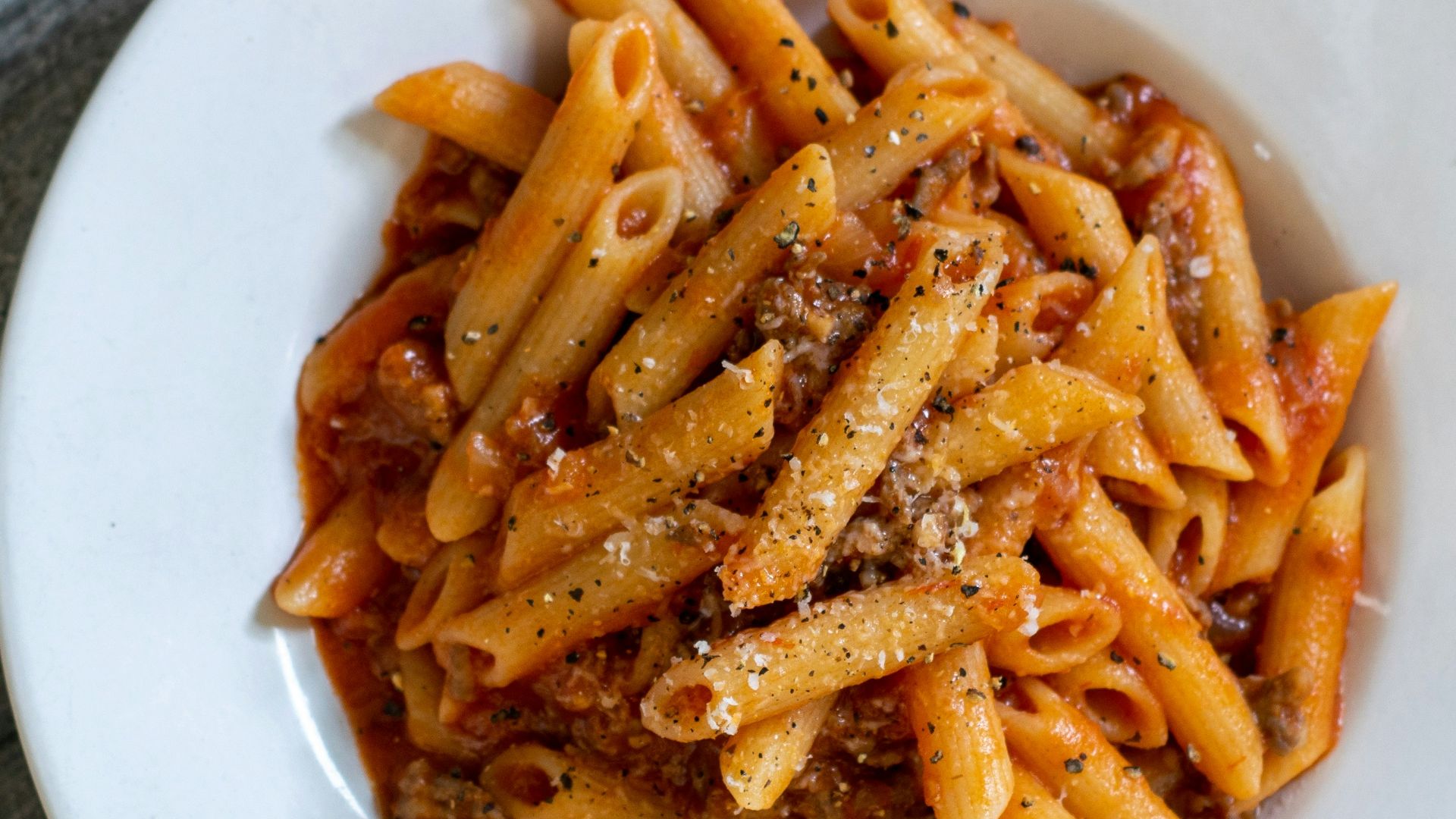
8. Pasta With Make-Ahead Sauce
Preparing sauce in advance simplifies weeknight cooking significantly. You can cook pasta fresh while reheating the sauce for a better texture. Many sauces taste richer after sitting for a day or two.
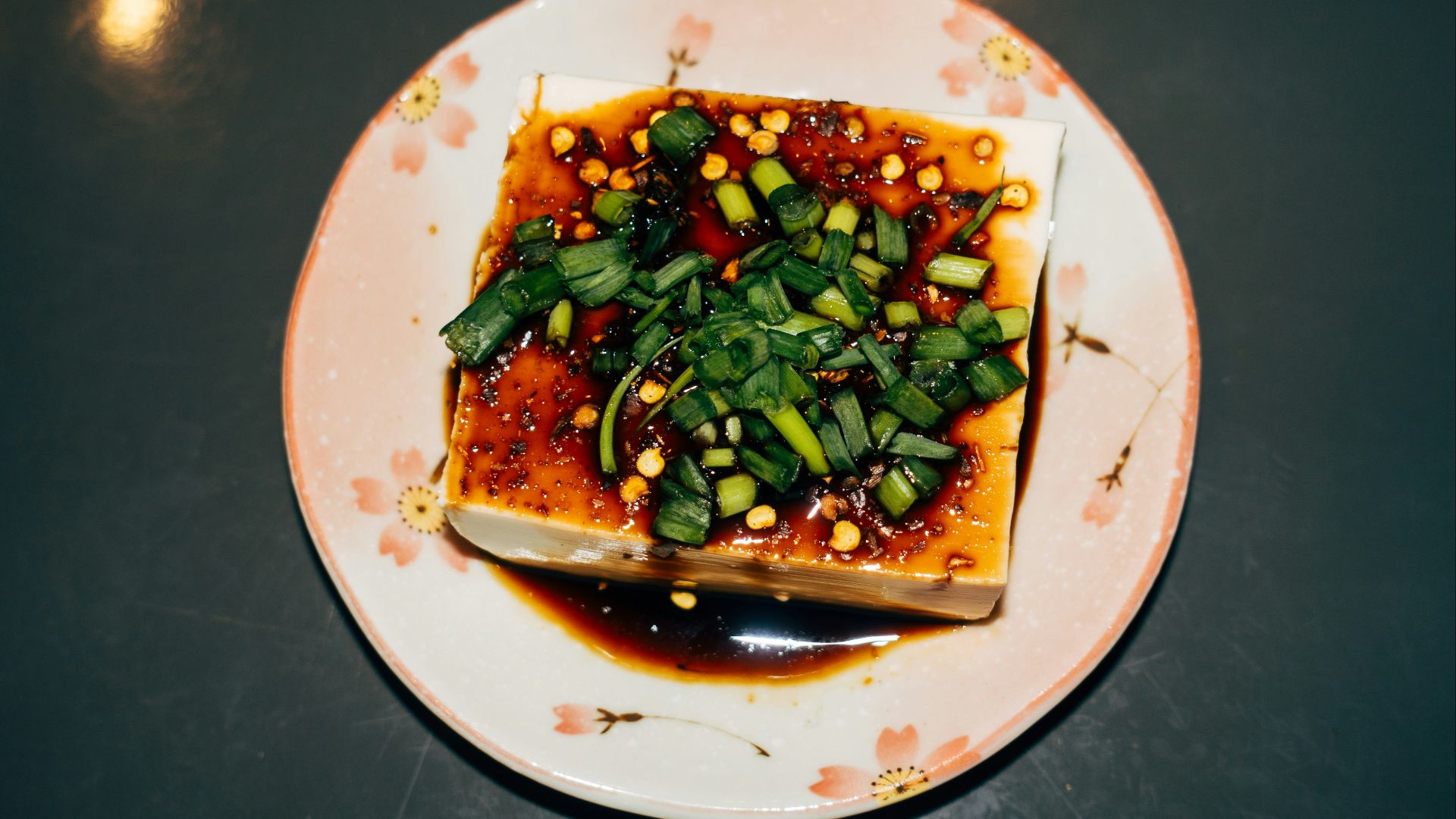
9. Marinated Tofu or Tempeh
Marinating plant-based proteins adds depth with minimal effort. Once prepared, they cook quickly in a pan or oven. They work across bowls, salads, and wraps without feeling repetitive. This makes them a reliable protein option.
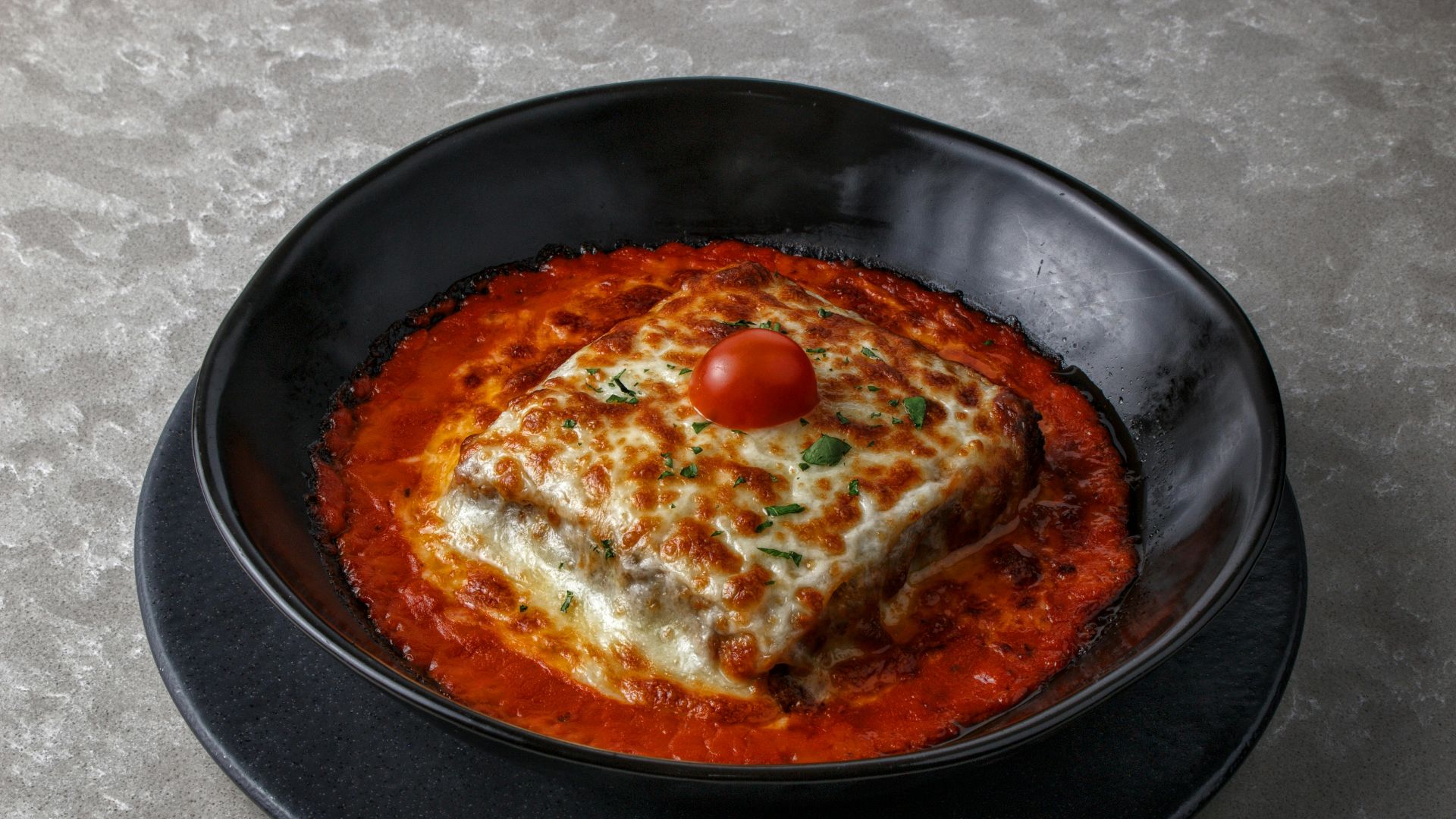
10. Individual Lasagna Portions
Mini lasagnas freeze and reheat more evenly than large pans. Portioning them individually avoids days of leftovers, and you still get a comforting, home-cooked meal when you want it. This approach balances indulgence with practicality.
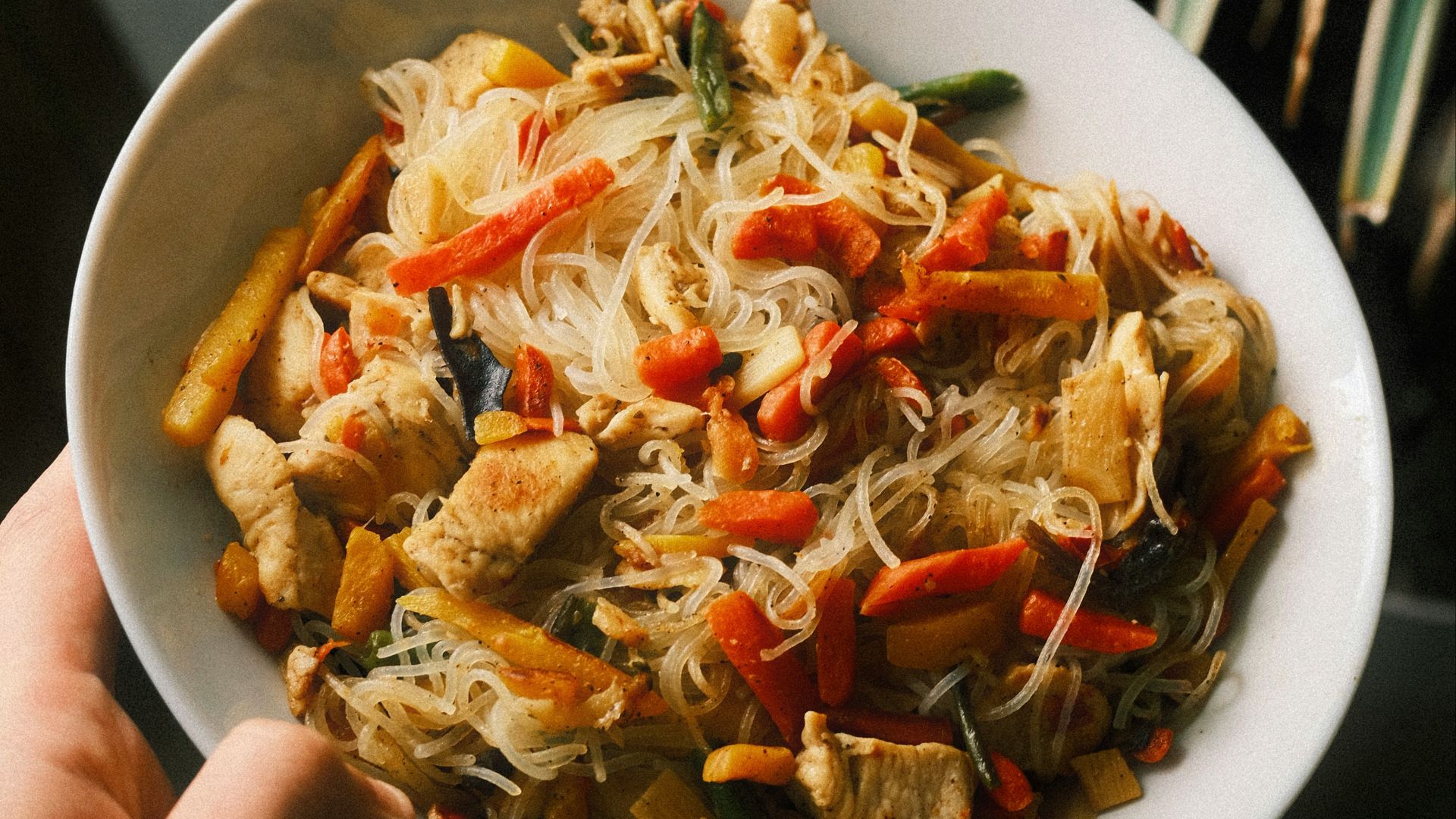
11. Stir-Fry Ingredient Packs
Prepping vegetables and proteins together speeds up cooking later in the week. Stir-frying takes only minutes once everything is ready. Switching sauces changes the flavor completely, keeping meals fast without sacrificing variety.
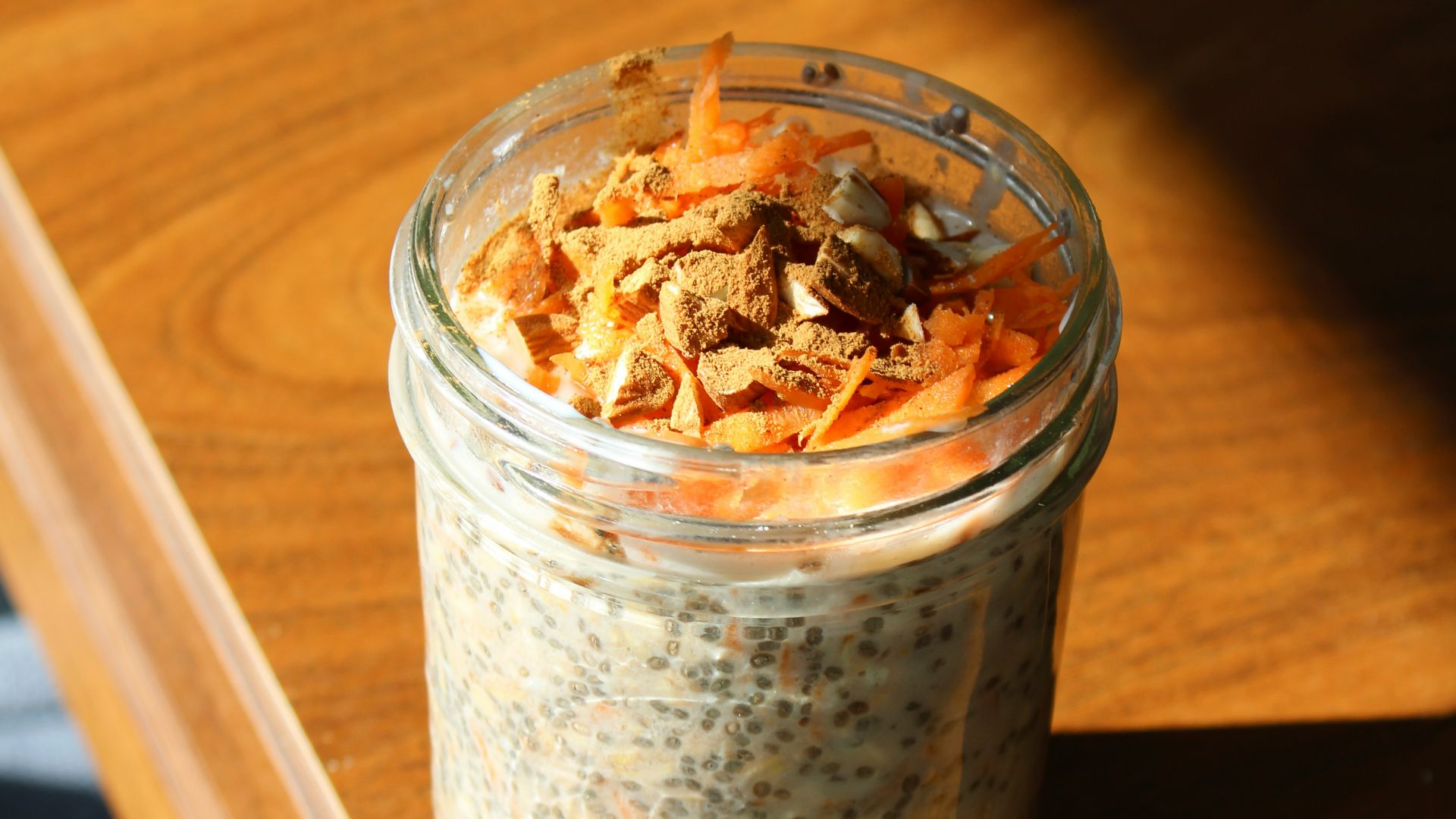
12. Overnight Oats
Overnight oats require no cooking and adapt easily to different tastes. Making several jars at once saves time during busy mornings. Changing fruit, spices, or nuts prevents boredom. They’re especially useful when appetites are lighter.
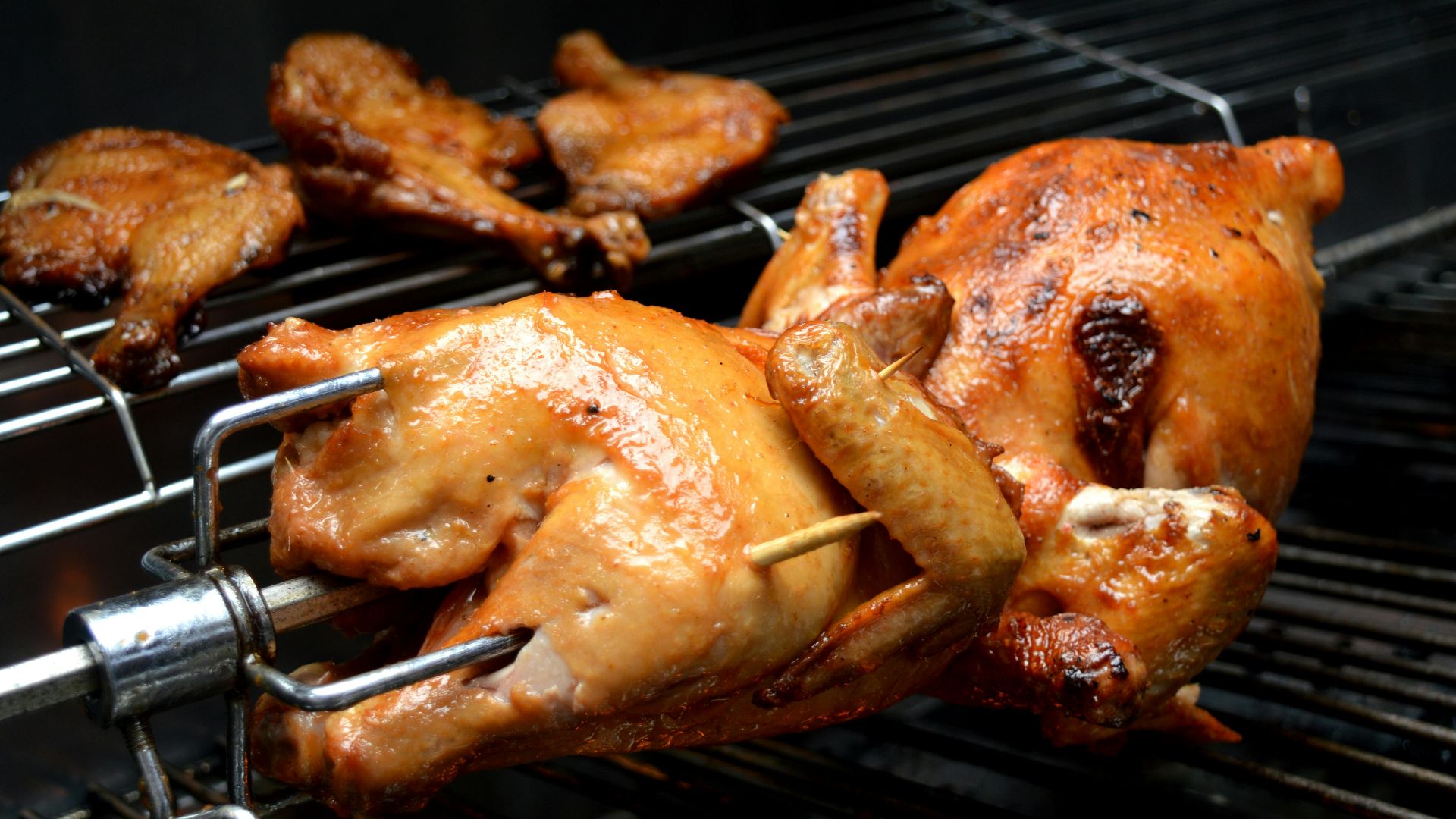
13. Rotisserie Chicken Repurposing
A store-bought rotisserie chicken saves both time and effort when cooking for one or two people. One chicken can become multiple meals without much additional cooking. Soups, wraps, and salads all benefit from its versatility. Breaking it down right away helps with planning and reduces the temptation to order takeout on busy days.
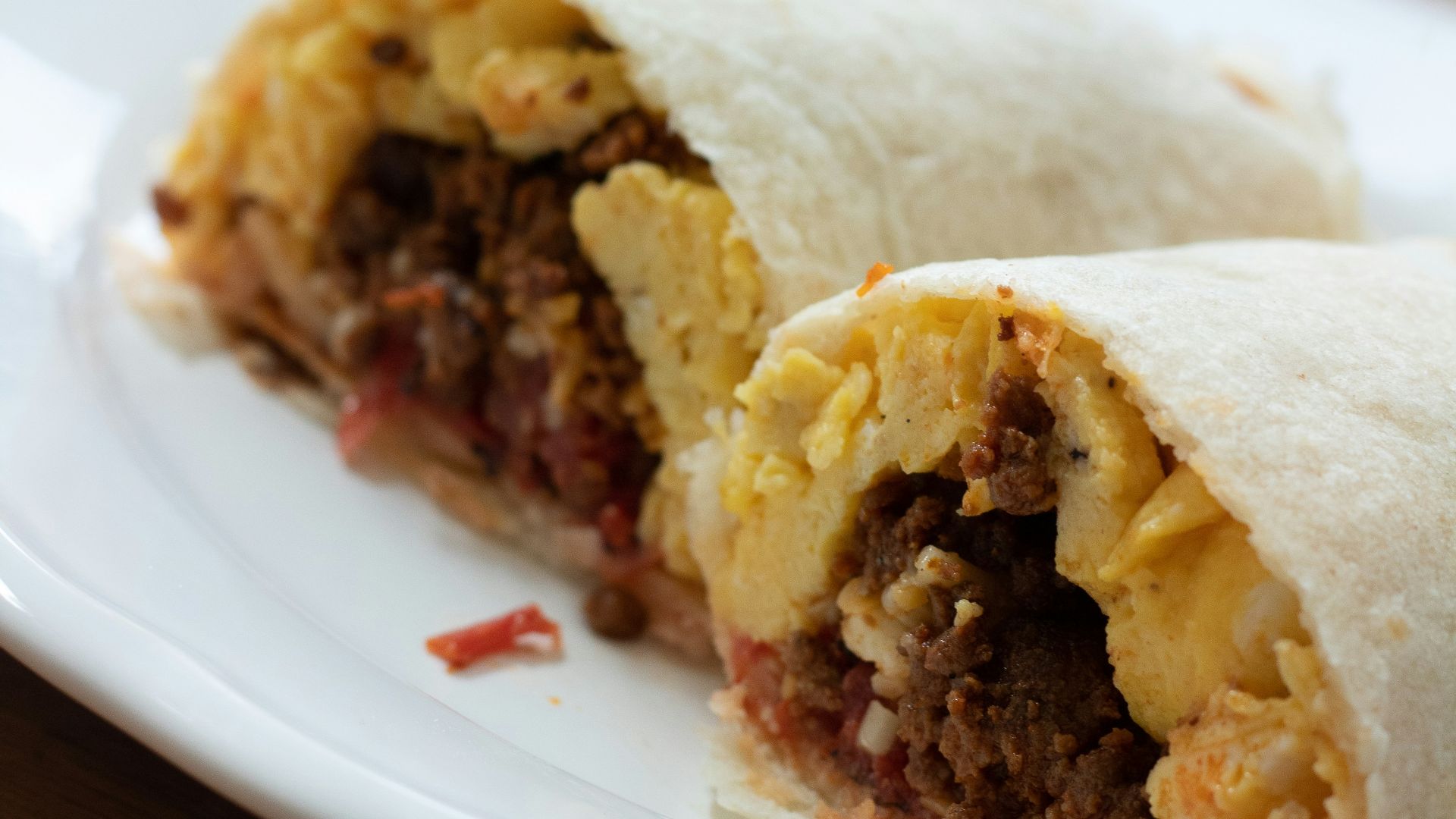
14. Freezer-Friendly Breakfast Burritos
Breakfast burritos freeze well and reheat quickly when needed. Making a small batch avoids crowding the freezer with food you won’t finish. You can control both portions and ingredients to suit changing appetites. They feel convenient without relying on packaged foods. Having them ready makes mornings noticeably calmer.
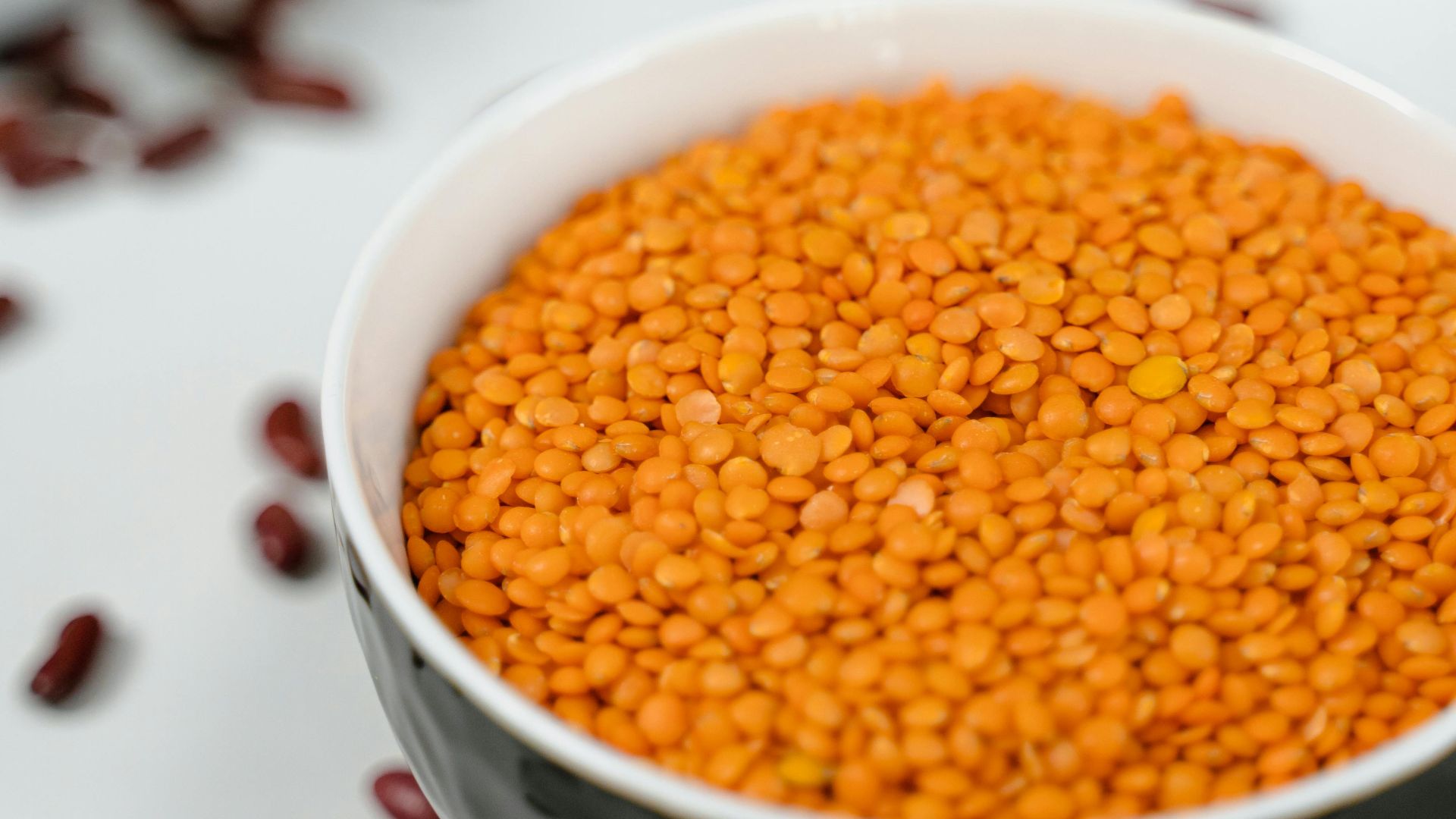
15. Simple Lentil Dishes
Lentils cook quickly and store exceptionally well, which makes them ideal for low-effort meal prep. They work in soups, salads, or warm bowls depending on the season. Seasonings change the flavor without much effort or added cost. They’re filling while still feeling light. This flexibility keeps them from becoming monotonous.
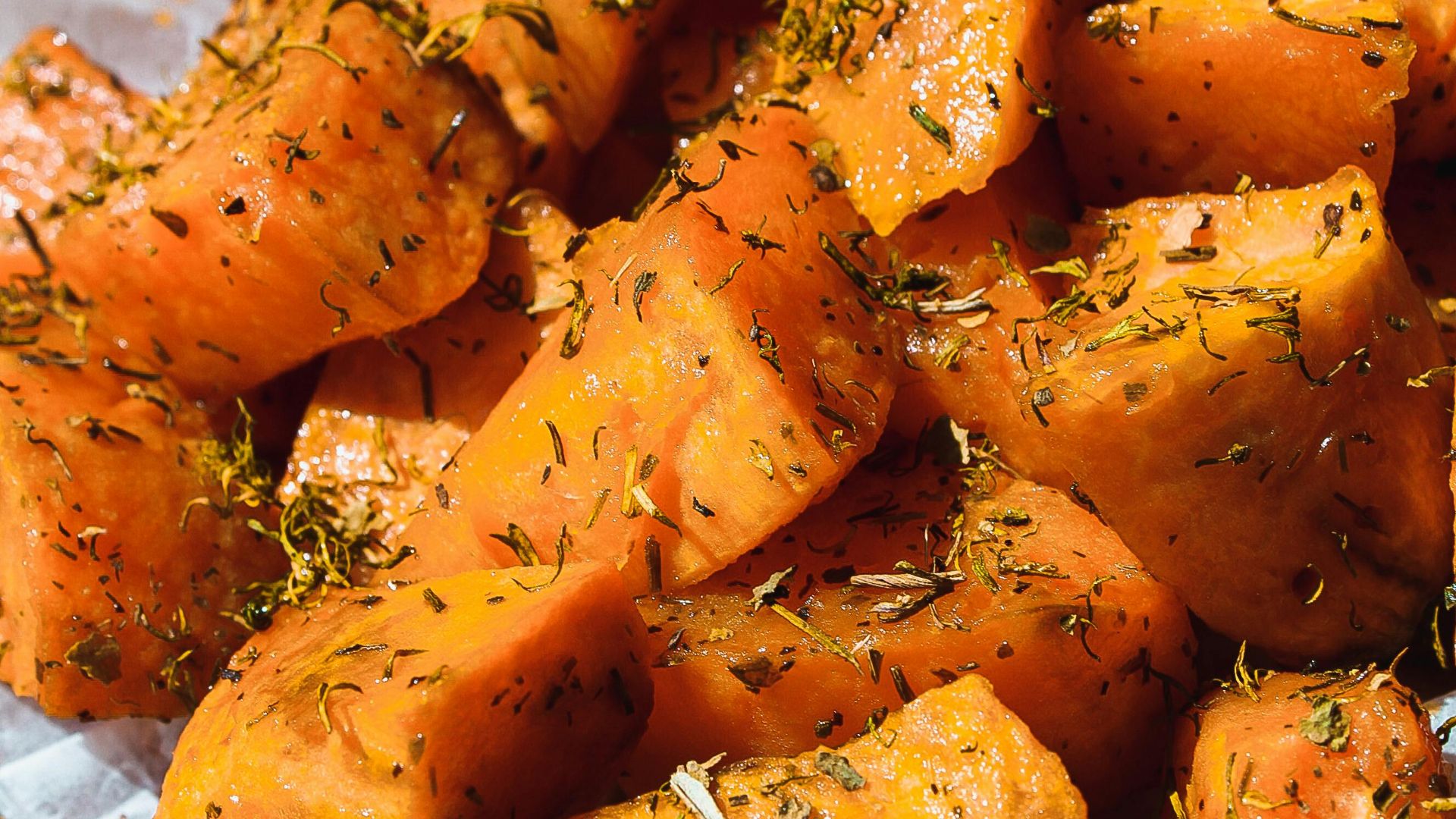
16. Roasted Sweet Potatoes
Sweet potatoes reheat well and complement many different meals. Roasting a few at once creates easy sides throughout the week. They also work well in salads or grain bowls with minimal adjustment. Their natural sweetness adds balance to savory dishes. This makes them especially useful when meals feel repetitive.
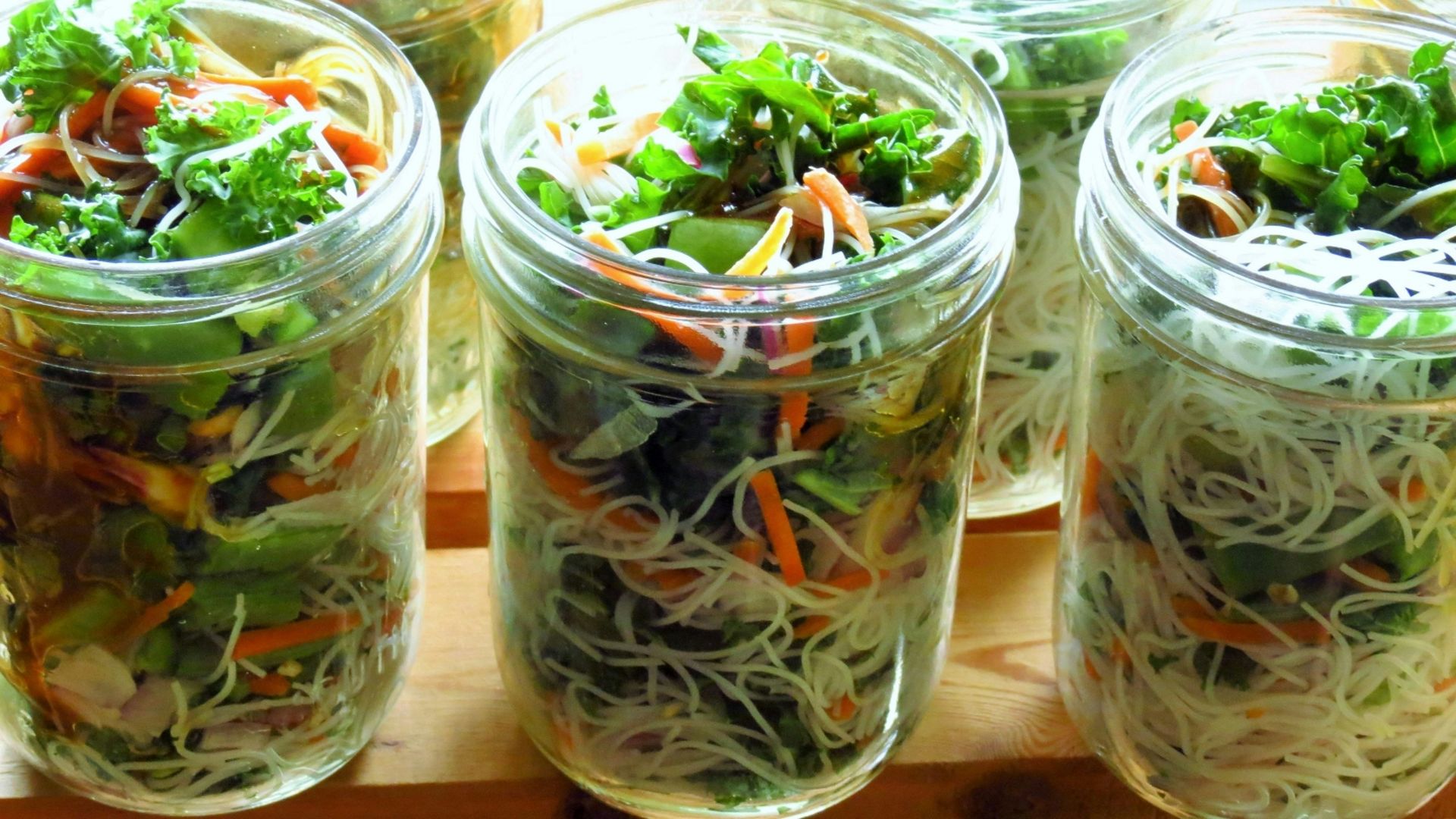
17. Mason Jar Salads
Layered salads stay fresh longer when assembled correctly and stored upright. Keeping dressing separate protects texture and flavor over several days. Portions are easy to manage this way, which helps prevent waste. They make lunches feel planned rather than rushed.
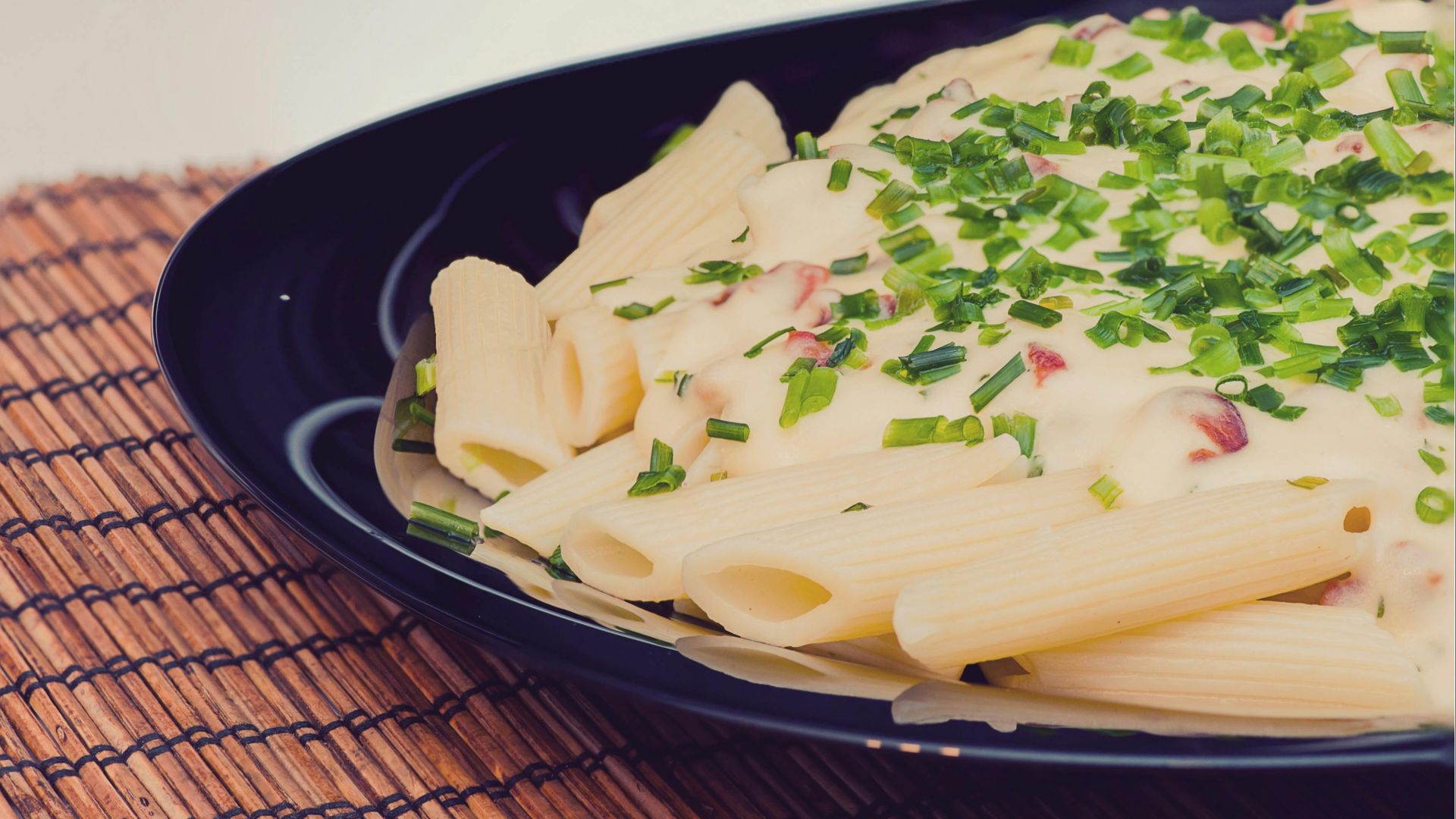
18. One-Pot Pasta Dishes
One-pot meals simplify cleanup while saving time and energy. Portions are easier to scale down for smaller households. Flavors blend as everything cooks together, creating a cohesive dish.
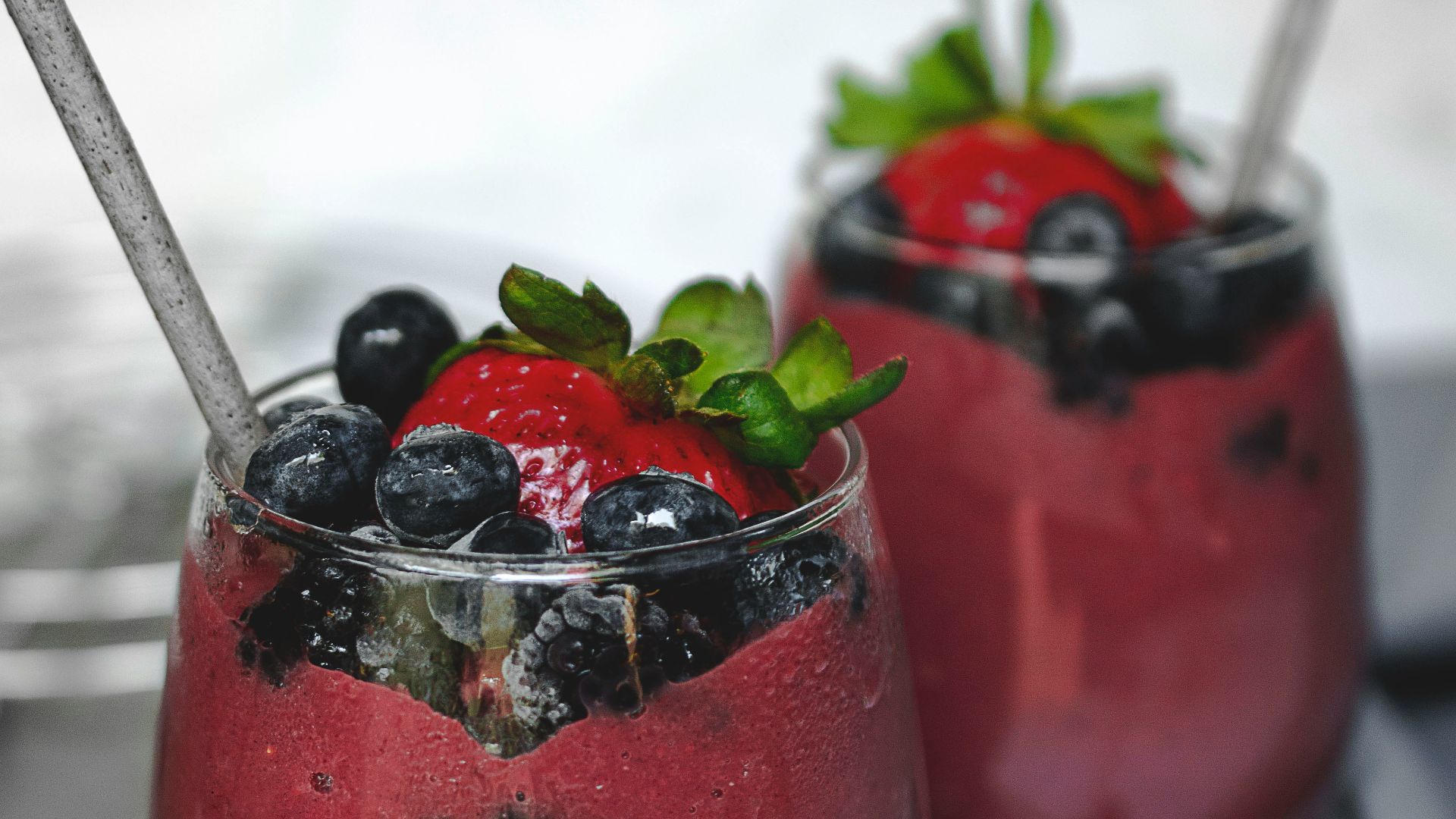
19. Frozen Smoothie Packs
Pre-portioning smoothie ingredients reduces waste and decision fatigue. Blending directly from frozen saves time during busy mornings. Flavors stay consistent across batches, which helps with routine.
20. Soup and Half-Sandwich Combos
Pairing soup with a small sandwich creates balanced, satisfying meals without excess. Both elements can be prepped ahead of time and mixed as needed. Portions feel complete without being heavy.