Don’t Be Fooled By Advertising
Grocery stores have figured out that most of us want to eat better, but that doesn’t actually mean what they’re promoting is actually good for you. Words like wholesome, natural, and plant-based show up in friendly fonts, then you flip the box over, and suddenly you’re reading a novella of additives, sweeteners, and oils that do more harm than good. Nutrition research has been pretty consistent on a few basics: added sugar adds up fast, ultra-processed foods tend to crowd out more nutrient-dense options, and “health halos” can make people eat more without noticing. None of this means you have to eat perfectly, yet it does mean some products are more marketing than nourishment, especially when you’re buying them every week.

1. Plant-Based Meat
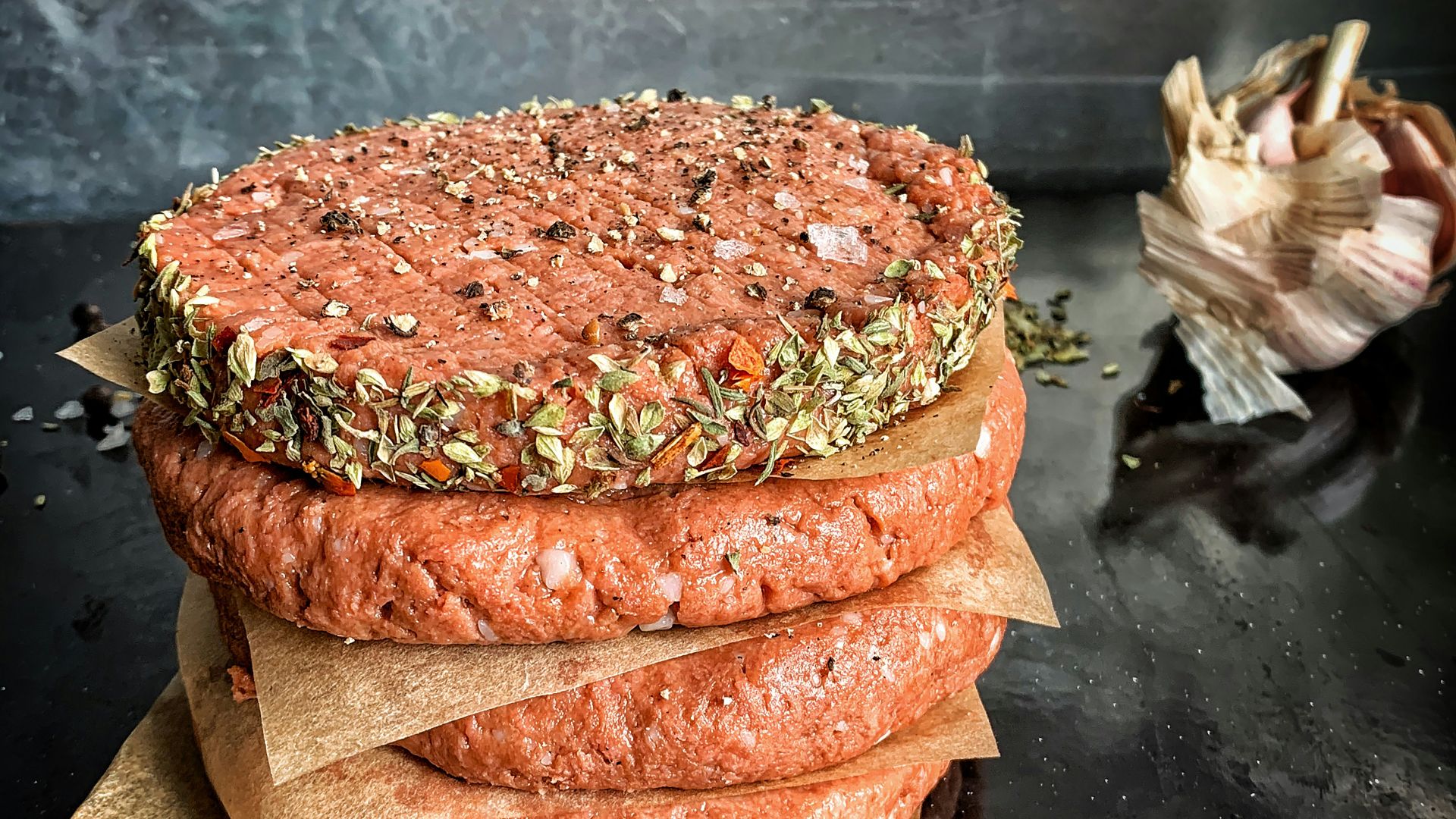
Plant-based meat can be useful for some people, especially those who choose not to eat animal-based protein, yet many versions are heavily processed and high in sodium. The ingredient lists can be long, and the final product often relies on refined oils and additives to mimic the texture of “real” meat.
2. Store-Bought Muffins
These muffins sit in the bakery case looking delicious and nutritious, and they often carry a sugar and refined flour load. If you want a baked treat, a smaller portion of something you actually enjoy beats a “healthy” muffin that leaves you unsatisfied.

3. Packaged Salad Kits
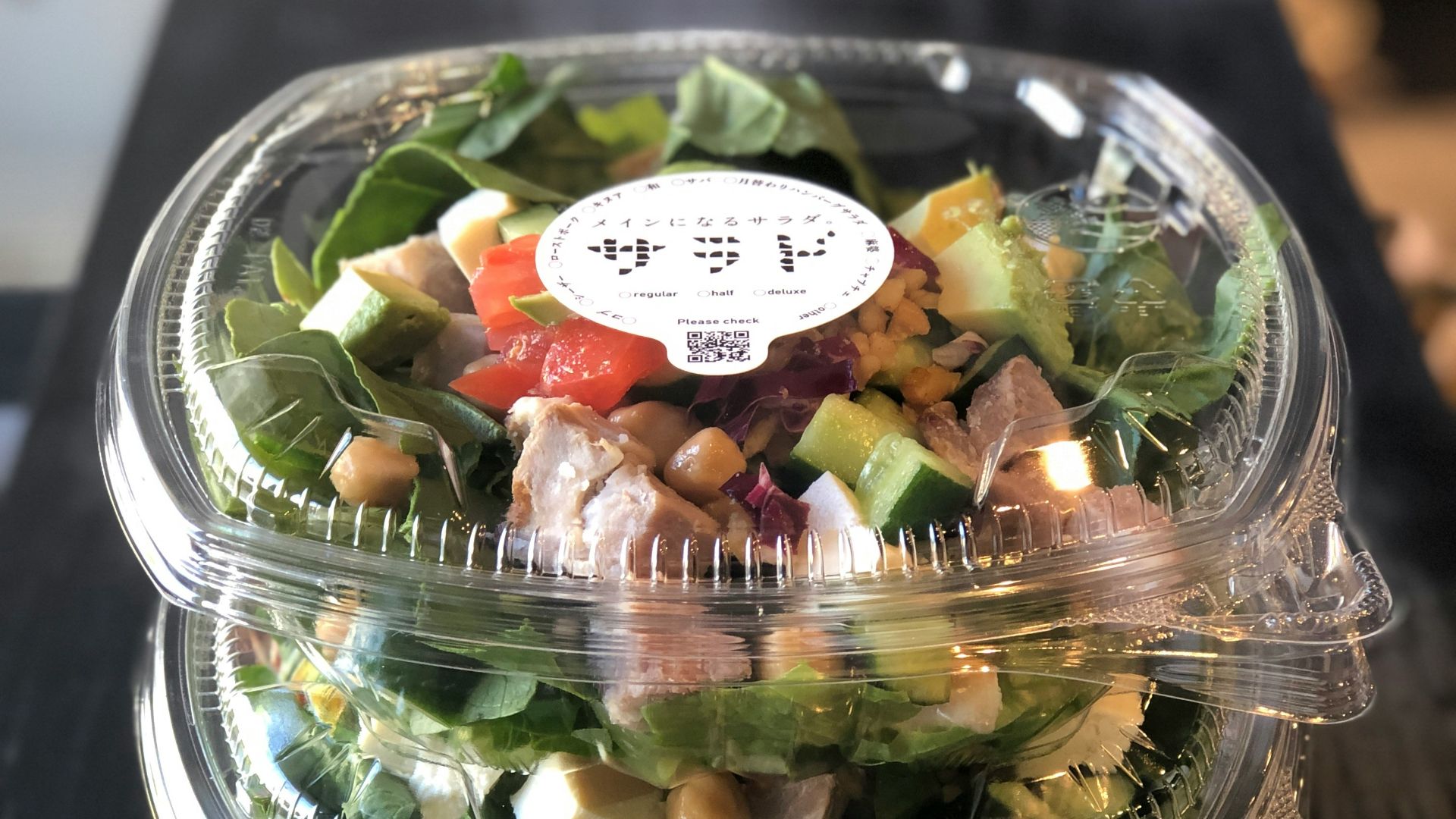
Salad kits can be helpful, yet many come with sugary dressings and crunchy toppings that add more calories than you expect. The greens themselves are fine, though the kit can turn into a vehicle for dressing and little fried bits. If you love the convenience, use half the dressing and add your own protein.
4. Gluten-Free Cookies
Gluten-free does not automatically mean nutritious, and cookies are still cookies. Many gluten-free baked goods use refined starches that digest quickly and offer little fiber. If you need gluten-free foods for medical reasons, that’s one thing, but we can’t promise they’re actually good for you.

5. Veggie Pasta Made From Starch
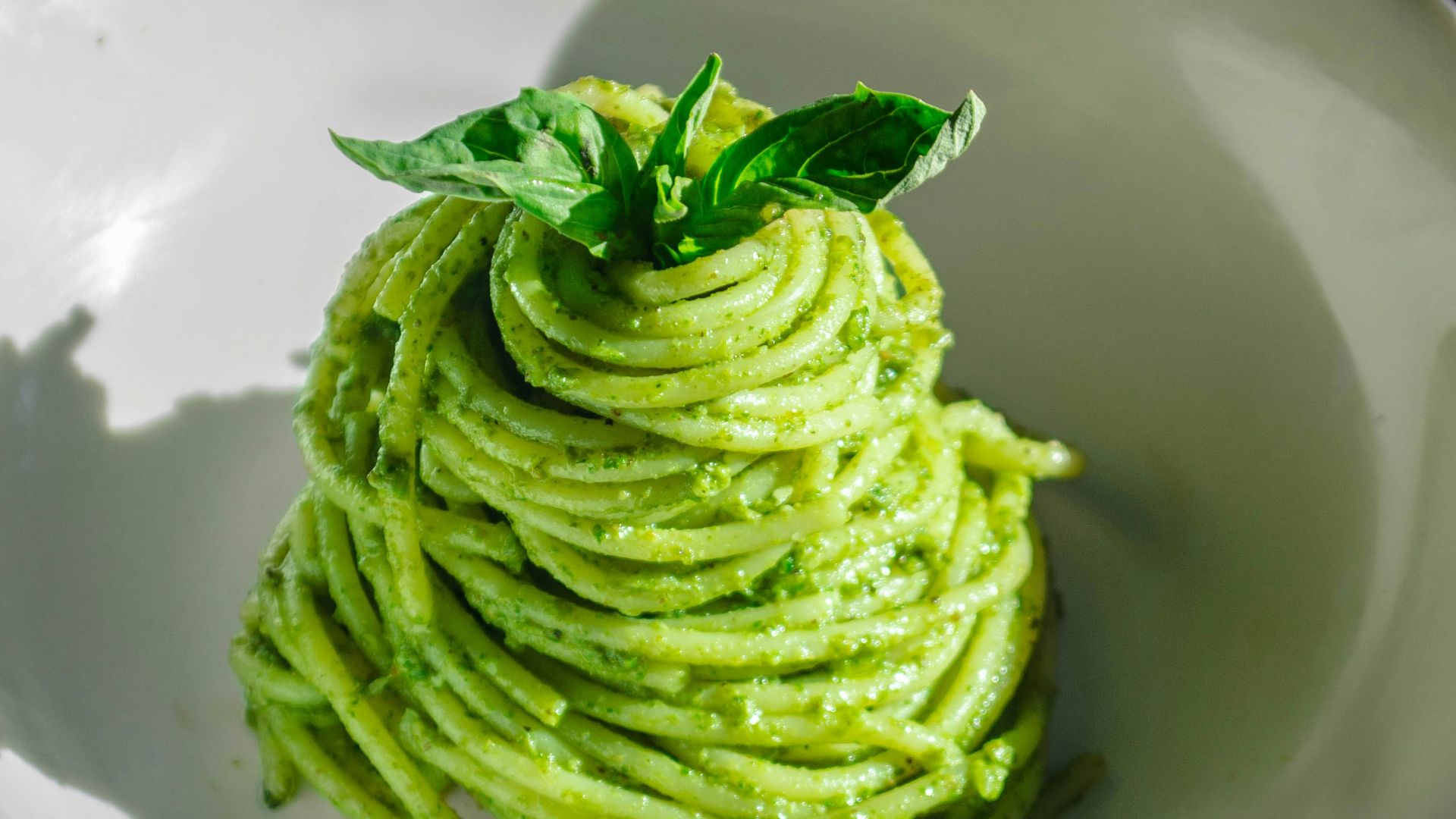
Vegetable-based pasta can be great when it’s actually made from legumes or vegetables, but many versions are mostly refined starch with a vegetable powder added. The box might show a zucchini, while the ingredient list tells another story.
6. Coconut Yogurt With Lots Of Sugar
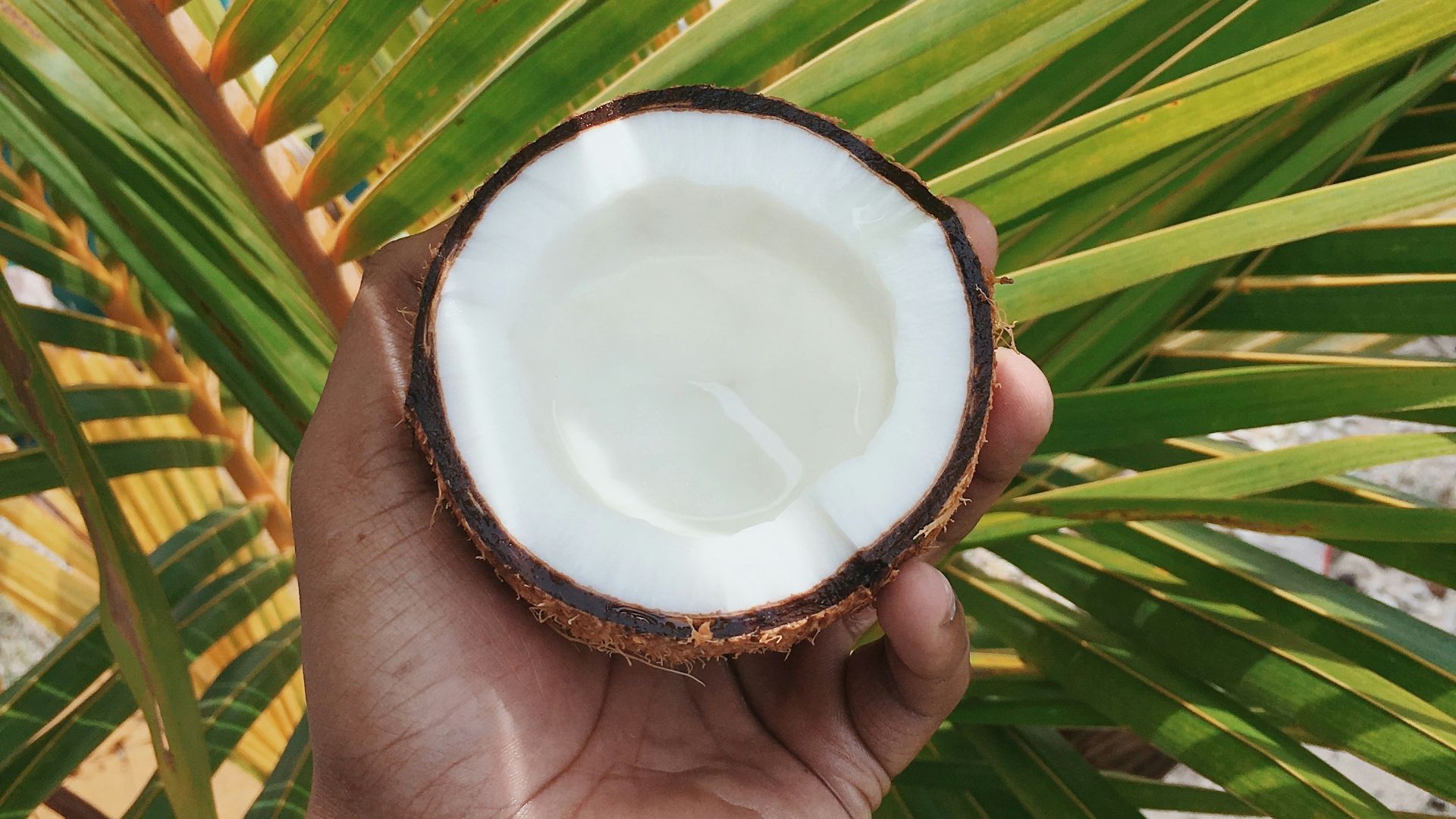
Coconut-based yogurt is great for dairy-free diets, but plenty of versions are sweetened heavily to cover the tartness. Some also contain very little protein, which can leave you hungry again quicker than you’d expect. If you’re buying it often, aim for unsweetened versions and add your own fruit.
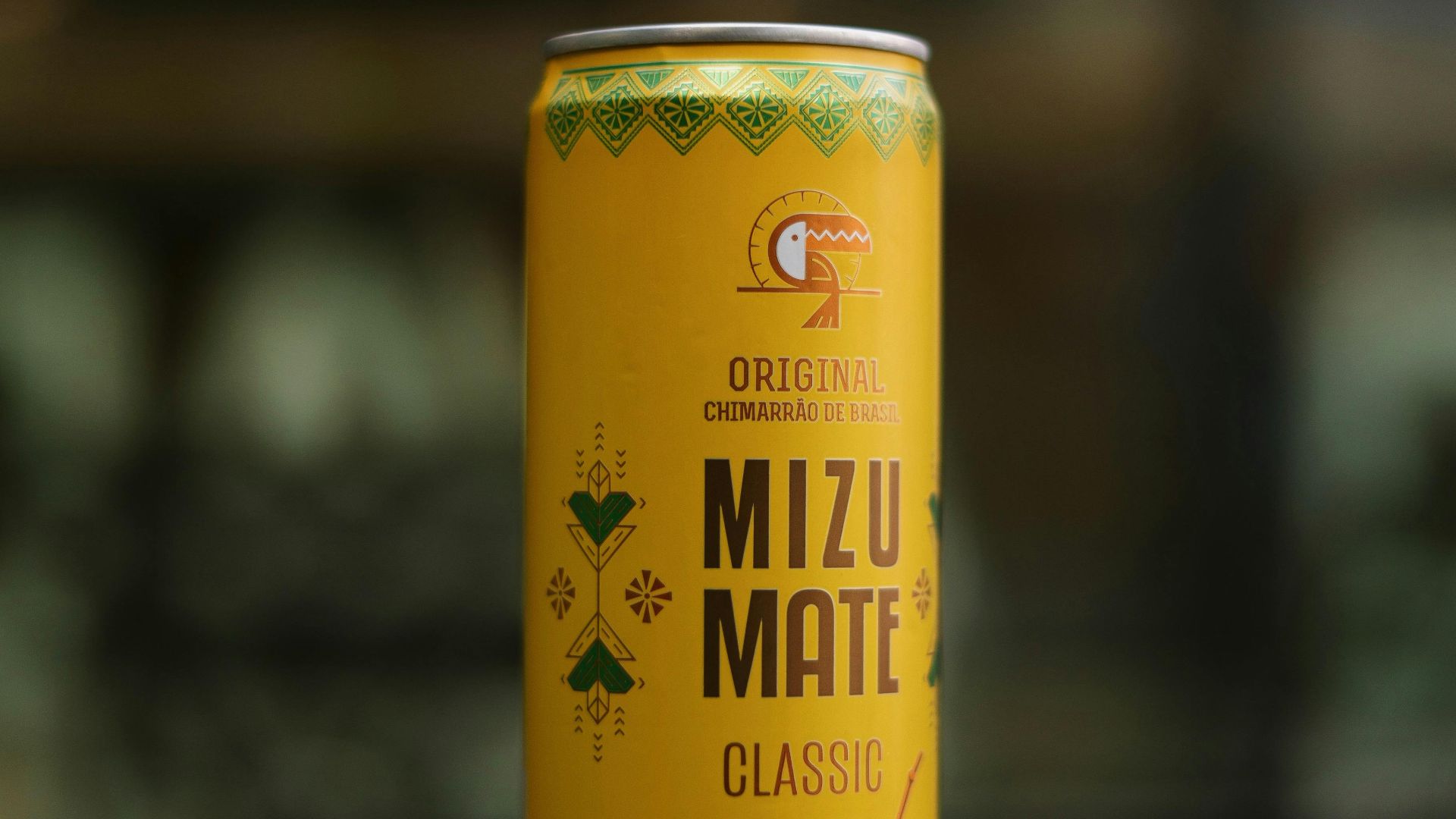
7. “Natural” Energy Drinks
Energy drinks sold as natural or clean still tend to deliver a big caffeine hit, and they sometimes add herbal blends that are not well-studied in combination. Too much caffeine can worsen anxiety, disrupt sleep, and trigger heart palpitations in certain people. If you want energy that feels stable, consistent sleep, and food usually does more than a trendy can.
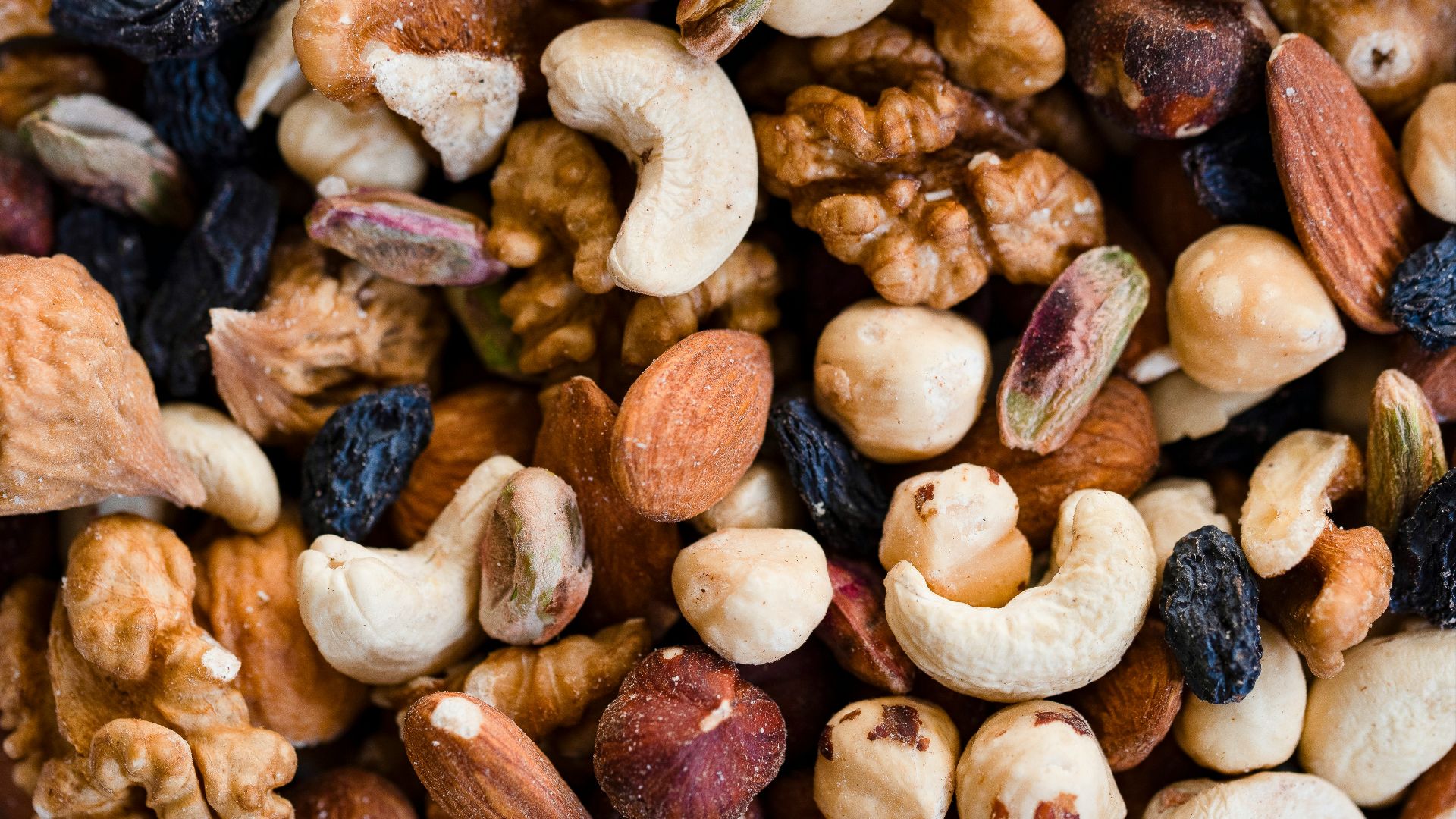
8. Trail Mix That Turns Into Dessert
Trail mix is easy to keep around, and it’s also easy to eat mindlessly by the handful. Many mixes lean heavily on candy pieces or sweetened dried fruit, and the calories add up fast. A small portion can be a great snack, but the family-size bag at your desk tends to become a problem.
9. Flavored Nut Butter
Nut butter is helpful, and the flavored versions often add sugar and oils for texture and taste. Plain nut butter with a pinch of salt usually works better as an everyday choice.

10. “Diet” Frozen Meals
Frozen meals can be convenient, yet many diet-branded versions are low in calories and high in sodium, leaving you hungry and irritated soon after. The portions can also be so small that you end up snacking later, which defeats the whole reason you bought them.
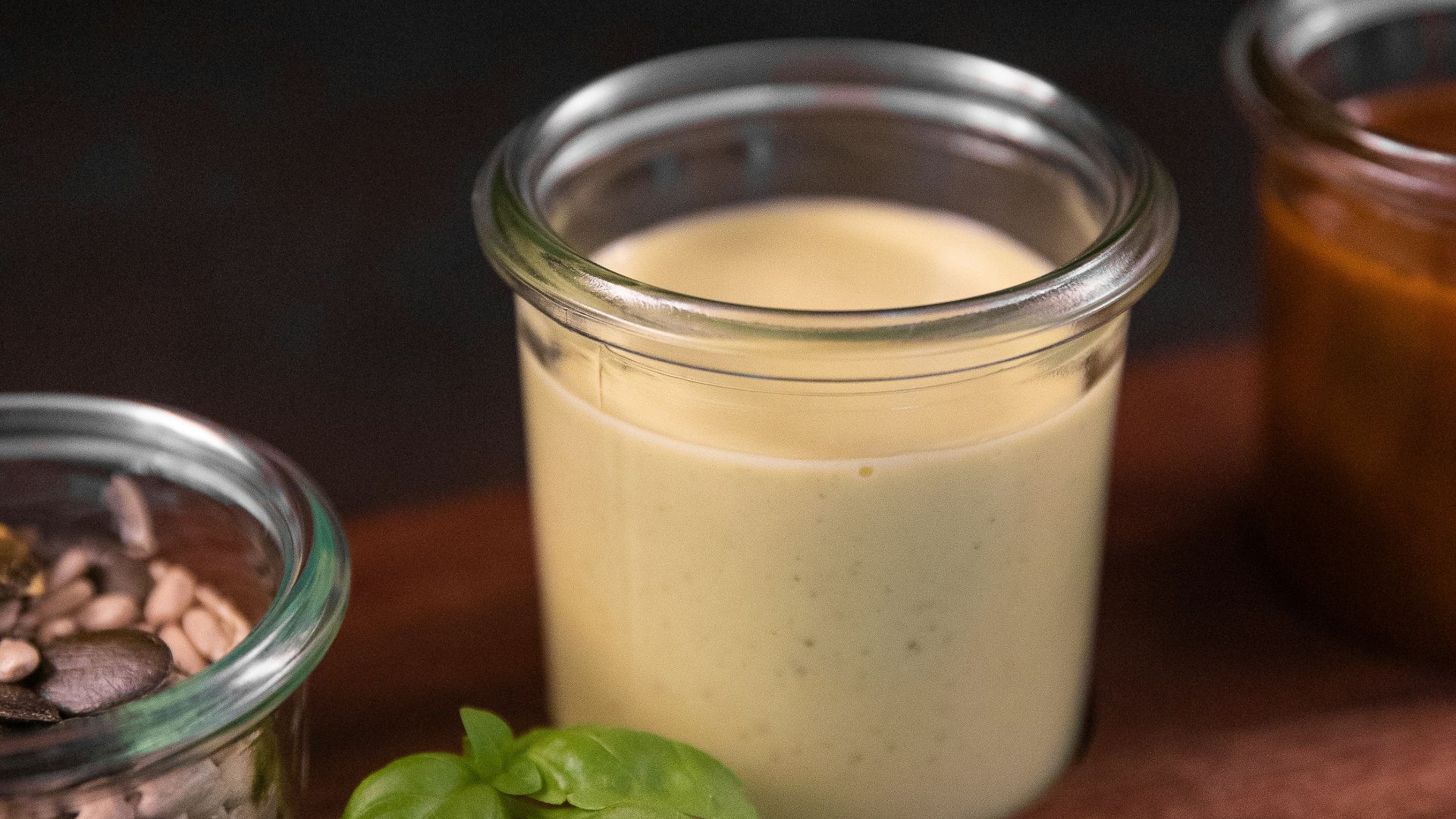
11. Low-Fat Salad Dressing
Low-fat dressing often replaces fat with sugar, starch, or thickeners to keep it tasting acceptable. Fat also helps you absorb fat-soluble vitamins from vegetables, which is part of why salads can feel more satisfying with a reasonable dressing. Using a smaller amount of a better dressing tends to beat drowning a salad in the low-fat version.
 Janosch Diggelmann on Unsplash
12. Protein Cookies And Brownies
Protein desserts tend to rely on sweeteners and processed ingredients to taste like a treat while hitting a protein number. They can also train you to expect dessert textures constantly, which makes regular food feel less appealing. If you want protein, it’s better just to focus on whole foods like Greek yogurt or cottage cheese.

13. Packaged “Wellness” Shots
Tiny wellness shots are often a pricey mix of juice, ginger, and vitamins that can’t replace a nutrient-rich diet. Some people love the taste and the ritual, which is fine, yet the health impact is usually overstated.
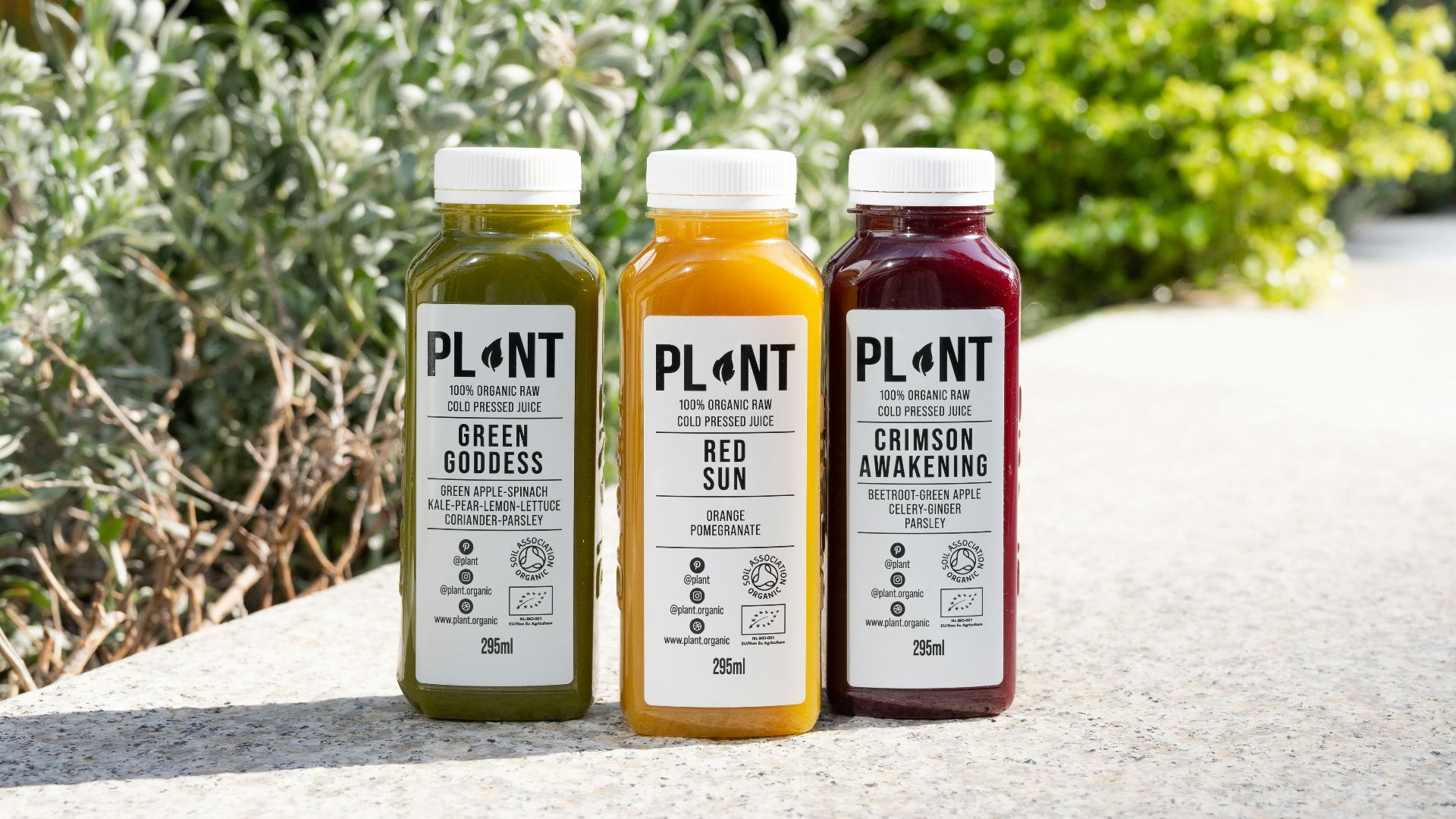
14. Flavored Sparkling Water With Sweeteners
Some flavored sparkling waters are just carbonated water with flavor, and others add sweeteners that can keep your palate stuck on sweet tastes all day. For some people, certain sweeteners also cause bloating or headaches. Reading the label quickly tells you whether it’s a simple seltzer or just another soft drink.
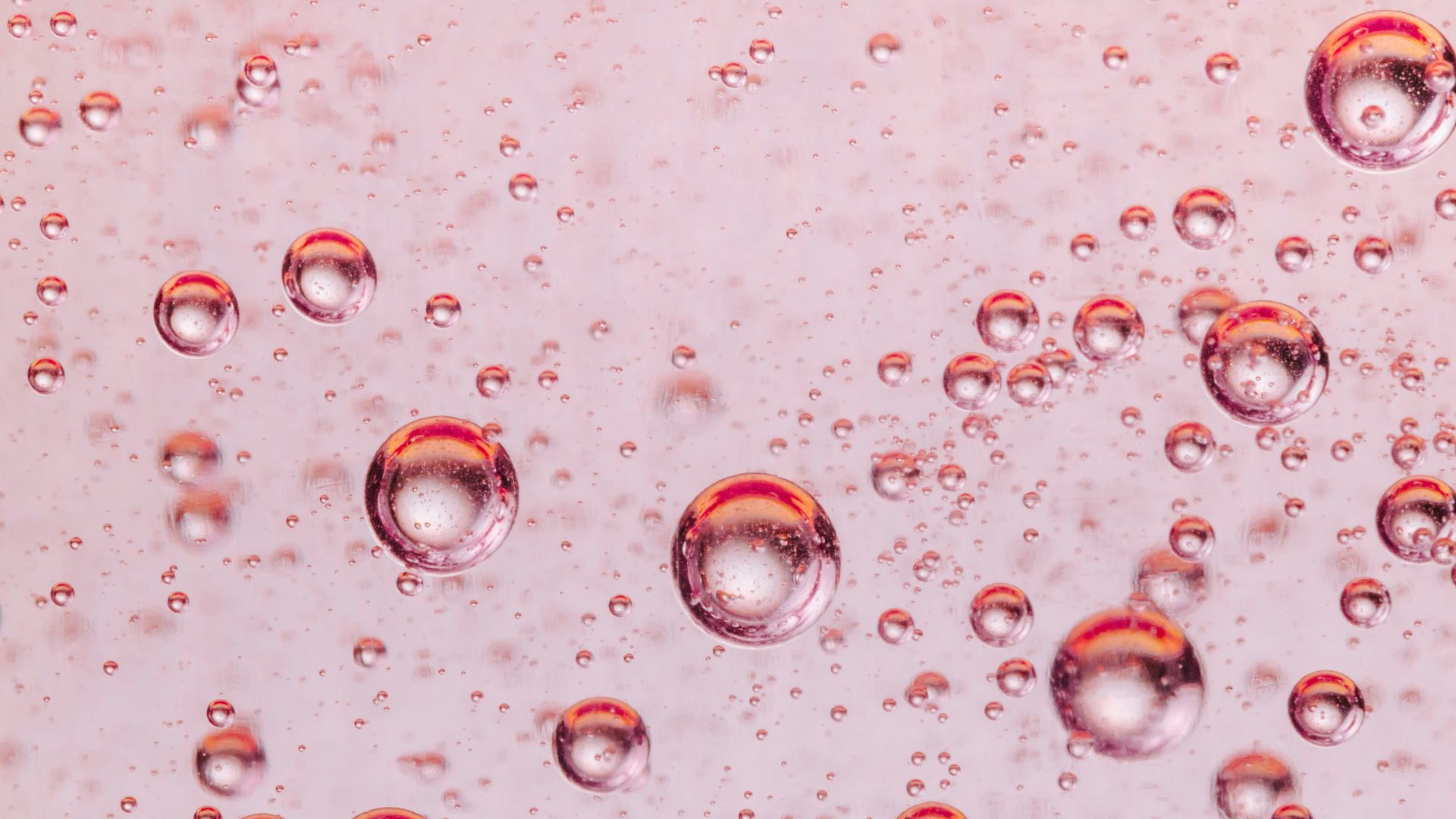
15. Pre-Made Acai Bowls
Acai bowls look healthy, but store-bought versions can be high in sugar with a calorie count that sneaks into dessert territory. The toppings can also add more sugar, especially when they’re overloaded with cheap granola and fruit.
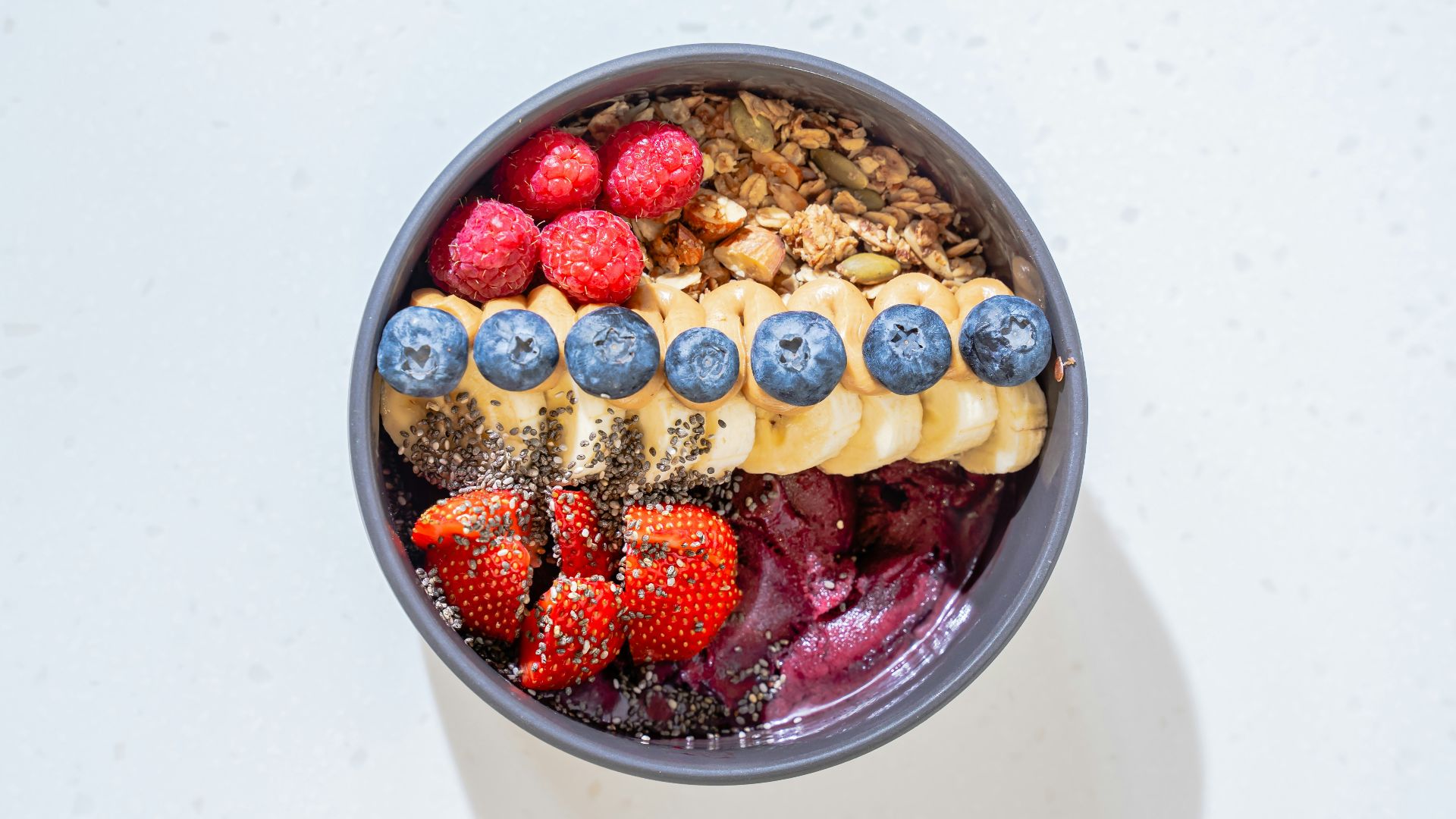
16. Flavored Rice Cakes
Rice cakes are often marketed as a clean snack, but flavored versions can carry added sugar while still leaving you hungry. Their low density means they disappear quickly, which can lead to more snacking later. Pairing plain rice cakes with a protein can make them work better and last longer.
17. Packaged “Fit” Cereals
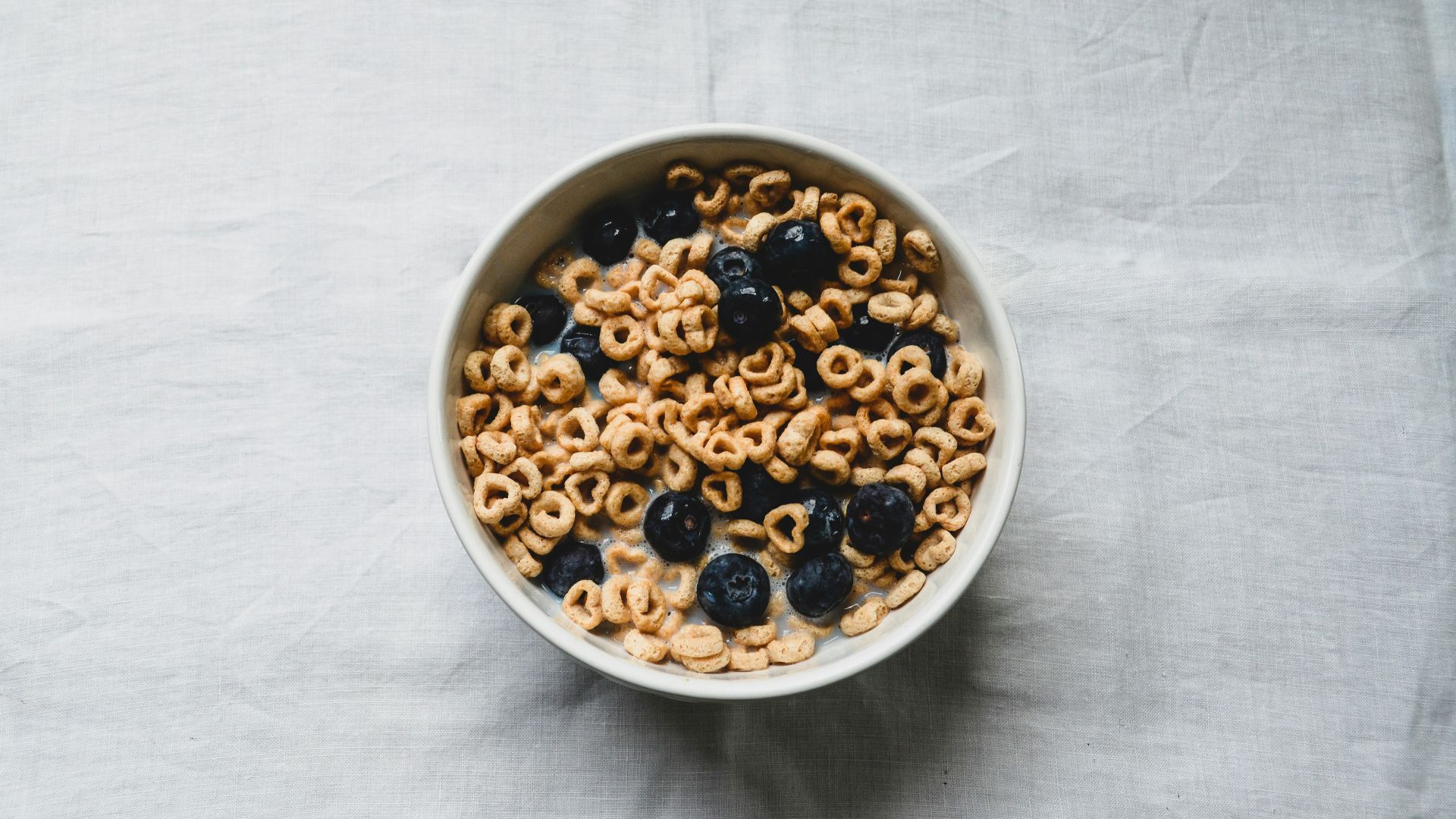
Cereals marketed for fitness, often highlighting protein or fiber on the front, rely on sweeteners to keep the taste appealing. A breakfast that includes protein and real fiber tends to hold you longer than a crunchy marketing promise.
18. “Immunity” Gummies
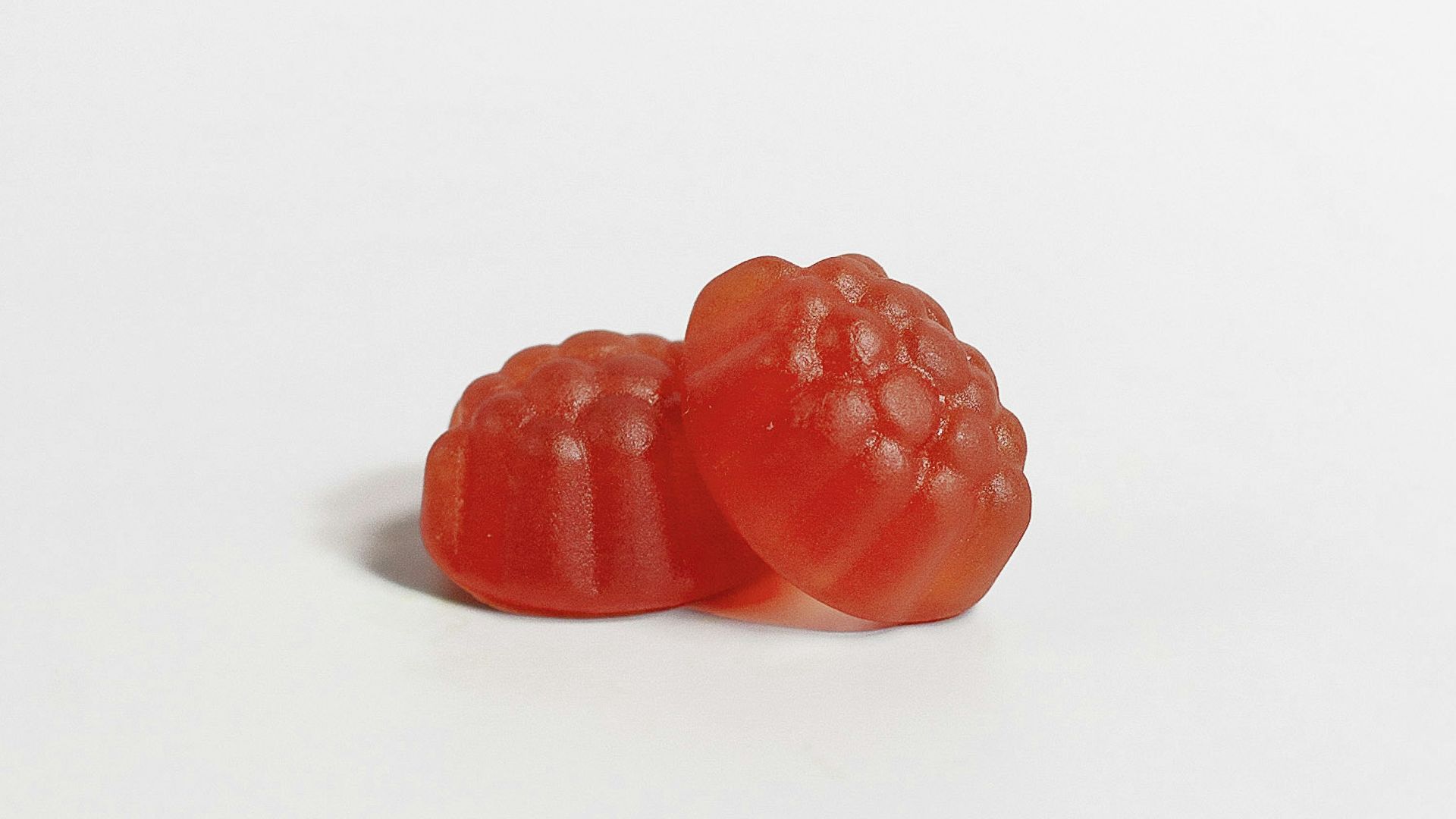
Gummy vitamins feel like candy, and that’s because they basically are. Supplement research has also shown that more is not always better, since high doses of certain vitamins can be harmful. If you actually need a supplement, a basic tablet is usually a more straightforward option.
 Supliful - Supplements On Demand on Unsplash
19. Store-Bought Green Powders
Green powders are marketed as a dietary shortcut, and the evidence does not support them replacing the benefits of whole vegetables. Sure, they can help some people add nutrients, but many products are pricey and do not fix a diet built mostly on processed food.
20. “Healthy” Snack Packs
Snack packs look portioned and responsible, and many are built around refined crackers, processed cheese, or sweetened add-ons. They can also cost far more than assembling the same idea at home.

KEEP ON READING



20 Ways To Get Your Vitamins And Minerals

20 Ways Doing Less Can Actually Improve Your Health