Strength Training Isn’t Only About Lifting Heavy
Building strength is often associated with barbells and maximal loads, but muscle adapts to tension, control, and consistency more than sheer weight. When heavy equipment is removed, the focus naturally shifts toward movement quality, muscular control, and intelligent progression. If the goal is long-term health and muscle mass that's obtainable and sustainable, then these 20 approaches will help you build durable strength that transfers well to everyday movement and long-term fitness.

1. Bodyweight Progressive Overload
Using your own bodyweight builds strength when exercises become progressively harder over time. Adjusting leverage, tempo, or range of motion increases difficulty without adding external load. This approach trains control and resilience alongside muscle development. Progress feels earned rather than forced. Over time, small adjustments create meaningful strength gains.

2. Slow Tempo Training
Moving slowly through each repetition increases time under tension and challenges muscles differently. This forces greater engagement and reduces reliance on momentum. Slower tempos also improve joint stability and body awareness. Muscles fatigue more deeply despite lighter resistance, and control becomes just as important as effort.

3. Isometric Holds
Holding positions under tension builds strength by forcing muscles to work without visible movement. Planks, wall sits, and static lunges create deep muscular fatigue quickly. These holds also strengthen connective tissue. Mental focus increases because discomfort arrives fast. Also, isometrics improve stability that supports dynamic movement.

4. Unilateral Exercises
Training one side at a time increases difficulty without requiring additional weight. Single-leg and single-arm movements expose imbalances and coordination gaps. Strength gains often accelerate once weaknesses are addressed.
 Boxed Water Is Better on Unsplash
5. Resistance Bands
Bands create variable resistance that increases tension through movement. This challenges muscles differently from free weights while remaining joint-friendly. They also allow for high-volume strength work. Bands are easy to adjust mid-set, and their versatility makes them ideal for consistent training.

6. Extended Range of Motion
Working through deeper ranges increases muscle recruitment and strength output. Controlled depth forces muscles to work harder at weaker points, and mobility improves alongside strength gains. Joints adapt gradually to new demands. Best of all, this combination supports long-term progress.

7. Plyometric Training
Explosive movements develop strength through speed and power rather than load. Jumping and bounding train fast-twitch muscle fibers effectively. Proper recovery keeps these sessions productive.

8. Time-Based Sets
Training for time rather than repetitions shifts focus to sustained effort. Muscles fatigue in a different, endurance-driven way. This builds work capacity alongside strength,th and your effort can stay consistent regardless of rep count. Time constraints add mental discipline.

9. Eccentric-Focused Training
Slowing the lowering phase of exercises increases muscle damage and adaptation. Eccentric control builds strength efficiently without heavier loads, making recovery especially important with this method. Muscles respond strongly to controlled stress.

10. Calisthenics Skill Progressions
Advanced bodyweight skills require gradual strength development. Progressions allow overload without external equipment, as mastery builds confidence and control. Skill work keeps training engaging.

11. Suspension Training
Suspension systems use instability to increase muscle engagement. Small changes in body angle dramatically affect difficulty. Core and stabilizers work continuously throughout each movement.
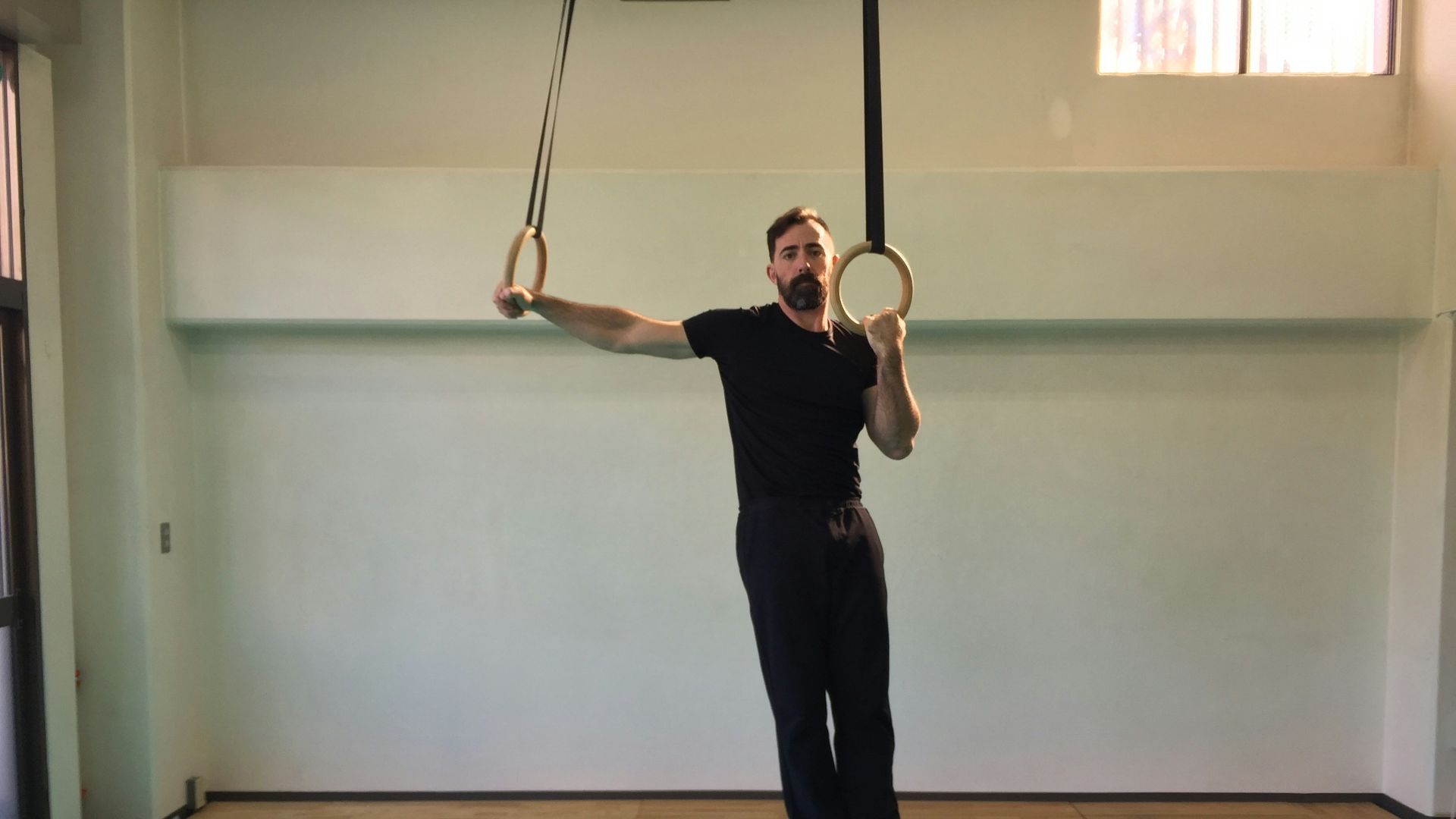
12. Density Training
Reducing rest time increases total work performed within a session. Muscles adapt by becoming stronger and more efficient under fatigue. Conditioning improves as a secondary benefit, and fit and fatigue management becomes essential for progress.

13. Loaded Carries With Light Weight
Carrying lighter loads for longer distances builds grip and core strength simultaneously. Postural muscles remain under continuous tension the entire time. This method translates well to real-world strength demands. Breathing often becomes a limiting factor, but endurance and stability improve together. Every day tasks start to feel easier as a result.
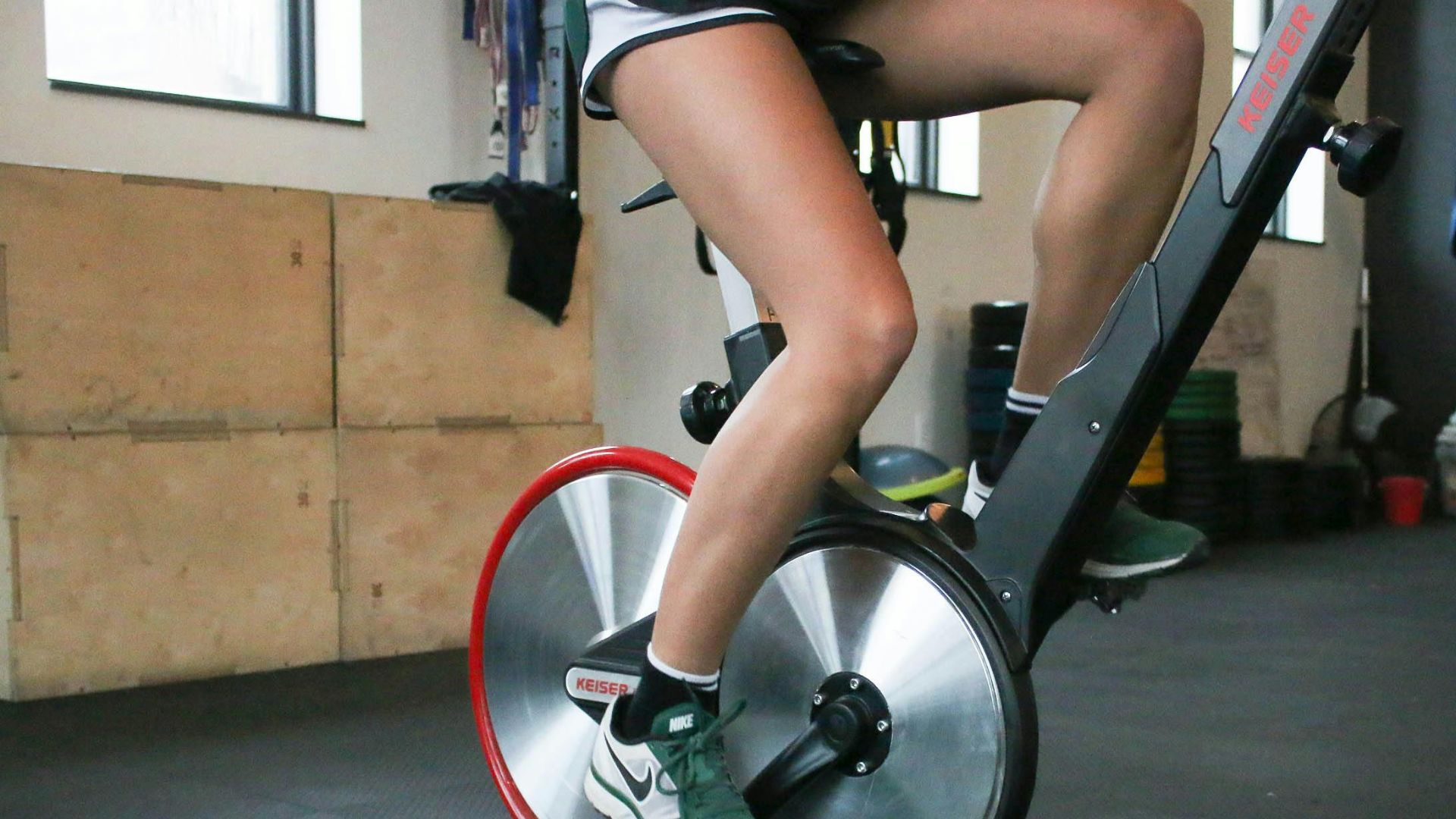
14. Tempo-Based Circuits
Circuits with controlled pacing maintain constant muscular engagement across movements. Fatigue accumulates without the need for heavy resistance. This approach balances strength and endurance in a single session, as movement quality stays central to effectiveness.

15. Range-Limited Repetitions
Partial reps in challenging joint ranges increase local muscle stress where strength is weakest. Strength improves at specific angles that are often neglected. This method complements full-range training effectively.

16. High-Rep Strength Sets
Higher repetitions still build strength when sets are taken close to fatigue. Muscles adapt through sustained tension rather than heavy loading, and recovery demands are often lower than traditional heavy lifting. Mental resilience improves alongside physical endurance, resulting in consistency becoming easier to maintain week to week. Volume replaces intensity as the main driver.

17. Complex Movement Patterns
Compound movements recruit multiple muscle groups simultaneously and efficiently. Coordination demands increase overall strength output without added weight. These patterns improve functional strength that transfers to daily activity.
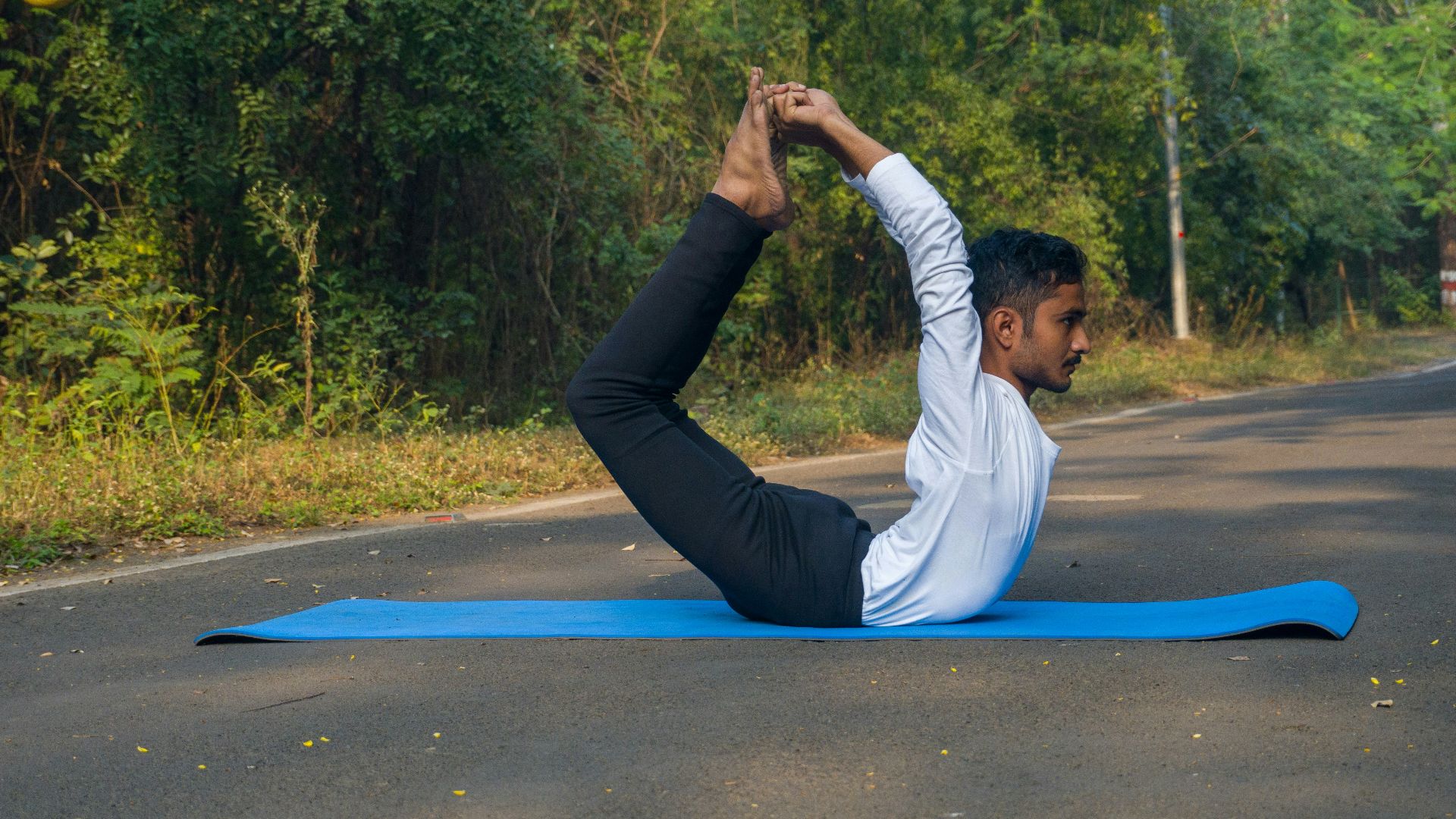
18. Core-Centered Training
Strong core engagement improves force transfer across the entire body. Stability allows limbs to generate strength safely and efficiently.

19. Reduced Rest Periods
Shorter rest forces muscles to perform under ongoing fatigue. Strength endurance improves without the need for heavier weights. Mental toughness develops alongside physical gains as focus sharpens along with the building discomfort. Conditioning improves overall,y and training becomes more time-efficient. This tip is a must for anyone who exercises regularly.

20. Consistency Over Intensity
Frequent, manageable training produces better long-term results than occasional extreme effort. Strength builds through repeated exposure rather than dramatic overload. Sustainable habits outperform aggressive programs over time, and motivation stays higher when sessions feel achievable. Progress becomes reliable and measurable as longevity replaces burnout as the priority.

KEEP ON READING



20 Ways Stress Hormone Talk Gets Weaponized

20 Ways To Build Strength Without Heavy Weights