
Small Habits Start To Matter More After 40
After 40, health changes tend to be subtle rather than dramatic. What you do consistently matters far more than occasional bursts of motivation, and small daily habits often have the biggest long-term payoff. These aren’t flashy wellness trends or extreme routines, but quiet choices that support your body as it changes. When done regularly, they add up in ways you actually feel. Here are 20 daily habits that quietly improve your health after 40.

1. Walking Every Day
Daily walking supports heart health, joint mobility, and mental clarity. It’s low impact, which makes it easier to maintain as your body changes. Even short walks count when they become part of your routine. Over time, walking also helps reinforce a daily rhythm your body responds well to.

2. Drinking Water Before Coffee
Hydrating first thing helps counter overnight fluid loss. It can support digestion and reduce that groggy feeling before caffeine kicks in. This small shift often improves energy without effort. Many people notice fewer headaches once this becomes routine.

3. Prioritizing Sleep Consistency
Going to bed and waking up at similar times supports your internal clock. Consistent sleep helps regulate hormones tied to metabolism and mood. Quality sleep often matters more than sheer hours. A steady schedule can make falling asleep feel easier over time.

4. Eating Protein At Breakfast
Protein in the morning supports muscle maintenance and steadier blood sugar. It also helps you feel full longer, reducing midmorning snacking. This habit becomes increasingly important with age, as even modest amounts can make a noticeable difference.

5. Stretching For Five Minutes
Brief daily stretching helps maintain flexibility and joint health. It also improves circulation and reduces stiffness. Five minutes is enough to make a difference if done consistently. Stretching first thing in the morning can set a calmer tone for the day.

6. Standing Up More Often
Long periods of sitting can affect circulation and posture. Standing periodically supports joint mobility and muscle engagement. Even small movement breaks help counter stiffness. This habit becomes more valuable during long workdays.
 Standsome Worklifestyle on Pexels
7. Getting Regular Sunlight
Natural light helps regulate sleep cycles and supports vitamin D production. Morning sunlight is especially helpful for circadian rhythm alignment. Just a few minutes outside can improve alertness. Consistent exposure can also boost mood over time.

8. Eating More Fiber
Fiber supports digestion, heart health, and blood sugar control. Fruits, vegetables, legumes, and whole grains are reliable sources. Many adults don't realize that they're not eating enough fiber every day.
 Kamakshi subramani on Unsplash
9. Strength Training Lightly
Muscle mass naturally declines with age if it isn’t used. Light strength training supports bone density and functional strength. You don’t need heavy weights to see benefits, as consistency matters more than intensity here.
 LOGAN WEAVER | @LGNWVR on Unsplash
10. Chewing Food Slowly
Slower eating supports digestion and satiety cues. It also reduces the likelihood of overeating. This habit encourages more mindful meals without restriction. Over time, it can change how full you feel after eating.

11. Managing Stress Intentionally
Chronic stress affects sleep, immune function, and heart health. Simple practices like deep breathing or short breaks can help. Reducing stress supports nearly every system in the body. Small, repeatable habits tend to work better than occasional big resets. Lower stress levels also make other healthy habits easier to maintain.

12. Limiting Late-Night Snacking
Eating too close to bedtime can interfere with digestion and sleep quality. Giving your body a break overnight supports metabolic health. Earlier meals often improve restfulness, and this habit becomes easier once it turns into a routine rather than a rule.

13. Maintaining Social Connections
Social interaction supports mental and emotional health. Strong connections are linked to lower stress and better long-term outcomes. Even brief check-ins make a difference. Consistency matters more than the size of your social circle, and feeling connected often improves motivation in other areas of life.

14. Paying Attention To Posture
Posture affects breathing, joint strain, and energy levels. Small adjustments throughout the day reduce neck and back discomfort. Awareness often leads to natural improvement, and over time, better posture can reduce everyday aches.
 Christina @ wocintechchat.com M on Unsplash
15. Eating Mostly Whole Foods
Whole foods tend to be more nutrient-dense and satisfying. They support steady energy and digestion. This doesn’t require perfection, just consistency. Making whole foods the default simplifies decisions around eating. Over time, cravings often shift naturally.

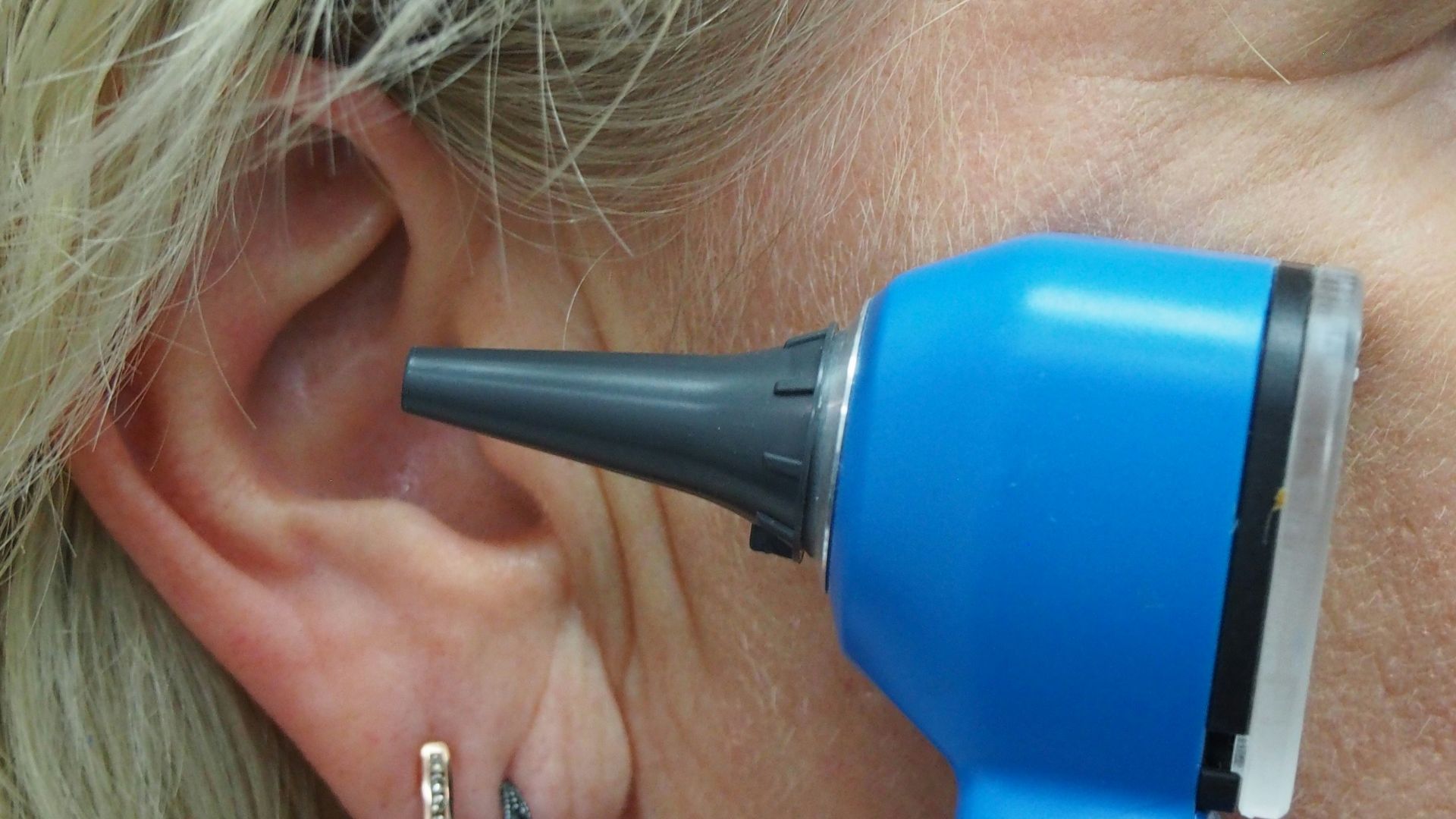
16. Protecting Your Hearing
Hearing changes can happen gradually over time. Using protection in loud environments helps preserve hearing health. It’s easier to prevent damage than reverse it. This habit often goes unnoticed until it’s missing. Protecting hearing also supports long-term cognitive health.
17. Taking Short Mental Breaks
Mental fatigue builds quietly throughout the day,y and brief pauses improve focus and reduce stress. Even a few minutes can reset your attention. Stepping away briefly can improve productivity later, er and these breaks also help prevent burnout.

18. Keeping Up With Preventive Care
Regular checkups help catch issues early, making preventive screenings more important with age. It also reduces anxiety around unknown risks. Prevention often saves time and stress down the road.

19. Practicing Balance Exercises
Balance naturally declines if it’s not challenged. Simple balance work supports stability and confidence. This habit reduces fall risk over time. It’s one of the easiest skills to maintain with minimal effort. Balance training also supports overall coordination.

20. Letting Your Body Recover
Recovery matters just as much as activity. Rest days and lighter movement support joints and muscles. Listening to your body helps prevent long-term setbacks. Sustainable health depends on knowing when to slow down.

KEEP ON READING



20 Natural Ways You Can Boost Your Immune System

20 Ways To De-stress & Relax After Work

The 10 Most Common Diseases & The 10 Most Rare