
Reluctance Starts Showing Up
Turning 20 doesn’t flip a switch where your body suddenly “goes downhill,” yet it does start keeping better receipts. Late nights feel louder the next morning, stress shows up in your shoulders, and a week of “whatever” meals can turn into headaches, bloating, or that weird sluggish feeling you can’t blame on anything specific. Your twenties are also a prime window for building habits that support bone density, muscle, and long-term cardiovascular health, which is a fancy way of saying the boring stuff pays off. The good news is that none of this requires a reinvention, and the best changes usually look like small upgrades you repeat until they feel normal. Here are 20 things your body tends to need more consistently after you hit 20.

1. A Reliable Sleep Window
Sleep affects appetite hormones, immune function, memory, and emotional regulation, which is why a choppy schedule can make everything feel harder. Research has repeatedly linked short sleep with a higher risk for weight gain and cardiometabolic issues over time, even when people swear they’re fine.

2. Strength Training On Purpose
After 20, muscle is still easy to build compared to later decades, which makes this the perfect time to learn good form and get consistent. Strength work supports joints, posture, and bone health, and it also makes daily tasks feel lighter without you noticing it happening.

3. Regular Cardio That Fits You
Your heart and lungs adapt when you ask them to, and that tends to translate into better stamina and a lower resting heart rate. Large population studies have consistently tied regular aerobic activity to a lower risk of heart disease later in life.

4. A Daily Step Baseline
Sitting for long stretches can stiffen hips, tighten calves, and make your back feel like it aged five years during one meeting. Light movement throughout the day supports circulation and helps regulate blood sugar after meals.

5. Protein At Most Meals
Protein supports muscle repair, immune function, and satiety, which can help prevent the snack spiral that starts when lunch is basically coffee. Studies on muscle protein synthesis show that distributing protein across the day can be more helpful than cramming it into one meal.

6. Fiber That Actually Adds Up
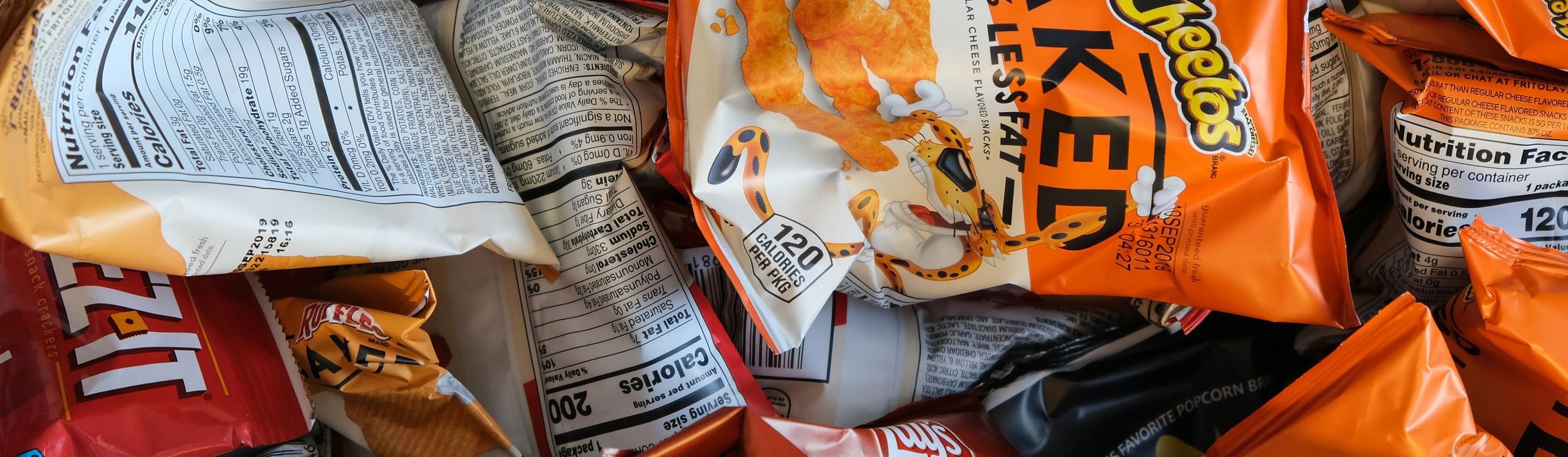
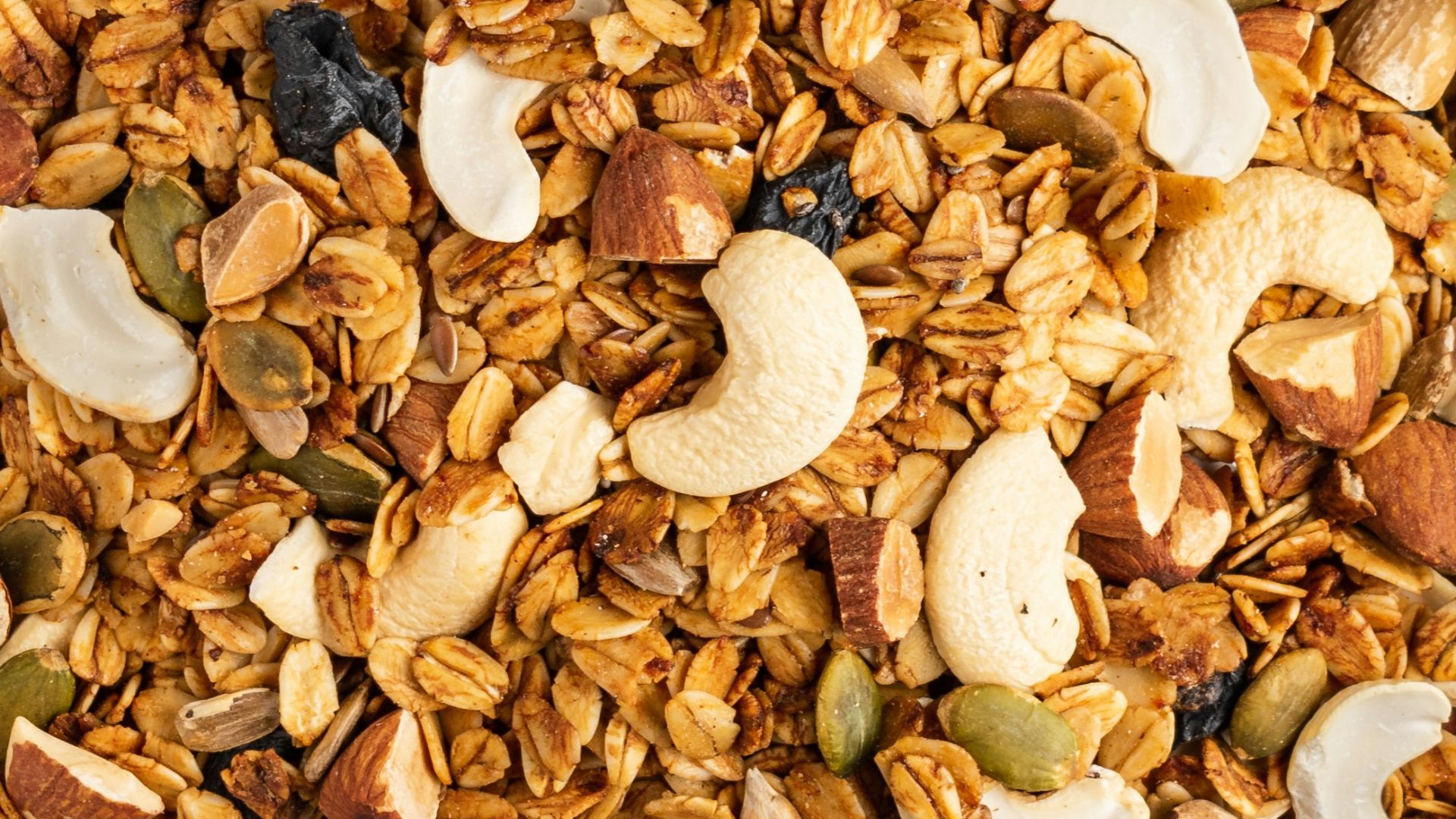
Fiber supports gut health and helps cholesterol management, and it also makes digestion feel more predictable. Many people fall short without realizing it, especially when meals lean heavily on refined grains and packaged snacks. Beans, oats, vegetables, and fruit make a real difference when they show up daily.
7. Enough Water To Function
Hydration affects energy, digestion, and how well you tolerate workouts, and it also changes how hunger feels. Mild dehydration can read like fatigue, which leads to extra caffeine and then a weird crash later.

8. Micronutrients From Real Food
Vitamins and minerals matter more than people admit, especially when stress is high and sleep is inconsistent. Diet patterns linked with better long-term health tend to include plenty of vegetables, fruit, legumes, and whole foods rather than relying on supplements to patch holes.

9. Calcium And Vitamin D Support
Bone mass is still building through the twenties for many people, and this is one reason calcium and vitamin D deserve a spot on your radar. Low intake can quietly add up over the years, especially if dairy is minimal and sunlight exposure is limited.

10. Iron Awareness
Iron needs vary, and they can be higher for people who menstruate, donate blood, or train hard. Low iron can show up as fatigue, shortness of breath during workouts, and hair shedding that feels random.

11. Skin Protection From UV
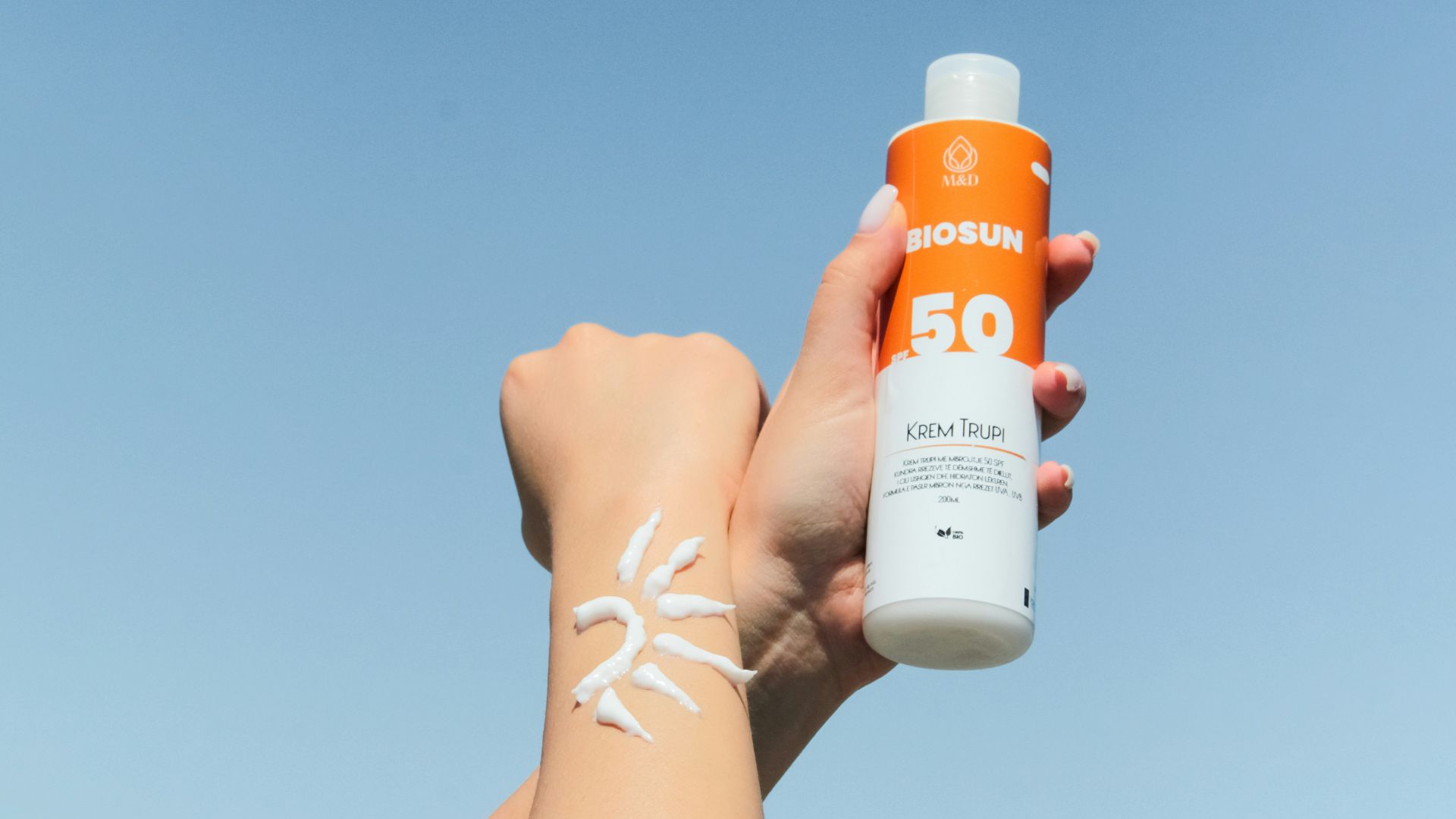
Sun damage is cumulative, which means it stacks quietly and shows up later as dark spots, wrinkles, and a higher skin cancer risk. Dermatology guidelines have been consistent about daily sunscreen use being one of the most effective skin-protective habits.
12. A Basic Dental Routine
Gum health and oral bacteria can influence whole-body inflammation, and that connection has been explored in many clinical studies. Brushing twice daily is the bare minimum, and cleaning between teeth matters more than most people want to hear.

13. Preventive Checkups
Once you’re in your twenties, you’re often the one scheduling your own care, which is not fun, but it is useful. Preventive screenings and routine blood pressure checks catch issues early, when fixes are simpler. Keeping a basic record of vaccines, family history, and medications saves timeat every single appointment.

14. Vaccines Kept Current
Immunity changes over time, and some vaccines need boosters or updates based on age, lifestyle, and new public health guidance. Staying current reduces the risk of preventable illness that can knock you flat for a week and linger longer than expected.

15. A Work Setup That Doesn’t Wreck You
Desk life can sneak into your twenties and start shaping your neck, shoulders, wrists, and hips. Small adjustments like monitor height, chair support, and keyboard positioning can reduce strain that turns into chronic pain later.

16. Mobility For Hips And Shoulders
Tight hips can make your lower back do extra work, and stiff shoulders can turn simple pressing or reaching into irritation. Mobility work does not need to be long, yet it helps when it’s consistent, especially after sitting.

17. Recovery Time After Training
Progress happens when your body repairs, and that repair needs rest, food, and sleep. Overuse issues become more common when intensity goes up while recovery stays the same, especially with running, high-intensity classes, or heavy lifting. A rest day is not a failure; it’s part of the system that keeps you training.

18. Stress Downshifts That Work
Chronic stress is linked with changes in sleep, appetite, immune activity, and cardiovascular health in many long-term studies. You do not need a perfect mindfulness practice, yet you do need a repeatable way to come down from high alert. Walking, breathing exercises, journaling, and therapy all count if they actually lower the pressure in your body.

d
19. Social Connection That Feels Safe
Humans do better with social support, and research has linked social isolation with worse mental and physical health outcomes over time. Friendships can look casual, like a weekly walk or a group chat that stays kind, and that still matters.

20. Substance Boundaries You Can Live With
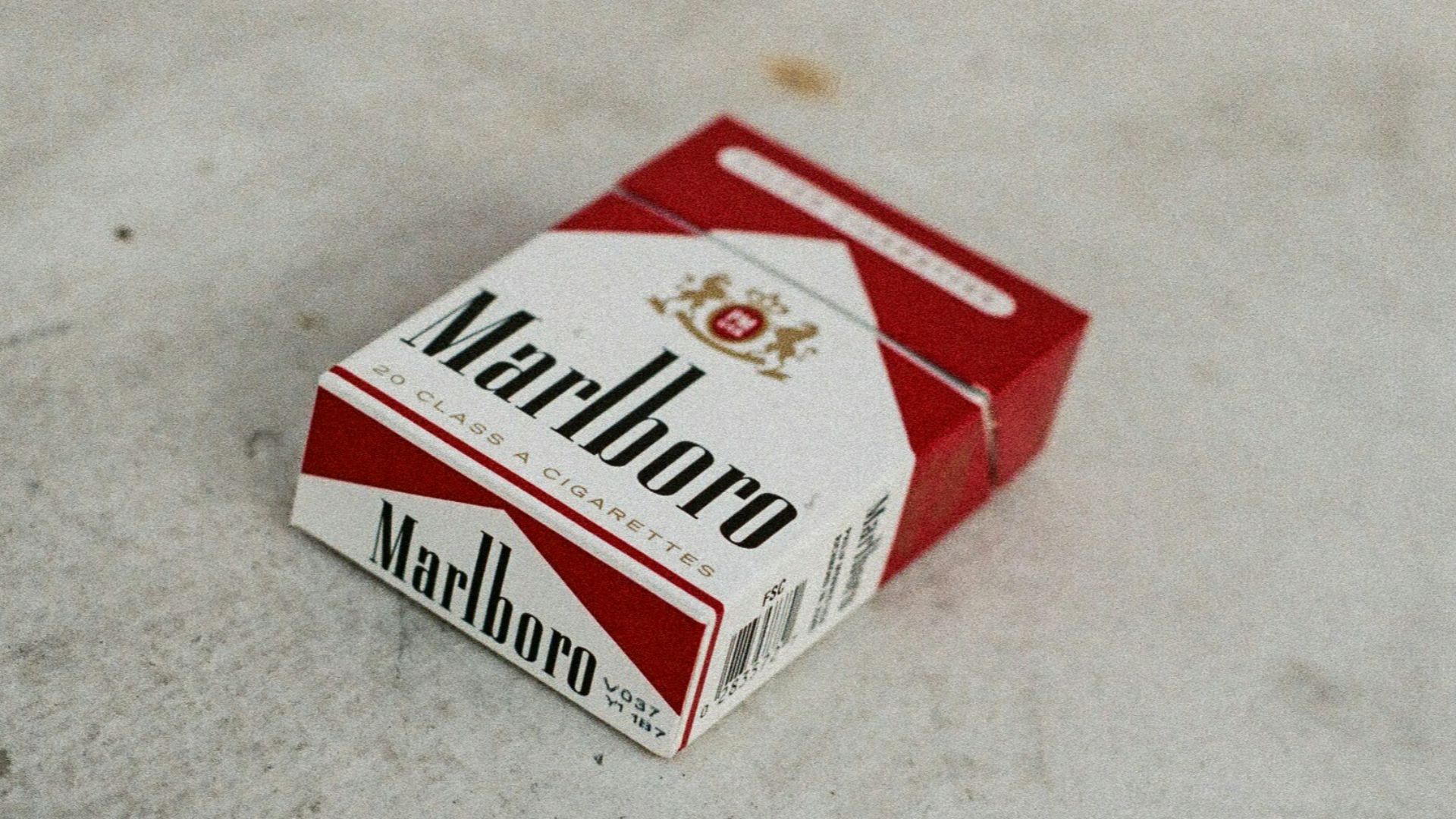
Alcohol, nicotine, and other substances can quietly shape sleep quality, mood stability, and long-term disease risk, and the effects often show up gradually. Guidelines consistently recommend moderation and strongly support avoiding smoking, since the health costs are well-established.
KEEP ON READING

20 Things Your Body Is Secretly Doing Right Now