
If The Pitch Sounds Effortless, The Catch Is Usually Expensive
Wellness marketing is obsessed with making you feel like you’re one tiny purchase away from finally feeling like your old self again. A lot of these pitches borrow the aesthetics of science without the accountability of science, and the most effective ones make you feel responsible for your own doubt. Agencies like the FDA and FTC have spent years warning that health products are heavily marketed with claims that outpace evidence, especially in the supplement world where oversight works differently than it does for drugs. If you start hearing the phrases below stacked into captions, landing pages, and breathless testimonials, you’re not being educated, you’re being worked. Here are twenty phrases that should trigger instant skepticism.

1. Clinically Proven
This phrase sounds like a slam dunk until you realize it rarely tells you what was studied, who funded it, or whether the study design was strong. A single small trial can technically qualify as clinical, and marketing rarely mentions the dull details like sample size or meaningful outcomes.
 National Institute of Allergy and Infectious Diseases on Unsplash
2. Doctor Approved
A real medical recommendation usually comes with a name, a specialty, and a clear standard of care, not a vague blessing. Grifters lean on the authority of the word doctor because it makes the buyer stop asking for specifics.

3. Backed By Science
Science is not a vibe, it’s a method, and credible evidence is usually traceable to reproducible research. If there’s no clear pathway to the data, this phrase often means someone skimmed an abstract and built a sales page around it.

4. Peer Reviewed
Peer reviewed can describe a legitimate journal article, and it can also describe a paper in a low-quality publication that exists mainly to look official. The phrase gets used like a seal of truth even though quality varies widely, and strong claims still need more than one decent paper.

5. Lab Tested
Lab tested sounds reassuring until you ask what was tested, for what contaminants, and by whom. This is common in supplement marketing because the FDA does not approve dietary supplements for safety and effectiveness before they hit the market, so the seller tries to fill that trust gap with a vague stamp of credibility.

6. Pharmaceutical Grade
This is a favorite because it implies purity without committing to a regulated meaning in the context being sold. When a supplement brand uses it, you’re often looking at a marketing phrase that borrows the reputation of drugs while avoiding the standards drugs must meet.

7. Detox
Detox gets thrown at everything from teas to foot pads, and it usually relies on a fuzzy idea of toxins that never gets defined. Your liver and kidneys handle real detoxification, and a product that treats your body like a clogged drain is usually selling fear in a prettier package.

8. Toxin Free
This phrase is designed to make you panic about everyday life, then feel relieved when you buy the solution. The problem is that everything is chemistry, and risk is about dose and exposure, not scary words pasted on an ingredient list.
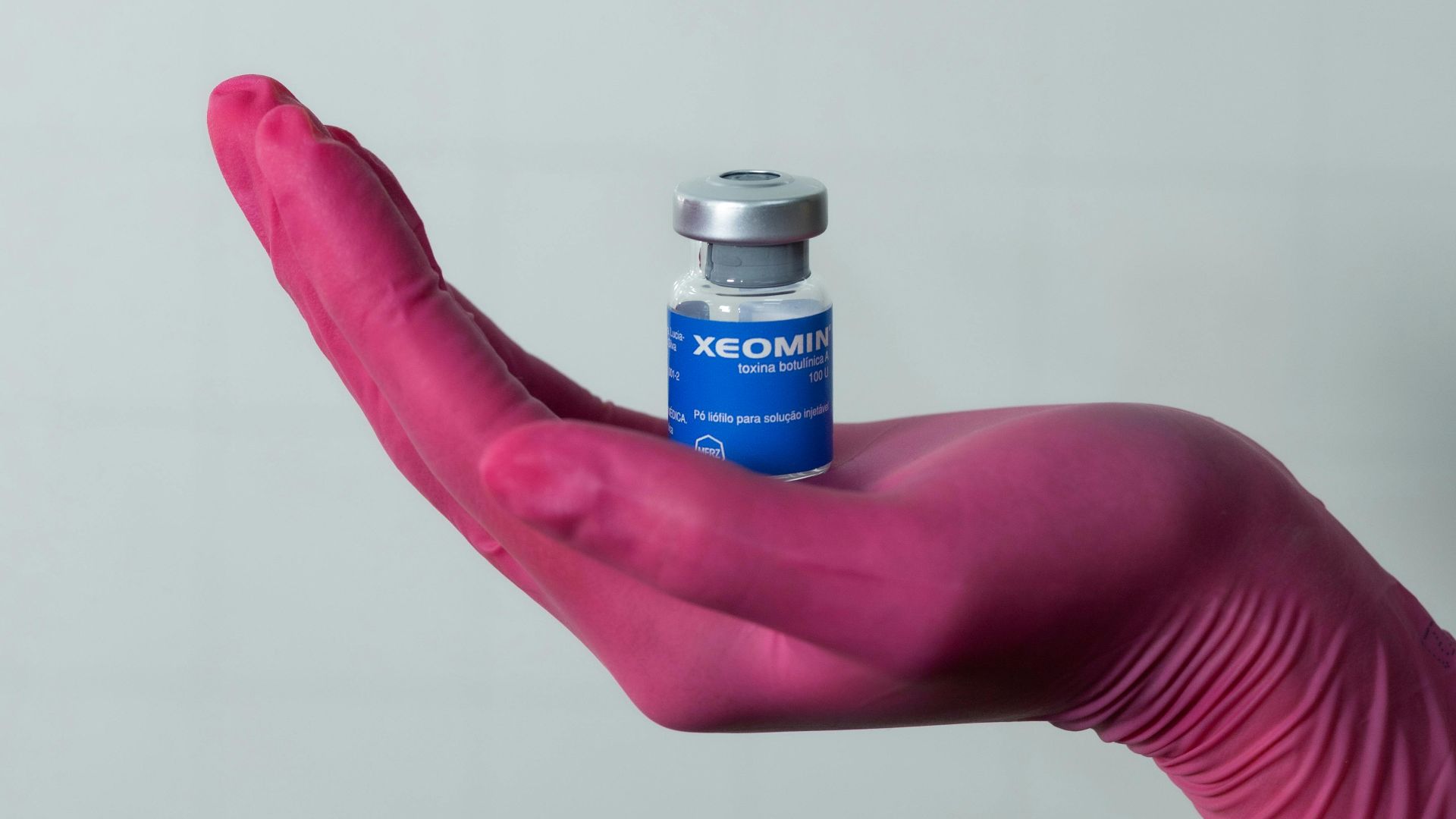 Laura Villela Beauty Designer | Brasil on Pexels
9. Boosts Immunity
Immune function is complex and tightly regulated, and the idea of simply boosting it is simplistic at best. When brands promise an immune boost, they’re often leaning on feel-good language that’s hard to measure and easy to sell, especially during cold season.
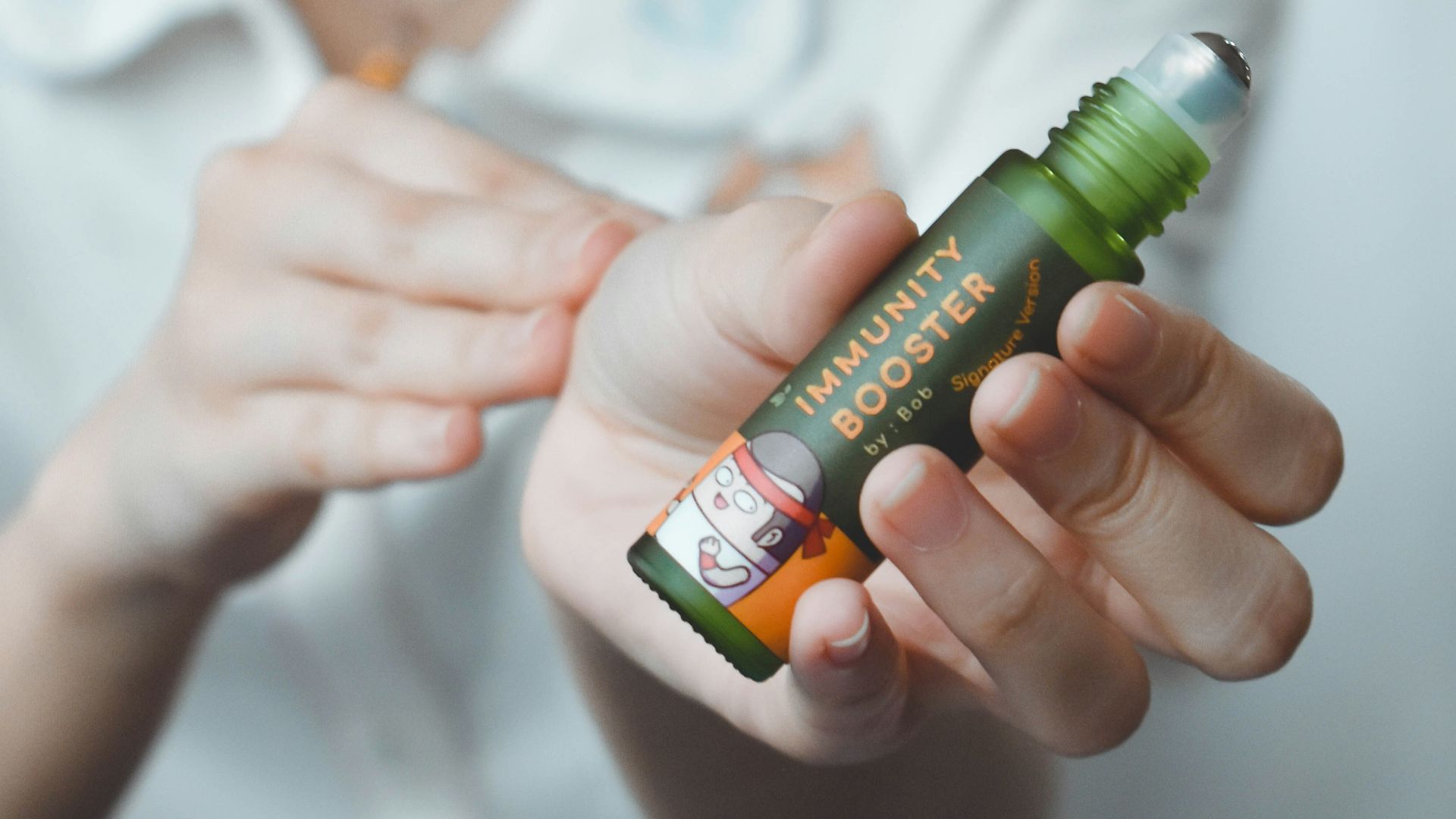 Dwi Agus Prasetiyo on Unsplash
10. Balances Hormones
Hormones are not a set of knobs you can casually dial in with a gummy, and many symptoms attributed to imbalance have multiple causes. This phrase also creates a tidy story for messy problems, which is convenient for marketing and rarely accurate for human biology.
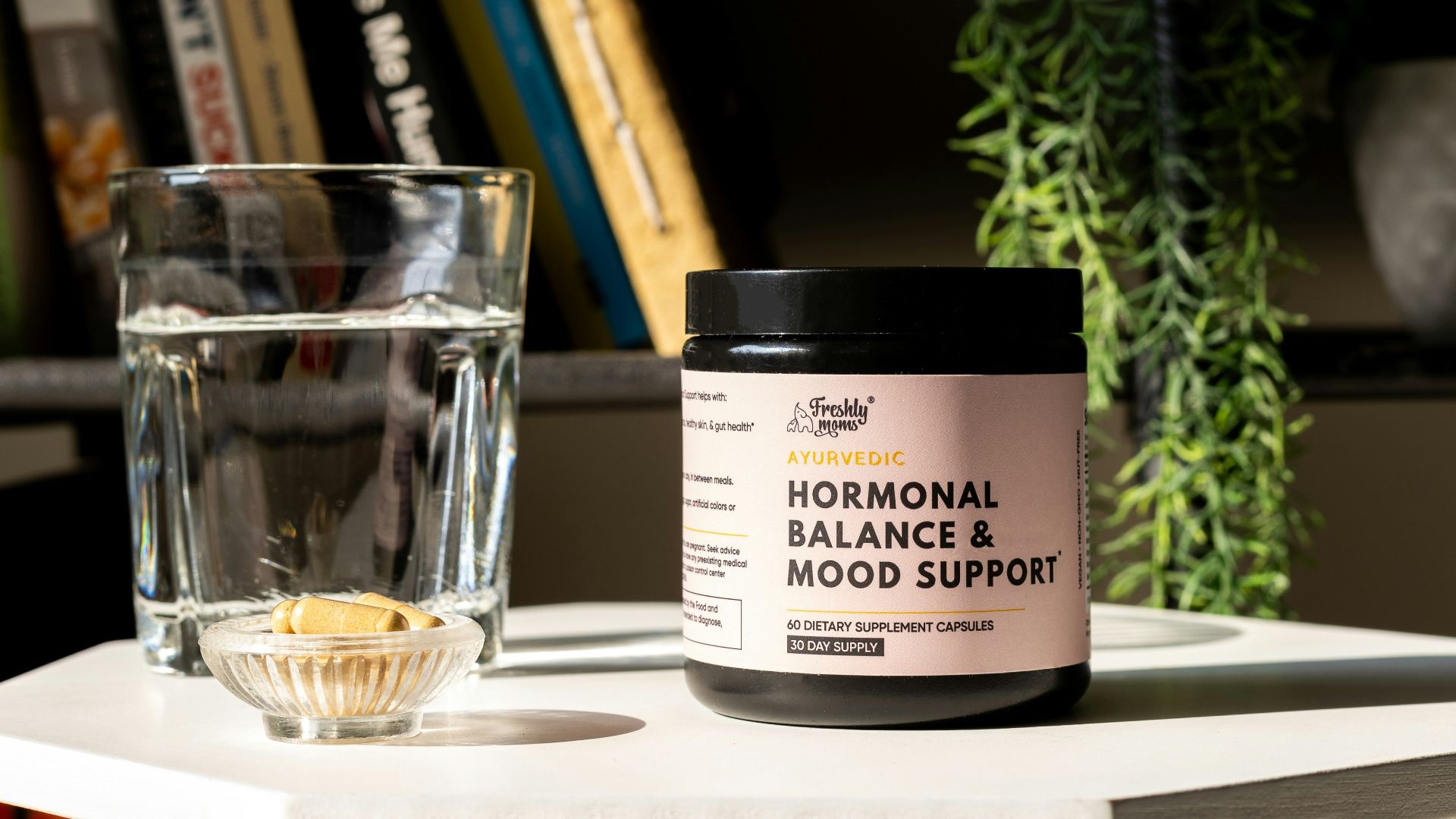
11. Heals Your Gut
Gut health is real, and it’s also become a catch-all explanation for everything from fatigue to mood to skin flare-ups. When someone claims a single product heals your gut, skepticism is warranted, because credible care usually looks like careful evaluation, not one miracle protocol.

12. Eliminates Inflammation
Inflammation is part of how the body responds to injury and infection, and eliminating it wholesale is not the goal. This phrase works because it turns a complex medical concept into an enemy you can defeat with a subscription.
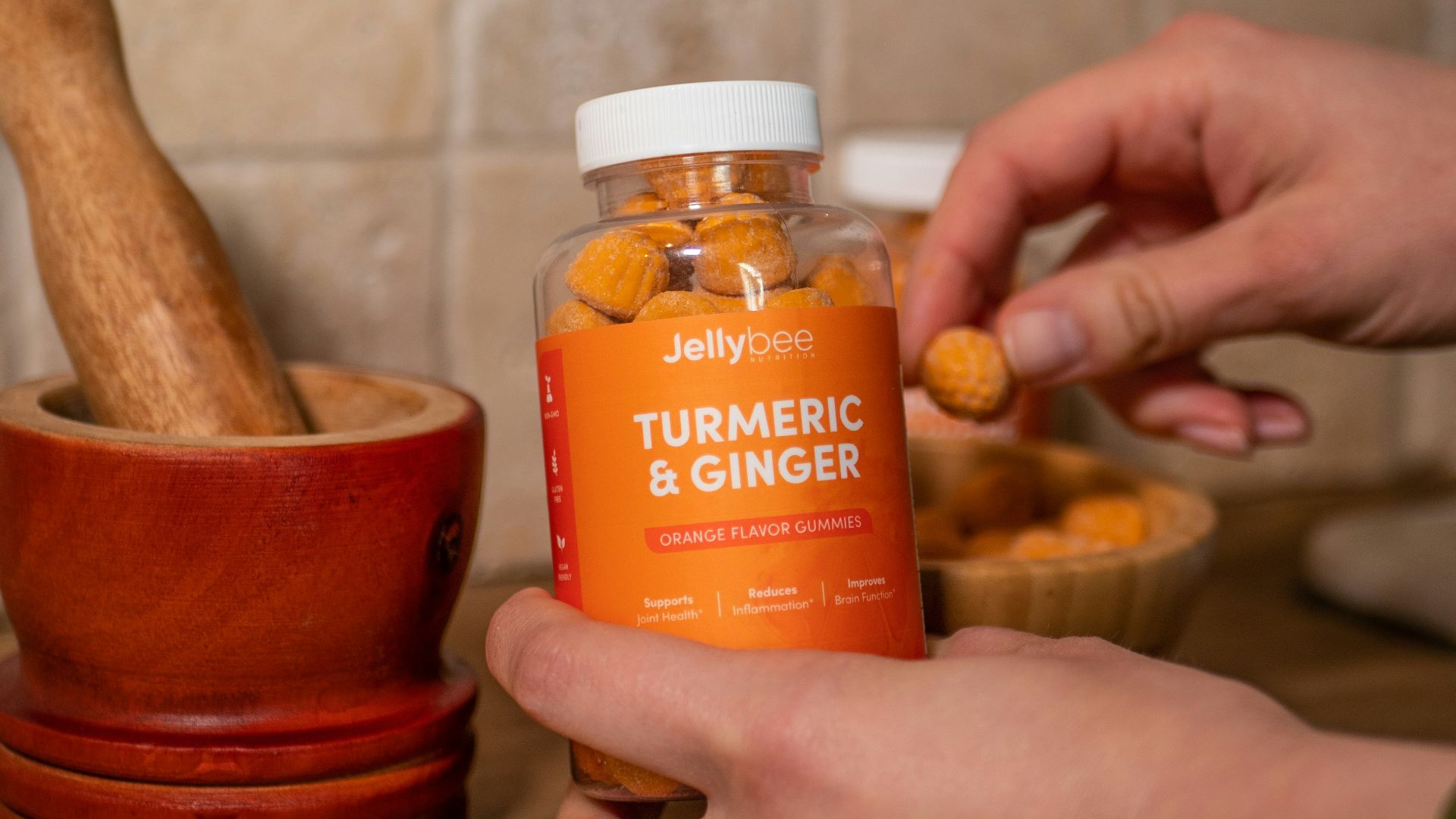
13. Resets Your Metabolism
Metabolism is not a broken router that needs a reset button, and sustainable change tends to be slower than marketing wants. The promise of a reset is a shortcut narrative aimed at people who are tired of being patient.
 doTERRA International, LLC on Pexels
14. Melts Fat
This phrase is engineered to bypass your critical thinking by offering a physical fantasy that feels almost mechanical. If something truly melted fat in a meaningful way, it would be a regulated medical product with serious oversight, not an influencer code and a before-and-after collage.

15. Targets The Root Cause
Everyone wants the root cause, and grifters love that desire because it positions them as deeper and smarter than conventional care. The trick is that the root cause is often unknown, multifactorial, or boring, and a confident claim can be a way to dodge the hard work of diagnosis.

16. Ancient Remedy
Traditional practices can be valuable, and age alone is not proof of effectiveness. Ancient remedy is often used to preempt criticism, as if history is a substitute for controlled evidence, even though many old treatments were also ineffective or harmful.

17. Used For Thousands Of Years
This phrase tries to turn longevity into proof, while quietly ignoring that people have believed plenty of wrong things for a long time. If the only supporting argument is that it’s old, you’re looking at a story, not a demonstration.

18. No Side Effects
Anything that can affect the body can have side effects, especially at higher doses or in combination with medications. The FTC has a long record of pursuing deceptive advertising claims, and no side effects is exactly the kind of absolute promise that should set off alarms.

19. Personalized To Your Body
Real personalization in health care usually involves labs, history, and clinical interpretation, not a quiz that asks whether you get afternoon slumps. When personalization is delivered through a funnel, it’s often a way to make a generic product feel intimate and therefore harder to question.

20. Limited Time Only
Urgency is a sales tactic, not a health benefit, and it’s especially suspicious when paired with big claims. If something is truly important for your wellbeing, it will still matter tomorrow, and a good provider will not need a countdown clock to earn your trust.