10 Unexpected Benefits of Walking Backwards & 10 Ways to Put More Spring in Your Step
10 Unexpected Benefits of Walking Backwards & 10 Ways to Put More Spring in Your Step
Take One Step Back
Walking backwards might sound unconventional, but believe it or not, it offers numerous upsides when you do it carefully. Because it changes your visual focus, foot strike, and muscle sequencing, it can challenge your body in ways forward walking doesn’t. So if you're looking for a quick exercise challenge, it might help to simply take a step back. Here are 10 unexpected benefits of walking backwards, and 10 ways to put some more spring in your step.
1. Sharpens Your Balance
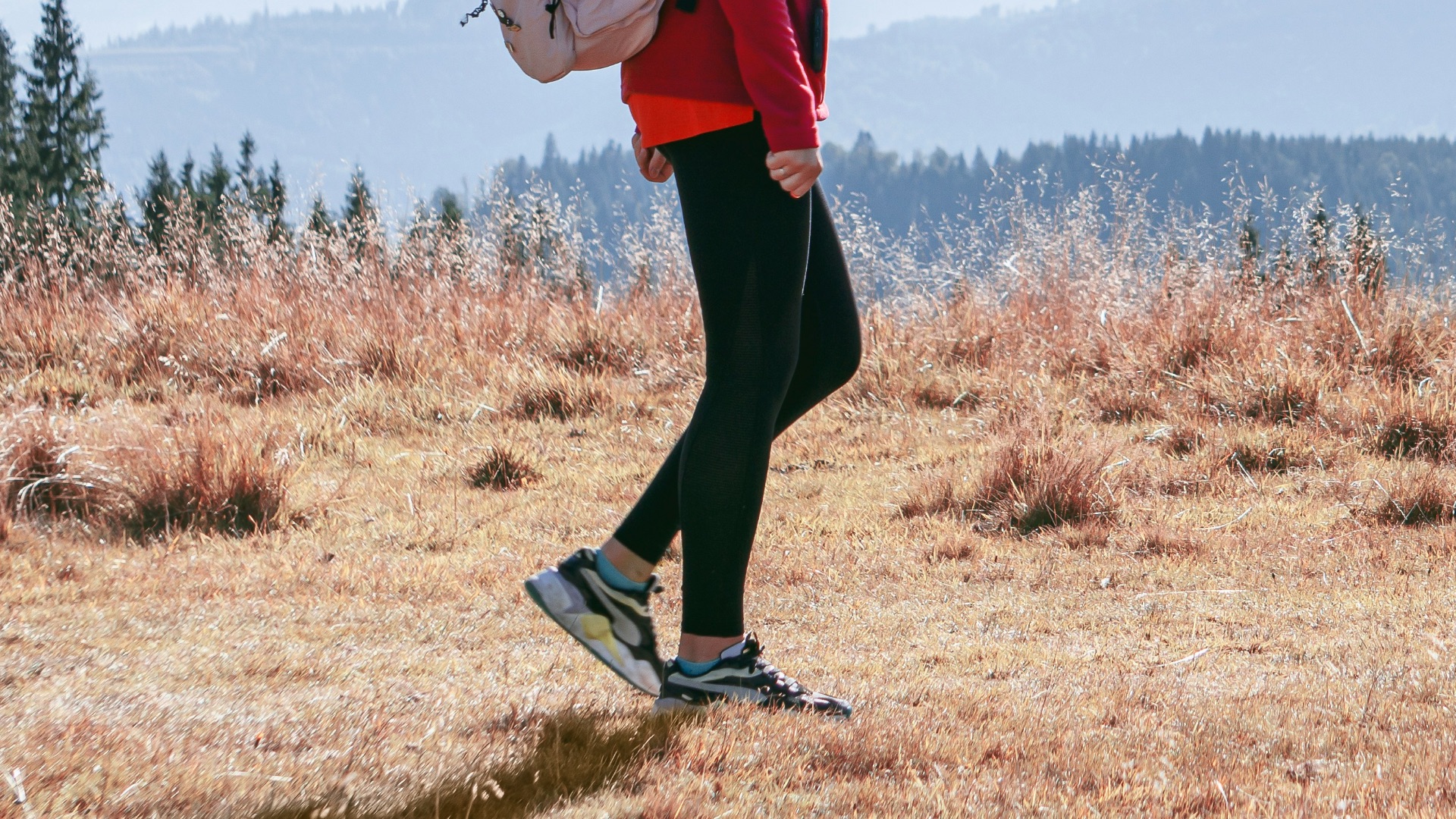
Walking backwards nudges your body to stabilize without relying on the usual forward-facing cues. Your ankles, hips, and core have to make quicker, smaller corrections to keep you steady. With consistent practice, you may feel more sure-footed during everyday turns, steps, and uneven surfaces.

2. Strengthens Underused Muscles
Backward steps tend to ask more from the muscles that lift your toes and control your foot as it lands, meaning it makes your legs work harder. That extra demand can improve lower-leg endurance and foot control over time. If you’re often on your feet, this can translate into a steadier, less sloppy stride.
3. Puts Less Pressure on Your Knees
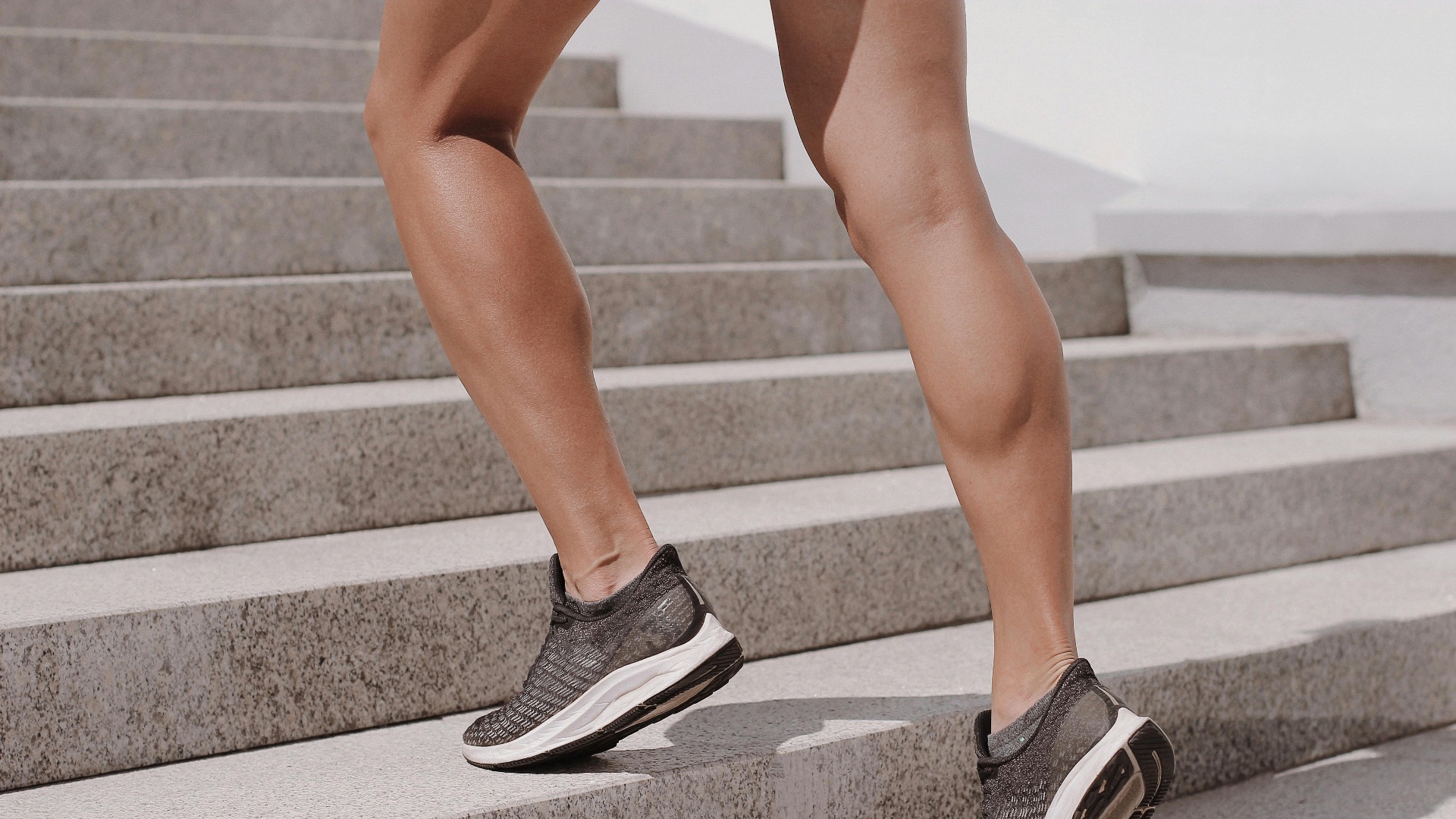
Reverse walking shifts joint angles and can change how forces travel through your knees compared with forward walking. And since there's less pressure on the kneecaps, this may help prevent common injuries or conditions like runner's knee and knee osteoarthritis.
4. Challenges Your Coordination
Moving backward makes your brain manage timing and placement with fewer automatic habits to lean on. You’re forced to pay attention to step length, foot direction, and rhythm. That extra coordination practice can carry over into cleaner movement during sports, stairs, or quick direction changes.

5. Improves Proprioception
Proprioception is your sense of where your body is in space, and backward walking makes you rely on it more. You’re constantly checking in with your feet and legs without staring at what’s ahead. Over time, this can help you feel more grounded and responsive in your gait.
6. Encourages Better Posture Awareness
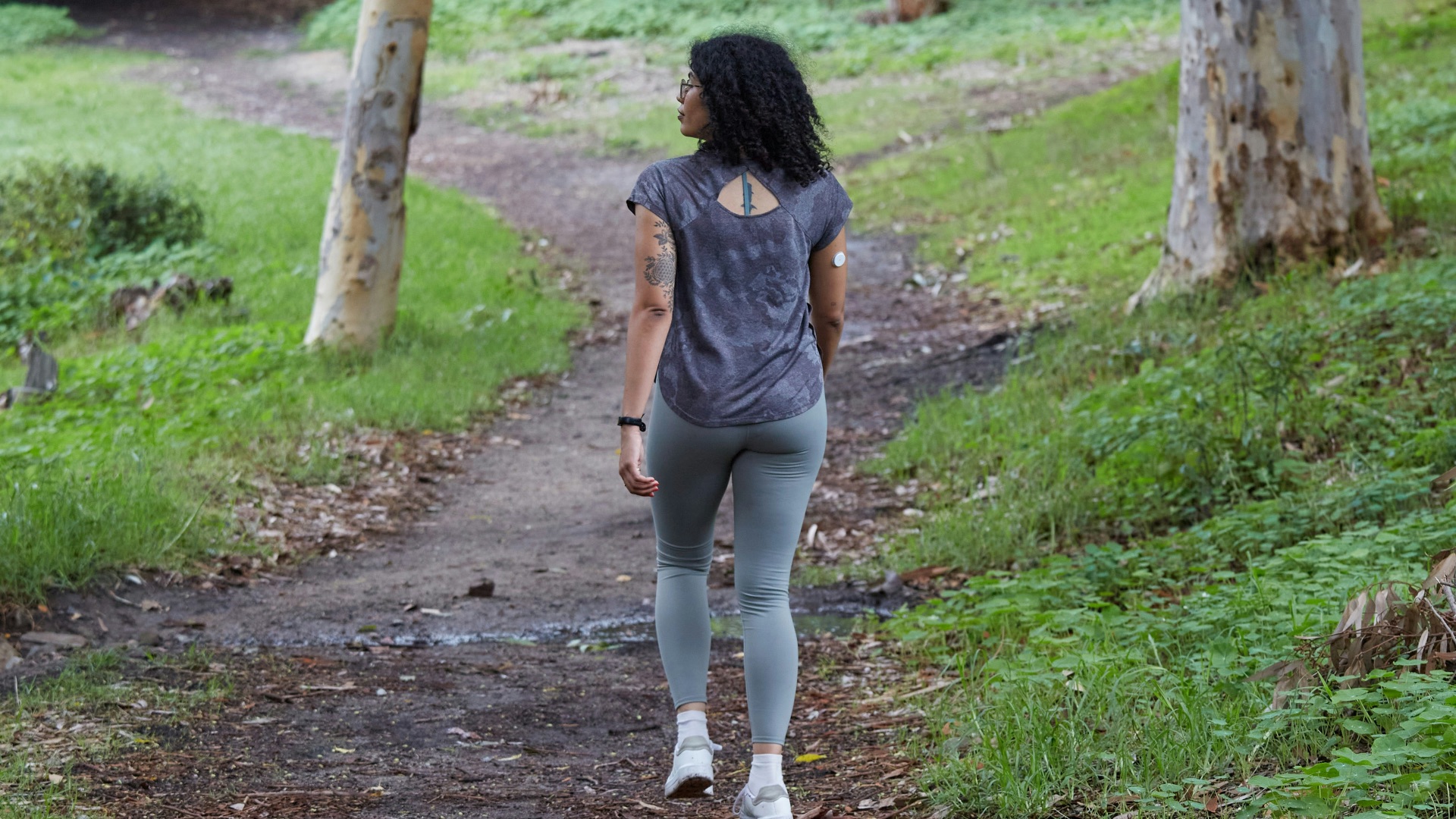
Since you can’t fixate on the path in front of you, you may become more aware of how you’re holding your torso and head. Many people naturally tighten their core and stack their posture more carefully to stay stable. That habit can spill into your regular walking, especially if you practice with intention.
7. Makes Your Walking Routine Mentally Engaging
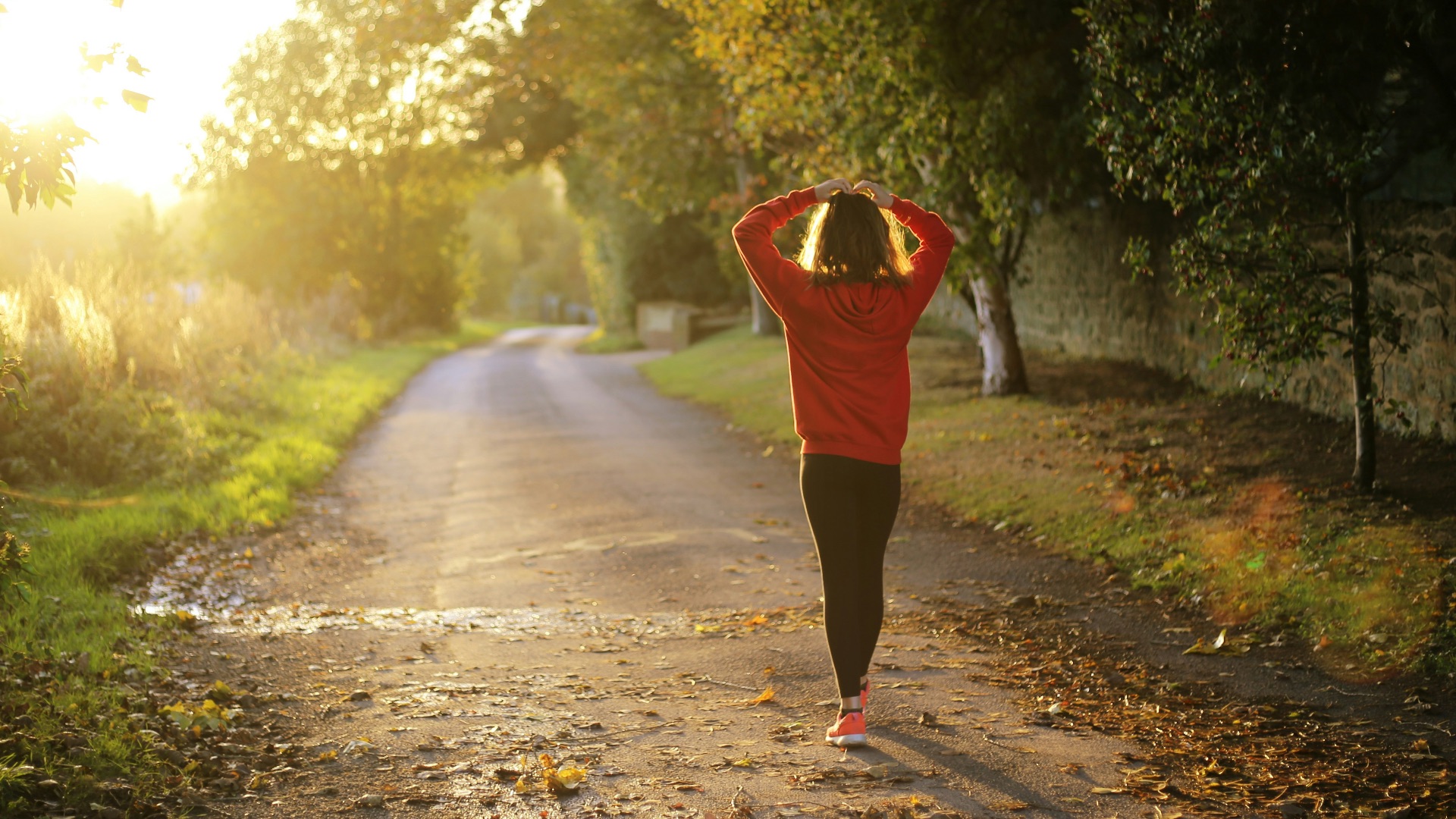
Forward walking can become so automatic that your attention drifts, which sometimes leads to lazy mechanics. Backward walking makes you more present because you’re actively monitoring your movement. That mental engagement can help you build a more deliberate, consistent approach to exercise.

8. Burns More Calories Than Walking Forward
Believe it or not, walking backwards often costs your body more energy because it’s less mechanically familiar and demands tighter control. Since your muscles are working harder to stabilize and coordinate each step, your heart rate can climb at speeds that would feel easy going forward. If you’re trying to make a short walk feel more like a workout, a few safe backward intervals can add intensity without needing extra time.
9. It Trains Your Braking and Control Skills
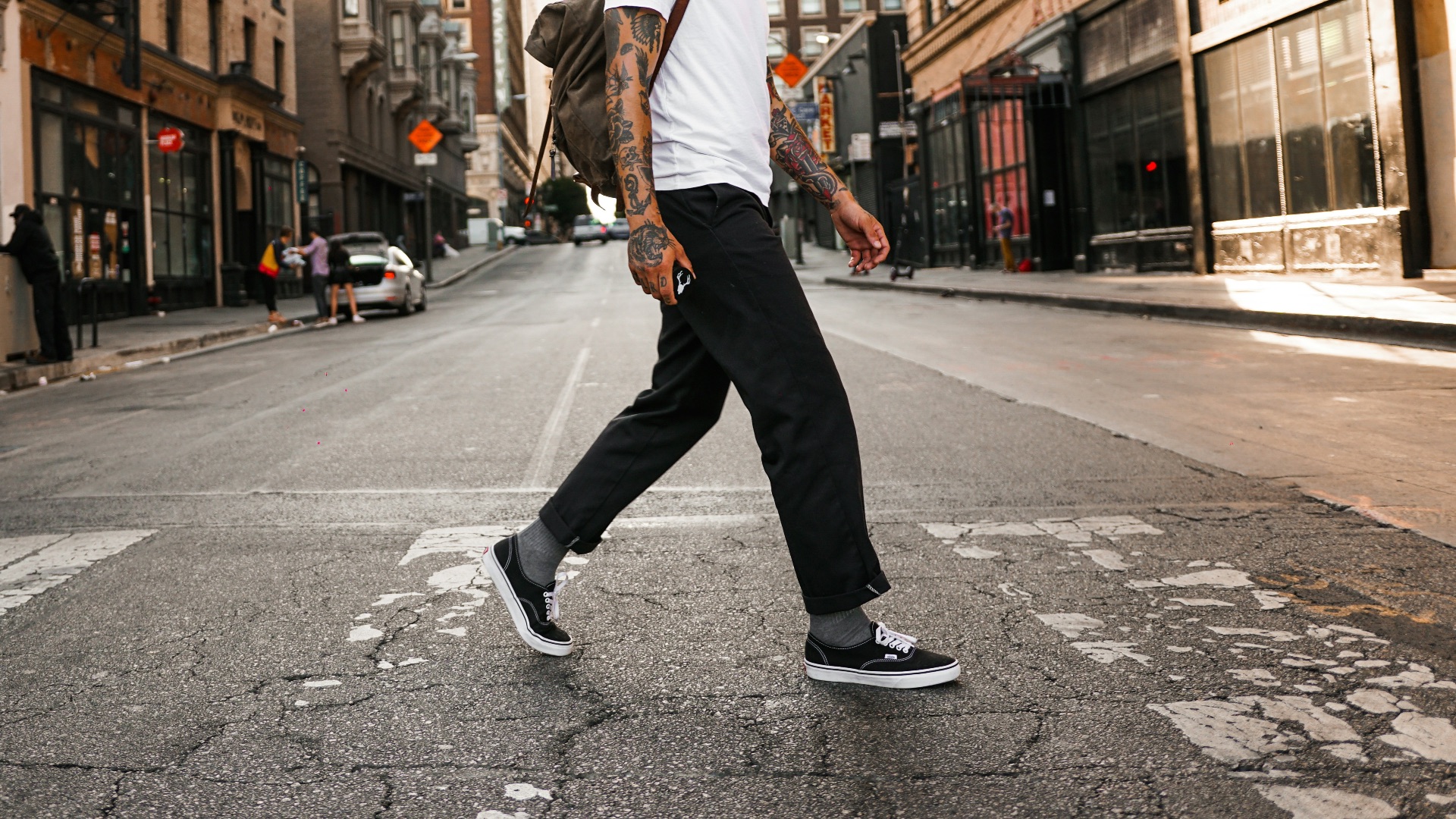
Backward steps naturally emphasize controlled foot placement and deceleration. Instead of constantly “falling forward” into the next step, you’re often forced to manage the transition more carefully. That control can be helpful for stability when you need to slow down quickly or step precisely.

10. It Encourages Safer, Shorter Strides
Most people instinctively take smaller steps when walking backwards, which can promote better alignment and stability. Shorter strides often mean less overreaching and more controlled landings. If you struggle with heavy steps or overstriding, this can be a surprisingly useful reset.
Even if you don't want to walk backwards, there are other simple ways to add some spring in your step. Want to know how? Read on!
1. Build Short Bursts Into Your Route
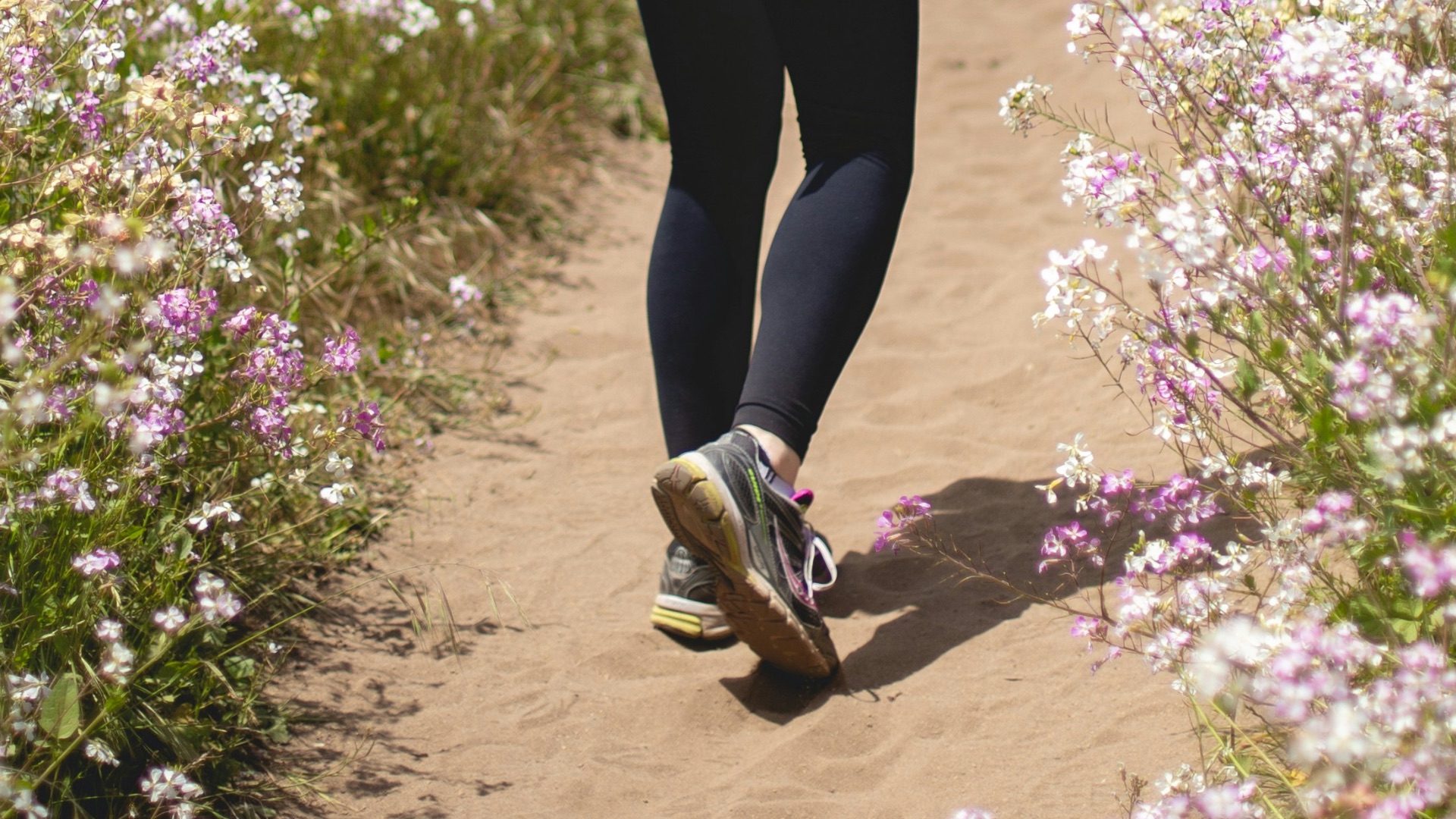
Instead of walking at one steady pace the whole time, add 20–40 second bursts where you move a little faster. Keep the effort controlled so you can still breathe comfortably and maintain good form. Those brief changes in speed can make your walk feel more purposeful and less monotonous.
2. Make a Playlist That Matches Your Pace
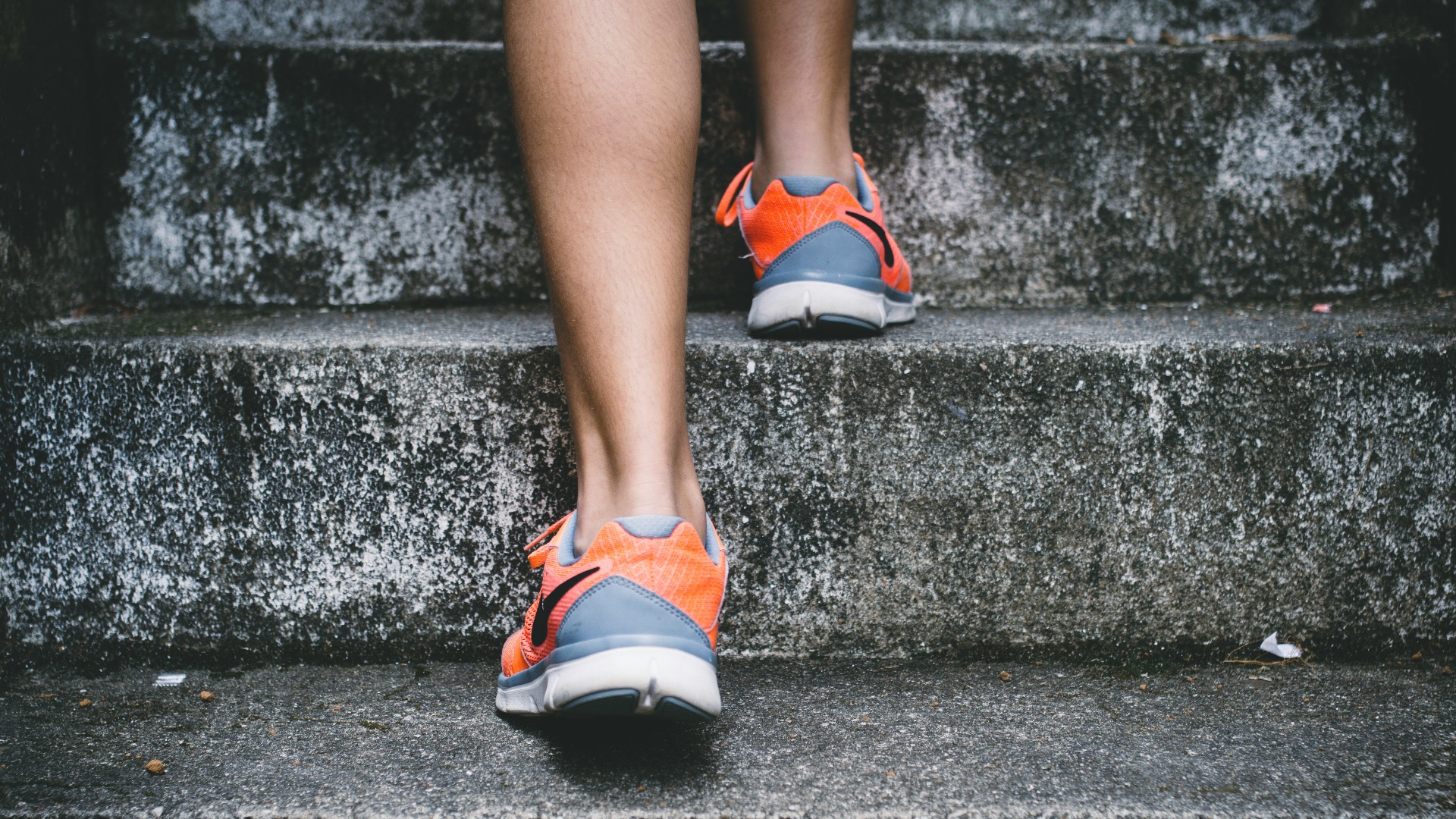
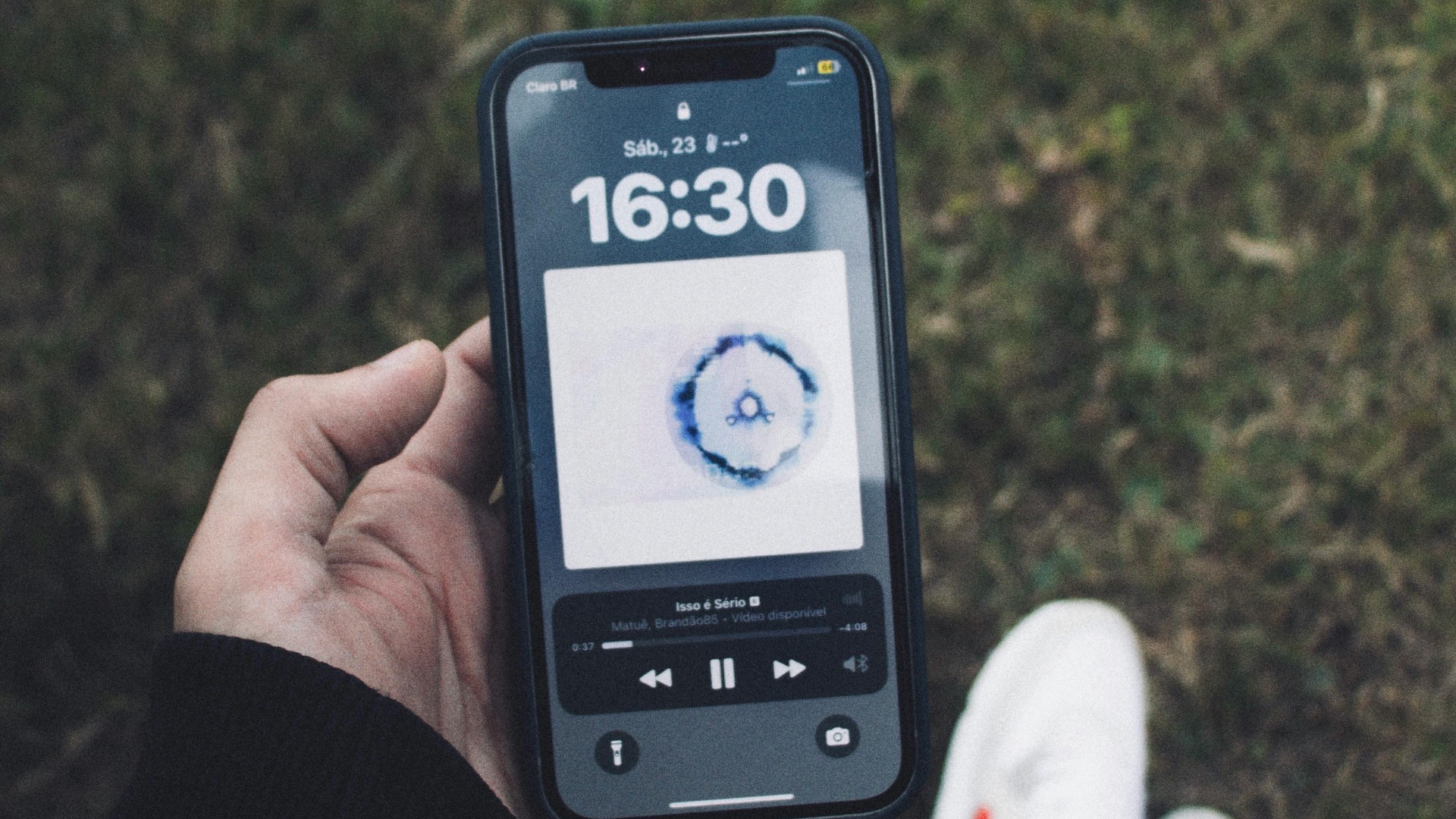
Choose music with a steady beat that encourages a smooth rhythm rather than one that forces you to rush (unless you want to pick up the pace, that is!). A good playlist can make consistency feel effortless because you’re following a clear cadence.
3. Walk With a Friend
If you're down on motivation, meeting up with a friend for a walk can make it easier to show up, especially on those low-energy days. Conversation also helps time pass quickly without you staring at your watch, and you'll likely end up getting far more steps in.

4. Skip!
Want to put more spring in your step? Well, there's a simple way to: just skip! Skipping will make your steps feel lighter and more fluid, and you'll be able to cover larger stretches in half the time. Plus, the bouncing motion of it will instantly boost your mood.
5. Go Phone-Free
Set aside a short portion of your walk where your phone stays in your pocket or go without it entirely. You’ll often walk more smoothly when you’re not splitting your attention, and you'll pay more attention to your surroundings than to a screen.
6. Use Micro-Goals to Stay Consistent
Give yourself small targets like “10 minutes out, 10 minutes back,” or “reach the next intersection before checking the time.” These mini-goals keep you moving forward without making the walk feel like a big commitment. When consistency improves, your step usually feels springier simply because you’re practicing more often.
7. Mix in Light Strength Work During the Walk
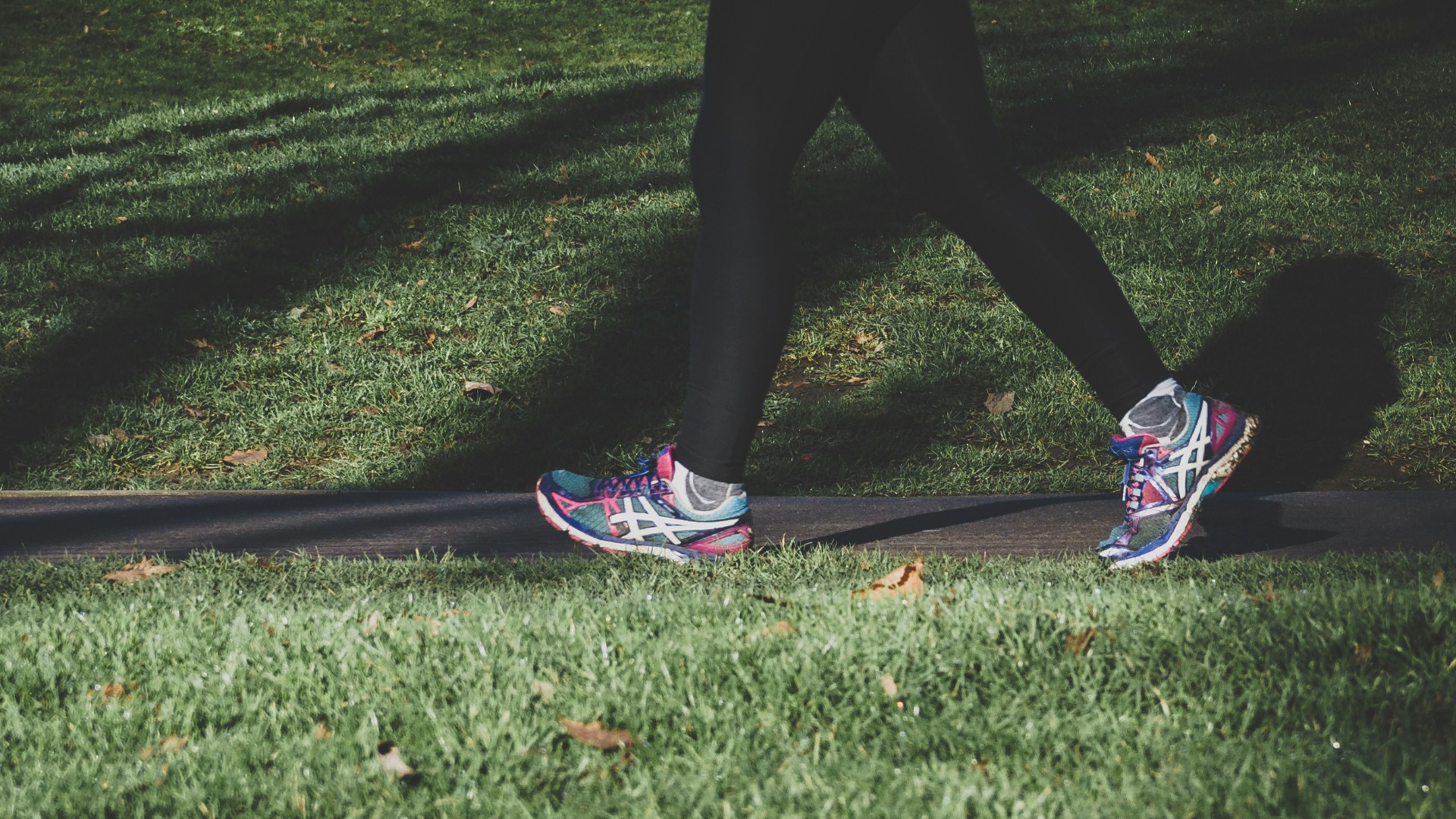
Pause once or twice for a set of calf raises, a few controlled squats, or a short balance hold near a bench or railing. Keep the moves easy and tidy rather than chasing fatigue. These quick add-ons can wake up the muscles that support a more energetic stride.
8. Think of Something Happy
Before you go out for your walk and take your first step, think of something happy! That small mood shift can soften tension in your shoulders and neck, and help you shake out the stress. When you’re less tense, your steps tend to be quicker and more fluid.

9. Play a Game in Your Head
Want to make your walk more fun? Pick a safe stretch and pretend you’ve got to move with purpose for the next 20 seconds, like imagining zombies are following you. Turning a short burst into a playful challenge can make the walk feel instantly more fun.

10. Make It Engaging!
Focus your attention on what’s around you and snap a few quick photos of interesting details you notice along the way. When your brain is curious and engaged, your posture naturally improves and your steps often feel lighter and more skippier. At the end of the day, the pictures you snapped might even inspire you to journal about your walk!