Good or Bad?
What comes to mind when you think of food? How does it make you feel? Do you constantly label which ones are "good" and "bad," and severely restrict yourself or feel guilty when you end up eating something you weren't "supposed" to? Sure, food can seem simple on the surface, but your relationship with it can affect your health in many ways. Here are 10 signs you have a bad relationship with what you put on your plate, and 10 signs you have a healthy one.
1. You Feel Guilty After Eating
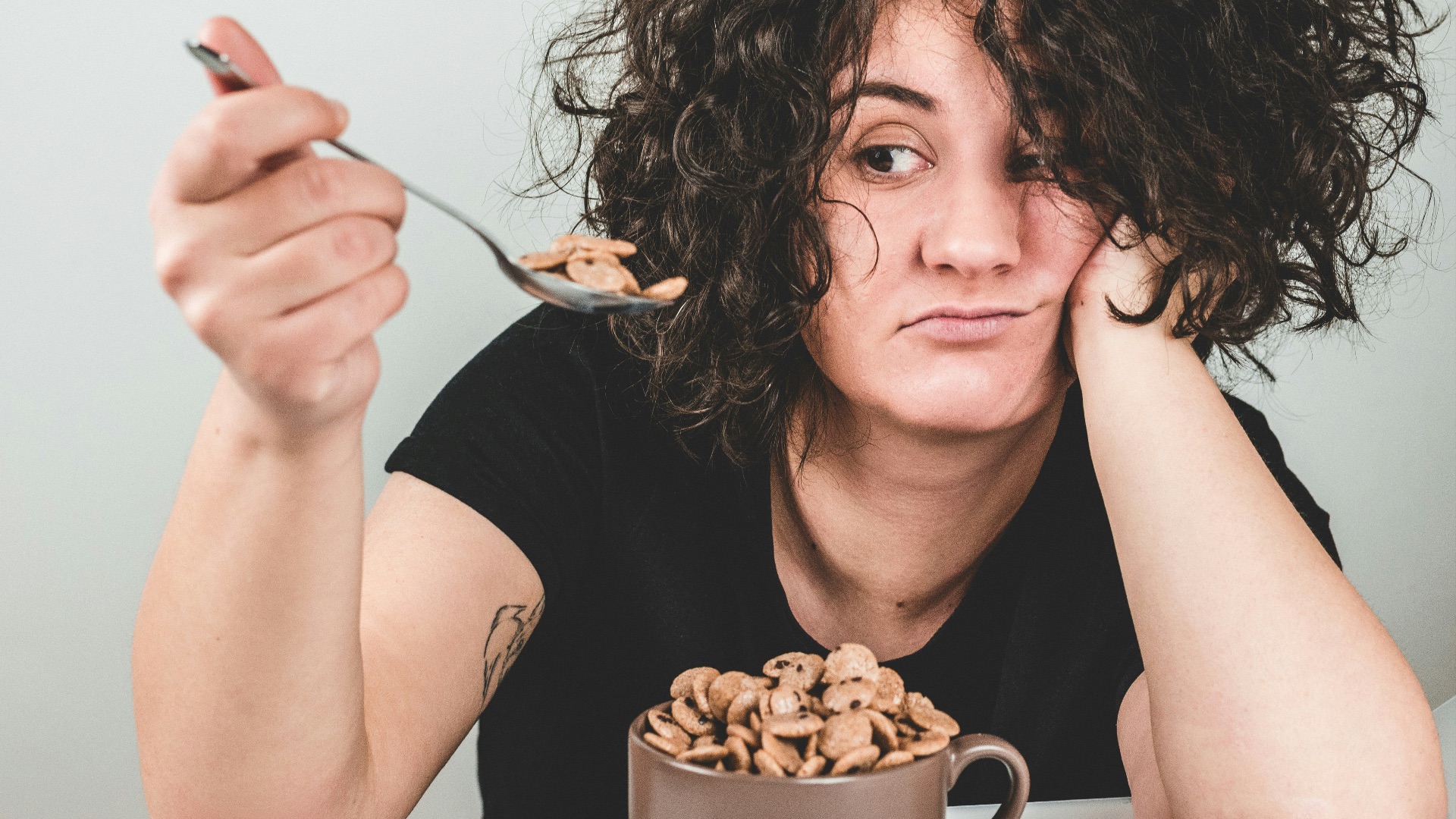
If eating regularly leaves you feeling ashamed or “wrong,” food isn’t just food anymore; it’s become a test you keep failing in your own mind. You might replay what you ate, mentally bargain about how you’ll need to fix it, or talk to yourself in a way you’d never talk to someone you care about. That guilt can be persistent enough that even a normal meal feels like something you need to justify.
 Karolina Grabowska www.kaboompics.com on Pexels
2. You Skip Meals to “Make Up” for Eating
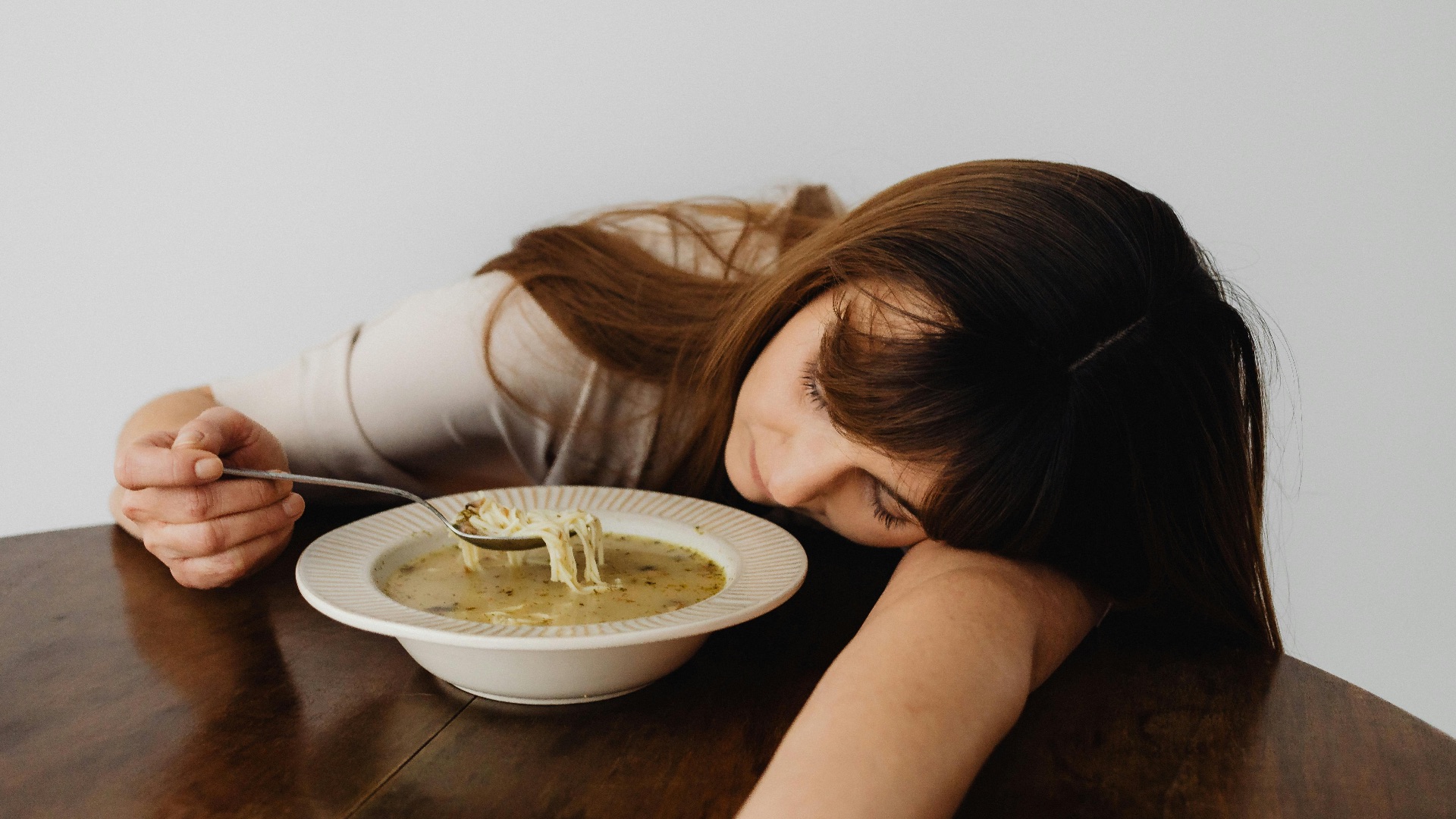
When you try to compensate for a meal by withholding the next one, you’re treating nourishment like something you have to earn back. It often starts as a logical-sounding plan, but it tends to make your body more preoccupied with food and your brain more reactive around it. The result is that you end up thinking about eating even more, and you can feel trapped in a cycle that’s hard to break.

3. You Think About Food Constantly
A strained relationship with food often shows up as mental noise that never really turns off. You might spend your day calculating, planning, scrolling for advice, or wondering whether you’ve already “ruined” the day, even when nothing dramatic happened. When food takes up this much attention, it can crowd out your ability to focus, relax, and feel present in your own life.
 Karolina Grabowska www.kaboompics.com on Pexels
4. You Don’t Trust Your Hunger Signals
Instead of treating hunger as a normal body cue, you treat it like an enemy you need to manage or suppress. You may wait until you’re overly hungry, then feel panicked or out of control when you finally eat, which reinforces the belief that you somehow can’t be trusted around food. The longer this goes on, the more you rely on external rules to decide what your body is allowed to need.

5. You Use Food Rules That Feel Non-Negotiable
Rules can be appealing because they promise certainty, but rigid food rules usually come with anxiety and punishment when you break them. You might feel safe only when you’re following your plan perfectly, and feel like you’ve failed if you eat outside of it, even for practical reasons like travel or a busy schedule. When the rules matter more than your actual hunger, health, or life context, they stop being helpful and start becoming controlling.
6. You Alternate Between Restriction and Overeating
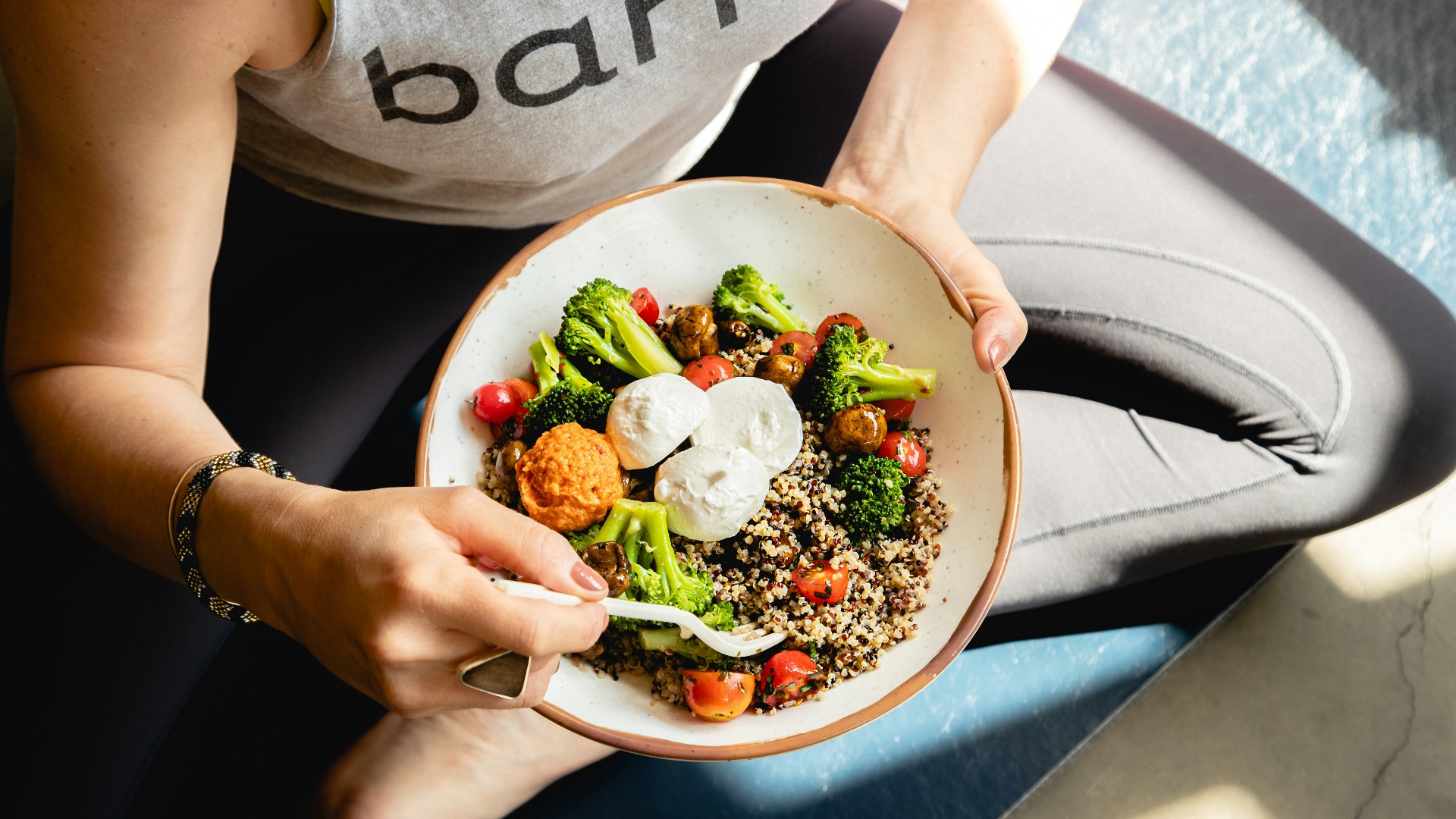
Restriction often sets the stage for overeating because your body and brain react to deprivation in predictable ways. After a period of trying to be extremely disciplined, your appetite can rebound, your cravings get louder, and your decision-making around food can feel intense and rushed. The painful part is that people often blame themselves for losing control, when the bigger driver is the push-and-pull dynamic they’ve been stuck in.
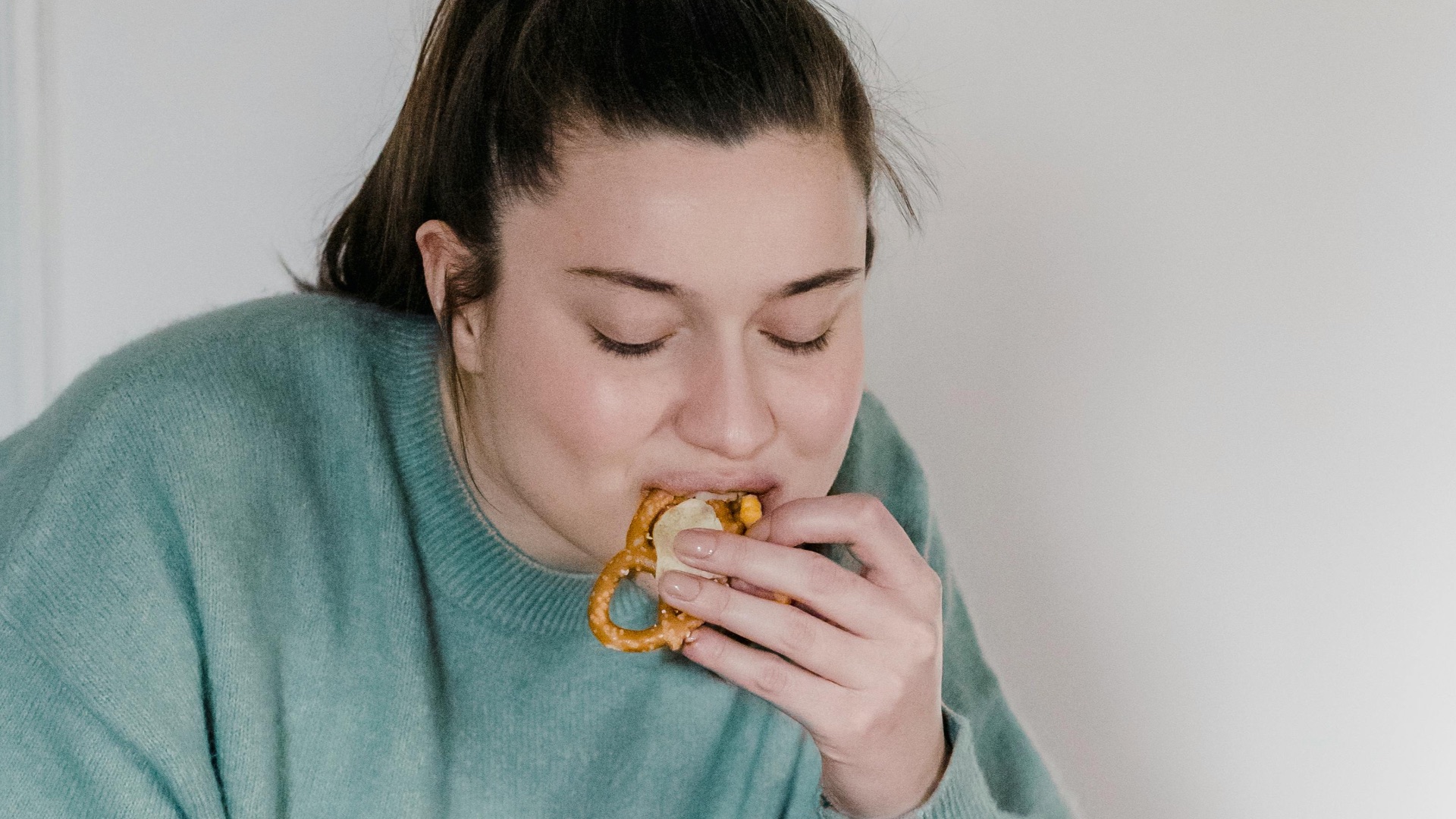
7. You Avoid Social Plans Because of Food
If eating in front of others feels stressful, you might start declining invitations or choosing activities based on how easy it will be to control the food situation. Even when you do go, your attention can split between the conversation and the constant monitoring of what you’re eating, what others notice, and whether you’re doing things right. Over time, that can create a loneliness where food anxiety has more influence over your life than you want to admit.

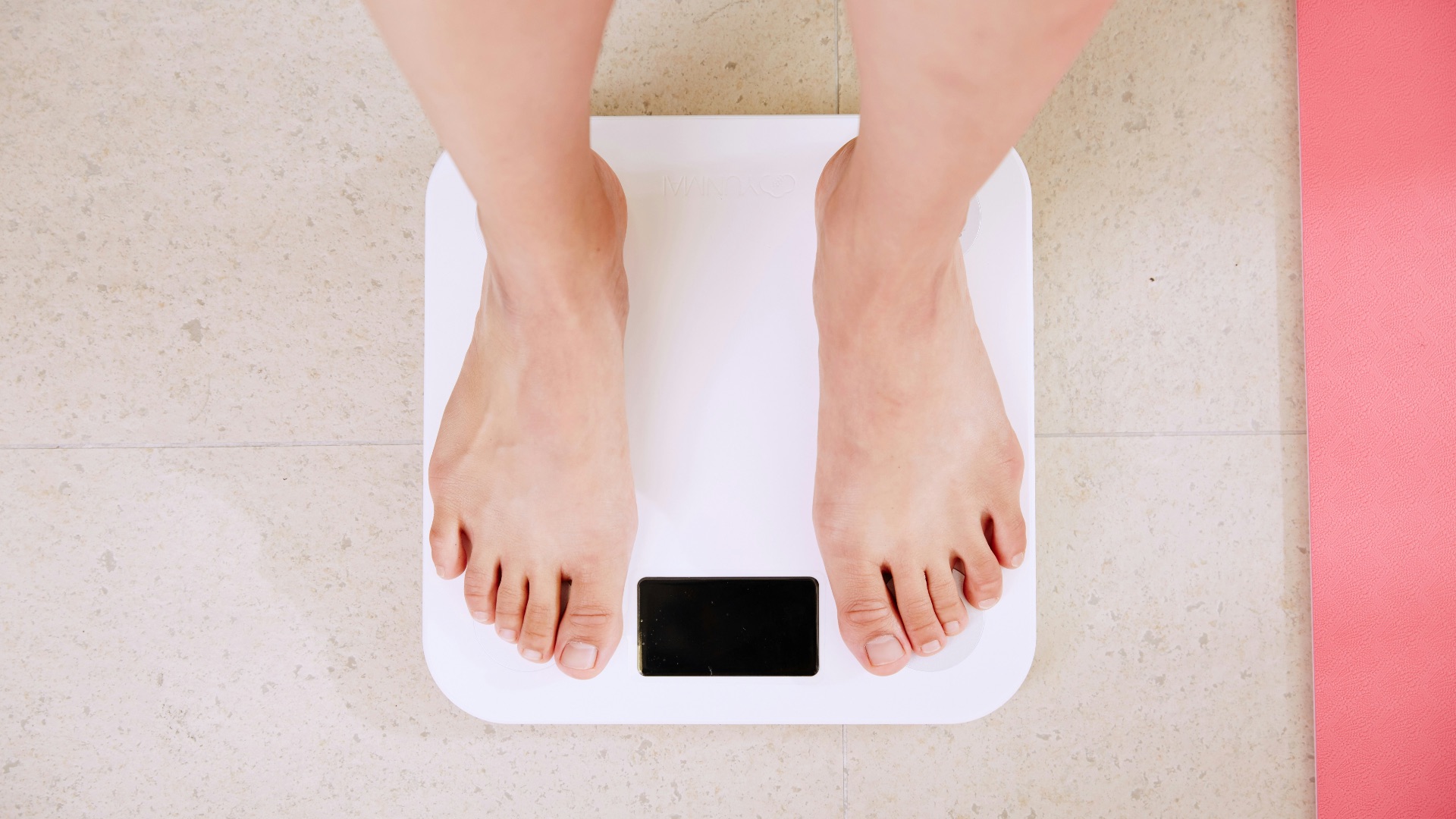
8. You Let the Scale Dictate Your Mood
When your self-worth is tied to a daily number, your emotional state becomes fragile and reactive. A higher weigh-in can lead to stricter rules, more restrictions, or negative self-talk, even if that change is due to normal fluctuations like hydration, hormones, or stress.
9. You Feel Like You Need to Earn Food
If you only feel comfortable eating after you’ve exercised, worked hard, or been “good,” you’re turning a basic need into a reward system. This can make rest days feel uncomfortable, and it can push you to ignore hunger because you don’t feel you’ve done enough to deserve a meal. That mindset also tends to make eating less satisfying, because you’re focused on permission rather than on nourishment.
 Gardie Design & Social Media Marketing on Unsplash
10. You Ignore Fullness Until You’re Uncomfortable
When you regularly eat past comfortable fullness, it often reflects disconnection rather than carelessness. You might be eating quickly, eating while distracted, or trying to soothe stress with food because it’s the most accessible form of comfort. The body signals are still there, but they’re getting drowned out by urgency, emotion, or the feeling that you should eat now because later might be restricted.
Do your eating habits mimic these signs? If so, you may want to shift into a healthier mindset. Let's jump into 10 signs that show a good relationship with food.
1. You Eat Regularly Without Overthinking It
A healthier relationship with food usually looks steadier, even on busy days. You make meals happen because your body needs fuel, not because you’ve reached some moral standard. That consistency frees up mental energy, because eating doesn’t feel like a complicated decision you have to debate with yourself.
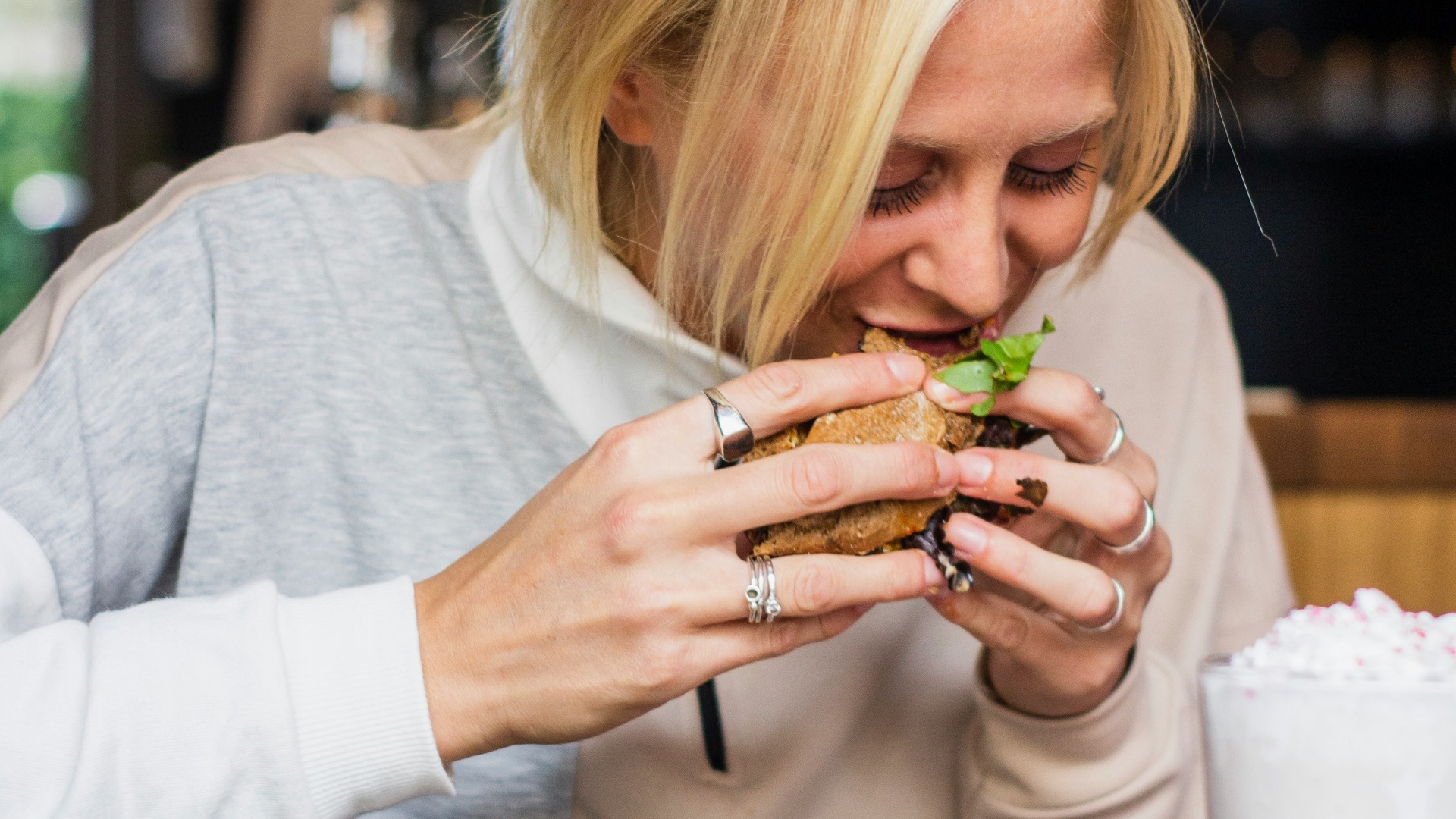
2. You Can Enjoy Treats Without Spiraling
You can have something purely for pleasure and still feel grounded afterward. Instead of reacting with guilt or setting up a compensation plan, you let the experience be what it is: a food choice that fits into a broader pattern.
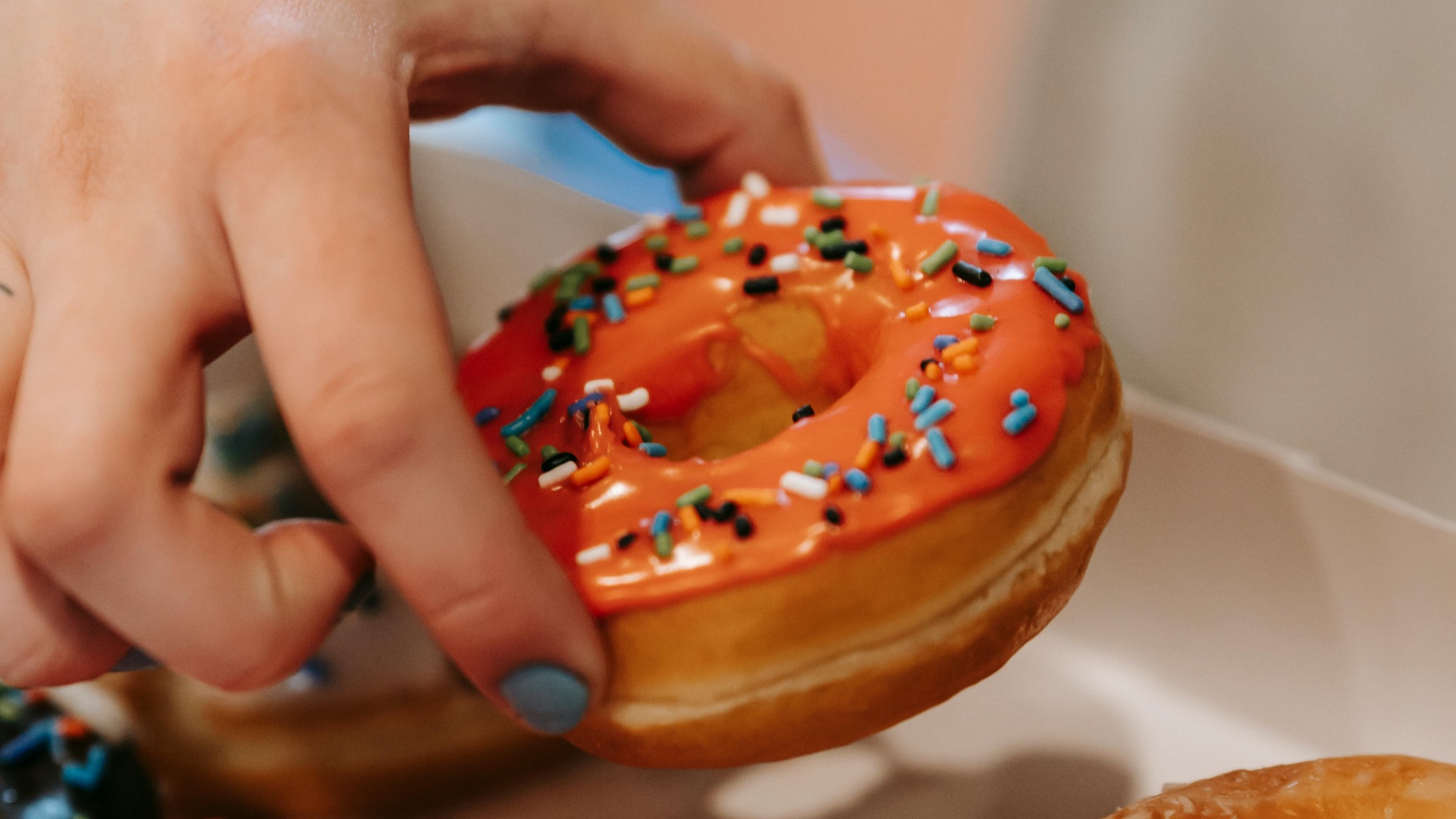
3. You Notice Hunger and Respond with Respect
You recognize early hunger signs, like fading energy, irritability, or trouble concentrating, and you treat those cues as legitimate. You don’t wait until you’re desperate or shaky to “prove” you’re hungry enough to eat. Responding to hunger sooner often makes meals feel calmer and helps you feel more in control in a stable way.

4. You Stop Eating When You Feel Comfortably Full
You’re able to pay attention to satisfaction, not just the moment you physically can’t eat another bite. That might mean leaving some food behind, saving it for later, or choosing to stop even if it still tastes good, because you can trust you’ll have access to food again. Comfort becomes the goal, which is very different from chasing a rule or pushing past your limits.
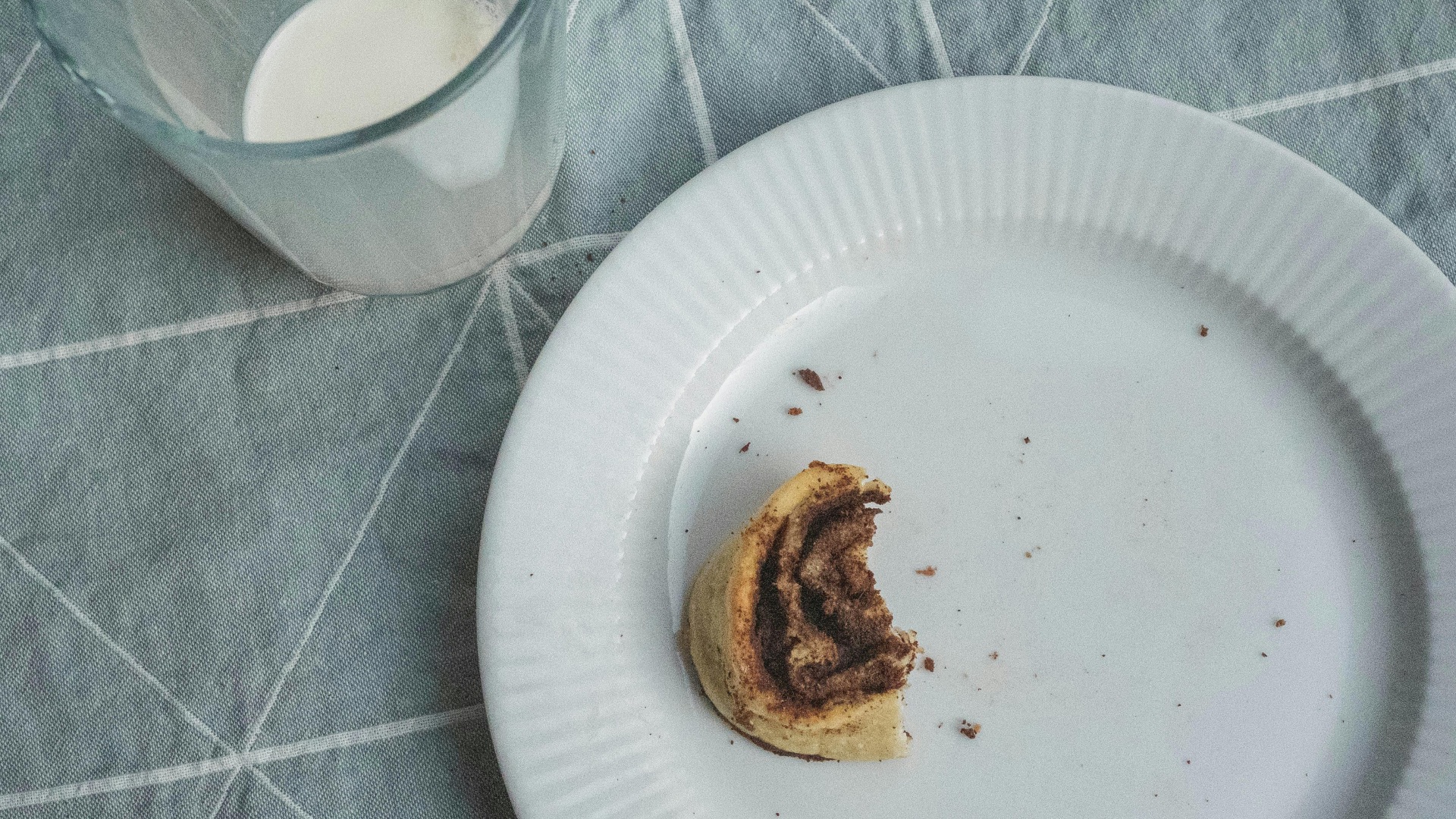
5. You Make Food Choices for Multiple Reasons
You can consider nutrition without treating it like the only value that counts. Some days you choose meals that are quick and practical, and other days you prioritize something more balanced, because life has different demands from day to day. When your choices can flex like that, that means you're not trapped in an all-or-nothing mindset.
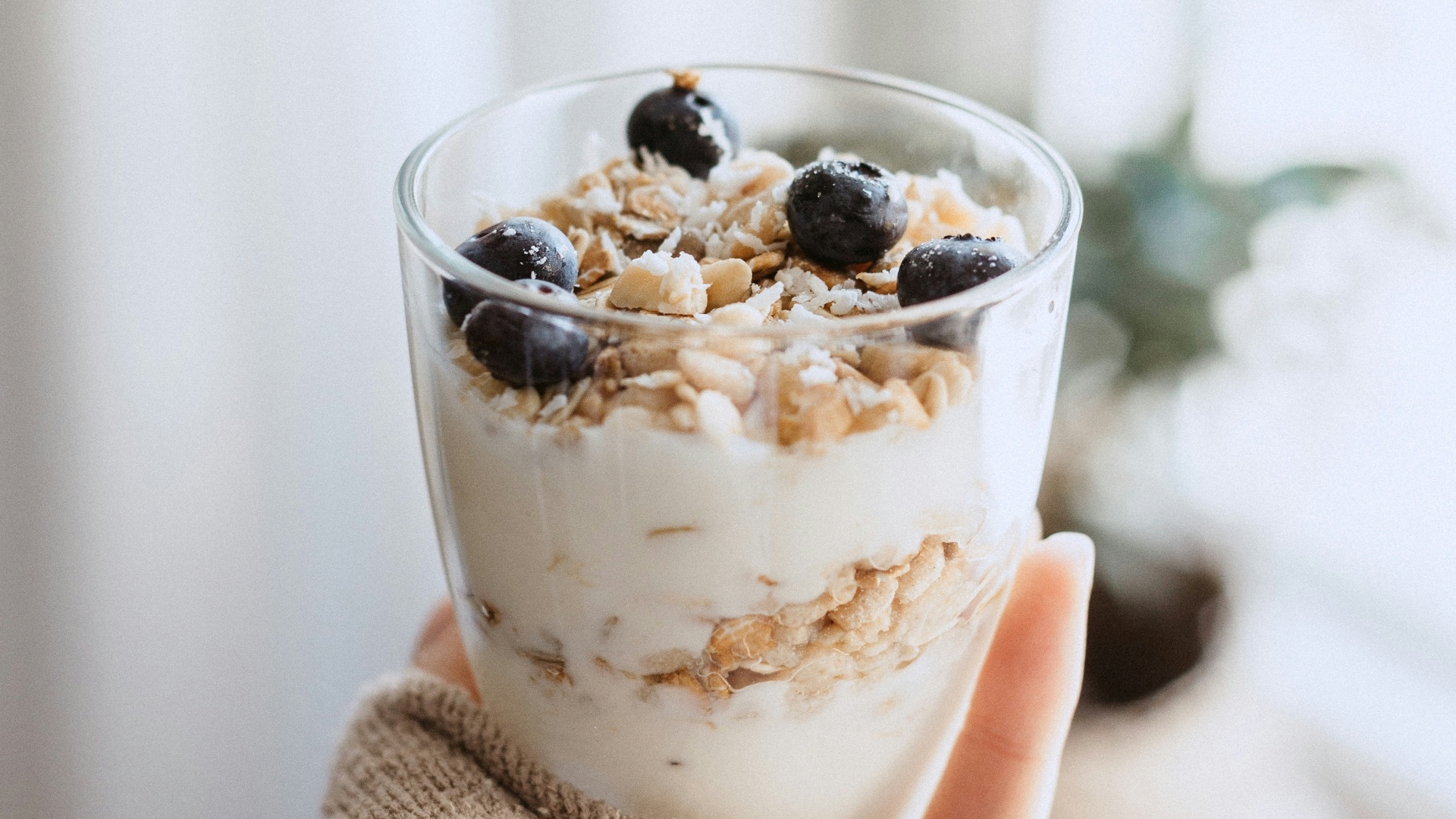
6. You Recover Easily from Overeating
If you eat more than you planned, you treat it as a normal thing rather than a personal failure. You might notice that you’re uncomfortable and decide to eat a bit lighter later because it feels better, not because you’re punishing yourself. That neutral response helps your routine stabilize instead of turning into a cycle of restriction and rebound.
 Pablo Merchán Montes on Unsplash
7. You Can Be Flexible When Plans Change
You can handle a surprise dinner, a delayed lunch, or a different menu without feeling panicked or thrown off. You adjust in a way that feels practical, and you don’t interpret the change as evidence that you’ve lost control. That steadiness is often a sign you trust yourself around food, even when things aren’t perfect.
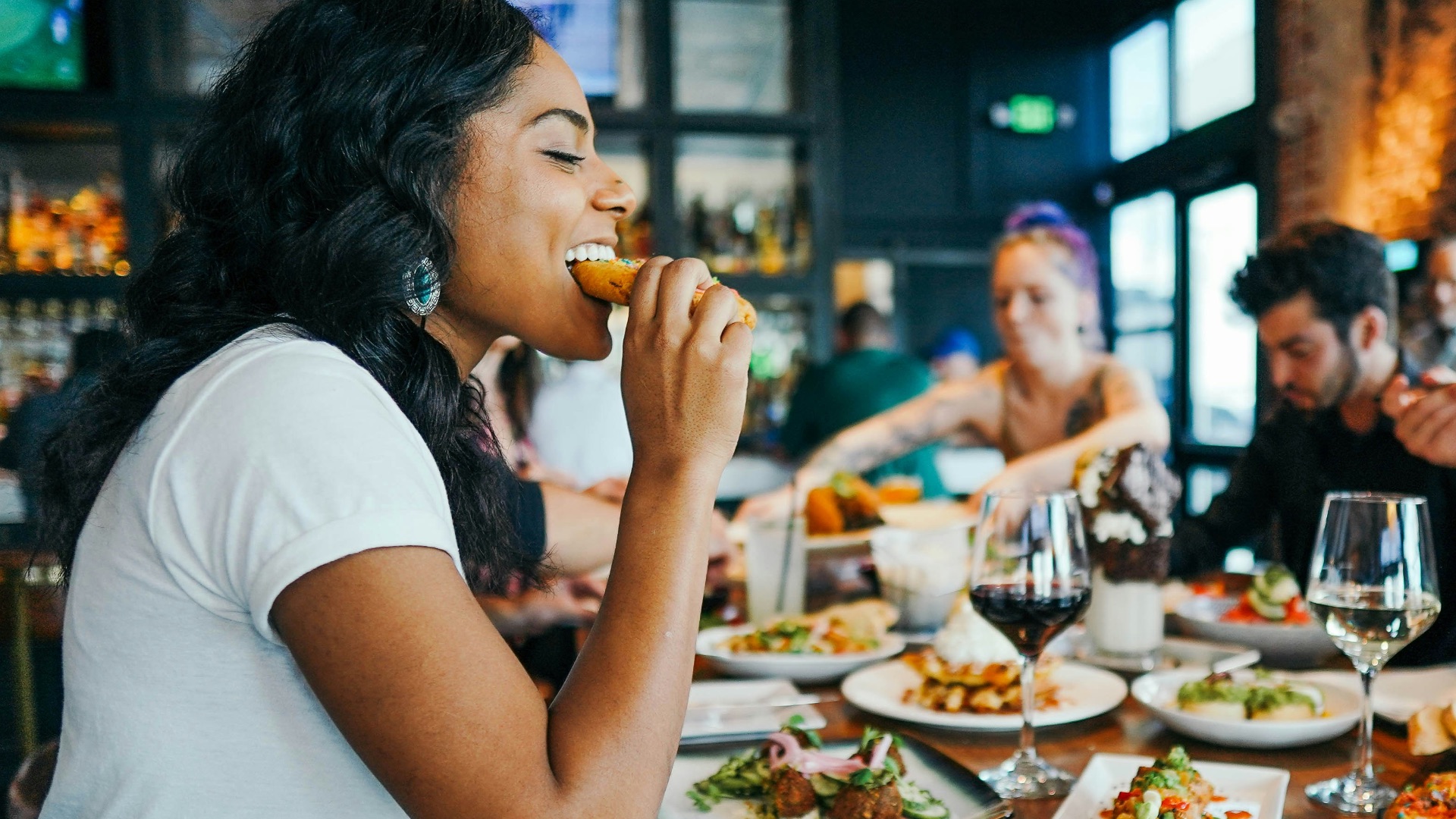
8. You Don’t Label Foods as “Good” or “Bad”
You understand that foods can support your health in different ways without attaching moral meaning to them. Instead of judging yourself, you evaluate outcomes, like whether a meal kept you full, supported your energy, or sat well in your stomach. That approach encourages learning and self-respect rather than fear.
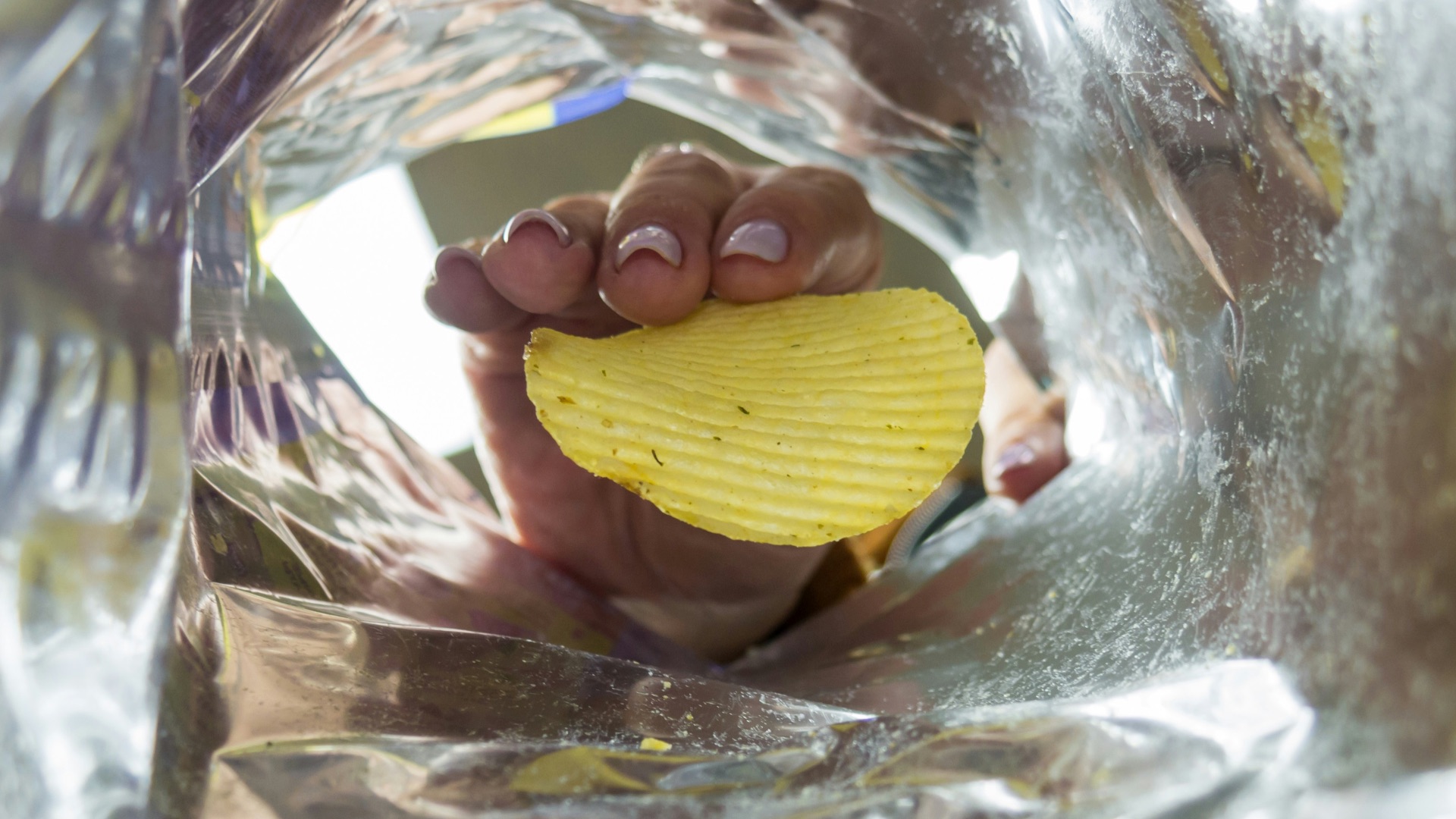
9. You Eat in a Way That Supports Your Energy and Mood
You notice patterns in how you feel after different meals, and you use that information to take care of yourself. Rather than chasing a perfect plan, you build a routine that keeps your energy steadier and your mood more predictable. When food supports your daily life instead of disrupting it, you’re usually in a healthier place.

10. You Treat Eating as Basic Self-Care
You believe you deserve to eat, especially on days when you’re stressed, tired, or not feeling confident. Meals feel like a normal part of maintaining your wellbeing, not a negotiation you have to win. That sense of permission makes it easier to care for yourself consistently, which is what healthy habits are built on.