When Marketing Outpaces Science
The microbiome is genuinely fascinating, partly because it refuses to stay in its lane. Those gut microbes shape digestion, drug metabolism, and immune signaling, and the post-mapping research boom made them feel like a newly discovered organ hiding in plain sight. The problem is that excitement created room for shortcuts: tidy stories built on early correlations, stool-test dashboards that look more precise than they are, and supplement promises that borrow the tone of science without carrying the proof. With that in mind, here are 20 microbiome claims that got ahead of the evidence.
1. A Stool Test Can Tell You Exactly What You Should Eat
Direct-to-consumer microbiome tests often spit out food lists with the confidence of a horoscope, as if a single sample can translate into personalized nutrition with clinical precision. Consensus statements and medical commentary keep pointing out the gap between interesting associations and proven clinical usefulness, plus the lack of standardization across companies.

2. One Diversity Score Works Like A Health Grade
It is tempting to treat diversity like a credit score for the gut, especially when an app turns it into a single number with arrows and colors. Real-world testing comparisons show that results can vary meaningfully across kits and labs, which makes one neat score a shaky foundation for big health decisions.
3. Everyone Needs A Daily Probiotic
Probiotics can help in specific situations, yet the leap from sometimes useful to everyone should take one forever is where things get fuzzy. The National Center for Complementary and Integrative Health is blunt that much remains unknown about which probiotics help which conditions, and large guidelines have found limited evidence for many popular digestive uses.
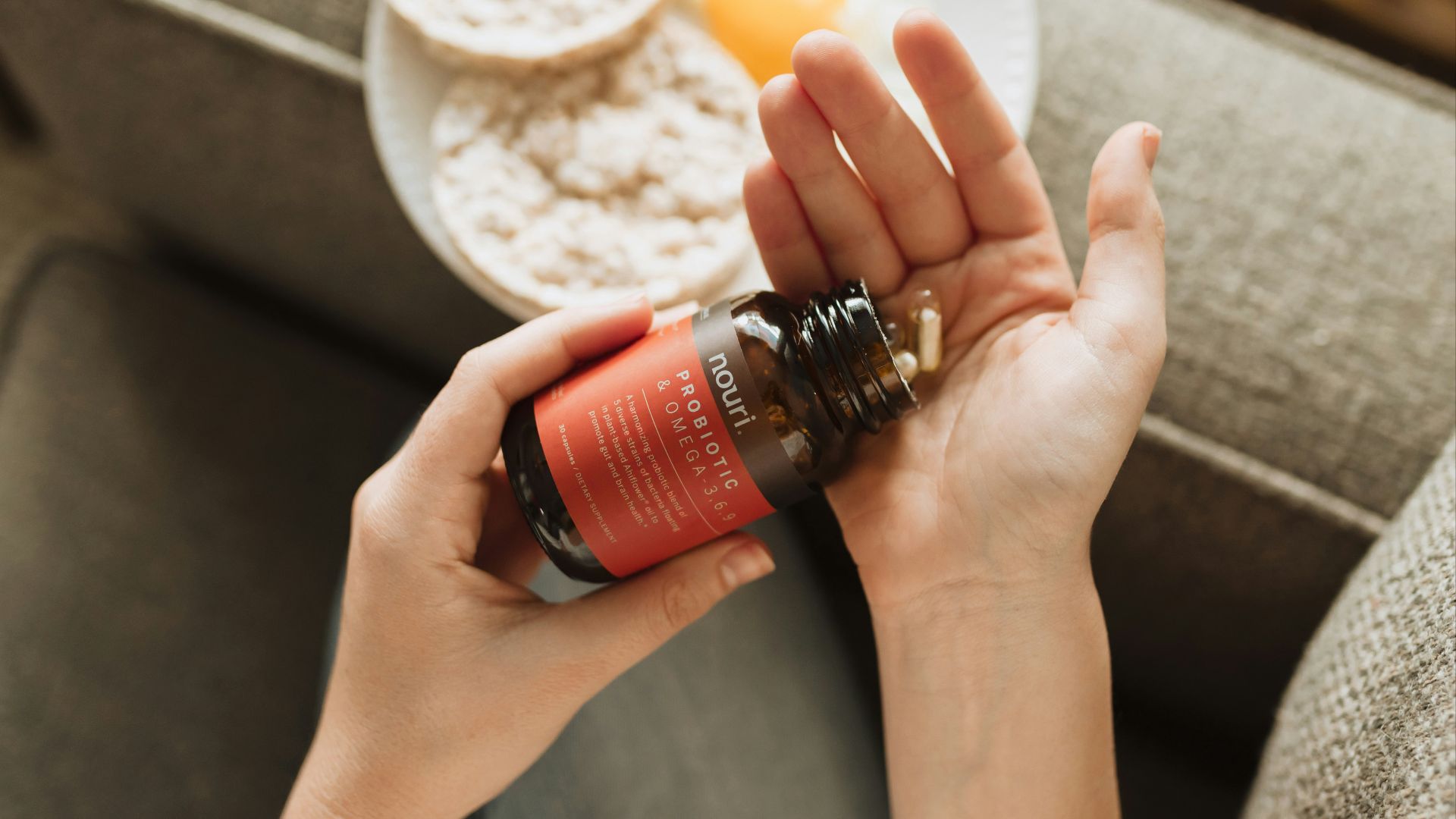
4. Any Probiotic Is Basically The Same
Supplement shelves encourage a kind of probiotic blur, where any capsule with a big CFU number is treated as interchangeable. Evidence tends to be strain-specific and condition-specific, which is exactly why broad, one-size claims keep falling apart under careful review.
5. Probiotics Are Always Safe Because They Are Natural
Most healthy adults tolerate many probiotic foods and supplements just fine, yet always safe is an overreach that ignores real risk. The FDA has warned about invasive, potentially fatal infections in hospitalized preterm infants given probiotic products, which is a sobering reminder that live microbes are not automatically harmless.
6. Fermented Foods Permanently Reseed The Gut
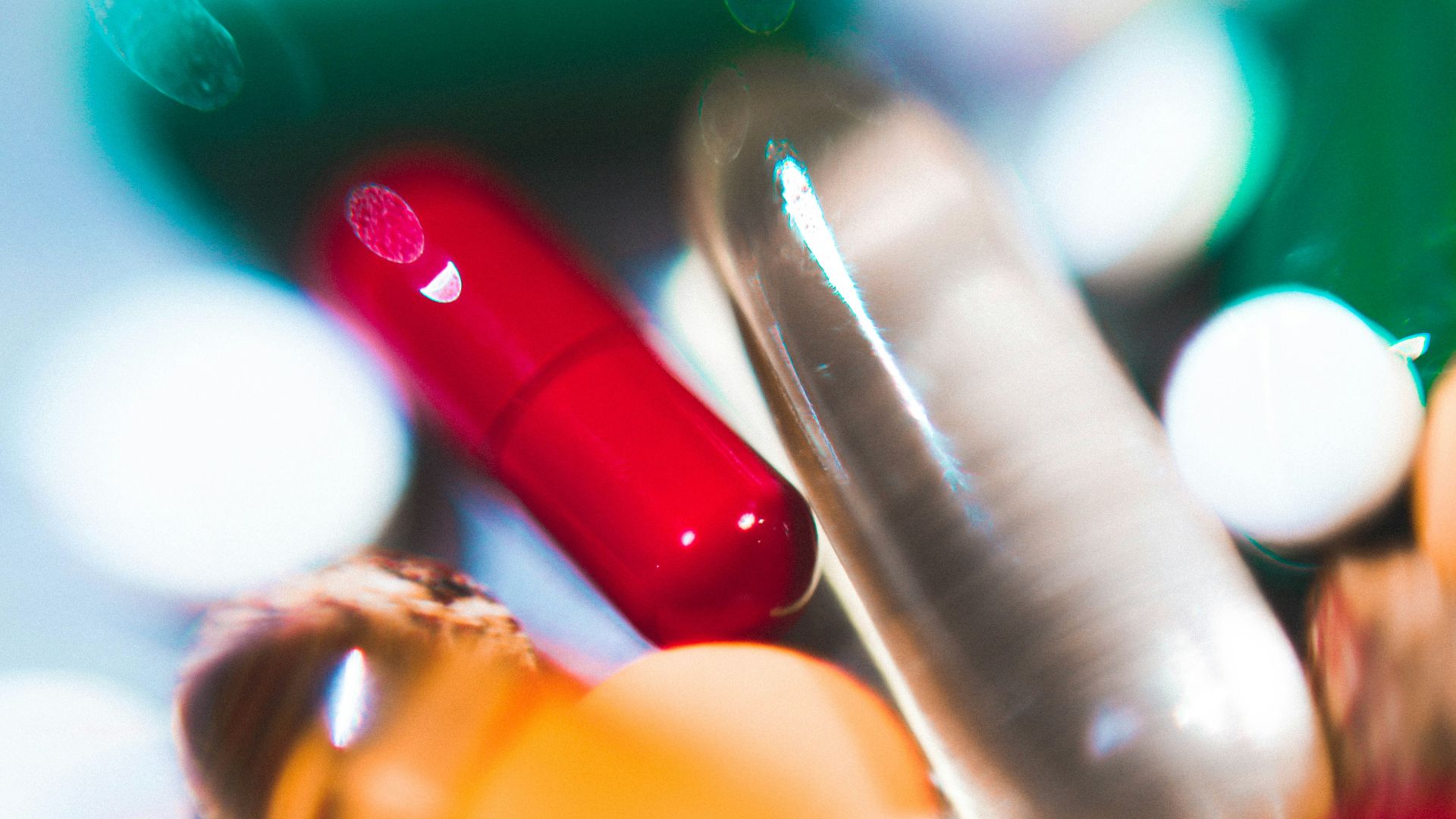
Yogurt, kefir, kimchi, and friends can be great, yet the idea that a few servings permanently install new residents in the gut is more story than settled fact. Many food microbes pass through, and the gut community is shaped by a long list of forces that do not bend instantly to one grocery run.
7. You Can Reset Your Microbiome In 30 Days
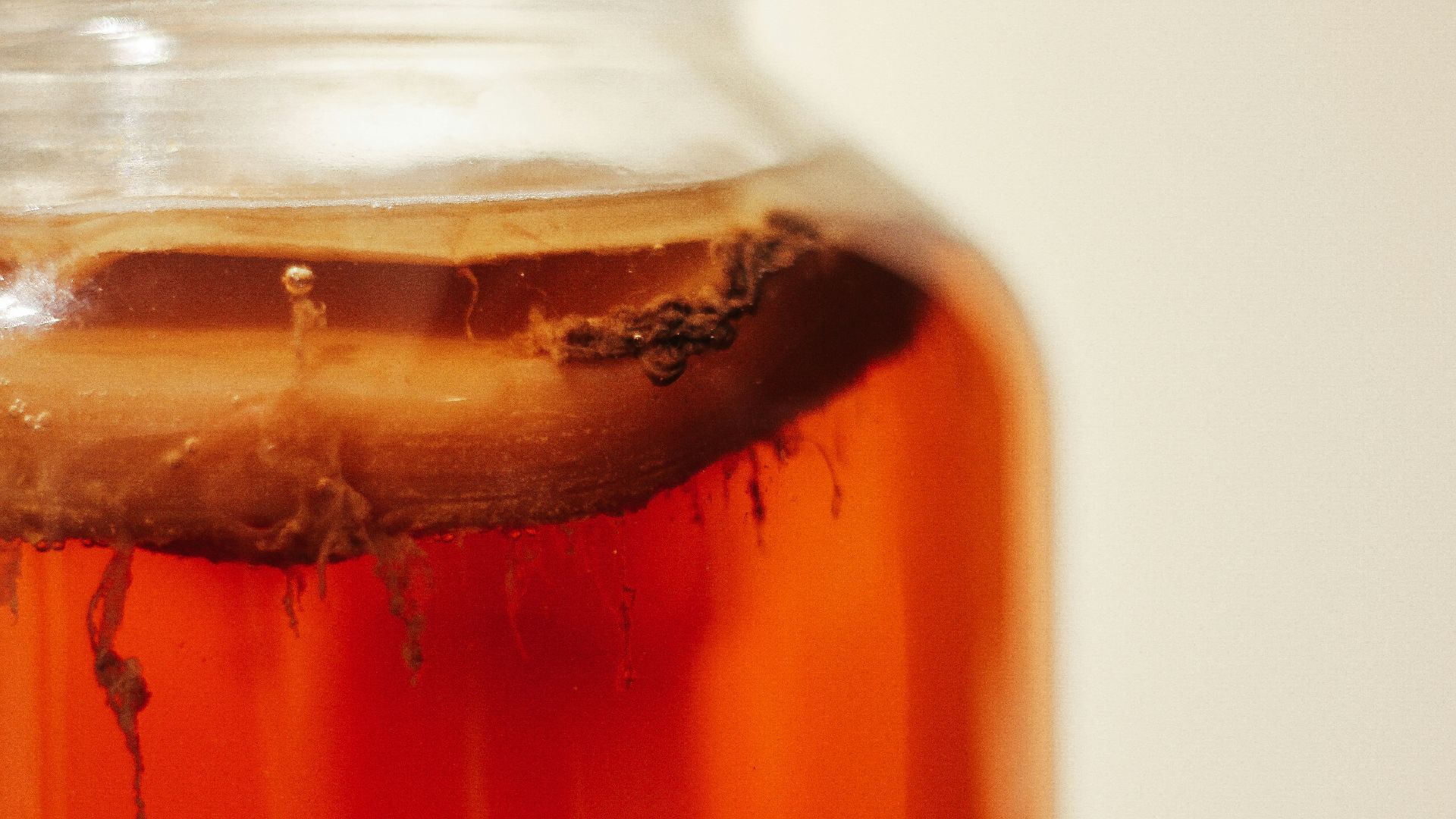
Reset is a seductive word because it makes the body sound like a phone that just needs a clean reboot. In reality, the microbiome is dynamic and individualized, and the science is still sorting out what a healthy target even means for a given person, let alone how quickly it can be changed in a lasting way.

8. Leaky Gut Explains Most Chronic Illness
Intestinal permeability is a real biological concept in certain diseases, yet leaky gut syndrome is often marketed as a catchall diagnosis with a shopping list of supplements attached. Clinical writing aimed at patients and clinicians alike emphasizes that leaky gut is not a formal medical diagnosis and that human cause-and-effect evidence for many sweeping claims is still missing.

9. Dysbiosis Is A Standalone Diagnosis
Dysbiosis can be a useful research term, yet it often gets used like a definitive clinical label, as if there is a single normal microbiome everyone should match. Multiple expert discussions note that evidence supporting routine microbiome testing as a diagnostic tool is scarce right now, which makes dysbiosis a shaky diagnosis when it is not tied to a validated clinical context.

10. Gut Microbes Explain Obesity In A Straight Line
There are legitimate links between gut microbes, metabolism, and weight-related biology, and the field keeps producing intriguing signals. The problem is the jump from signal to certainty, because microbiome studies are famous for confounding factors and the constant challenge of separating cause from consequence.

11. Fixing The Gut Automatically Fixes Autoimmune Disease
The immune system and the microbiome interact, which makes for compelling headlines and even better supplement ads. That relationship does not translate into a simple lever where changing one bacterial group reliably improves complex autoimmune conditions in humans, and a lot of the strongest stories still live in early-stage or indirect evidence.

12. Probiotics Are A Reliable Treatment For IBS
IBS is one of the biggest magnets for microbiome promises, mostly because symptoms are real and options can feel limited. The American Gastroenterological Association has recommended probiotics for IBS only in the context of a clinical trial, which is a polite way of saying the evidence has not earned a broad green light.

13. Probiotics Consistently Treat Depression And Anxiety
The gut-brain axis is real enough to study seriously, and there are trials and meta-analyses that find modest effects in certain settings. Even so, the research is heterogeneous, and the overall story still does not justify the casual promise that a capsule can reliably treat clinically diagnosed mood disorders.

14. A Gut Test Can Diagnose Disease Right Now
Some patterns may eventually help predict risk or treatment response, yet that future tense keeps getting ignored. International consensus writing has warned that evidence supporting clinical usefulness is scarce and that commercial tests often lack proven value in practice, which is not how diagnostics are supposed to work.

15. Fecal Transplant Is A Wellness Upgrade
FMT has real evidence in specific medical scenarios, and it also carries real risk when handled casually. The FDA has issued safety alerts about serious infections, and the AGA’s evidence-based guidance focuses on defined indications rather than turning it into a general cleanse or biohack.
16. Microbiome Products Can Replace Antibiotics
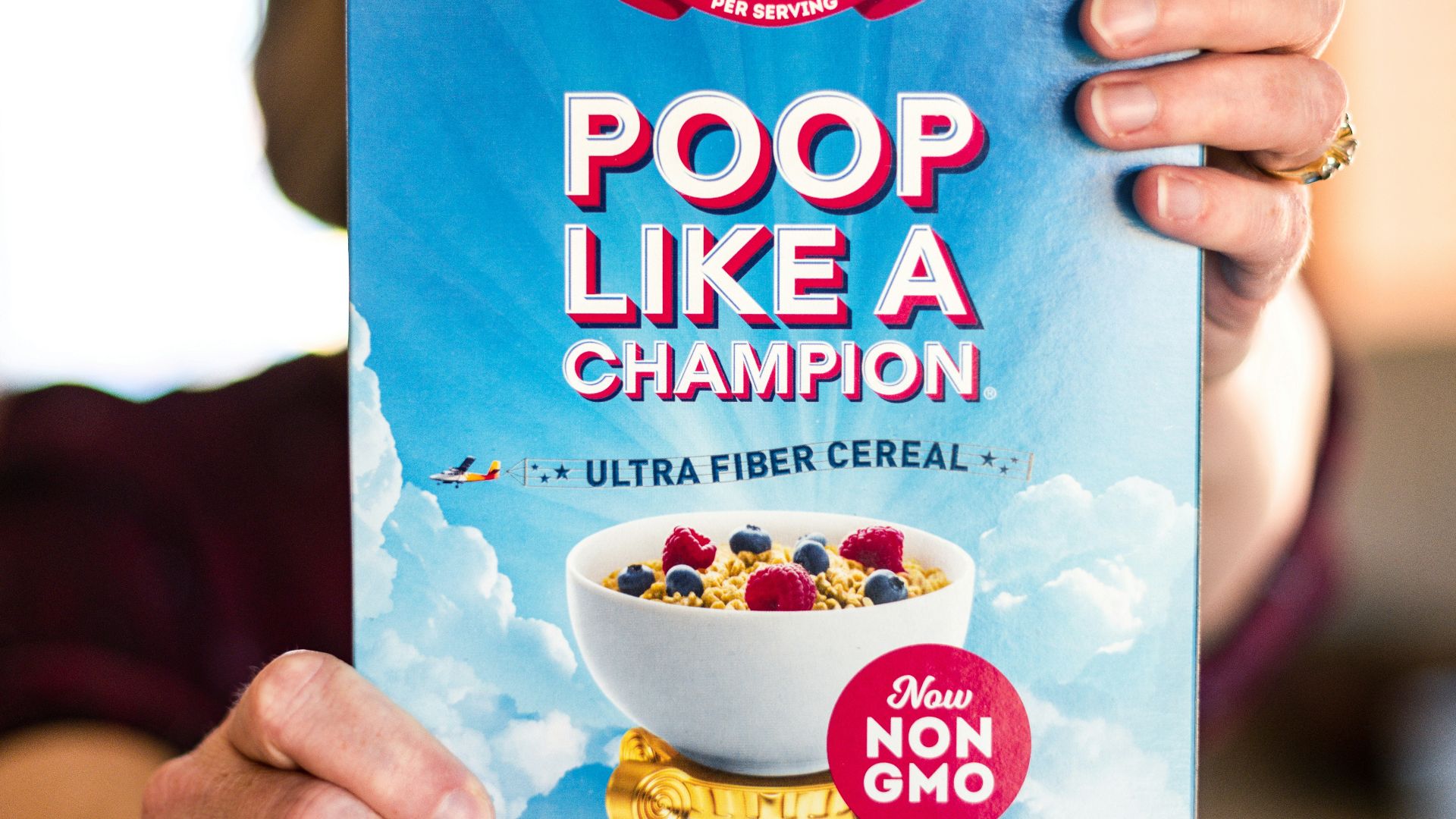
The microbiome can influence how drugs work, yet that does not make it a substitute for therapies that have strong evidence and clear dosing. A lot of microbiome marketing blurs the line between supportive measures and replacing medical care, which is where people end up paying in time, money, and sometimes worsening disease.
17. Antibiotics Permanently Destroy The Microbiome
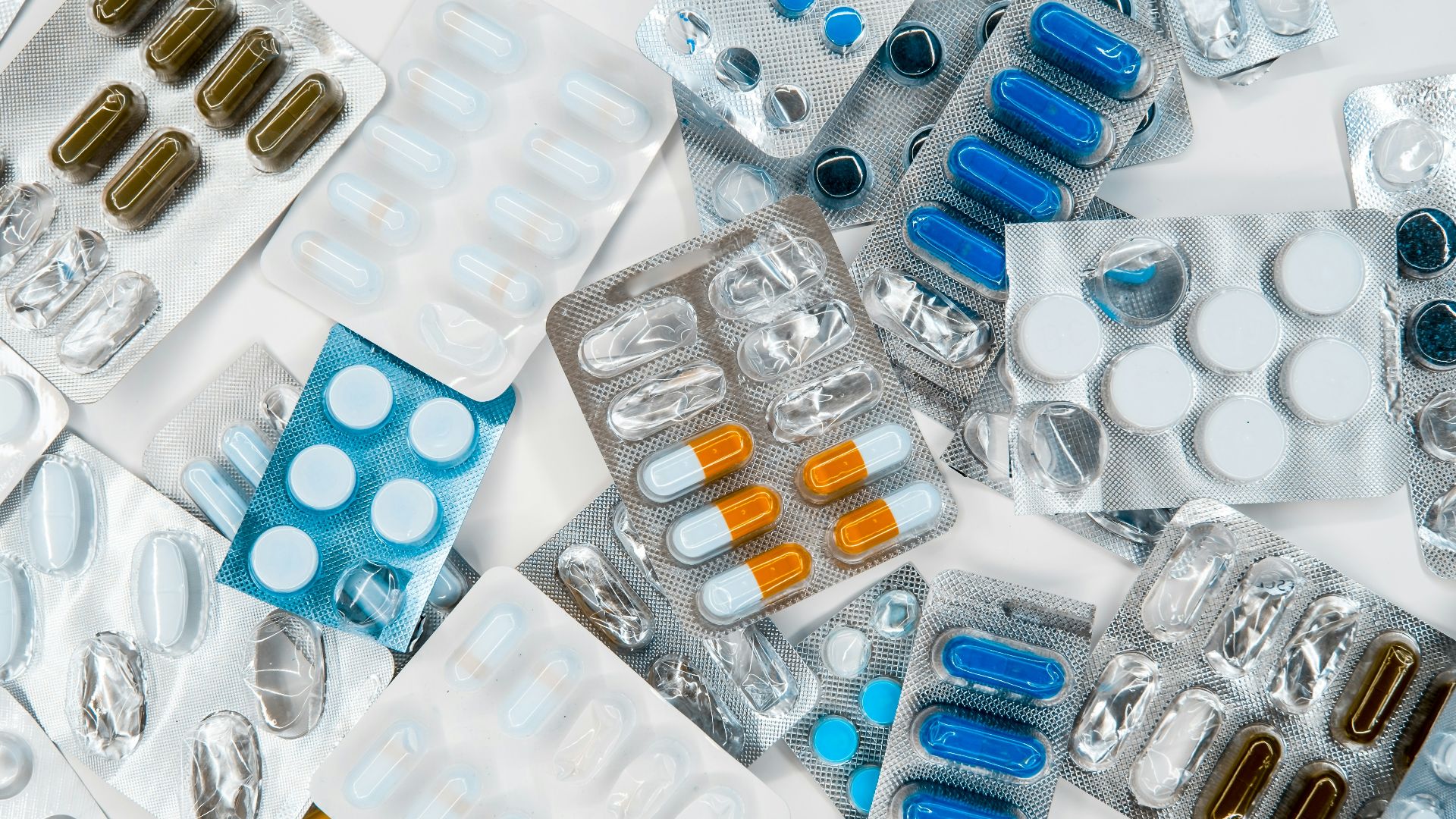
Antibiotics can disrupt gut communities, and side effects are real, yet the permanent ruin story is often overstated. The more accurate picture is messier: recovery can vary by drug, dose, and person, and broad fear can discourage appropriate treatment when antibiotics are genuinely needed.
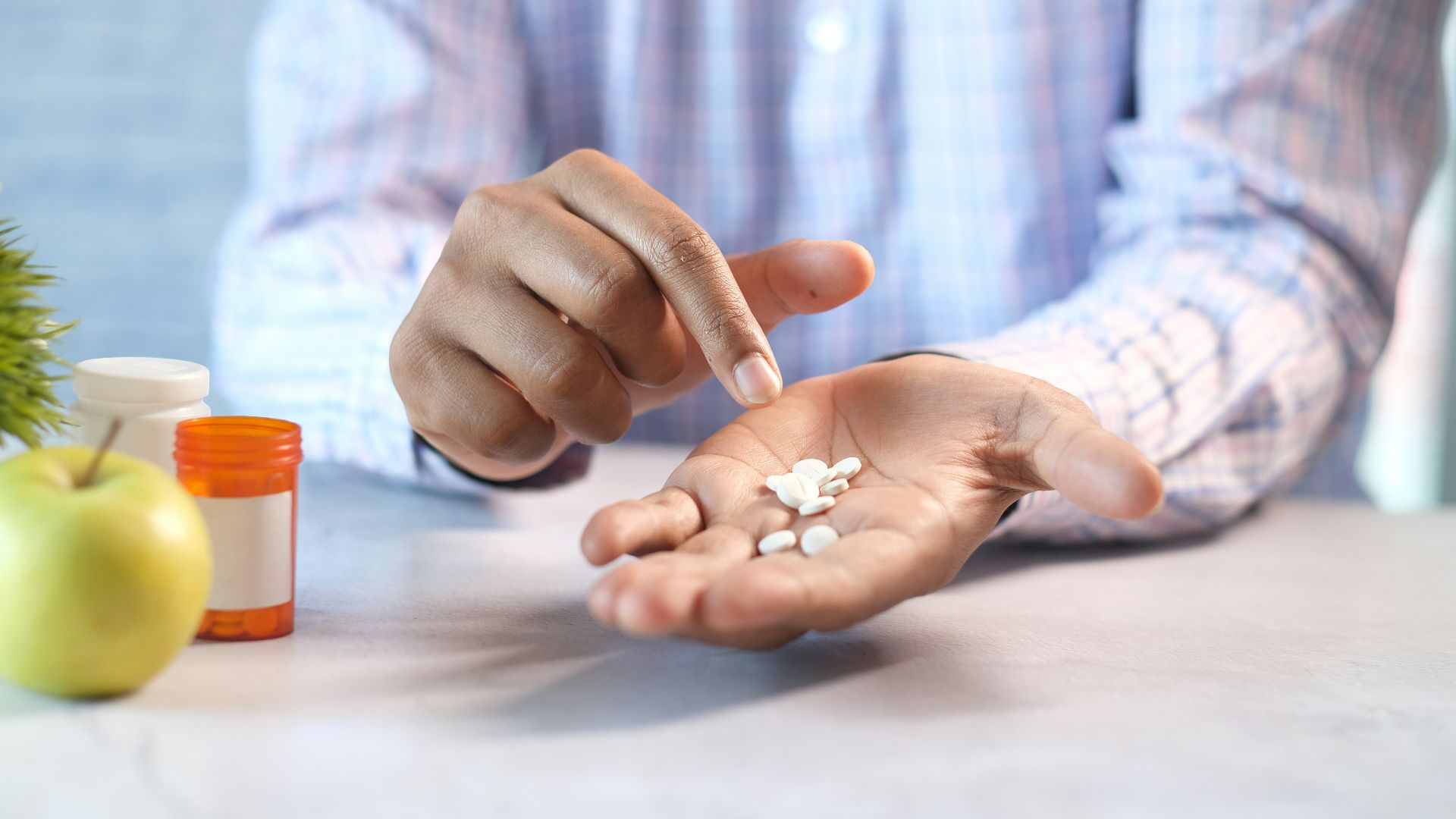
18. Topical Microbiome Sprays Can Fix Skin Problems
Skin microbiome science is moving fast, and it is easy to believe the next bottle will quietly solve acne, eczema, or rosacea. The evidence base is still developing, and a lot of consumer products are selling a future that clinical studies have not fully delivered yet.
 Barbara Krysztofiak on Unsplash
19. Vaginal Probiotics And Washes Have Proven Benefits
The vaginal microbiome is another area where the science is real and the product claims are loud. Many off-the-shelf interventions race ahead of clear, condition-specific clinical evidence, and the risk is that people end up disrupting a system that is already doing its job.

20. The Microbiome Field Already Knows What A Healthy Gut Looks Like
A surprising amount of microbiome discourse still leans on a single ideal of healthy, as if everyone should converge on the same microbial lineup. Major medical discussions keep emphasizing individuality, variability, and the limits of current clinical translation, which means humility is still part of the responsible takeaway.

KEEP ON READING


20 Natural Ways You Can Boost Your Immune System

20 Ways To De-stress & Relax After Work
The 10 Most Common Diseases & The 10 Most Rare