
Small, Repeatable Choices That Your Future Self Will Quietly Appreciate.
Heart health gets framed like a problem that starts at retirement, then suddenly becomes urgent after a scary lab result, and that storyline is doing everyone a disservice. The heart responds to patterns, not grand gestures, which is why the everyday stuff, like how often you move, how you sleep, and what you reach for when you’re stressed, matters more than the occasional “reset week.” Decades of research have linked regular physical activity, adequate sleep, not smoking, and nutrient-rich eating patterns with lower cardiovascular risk, and none of those require a fancy wellness personality. Most people also underestimate the power of tiny defaults, like taking the stairs when you do not feel like it, or keeping a couple of weeknight meals so simple they happen even when you’re tired. The list below sticks to daily habits that support heart health in realistic ways you can keep doing.
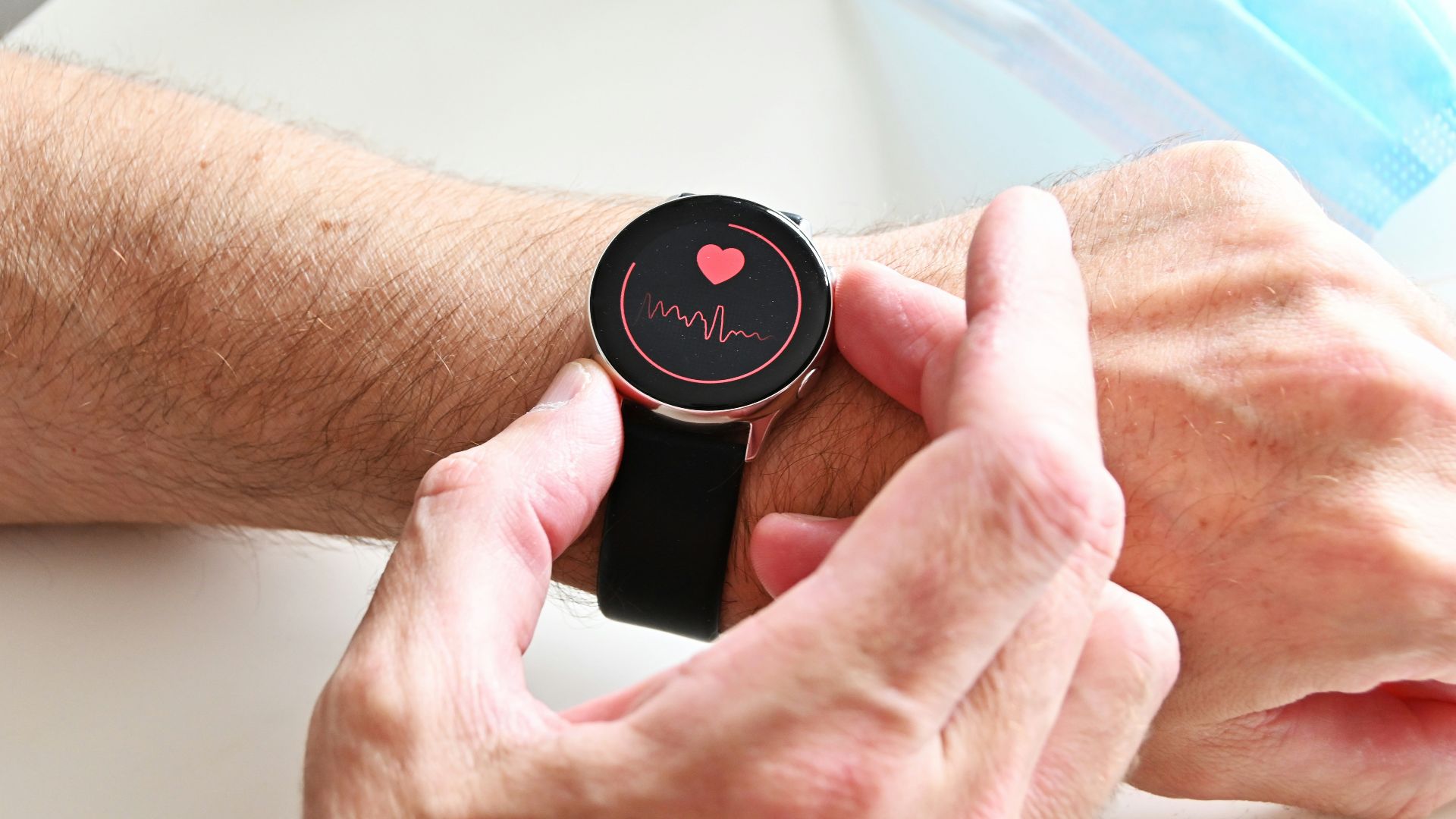
1. Take A Short Walk After Meals
A brief walk after eating can help the body handle the rise in blood sugar that comes with a meal. It also keeps you from staying parked in one position for hours, which matters for circulation. Even a slow lap around the block counts when it happens regularly.

2. Stand Up Every Hour
Long sitting stretches are linked with worse cardiometabolic markers, even for people who work out. A timer on your phone or computer can nudge you to stand, stretch, and reset your posture. Over time, these small breaks add up to more daily movement without requiring extra planning.

3. Keep A Step Baseline
A daily step goal is simple, measurable, and surprisingly effective at keeping you from turning into a statue. Walking supports cardiovascular fitness, and it tends to lower stress in a way that feels obvious after a few weeks. A route you can repeat, even in bad weather, makes the habit easier to keep.

4. Do Some Moderate Cardio
Moderate aerobic activity has been linked to a lower risk of heart disease in large population studies, especially when it becomes a regular part of life. The best choice is something you can do without dreading it, since consistency does the heavy lifting here.

5. Add Strength Training
Resistance training supports muscle, insulin sensitivity, and healthy body composition, which all connect back to cardiovascular risk. Two or three sessions a week can be enough, especially if you cover major movements and keep form solid.

6. Start The Day With Water
Mild dehydration can feel like fatigue, and fatigue tends to lead to extra caffeine and less movement. Drinking water early helps you get ahead of that spiral, especially if mornings usually start with coffee. Keeping a bottle where you see it beats relying on memory.

7. Eat More Fiber Most Days
Fiber supports cholesterol management and gut health, and higher-fiber eating patterns are consistently associated with better cardiovascular outcomes. Beans, oats, lentils, and vegetables can show up in normal meals without turning dinner into a project. When fiber increases, it helps to increase water too, since digestion runs more smoothly that way.
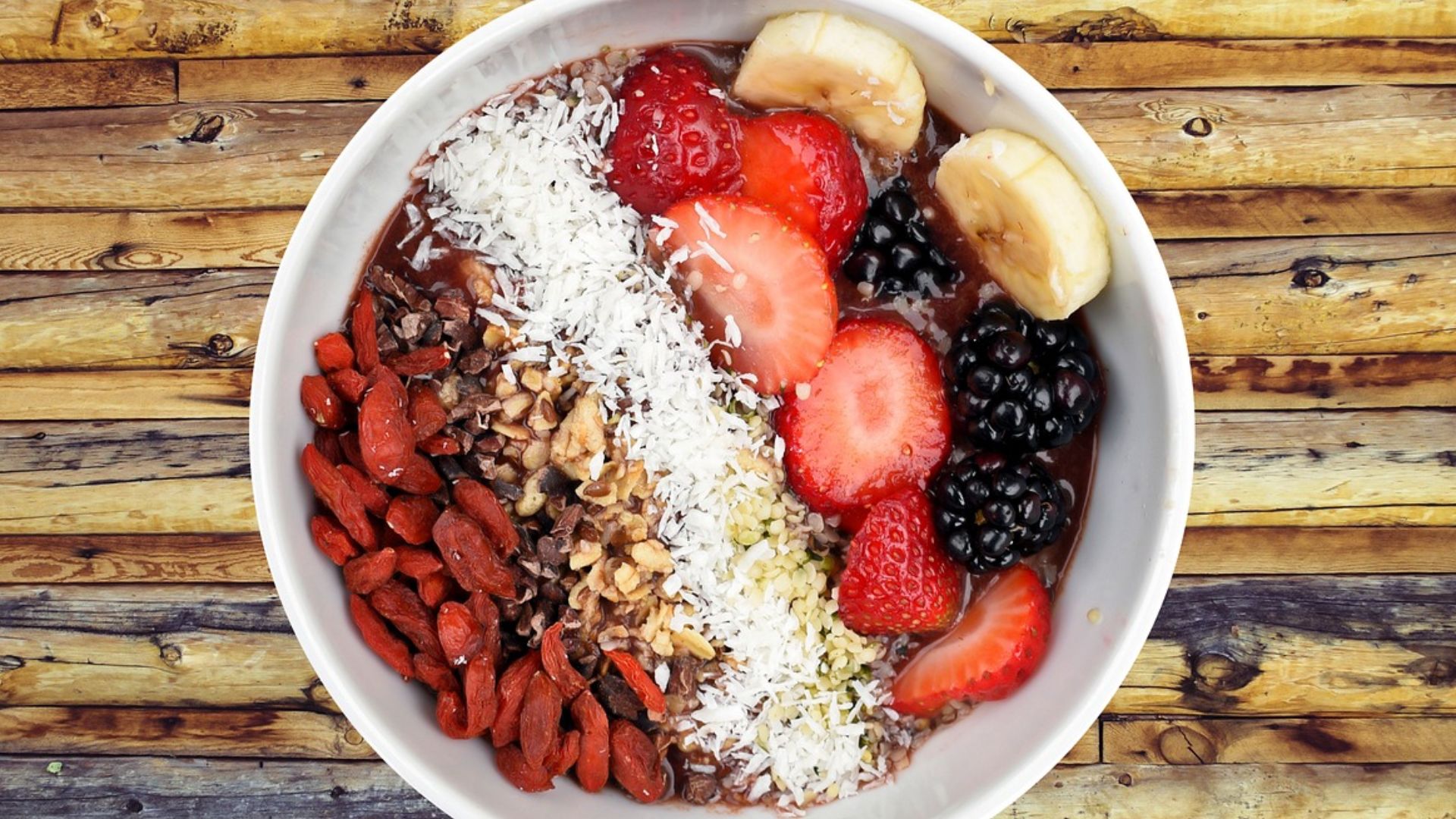
8. Choose Unsaturated Fats Often
Swapping saturated fats for unsaturated fats has been tied to better heart outcomes in decades of nutrition research. Practical examples are olive oil, nuts, and fatty fish, since they fit into meals people already eat.

9. Keep Added Sugar In Check
High added sugar intake is associated with weight gain and worse cardiometabolic markers, and sugary drinks are one of the easiest ways to overdo it. When a sweet coffee becomes a daily habit, it stops being a treat and starts acting like a liquid dessert. Cutting back does not require perfection, just fewer automatic sugar hits.
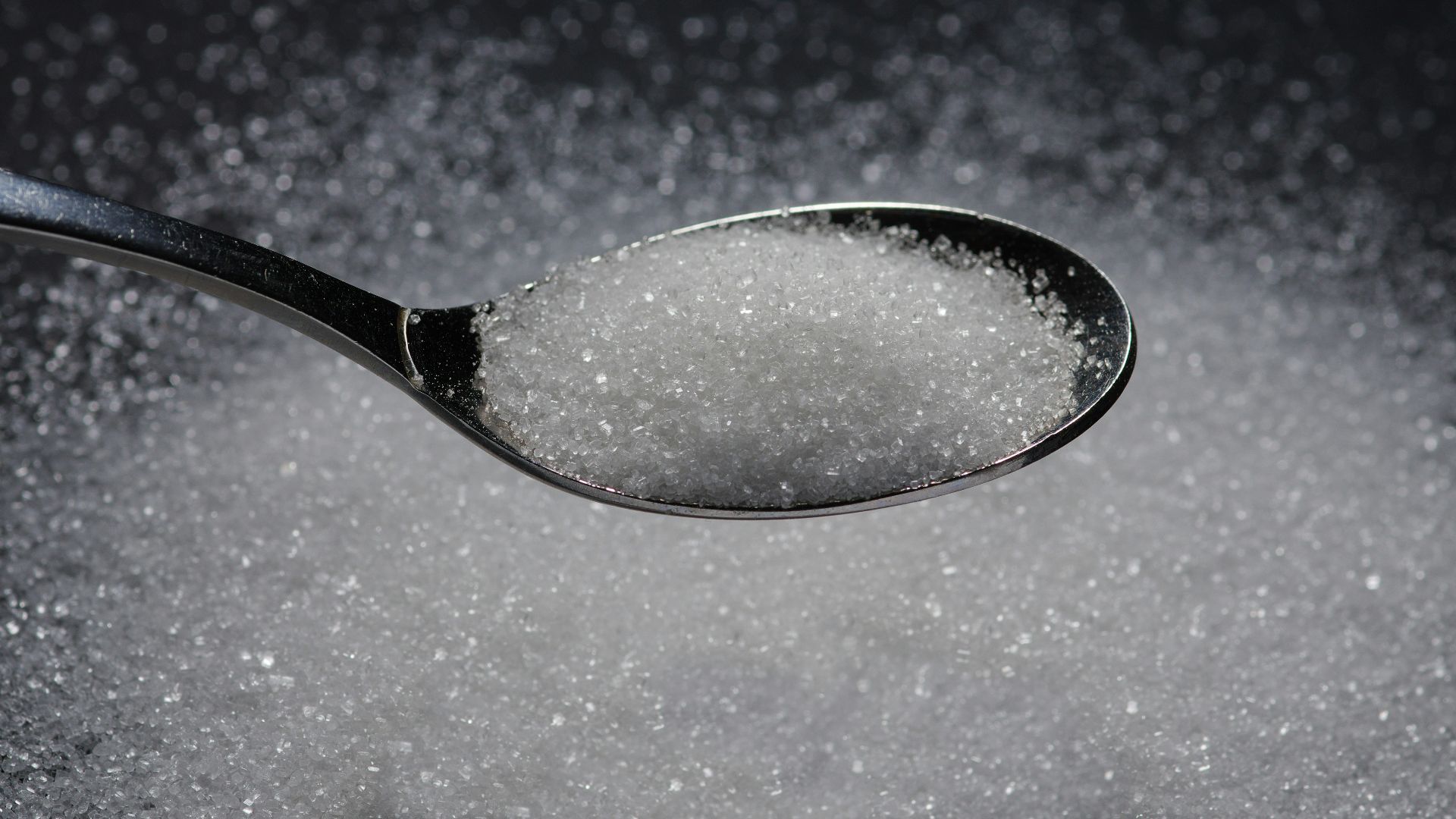
10. Watch The Sodium Creep
Sodium matters for blood pressure, and blood pressure is a major driver of cardiovascular risk. Packaged foods and restaurant meals are often where sodium spikes without warning, especially in soups, sauces, and “healthy” wraps. Cooking at home more often, even one extra night a week, gives you more control without obsessive tracking.

11. Make Sleep More Regular
Sleep affects blood pressure, appetite hormones, and stress regulation, which is why short or chaotic sleep can show up in heart metrics over time. A consistent bedtime helps your body settle into a rhythm, even if the exact number of hours varies slightly. Keeping your phone off the bed can also make this easier.

12. Get Morning Light
Morning light supports circadian rhythm, which influences sleep timing and metabolic function. A few minutes outside after waking is a small habit that can improve sleep quality, and sleep quality connects back to heart health.

13. Keep Stress From Running The Show
Chronic stress is linked with higher cardiovascular risk, partly through hormones that affect blood pressure and inflammation. The goal is finding a downshift you can repeat, like walking, breathing exercises, or therapy, rather than pretending stress does not count. When stress stays high, healthier choices get harder, and that pattern builds over time.
 Karolina Grabowska www.kaboompics.com on Pexels
14. Practice Slow Breathing
Slow, controlled breathing can reduce acute stress responses, which helps when your heart feels like it is doing too much. It is also something you can do in a parking lot, at your desk, or before a tough conversation. The trick is keeping it simple, like longer exhales and steady pacing.

15. Avoid Smoking And Secondhand Smoke
Smoking is one of the most well-established cardiovascular risk factors, and secondhand smoke exposure matters too. If quitting is part of your life, support systems and cessation tools improve success rates, so going it alone is not required.

16. Keep Alcohol Moderate
Heavy alcohol intake is linked with higher blood pressure and heart-related complications, even when people feel fine in the moment. Cutting back tends to improve sleep and energy quickly, which supports other heart-friendly routines.

17. Maintain A Healthy Waistline
Abdominal fat is associated with higher cardiometabolic risk, partly because visceral fat behaves differently in the body than fat stored elsewhere. This is not about chasing a certain look; it is about risk markers that show up in research consistently. Regular movement and better food defaults usually work better than short-lived diet phases.
 Karolina Grabowska www.kaboompics.com on Pexels
18. Eat More Whole Foods
Meals built around minimally processed foods tend to deliver more potassium, fiber, and micronutrients that support cardiovascular health. Cooking does not need to be elaborate, and simple meals can still be very healthy for you.

19. Schedule Preventive Care
Blood pressure checks, cholesterol screening, and routine health visits catch issues early, when changes are easier. A yearly check-in is a short-term cost compared to dealing with a preventable crisis.

20. Take Your Meds As Prescribed
If medication is a part of your routine, taking it consistently matters more than occasional bursts of motivation. Skipping doses can undo the benefits, especially with blood pressure meds or cholesterol-lowering therapy. Keeping pills in a visible spot and taking them at the same time every day does wonders for your body.