

Not Just Cold Weather, Also Daily Friction
Winter changes the texture of everyday life in ways that add up fast. The season can narrow daylight, limit movement, and push people indoors, which affects sleep, routines, and social contact even when everything looks fine on paper. Seasonal patterns in mood are well documented, including seasonal affective disorder, a form of depression that typically shows up in fall or winter and improves in spring. Even without a clinical diagnosis, shorter days and disrupted habits can still leave people feeling slower, flatter, and more irritable. Here are 20 specific ways winter can interfere with mood and energy, in small but noticeable ways.

1. Less Morning Light
Waking up in darkness can make mornings feel harder to start. Light is a key cue for the circadian system, so dim mornings can contribute to grogginess. People often drift later without realizing it and then feel off all day.

2. Earlier Darkness
When it gets dark before the day feels finished, motivation often drops. Many people stop doing errands, exercise, or social plans because the evening feels shorter. That shift can reduce the number of small wins that usually keep mood steady.
3. Disrupted Body Clock
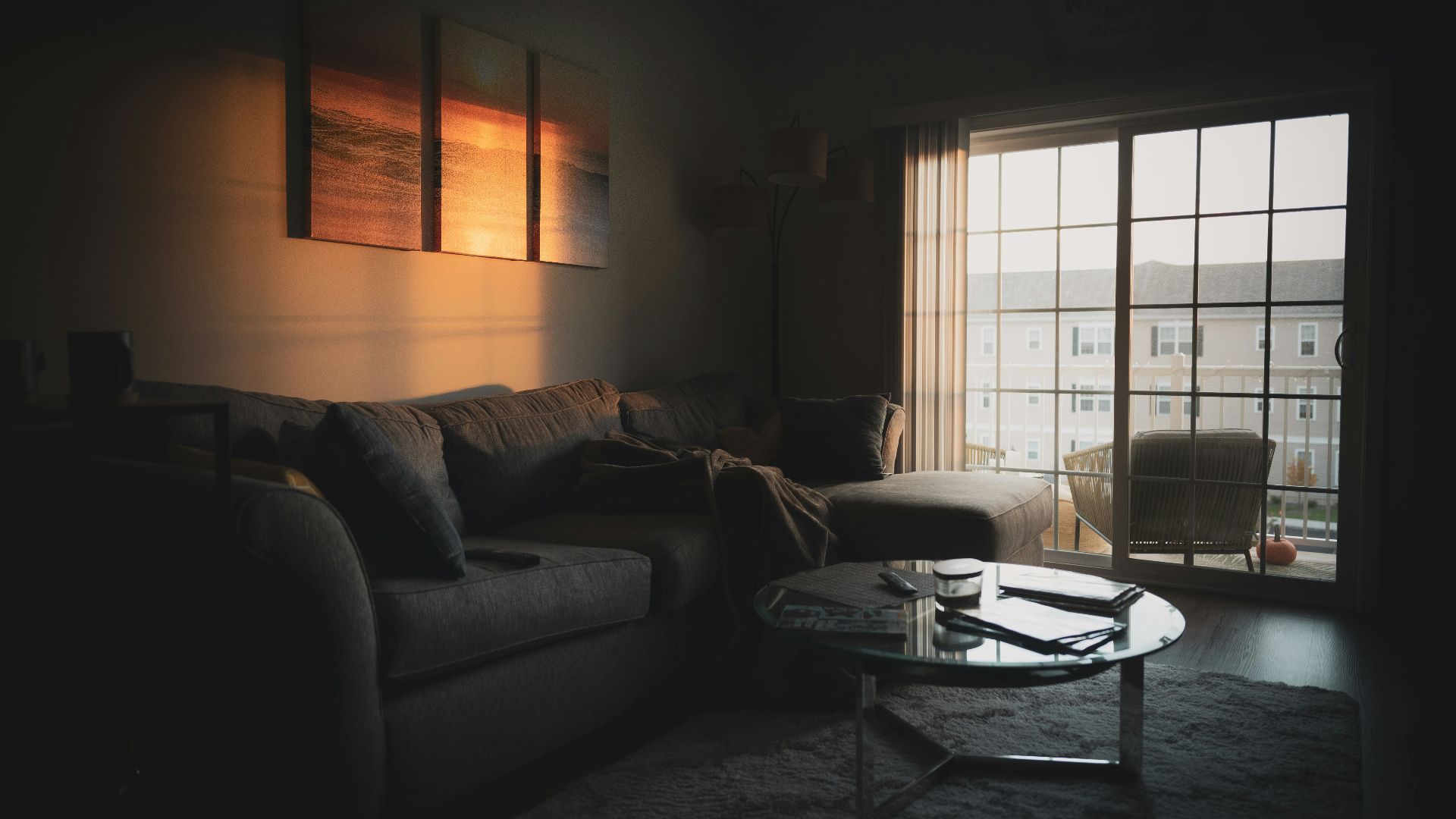
Winter schedules often drift because light exposure changes and routines loosen. Circadian misalignment is linked with fatigue and low mood in many studies of sleep and mental health. Even a modest shift in sleep timing can make concentration worse.

4. Poorer Sleep Quality
Indoor heat, dry air, and heavier bedding can lead to restless sleep. Snoring and nasal congestion can worsen when the air is dry, which breaks up deep sleep. The next day can feel like it starts with a deficit.

5. Vitamin D Drop
Vitamin D levels often fall in winter because skin makes less vitamin D with reduced sun exposure. Low vitamin D is associated with depressive symptoms in observational research, though causality is still debated. Some people feel better after testing and treating a deficiency with clinician guidance.
 Megan te Boekhorst on Unsplash
6. More Time Sitting
Cold weather reduces casual walking and outdoor errands. Less daily movement can blunt energy and increase stiffness, which feeds a sense of sluggishness. The body can start feeling heavy even when nothing else is wrong.
 LinkedIn Sales Solutions on Unsplash
7. Exercise Becomes Harder To Start
Getting out the door is more effort when it is cold, dark, or wet. The friction at the start of a workout increases, so even people who like exercise may skip it more often. Missing regular activity can reduce both sleep quality and mood support.

8. Social Plans Shrink
People cancel more, travel less, and host less when weather is unpredictable. That reduces casual connection, which many people rely on without noticing. Isolation can grow quietly over a few weeks.

9. More Indoor Crowding
Staying inside means more noise, less personal space, and more time in shared rooms. That can increase irritation and make it harder to decompress. Even minor tension feels bigger when there is no easy escape outdoors.

10. Dry Air Discomfort
Dry air can cause itchy skin, cracked lips, and irritated eyes. Constant low-grade discomfort drains patience. It also nudges people toward long hot showers that can worsen dryness later.
11. Low-Level Illness Drag
Winter brings more colds and respiratory viruses, and even mild illness affects sleep and energy. Feeling run down can persist after the acute symptoms fade. The result is a longer stretch of lower baseline stamina.

12. Appetite Shifts
Some people crave heavier foods and more frequent snacks in winter. Higher calorie intake can be fine, yet constant grazing can cause energy swings. Blood sugar dips can look like irritability or low motivation.

13. Dehydration Happens More Often
People drink less water when it is cold, and indoor heating increases fluid loss. Dehydration can contribute to headaches and fatigue. It also makes concentration harder at work and school.

14. Caffeine Creep
Hot drinks become a constant companion, and caffeine intake can rise without feeling dramatic. More caffeine later in the day can worsen sleep and increase anxiety. The next morning then feels harder, which encourages even more caffeine.

15. Weather-Triggered Stress
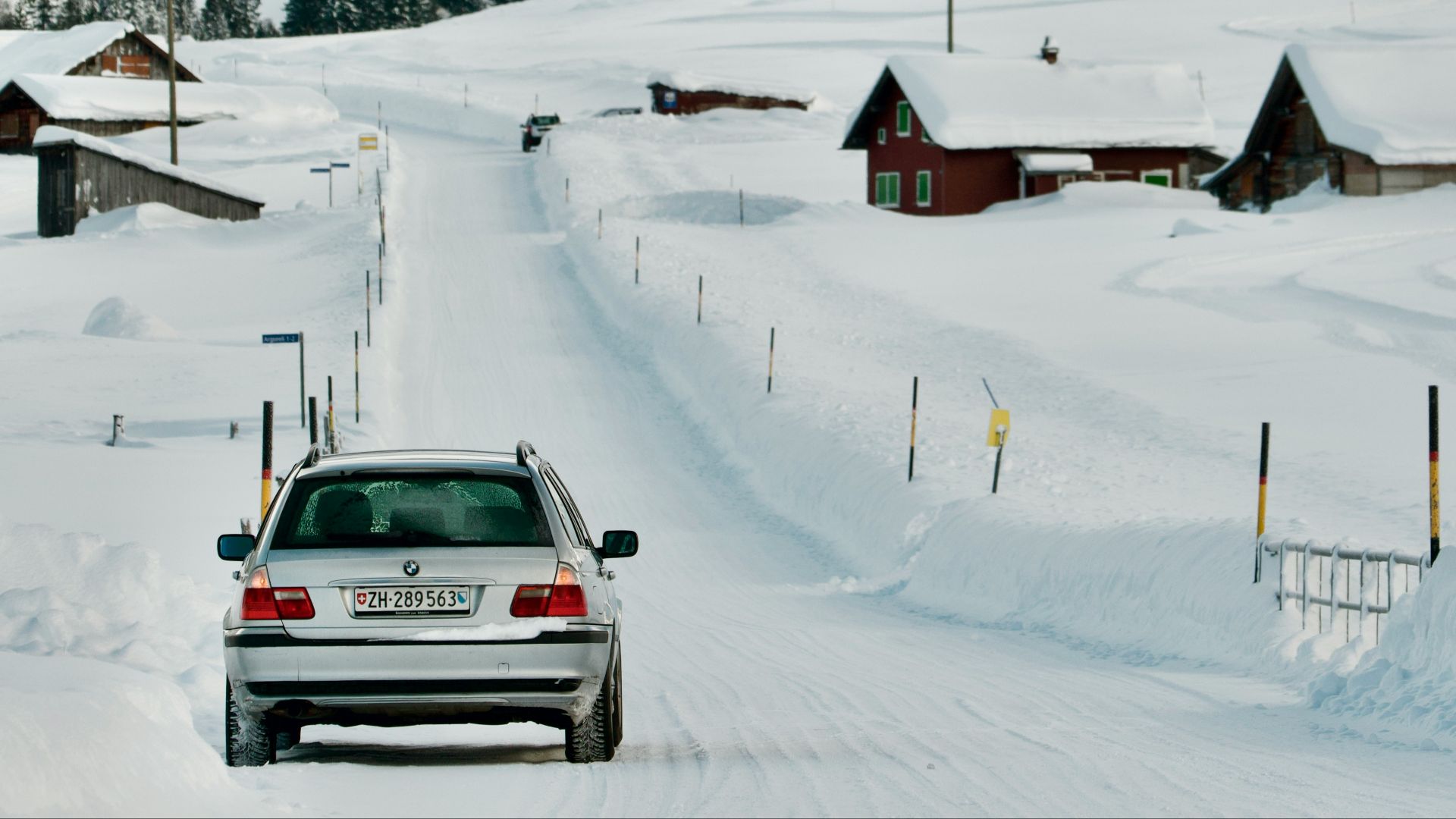
Snow, ice, and rain create planning stress and small safety concerns. Commutes take longer and feel less predictable. The brain stays on alert more often, which increases tiredness.
16. Fewer Small Rewards
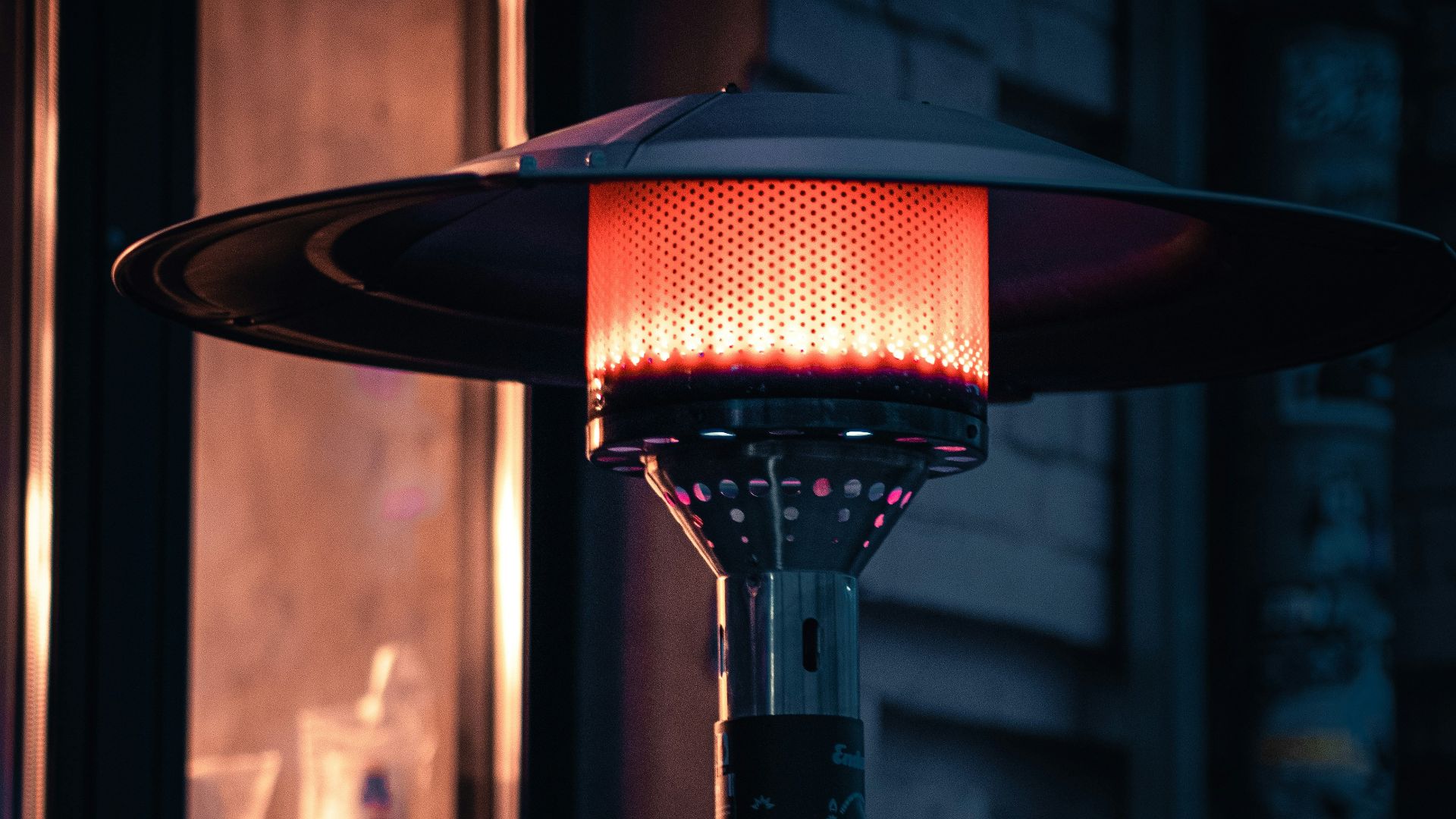
Quick outdoor pleasures like a sunny walk, a patio coffee, or an evening stroll become less available. Those small rewards help regulate mood in day-to-day life. Without them, the week can feel monotonous.

17. Gray Skies And Low Contrast Days
Overcast weather can reduce visual stimulation, which some people experience as mental dullness. Many report feeling less driven and less optimistic on long stretches of gray days. This pattern is common in self-report research on weather and mood, even if effects vary by person.

18. Holiday Schedule Whiplash
The season often includes bursts of social activity followed by sudden quiet. That change can feel like a drop in support and structure. People may feel low in January because the calendar clears and routines are still unsettled.

19. Money Pressure
Heating bills rise, travel costs increase, and gift spending can strain budgets. Financial stress is a reliable driver of anxiety and low mood. Even small budget worries can reduce sleep and increase irritability.

20. Seasonal Depression
Seasonal affective disorder is recognized as a pattern of depression with a seasonal course, often beginning in fall or winter and improving in spring. Symptoms can include low mood, low energy, increased sleep, and increased appetite, and it can meaningfully affect daily functioning. Clinical resources often discuss light therapy, psychotherapy, and medication as evidence-based treatments when symptoms are significant.