The Small Choices That Matter On The Road
Travel has a way of exposing the routines that normally run in the background. At home, you know where the water tastes right, when you usually eat, how far the walk really is, and which pharmacy is five minutes away. On the road, the same body is doing the same job, yet the inputs change: altitude, sleep, food timing, humidity, social pacing, even the shape of a hotel pillow. Small health decisions that barely register in daily life suddenly show up in your mood, your digestion, your skin, and your stamina, usually at the least convenient moment. Here are 20 health decisions you tend to notice only when you’re traveling.

1. How Much Water You Actually Drink
Airports, long drives, and walking-heavy days make hydration feel less optional than it does at home. When water intake slips, the first signs are often headache, dry lips, and that tired feeling that sleep doesn’t fix.

2. Whether You Eat At Consistent Times
Travel days turn meals into a scavenger hunt, and the gaps can get longer than you realize. Then you finally eat, and it hits too fast, or your stomach feels oddly irritated because the timing was the real issue.

3. How Much Salt You’re Getting
Restaurant meals, convenience snacks, and anything packaged for transit tends to be salt-forward. The result can be noticeable thirst, puffiness, and that slightly swollen feeling in your hands after a long day.

4. How Often You Move Your Body
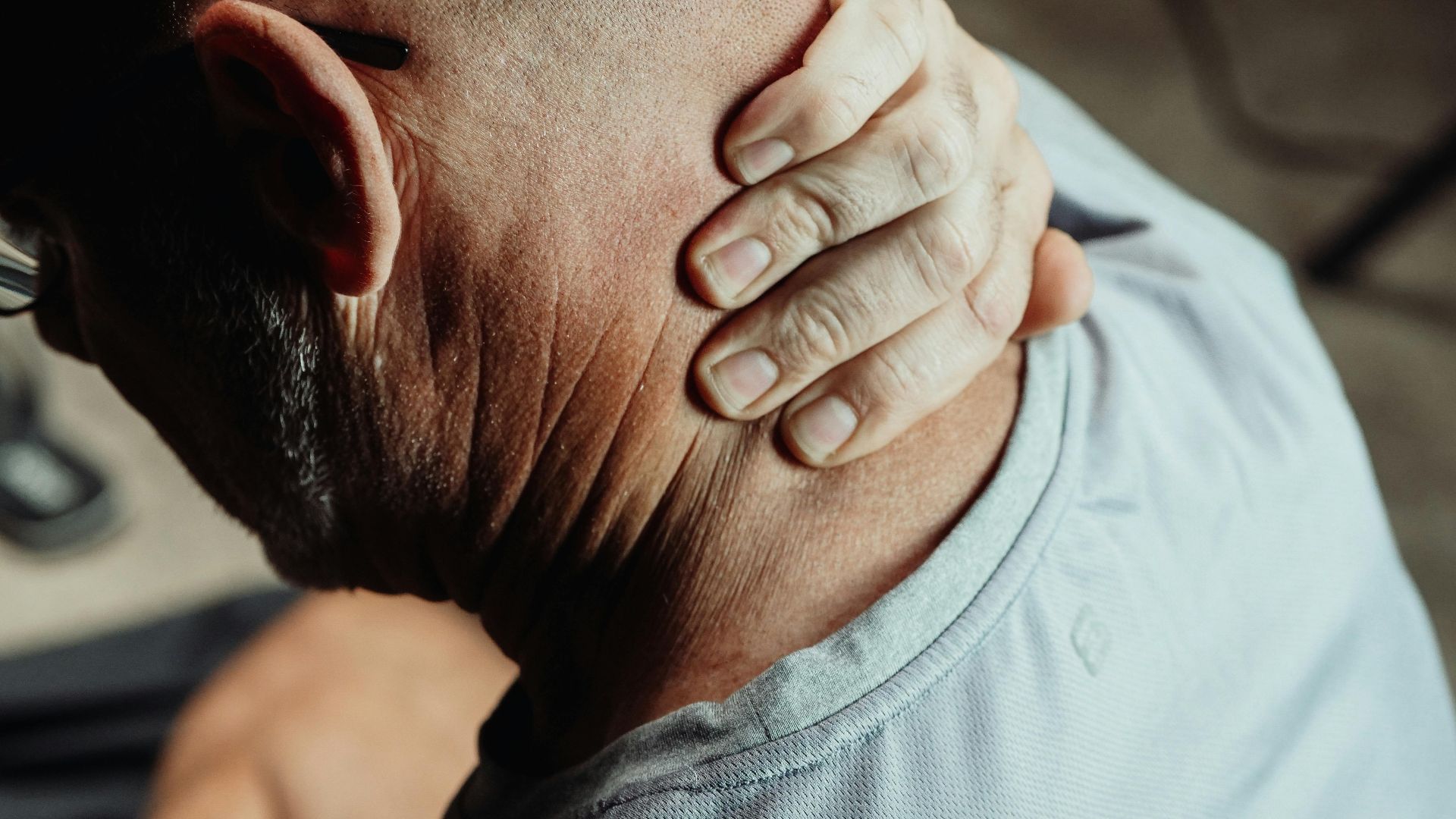
At home, movement happens without planning: stairs, errands, quick walks, small chores. On a trip, you might sit for hours, then suddenly do 18,000 steps, and both extremes can leave your body stiff and out of rhythm.
5. How Well You Sleep Without Your Normal Setup
A different mattress, unfamiliar sounds, and room temperature you don’t control can change sleep quality fast. Even when you get enough hours, the sleep can feel lighter, which shows up the next day as irritability and slower focus.

6. How Much Alcohol Actually Affects You
A drink that feels normal at home can hit differently when you’re dehydrated, sleep-deprived, or at altitude. The next morning can feel harsher, and it’s often the context, not the amount, that made the difference.

7. Whether You’re Getting Enough Fiber
Travel food leans toward bread, cheese, and quick snacks, and fiber is the first thing to quietly disappear. A few days later, you notice it in the most obvious way, and suddenly you’re scanning menus like it’s a medical mission.
8. How Often You Wash Your Hands
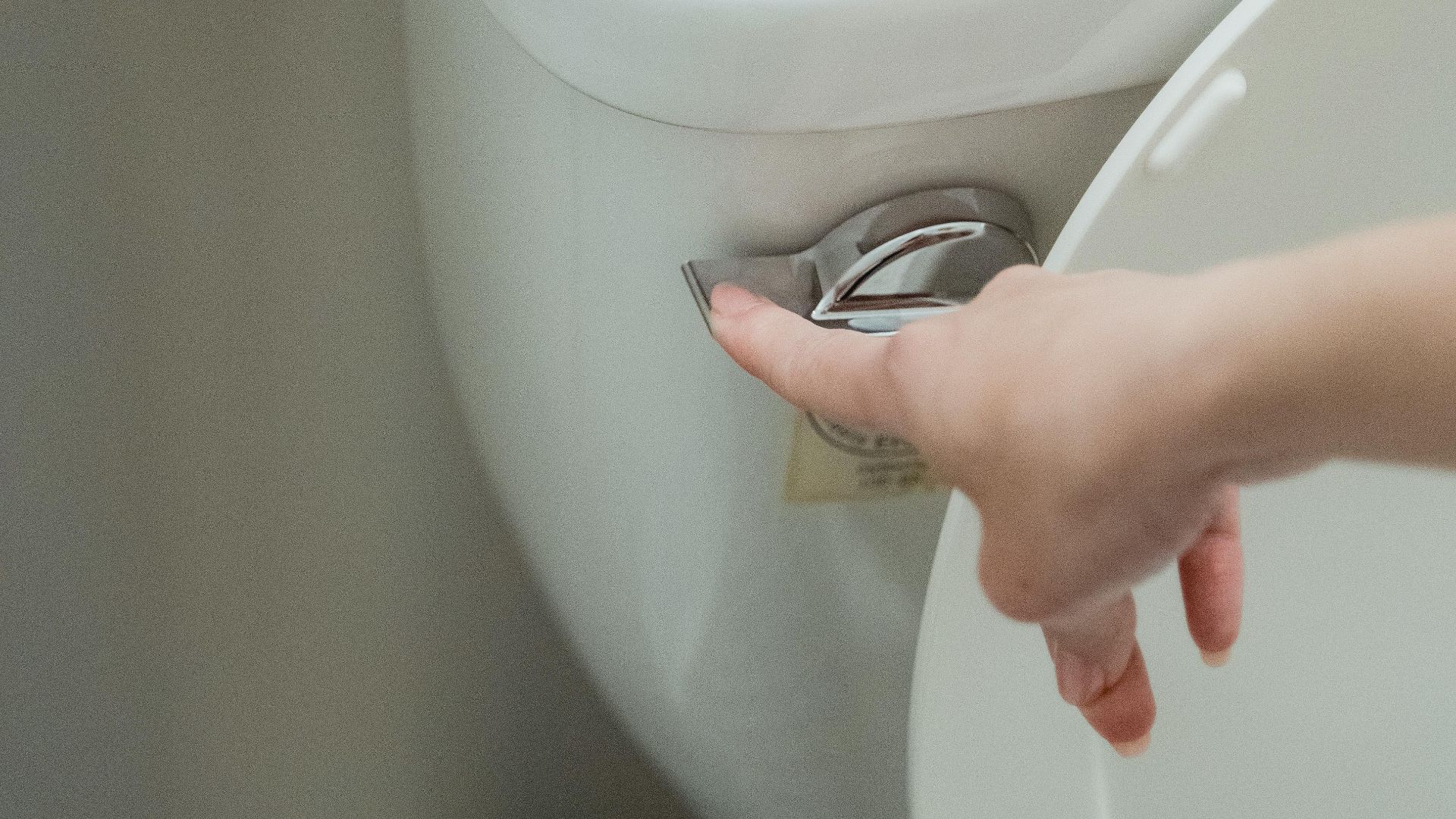
New environments mean new surfaces, from railings to kiosks to seatback trays. When handwashing slips, you notice it because everyone around you is coughing, and you start feeling aware of every snack you touch.

9. Whether You Carry Basic Meds
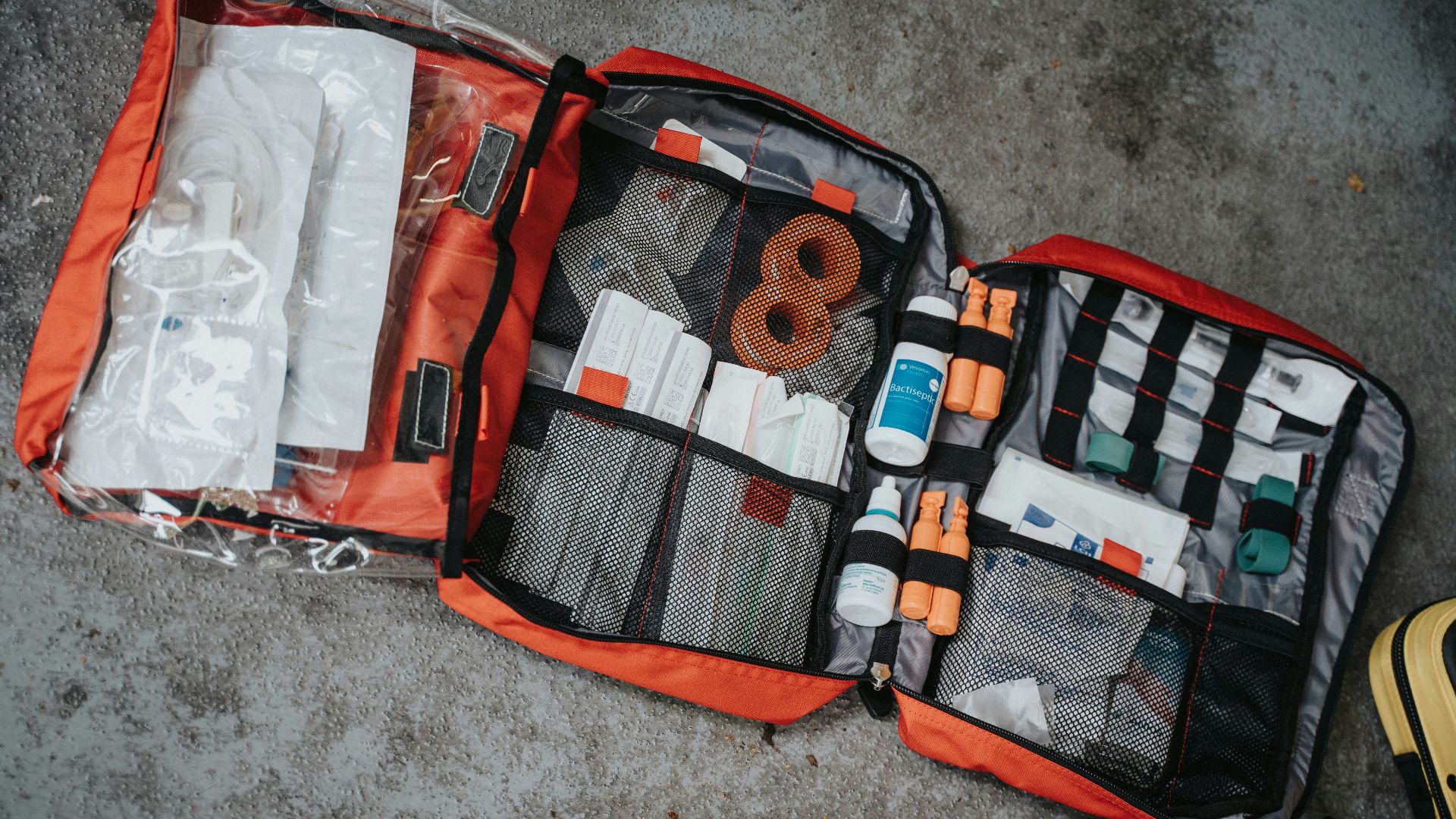
At home, pain relievers, allergy meds, and stomach remedies are usually within reach. On the road, not having them turns a small headache or mild nausea into a problem that takes up the whole afternoon.
 Mathurin NAPOLY / matnapo on Unsplash
10. How Much Sun You’re Getting
Vacation sun is sneaky because it arrives with a good mood and a lot of outdoor time. A mild burn can show up later as fatigue and poor sleep, and then the rest of the trip feels slightly harder than it should.

11. How You Handle Caffeine
Coffee becomes a tool for early flights and late dinners, and that can push your intake past your usual line. Then you’re tired and wired at the same time, and sleep turns into shallow, stop-and-start rest.

12. Whether You’re Breathing Dry Air All Day
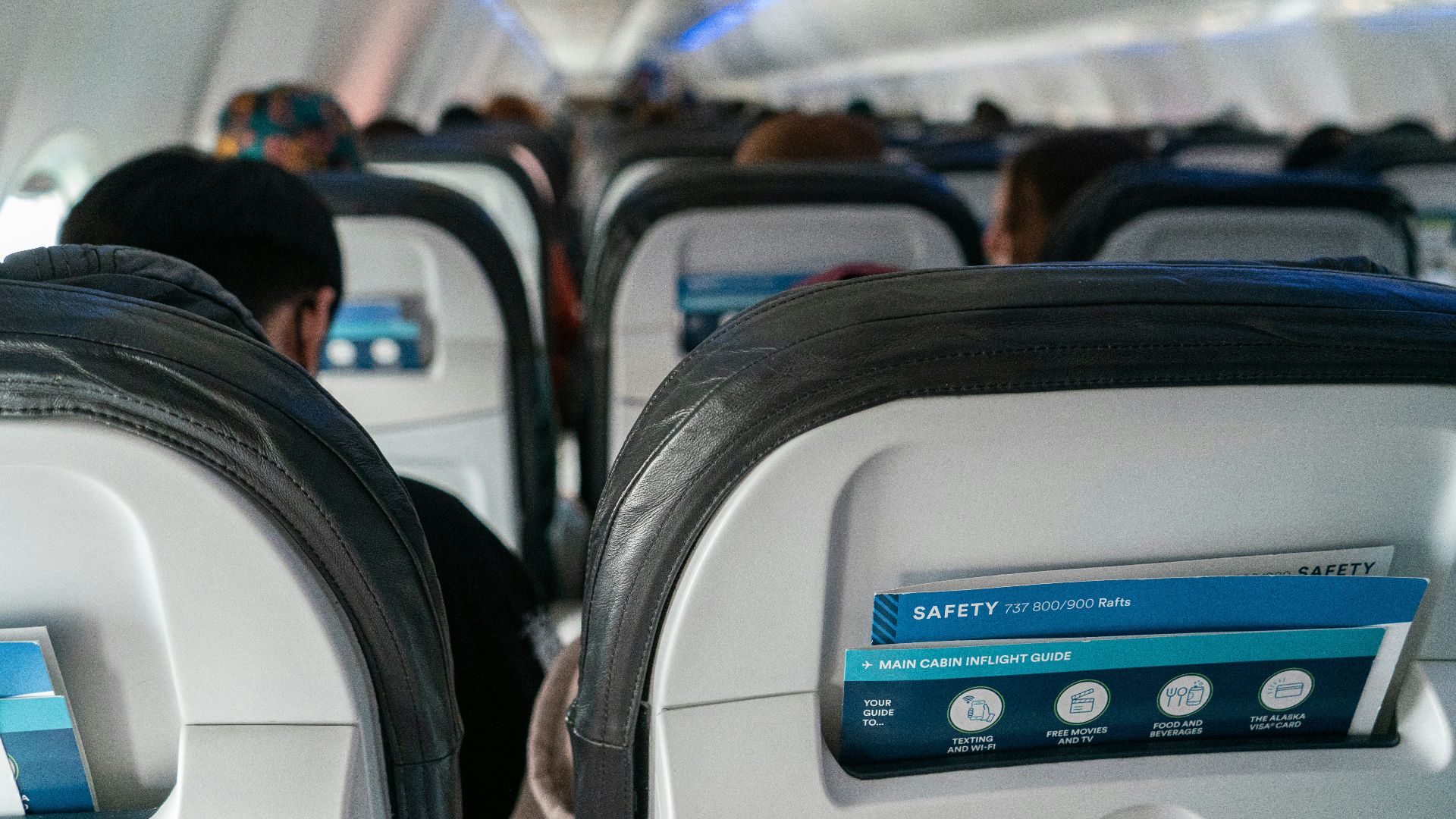
Planes and some hotel rooms can dry you out in a way you don’t notice until your throat feels scratchy or your skin feels tight. Hydration helps, but so does remembering that your body is losing moisture even when you’re not sweating.
13. How Your Body Reacts To Dairy
At home, you know your tolerance and your usual portions, even if you don’t think about it. On a trip, dairy can show up in breakfasts, sauces, and desserts more often, and you notice the change in bloating or sluggishness.

14. How Much You’re Sitting In One Position
Long flights and road trips make stiffness show up in hips, calves, and lower back. Even a short stretch break can change how you feel by the time you arrive, which is a good reminder of how much posture matters.

15. Whether You’re Pushing Through Illness
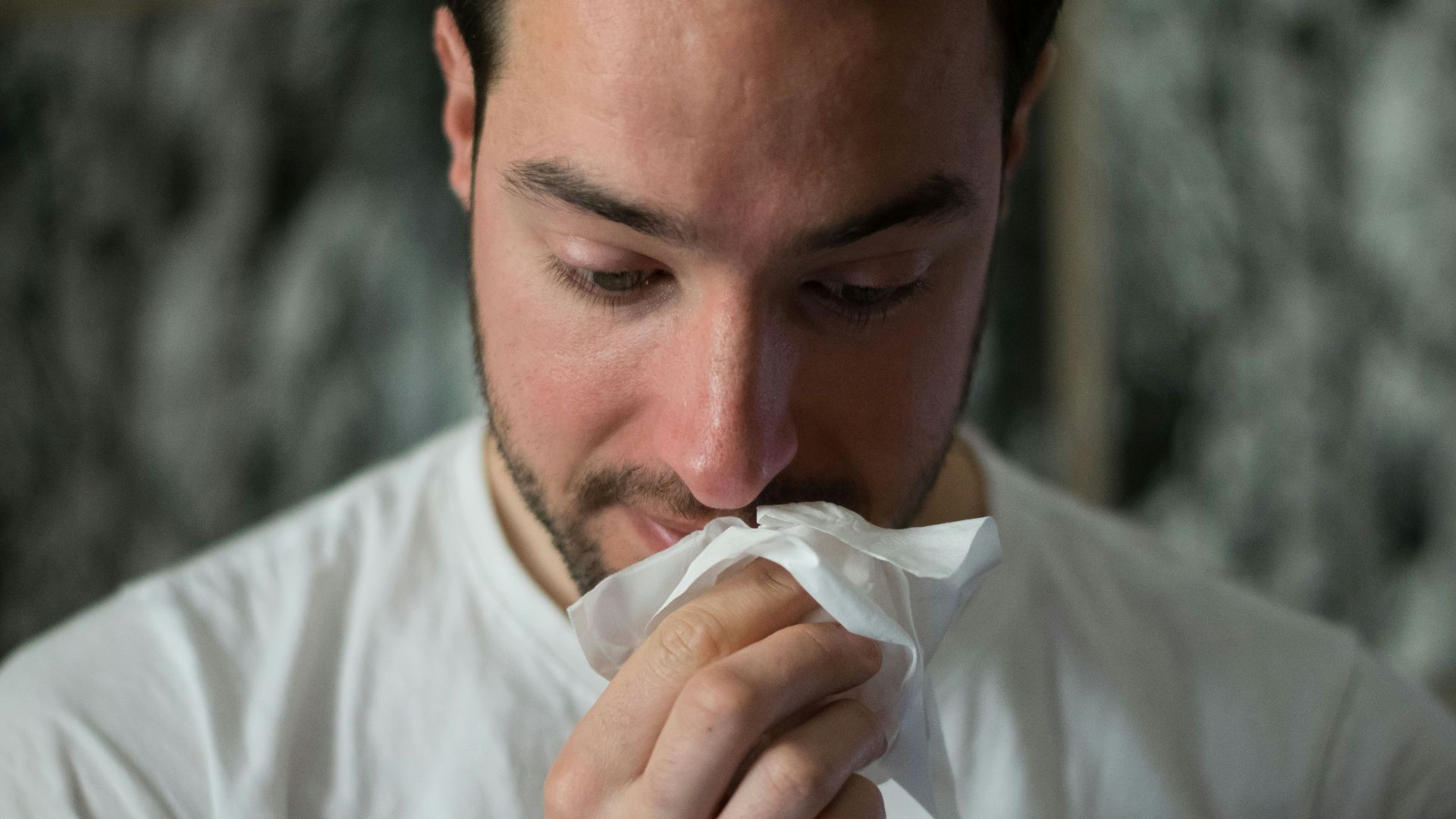
Travel can create pressure to power through a sore throat or a low-grade fever because plans feel expensive and limited. That decision often shows up later as a longer recovery, plus the unpleasant awareness of how contagious a crowded itinerary can be.
16. How You Manage Motion Sickness
Some people never think about it until a ferry ride, winding roads, or a small plane makes it unavoidable. Having ginger chews, medication, or a simple plan for where to sit can change the whole day.

17. Whether You’re Wearing The Right Shoes
At home, you usually stop walking before shoes become a serious problem. On a trip, the wrong pair turns into blisters, knee aches, and a constant low-level annoyance that makes everything feel longer.

18. How You Handle Stress In New Places
Travel stress isn’t always dramatic, it can be small and constant: navigating, crowds, language gaps, and timing. When stress stays elevated, you notice it in digestion, sleep, and that short-tempered edge you didn’t have before the trip.

19. How You Store And Time Medications
Time zones, disrupted meals, and busy days make it easier to miss a dose or take it at the wrong time. Even minor timing shifts can be noticeable, especially for medications that depend on consistency.

20. Whether You Let Yourself Rest
Trips can turn into performance, with early mornings and packed schedules because nobody wants to waste time. Skipping rest shows up as soreness, mood dips, and that foggy feeling that makes even beautiful places feel less enjoyable.

KEEP ON READING