
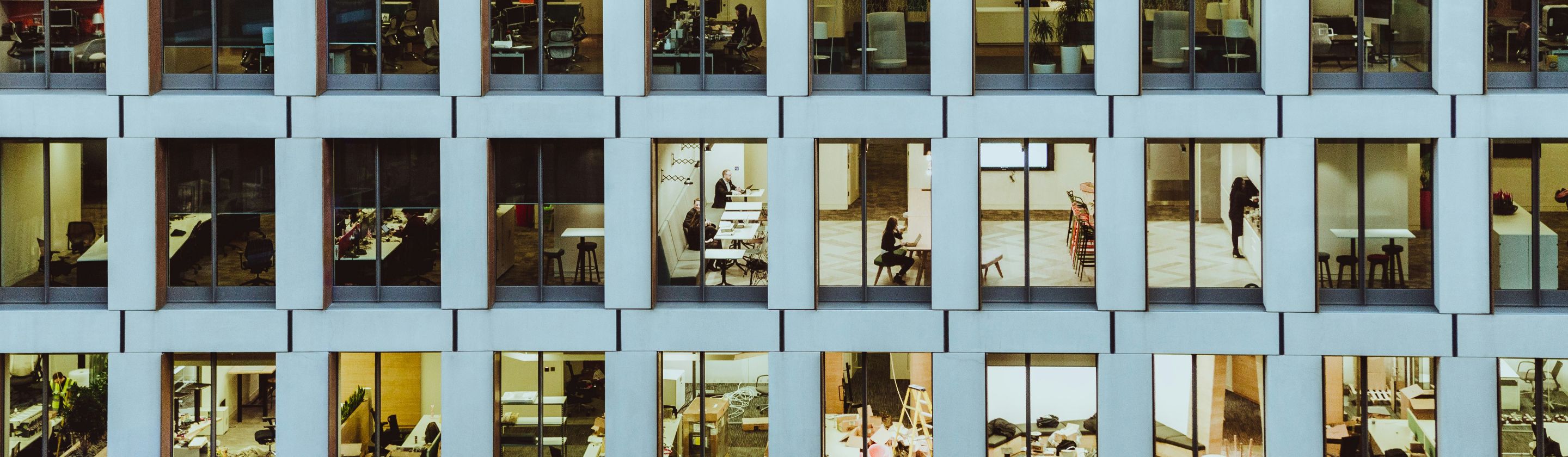
Small Changes, Big Impact
Modern buildings can look sleek and still feel like something is always a little off in the background. Sometimes it is obvious, like headaches in a windowless office, and sometimes it is the slow grind of bad sleep and constant low-grade stress. Building science has gotten better at identifying the culprits, from indoor air pollution to noise to moisture, and public health agencies have been blunt that indoor environments matter because most people spend most of their time inside. The good news is that many fixes are not exotic, and they show up in credible guidance from groups like the EPA and the CDC, plus widely used standards that architects and engineers already know. Here are 10 common ways buildings can make people feel worse, and 10 practical design fixes that tend to work.
 Proxyclick Visitor Management System on Unsplash
1. Stale Air That Keeps Pollutants Trapped
In under-ventilated spaces, carbon dioxide can climb and odors linger, and the room starts feeling sleepy even when everyone is trying to focus. The EPA has long warned that indoor air can be more polluted than outdoor air, especially when ventilation is poor and sources are constant.
2. Dampness That Fuels Mold
Moisture is the quiet problem that turns drywall, carpet, and ceiling tiles into a biology experiment. The CDC links damp buildings with respiratory symptoms and asthma, and the worst part is that the smell often shows up after the exposure has already been happening.

3. Off-Gassing From Building Materials And Furniture
New paint, flooring, composite wood, and some adhesives can release volatile organic compounds that irritate eyes and airways. That sharp new-building smell is not just aesthetic, and sensitive people often notice it as headaches or throat irritation.

4. Poor Filtration That Lets Fine Particles Circulate
Even when a building moves air, it may not clean it well, which matters because fine particulate pollution is associated with cardiovascular and respiratory harm. Cooking, candles, printers, outdoor smoke, and even busy roads nearby can all contribute to particles that hang around indoors.
 Stanislav Staritsyn on Unsplash
5. Lighting That Fights Human Sleep Rhythms
Bright, cool light late in the day can push the brain toward alertness when the body wants to wind down. Sleep researchers have documented how light exposure affects circadian timing, and it is easy to feel the mismatch in buildings that treat every hour like noon.

6. Noise That Never Fully Stops
A steady hum from mechanical systems, hallway chatter, and street noise can keep the nervous system slightly activated. Chronic noise exposure is tied to stress responses, and even when it does not wake you fully, it can fragment sleep and leave you tired.

7. Thermal Swings That Leave People In A Constant Micro-Battle
Offices that blast cold air or apartments that trap heat create discomfort that becomes a daily drain. Temperature and humidity affect perceived air quality, and a space that cannot hold steady can feel unhealthy even if the air is technically clean.

8. Dry Air That Irritates Eyes And Throat
Overheated winter air often drops humidity to levels that make eyes sting and skin crack, especially in sealed buildings. Dryness also makes some people more prone to upper respiratory irritation, and it can turn normal workdays into a constant search for water and eyedrops.

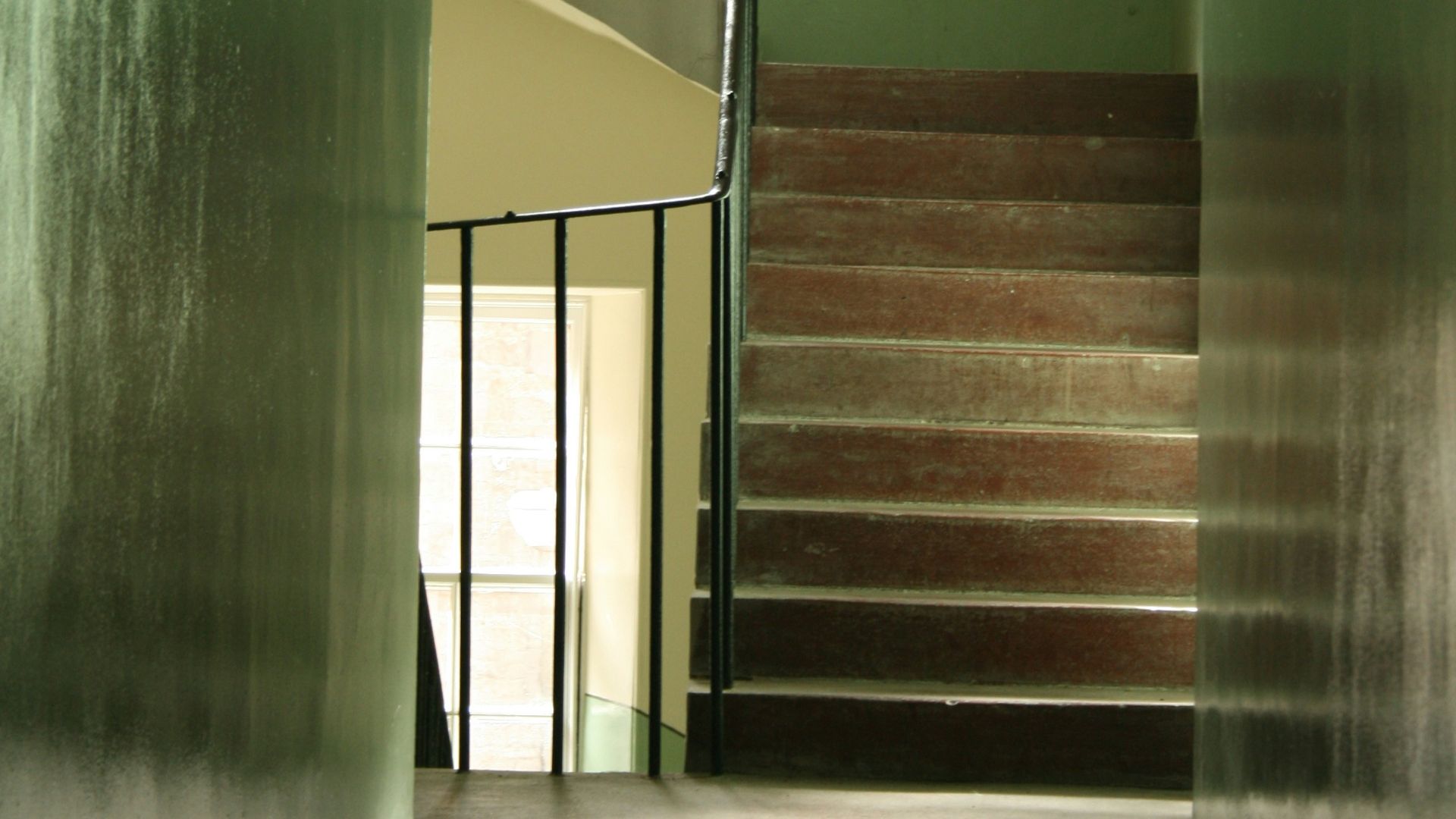
9. Layouts That Promote Sedentary, Isolated Habits
When stairs are hidden, walking routes are awkward, and communal spaces are uninviting, movement and casual social contact decline. Public health research consistently connects physical activity with better health, and building design quietly shapes whether movement feels natural or like an extra chore.
10. Maintenance Blind Spots
A clogged drain pan, a leaky roof corner, or a neglected filter can turn a decent building into a problem building. The sick-building stories people tell often start with something boring that nobody owned until symptoms forced attention.
A good building can look modern and still behave like a healthy habitat, and the fixes are often more about priorities than miracles. Here are ten examples.

1. Increase Outdoor Air Ventilation Where It Is Feasible
Bringing in more outdoor air, especially during occupied hours, dilutes indoor pollutants and can reduce stuffiness. Many building codes and engineering guides already address ventilation rates, and even modest improvements can be felt quickly.
 Andrianto Cahyono Putro on Unsplash
2. Control Moisture At The Source With Real Drainage
Design roofs, flashing, and foundations so water has a clear way out, and make it easy for wet materials to dry. The CDC’s guidance on mold prevention emphasizes fixing leaks and drying quickly, which is design and operations working together.
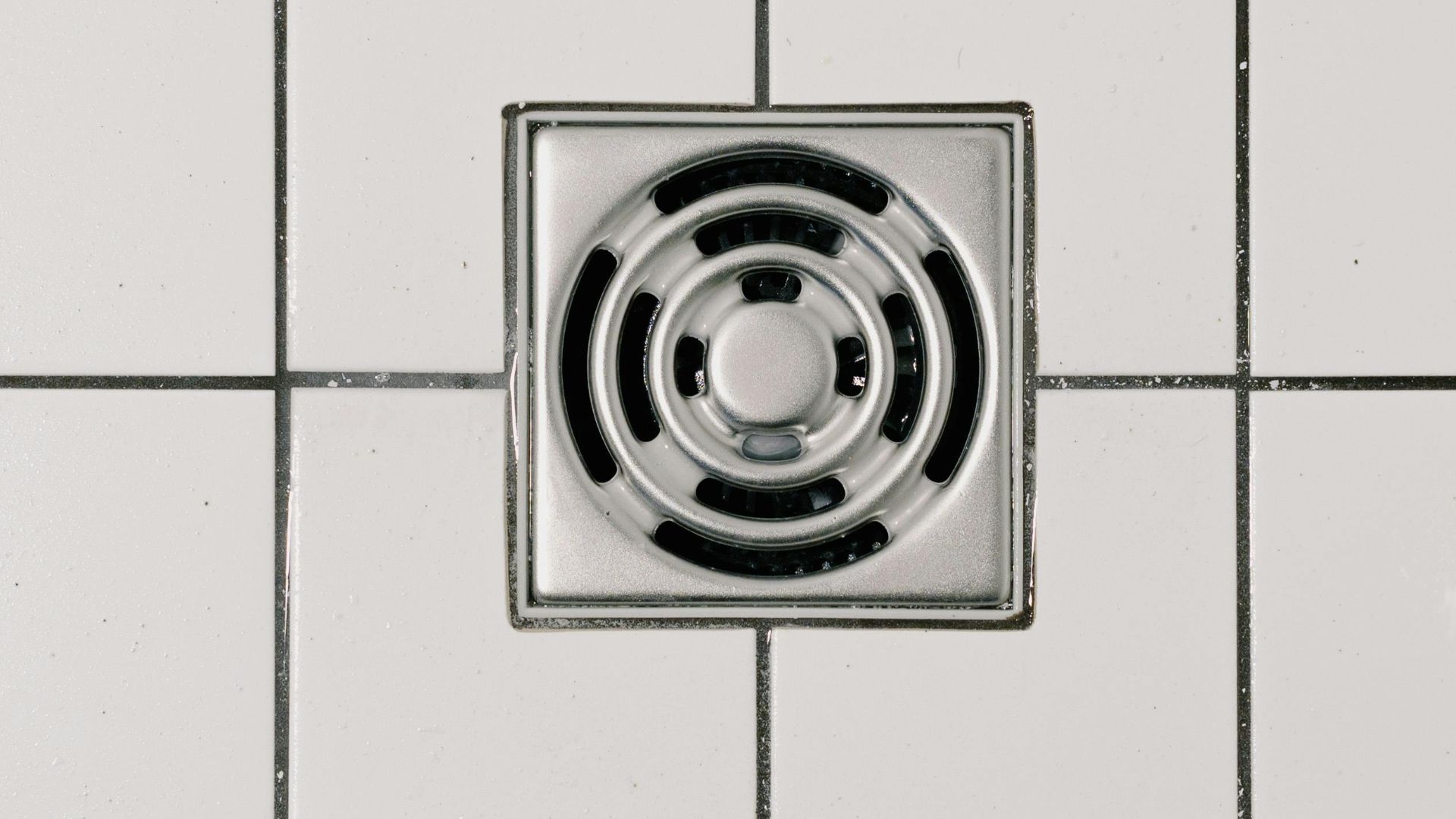
3. Specify Low-Emitting Materials And Allow For A Flush-Out Period
Low-VOC paints, adhesives, and finishes reduce exposure from the start, and they are widely available now. Planning a ventilation flush-out before full occupancy can also help, especially in schools and offices where people arrive all at once.

4. Upgrade Filtration And Make Filters Easy To Access
Better filtration reduces fine particles, and it matters during wildfire smoke seasons and heavy pollen periods, not just on normal days. The design detail that gets overlooked is access, because filters that are annoying to change will be changed late.
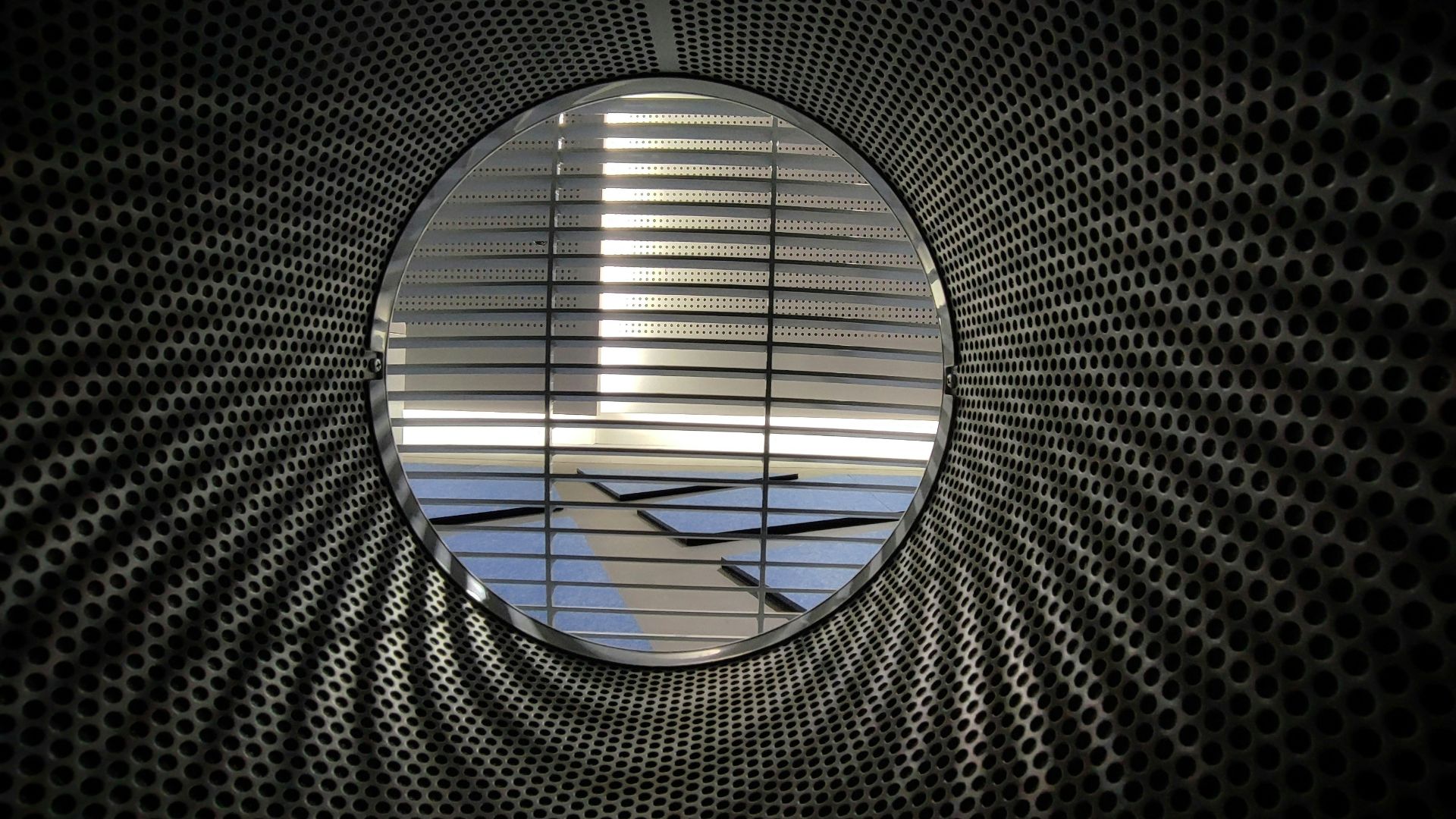
5. Use Daylight Well And Add Lighting
Daylight helps people feel oriented, and it reduces the sense of living under a lid. Tunable or warmer evening lighting supports healthier sleep rhythms, and it can be done without turning spaces into dim caves.

6. Design For Quiet With Real Acoustic Strategy
Sound control works best when it is layered, with absorption, isolation, and thoughtful placement of noisy equipment. Quieter HVAC design and better door seals can change a space from tense to calm without anyone noticing why.
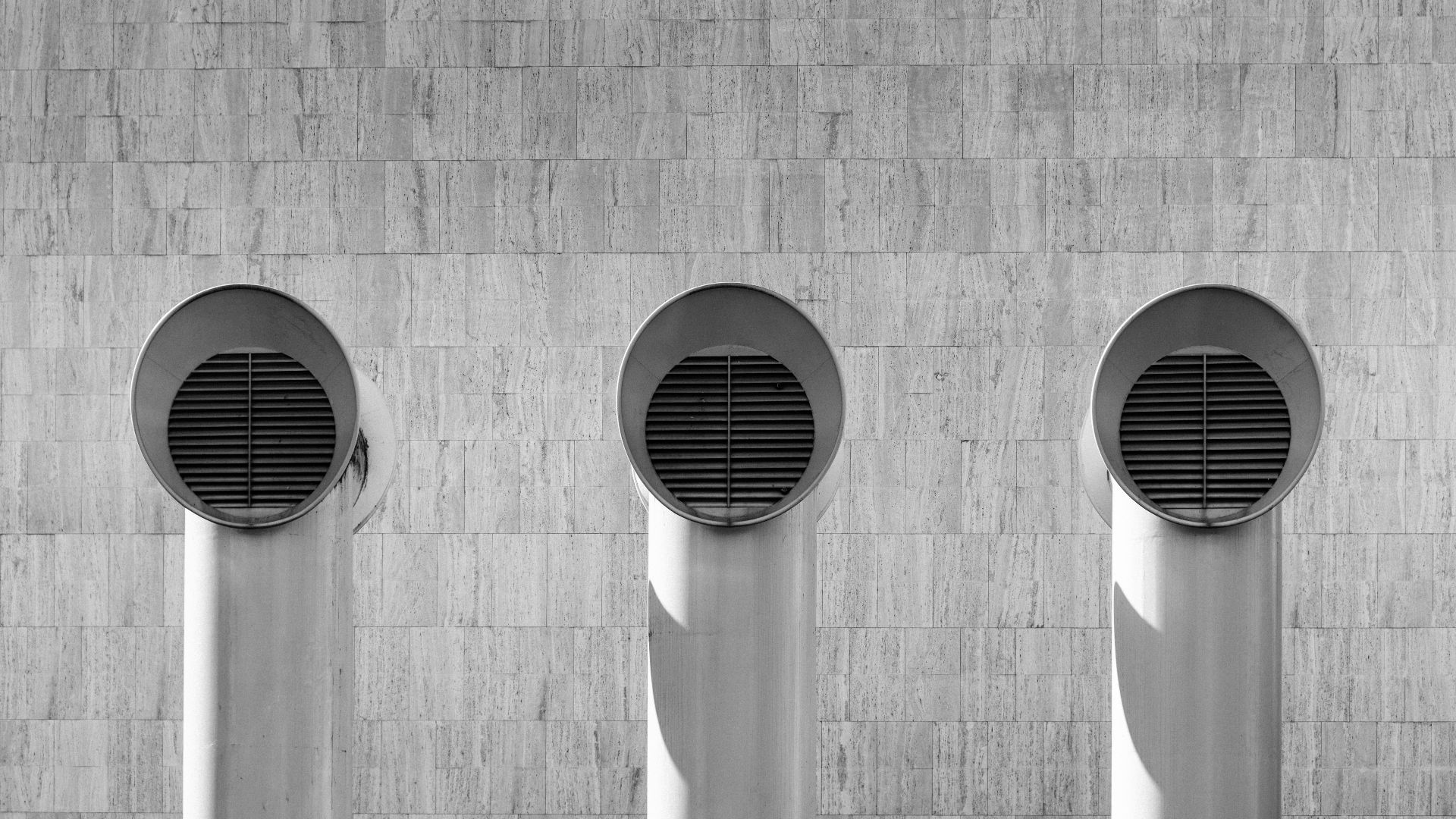
7. Build Thermal Stability Into The Envelope
Better insulation, good windows, and shade reduce extreme swings and make mechanical systems work less aggressively. People usually read comfort as health, and a stable indoor climate reduces the daily stress of feeling too hot or too cold.
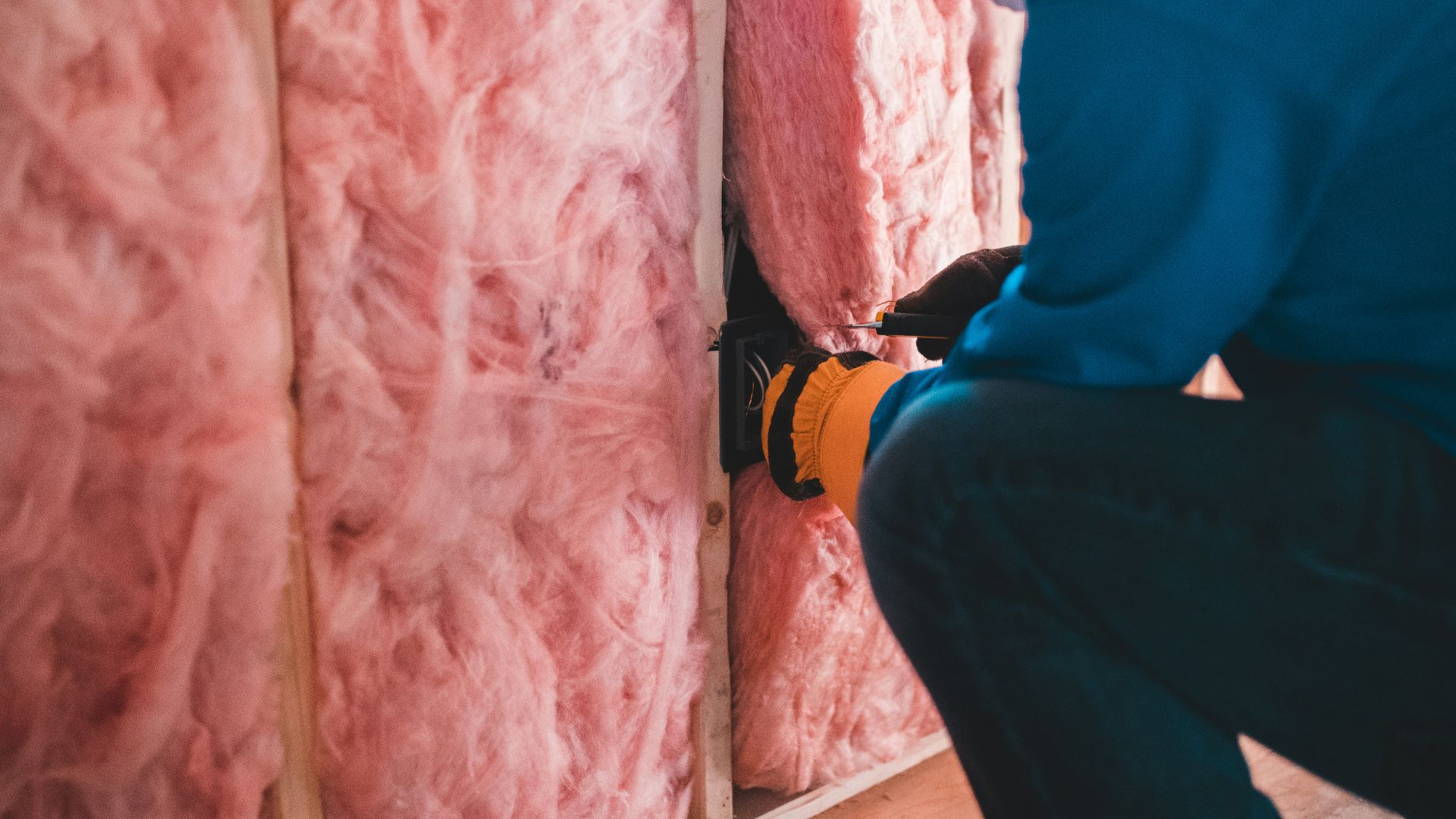
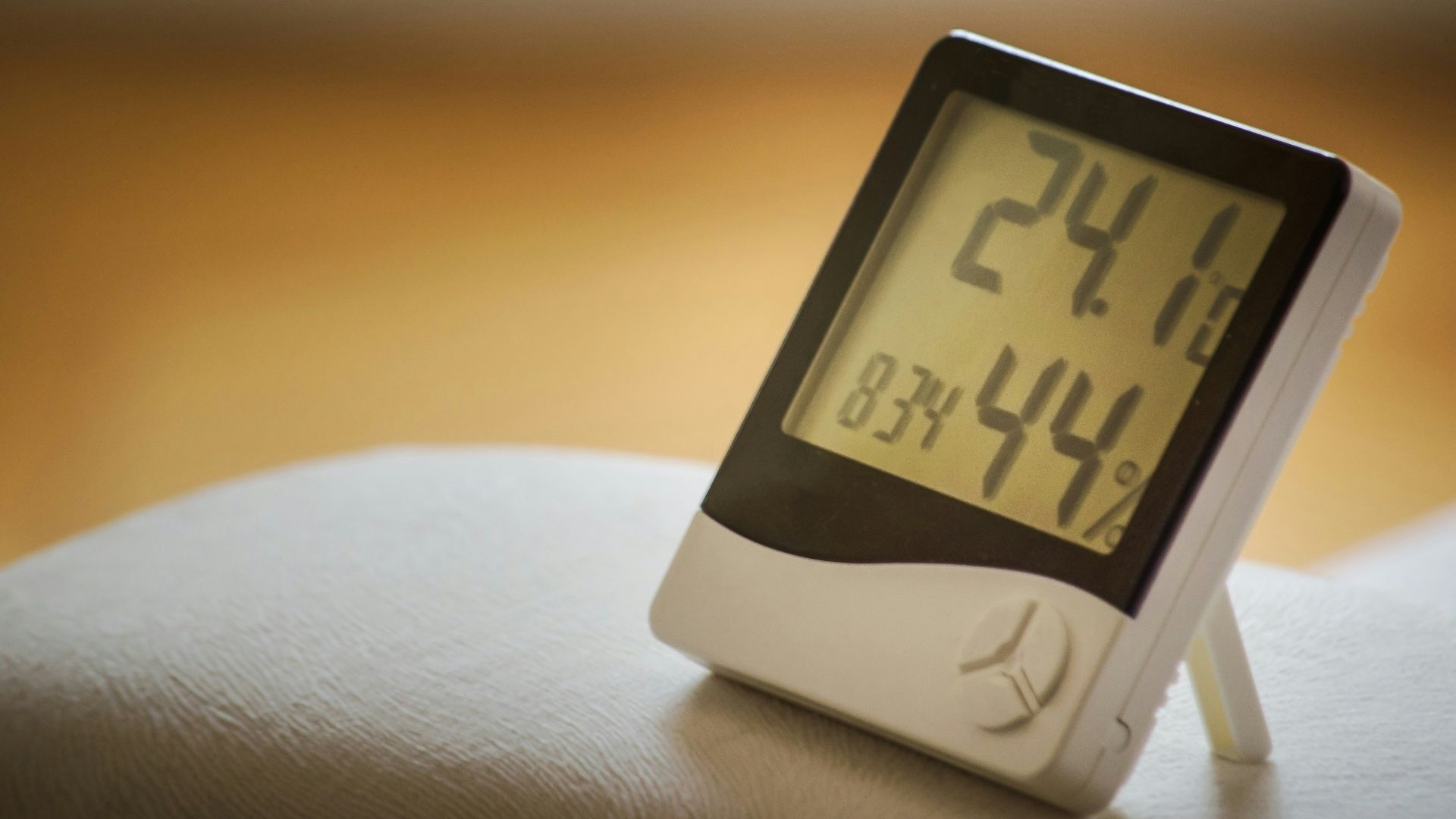
8. Keep Humidity In A Healthy Middle Range
Humidification in cold climates and dehumidification in humid climates can prevent a lot of irritation and mold risk. It works best when sensors are accurate and systems are maintained, because extremes on either side cause their own problems.
9. Put Stairs Where People Can Actually See Them
Visible, pleasant stairs are an old trick that still works, because humans use what feels easy and normal. Even in small buildings, a stair that is well-lit and placed on the main path can nudge movement without a single motivational poster.

10. Design For Maintenance Like It Is Part Of Health
Give crews access panels, clear drainage routes, and equipment layouts that do not require heroics to service. A building stays healthy when the boring work stays easy, and that is a design choice as much as an operations choice.

KEEP ON READING



20 Natural Ways You Can Boost Your Immune System

20 Ways To De-stress & Relax After Work

The 10 Most Common Diseases & The 10 Most Rare