Move Like An Olympian
The Olympics are always a blast to watch, but after 3 hours on the couch, you start to feel a little antsy. You’re not the only one; over 28.5 million people watched the 2026 Opening Ceremony, leading into a two-week stint of non-stop TV time. Those marathons are fun, but they’re also incredibly sedentary. You can keep the action on the screen and still give your body regular reasons to stand, breathe a little deeper, and keep joints from tightening up. Use the 20 watch habits below as simple cues tied to ads, replays, and familiar broadcast rhythms.
1. Ninety-Second Commercial Circuit
When ads hit, do 30 seconds of jumping jacks, then wall push-ups, then calf raises, moving the whole time. Keep it light and repeatable, since the point is stacking small bursts across the session. If jumping feels bad on the joints, brisk marching with active arms still gets the job done.
2. March-Squat-Lunge Ladder
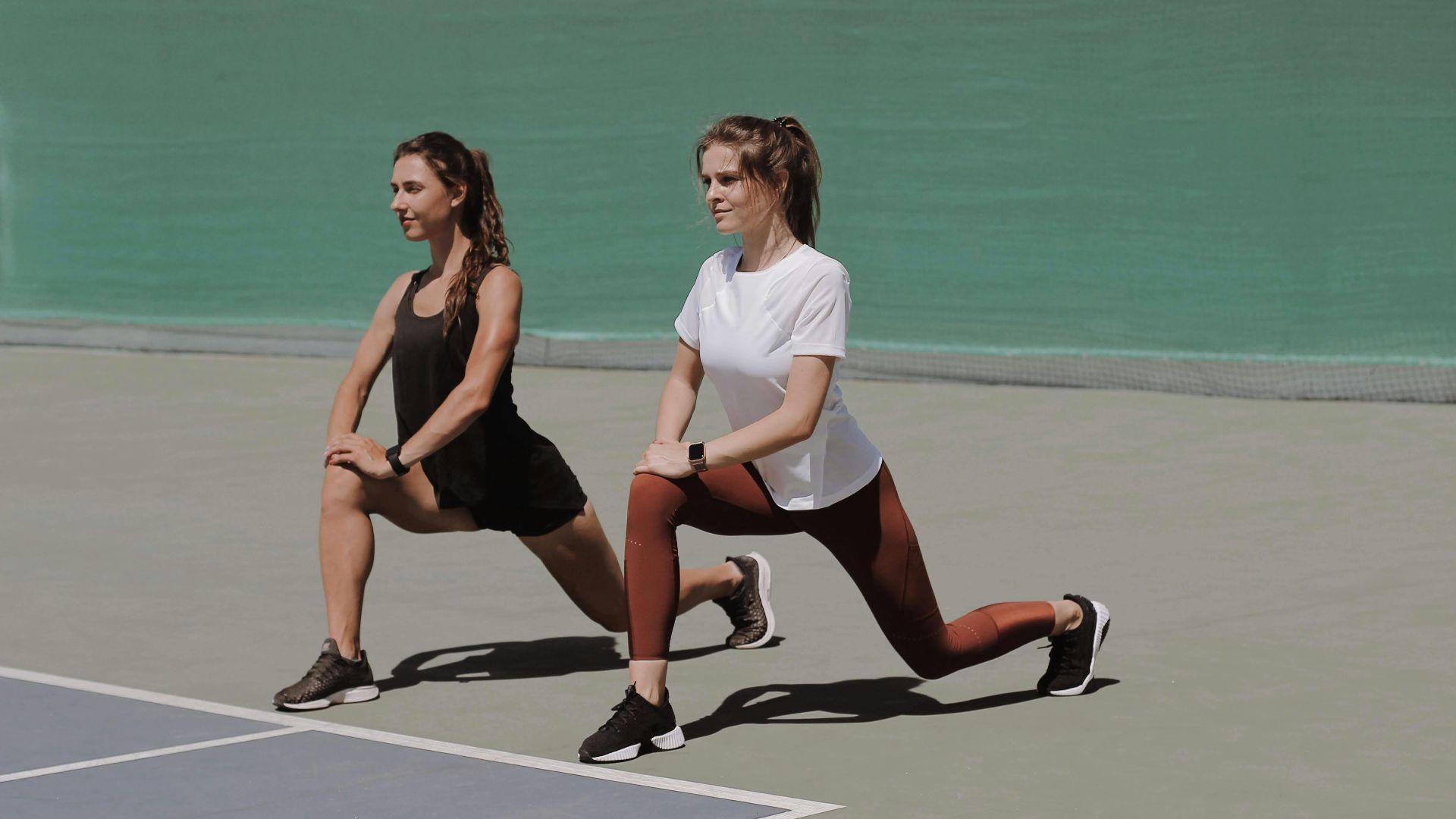
Start each break with marching in place, then do squats, then reverse lunges, and add one rep the next time the commercials return. That tiny progression adds up fast when you’re watching multiple events.
3. Shoulders-First Reset
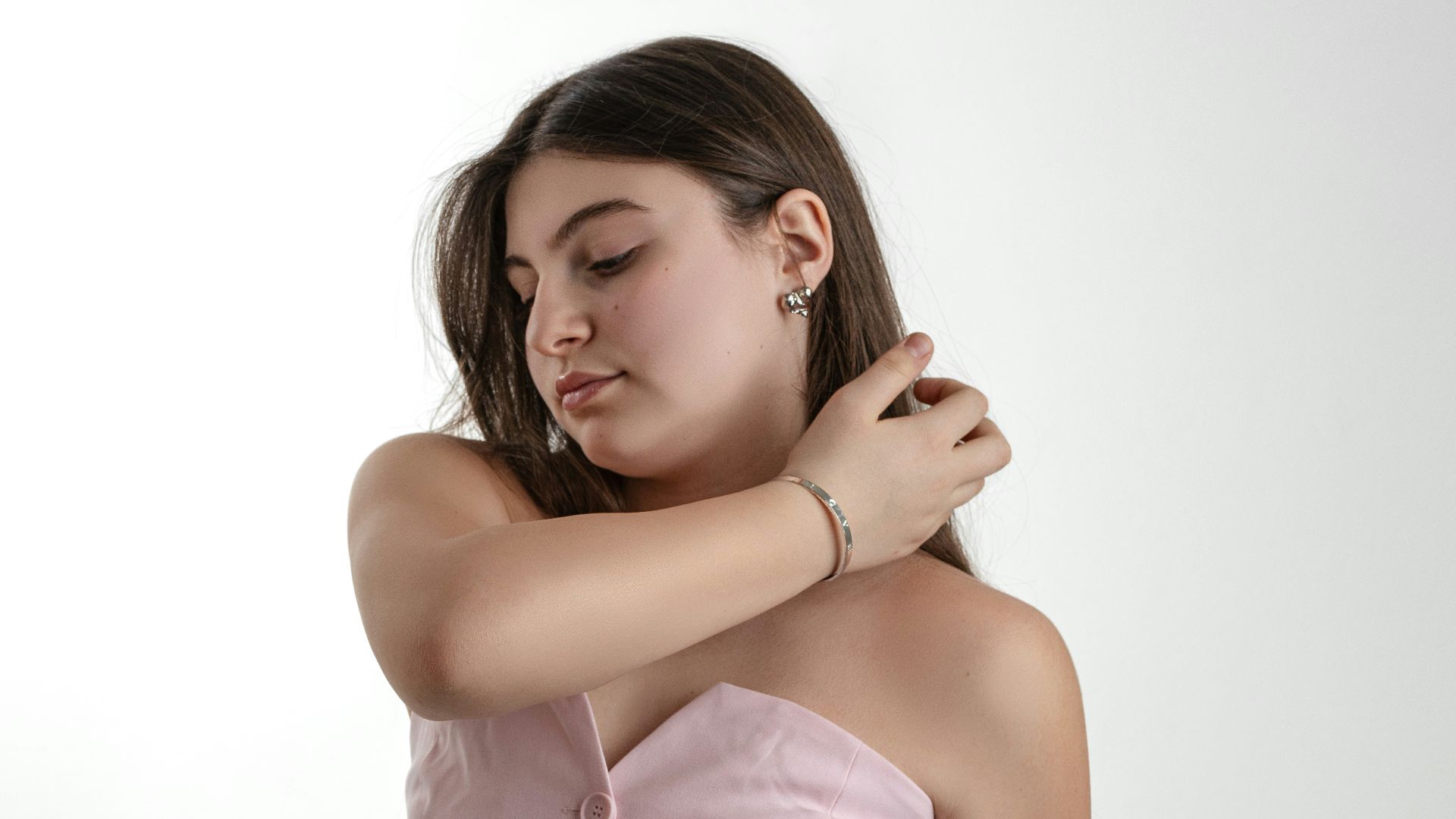
Use a short ad block for slow arm circles and shoulder rolls, switching directions halfway through. Follow with a few shoulder taps against the couch or a countertop to wake up the upper back.
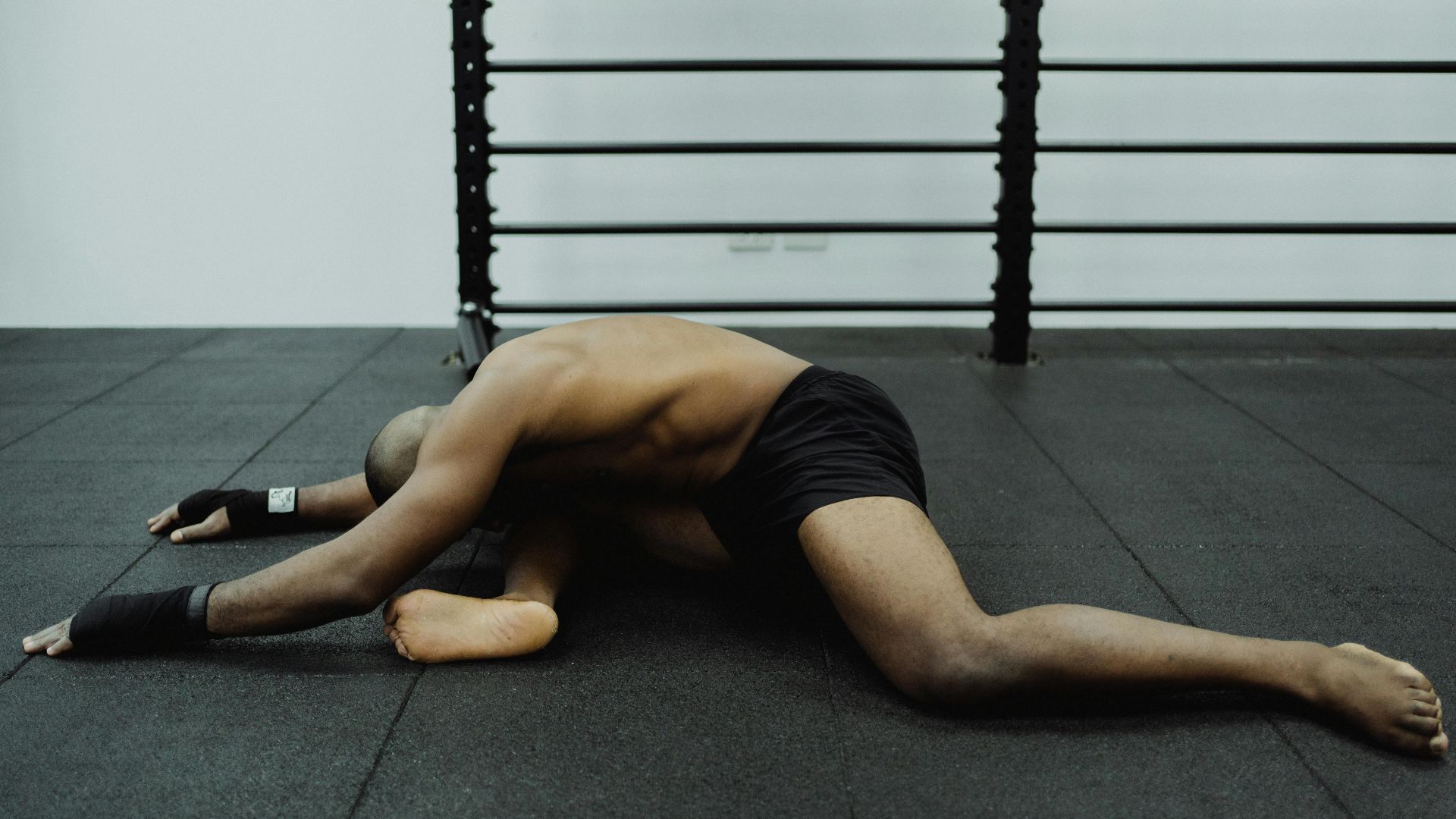
 Zaven Baghdasaryan on Unsplash
4. Core Rotation Minute
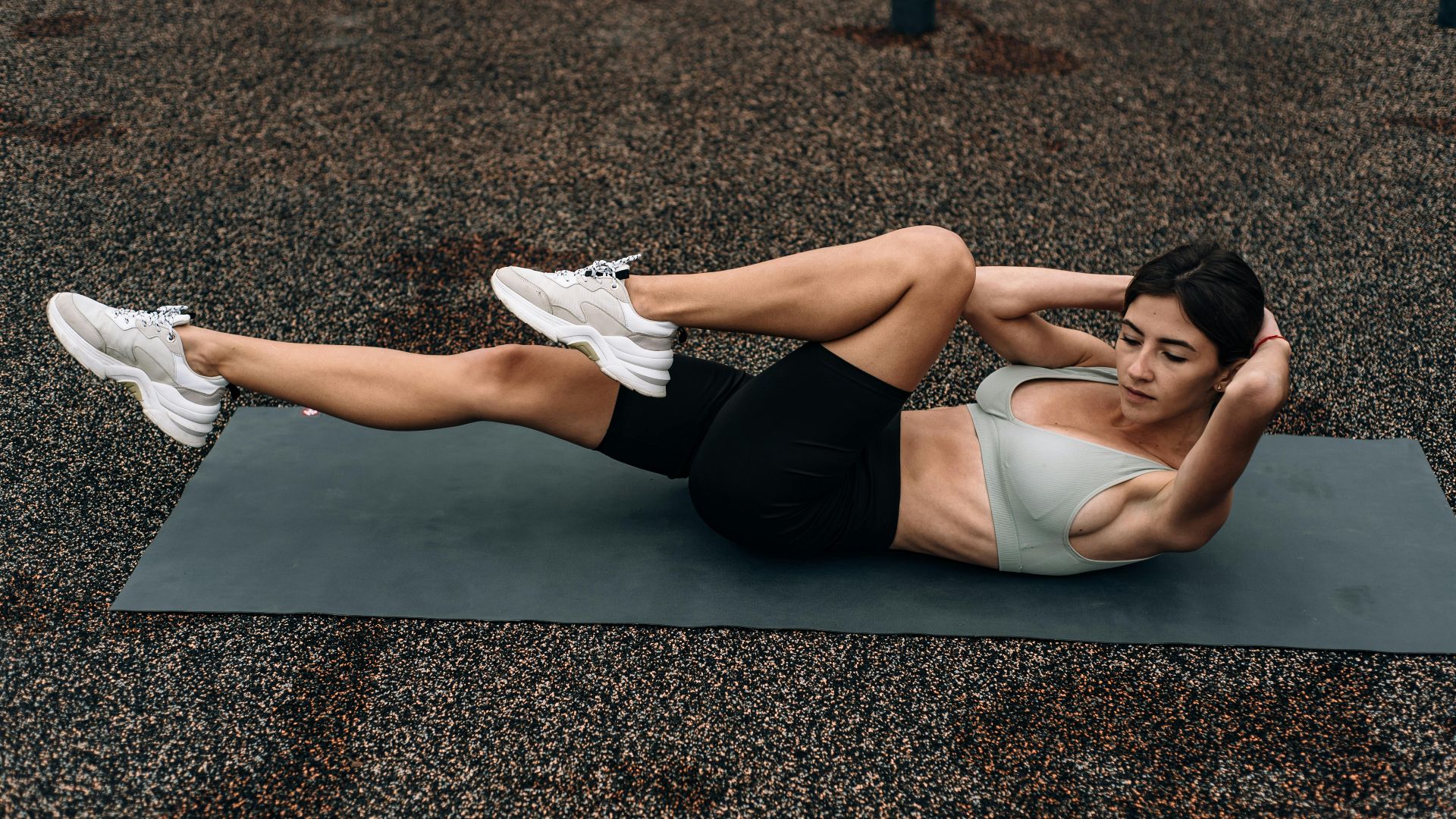
Drop to the floor for Russian twists with your feet down, then finish with a controlled set of bicycle crunches. Keep your breathing steady so your core works without your neck getting cranky. If the floor feels cold, keep a folded blanket or a yoga mat at the ready.
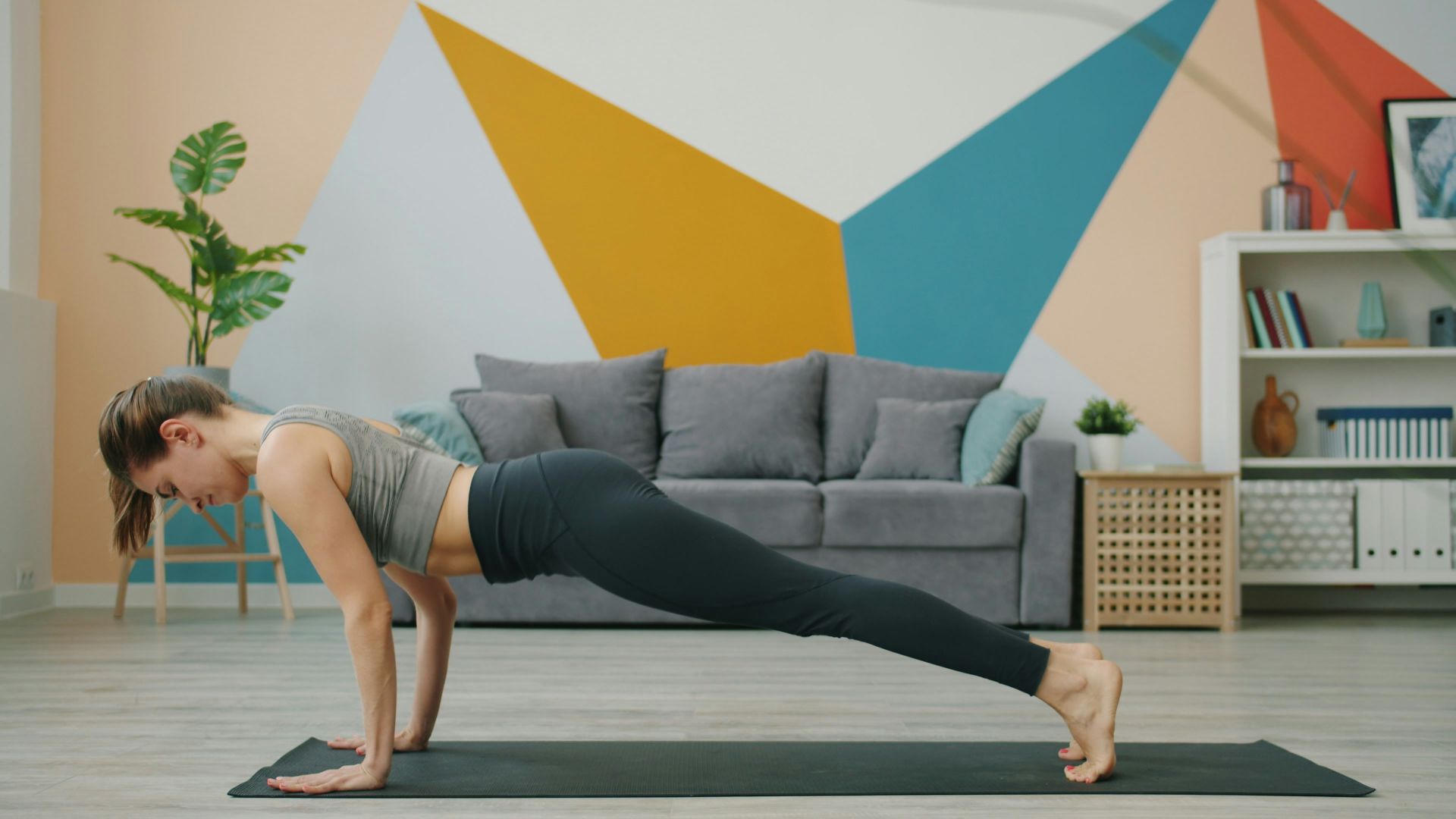
5. Plank On The Luge Cue
Pick one recurring ad and hold a plank for its full length, using knees-down if needed. When longer clips show up during commercials, treat them as your reminder to stay braced and calm.
6. Interview Balance Holds
During athlete interviews, stand near the couch and balance on one leg with your hips level. Switch sides when the camera cuts so the work stays even. This is also a good time to notice whether you’re clenching your jaw and let it relax.
 Christophe Hautier on Unsplash
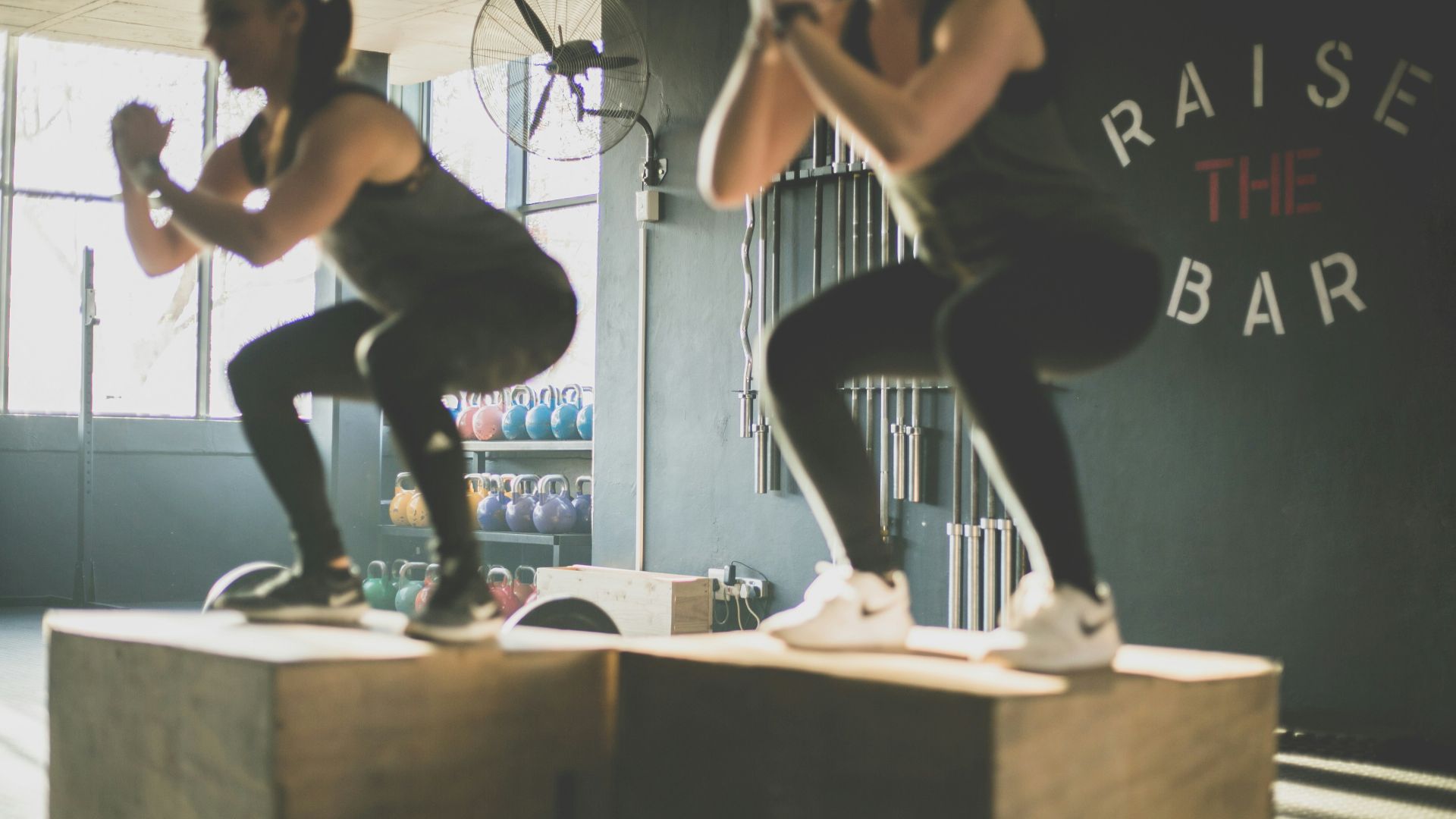
7. Replay Squat Rule
Do 10 squats every time a replay rolls after a big run, save, or landing. If your joints are on the sore side, you can also do chair squats, which reduce the amount of bending you need to do.
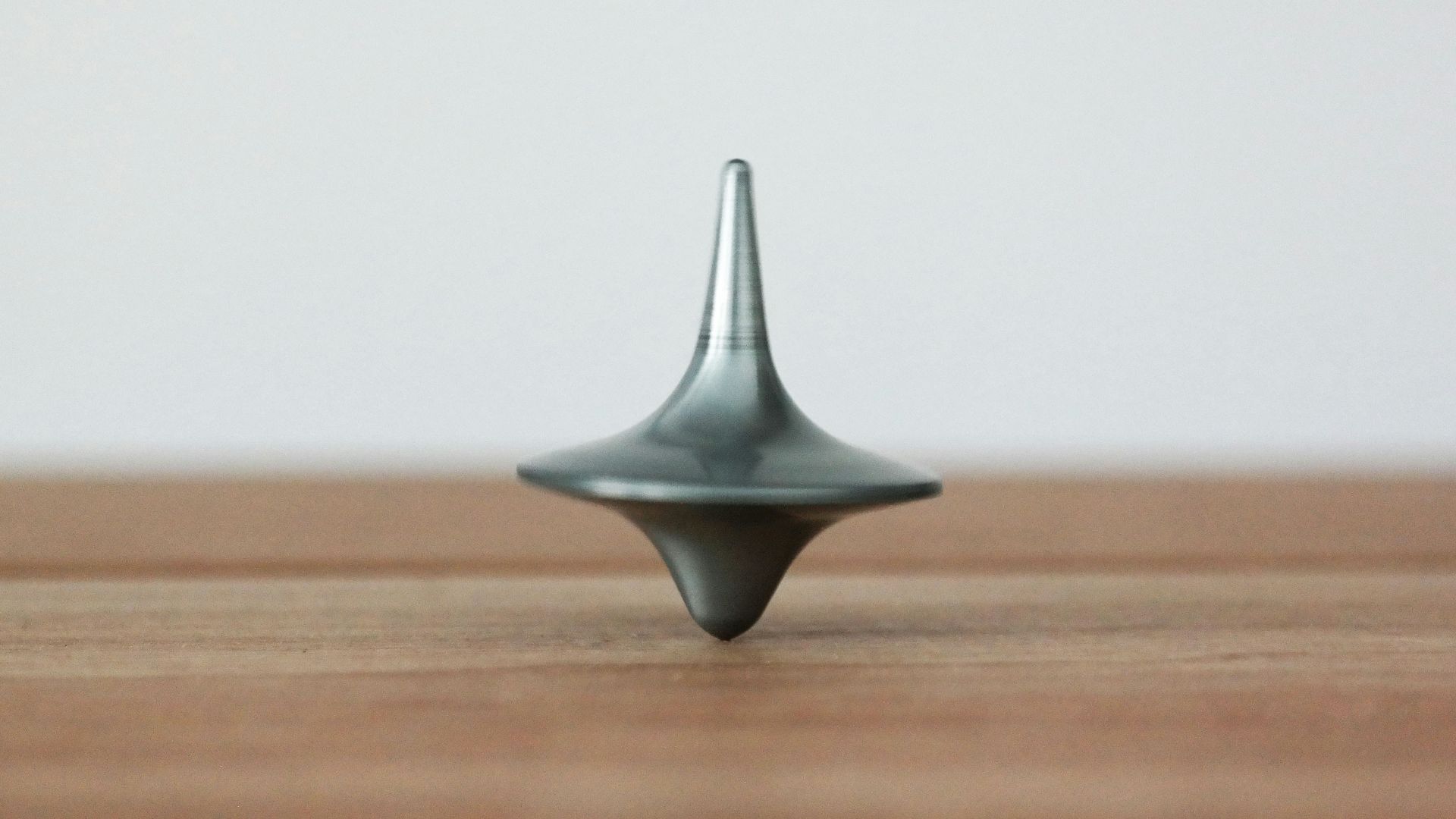
8. Spin-Match Arm Circles
When figure skaters go into spins, match the moment with controlled arm circles at shoulder height. This keeps the shoulders and upper back from stiffening through long viewing stretches.
9. Chase-Sequence Marching
Use faster segments for marching in place, like a biathlon push, a speed skating lap, or a hockey rush. Lift your knees higher during the most intense moments if you want more heat. A steady pace is enough, since consistency matters more than intensity.
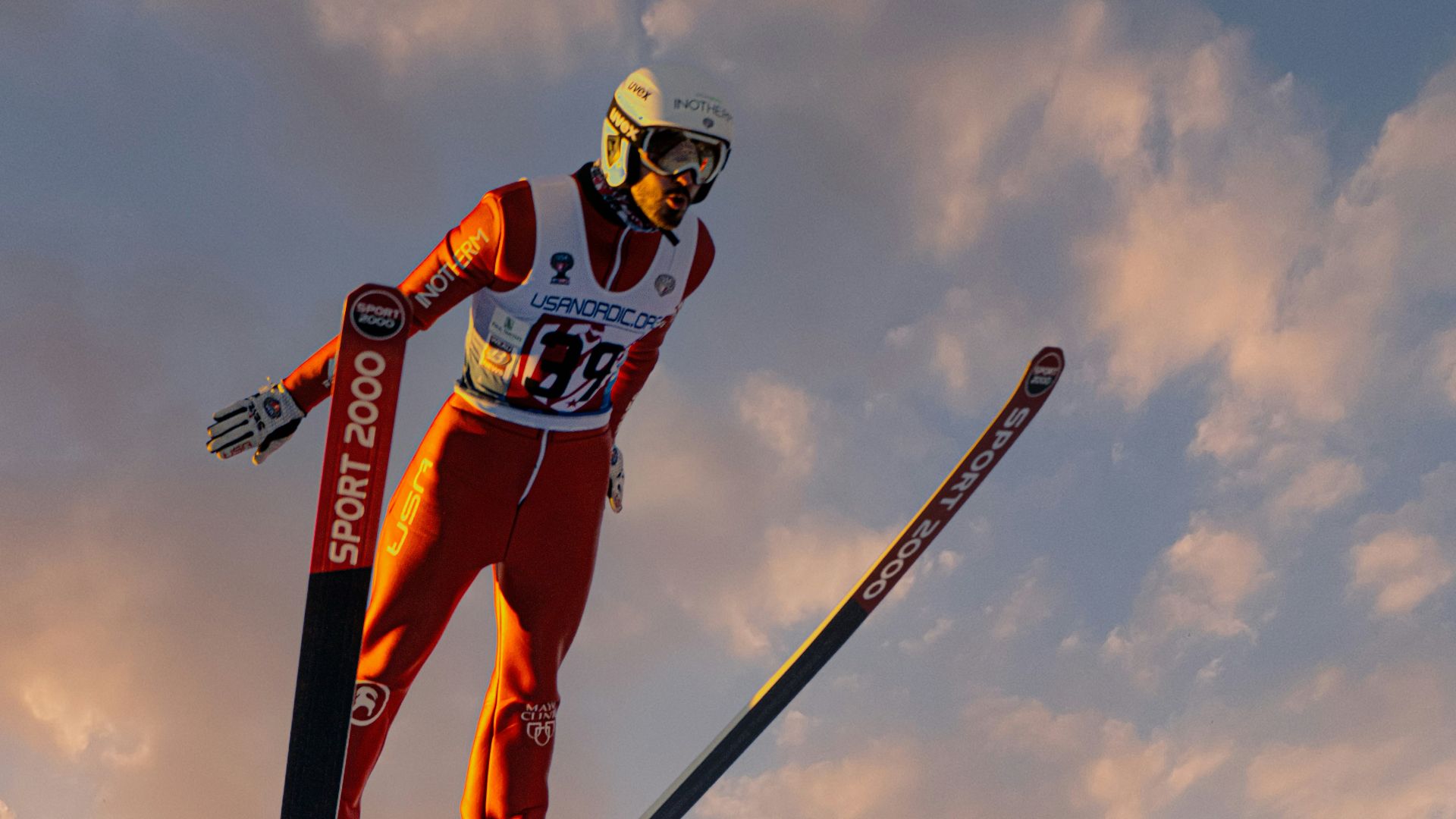
10. Ski-Jump High Knees
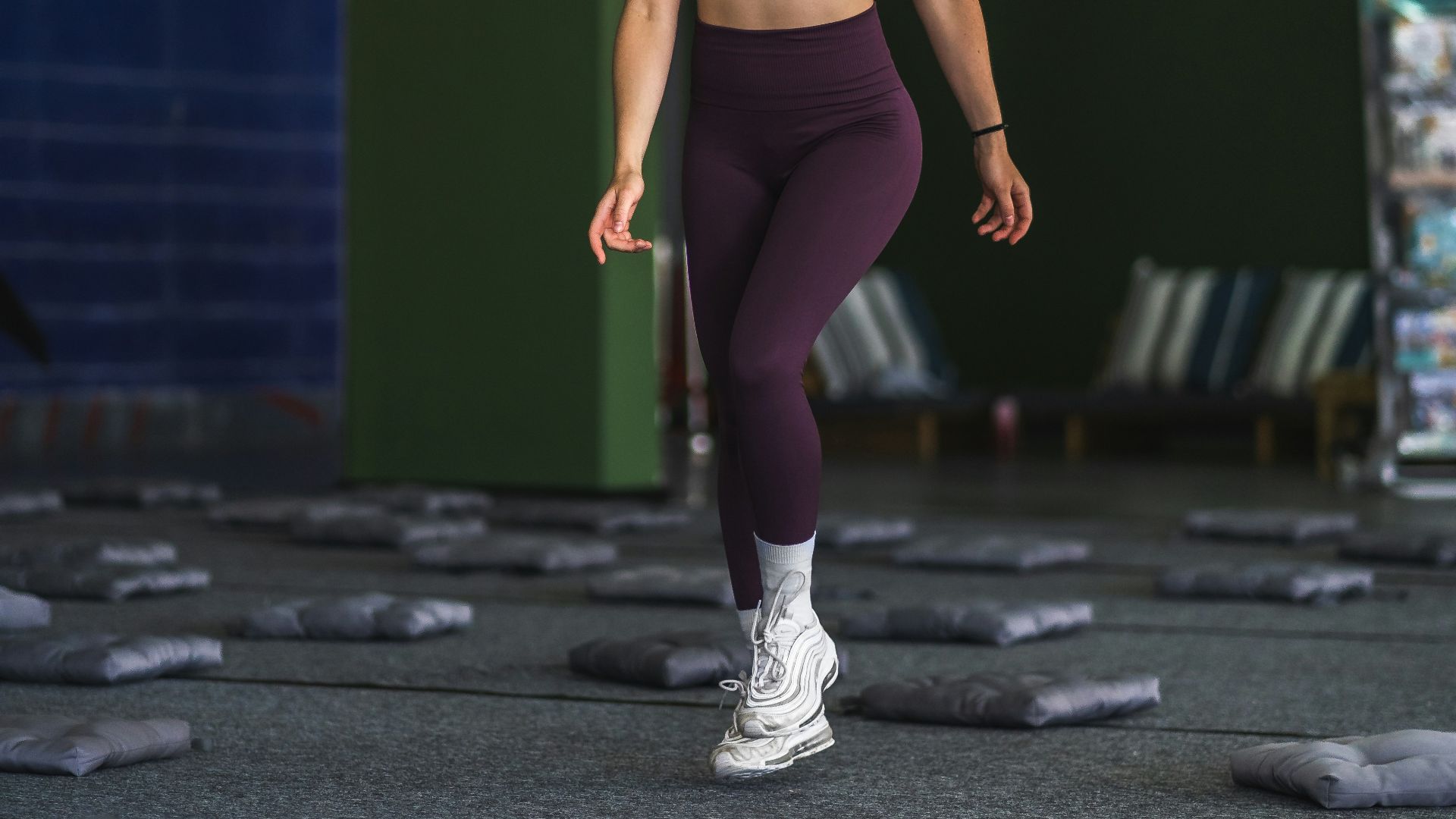
When a jumper takes flight, they do high knees until the landing, and the camera settles. The timing is obvious, which makes it easy to repeat without thinking.
11. Sit-Stand Swap Setup
Alternate between sitting and standing during natural lulls, using a sturdy box or cushion if you like a higher perch. Standing in short blocks helps your hips and lower back feel less tight by the end of the night. If you’re snacking, try standing for the first few bites so eating does not automatically pair with slumping.
 Karolina Grabowska www.kaboompics.com on Pexels
12. Yoga Ball Seating Block
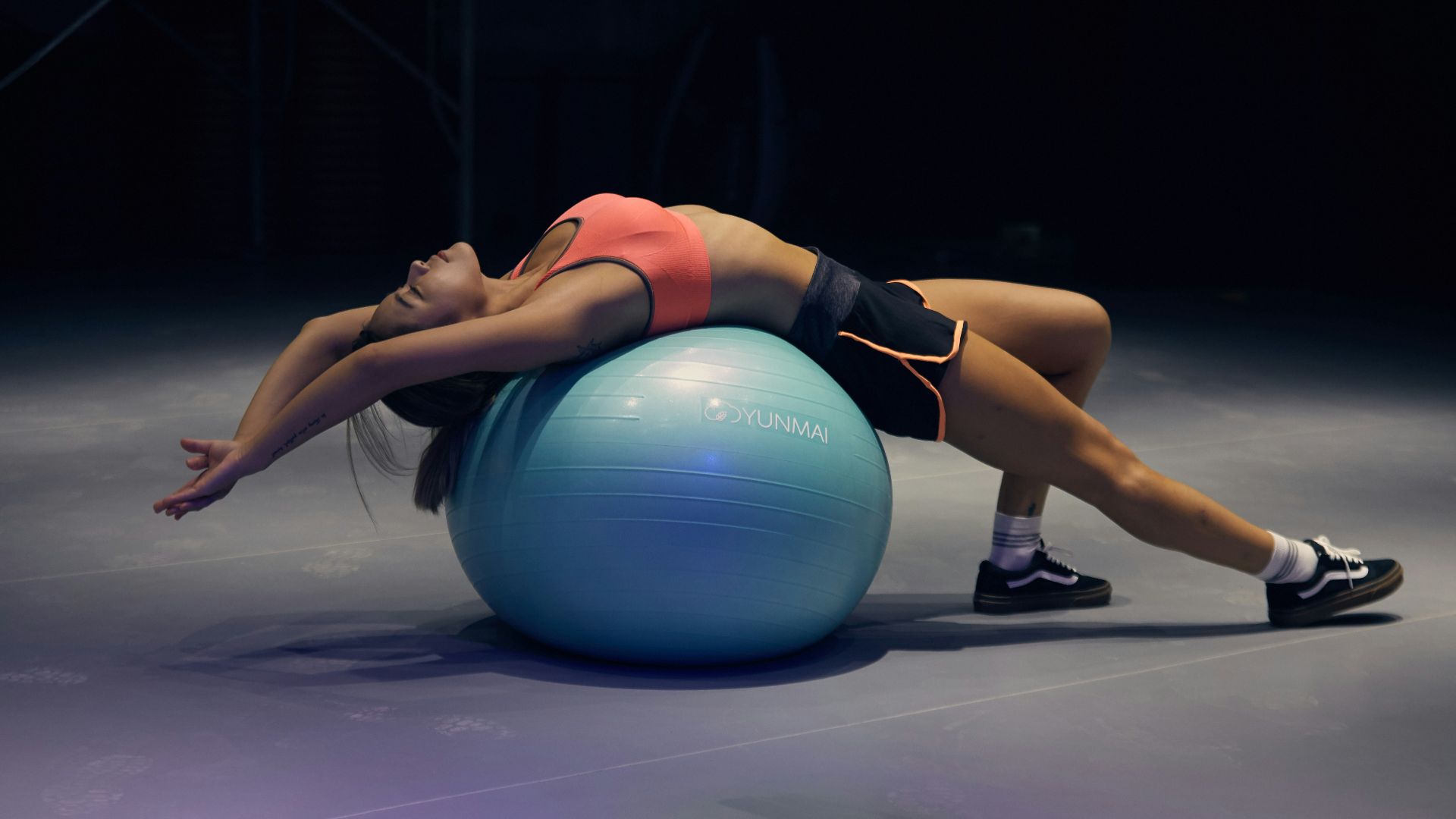
Swap in an exercise ball for part of the broadcast so your core stays lightly engaged while you watch. Keep it to a short block so posture stays clean instead of collapsing.
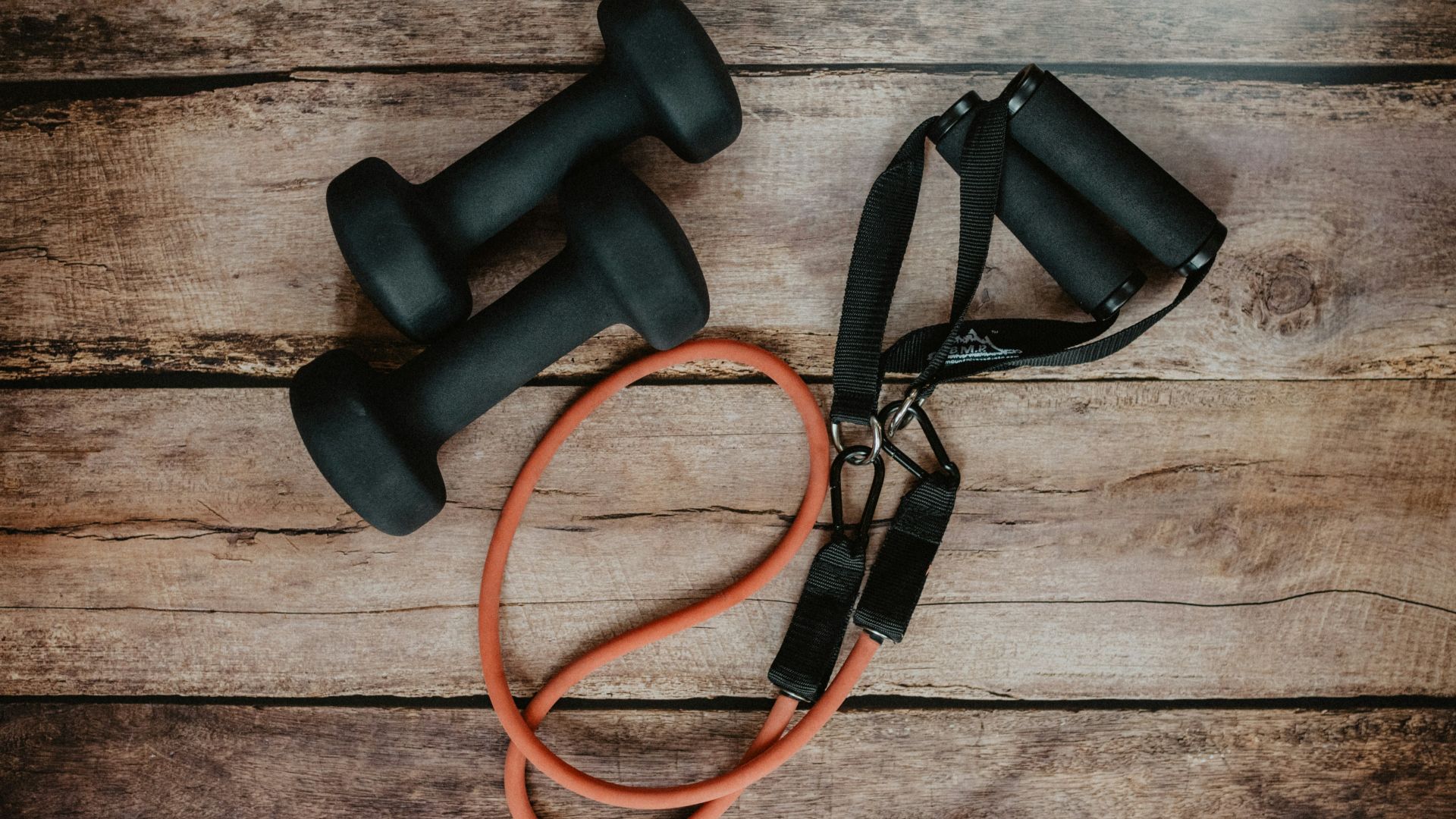
13. Band Work By The Remote
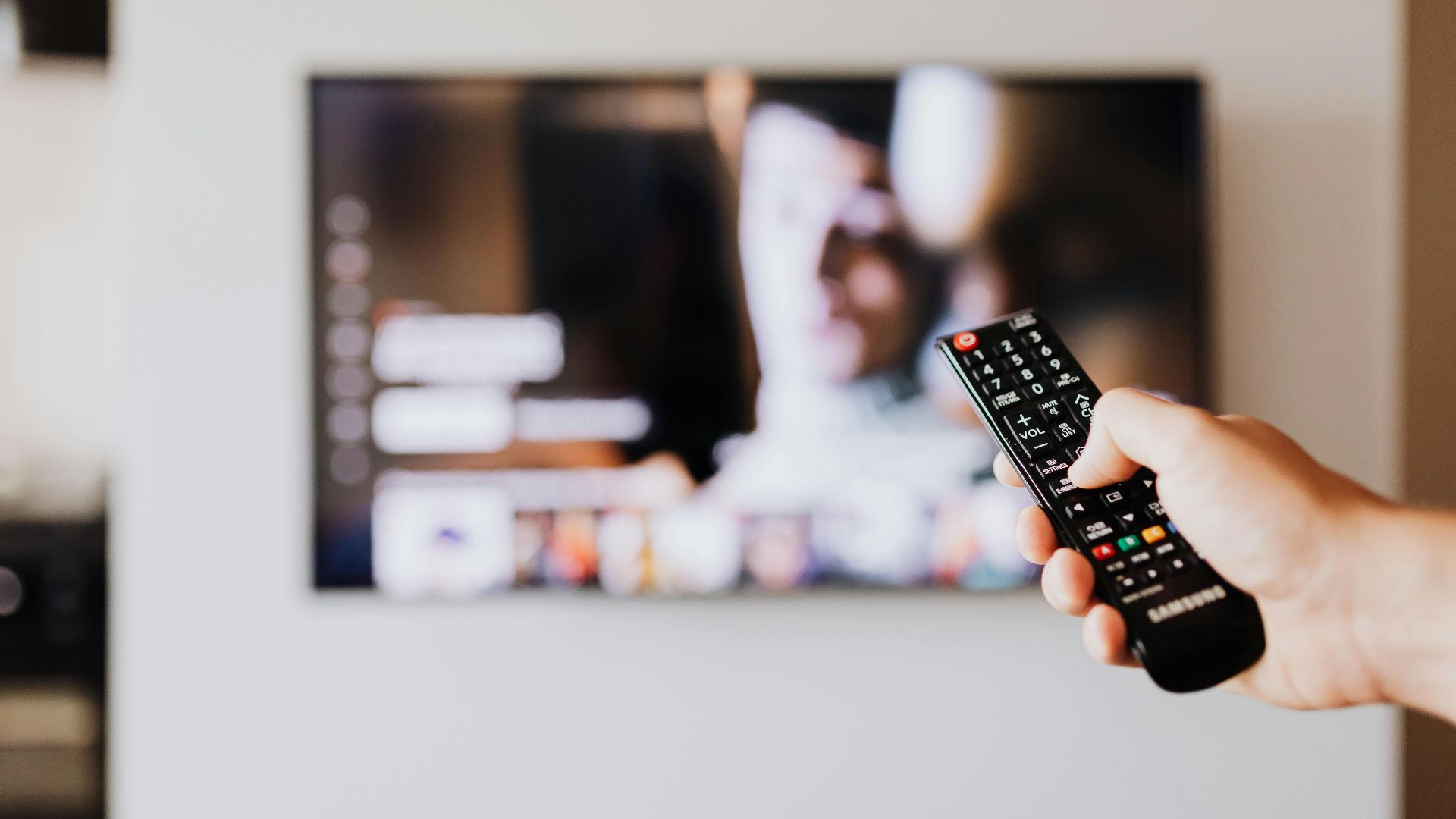
Keep a resistance band within reach and do a set of band curls or pull-aparts when the broadcast shifts scenes. Choose tension that lets you move smoothly, since shoulder joints prefer control over yanking. Leaving the band tucked beside the remote makes this habit easier to remember.
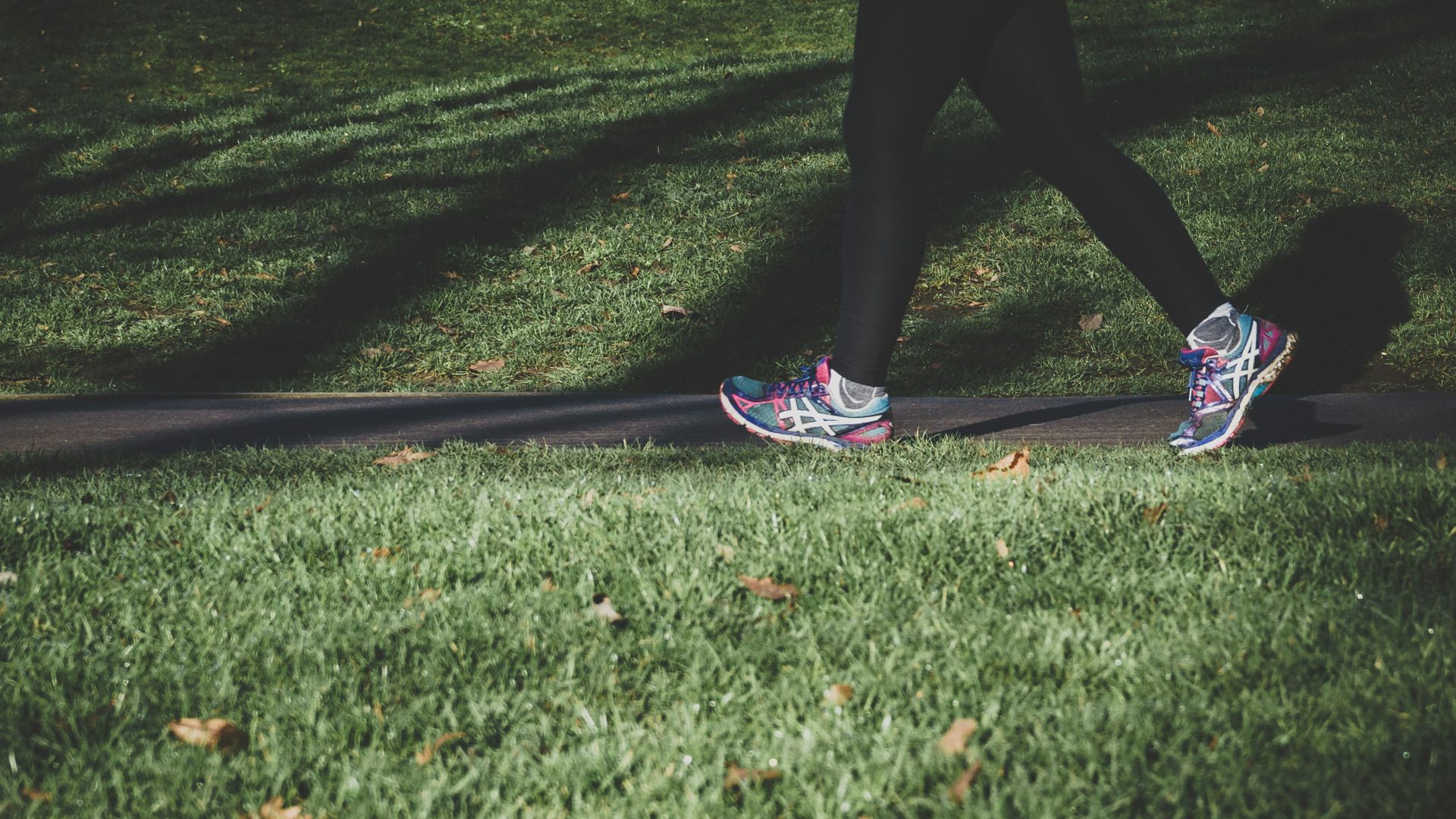
14. Credits And Recap Pacing
Use opening credits and recaps as your pacing windows, walking a simple loop while you listen for the return to action. This works especially well during long streaming sessions when episodes blur together. If you live in a small space, pacing between the kitchen and living room works just as well.
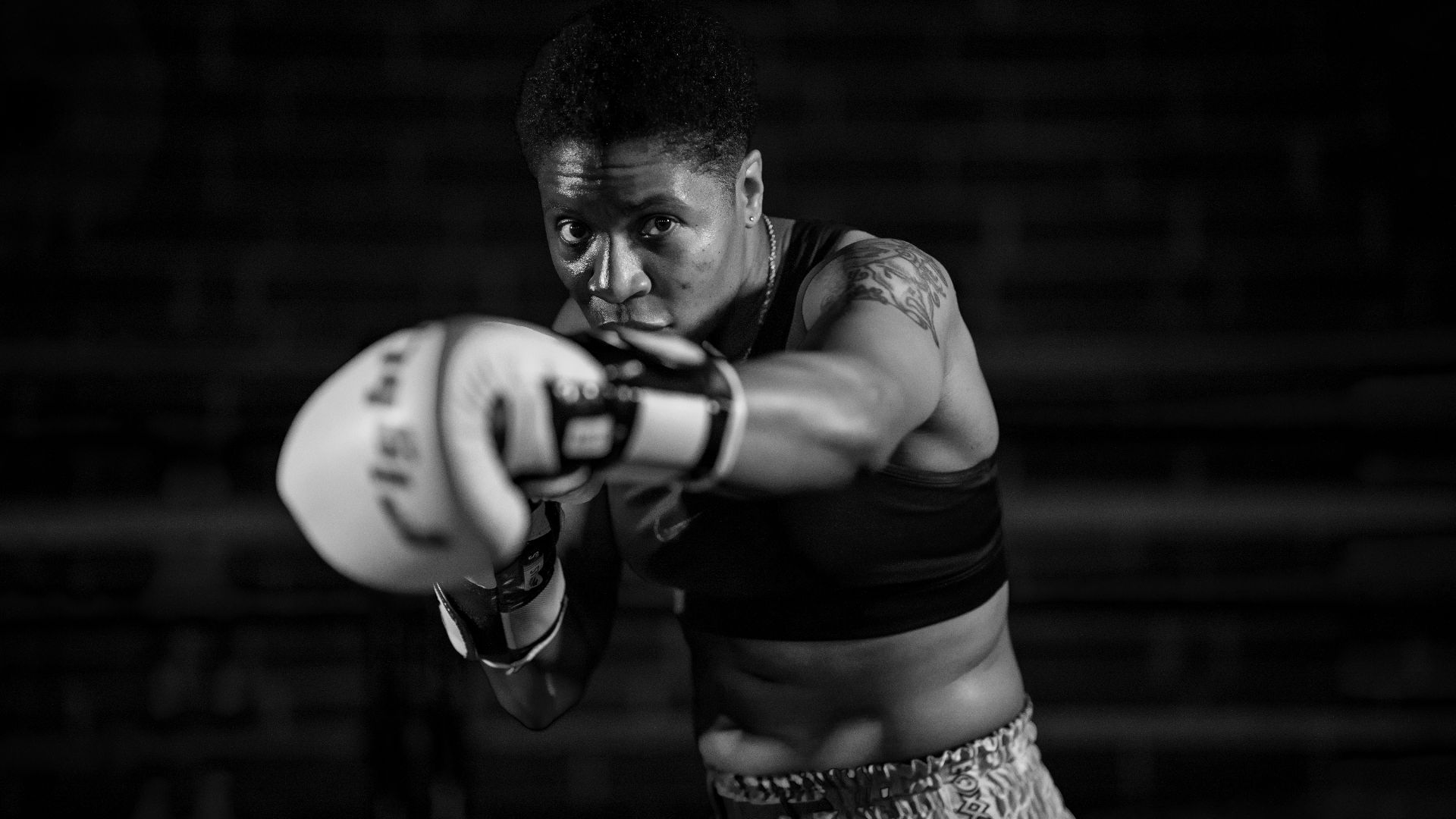
15. Hockey Face-Off Shadow Boxing
Stand for face-offs and throw light shadow boxing punches at chest height, keeping your stance steady. The quick resets between face-offs make this feel natural without stealing your attention.
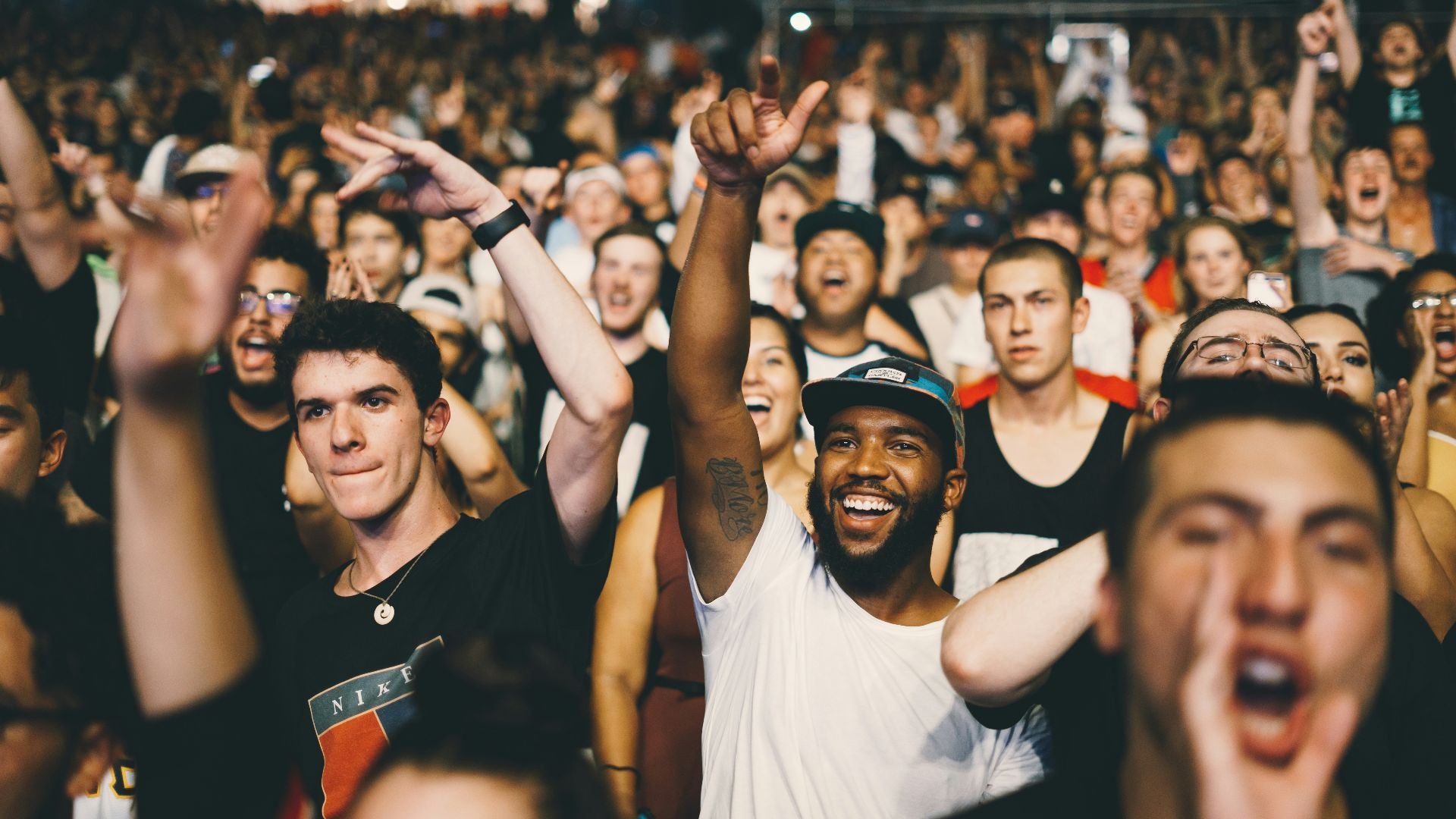
16. Cheer-Then-Move Reps
When there’s a surprise medal or a huge save, celebrate with 20 jumping jacks, then sit back down. On late nights, swap jacks for side steps so the floor stays quiet. This habit works because it uses real emotion as the cue.
17. Stretch During Story Segments
Use longer profile packages for a chest-opening stretch or a gentle hip flexor stretch held for a slow count. You’ll come back to the couch feeling looser, which matters more and more as you continue to watch the games.
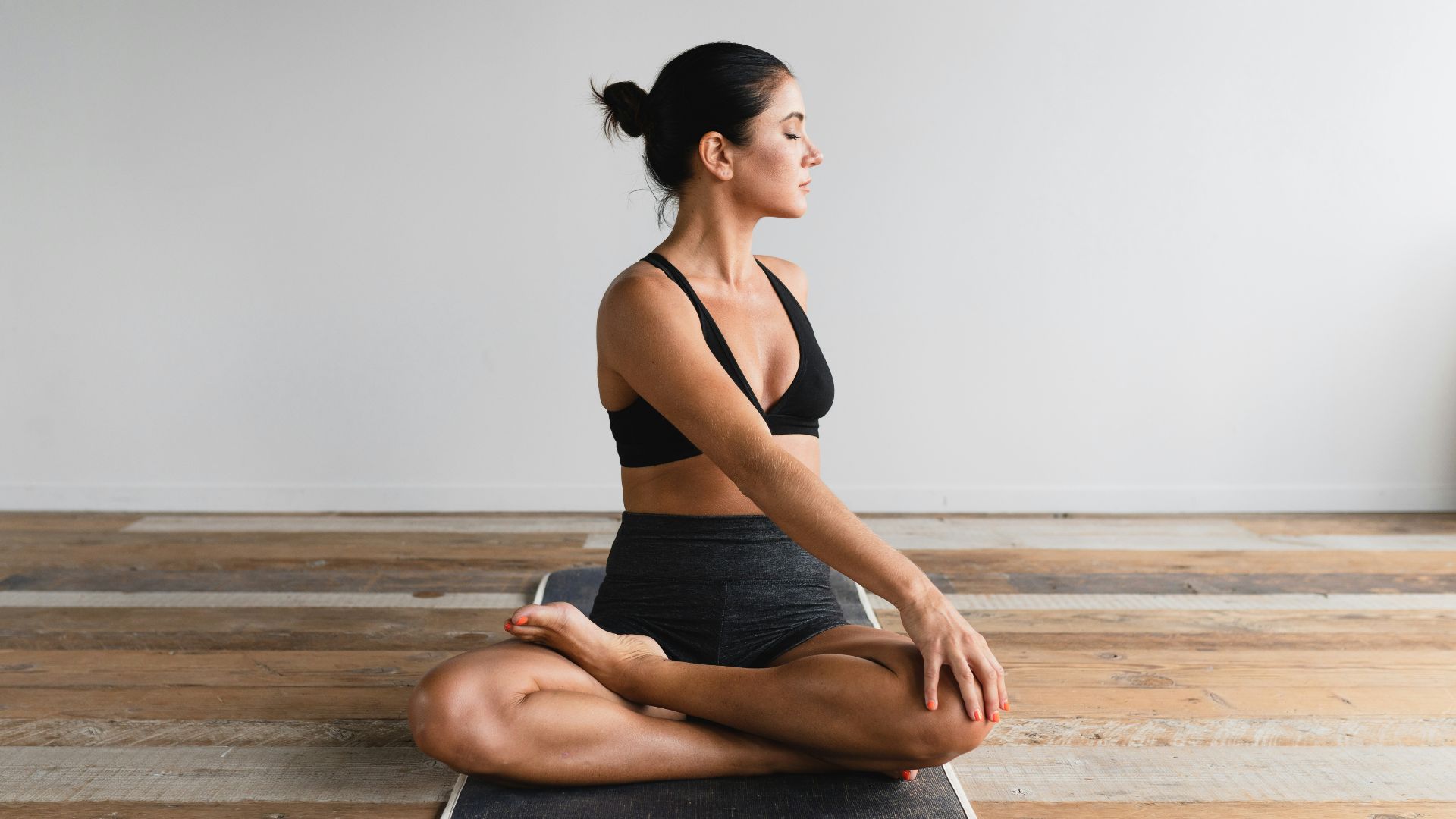
18. Tree Pose During Anthems
During medal ceremonies, hold tree pose and use a wall for support if balance is shaky. Switch legs partway through so both sides get equal time.
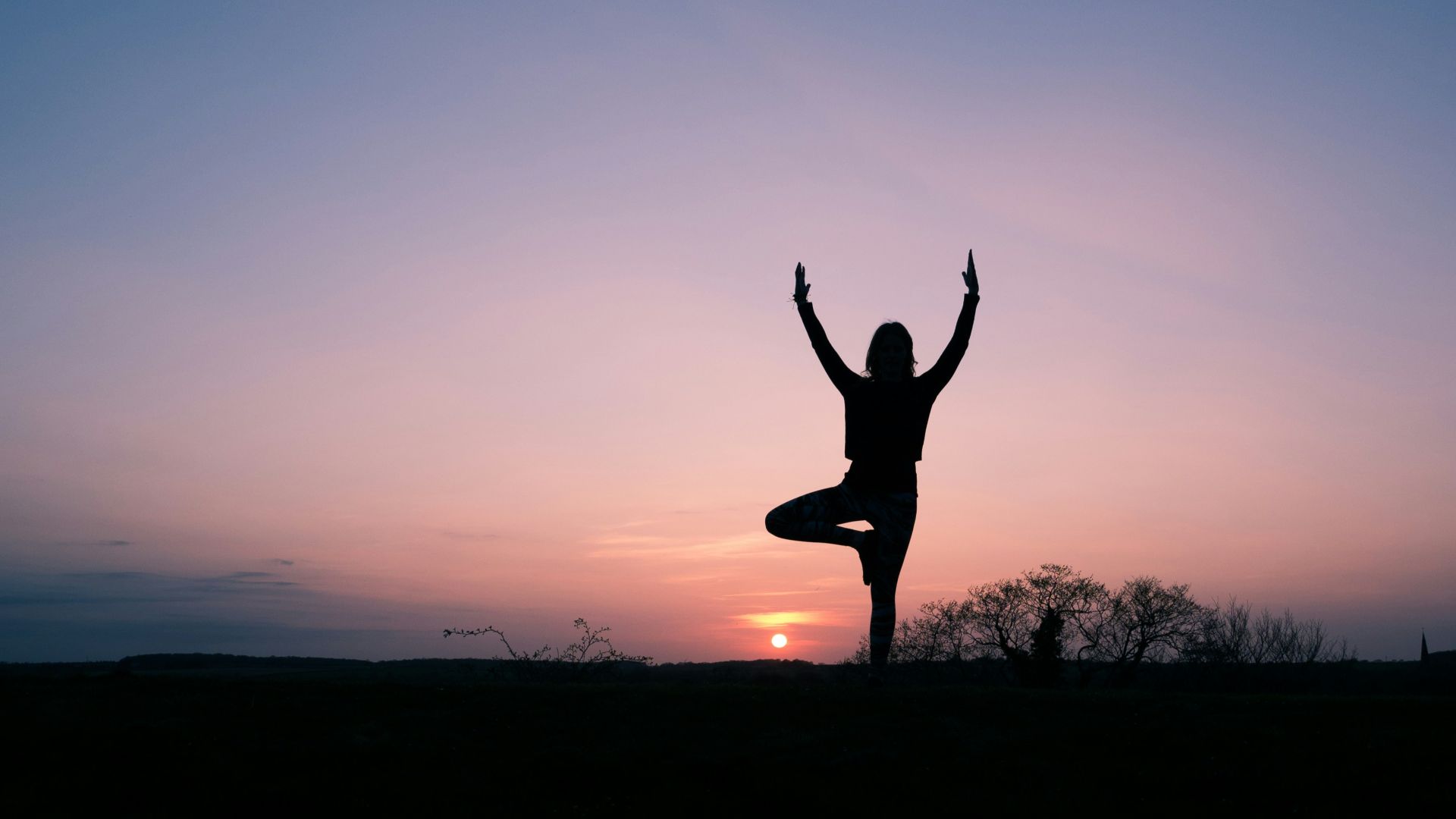
19. Two-Minute Hallway Laps
Between events, do two minutes of hallway laps while you refill water. Short walking breaks help reset posture and keep your body from stiffening.

20. Post-Session Floor Reset
After the final event, do a gentle hamstring hold and a spinal twist, about 30 seconds per side. Ending with slower movement helps your body settle, which can make sleep come more easily. If you want one extra touch, add a few deep breaths with long exhales before you stand up.