
Wellness Gets A Lot Easier When Life Is Set Up For It
A lot of health advice is framed like everyone has the same set of tools, the same schedule, and the same margin for error. In real life, the gap between knowing what to do and being able to do it is often time, cash, and transportation. Even public-facing guidance from places like the CDC and USDA can be solid and well-meaning while still assuming you can reach a store, afford options that spoil quickly, and rearrange your day around food and movement. When people say healthy choices are about discipline, they’re often ignoring how many choices are locked behind logistics. Here are 20 healthy choices that get much more available when you have time, money, and a car.

1. Shopping For Fresh Produce More Than Once A Week
Fresh berries, leafy greens, and herbs don’t politely wait for your next day off. When you can drive to the store midweek, you can buy smaller amounts more often, which makes waste lower and meals feel more varied. If you’re stuck with one big trip, you end up choosing sturdier produce or shelf-stable backups, not because you don’t care, but because it has to last.

2. Buying Lean Proteins That Cost More Per Pound
Skinless chicken breast, fresh fish, and lean cuts of meat can be priced like a luxury, especially compared with higher-fat cuts or processed options. When your budget is tight, you’re pushed toward what fills you up for less, even if it’s saltier or more calorie-dense. Having money gives you the option to choose protein based on nutrition instead of price per bite.
3. Getting To A Full-Service Grocery Store Instead Of A Convenience Store
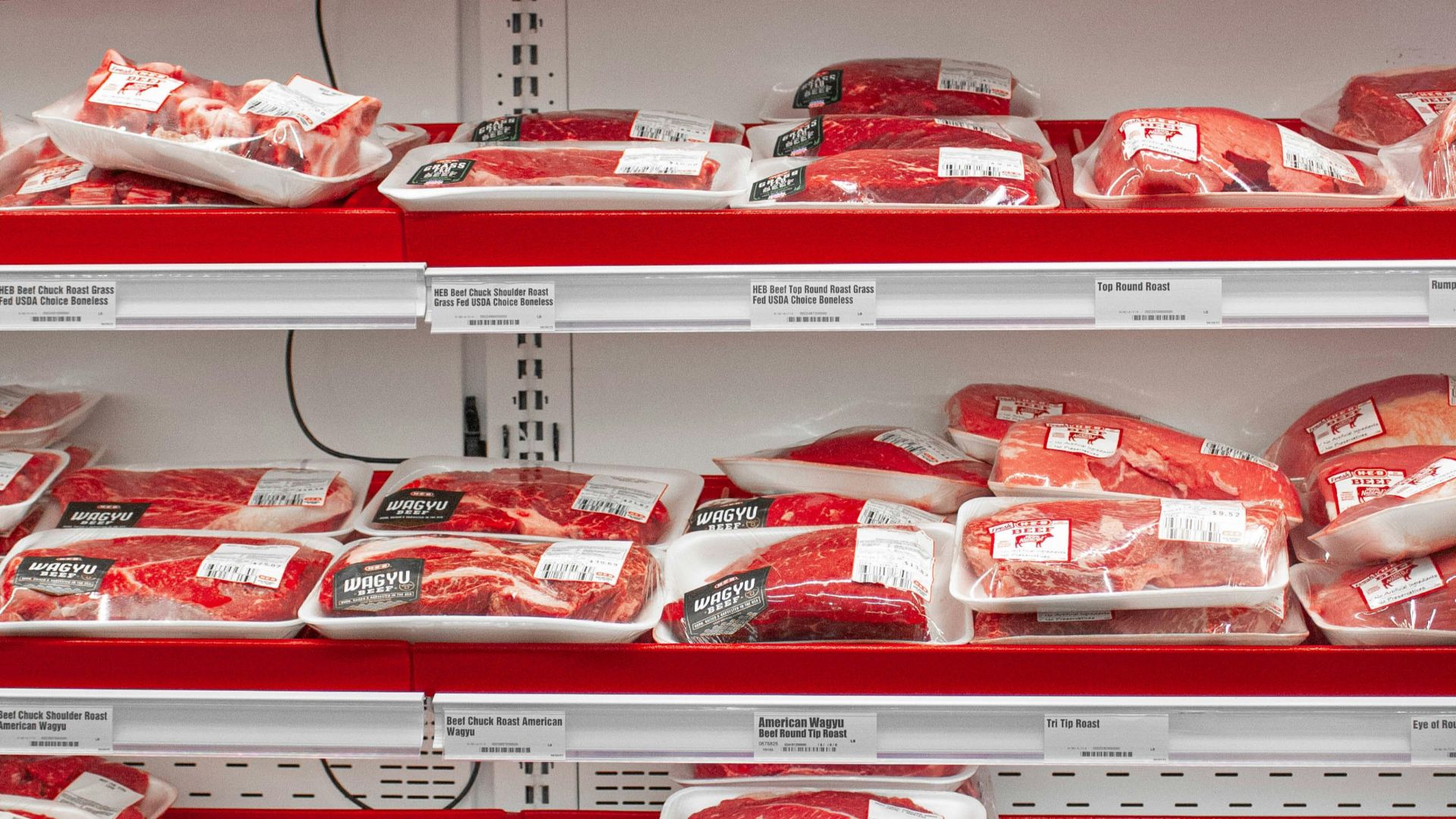
In some neighborhoods, the closest food option is a corner store that stocks mostly snacks, soda, and a small fridge of tired basics. A car turns a food desert into a manageable drive, and suddenly you can buy whole grains, yogurt, frozen vegetables, and decent cooking ingredients. Without that, the default food environment shapes your diet more than motivation ever will.

4. Choosing Foods That Spoil Fast
Fresh fish, delicate greens, ripe fruit, and higher-quality dairy can all turn on you quickly if you don’t have flexible plans. People with time can cook the same day they shop, or pivot when something needs to be used. When your schedule is packed or unpredictable, shelf-stable and freezer-friendly foods become a rational choice.
5. Cooking From Scratch On Weeknights
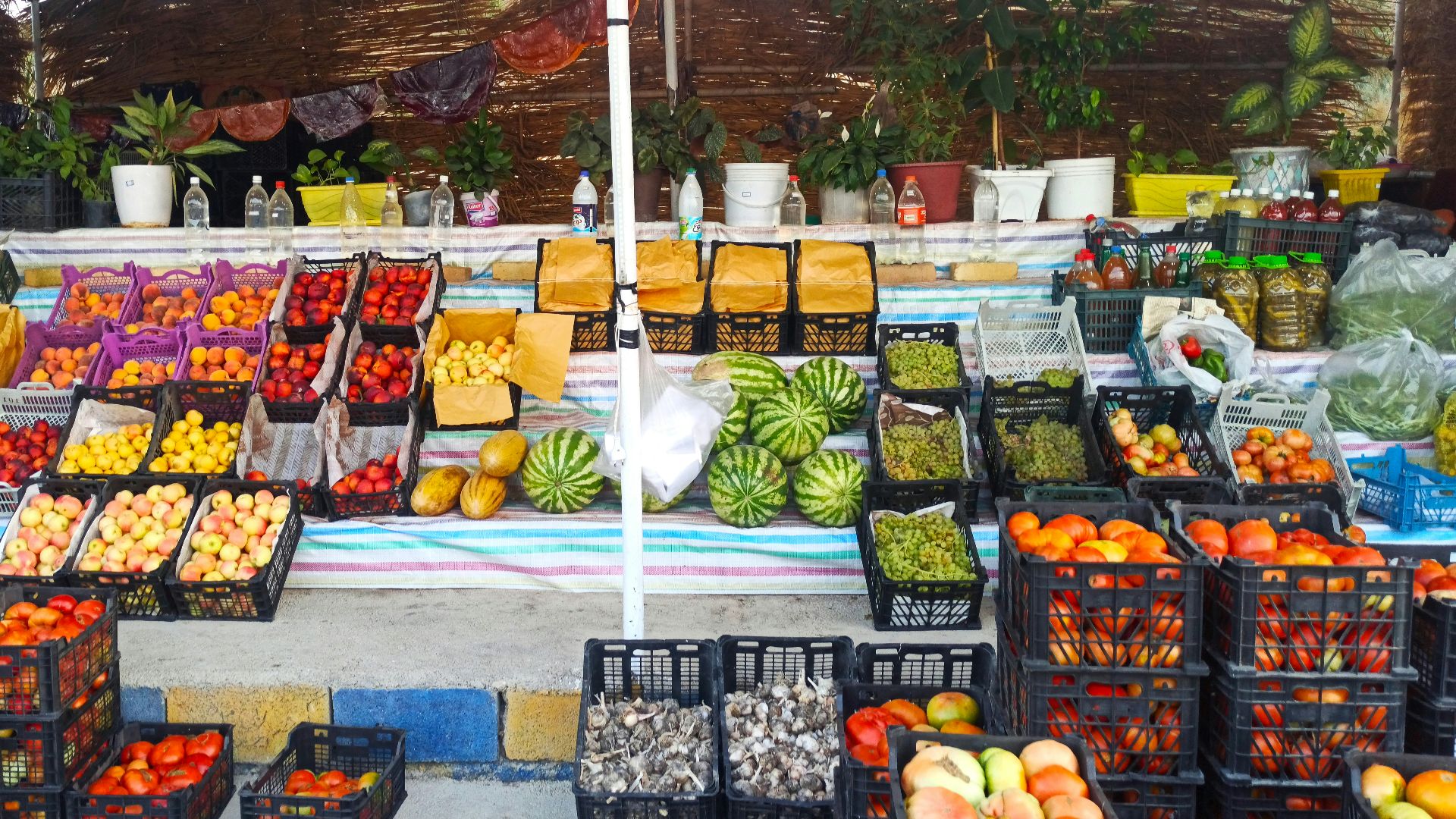
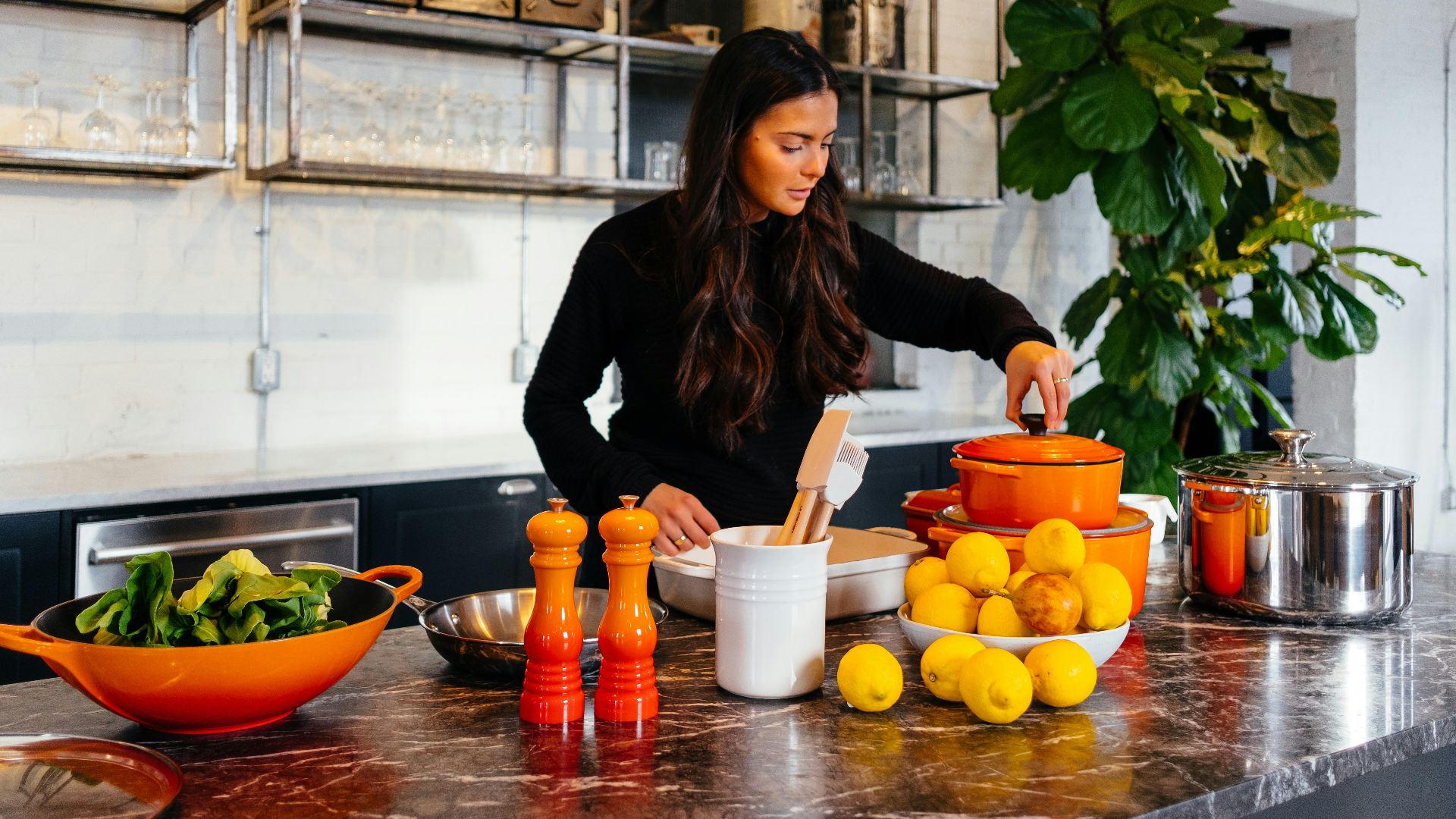
Home-cooked meals are a common recommendation for better health, and guidance like the Dietary Guidelines for Americans tends to assume regular access to a kitchen and time to use it. Scratch cooking usually means chopping, washing dishes, and staying near the stove long enough to avoid burning dinner. If you’re working late, commuting, or juggling caregiving, the healthier meal is often the one you can actually get on the table.

6. Keeping A Well-Stocked Pantry Of Healthier Basics
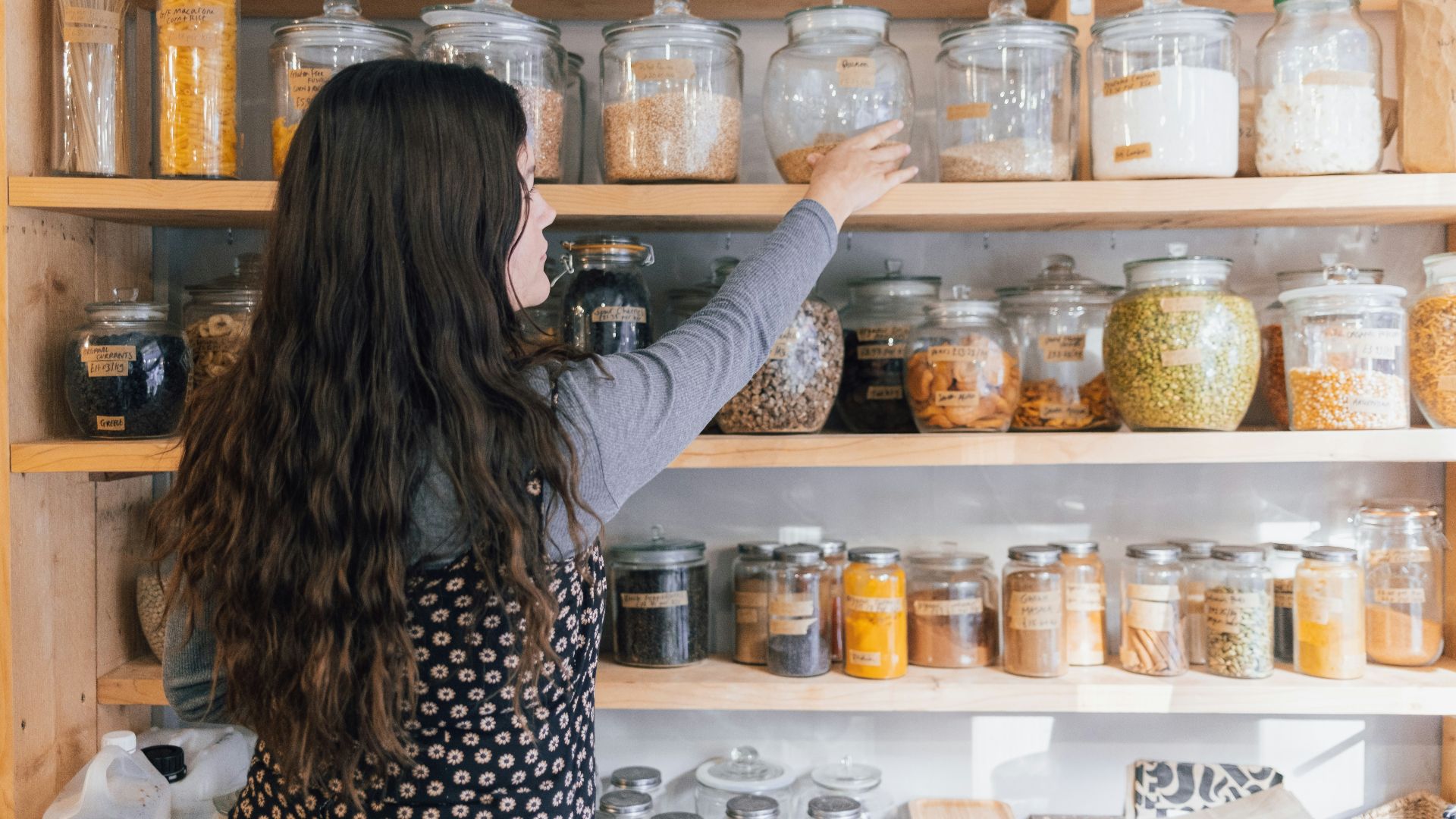
Olive oil, nuts, spices, whole grains, canned fish, and quality sauces make healthy cooking easier, yet building that pantry costs money up front. When you’re living paycheck to paycheck, you buy what you need for the week, not what would make next week smoother. A stocked pantry is a health advantage that often looks like simple planning from the outside.
7. Buying Low-Sodium And Lower-Sugar Versions
Lower-sodium broths, unsweetened yogurt, and less-sugary cereals can cost more, and they sometimes require extra ingredients to make them satisfying. When you have money, you can experiment and still eat well if the first attempt is a miss. When you don’t, you buy the version you know your household will eat, because wasted food is wasted money.

8. Joining A Gym That Is Safe, Clean, And Close
Exercise is always described as accessible, yet the easiest version is the one that’s nearby and feels safe at the time you can go. A higher monthly fee often buys better hours, better equipment, childcare options, and a location that doesn’t add another commute. When you’re relying on buses or walking in the dark, even getting to the gym can become the hardest part.

9. Taking Fitness Classes
Classes provide structure, progression, and accountability, and they can reduce injury risk because someone is watching form. They also cost money and usually run on schedules that assume you can show up at 6 p.m. on a Tuesday. If your hours shift or you’re piecing together multiple jobs, the best class in town might as well be on another planet.

10. Regular Preventive Care That Doesn’t Eat A Workday
Many clinics have limited hours, long waits, and appointment gaps that turn a basic check-up into a full-day event. If you have paid time off, a flexible schedule, and a car, you can get labs, dental cleanings, and follow-ups without risking your paycheck. Without that, preventive care becomes something you do only when you can’t put it off anymore.

11. Seeing A Specialist Without Months Of Friction
Referrals, paperwork, travel time, and multiple visits are part of the deal with specialist care, even before cost enters the picture. Transportation matters because many specialists cluster in certain areas, and the best option might be across town or in the next city. Time and money turn a complicated medical system into something you can actually navigate.

12. Meeting With A Registered Dietitian
Dietitians can translate nutrition guidance into real meals, budgets, and cultural preferences, and reputable medical organizations regularly recommend tailored counseling for many health conditions. The barrier is that access varies, coverage is inconsistent, and appointments take time. When you can pay out of pocket or you have strong insurance, nutrition support becomes a real option instead of a nice idea.
13. Having Safe Outdoor Space For Walking Or Running
Walking is free in theory, yet safety, sidewalks, lighting, and traffic shape whether it’s realistic. People with a car can drive to a park, a trail, or a well-lit area, and people with money can live closer to those places. If your neighborhood makes walking stressful, the simplest exercise advice stops being simple.

14. Buying Healthier Convenience Foods
Pre-cut vegetables, bagged salad kits, rotisserie chicken, and ready-to-eat grains can save a weeknight. They also cost more than the same ingredients in bulk, and they can be priced out of reach when every dollar matters. Money buys you time in the form of food that removes steps.
15. Choosing Higher-Quality Whole Foods
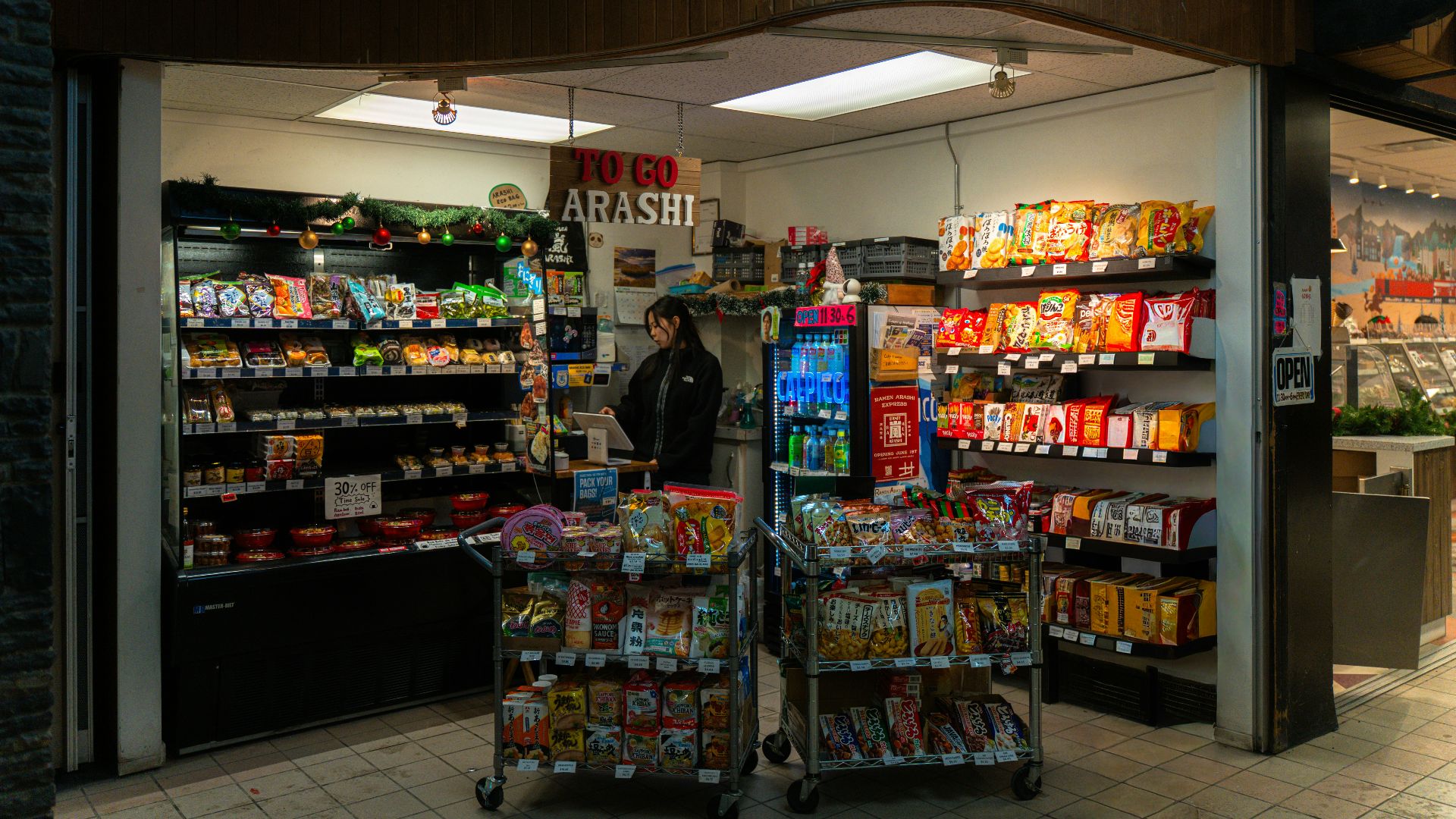
Ultra-processed foods are often cheap, shelf-stable, and heavily marketed, which is part of why they dominate many budgets. Whole foods can be affordable too, yet building meals around them takes planning, storage, and usually more cooking time. When you have time and money, you can choose based on nutrition instead of survival math.
16. Buying Better Fats Without Anxiety About Cost
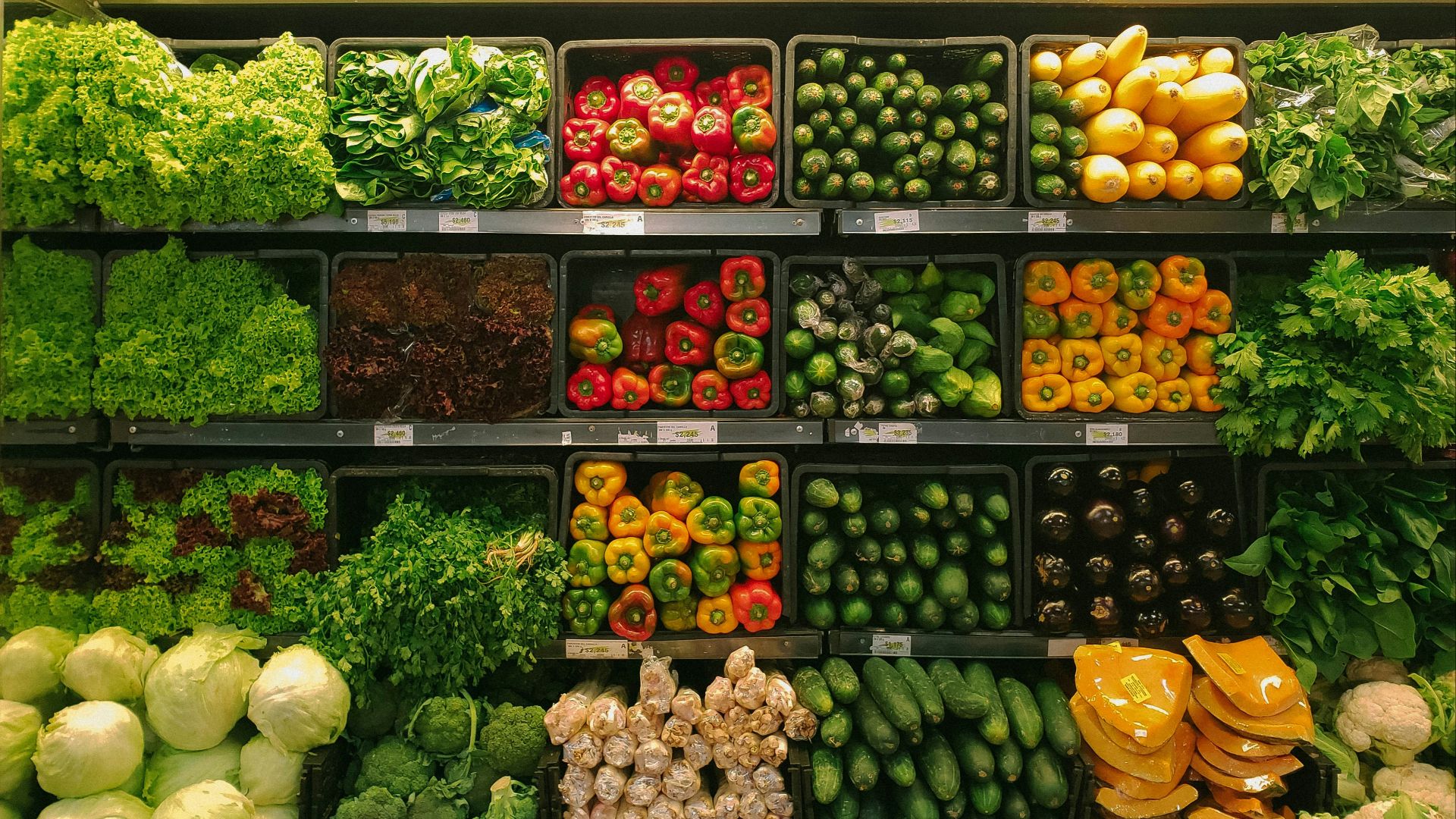
Nuts, seeds, avocado, and certain oils can be a meaningful upgrade for diet quality, and organizations like the American Heart Association have long emphasized healthier fat patterns over trans fats. The catch is that these foods are expensive, and they don’t always feel filling enough when you’re trying to stretch groceries. With money, you can add them for health without worrying about the rest of the cart.
17. Drinking Water That Is Easy, Cold, And Pleasant
Hydration advice is everywhere, yet access to clean, good-tasting water is not universal. A car and money make it easier to buy a filter, replace cartridges, or grab sparkling water when plain tap water tastes off. When water isn’t appealing or reliable, people fall back on what is available and satisfying.

18. Getting Enough Sleep Because Your Schedule Allows It
Sleep is treated like a personal choice, yet shift work, long commutes, and second jobs can carve the night into scraps. Money can buy a shorter commute, better housing conditions, and fewer competing demands. Time is what turns sleep hygiene tips into actual sleep.

19. Recovery And Stress Management
Stress affects health, and the CDC and other public health institutions routinely talk about its role in well-being. The versions of stress management people can actually stick with often require free time, privacy, and sometimes paid support like therapy, massage, or structured programs. When you’re in constant problem-solving mode, the best coping strategies can be the ones you can afford and fit into your life.

20. Buying The Healthier Option When It’s Not On Sale
People love to moralize grocery choices while ignoring how much of shopping is just reacting to prices. When you have money, you can choose the version with fewer additives, more fiber, or better ingredients without waiting for a discount. When you don’t, you become a sale expert, and health becomes whatever lines up with the weekly flyer.
 Boxed Water Is Better on Unsplash