The Shortcut Everyone’s Talking About
Intermittent fasting can be a fantastic strategy for staying healthy and energized in your 50s, but it's important to be mindful of what you eat when you do eat. Proper nutrition is key to helping your body maximize your metabolism, muscle strength, and overall health while fasting. Here's a list of 20 foods ideal for those practicing intermittent fasting in their 50s.

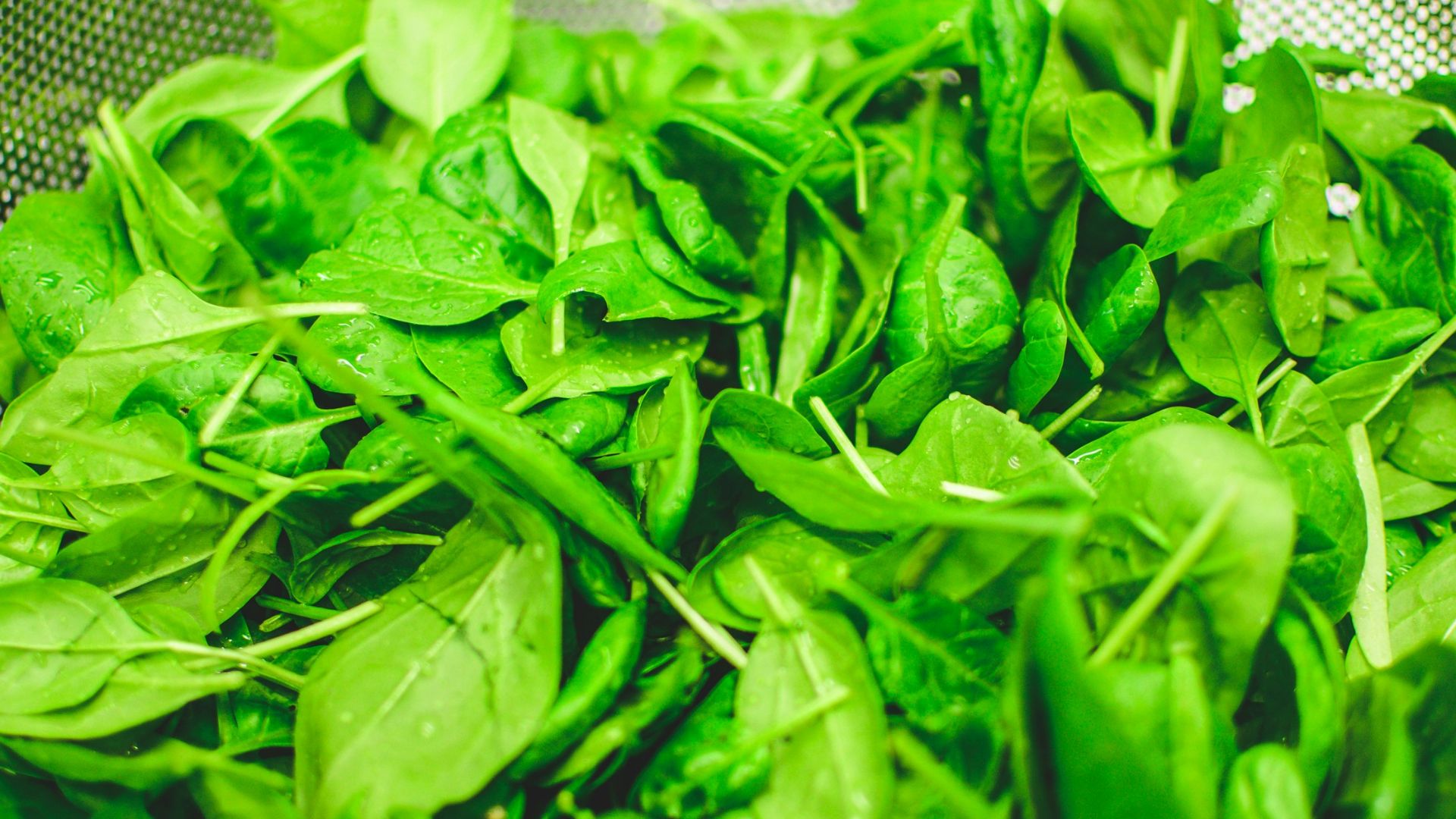
1. Leafy Greens
Spinach, kale, and Swiss chard are packed with vitamins, minerals, and fiber. They’re low in calories but keep you feeling full and energized. Adding them to salads or sautés helps you get essential nutrients without overloading your digestive system.
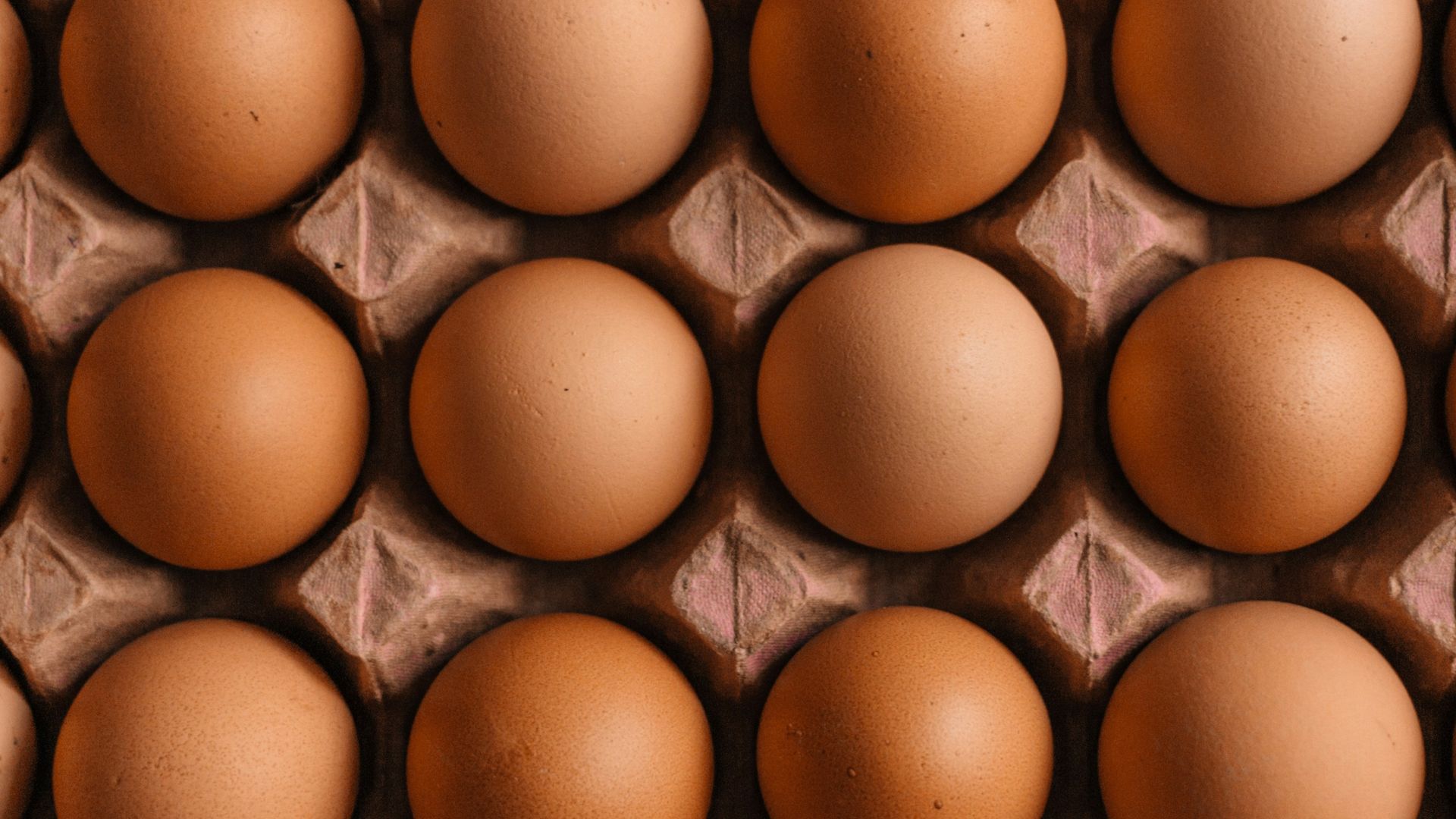
2. Eggs
Eggs are a high-quality protein source that supports muscle maintenance. They’re versatile and easy to prepare in multiple ways. Including eggs in your meals can help stabilize blood sugar and keep you satisfied during fasting periods.
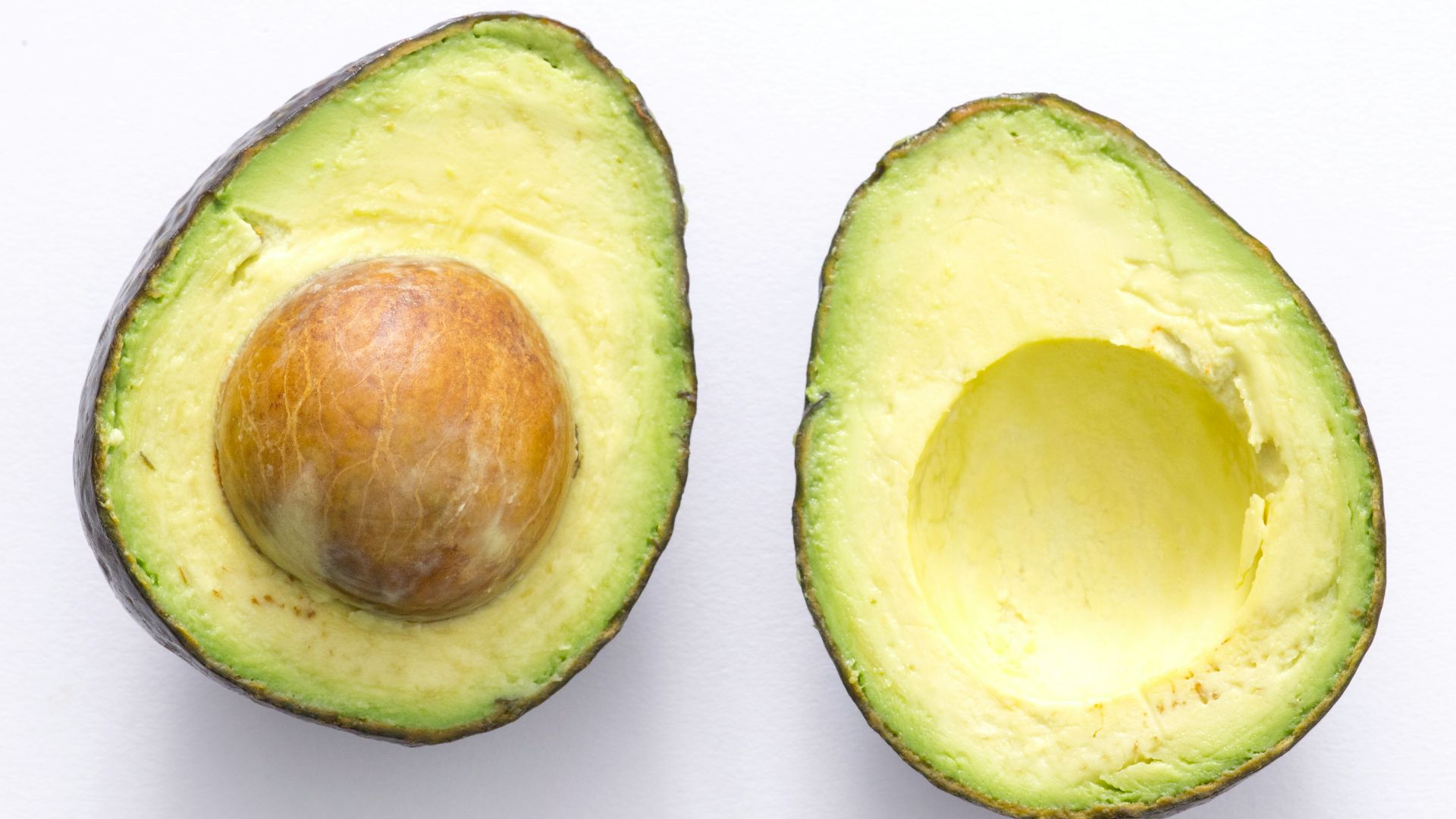
3. Avocados
Avocados are loaded with healthy fats and fiber, which help you feel full longer. They also contain potassium, which supports heart and nerve health. Adding avocado to salads, toast, or smoothies is a simple way to boost nutrient intake.
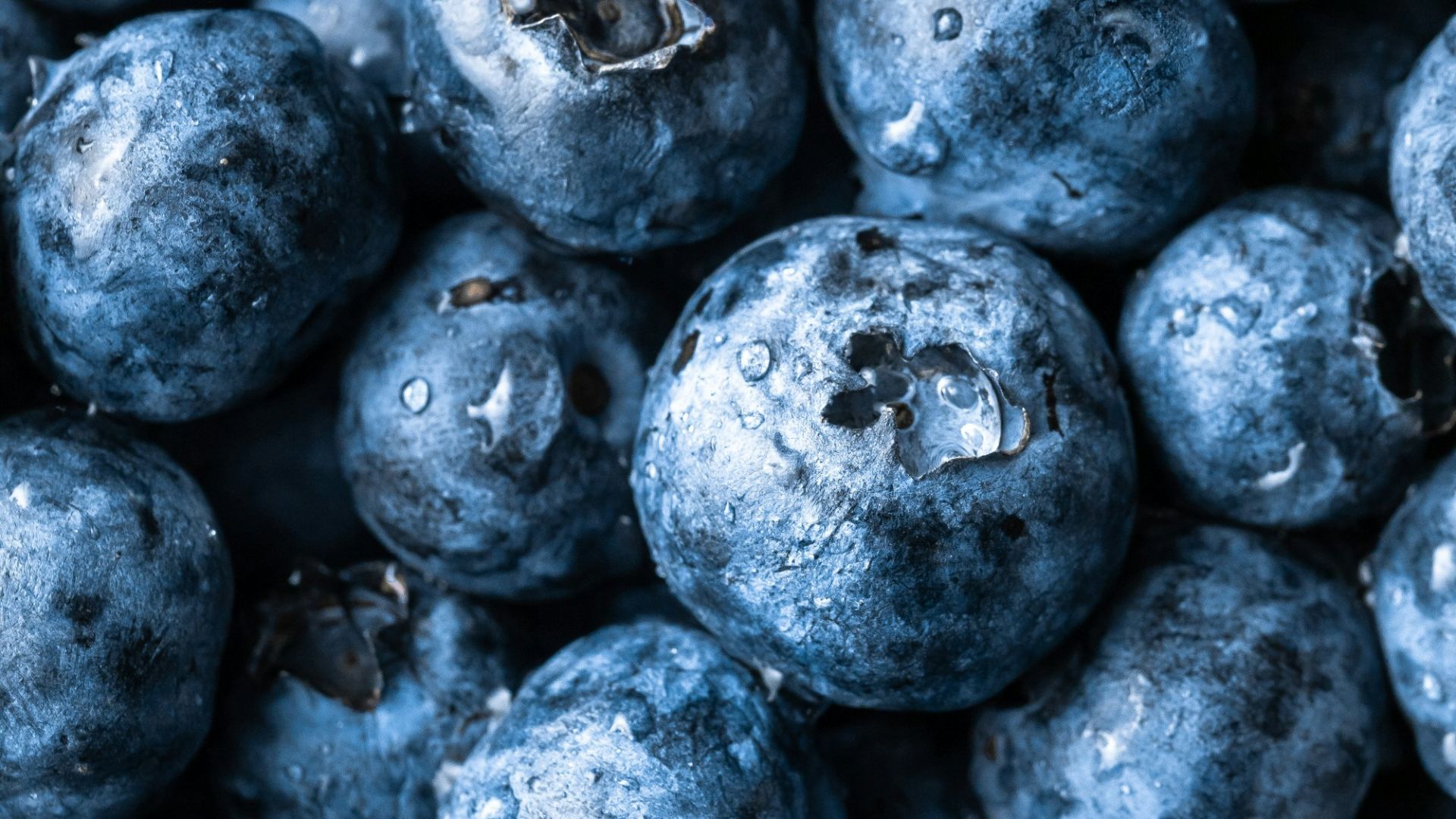
4. Berries
Blueberries, strawberries, and raspberries are rich in antioxidants and low in sugar. They’re gentle on digestion and can satisfy a sweet craving naturally. Berries also provide vitamins that support brain and heart health in your 50s.
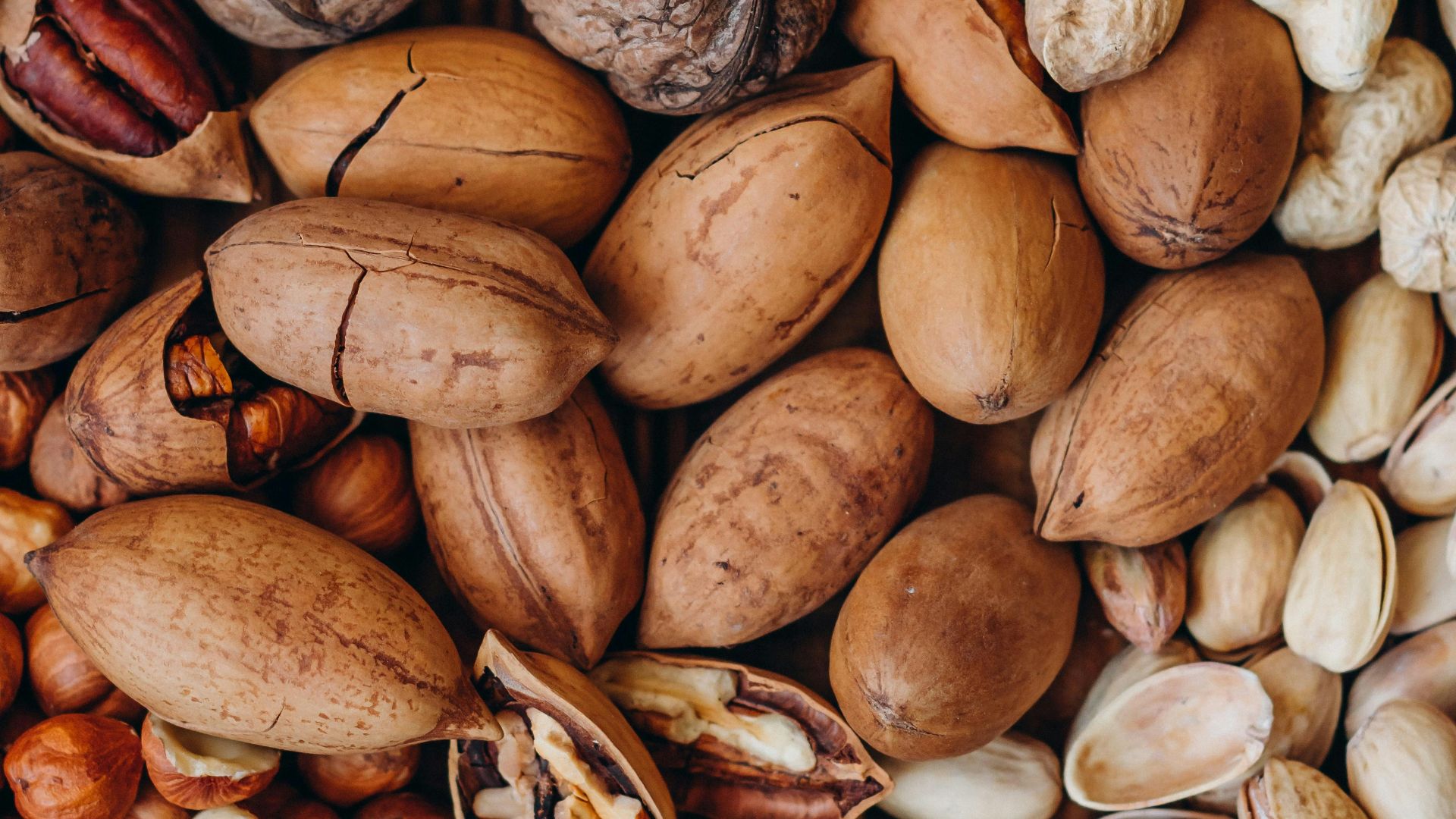
5. Nuts
Almonds, walnuts, and pistachios are packed with protein, fiber, and healthy fats. A small handful can curb hunger without spiking blood sugar. They’re convenient snacks that help sustain energy between meals.
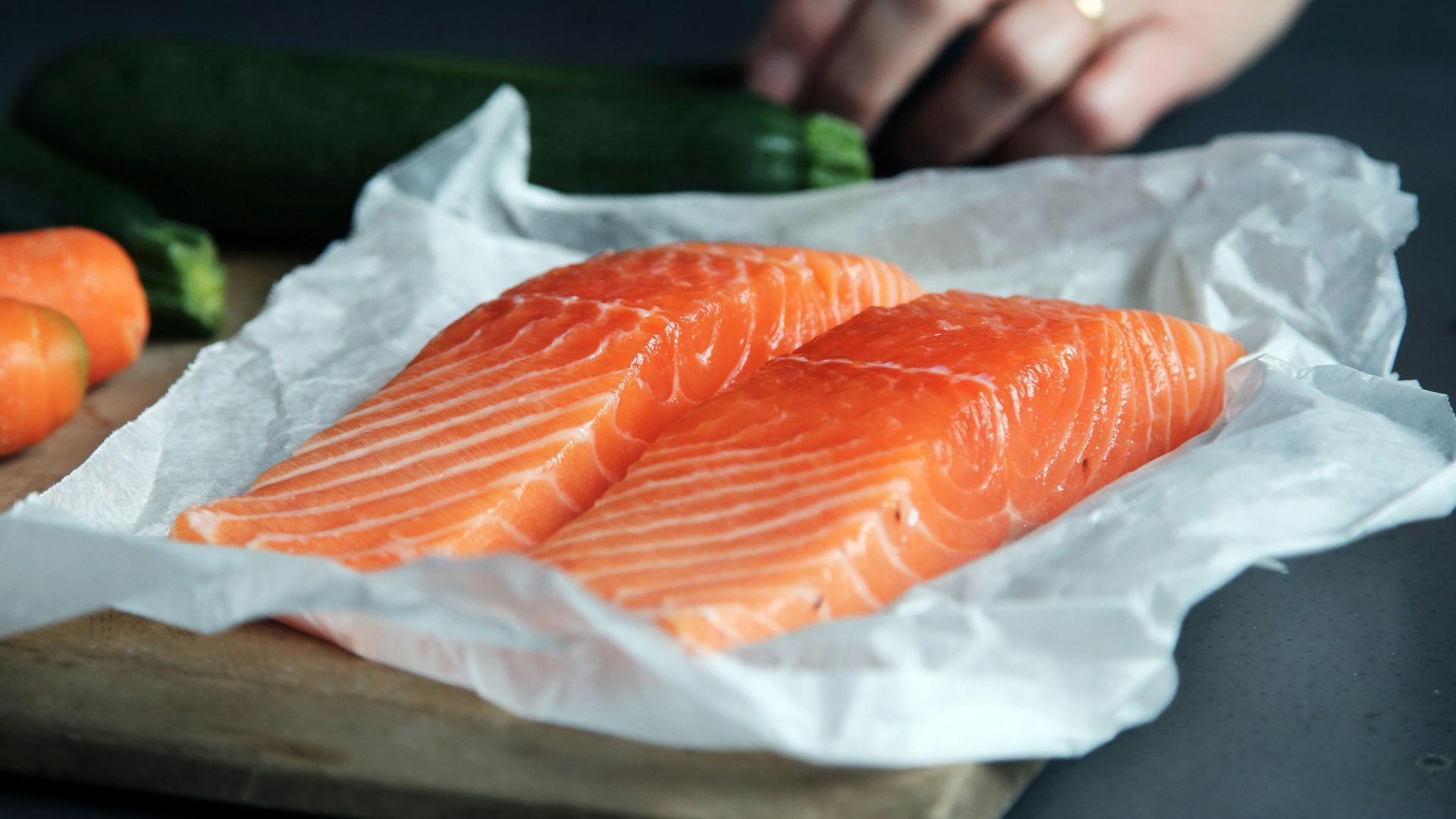
6. Fatty Fish
Salmon, sardines, and mackerel offer omega-3 fatty acids, which support heart and joint health. They’re also an excellent source of protein to maintain muscle mass. Including fatty fish a few times a week supports overall wellness.
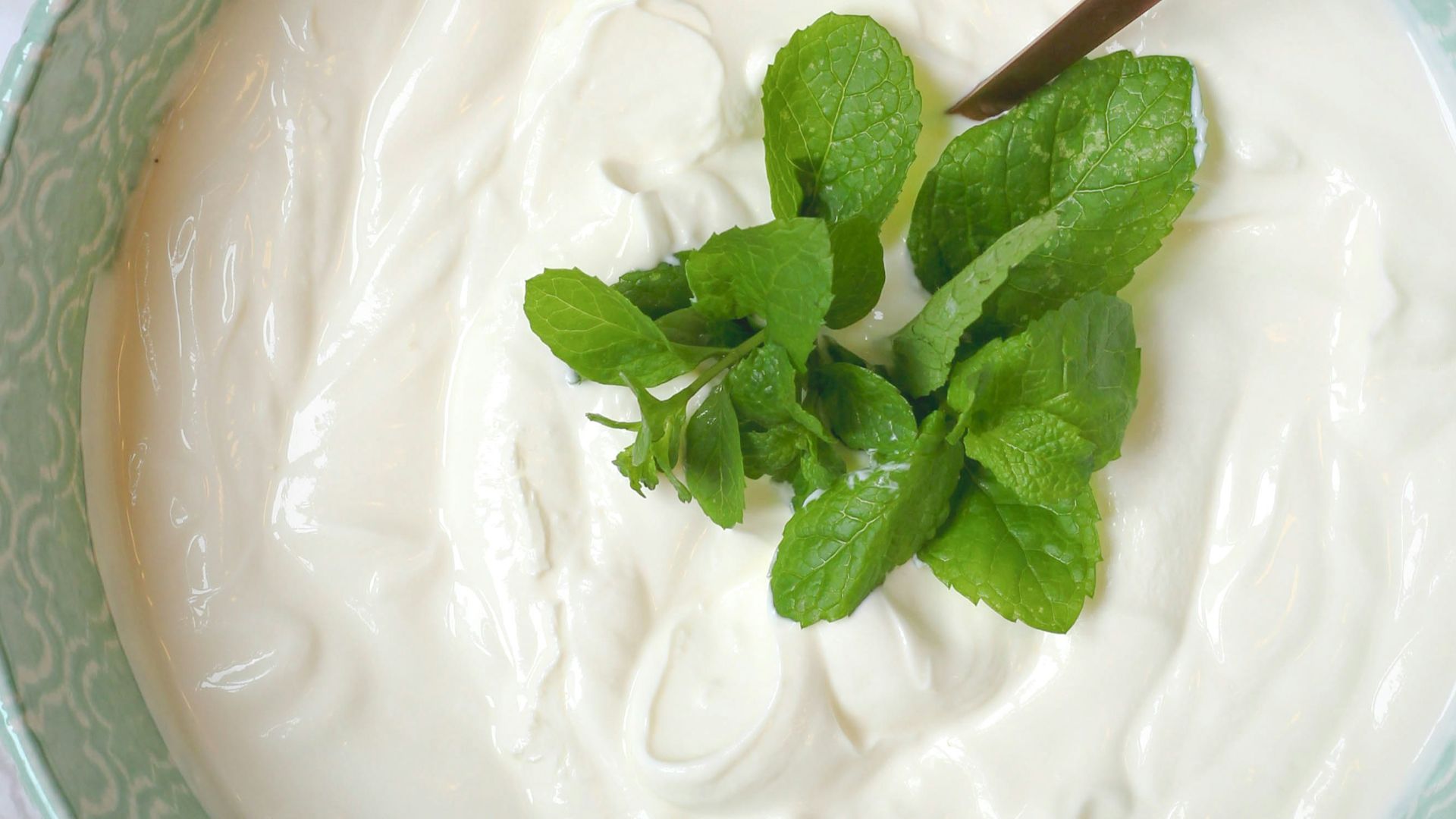
7. Greek Yogurt
High in protein and probiotics, Greek yogurt promotes digestion and satiety. Choose plain, unsweetened versions to avoid excess sugar. It’s a versatile option for breakfast, snacks, or as a base for smoothies.
 micheile henderson on Unsplash
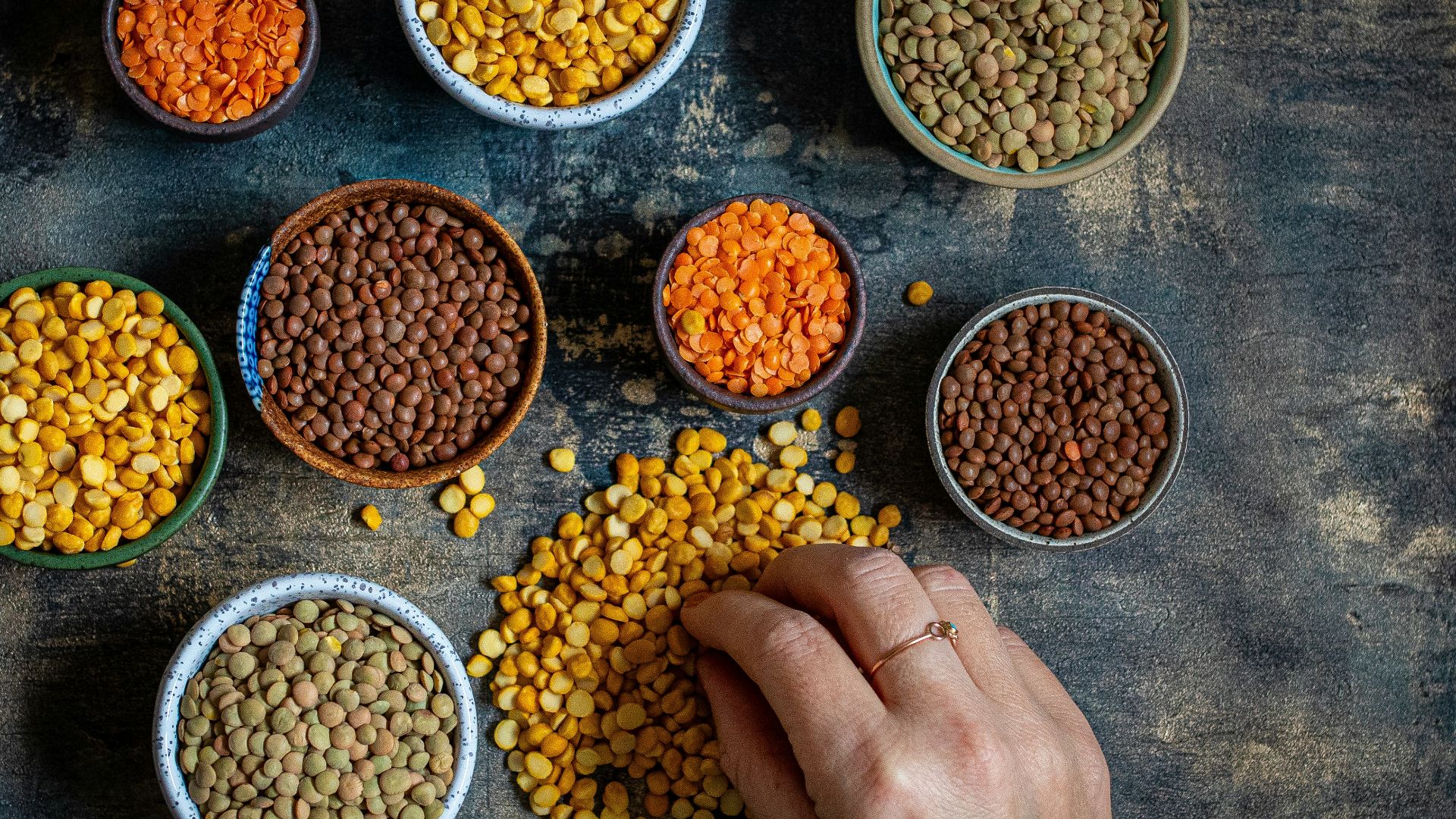
8. Beans and Lentils
Legumes provide fiber, protein, and important minerals like iron and magnesium. They help stabilize blood sugar and support digestion. Pair them with vegetables or grains for a filling, nutrient-dense meal.
9. Whole Grains
Oats, quinoa, and brown rice are slower-digesting carbs that provide energy without spikes. They’re rich in fiber, which supports heart and gut health. Incorporating whole grains helps you stay satisfied throughout your eating window.
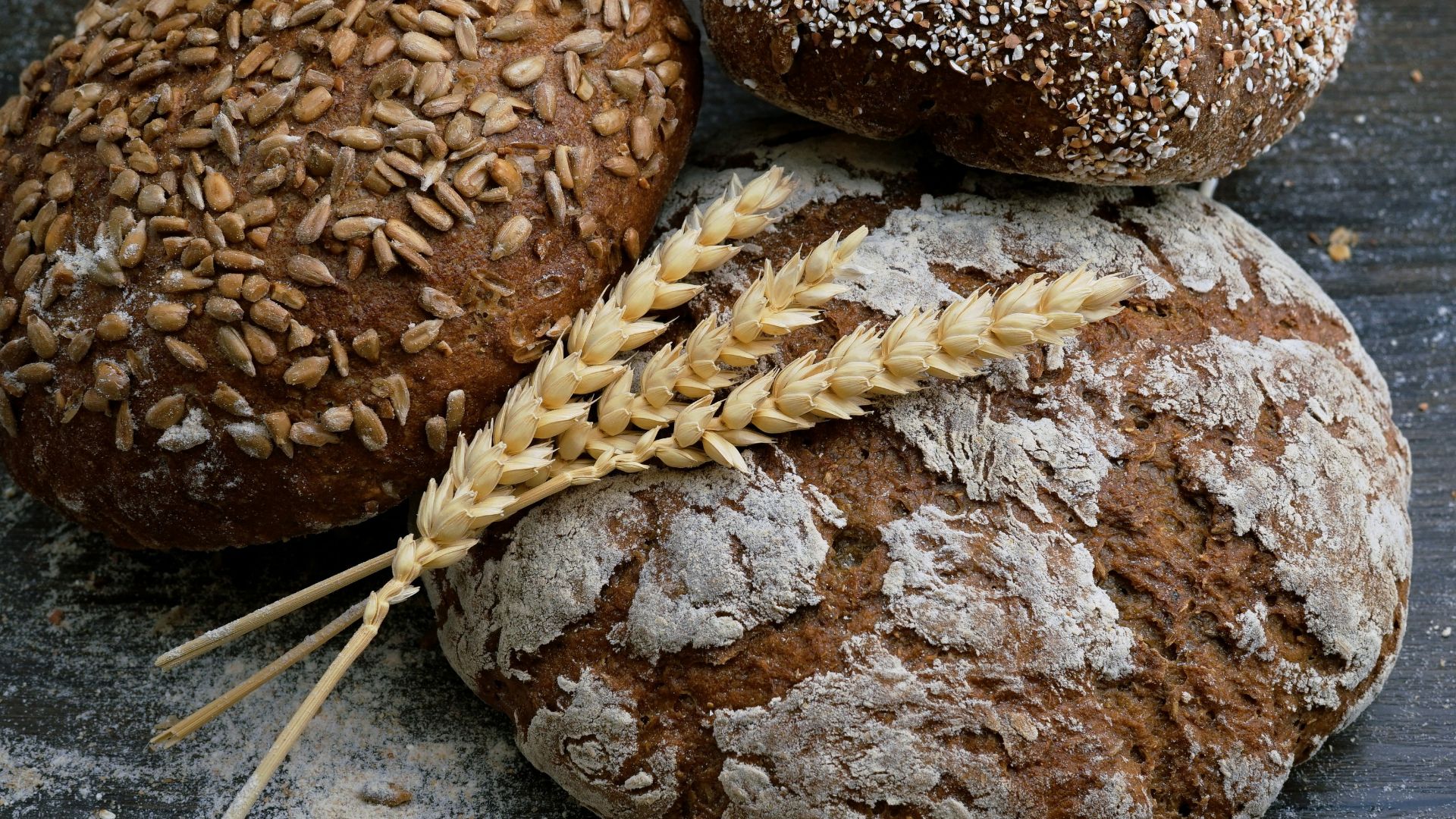
10. Olive Oil
A staple in healthy diets, olive oil is rich in monounsaturated fats and antioxidants. Drizzle it on salads or vegetables to boost flavor and nutrient absorption. It’s a simple way to add heart-healthy fats without overloading calories.
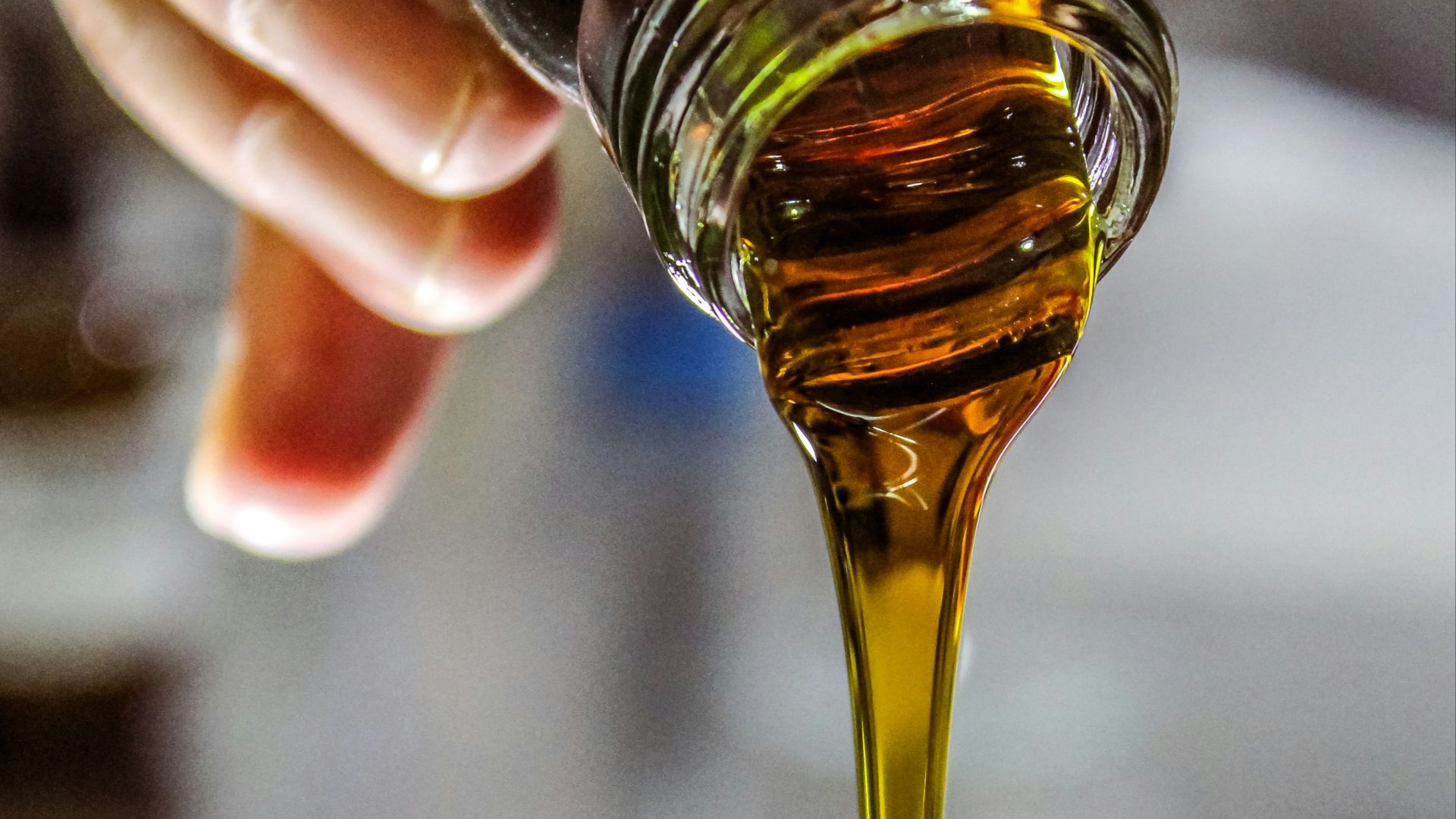
11. Sweet Potatoes
Sweet potatoes are a fiber-rich carbohydrate with plenty of vitamins and antioxidants. They’re easy to digest and release energy slowly. Baked, mashed, or roasted, they make a satisfying addition to meals.
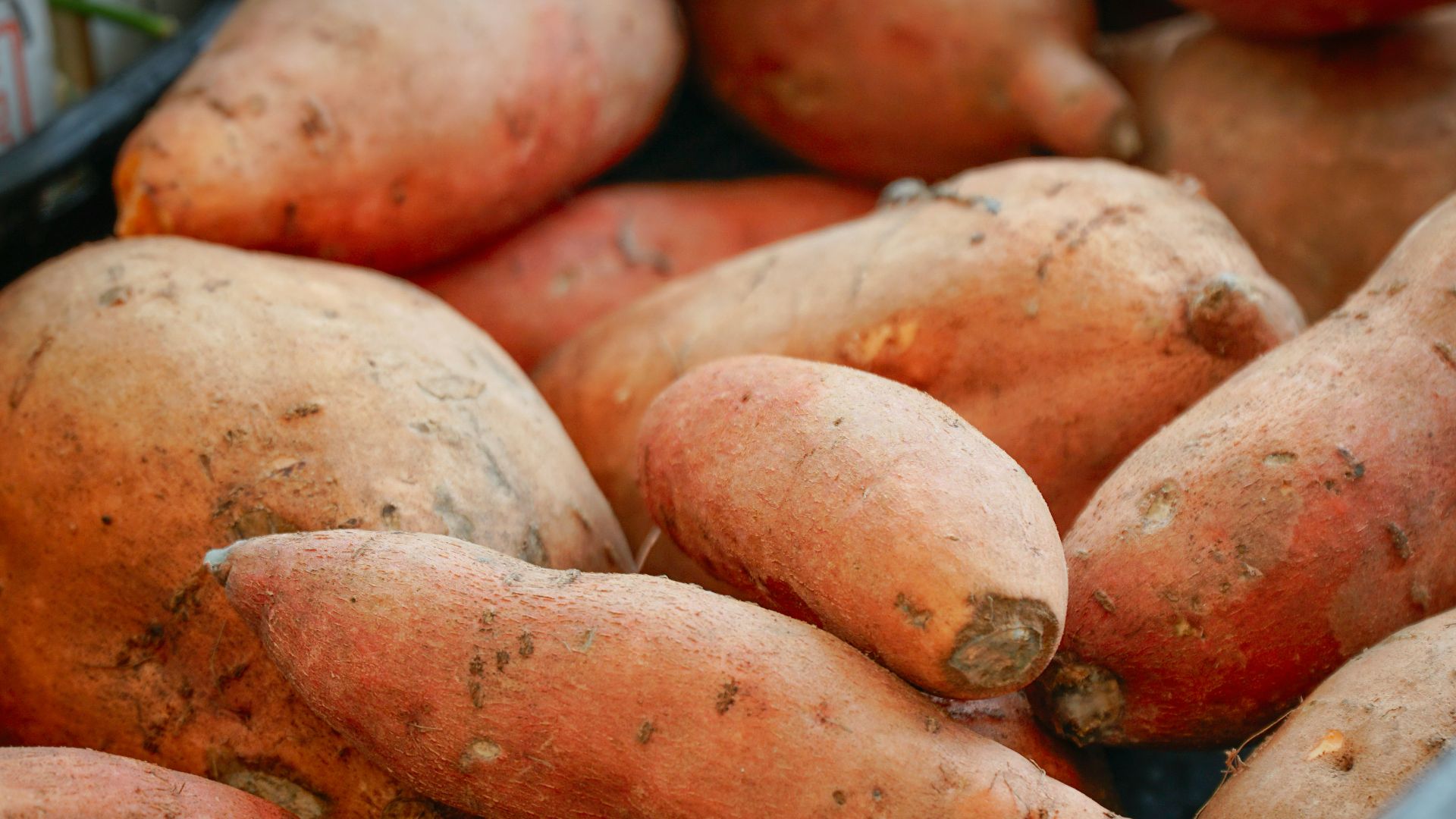
12. Cottage Cheese
Cottage cheese is high in protein and gentle on digestion. It’s especially helpful for maintaining muscle mass during fasting. Pair it with fruits or vegetables for a nutrient-balanced snack or meal.

13. Green Tea
While not a food, green tea is perfect for fasting periods. It supports metabolism, provides antioxidants, and offers a gentle caffeine boost. Drinking green tea can also help curb appetite without breaking your fast.
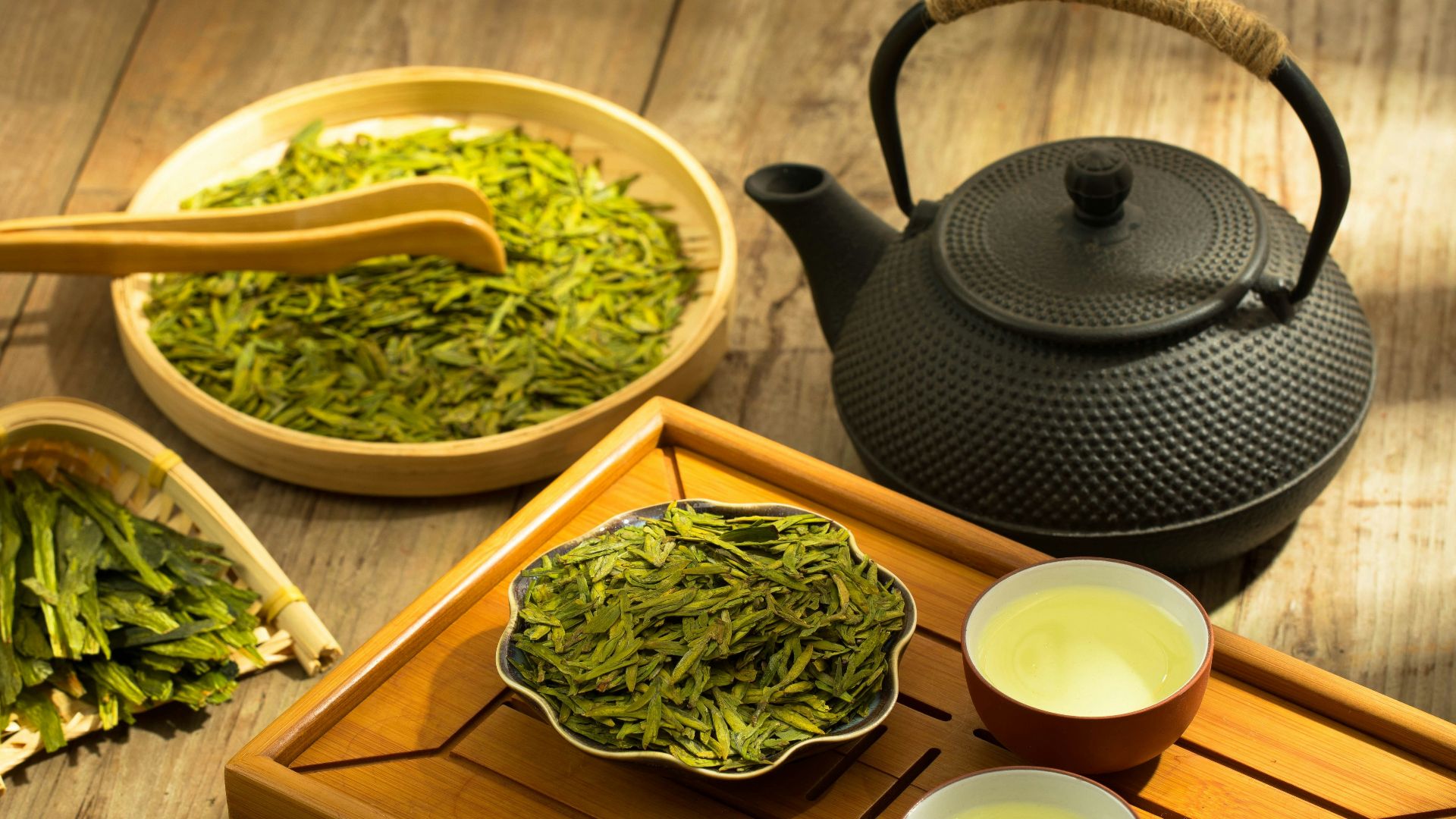
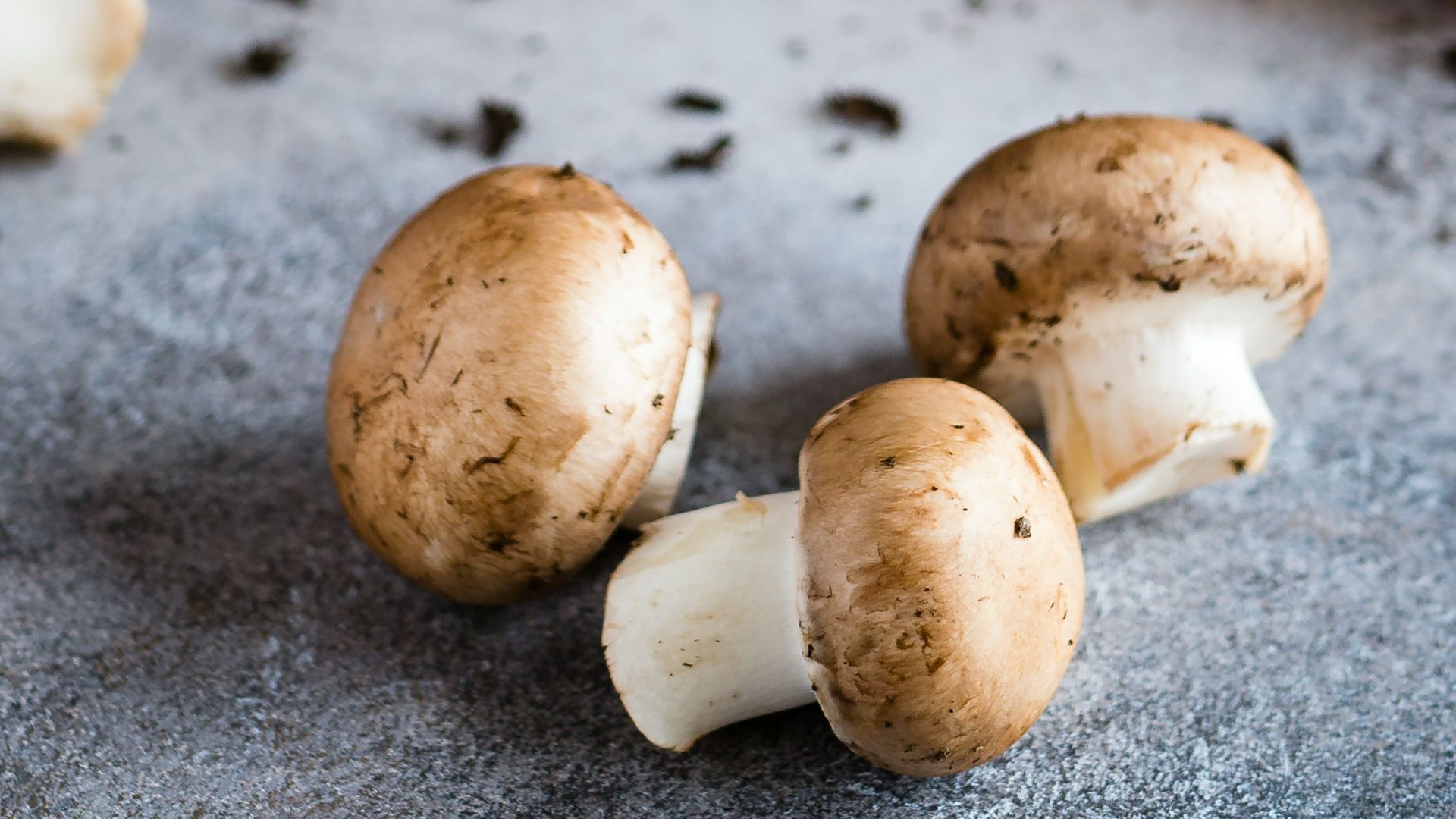
14. Mushrooms
Mushrooms are low-calorie, nutrient-dense, and full of antioxidants. They add umami flavor and support immune health. Sauteed or roasted, they’re a satisfying way to increase vegetable intake.
 Christine Siracusa on Unsplash
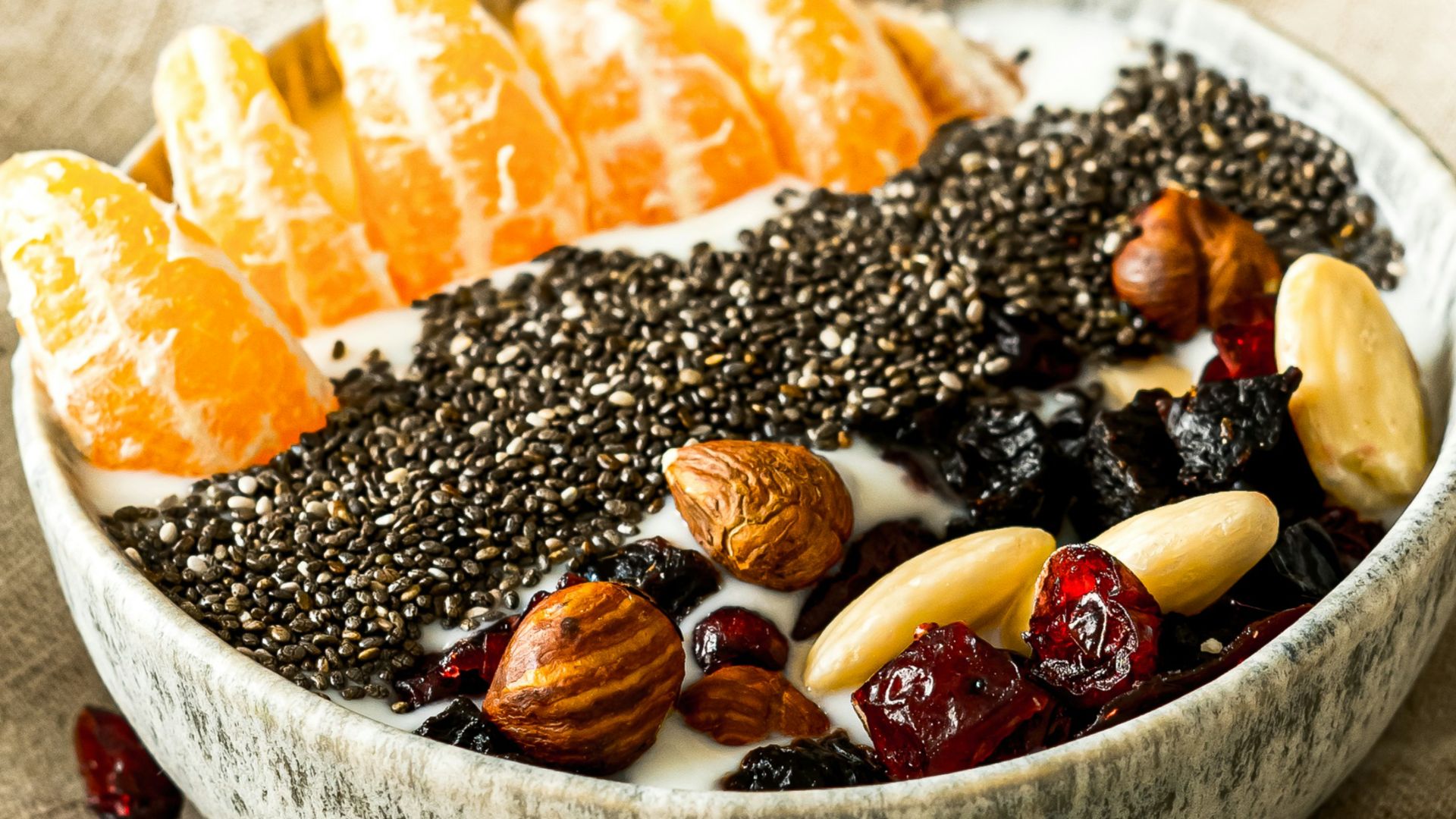
15. Chia Seeds
Chia seeds are rich in fiber, omega-3s, and minerals. They absorb liquid and expand, helping you feel full longer. Add them to smoothies, yogurt, or puddings for an easy nutrient boost.
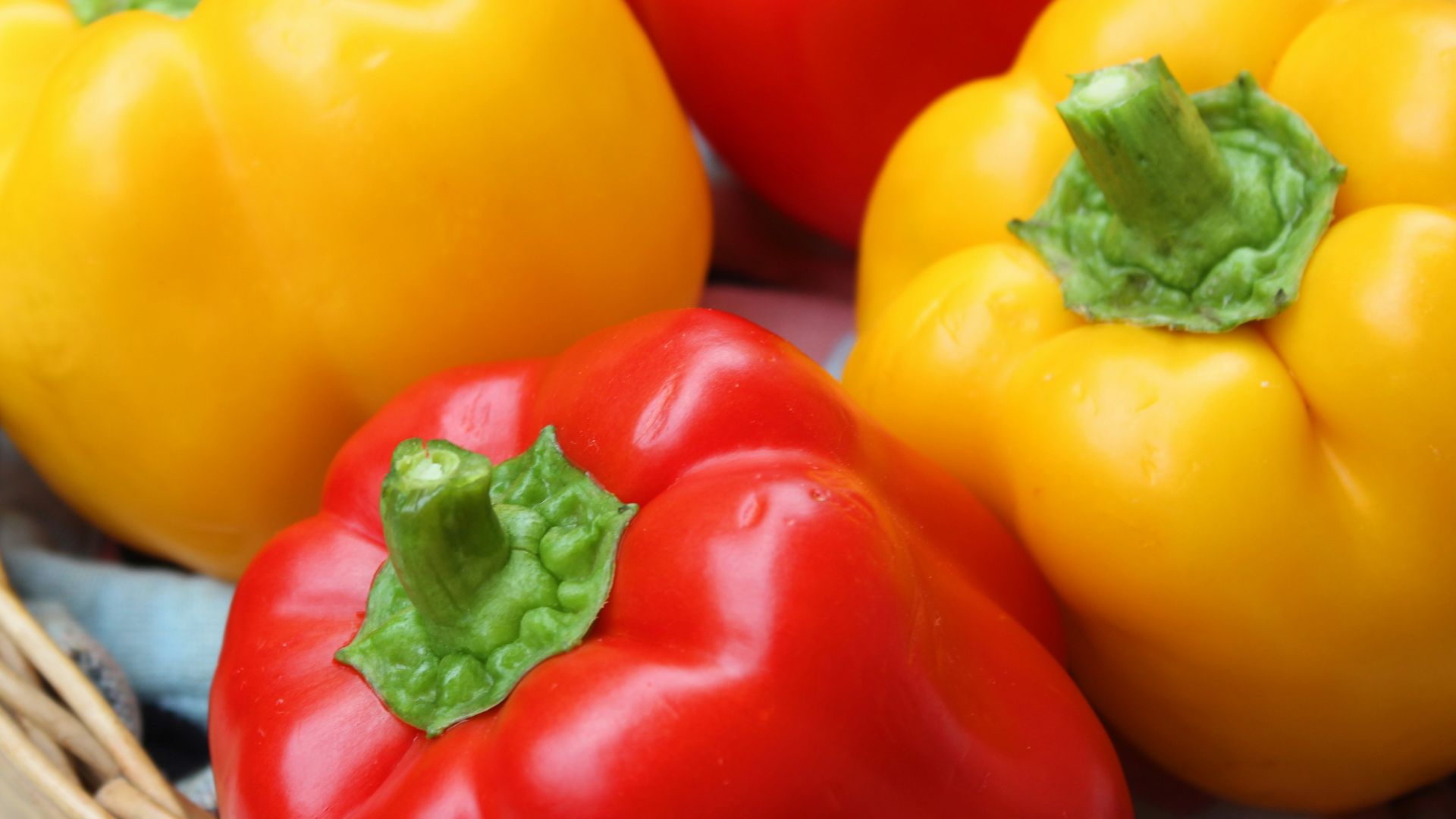
16. Bell Peppers
Bell peppers are packed with vitamin C and other antioxidants. They’re low in calories and gentle on the stomach. Sliced raw or roasted, they add color, crunch, and nutrition to meals.
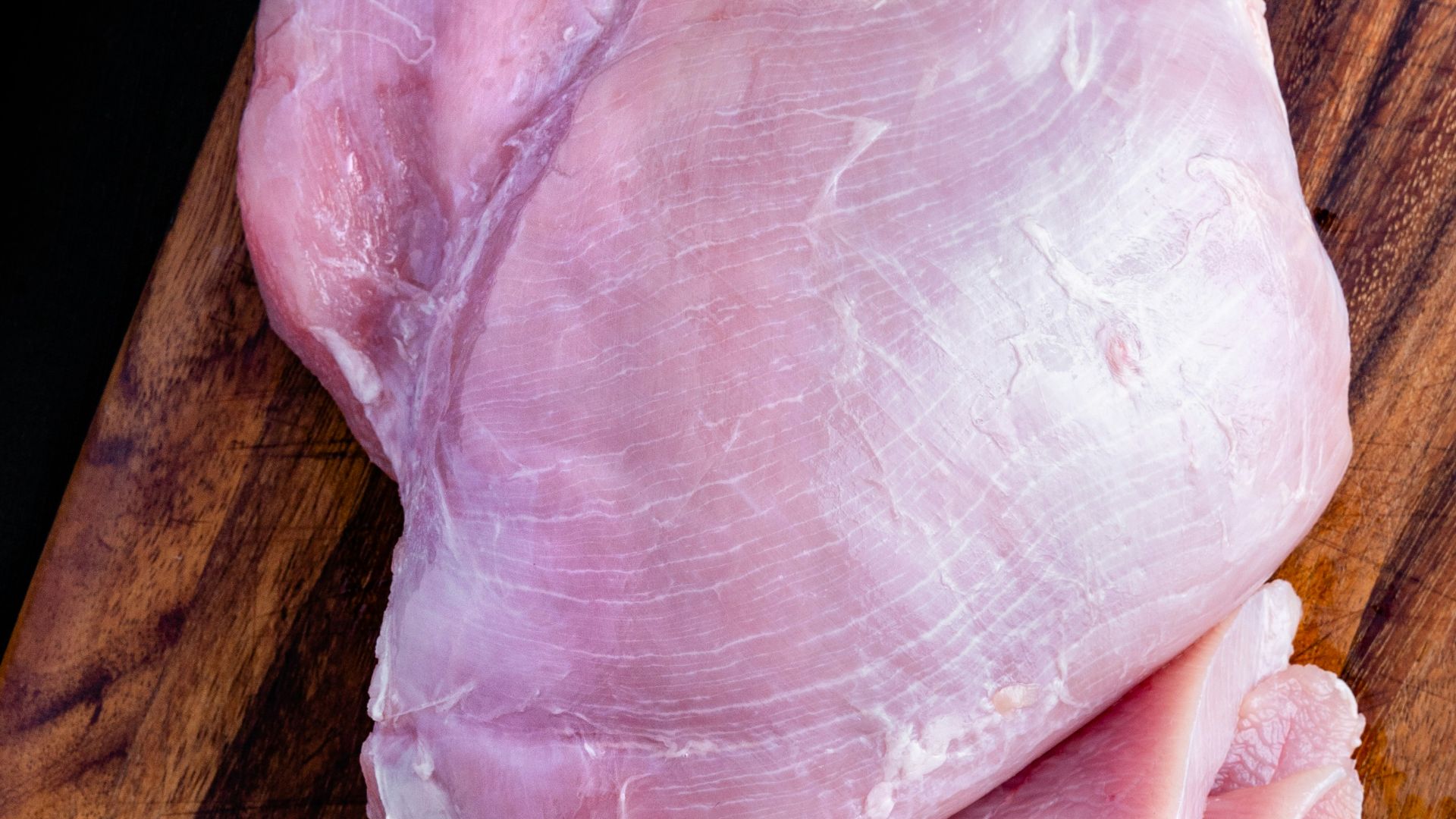
17. Lean Poultry
Chicken or turkey provides lean protein essential for maintaining strength and metabolism. Cooking methods like baking or poaching keep it soft and easy to digest. Incorporating poultry ensures you meet protein needs without excess fat.
18. Fermented Foods
Sauerkraut, kimchi, and kefir support gut health through probiotics. They’re easy to digest and enhance nutrient absorption. Including fermented foods helps maintain a healthy microbiome in your 50s.
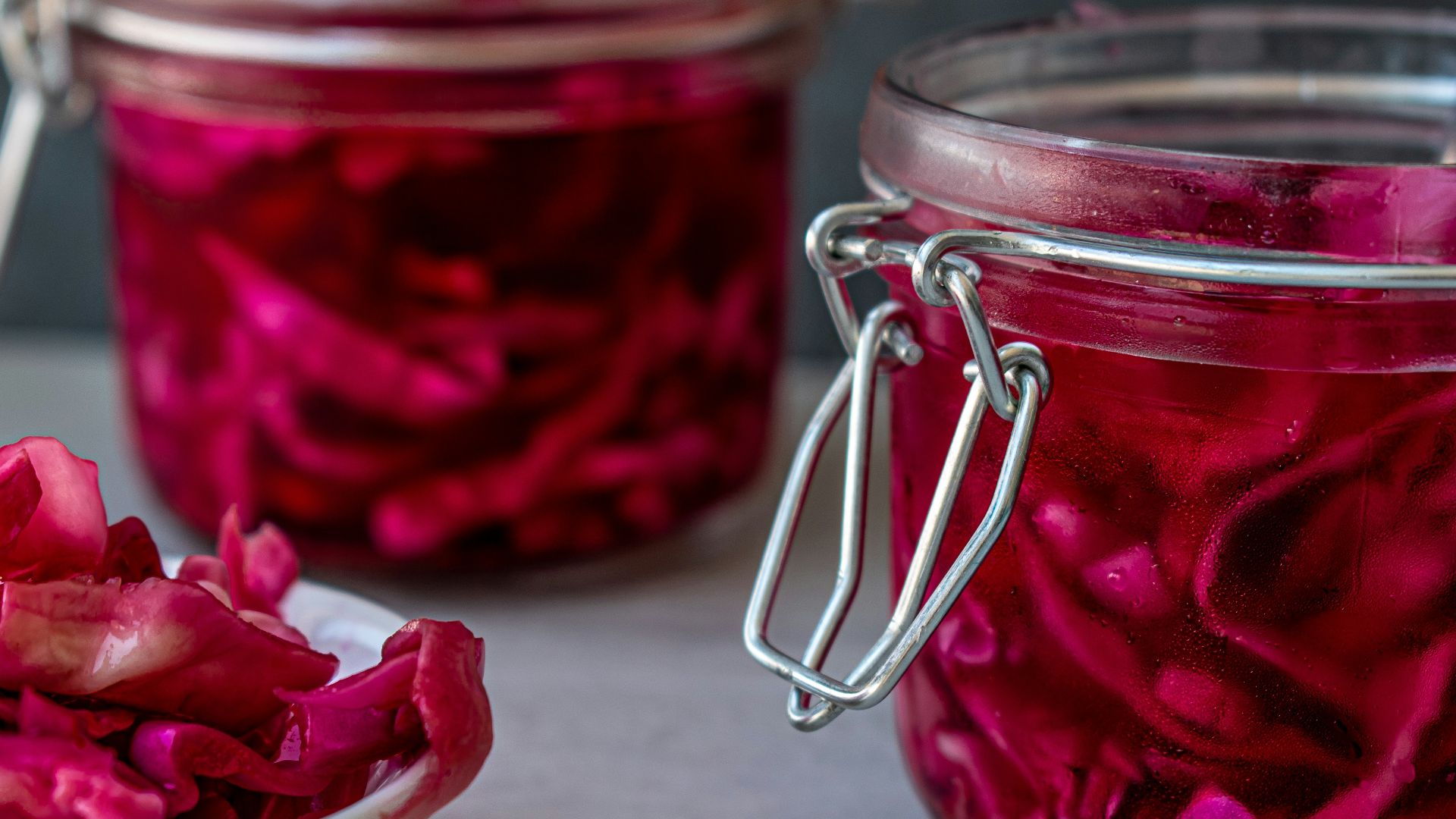 The Matter of Food on Unsplash
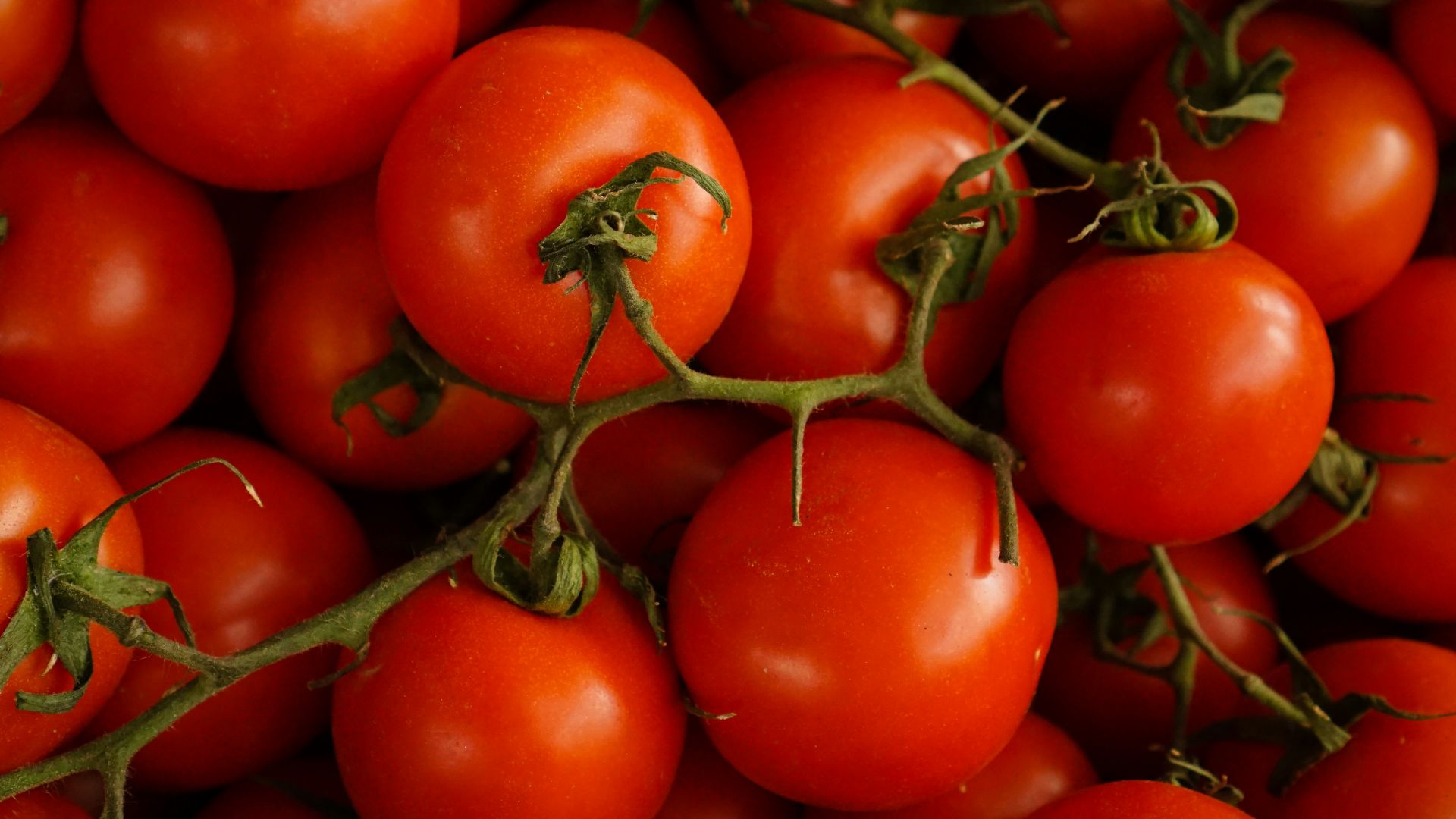
19. Tomatoes
Tomatoes are rich in antioxidants like lycopene and vitamins A and C. They’re soft and versatile in cooking or salads. Adding them boosts flavor and nutrition without being harsh on digestion.
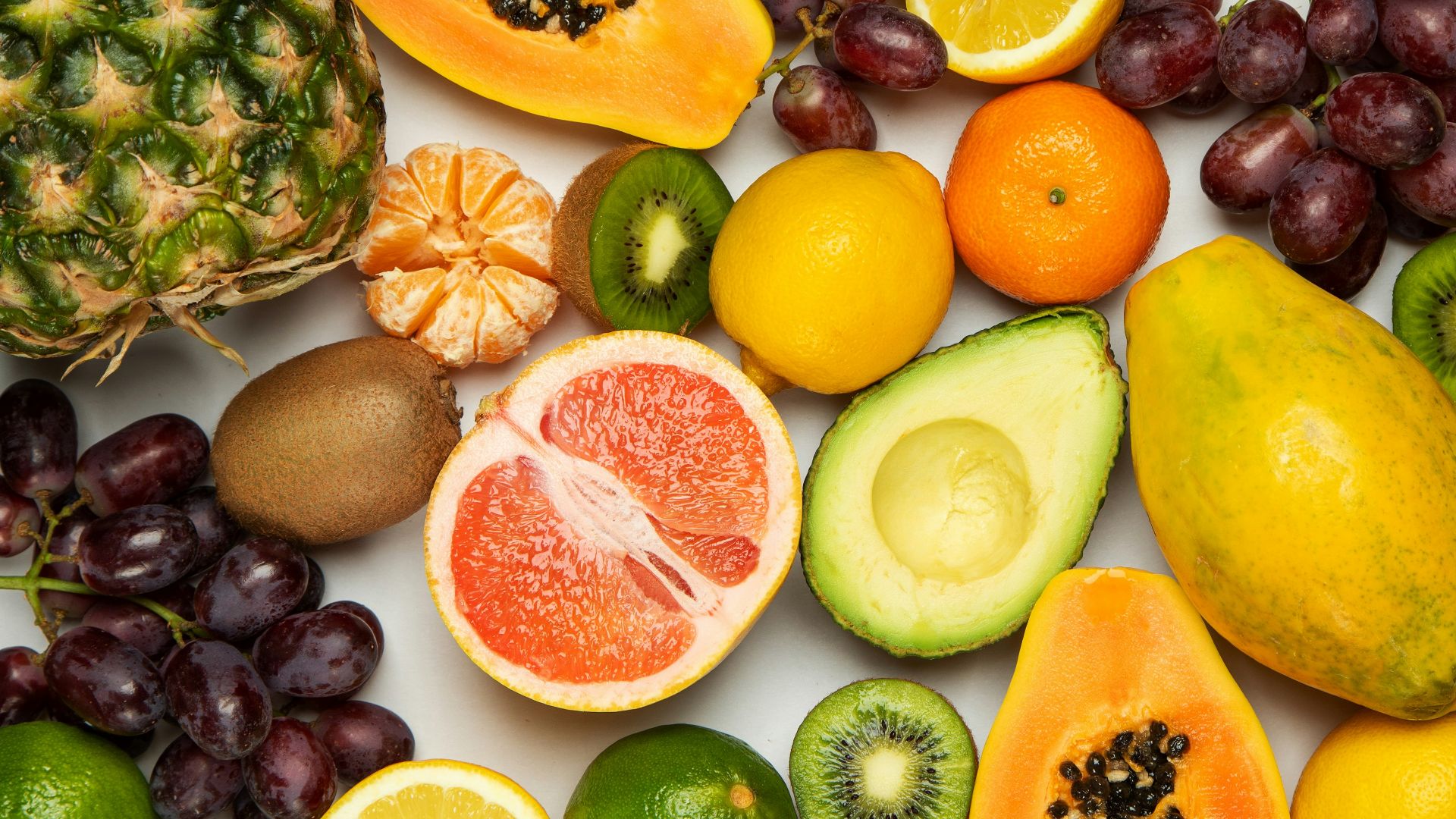
20. Soft Fruits
Bananas, peaches, and ripe melons are gentle on digestion and easy to incorporate. They provide natural sweetness and vitamins without spiking blood sugar. Soft fruits are perfect for quick snacks or additions to meals.
KEEP ON READING

20 Dating Boundaries To Protect Your Mental Health


20 Ways To Make Exercise More Fun
20 Smart Grocery Swaps For Better Heart Health