The Cultural Assumptions Within Health Advice
A lot of so-called health wisdom travels the way etiquette does. It gets repeated at family tables, in locker rooms, and across wellness packaging until it starts to feel like settled science. Some of these rules have a faint aura of authority because they borrow medical words, cite a number, or gesture at a study someone heard about once. The problem is that culture is excellent at laundering preferences into principles, especially when a rule conveniently rewards discipline, thinness, productivity, or moral cleanliness. Plenty of guidance can still be useful, yet it helps to recognize when a rule is really a social norm dressed up as science. Here are twenty health rules that often function more like cultural scripts than hard laws of the body.

1. Eat Breakfast Like A King
The idea that breakfast is the most important meal has been pushed for generations, and it has also been heavily shaped by marketing and social routine. Nutrition research tends to show that what matters most is overall diet quality and total intake, and that some people do fine with later first meals while others feel better eating early. The rule often sounds universal because it matches the workday clock, not because every body needs food at 7 a.m.

2. Never Eat After 8 P.M.
This one has the clean certainty of a lab rule, yet the hour itself is basically arbitrary. Late-night eating can be associated with higher calorie intake for some people, but the cultural part is treating one specific time as a moral boundary. Bodies do not flip into a different metabolic mode because a clock on the wall changed.

3. Drink Eight Glasses Of Water A Day
Eight glasses is a classic example of a number that sounds official and spreads like it came from a textbook. Hydration needs vary with climate, activity, diet, and body size, and credible public health guidance typically emphasizes thirst cues and total fluid intake from food and drinks. The cultural part is the feeling that a simple daily quota must exist for everyone.

4. Detoxing Is Something You Can Do In A Weekend
Detox has the tone of clinical medicine, yet the body already has liver and kidneys doing that work continuously. Many detox plans are really cultural rituals of purity, tied to the idea that feeling virtuous should feel like restriction. When the language gets fuzzy and the mechanism is never clear, it is often culture doing a costume change.

5. Sweat Means You Are Burning Fat
Sweating is mostly about cooling, not a scoreboard for fat loss. Hot yoga, heavy hoodies, and sauna sessions can create a dramatic sweat response with little relation to actual energy expenditure. The cultural hook is that visible effort feels like proof, even when the physiology is more boring.

6. Thinness Automatically Equals Health
This rule is deeply cultural because it treats appearance as a proxy for lab results, fitness, and longevity. Weight can correlate with certain risks at the population level, yet individual health depends on many factors, including blood pressure, blood lipids, glucose control, sleep, and activity. The rule survives because society rewards thinness and calls the reward science.

7. BMI Is A Precise Personal Health Score
BMI is a simple ratio developed in the 19th century by Adolphe Quetelet, and it was never designed as a diagnostic tool for individuals. It can be useful for large-scale population trends, yet it can misclassify muscular people, older adults, and people with different body compositions. The cultural part is treating one number as identity instead of a rough screening shortcut.

8. Ten Thousand Steps Is The Daily Minimum
Ten thousand steps is famous partly because it sounds specific, and its history includes marketing rather than a universal scientific threshold. Research does support benefits from more walking, yet the dose-response curve is not a cliff where health suddenly appears at a single number. The cultural piece is the comfort of a tidy target that fits neatly into a device.

9. The Healthiest People Wake Up Before Sunrise
Early rising gets framed as wellness, yet it is also a work ethic story. Chronobiology research recognizes that people have different chronotypes, and forcing early schedules can harm sleep for natural night owls. The rule survives because culture admires morning discipline, then pretends the admiration is physiology.

10. Coffee Is Either A Sin Or A Miracle
Coffee gets moralized in cycles, depending on the era and the audience. Large bodies of research have linked moderate coffee intake with certain health outcomes, yet individual tolerance varies, and caffeine can worsen anxiety or sleep quality for many. The cultural part is the need to place it in a virtue category instead of treating it as a tradeoff.

11. If You Are Not Sore, The Workout Did Not Count
Soreness can happen from novelty or intensity, and it is not a reliable marker of progress. Strength and endurance improve through consistent training, adequate recovery, and gradual overload, not through constant damage. The cultural script is that pain equals dedication, which makes it easy to sell punishing routines.

12. Stretching Before Exercise Prevents Injury
This rule gets taught like a law of nature, yet evidence has been mixed, especially for long static stretching right before intense activity. Warm-ups that raise temperature and prepare movement patterns tend to make more practical sense for performance. The cultural element is that stretching looks like responsible behavior, so it feels safer even when the benefit depends on context.

13. Real Fitness Means Running
Running is accessible and measurable, so it becomes the default symbol of being in shape. Plenty of people build excellent cardiovascular health through cycling, swimming, rowing, walking, or sports that fit their bodies better. The cultural part is that running reads as discipline, so it gets treated as the gold standard.

14. Carbs Are The Enemy
Carbohydrates get cast as a villain because it simplifies eating into a single target. Nutrition science is more nuanced, with strong differences between whole grains, fruit, and legumes versus refined sugars and ultra-processed foods. The cultural appeal is that banning a category feels decisive and clean.
15. Fat-Free Is Automatically Better
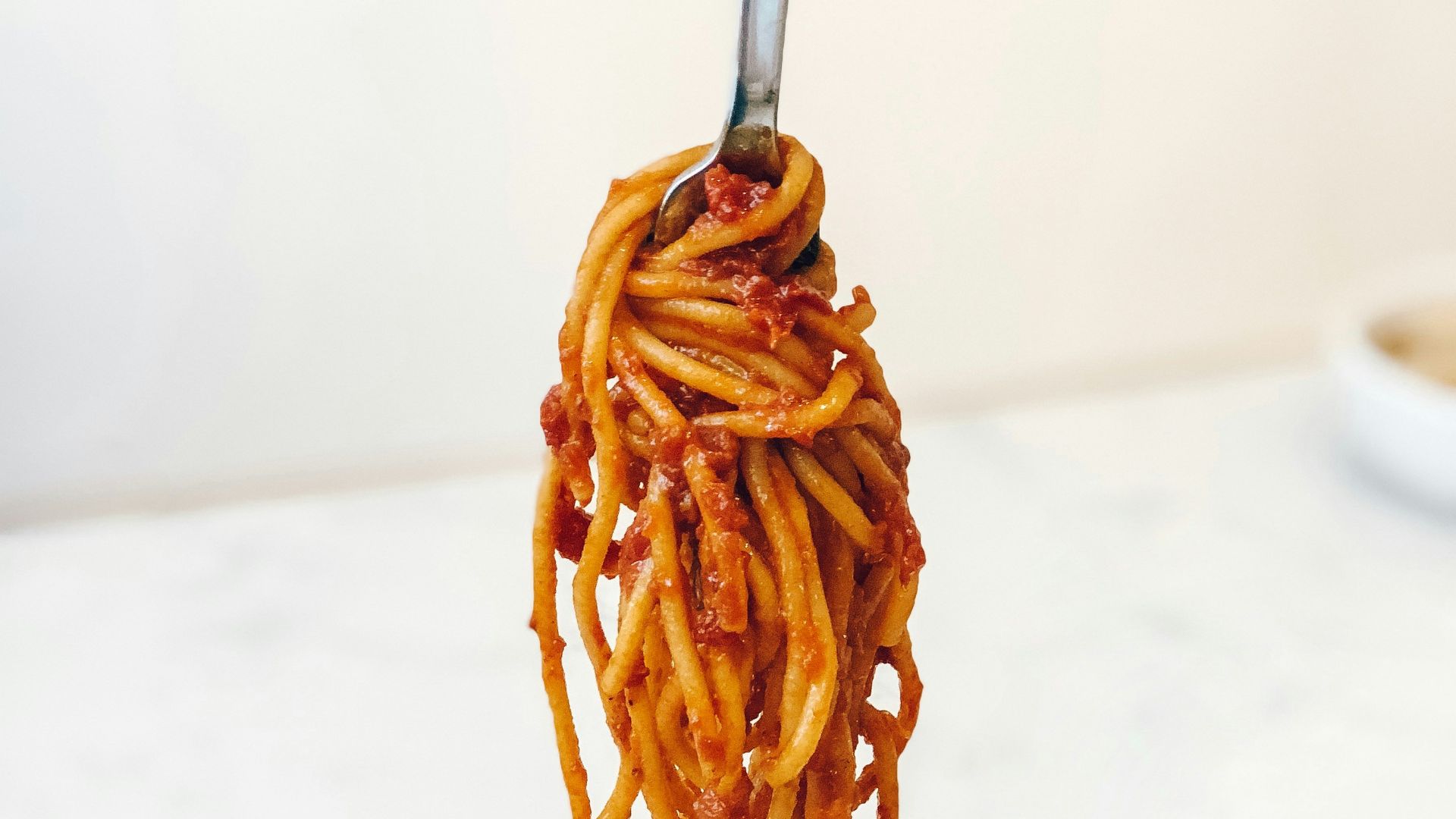
The fat-free era left a long shadow, partly because it matched a cultural fear of richness and indulgence. Dietary fat has essential roles, and removing fat often changes satiety, flavor, and food formulation in ways that are not always helpful. The rule sounds scientific because it uses a nutrient label, yet it often reflects a time-specific trend.

16. Organic Means Healthy
Organic farming standards address certain pesticides and production practices, which can matter for environmental and occupational reasons. Nutritional differences are not guaranteed, and an organic cookie is still a cookie in terms of sugar and calories. The cultural piece is that the label acts like a moral badge that feels like a health outcome.

17. Supplements Are A Shortcut To A Better Body
Supplements can be medically necessary in specific cases, and some have decent evidence for targeted use. The broader cultural story is that health should be purchasable, preferably in a clean bottle with a confident claim. When the pitch sounds like a lifestyle upgrade instead of a medical need, culture is usually driving.

18. Clean Eating Is A Medical Requirement
Clean eating is rarely defined in scientific terms, which is part of its power. It often functions as a social identity that rewards restriction, purity language, and public performance. Real nutrition tends to look more like patterns and balance, not purity tests.
19. Natural Means Safe
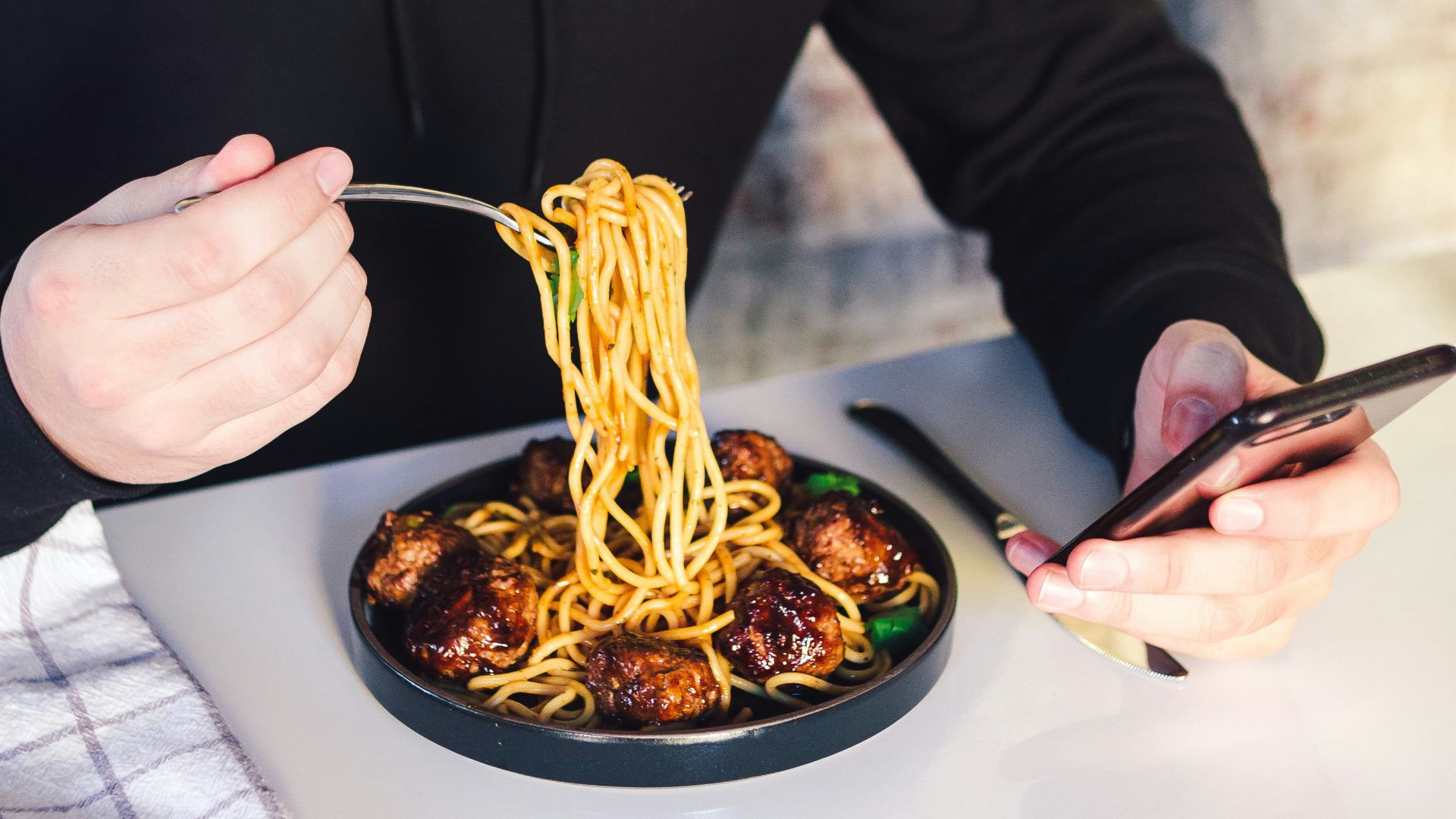
Natural is a cultural comfort word, not a safety guarantee. Plenty of natural substances are toxic, and plenty of synthetic medicines are lifesaving, which is why credible institutions like poison control centers and regulatory agencies focus on dose and evidence. The rule survives because nature feels trustworthy, even when biology is indifferent to feelings.
 Alexander Schimmeck on Unsplash
20. Health Looks The Same In Every Place And Era
What counts as healthy behavior shifts with time, class, region, and politics, from ideals about body size to beliefs about what foods are respectable. Medical knowledge evolves, yet many rules that claim scientific certainty are really snapshots of cultural values at a moment in history. Seeing that does not make health meaningless, it just makes it human.

KEEP ON READING



20 Ways To Get Your Vitamins And Minerals
20 Ways Doing Less Can Actually Improve Your Health