Diabetes is a Bigger Culprit Than You Realize
When people hear a diabetes diagnosis, they often think about the common symptoms—but diabetes isn’t just about blood sugar numbers on a screen; it can affect almost every system you rely on day to day. Some changes happen slowly, while others show up as small annoyances that are easy to shrug off until they stack up. The good news is that knowing what to watch for can help you take action earlier and work with your care team more effectively. Let’s dive into all the ways diabetes can sneak into your life.
1. It Can Dull Sensation in Your Feet
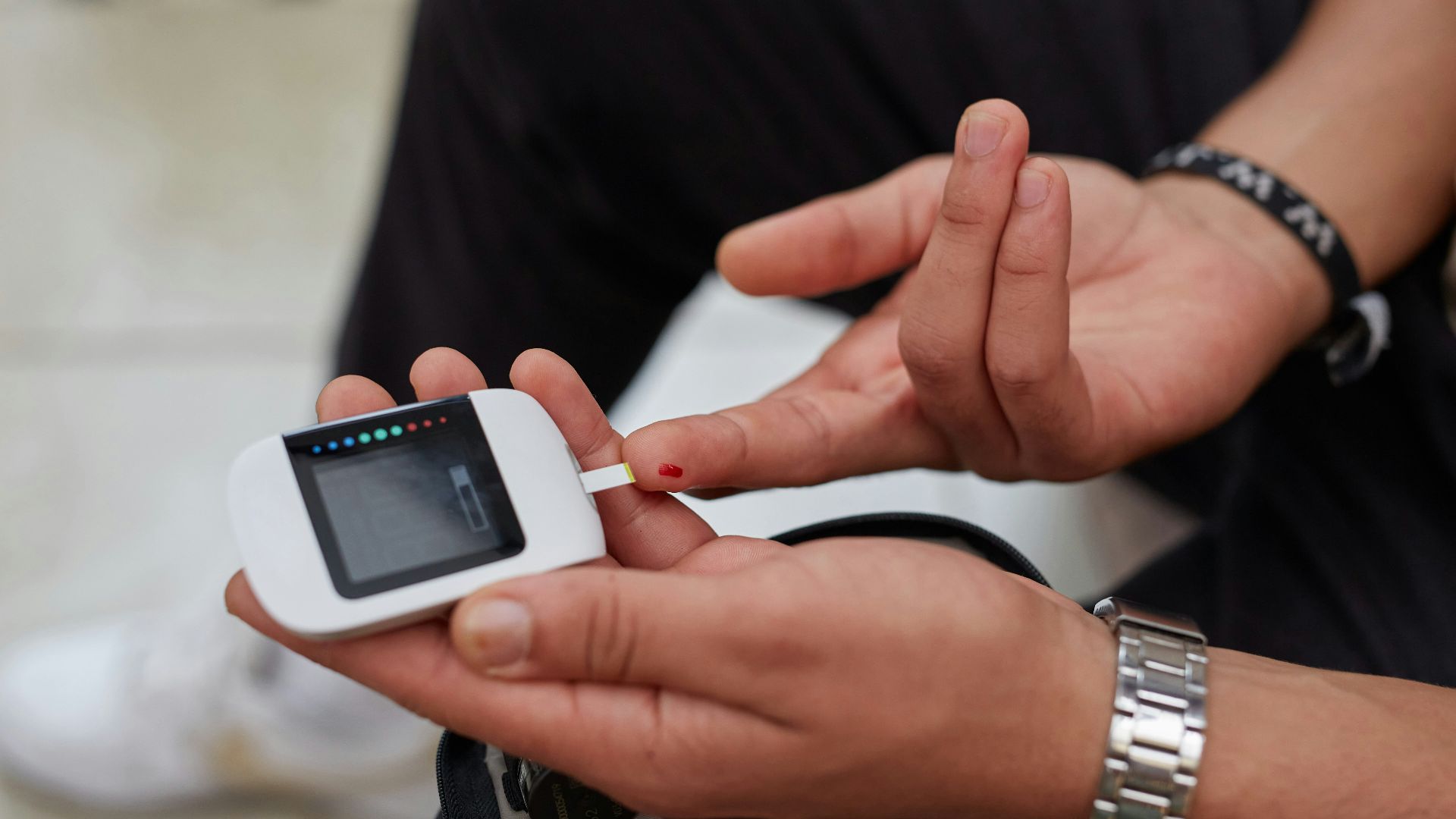
Diabetes may damage nerves over time, especially in the legs and feet. However, because it happens gradually, you might not notice pain, heat, or small injuries as quickly as you used to. That reduced feeling can make a tiny blister turn into a bigger problem before you realize it, so routine checks are a must.

2. It Can Cause Blurry Vision
When glucose levels swing, the fluid balance in your eyes can shift. That means your vision may temporarily get fuzzy. It can feel random, but it often tracks with changes in blood sugar. Ongoing high glucose can also raise the risk of diabetic eye disease, which is why regular eye exams matter even when you feel fine.

3. It Can Strain Your Kidneys
Your kidneys filter waste through delicate blood vessels, and high glucose wears those filters down. Early kidney damage doesn’t always cause obvious symptoms, either, so it can progress without much warning. Lab tests like urine albumin and kidney function checks help catch issues before they get serious.
4. It Can Increase Your Risk of Heart Disease
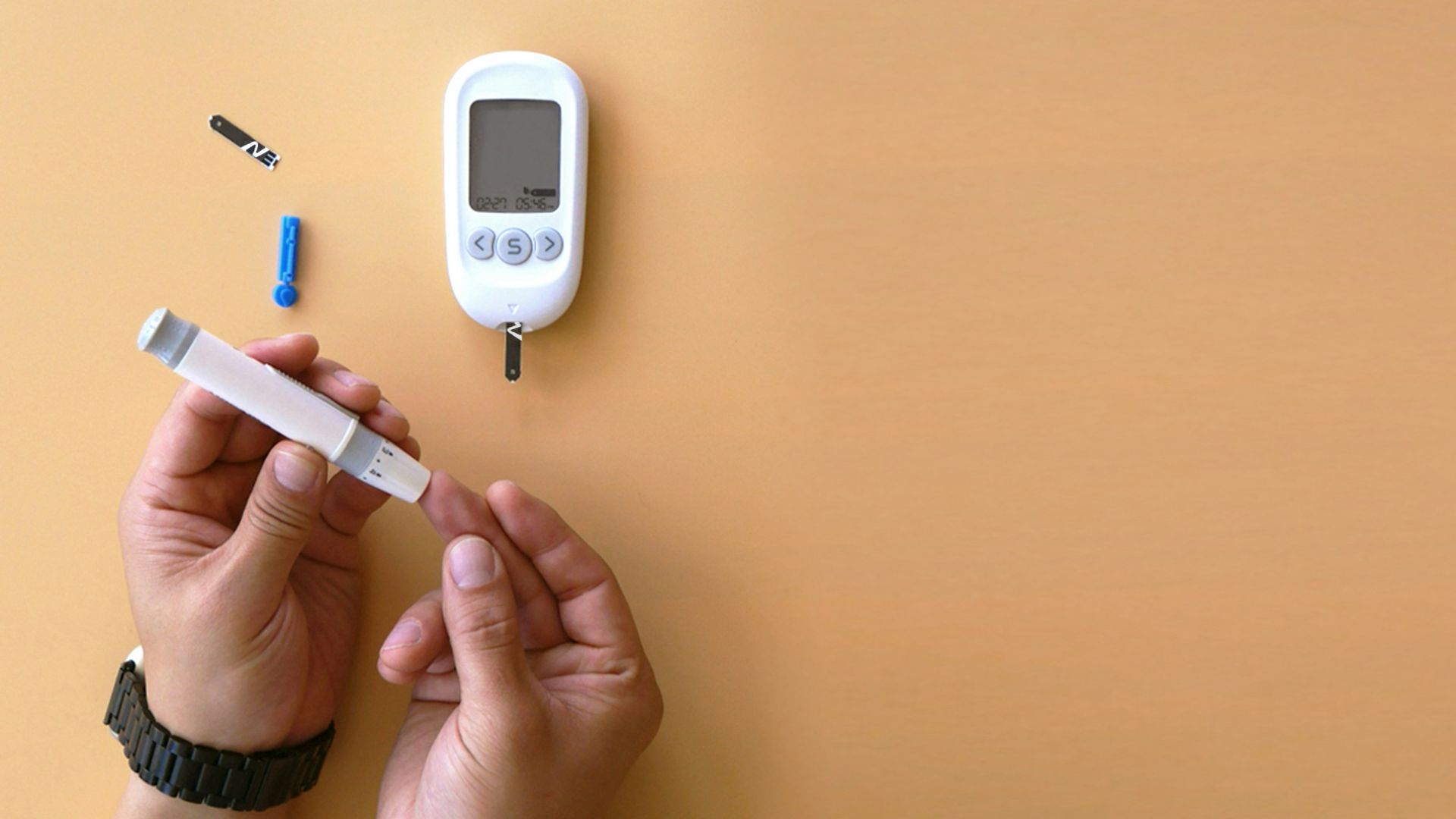
Protecting your heart means looking beyond glucose alone. Diabetes tends to travel with higher blood pressure, cholesterol problems, and inflammation—none of which is fun for your arteries. Over time, that combination can accelerate plaque buildup and raise the risk of a heart attack.

5. It Can Raise Stroke Risk
High blood sugar damages blood vessels and makes circulation less reliable, including in the brain. Devastatingly, that can increase the chances of a clot or other vascular event. Basic maintenance, then, means taking blood pressure, cholesterol, and glucose goals seriously as a practical form of care.
6. It Can Slow Wound Healing
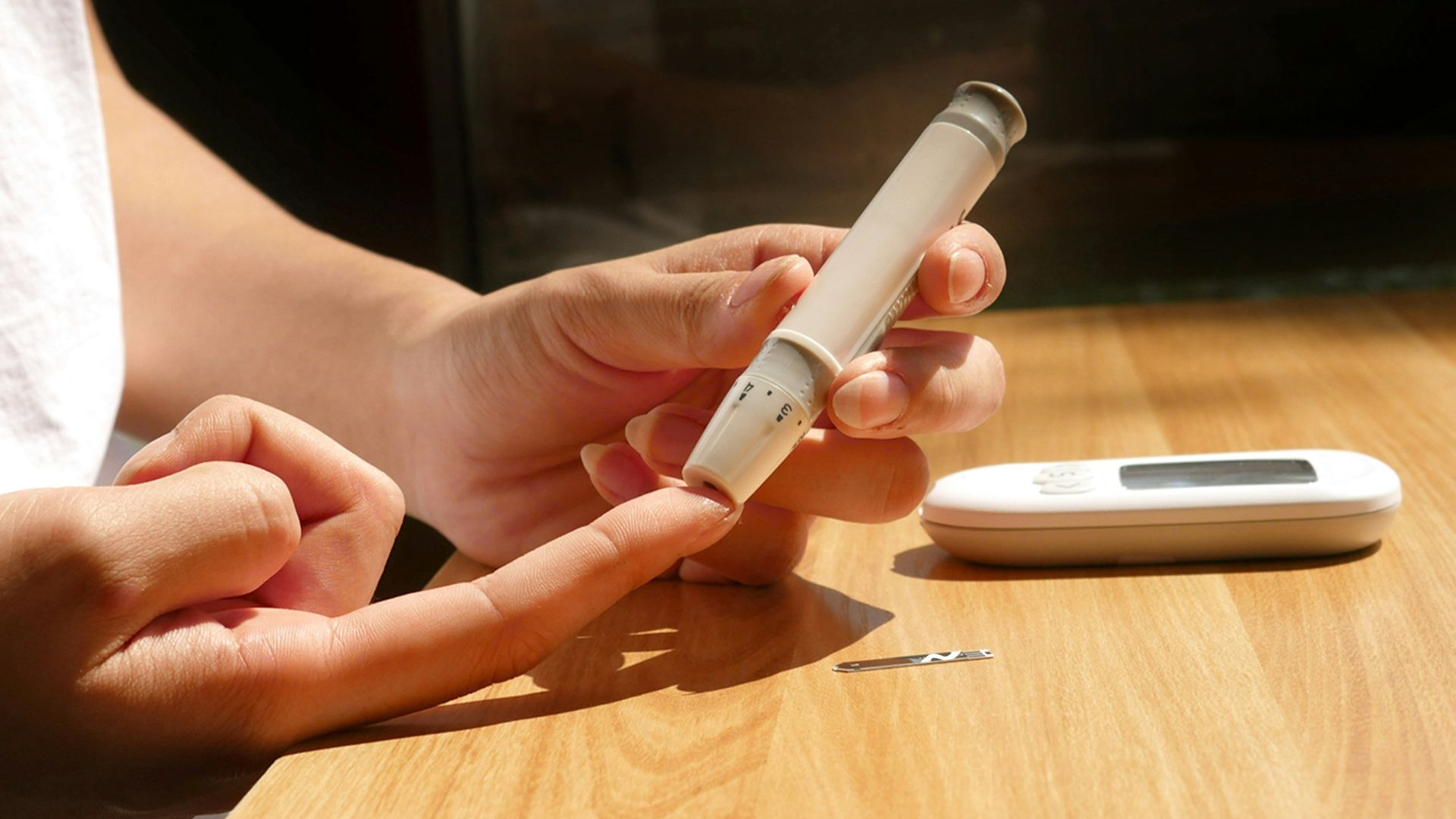
If you’ve ever wondered why a small cut is taking its sweet time, diabetes can be part of the explanation. Reduced blood flow and changes in immune function actually make repairs happen more slowly. The trick is to hop on minor wounds immediately; fast treatment saves you a lot of trouble later.

7. It Can Make Infections More Likely
Given that wounds take longer to heal, it’s not exactly surprising to hear that infections aren’t far behind. When glucose runs high, some germs thrive, and immune defenses don’t always work at full strength. You may notice more frequent skin infections, urinary tract infections, or yeast infections.

8. It Can Dry Out Your Mouth
A dry mouth might not sound like the end of the world, but that often means reduced saliva and a mouth left uncomfortably dry. That dryness can also lead to cavities, gum inflammation, and more serious periodontal problems.

9. It Can Irritate Your Skin
High glucose usually contributes to dryness, itching, and slow-to-settle rashes. Unfortunately, that means people also develop areas of darker, thicker skin, often around the neck or underarms. Gentle skin care helps, but persistent changes deserve a medical check.

10. It Can Affect Your Hearing
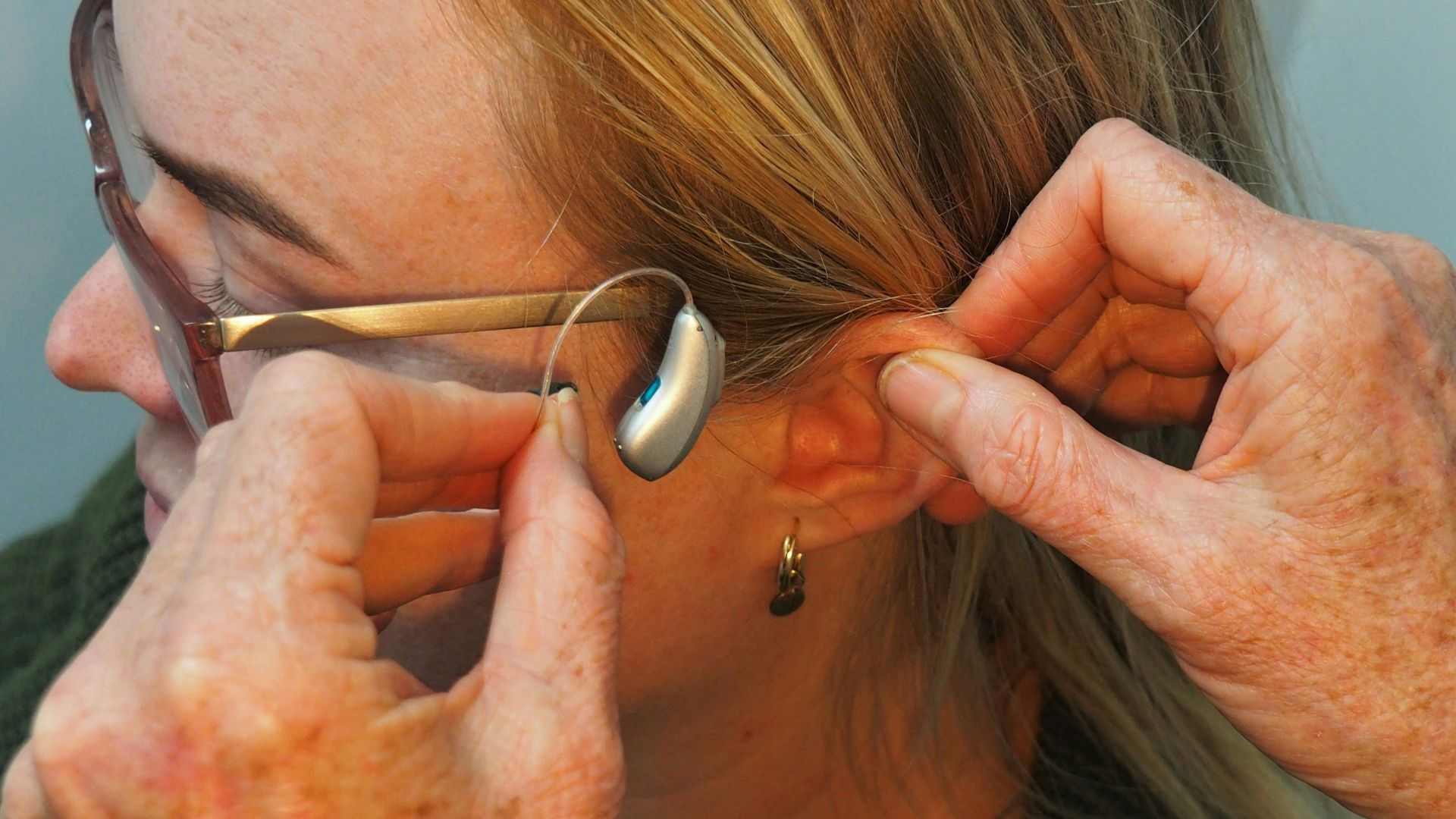
Diabetes does more than target your eyes—it can damage small blood vessels and nerves in the inner ear over time. You might notice trouble following conversations in noisy rooms before you notice anything else. Hearing changes can feel subtle, too, so bringing them up early is a smart move.
11. It Disrupts Digestion
Diabetes affects the nerves that control stomach and bowel function, leading to symptoms like nausea, early fullness, constipation, or unpredictable blood sugar after meals. It’s one of the biggest symptoms to keep an eye on.

12. It Can Cause Burning or Tingling in Your Hands
Nerve damage doesn’t only pick on feet; it can also show up in the hands. Keep an eye out for pins-and-needles, burning, or a strange numbness that makes simple tasks annoying. The earlier you address it, the more options you have for relief.

13. It Can Change How You Feel Pain
No, diabetes won’t dull the pain—quite the opposite, in fact. While some people become less sensitive to pain in certain areas, others develop heightened, uncomfortable nerve pain. That mismatch is especially frustrating because your body’s signals get less reliable.

14. It Affects Your Energy in Specific Ways
High glucose can leave you feeling wiped out. The reason why is that your cells aren’t using energy efficiently. On the flip side, low blood sugar can also cause shakiness, sweating, and sudden fatigue that hits fast. If your energy feels unpredictable, it’s often worth looking at glucose patterns rather than blaming stress.

15. It Can Influence Mood and Mental Sharpness
Blood sugar swings affect everything from concentration and irritability to how steady you feel emotionally. Living with a chronic condition also adds mental load that can wear you down. Together, you might experience more lows than normal.

16. It Can Affect Sleep Quality
Diabetes does a lot to your poor sleep schedule. Nighttime highs or lows wake you up, and frequent urination can interrupt rest. Naturally, that causes poor sleep, which only makes glucose management harder the next day, which is an awful feedback loop.

17. It Can Cause Frequent Urination and Extra Thirst
When glucose is high, your kidneys try to flush it out, which means they’re pulling more water along for the ride. What that means for you is running to the bathroom and feeling unusually thirsty. The silver lining is that if this pattern shows up, it’s a strong clue your blood sugar needs attention.

18. It Can Cause Intimacy Health Changes
Diabetes affects blood flow and nerves, which may contribute to reduced arousal or even ED. Hormonal shifts, medication side effects, and stress can also play a role. It’s a common medical issue, though, and you deserve straightforward help for it.

19. It Can Complicate Pregnancy
If you have babies on the brain, you should speak with your doctor if underlying diagnoses exist. Diabetes during pregnancy can raise the risk of complications for both parent and baby if glucose isn’t well managed. Care teams usually aim for tighter monitoring to support healthy development and a safer delivery.

20. It Can Affect Your Blood Vessels
Diabetes damages both large and small blood vessels, impacting circulation in many organs at once. That’s why complications can seem unrelated, even though they share the same root problem. Keeping up with screenings may not feel glamorous, but it’s one of the most effective ways to stay ahead of trouble.

KEEP ON READING