Everyday Movements That Add Up
A lot of the aches people blame on getting older are really just the body keeping receipts. The damage doesn’t usually come from one dramatic moment. It comes from everyday tasks that repeat, often with lousy posture, awkward angles, or rushing because there’s no time. Ergonomics and overuse injuries are well covered by credible workplace-safety and health groups like the U.S. National Institute for Occupational Safety and Health, and the same principles apply at home when you’re the one doing the work. Here are twenty everyday jobs most of us end up doing ourselves that can quietly grind down backs, shoulders, knees, hands, and feet.

1. Carrying Groceries Up Stairs
Bags pull the shoulders down and forward, and most people compensate by leaning or twisting as they climb. Repeating that uneven load can aggravate the lower back and irritate the neck. The strain is worse when the grip is tight and the steps are narrow.

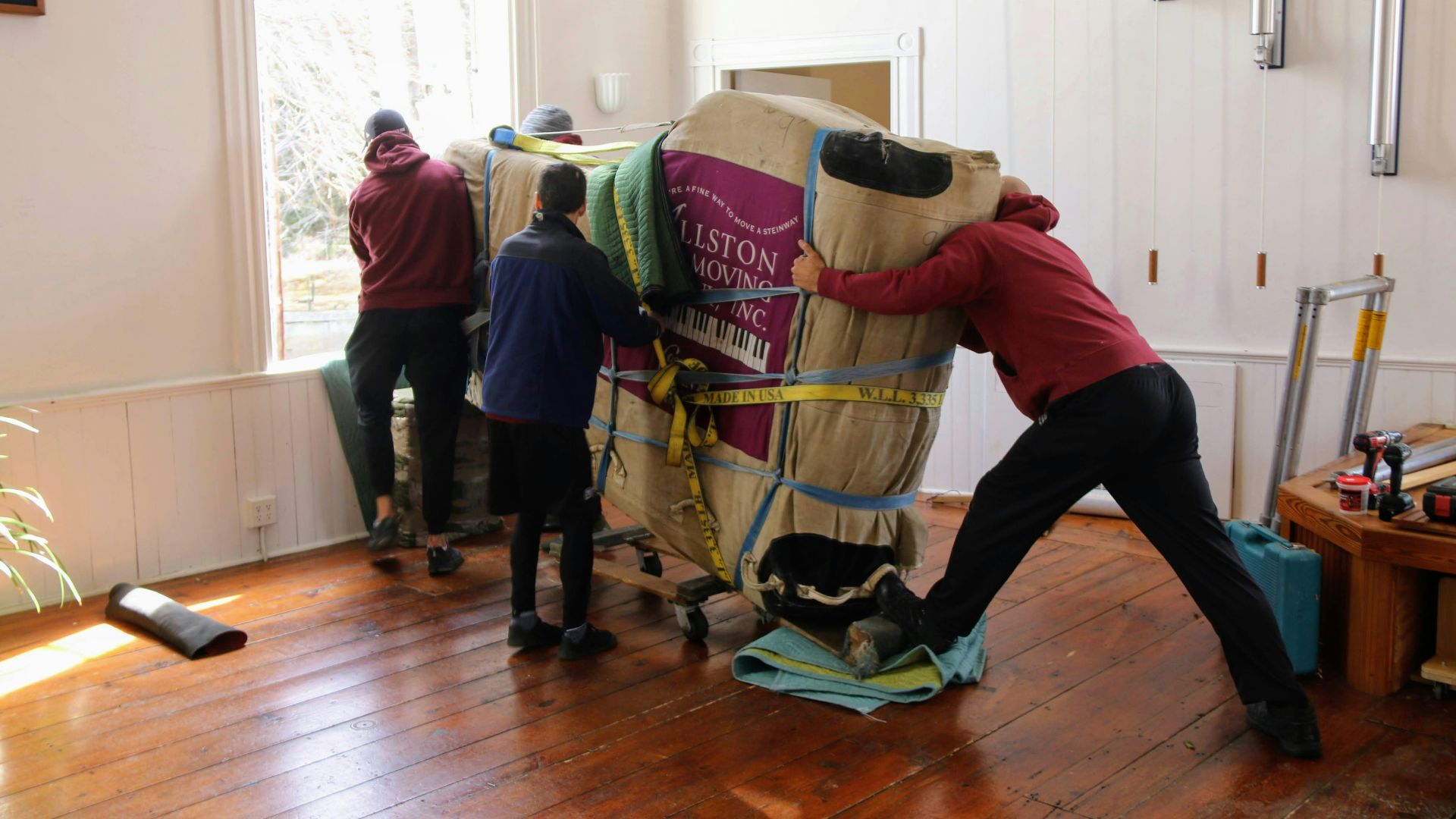
2. Moving Furniture Around The House
Furniture rarely has good handholds, so the body ends up in awkward positions that force the back to do more than it should. Twisting while lifting is a common setup for back pain, especially when the object catches on a rug or doorway. Even small moves add up when the body tenses through the whole effort.
3. Shoveling Snow Or Gravel
Shoveling looks simple until it turns into repeated lifting and throwing with a rounded spine. The motion can hammer the lower back and strain shoulders, particularly when the shovel is overloaded. Cold weather also makes muscles tighter and less forgiving.

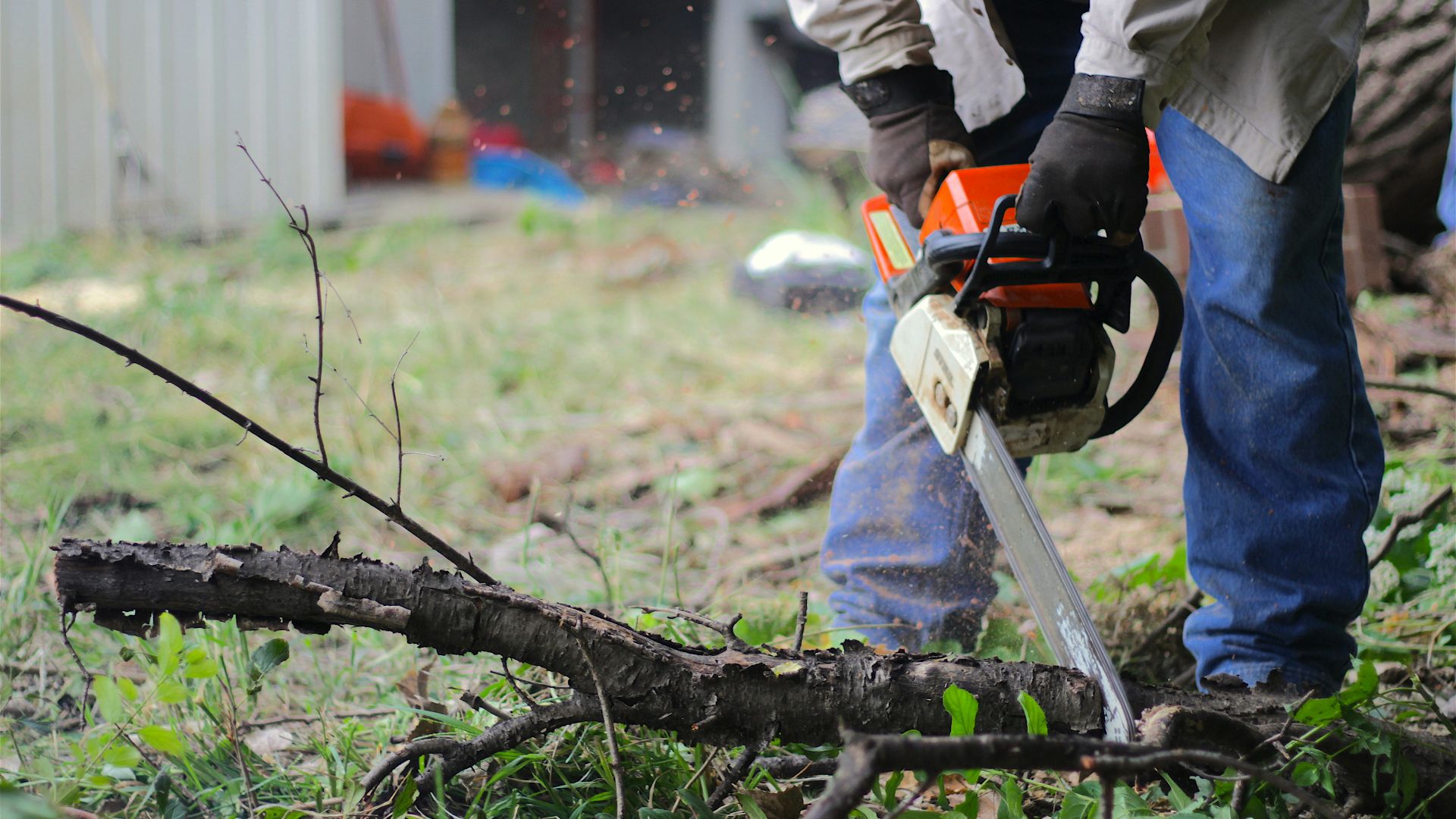
4. Yard Work And Raking
Raking is repetitive and one-sided, and the shoulders and elbows absorb the constant pull. People often hunch without realizing it, which loads the upper back and neck. Long sessions can leave the wrists irritated from gripping the handle too hard.
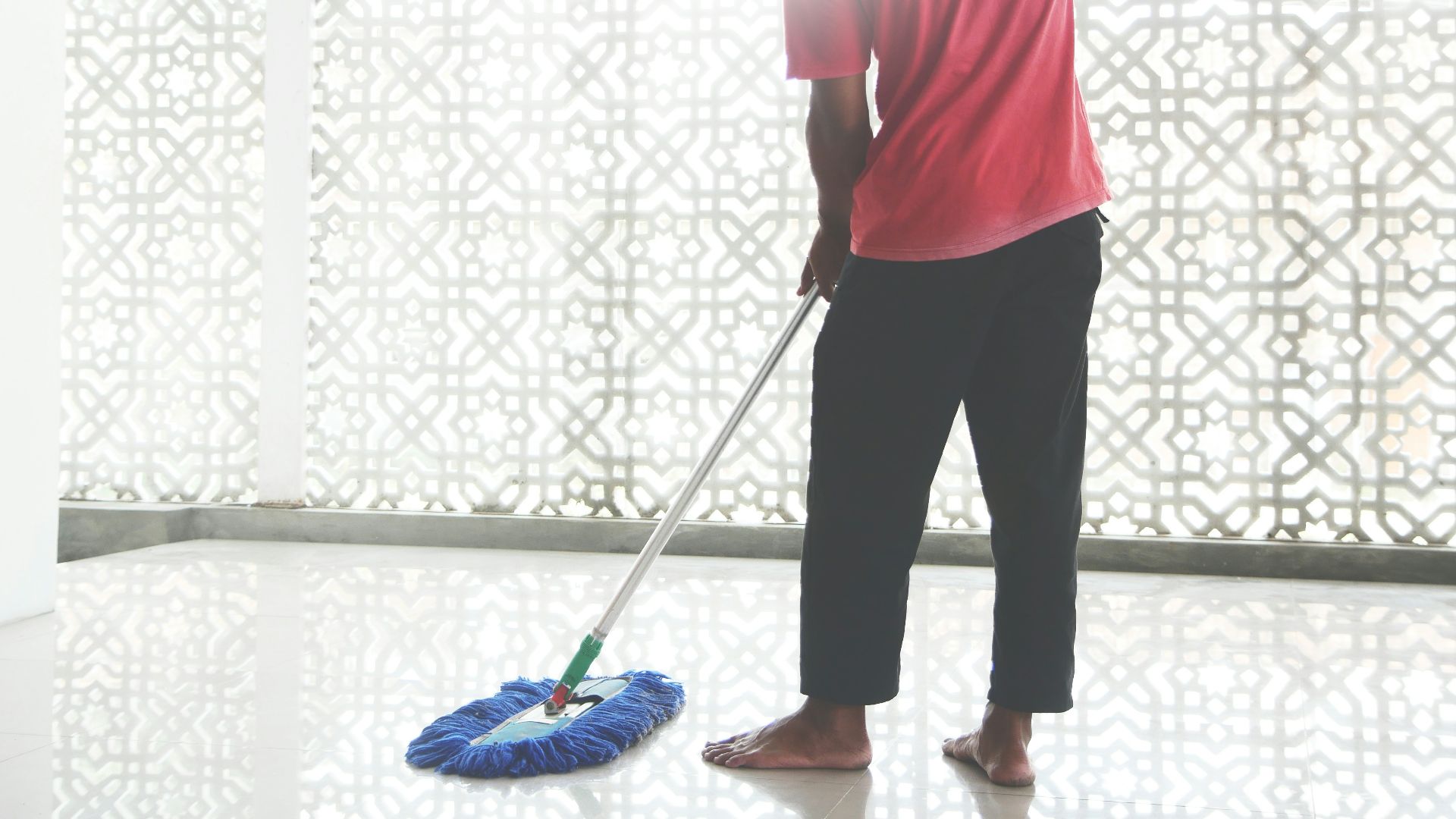
5. Mopping And Scrubbing Floors
Scrubbing usually puts the body in a bent-over posture that stresses the lower back and tightens hips. Hands and wrists take the hit from repetitive pressure, especially when the tool is small and the surface fights back. The job also encourages rushed, jerky movements that strain shoulders.
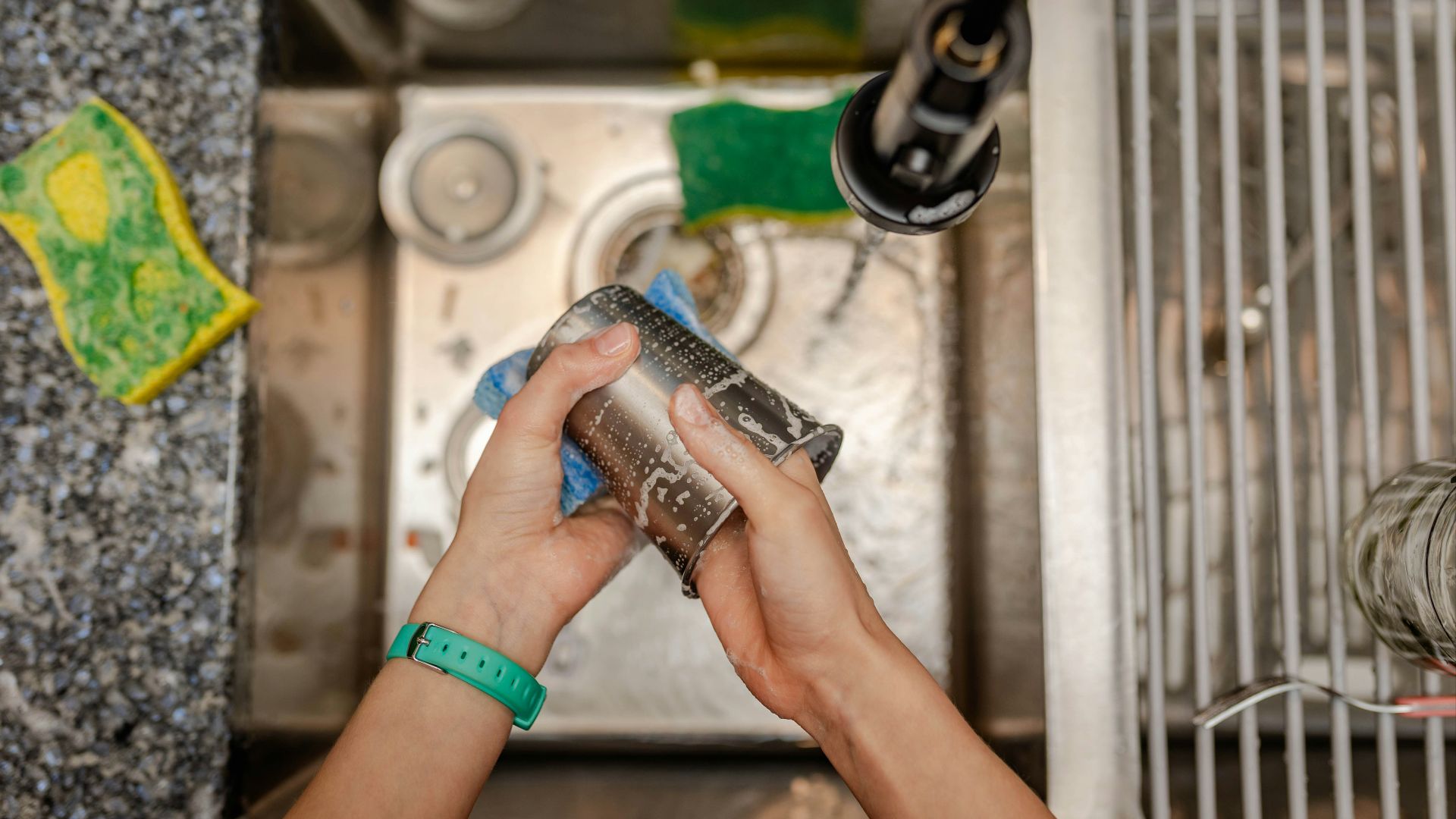
6. Washing Dishes By Hand
Standing at a sink keeps the spine slightly flexed, and many people crane the neck forward without noticing. Repetitive scrubbing can flare wrists and thumbs, especially with heavy pots. The hard floor underfoot turns a simple task into a long-standing session.
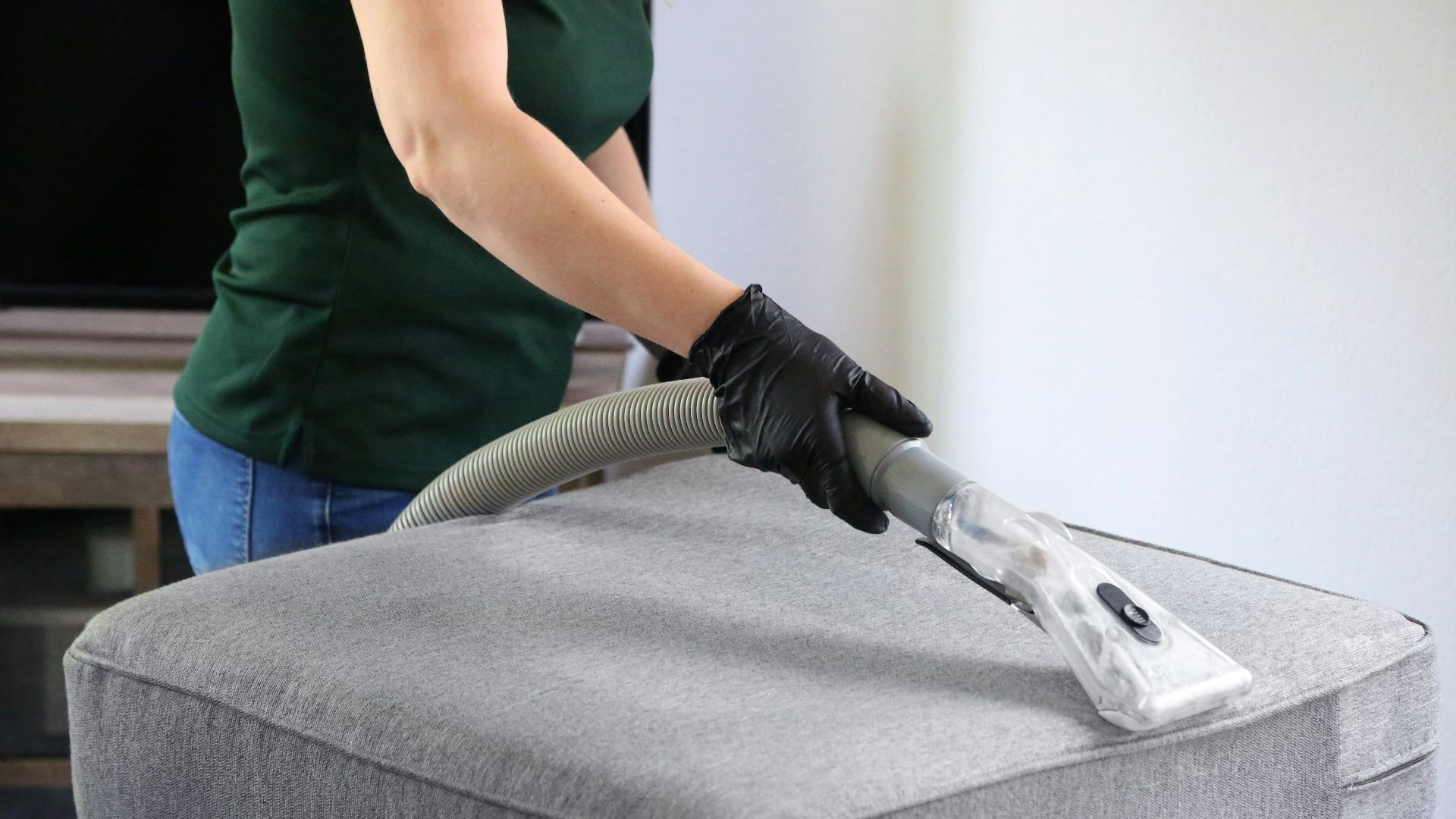
7. Vacuuming And Pushing Heavy Cleaners
Pushing and pulling a vacuum is a lot of repetitive shoulder work, and the twisting to get around furniture can aggravate the lower back. Heavy upright vacuums add strain through the wrists and forearms. The job feels harmless until the shoulder starts pinching halfway through a room.
8. Laundry Hauling And Basket Carrying
Laundry baskets are bulky, and carrying them often forces the arms out and the shoulders up. Stairs make it worse because the load pulls the body forward and people compensate with the lower back. Repeated trips can turn into chronic tightness that never fully resets.

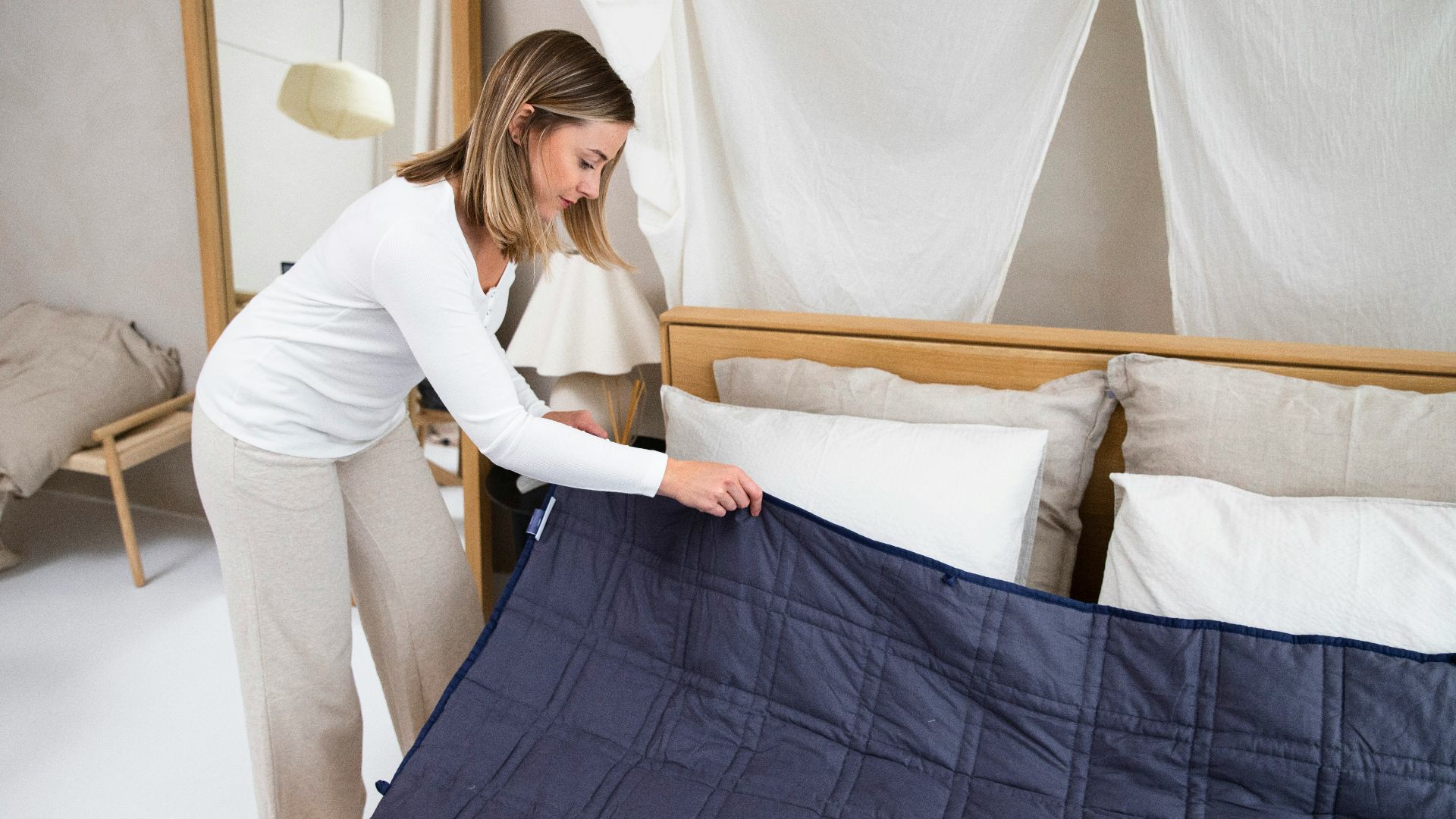
9. Making Beds And Changing Sheets
Making a bed can turn into a steady cycle of bending, reaching, and tugging with the spine rounded. Tucking sheets encourages a hunched posture and awkward shoulder angles. It’s short work, yet it hits the same joints again and again.
10. Cooking Dinner Every Night
Chopping, stirring, and lifting pans is repetitive hand and wrist work, and the shoulders stay engaged longer than most people realize. Standing at a counter that’s too low encourages hunching, which loads the upper back. Even a home kitchen can create the same ergonomic problems as a workplace.

11. Sitting At A Laptop On The Couch
The couch-laptop posture quietly crushes the neck and upper back, especially when the screen is low and the head juts forward. Hours of that position can trigger headaches, tight shoulders, and wrist irritation. It feels relaxed, yet the body is usually braced the whole time.

12. Phone Scrolling And Texting
Holding a phone encourages a bent neck posture and tiny, repetitive thumb motion. Over time, the neck and upper back can stiffen and the thumbs can get irritated from constant tapping. The strain is subtle because it happens in small doses all day.

13. Driving For Long Stretches
Long drives keep hips flexed and the lower back under constant low-level load. Many people grip the wheel and tense their shoulders, then wonder why the neck feels tight later. The transition from sitting to lifting bags or kids afterward can catch the back off guard.

14. Picking Up Kids Or Heavy Pets
Lifting kids and pets often happens quickly and from awkward positions, like a low squat that turns into a back bend. The load is unpredictable because they wiggle, and that sudden shift can strain wrists and backs. The repetition is what turns it from cute to painful.

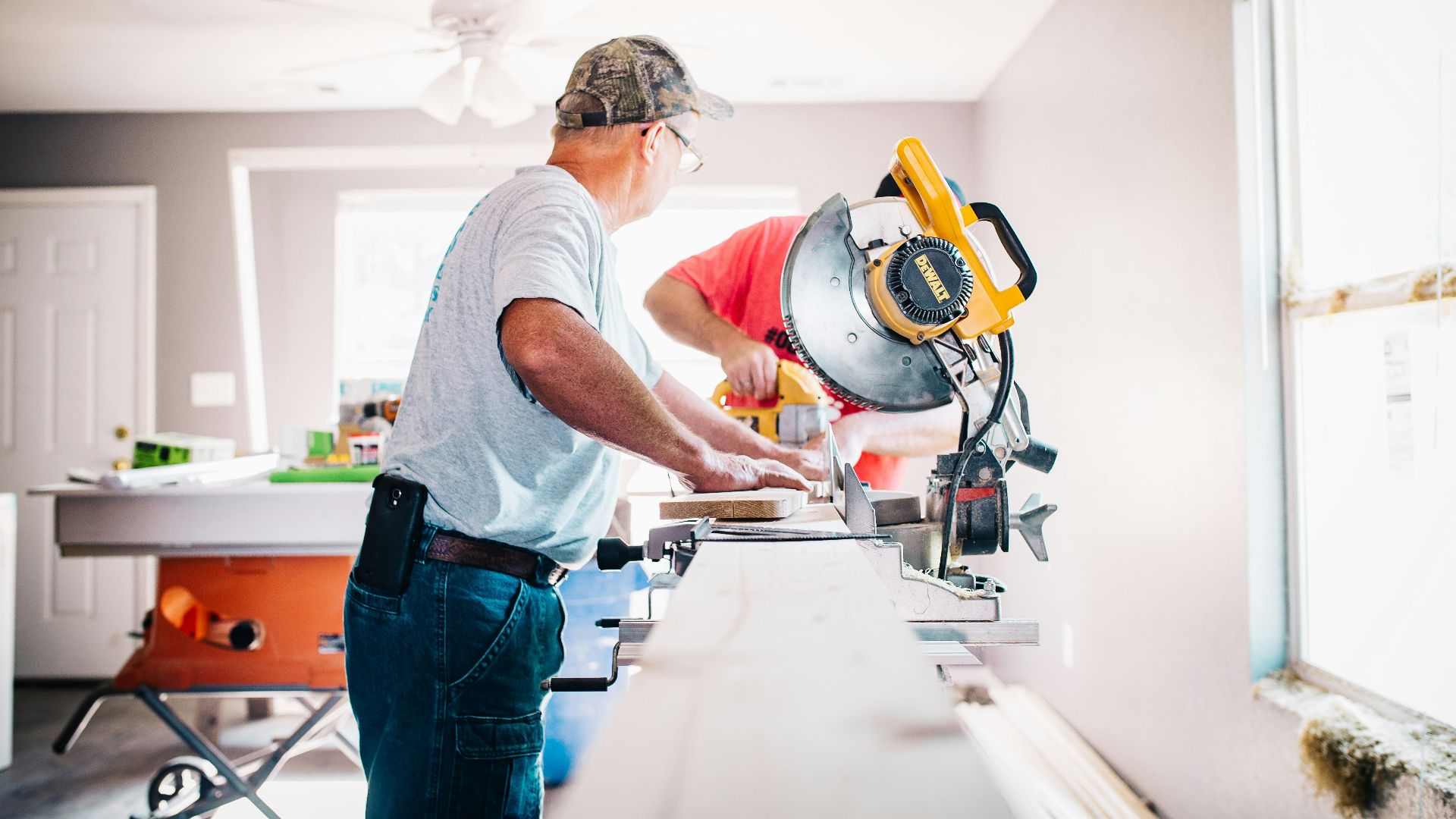
15. DIY Home Repairs
Home repairs involve ladders, overhead reaching, awkward crouches, and cramped spaces under sinks. The shoulders take a beating from working above chest height, and the knees and back get stressed from sustained squatting. People also hold their breath and brace without realizing it, which adds tension.
16. Gardening And Weeding
Weeding is a long stretch of bending, kneeling, and pinching with the hands. Knees complain from hard ground, and the lower back gets loaded by sustained flexion. Hands and wrists can feel sore from repetitive gripping and pulling.

17. Carrying Water Jugs, Pet Food, Or Bulk Items
Big containers and bags are heavy and awkward, and they often get carried with one arm because it’s convenient. That uneven load can irritate the shoulder and pull on the lower back. The strain builds because these are the kinds of items people buy over and over.
18. Weekend Errands With Lots Of Walking And Standing
Standing in lines, wandering big stores, and hauling bags turns errands into a long, low-grade endurance event. Feet and knees take the hit on hard surfaces, especially in unsupportive shoes. By the end, the body feels worn down even though nothing extreme happened.

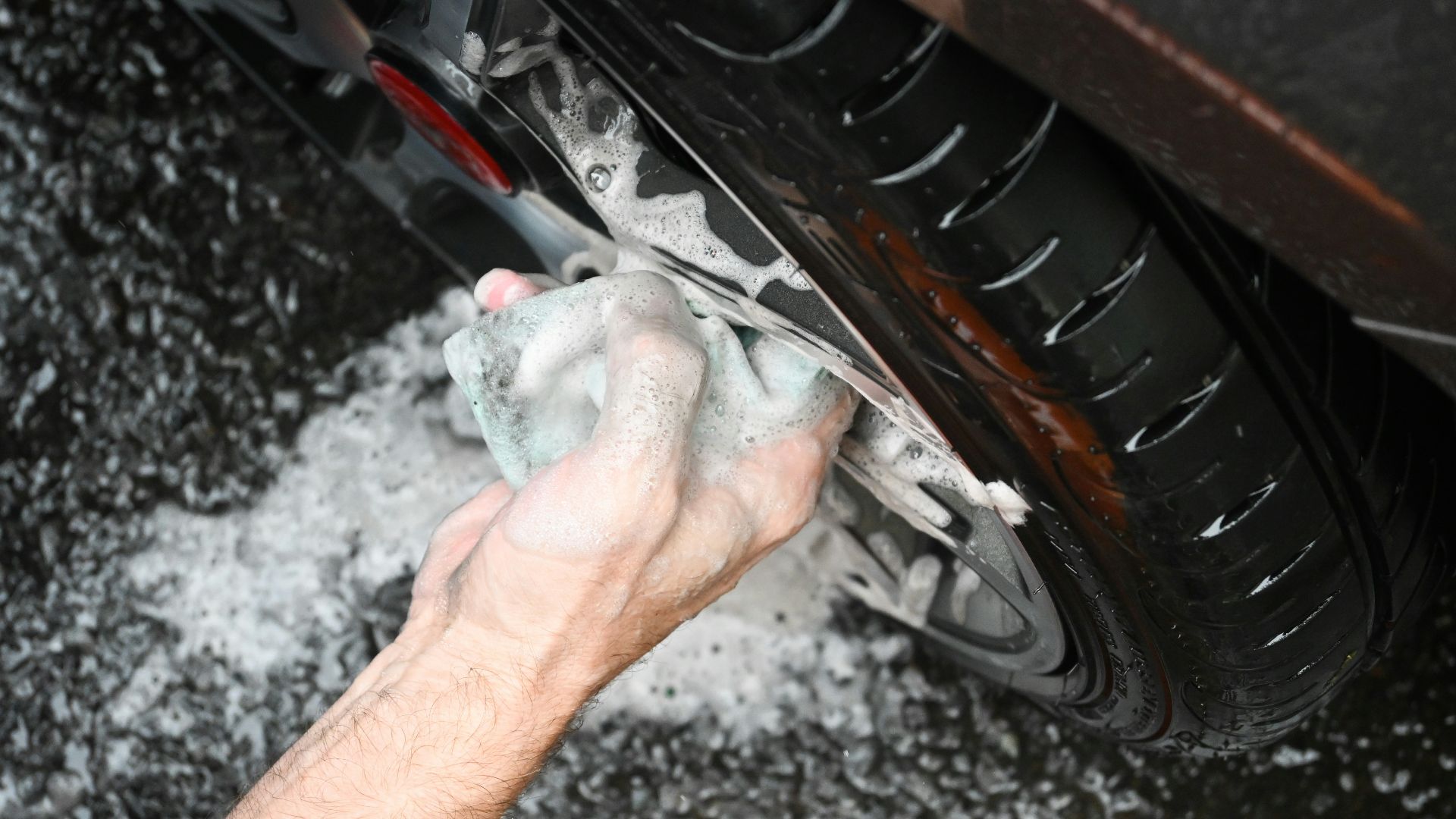
19. Cleaning The Car
Vacuuming under seats and wiping interiors forces awkward twisting and bent-neck positions. The cramped space encourages bad angles for the shoulders and lower back. It’s a short task that can still leave the body sore because the posture is so unnatural.
20. Constant Stairs In Daily Life
Stairs are great exercise until they become nonstop, especially when carrying things or moving quickly. Knees and Achilles tendons can get irritated with repeated trips, and the hips tighten from always working in the same range. It’s easy to ignore until every step starts to feel a little sharp.