What You Should Know Before You Panic
Nipah virus—a zoonotic virus, which means it spreads from animals to people—is rare, but exposure and infection can cause severe illness and a high risk of death, which is why public health agencies track it closely. Despite what you might think, what with recent outbreaks occurring in parts of South and Southeast Asia, this virus isn't new; in fact, it's been around since 1999. It doesn't hurt, however, to stay informed and keep you and your loved ones safe. Here are 10 facts to know and 10 ways to protect yourself.
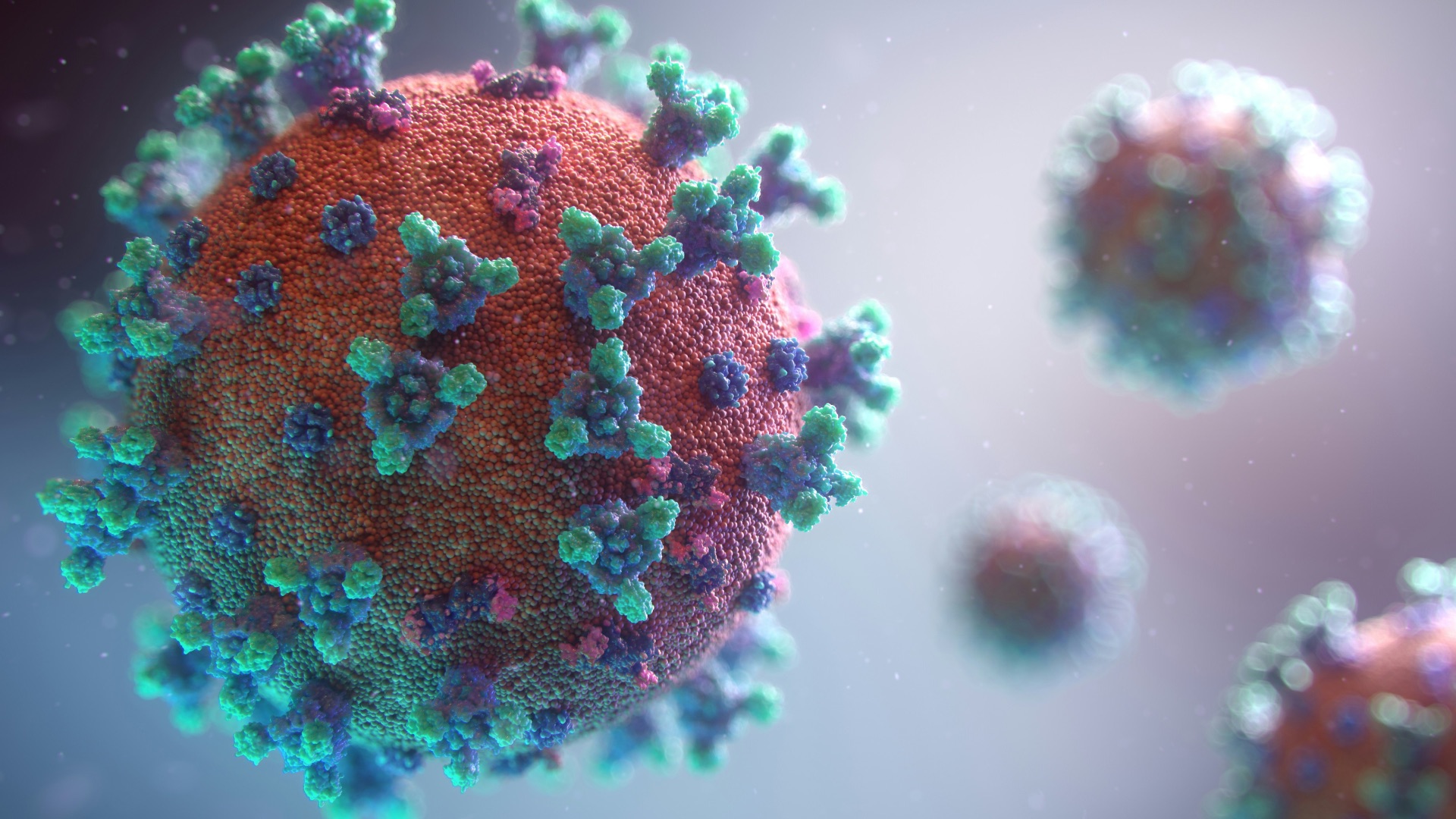 Fusion Medical Animation on Unsplash
1. Where Nipah Virus Usually Appears
Nipah outbreaks have mostly been reported in parts of South and Southeast Asia, including repeated events in Bangladesh and India. Public health alerts often focus on specific regions when cases are detected, rather than entire countries. If you’re traveling, it’s worth checking for official outbreak notices tied to your exact destination.

2. The Natural Host Is Fruit Bats
Fruit bats, also called flying foxes, are considered the natural reservoir for Nipah virus. That matters because spillover risk tends to rise where humans, livestock, and bat habitats overlap. Make sure to always take exposure warnings seriously in outbreak areas.

3. It Can Spread from Animals to People
People can become infected after contact with infected animals or their bodily fluids. Historically, pigs have played a role in some outbreaks, and other domestic animals have been infected in certain events. The practical takeaway is that animal-handling risks are highest in settings with known transmission and poor protective practices.

4. Contaminated Food Can Be a Route
Nipah can spread through food contaminated by infected animals, including contamination linked to fruit bats. Certain fresh products and raw drinks can be higher risk when they’re exposed to wildlife, so it's best to keep good food safety habits.

5. Person-to-Person Spread Is Possible
Nipah can be transmitted from person to person, especially through close contact with bodily fluids. Healthcare settings and household caregiving can become risk points if infection control is weak. This is why contact tracing and isolation guidance often move fast during investigations.
6. Symptoms Can Be Fatal
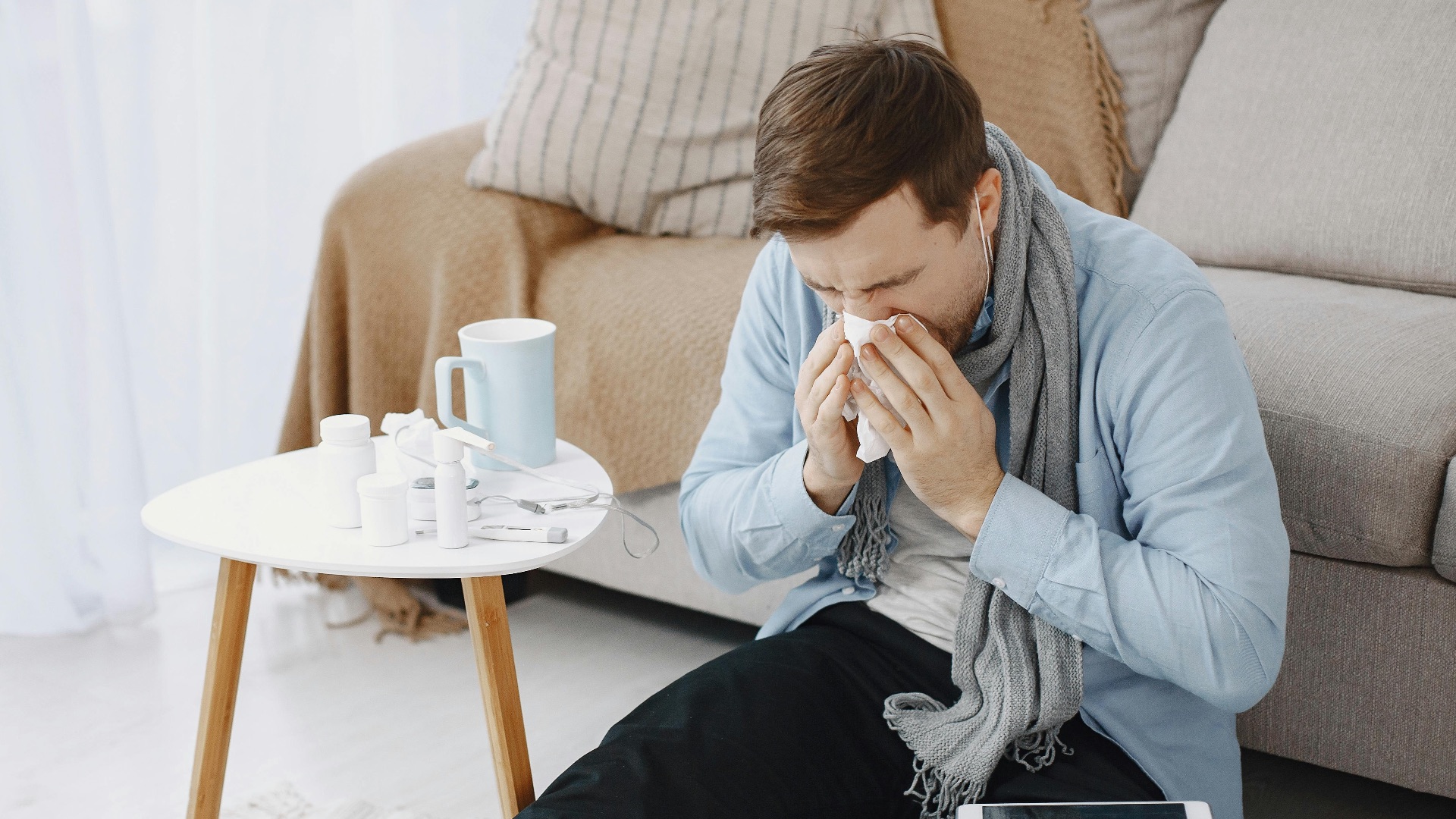
Early symptoms are often nonspecific, such as fever and headache, which can make recognition tricky at first. Some people also develop respiratory symptoms, confusion, drowsiness, seizures, and severe cases can progress to encephalitis and even death.
7. Severe Disease Can Affect the Brain and Lungs
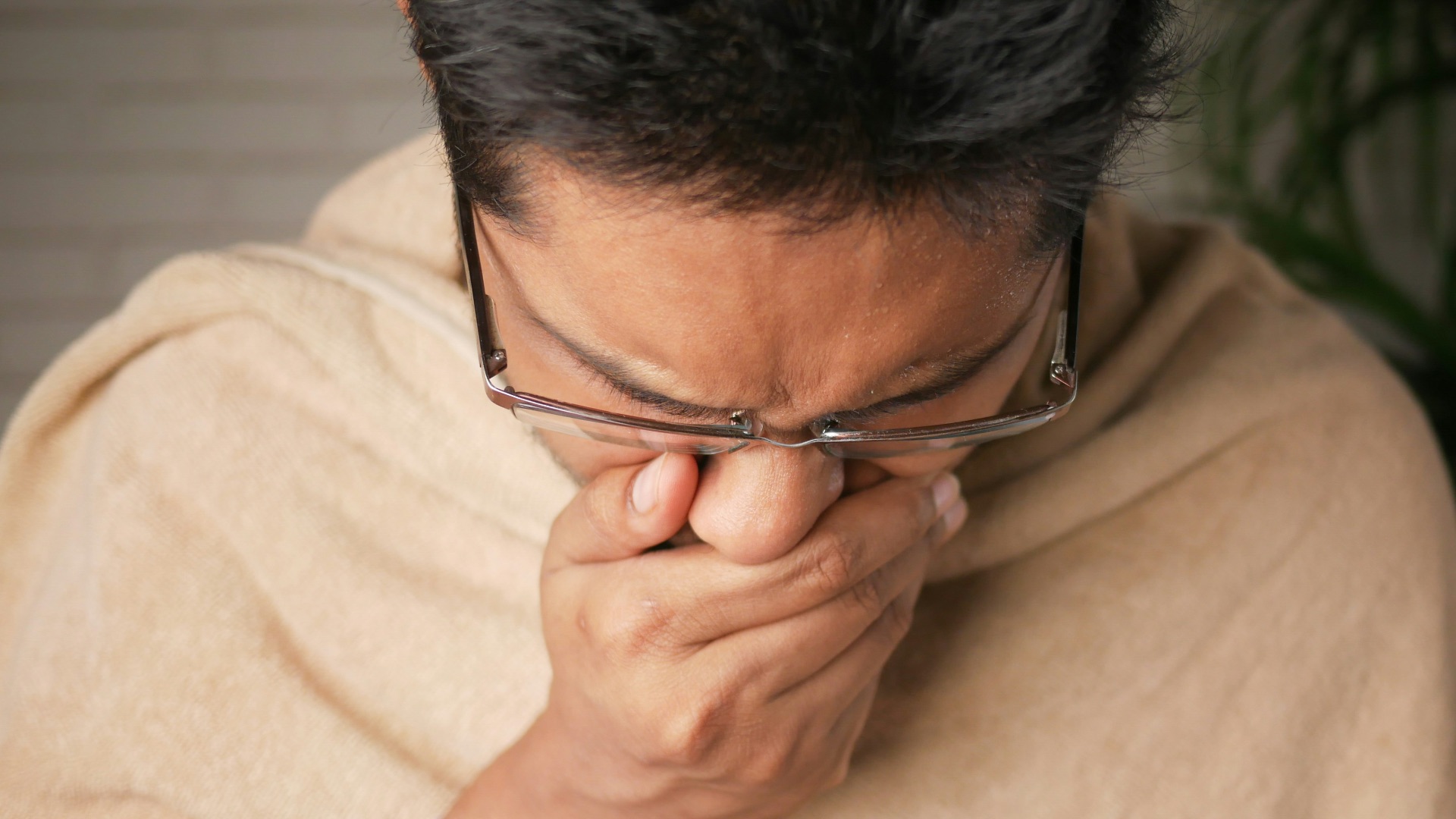
As mentioned, the hallmark of severe Nipah infection is encephalitis, or swelling of the brain, which can involve confusion, seizures, and rapid decline. Respiratory illness can also occur and may be prominent in some outbreaks. Because progression can be fast, early medical evaluation matters when exposure is plausible.

8. The Fatality Rate Is High
Across outbreaks, reported case-fatality rates have commonly ranged from about 40% to 70%. However, the exact number can vary depending on the outbreak, healthcare access, and how cases are detected and counted. Even if the odds sound scary, remember that the infection itself is still uncommon for most people.
9. There Isn’t a Specific Proven Treatment
There’s no specific, widely approved antiviral treatment that reliably cures Nipah. Care is largely supportive, meaning clinicians manage symptoms and complications while the body fights the infection. That’s a big reason prevention and rapid containment get so much emphasis.
10. Outbreaks Tend to Trigger Strict Public Health Controls
When Nipah is confirmed, officials may issue advisories, monitor contacts, and implement localized containment steps. Recent outbreak reports have included detailed contact tracing and targeted public guidance in affected districts. These measures are designed to stop transmission as early as possible.
Now that you know the facts, here's how to stay safe:
1. Follow Official Health Advisories When You Travel
Before you go, check reputable public health sources for alerts tied to your destination and dates. If guidance recommends avoiding certain areas or activities, treat that as a real risk signal rather than a vague suggestion. Staying updated is especially useful because outbreak status can change quickly.

2. Skip Raw Date Palm Sap in Outbreak Regions
In areas where Nipah has occurred, avoid raw date palm sap because contamination by fruit bats has been a recognized concern. If a beverage is unpasteurized or collected openly overnight, it’s not worth the gamble. Choose processed or safely packaged options instead.

3. Wash and Peel Fruit When Exposure Is Possible
If you’re in or near an affected area, always wash fruit with clean water and peel it. Discard fruit that looks partially eaten or has obvious damage that could increase contamination risk. This is a simple prevention habit that pairs well with other food safety steps.

4. Avoid Contact with Sick Animals
Don’t handle animals that are visibly ill, and don’t touch animal bodily fluids without protection. If your work involves livestock, follow local veterinary and public health instructions carefully during alerts. Reporting unusual animal illness promptly can help stop spillover events.
 Christopher Carson on Unsplash
5. Use Gloves and Barriers for Caregiving
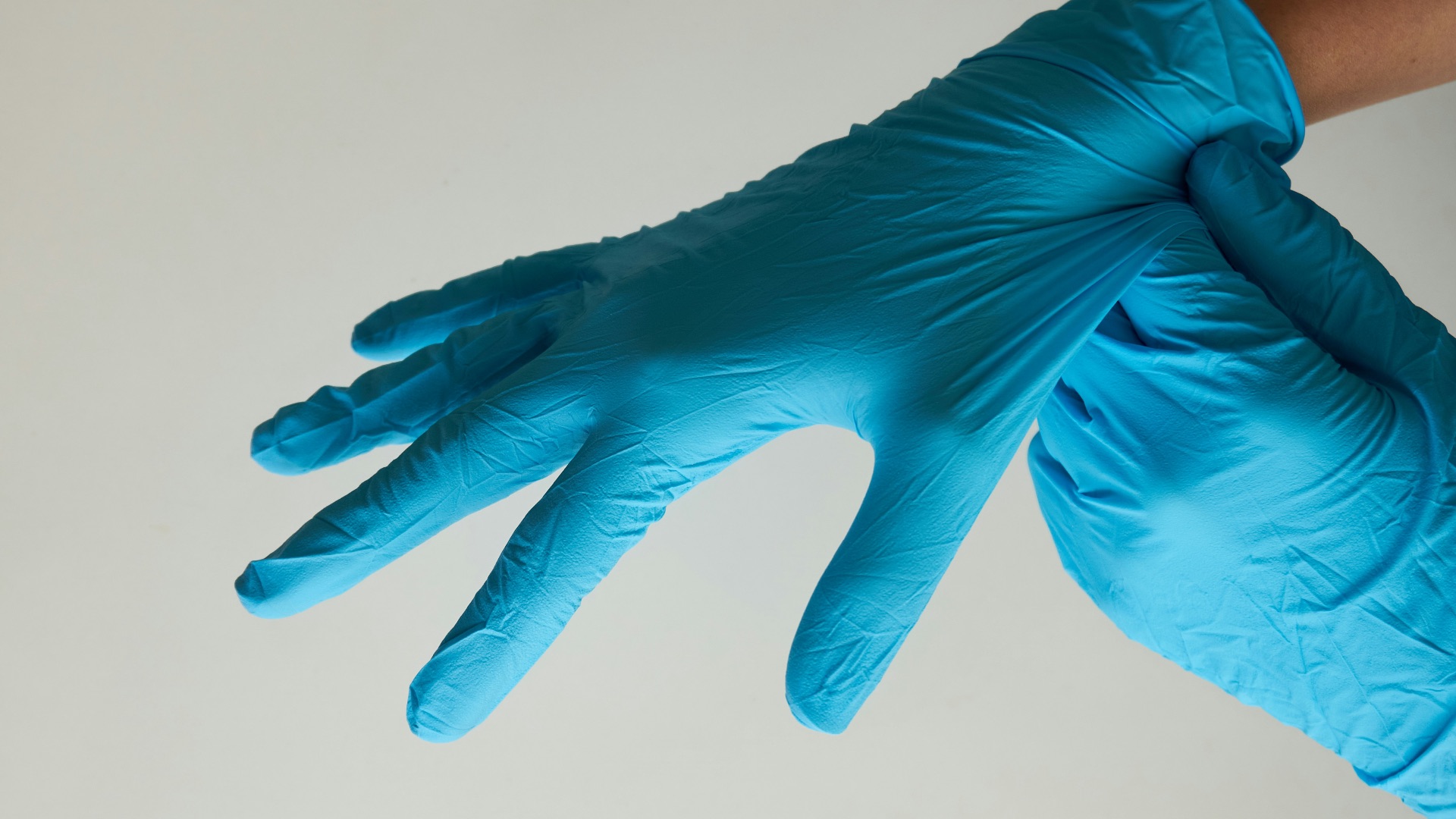
If you’re caring for someone who might have Nipah, avoid direct contact with bodily fluids and use gloves if available. Limit exposure to items like tissues, bedding, and dishes that may be contaminated, and wash your hands thoroughly afterward.
6. Practice Regular Hand Hygiene
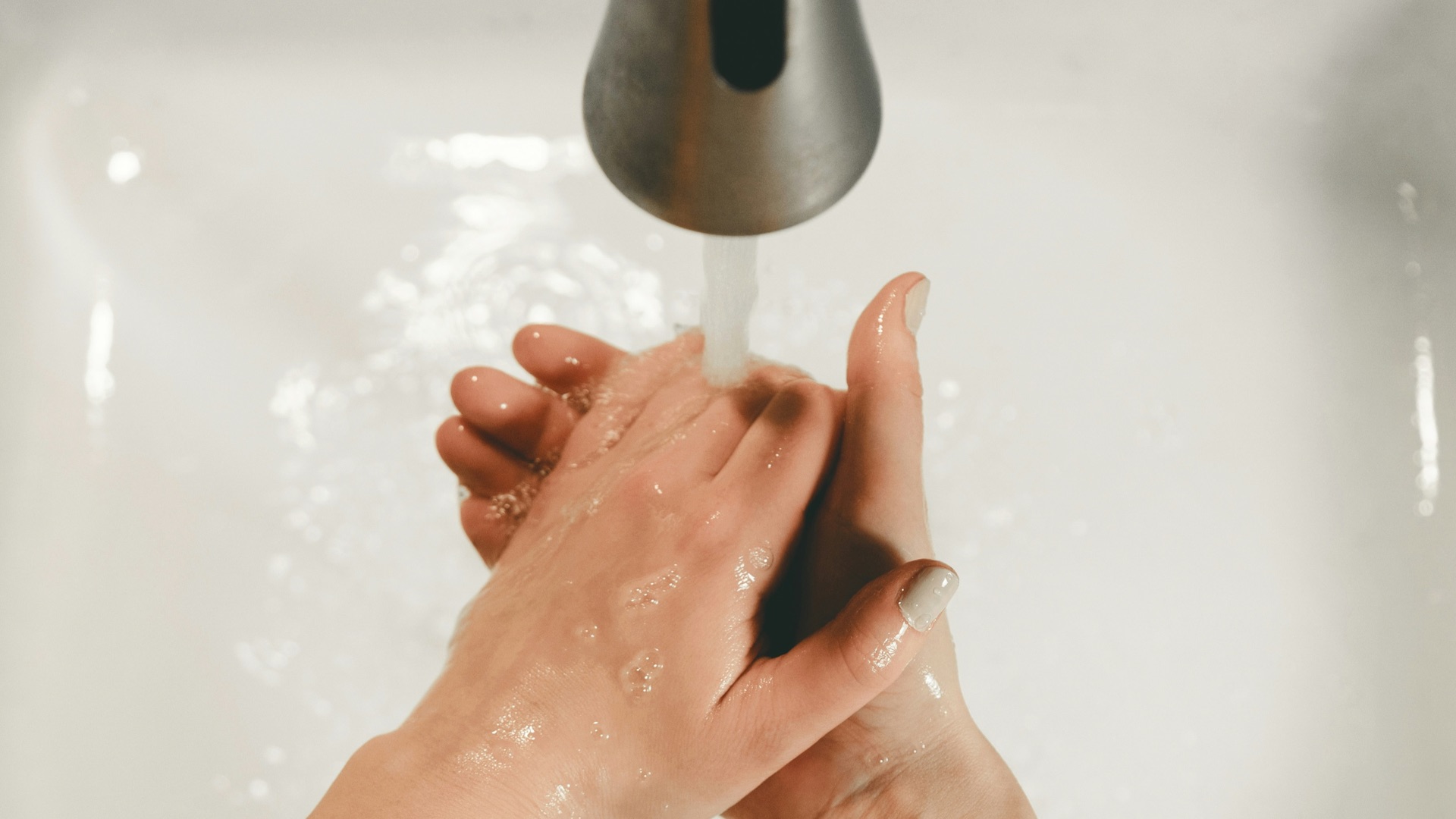
Wash with soap and water after contact with animals, raw foods, or potentially contaminated surfaces. If soap and water aren’t available, use an alcohol-based hand sanitizer, then wash properly when you can. Keeping up with hygiene can help reduce infection risk.
7. Wear a Mask in High-Risk Settings
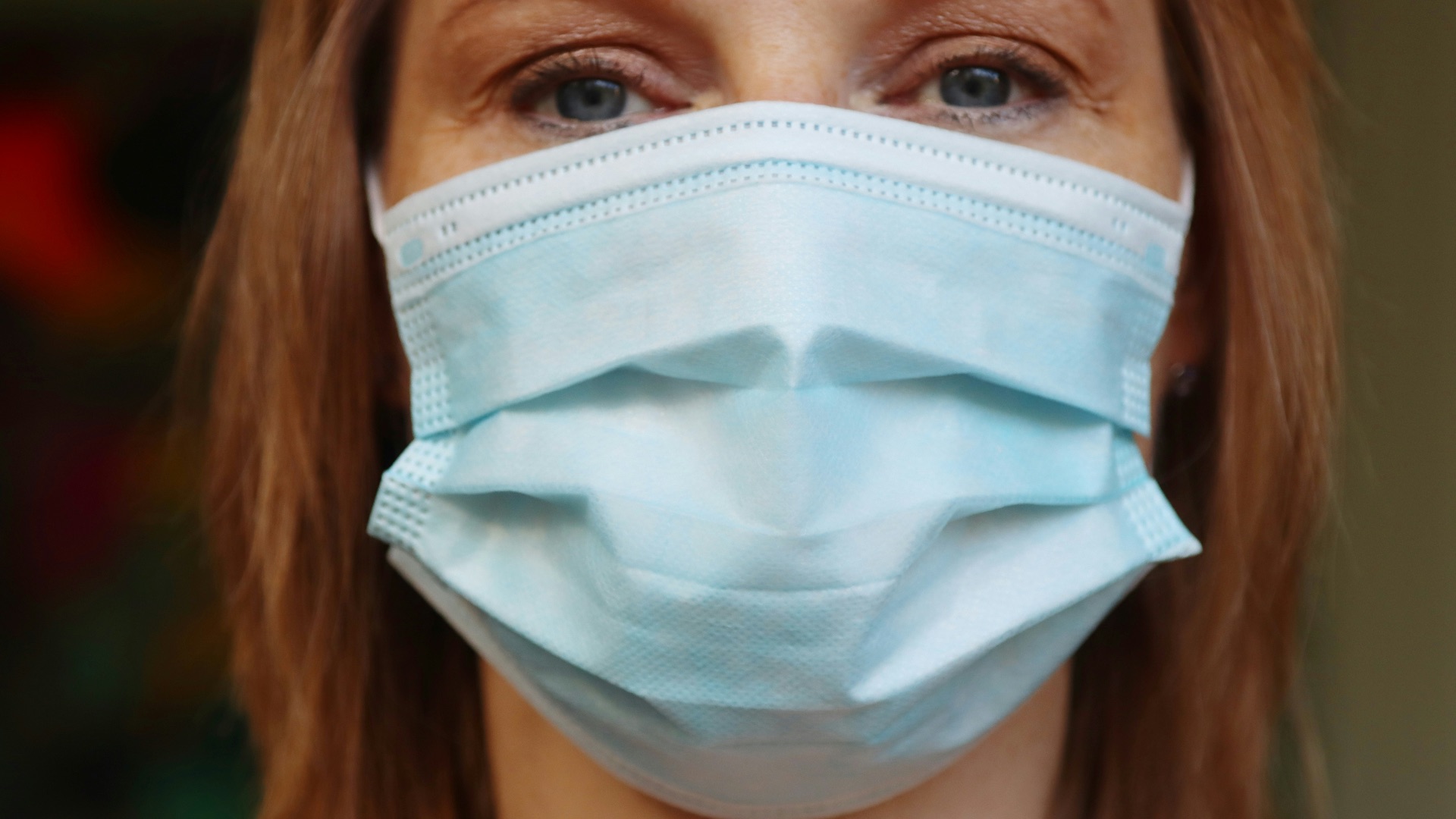
If you must visit healthcare facilities in an outbreak area, follow facility instructions on masking and screening. Crowded waiting rooms and close-contact care can increase exposure to respiratory droplets and bodily fluids. A mask isn’t a magic shield, but it’s a reasonable layer when risk is elevated.
8. Take Isolation and Testing Advice Seriously
If public health workers recommend monitoring, testing, or temporary isolation after exposure, cooperate fully. These steps are meant to catch infections early and prevent spread to family members and the broader community. Ignoring guidance can turn a containable situation into a bigger one.

9. Seek Care Early If You Have Symptoms or Exposure Risk
If you develop fever, headache, respiratory symptoms, or confusion after a plausible exposure, contact a healthcare provider promptly and share your travel and contact history. Early evaluation helps clinicians choose the right tests and precautions. It also protects others by reducing unplanned exposure in clinics and at home.

10. Stick to Reliable Sources
Use major public health agencies for updates instead of social media posts that lack details or evidence. Misinformation can push people toward unhelpful behavior, like ignoring targeted advisories or chasing unproven cures. A calm, source-based approach is genuinely one of the safest choices you can make.

KEEP ON READING

20 Ways You Can Lose Weight While Sleeping