

Hunger Isn’t Always About Willpower
If you feel like you’re always thinking about your next snack, you’re not necessarily doing the wrong thing for your body. Hunger can ramp up because of sleep, stress, routine, hydration, or the way your meals are built, and sometimes it’s your body waving a bigger medical flag. A few causes are totally harmless and fixable, while others are worth discussing with a clinician if they’re persistent or intense. Here are 20 common reasons your appetite might be acting like it has its own agenda.

1. You’re Not Sleeping Enough
Short sleep can crank up hunger hormones and dull the ones that help you feel satisfied. That’s why you can eat “normally” and still want more, especially later in the day. If you can't stop thinking about your pantry, your appetite may be responding to a lack of shut-eye, not a lack of discipline.

2. You’re Dehydrated
Thirst and hunger signals can feel annoyingly similar, so your body sometimes sends the wrong notification. If you’re reaching for snacks all day, try checking whether you’ve actually had enough water. This is especially common when you’ve had a lot of coffee, travel days, or dry indoor air.

3. You're Lacking Protein
Protein tends to keep you full longer than many quick carbs. If breakfast is just toast and a smear of jam, you might be hungry again an hour later. Adding protein can make your meals feel more “finished.”

4. You’re Skimping on Fiber
Fiber adds staying power because it slows digestion and helps meals feel more substantial. If you’re not getting much from fruits, vegetables, beans, or whole grains, you can end up feeling snacky even after eating. It’s one of those boring nutrition details that makes a big difference.

5. You’re Eating Too Fast
When you inhale your meal, your fullness signals don’t get a chance to show up on time. You can end up genuinely hungry again because your body never fully “registered” the meal. Try counting your bites or giving yourself a small portion so that at least you have to get up to refill your plate, forcing a pause.

6. You’re Running on Highly Refined Carbs
Sugary or ultra-refined foods can spike your blood sugar and then leave you feeling hungry sooner afterward. It’s not a moral failure; it’s just how quick-digesting foods behave for many people. If your day is heavy on sweets, pastries, or white bread, you're likely going to feel the hunger pangs sooner than someone who subsists on whole foods.

7. Stress Is Turning Up Your Appetite
Stress hormones can increase hunger and push you toward more rewarding, quick-energy foods. That’s why stressful days can make your snack drawer look unusually appealing. Your body may be trying to self-soothe, even if your brain is pretending it’s “just hungry.”

8. You’re Not Eating Enough at Actual Mealtimes
If you under-eat earlier, your body tends to collect its debt later. That often shows up as intense evening hunger or nonstop grazing. You might tell yourself you’re “being good,” then find yourself raiding the kitchen at night. A more satisfying lunch can be the most underrated fix.

9. You’re Doing Hard Workouts Without Fueling for Them
Exercise can legitimately increase your energy needs, especially if the intensity or volume is high. If you’re training hard and eating like you’re not, your body will keep asking for more. That’s not you being dramatic; it’s basic math with calories.

10. You’re Bored
Boredom hunger has a different vibe, but it can still feel real. You might notice you crave stimulation as much as food, especially during screen time. Having a quick non-food reset (walk, shower, stretch, short task) can help you figure out what you actually need.
 Camila Quintero Franco on Unsplash
11. You’re Drinking Your Calories
Smoothies, fancy coffees, juices, and some protein drinks can add a lot of energy without triggering the same fullness as chewing food. You can end up consuming plenty, then still feeling like you need a snack. Liquids can be great, but they don’t always satisfy in the same way.

12. You’re Not Getting Enough Dietary Fat
Fat helps meals feel satisfying and can slow digestion. If your meals are very low-fat, they can feel “unfinished,” even when portions look fine. You don’t need to go wild, but some nuts, avocado, olive oil, or full-fat dairy can calm the constant munchies.
 Rebeca G. Sendroiu on Unsplash
13. Your Routine Is Messing With Your Hunger Cues
Skipping breakfast, eating at wildly different times, or grazing randomly can confuse your appetite signals. Your body likes patterns, even if you don’t. When the schedule is chaotic, hunger can show up at odd times and feel more intense than usual.

14. You’re Not Getting Enough Overall Food
Sometimes the simplest explanation is the right one: you’re eating less than your body needs. That can happen with dieting, busy days, or “accidental” restriction when you’re distracted. Constant hunger is a pretty direct complaint from your body. If it’s relentless, it’s worth reassessing your baseline.
15. You’re Drinking Alcohol
Alcohol can lower inhibitions and nudge you toward salty, snacky foods later. It can also disrupt sleep, which then feeds into next-day hunger. If your “second dinner” tends to happen after drinks, you’re not alone.

16. Your Period Cycle Is Involved
Many people notice stronger cravings or appetite shifts in the days before a period. Hormonal changes can affect hunger, mood, and sleep all at once, which is a lot to juggle. If it feels like your appetite has a monthly schedule, that might be why.

17. You’re Taking a Medication That Boosts Appetite
Some medications can increase appetite as a side effect, and it can feel like hunger came out of nowhere. If a change lined up with a new prescription, it’s worth mentioning to your prescriber. Don’t stop anything on your own, but you do deserve options and clarity.

18. You Have Low Blood Sugar
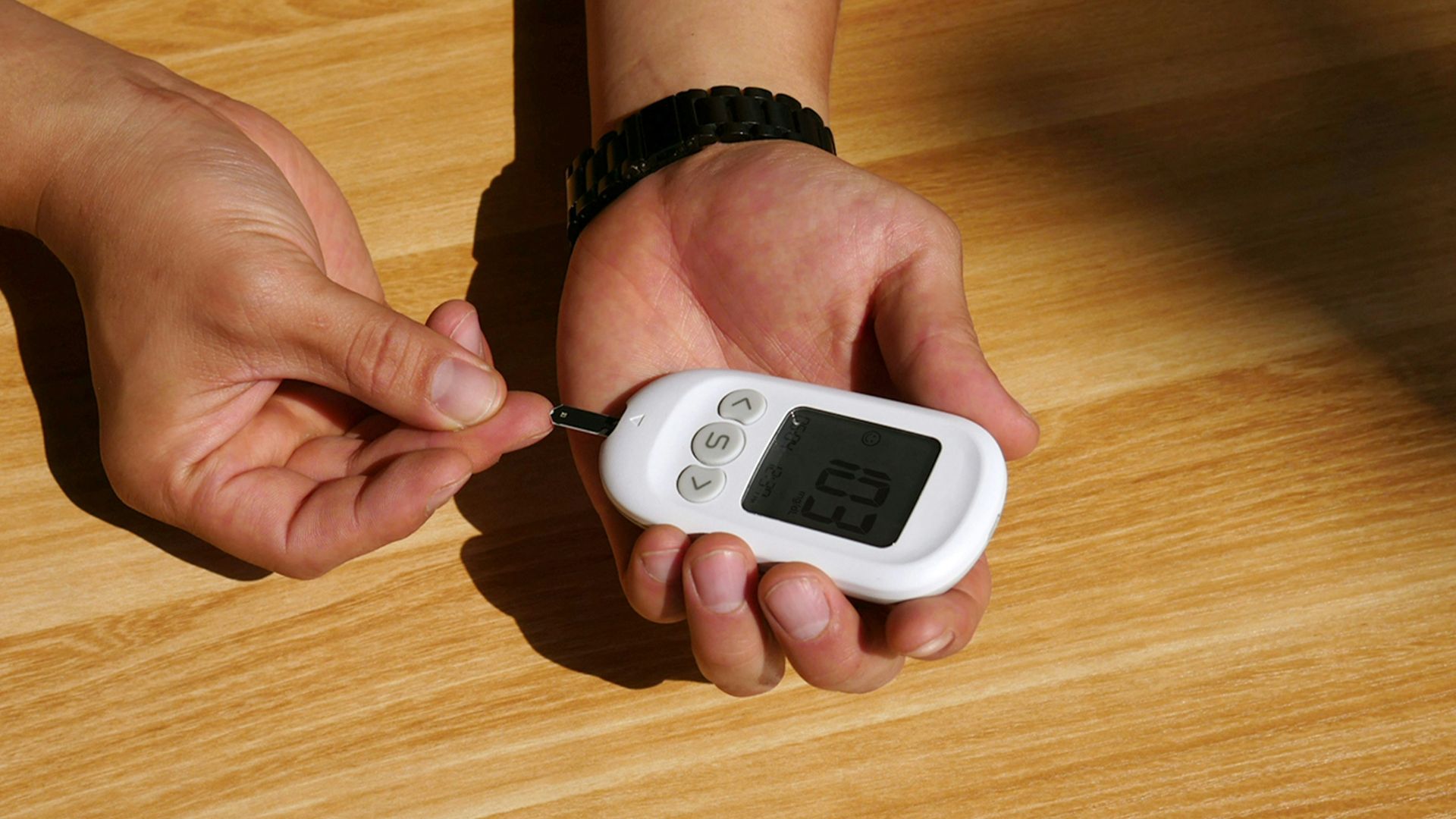
When blood sugar dips, hunger can hit fast and feel urgent. For people with diabetes, this can be especially relevant depending on treatment, meals, and activity. If you’re regularly getting shaky, sweaty, or lightheaded with hunger, take it seriously and get medical advice.
19. You Have Hyperthyroidism
An overactive thyroid can rev up metabolism and sometimes increase appetite, even alongside weight loss. If you’re eating more and still dropping weight, or you’re feeling jittery with a racing heart, you should seek medical advice.

20. It's Polyphagia
There’s a medical term for extreme, insatiable hunger: polyphagia (also called hyperphagia). It can be linked to conditions like diabetes and other issues that deserve real evaluation, not just another snack swap. If your hunger feels intense, constant, and out of character, it’s worth getting checked out.

KEEP ON READING


20 Natural Ways You Can Boost Your Immune System

20 Ways To De-stress & Relax After Work

The 10 Most Common Diseases & The 10 Most Rare